
Last updated November 18, 2026








Free written scope consultation - allowances, timeline, and change-order rules on paper before a single trade is scheduled
Windows & Doors Warning Signs Every Homeowner Should Know
A sticky door that takes two tries to close isn’t a nuisance – it’s frequently the first visible sign of foundation movement, and it’s worth taking seriously before the second sign appears. We’ve watched San Jose homeowners live with a dragging slider for years, then spend five figures grading and re-framing when the sag finally announces itself. Windows and doors are the easiest part of a house to read, and almost nobody reads them. They telegraph settling, water intrusion, failed seals, and shortcuts hidden by a previous installer. This guide shows you what each warning sign actually means, how to test for the ones you can’t see, and which signals are a weekend fix versus a call-now problem.
Quick Answer
Window and door warning signs fall into three buckets: structural (misalignment, sticking, cracks radiating from corners), seal and energy (fogging between panes, drafts, condensation), and water damage (peeling exterior paint, soft wood, failed caulk). Structural signs deserve attention first because they escalate in cost, and fogging between panes usually means the insulated glass unit has failed and needs replacement, not repair. If a door only sticks in humid weather, that’s usually wood swelling – if it sticks year-round or a gap appears at the top corner, that’s frame movement worth investigating.
Styles & brands we work with
- Kitchen remodeling
- Bathroom remodeling
- Home additions & ADU
- Roofing
- Windows & doors
- Driveway & pavers
- Fence
Table of Contents
- Structural vs. Material: Reading a Sticking Door Correctly
- Fogging Between the Panes: What It Signals
- Air Infiltration Tests That Actually Work
- Exterior Paint Failure as a Waterproofing Warning
- Tells of a Poor Original Installation
- How San Jose’s Climate Accelerates These Problems
- Repair or Replace? A Decision Framework
- Common Mistakes to Avoid
Structural vs. Material: Reading a Sticking Door Correctly
The single most misdiagnosed problem in San Jose homes is a sticking door. Most homeowners assume the door is “going bad” and plan a replacement. Sometimes they’re right. But a sticky door is data, and the question is which of three things it’s telling you.
Wood expansion (normal, easy). If the door only binds during humid stretches, in winter, or after a rainy week, you’re almost certainly dealing with wood swelling at the edge or top. San Jose has long dry summers and short wet winters, so this pattern shows up reliably in older solid-core doors. It usually resolves when the air dries out, and a light sanding on the strike edge buys you years.
Hinge failure (easy, cheap). If the door drags at the bottom but the gap at the top stays even, check the hinges first. A single top hinge that’s worked loose lets the door sag just enough to catch. Tighten the screws – if the screw holes are stripped, a longer screw or a hinge repair plate fixes it for under $15. This is a real fix, not a band-aid.
Frame movement (serious, get eyes on it). The tell is a diagonal gap at the top corner opposite the latch, paired with a door that rubs at the bottom latch-side corner. That pattern means the frame is out of square. In San Jose, this most commonly traces to foundation movement – expansive clay soil in neighborhoods like Willow Glen and portions of Cambrian can shift enough over a decade to torque a frame. If you also see cracks radiating from window or door corners, doors that won’t latch in more than one room, or gaps opening above exterior doors, stop treating it as a door problem. Those are structural signals, and finding them early is the entire cost-prevention story.
Fogging Between the Panes: What It Signals
Condensation or a milky haze trapped between the panes of a double-pane window means the seal on that insulated glass unit (IGU) has failed. Moisture got into the air space that’s supposed to hold dry gas. The window frame is usually fine. The glass unit itself is done.
Here’s the distinction competitors gloss over: fogging can be cosmetic or it can be a real energy performance loss, and you can’t always tell by looking. Two questions decide it:
- Is the haze uniform, or is there visible moisture and streaking inside the glass? Visible water droplets mean the desiccant is saturated and the unit has lost its insulating gas. That’s a performance loss, not cosmetic.
- Is the fogged window on a sun-facing wall in a room that runs hot in summer? A failed IGU on a west-facing window in a San Jose home can add real heat gain and let summer afternoon sun bake into the room. That’s energy performance, and it compounds.
One fogged unit in a 12-window house is often worth leaving alone for a season to confirm the pattern. Fogging that spreads – two units this year, four next year – usually points to an IGUs that were all manufactured in the same run and are failing on the same schedule. That’s when replacement becomes the sensible call, and it’s worth asking about warranty terms on the original windows. Many name-brand IGUs carry a sealed-unit warranty for a fixed number of years; a failed unit inside that window is a paperwork job, not a purchase. Nothing about a fogged pane is an emergency, but it’s the clearest “measure twice” decision in this guide.
Air Infiltration Tests That Actually Work
Hand-testing for drafts on a windy day is unreliable. Wind pressure against the house creates a false draft both ways – you feel air moving when a window is sealed, or you feel nothing because the pressure is neutral. Three better tests, in order of how much they’ll tell you:
The Incense Stick Test
- On a calm day with the furnace or AC running (so there’s a slight pressure difference), light an incense stick.
- Hold it slowly along the perimeter of the closed window or door: along the sill, up each side, and across the head.
- Watch the smoke. A steady sideways pull toward a spot means air is moving through that gap.
- Mark the spots with painter’s tape and repeat the next day. Consistent pull at the same joint is a real leak, not ambient air movement.
This test finds gaps your hand won’t. It’s most useful around sliding windows and patio doors, where the weatherstripping at the meeting stile and the weep holes are the usual culprits.
The Plastic Film Test
Tape a sheet of clear plastic over the interior of the window frame, sealing all four edges. Wait for a cold morning. Condensation on the inside of the plastic (room side) means warm interior air is reaching that surface – and a window that’s losing more heat than it should. No condensation means the unit is doing its job. This is a rough heat-loss test, but it tells you in one cold morning which windows are the weak ones.
The Dollar Bill Test (for doors)
Close a dollar bill in the door at the latch, top, and bottom. If it slides out easily with the door shut, the weatherstripping or door sweep has lost contact. That’s a $20 fix at any hardware store and it’s a genuine energy leak.
When any of these tests flag multiple windows, it’s worth having the whole envelope assessed before you buy new units. Sometimes the sealant and trim are the problem, not the glass. Our technicians have up to 12 years of experience reading exactly this – and it’s the kind of thing that goes much better than a guess made from a windy-day feel test.
Exterior Paint Failure as a Waterproofing Warning
Peeling paint on a wood window exterior is not a cosmetic issue. It’s a waterproofing failure in progress, and every San Jose dry season it’s left alone is a season of moisture working into the wood underneath.
Here’s what’s happening when you see that peeling or blistering: paint fails when moisture is coming from behind it, or when the surface wasn’t prepped properly before it was applied. On wood windows, the usual sequence is:
- Caulk at the window frame fails. The joint where the frame meets the siding opens up by a 1/16 of an inch – imperceptible – and rain gets in. San Jose’s rainy season delivers enough wind-driven rain to wick water into that gap.
- Water travels behind the paint film. Moisture trapped under paint pushes it off in flakes or blisters. When you see peeling on the lower rail and sill, that’s the path of water travel, not a coincidence.
- The wood softens. Check with a screwdriver tip: if it sinks easily, the wood is compromised and the trim or sill will need repair before new paint will hold.
The fix isn’t a quick repaint. It’s cut out the failing caulk, dry the wood, treat it, and re-seal with a quality exterior sealant chosen for the material. If the paint failure is on more than a couple of windows, the underlying cause is usually a window that was never flashed properly or one that’s simply reached the end of its serviceable life. Windows that keep losing paint at the sill after proper repairs are the ones worth replacing, because eventually the decision is made for you.
Tells of a Poor Original Installation
If you bought a home that was remodeled or flipped, you’re inheriting somebody else’s window and door work. San Jose’s busy renovation market means plenty of homes changed hands with shortcuts sealed under fresh trim. The tells are specific and visible once you know where to look.
- Caulk lines that are wide, wavering, or painted over. A clean installation has a thin, even bead of caulk. A fat, gloppy line of caulk smeared over an uneven gap is the universal sign of somebody hiding a bad fit rather than fixing it.
- Trim reveals that vary. Look at the gap between the window frame and the surrounding trim. It should be even all the way around. Uneven reveals mean the unit is installed crooked in its opening – and a crooked window will leak, bind, and fail early.
- Operation that’s stiff or sloppy. Open and close every window and door. A new-ish window that takes real force, or a patio door that jumps the track, points to a unit installed out of plumb or level.
- Interior drywall cracks right at the window corners. These usually show up within the first year after installation if the opening wasn’t shimmed and secured correctly.
- No visible flashing at the exterior head. This is the big one. A window installed without proper head flashing will leak into the wall cavity. If you can’t see a drip edge or flashing detail over the top of the window, get a professional out to look before the next rainy season.
If you’re planning a larger project, we can sort the good from the ugly as part of the design phase – whether that’s Groundwork Construction Co. of San Jose home renovations or a full-scope plan through our Home Additions & ADU in San Jose service, the window and door envelope gets assessed first because it affects everything downstream.
How San Jose’s Climate Accelerates These Problems
San Jose sits in a climate that’s forgiving to most of the house and hard on windows and doors specifically. The dry season runs months with almost no rain, then the wet season arrives compressed into a short, intense window. Materials expand and contract across that swing, and every joint on the exterior of your house gets worked over hundreds of times a year.
The local patterns worth knowing:
- Expansive clay soil in parts of Willow Glen, Cambrian, and the older neighborhoods near downtown makes foundation movement a real variable. That’s the source of the out-of-square doors described earlier – the door isn’t failing, the frame is being pushed.
- Afternoon sun on west-facing windows heats the glass and frame daily, which shortens the life of caulk joints and exterior sealant. Homes in Almaden Valley and the west side catch much more of this thermal cycling than homes under mature tree canopy.
- Dry-season dust and pollen pack into the tracks of sliding windows and doors, then the first rain turns it into a paste that grits the rollers and seals. Regular cleaning with a vacuum and a damp cloth prevents most slide and seal failures.
- Older single-pane windows in mid-century San Jose homes were never designed for the energy expectations of today’s homeowners. They’re not failing – they’re just doing the job they were built for, and it’s not the job you want them doing now.
Every one of these patterns is a reason the same test results mean different things in different San Jose neighborhoods. A sticking sliding door in Willow Glen and a sticking sliding door in Evergreen are two different diagnoses, and a professional who works this market reads them that way.
Repair or Replace? A Decision Framework
The repair-versus-replace question is where most homeowners get talked into the wrong number. Here’s a practical framework to keep that from happening:
- Repair the hardware when the issue is a hinge, a roller, a latch, or weatherstripping. These are cheap, and they’ll fix the symptom for years.
- Repair the trim and sealant when the glass and frame are sound but caulk, flashing, or paint has failed. This is the highest-return maintenance work on a house.
- Replace the glass unit when the IGU has fogged or failed and the frame is still square, plumb, and watertight. Replacing just the unit costs a fraction of a whole window.
- Replace the window or door when the frame is out of square, the wood has softened, water has gotten behind the frame, or failure has repeated across multiple units on the same wall. At that point the unit is doing more damage than good.
When replacement is the right call, the material decision is the second-biggest lever after the installer. Brand partnerships matter because they set the service life – Andersen and Marvin on the window side, GAF and CertainTeed on the roofing and envelope side, so the window work and the roof above it are done to a consistent standard. In our view, the thing that kills replacement windows is not the brand – it’s a shortcut at the flashing and the install. That’s why the guarantee matters as much as the product: the 730-Day Done Right Promise exists because if something is wrong, we come back and make it right, and that’s the part that protects your money.
Common Mistakes to Avoid
- Treating a sticking door as a door problem. If more than one door in the house sticks, or a door sticks the same way in dry weather, you’re looking at frame movement or foundation settlement. Diagnose the cause before you touch the door.
- Caulking over a leaking window. A fresh bead of caulk over failed flashing traps moisture behind the frame and makes the damage worse, particularly in San Jose’s wet months. Fix the cause, not the seam.
- Assuming fogged glass means a whole-window replacement. Many failed insulated glass units can be swapped out individually if the frame is solid. Get that option priced before you commit to a full replacement.
- Testing for drafts on a windy day. Wind pressure makes hand-testing meaningless. Use the incense or plastic film test instead, and test on a calm day.
- Repainting peeling exterior window trim without fixing the source. Paint over moisture and it fails again within a season. Prep, dry, repair the wood, then paint.
- Skipping the permit on window and door replacements. Replacement permits protect the value of your home and they’re part of what a proper contractor handles as a matter of course. A contractor who suggests skipping it is telling you what else they’ll skip.
- Buying windows over the phone or from a kitchen-table presentation. A real recommendation comes from someone who’s measured the openings, inspected the frame condition, and read the water damage – anything less is a guess dressed up as a bid.
If your project is bigger than window and door work, the same warning signs should be read alongside your driveway and exterior envelope. Our Driveway & Pavers in San Jose team sees drainage patterns that will send water toward your doors, and a Fence Installation in San Jose crew sees yard grading that can pool moisture at a foundation. It’s the same house, and it pays to read the whole thing once.
See the difference
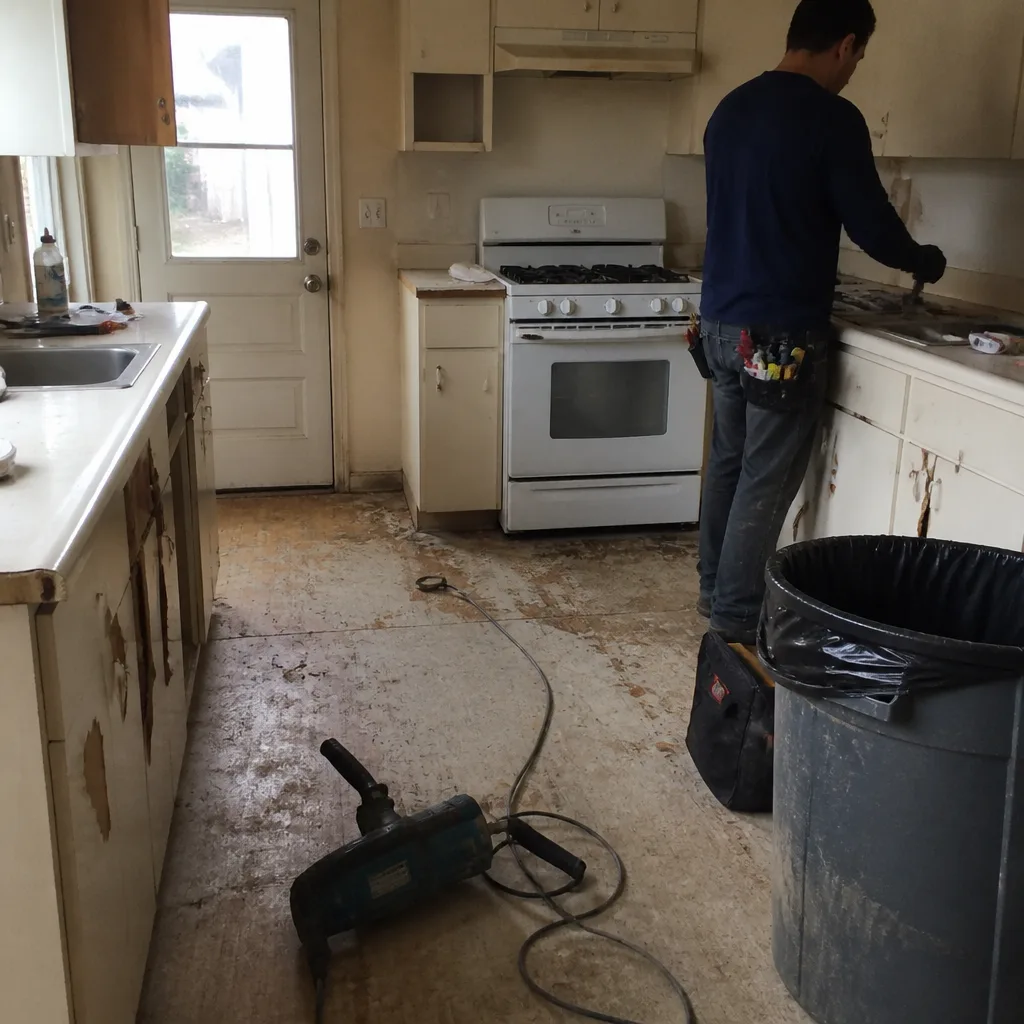 Before
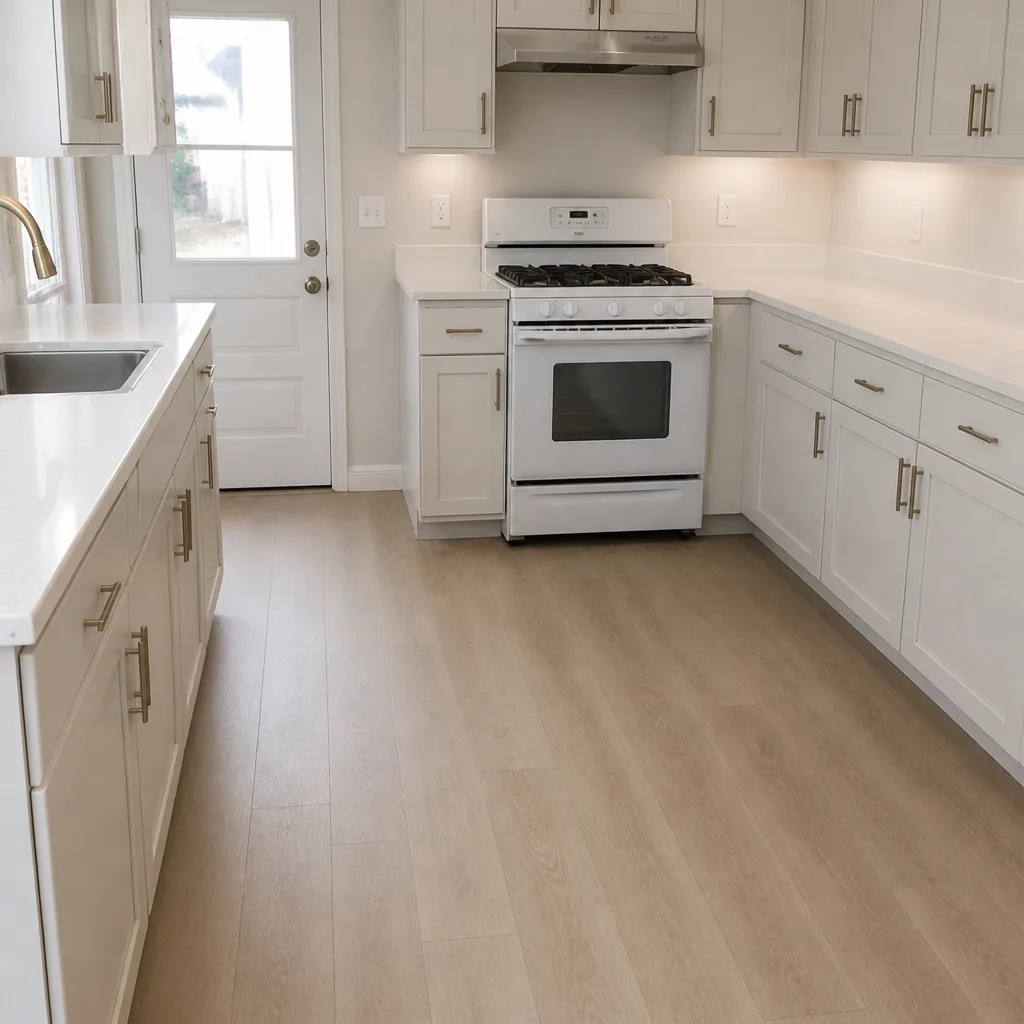 After
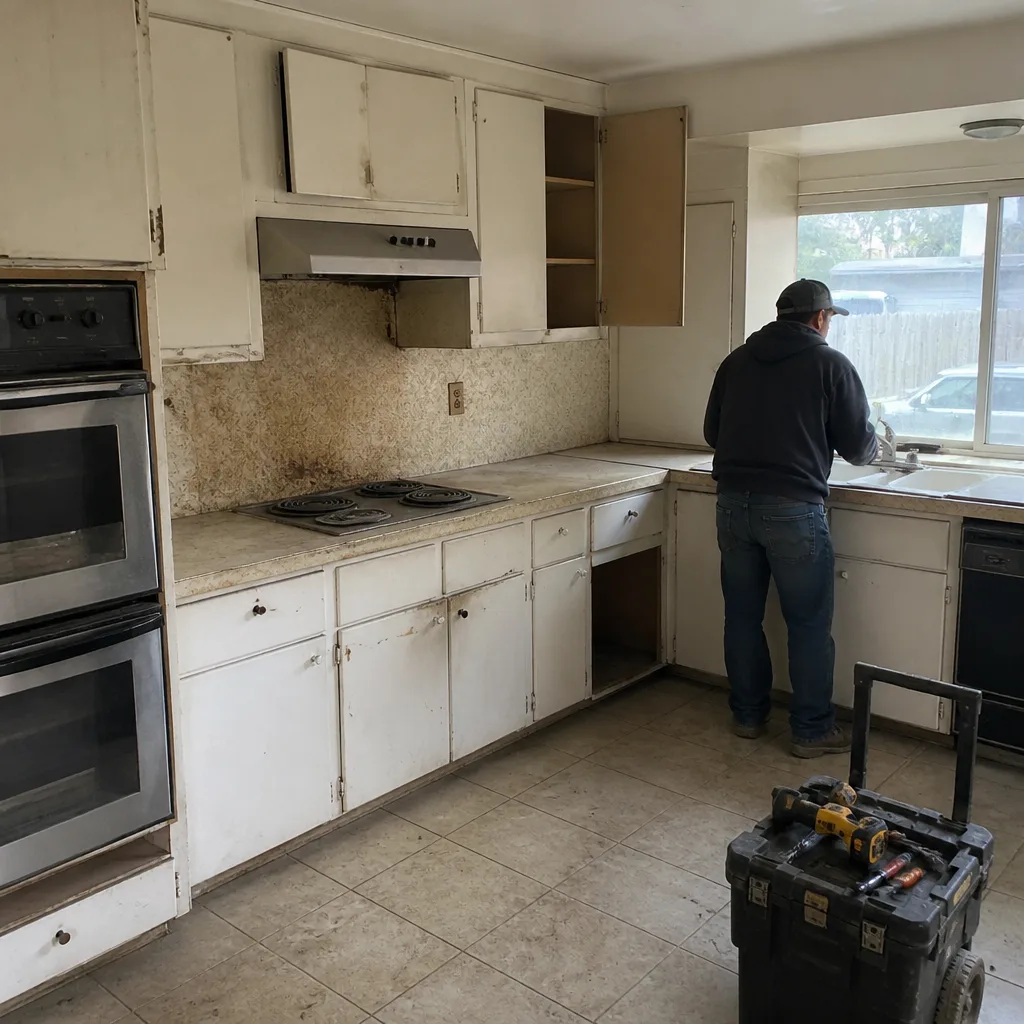 Before
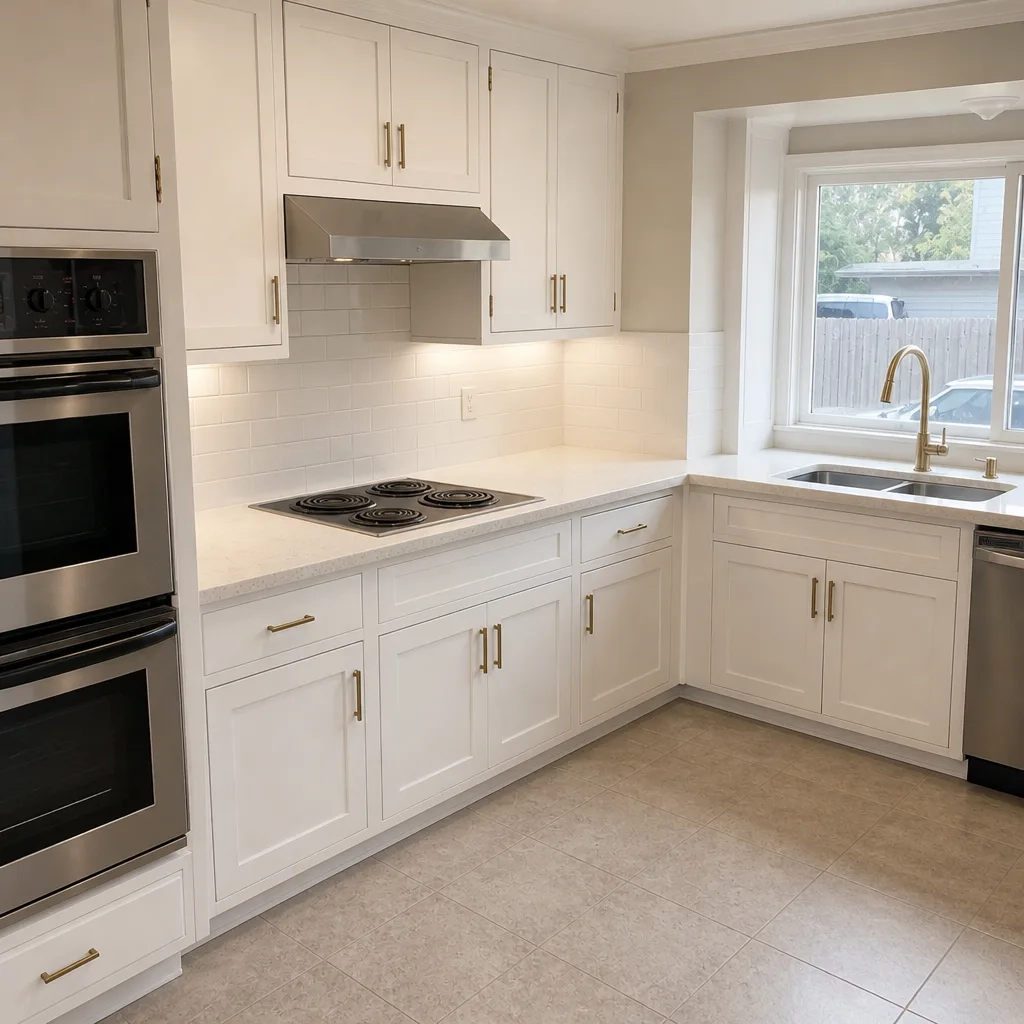 After
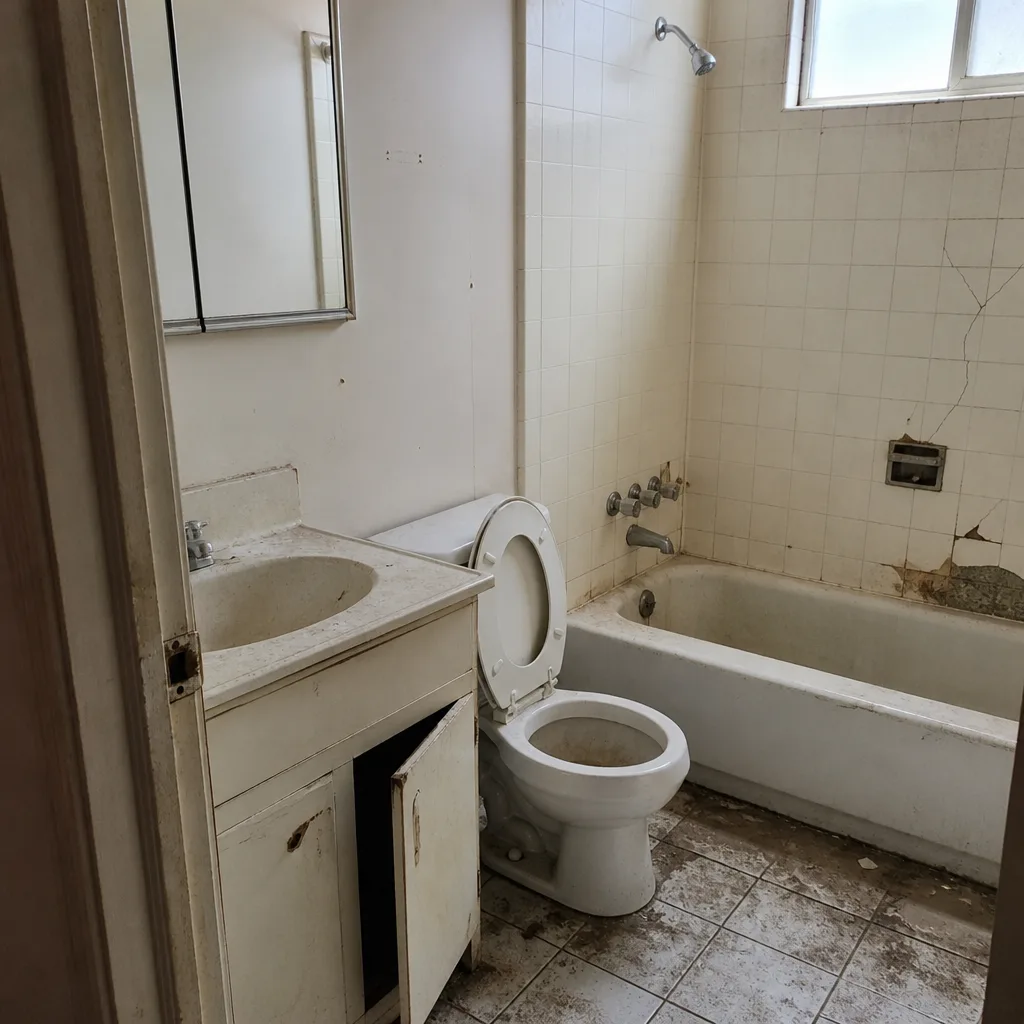 Before
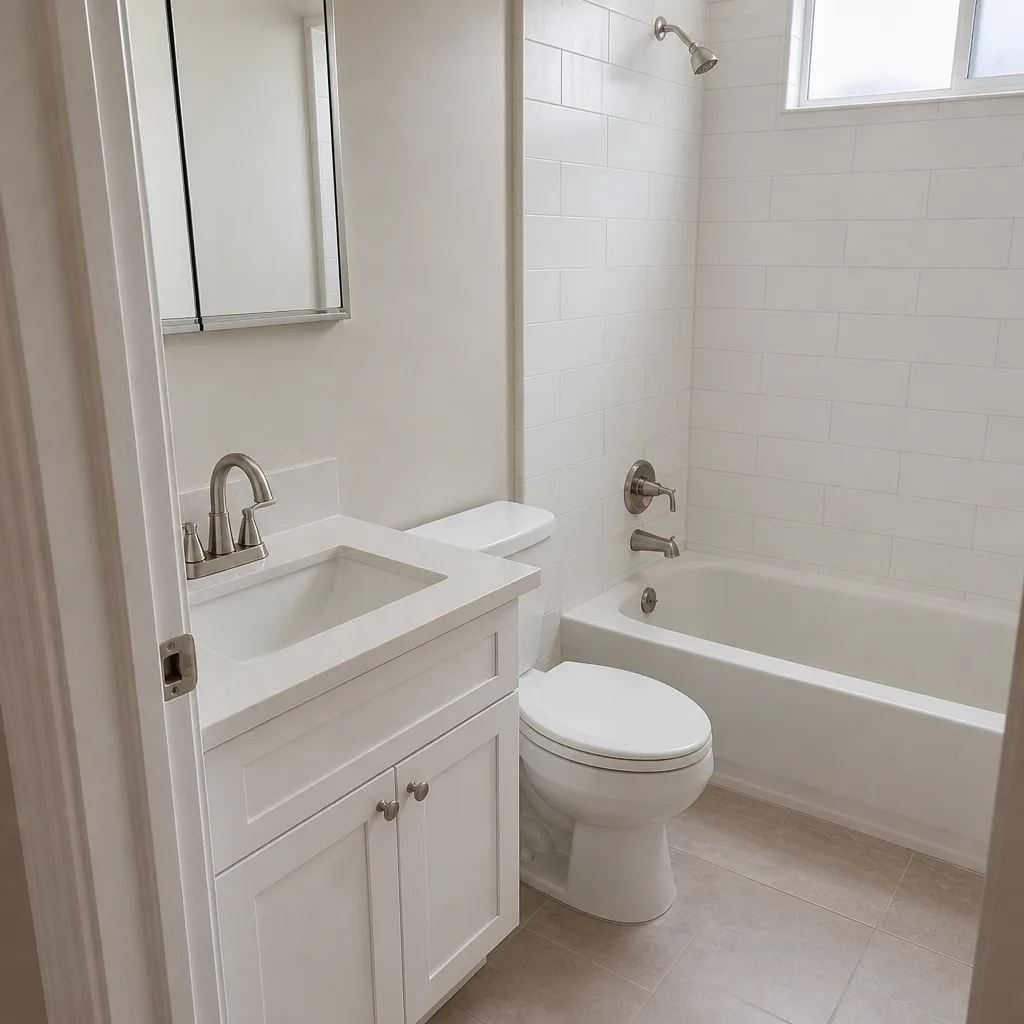 After
When to Call a Professional
Call a professional immediately when you see: multiple doors or windows misaligned in the same part of the house; cracks radiating from a window corner into the wall or ceiling; water staining or soft drywall at the interior of a window; a door that latches differently after opening and closing; or any gap opening up over an exterior door or window. Call promptly – but not urgently – when you spot fogged insulated glass units, drafting windows, or peeling exterior paint with no visible water intrusion yet. Those are money-saving fixes when caught in the dry season, and nothing about them is an emergency. Groundwork Construction Co. of San Jose offers free estimates in San Jose and will tell you which of these signals need action now and which can wait – call (833) 988-3521.
Frequently Asked Questions
If the door only sticks in humid weather or after rain, it’s usually wood swelling and not serious. If it sticks year-round, or the gap at the top corner of the frame is uneven, that points to frame movement or foundation settling, and it’s worth having a professional look at it before the condition spreads to other doors and windows. Call us at (833) 988-3521 for a free estimate in San Jose – estimates are free and there’s no pressure to do anything.
Not always. Fogging means the sealed insulated glass unit failed, but the frame is usually still sound. In many cases the glass unit can be replaced without replacing the whole window, at a fraction of the cost. A professional inspection tells you which route is correct based on the frame’s condition. Call us at (833) 988-3521 and we’ll walk you through the options for your specific windows.
With a written, line-itemized bid from a reputable contractor, the price shouldn’t change unless the scope of work changes – and a change of that kind should be documented and signed before anyone touches the job. With us, the upfront price you see is the price you pay. Call us at (833) 988-3521 for an exact quote – estimates are free.
A single replacement window or door is often done in a day, but a full-house window replacement typically runs 1 to 3 days depending on the number of units and the condition of the frames behind them. Older San Jose homes often turn up hidden frame damage that extends the schedule, so a contractor who gives you a firm number without inspecting the openings is guessing. Call (833) 988-3521 and we’ll schedule a free assessment before quoting.
Yes – the work is permitted and inspected as required. Replacement windows and doors need a permit to protect your home’s value, and a proper installation includes it. If a contractor suggests skipping the permit, that’s a signal to walk. Call (833) 988-3521 to set up a free consultation and we’ll explain exactly what the permit process involves for your project.
Yes – our technicians are background-checked and arrive on the job in uniform, and every project is covered by the 730-Day Done Right Promise. You won’t be handing your keys to a stranger in an unmarked van. Call (833) 988-3521 to schedule your free estimate and meet the people who’ll be working on your home.
The Bottom Line

Windows and doors are the cheapest early-warning system your house has, and the signals they give look like small annoyances right up until they don’t. A door that sticks year-round points at the frame, not the door. Fogged glass is a failed seal with a warranty decision attached. Peeling exterior paint is water where it doesn’t belong. Drafts and drafts you can’t feel respond to a five-minute incense test. And every one of these signals is cheaper to fix this season than next. Reading them correctly is the whole game, and a contractor who works San Jose every week can tell you in one visit whether you’re looking at a hinge or a foundation.
Call (833) 988-3521 for a free estimate and design consultation. Our team answers the phone with a live person 24/7, every job is covered by the 730-Day Done Right Promise, and every quote is upfront pricing with no surprises. Windows & doors, roofs, kitchens, additions, driveways and fences – from foundation to finish line, it’s one contractor and one written guarantee, built to last and backed in writing.
Written by the team at Groundwork Construction Co. of San Jose.