Last updated November 18, 2026





Free written scope consultation - allowances, timeline, and change-order rules on paper before a single trade is scheduled
Bathroom Remodeling Warning Signs Every Homeowner Should Know
A bathroom can look finished, feel solid, and pass a casual walkthrough while quietly harboring thousands of dollars in future water damage. We’ve walked into San Jose homes where the tile was pristine, the fixtures gleamed, and the subfloor underneath was already soft from a shower pan that had been weeping for eight months. The most expensive failures in bathroom remodeling rarely announce themselves with a dramatic leak. They hide behind fresh grout, new paint, and a contractor who packed up before the punch list was finished. This guide is about learning to see what the tile is hiding – the on-site red flags, the five-minute post-completion audit, the sounds and smells that tell you something’s wrong, and the warranty language that leaves homeowners holding the bag. San Jose has a specific set of conditions that makes some of these failures more likely than others, and we’ll cover those too.
Quick Answer
The biggest bathroom remodeling warning signs are vague scope language in the contract, no mention of permits, a timeline that’s suspiciously short, and a bid that comes in dramatically lower than every other. On the finished product, watch for cracked or hollow-sounding grout, caulk joints that pull away within weeks, wobbling fixtures, and any persistent moisture smell. Most catastrophic bathroom failures – $15,000 to $25,000 water damage events – trace back to skipped waterproofing steps during rough-in, not to bad luck.
Styles & brands we work with
- Kitchen remodeling
- Bathroom remodeling
- Home additions & ADU
- Roofing
- Windows & doors
- Driveway & pavers
- Fence
Table of Contents
- Contractor Behavior Red Flags Before Work Starts
- On-Site Warning Signs During Demo and Rough-In
- The 5-Minute Post-Completion Audit
- Reading the Sounds and Smells of the First 90 Days
- Warranty Language Gaps That Leave You Unprotected
- San Jose-Specific Problems We See Again and Again
- Common Mistakes to Avoid
- When to Call a Professional
Contractor Behavior Red Flags Before Work Starts
Most bathroom disasters in San Jose are preventable before anyone swings a hammer. The warning signs are usually present in the first conversation. We’ve reviewed plenty of contracts homeowners signed with other contractors before calling us to fix the aftermath, and the problems are almost always visible in the paperwork.
Here’s what to watch for in the bidding phase:
- Vague scope language. “Install tile in shower area” tells you nothing. A real bid specifies tile type, substrate, waterproofing method, and whether the shower pan is a pre-formed acrylic or a site-built mortar bed. If the scope doesn’t name the waterproofing membrane brand and application method, that step is optional in the contractor’s mind – and optional steps get skipped.
- No permit mention. In California, most bathroom remodels involving plumbing relocation, electrical changes, or layout changes require permits. A contractor who doesn’t bring up permits in the first meeting is either unfamiliar with the process or planning to skip it. Both are bad.
- Suspiciously short timelines. A full gut bathroom remodel typically runs three to six weeks depending on scope and inspection scheduling. If a contractor promises a seven-day full remodel, they’re either cutting corners on the cure times for thinset, waterproofing, and tile adhesive – or they’re being optimistic to win the bid and will extend later.
- A bid dramatically below everyone else’s. If three bids come in at $30,000 to $38,000 and one comes in at $18,000, the difference is not efficiency. It’s missing labor, missing materials, or missing insurance and licensing.
- No written line-item pricing. Upfront pricing means every line item has a dollar figure attached. “Materials and labor: $24,000” is not a line item. It’s a placeholder.
- No mention of a workmanship warranty. Manufacturer warranties on tile or fixtures don’t cover the labor that installed them. If the contractor doesn’t offer a written labor guarantee, you have no recourse when something goes wrong six months later.
When we’re evaluating a project – and when you are – the reliability test is simple: ask the contractor to put in writing how they waterproof a shower and how they handle warranty claims. An experienced contractor will answer in specific terms without flinching.
On-Site Warning Signs During Demo and Rough-In
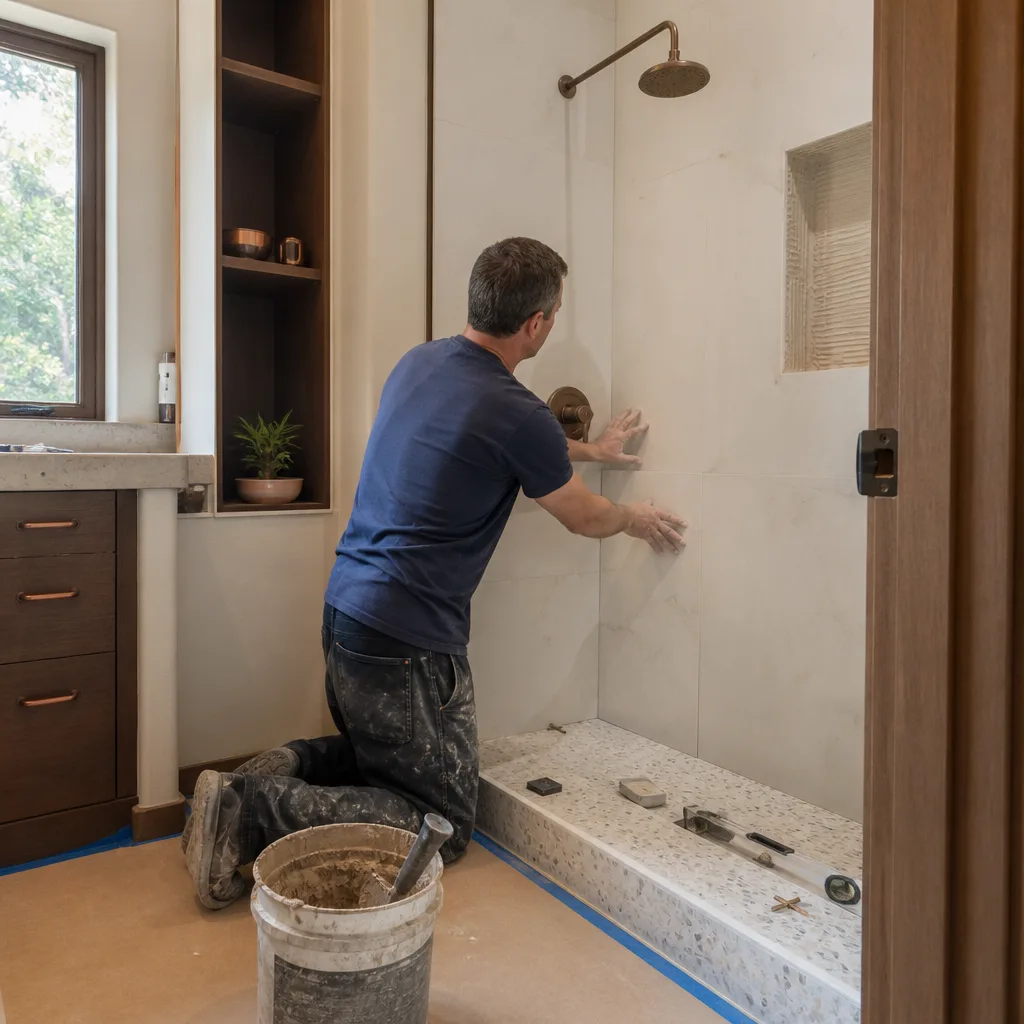
The messiest phase of the project is the most telling. Demo and rough-in is when a contractor’s true process either shows up or doesn’t. If you’re home during this phase – and we encourage you to be, at least once a week – here’s what to look at.
- Concrete board without a waterproofing membrane. Cement board is not waterproof. It’s water-resistant. A proper wet-area installation uses a bonded sheet membrane (like Schluter Kerdi or a liquid-applied membrane) over the substrate, or a foam board system, or a traditional mortar bed with a copper pan or PVC liner. If you see concrete board screwed to studs with tile going directly on top, that shower is going to fail. The average failure timeline in our experience is two to seven years, and the water sits inside the wall cavity long before the surface shows it.
- Misaligned drain slope. Shower floors need a quarter-inch of slope per foot toward the drain. We’ve seen decks poured flat, and we’ve seen drains set off-center so one corner of the shower becomes a standing puddle. Ask to see the pre-slope before the top mud bed goes in. A 15-minute check now prevents a $9,000 reseat job later.
- Valve body not secured to blocking. A shower or tub valve should be strapped to wood blocking between the studs. Not just attached to a stud with a screw. Not floating. When the valve moves, the trim plate moves, and eventually the supply line connection starts leaking inside the wall.
- No test on the rough plumbing. The plumbing should be pressure-tested before walls close up. If nobody mentions a pressure test, ask for one.
- Greenboard or drywall in the wet zone. Moisture-resistant drywall is fine for the dry areas of the bathroom. It is not approved behind a tiled shower or directly above a tub surround. Any contractor putting it there is going to shorten the life of the installation.
- No permit posted and no inspector visit. If the project required permits and you never see a city inspector, the work was either unpermitted or the contractor is doing it in stages to avoid scrutiny. Unpermitted work in San Jose becomes a complicated disclosure problem when you sell, and the correction cost usually lands on the homeowner.
The common thread: waterproofing and plumbing rough-in are the invisible decisions. Once tile goes on, you can’t see them, and the contractor knows it. That’s why the five-minute audit below won’t catch a shower pan that was built wrong. You have to catch that before the tile. The only reliable protection is to hire someone who builds it right and stands behind it in writing – which is the reason our Groundwork Construction Co. of San Jose home team puts the 730-Day Done Right Promise on every bathroom we complete. If it’s not done right, we make it right, and the clock doesn’t run out in 90 days.
The 5-Minute Post-Completion Audit
The final walkthrough is not the time to be polite. This is your last easy window to catch problems while the contractor is still on-site and still motivated to fix them. Set aside five minutes and go through these checks in order.
Step 1: The grout line test
Run your fingertip slowly across every grout line in the shower and on the floor. Grout should feel crisp and hard. If it crumbles slightly, feels sandy, or you find cracks shorter than an inch, that’s a sign of improper cure time, wrong grout mix ratio, or substrate movement underneath. Hairline cracks at inside corners are common and usually handled with caulk instead of grout – but cracks running across the middle of a tile field are a real problem.
Step 2: The tap test
Take a coin or the handle of a screwdriver and gently tap every wall tile. A solid tile makes a dull thud. A hollow, ringing sound tells you the thinset coverage is incomplete. Hollow tiles are not just a cosmetic annoyance; they pop off eventually, and they signal an installation that was rushed or done with a dry-spot technique.
Step 3: The caulk joint inspection
Check every transition where one material meets another: tile to tub, tile to shower pan, tile to vanity, backsplash to countertop. These joints should be finished with flexible caulk, not grout, because they move. If they’re grouted, they’ll crack and pull away within weeks. If caulk is present, look for gaps, uneven beads, or spots where the bead has already lifted.
Step 4: The fixture wobble check
Grip the toilet at the bowl and give it a gentle push side to side. It should not move. Grip the vanity faucet and do the same. Check that the shower head arm doesn’t flex at the wall. Any wobble means the mounting hardware is not tightened to blocking. Toilet wobble in particular will eventually compromise the wax ring seal and cause a slow leak from below that goes undetected for months.
Step 5: The water drain test
Run the shower for two minutes. Watch for water that pools in any corner instead of running to the drain. Run every sink. Flush the toilet. Look under the vanity cabinet with a flashlight for any sign of moisture at the P-trap or supply lines. Test the exhaust fan with a tissue held near the grille – it should pull the tissue and hold it.
If all five checks pass, you have a bathroom with a decent chance of a long life. If any check fails, document it in writing with photos, and ask the contractor to correct it before the final payment. A reputable contractor will not fight you on this – most fixes are cheap if caught immediately.
Reading the Sounds and Smells of the First 90 Days
Bathrooms settle. Some things that happen in the first three months are normal, and some are early warnings of bigger problems. Here’s how to sort them out.
Normal
- A sharp crack or pop in the first few days, usually the structure settling or a tile adhesive curing. Isolated and not repeated.
- A faint smell of thinset, grout, or caulk lingering for two to three weeks. Ventilate the room and it fades.
- The toilet tank sweating or condensation in the first weeks. That’s the tank water temperature adjusting to ambient humid air, not a leak.
- A single loud banging from the pipes when you first use hot water after the plumbing was pressure-tested. That’s water hammer from air in the lines and it usually clears after a few uses.
Not normal – call the contractor
- Persistent musty or earthy smell in the room, especially after showering. That’s mold. Where there’s mold in a new bathroom, there was a waterproofing failure or a slow leak that started during construction.
- Sewer smell coming from the floor drain, tub drain, or shower. Usually a dry trap or an improperly vented drain line. Sometimes a broken wax ring. All warrant a callback.
- Water stains on the ceiling below the bathroom or on the wall in the adjacent room. This is a shower pan or supply line leak. Stop using the shower and get someone out to look immediately.
- Repeated banging every time you use hot water. Suggests a loose pipe strap or a valve issue that won’t resolve itself.
- Grout turning dark or disintegrating in a specific area. That’s water getting behind the tile.
- Loud fan rattle or squeal. Usually an improperly mounted fan housing or a fan sized wrong for the bathroom volume. In San Jose, a fan that doesn’t move enough air will lead to condensation, mold, and peeling paint on the ceiling within a year.
Silence is your friend in a well-built bathroom. The fan should be the loudest thing in the room. If the room has started making other sounds, treat it as a signal.
Warranty Language Gaps That Leave You Unprotected
The warranty section of a contract is where bad contractors hide. Manufacturer warranties sound generous – a lifetime warranty on the tile, twenty years on the faucet cartridge – but they cover the product, not the labor that installed it. The installer, or the company that hired the installer, is who covers the labor. Most residential labor warranties in this industry run one year. Some are as short as 30 days. What that means for you: if waterproofing fails at month thirteen, the tile company owes you nothing and the contractor owes you nothing. The repair cost is yours.
Here’s what real workmanship warranty language should say, and what it should not:
- What it should cover: the installed result. Not just “materials” or “workmanship” as generic terms. It should say the shower will hold water, the floor will stay level, the fixtures will stay secure, and the contractor will return and correct any failure of those things.
- What length actually protects you: at least three years. Waterproofing failures typically surface between year two and year five, which is exactly why we run ours to 730 days rather than the industry-typical one year. Long enough to catch the slow failures, not just the immediate mistakes.
- What it should not contain: “Warranty voids if the homeowner uses abrasive cleaners” (grout cleaners are not the problem – bad grout is). “Warranty excludes settlement, water intrusion, and structural issues” (those are the things you actually need covered). “Warranty applies only if the homeowner schedules annual maintenance with us” (guarantee by subscription).
- What should never be absent: a written transferability clause or clear statement that the warranty stays with the home if you sell. A bathroom warranty that dies with the escrow is worth nothing to a buyer, and buyers’ agents in San Jose do ask about this now.
Our stance, and it’s the reason the 730-Day Done Right Promise exists: if it’s not done right, we make it right. Full stop. Not “for 30 days,” not “as long as the homeowner didn’t use the wrong cleaner.” When a homeowner is spending five figures on a bathroom, the labor warranty is the part that actually proves the work matters to the contractor.
San Jose-Specific Problems We See Again and Again
San Jose has some conditions that make specific failure patterns more common here than in other parts of the country. If you know them, you can watch for them.
Our hard water. San Jose’s water runs mineral-heavy. Grout that isn’t properly sealed and shower enclosures with cheap hardware will scale faster here than in most cities. We recommend a penetrating sealer on all grout and a squeegee in every shower. It’s a five-minute habit that adds five years to the tile install.
Older housing stock and galvanized plumbing. A large portion of San Jose’s residential inventory dates to the 1950s through the 1970s, and a lot of it still has galvanized supply lines or early copper with failure points. In bathroom remodels, we regularly find that a “simple fixture swap” turns into a re-pipe because the old lines crumble when touched. Any contractor bidding a bathroom in a home built before 1980 should be asking what the existing plumbing material is – and if they don’t ask, you should.
Subfloor conditions on pier-and-beam homes. Many San Jose neighborhoods – Willow Glen, Rose Garden, parts of Naglee Park – sit on older pier-and-beam foundations. Bathroom subfloors in these homes often need sistered joists or a new plywood layer before tile, and water damage from a decades-old slow leak is common once you pull the floor. A good contractor budgets for what they’ll find and tells you upfront. A bad one puts zero contingency in the bid and then change-orders you eighteen hundred dollars halfway through.
Permits in San Jose specifically. The San Jose Building Division requires permits for plumbing alterations, electrical work, and any structural change. Standard inspection sequence for a bathroom remodel involves rough plumbing, rough electrical, and a final. Skipping any of them leaves you with an unpermitted bathroom that has to be disclosed at sale, and a lot of the work – especially moving a shower valve or adding a dedicated circuit – is exactly the kind of thing inspectors look for.
Summer heat and thinset cure. July and August in San Jose can push interior garage and demo temperatures high enough to accelerate thinset cure on the back side of walls. A contractor working in an unshaded, unventilated bathroom in July needs to adjust the mix or slow the cure. Over-fast cure equals weak bond equals hollow tiles in year two.
Our team at Groundwork Construction Co. of San Jose sees these patterns on almost every bathroom project in the area, and factually sound estimates should anticipate them. That’s part of what upfront pricing actually means: the number we quote already has the local problem priced in.
Common Mistakes to Avoid
- Paying a large deposit before seeing a written scope. Deposits are normal. Twenty to thirty percent up front is standard. Fifty percent before any scope is even written is a red flag that the contractor needs the money for something other than your project.
- Letting a contractor start demo without permits pulled. Once the walls are open, the inspection window is harder to close properly. If the permit wasn’t pulled at the start, insist it is before demo begins. In San Jose, retroactive permitting on already-finished work can double the original permit cost.
- Accepting a verbal warranty. A handshake guarantee is not a guarantee. It’s an intention. Ask for the warranty language in writing before signing the contract and read it as carefully as you read the scope. If the warranty section is one sentence long, ask for a second page.
- Judging the job by “does it look nice.” Fresh grout and clean tile hide everything. Ask to see the waterproofing method in writing and ask to see the rough-in phase before the walls close up. If a contractor won’t let you look before the tile goes on, that tells you something.
- Skipping the exhaust fan upgrade. A lot of San Jose homes still have the original 1970s fan, and it’s under-sized for the modern fixture count. Any bathroom remodel should include a properly sized vent fan (or an HRV) ducted to the exterior, not to the attic. Attic-vented exhaust is one of the ten most common contractor shortcuts we see.
- Buying tile and fixtures online without confirming completion dates. Backorders on tile from a national brand can be eight weeks out. A remodel that stalls waiting on material is exactly the kind of “short timeline” that becomes a long one. The best contractors source from brands with predictable lead times – which is one reason we rely on partners like Delta and Kohler with consistent supply chains across the projects we price.
- Treating the punch list as optional. Items a contractor promised to “come back and fix next week” that don’t get fixed in the first two weeks often don’t get fixed at all. Hold final payment until the punch list is complete and documented in writing.
When to Call a Professional
Some of what this guide covers can be caught by a homeowner with a flashlight and a coin. A shower pan built without a waterproofing membrane cannot. Neither can a rough-in that fails a pressure test, a floor that needs reframing before tile, or a supply line that’s been weeping inside the wall for six months. If you’re seeing water stains on a ceiling below the bathroom, smelling mold, or you’re facing a bathroom that needs more than a cosmetic refresh, the next call should go to a licensed professional who can open the wall and take a real look.
For homeowners in San Jose, our team offers free estimates with a full written scope and line-item pricing. We pull permits, we document the waterproofing, and every project is covered by the 730-Day Done Right Promise. If it’s not done right, we make it right. Call (833) 988-3521 for a free estimate. Our phone lines are answered by a live person around the clock, and the crew that shows up is background-checked and in uniform.
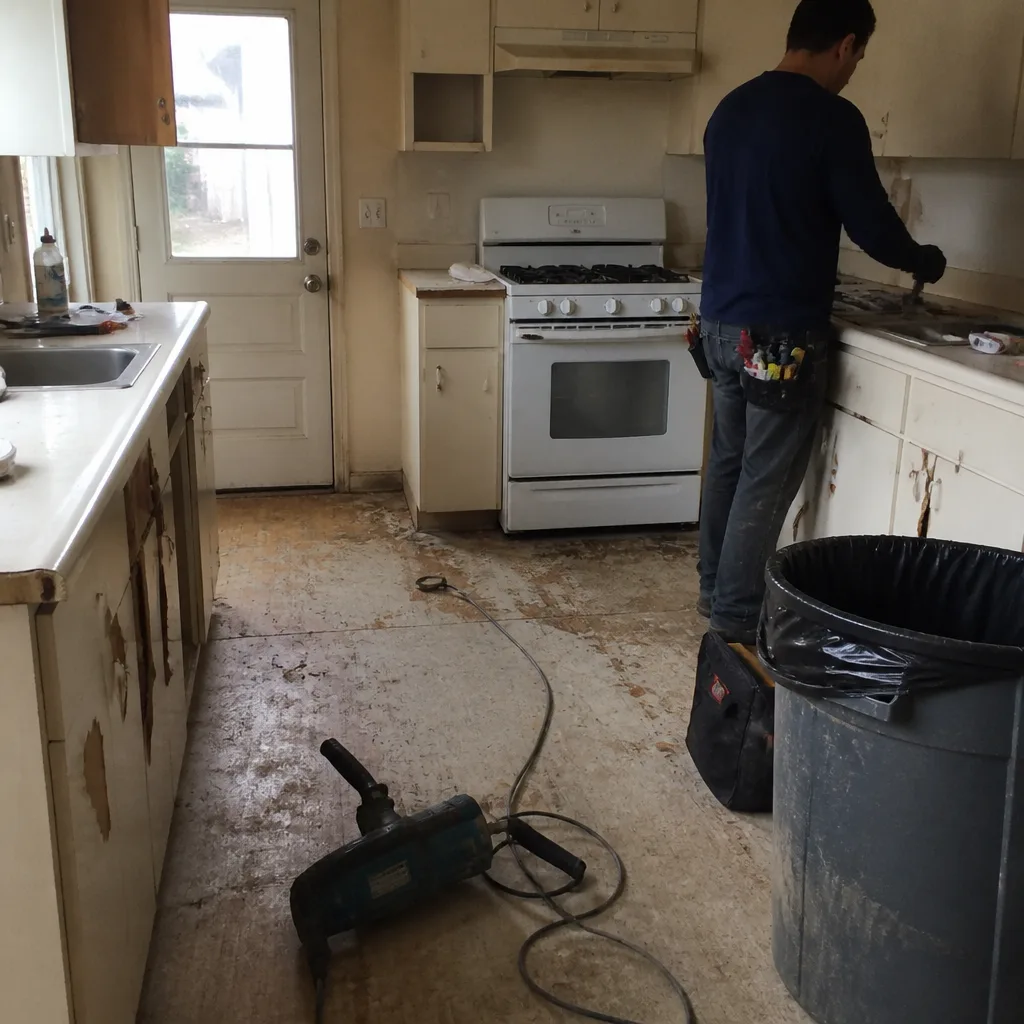
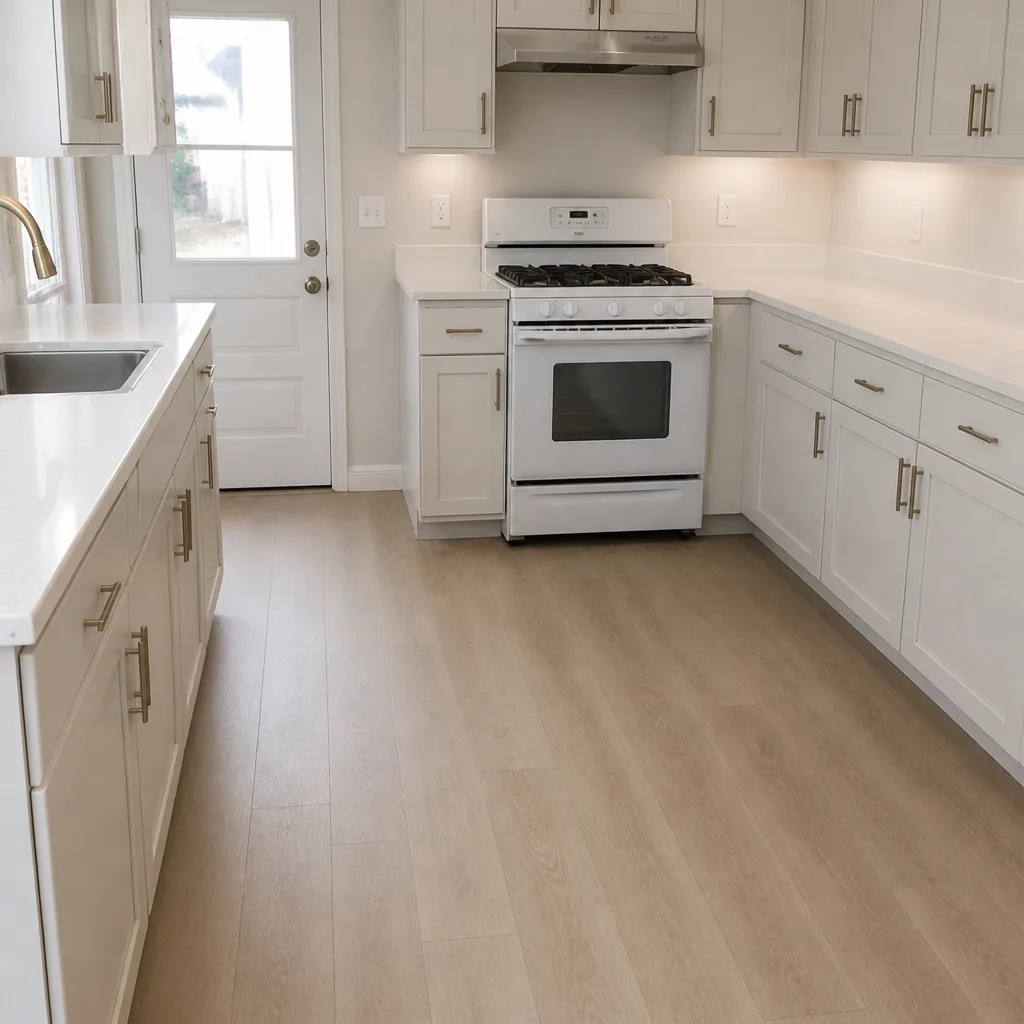
See the difference
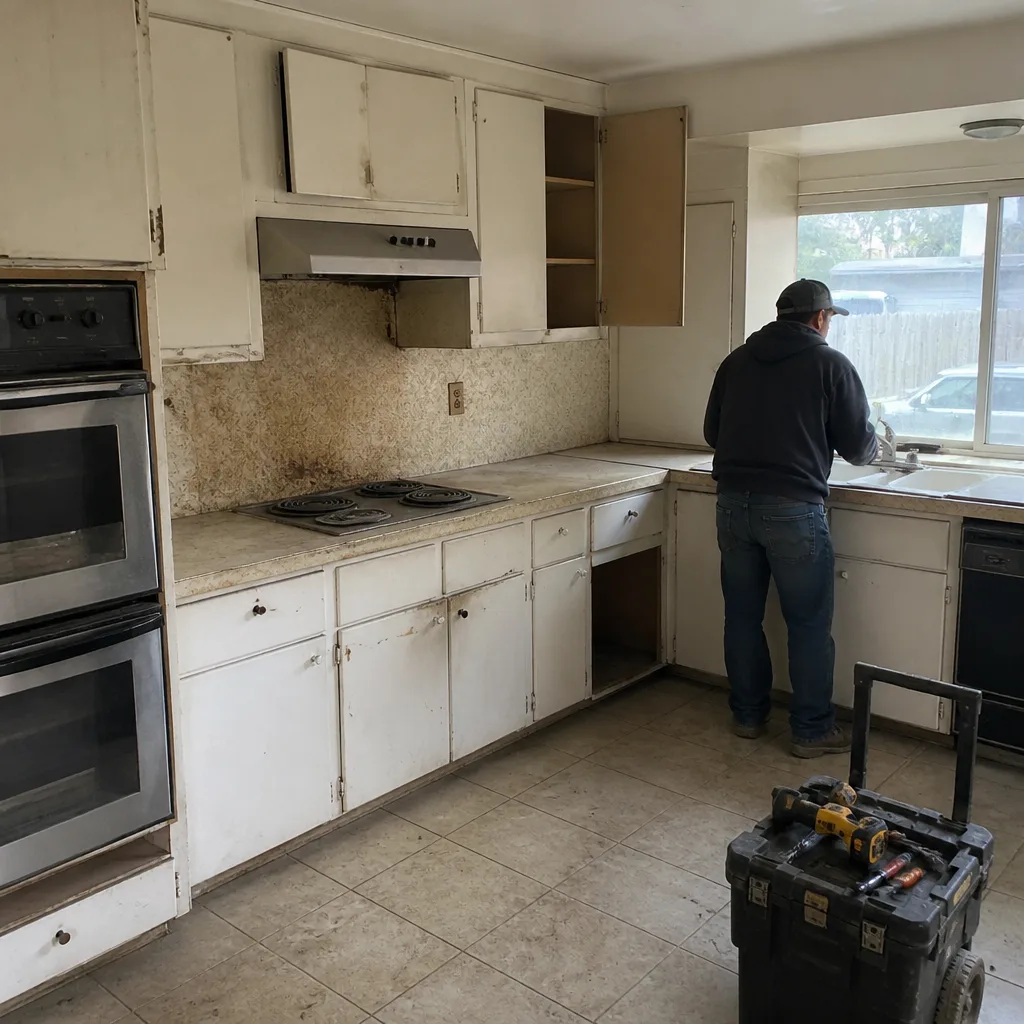
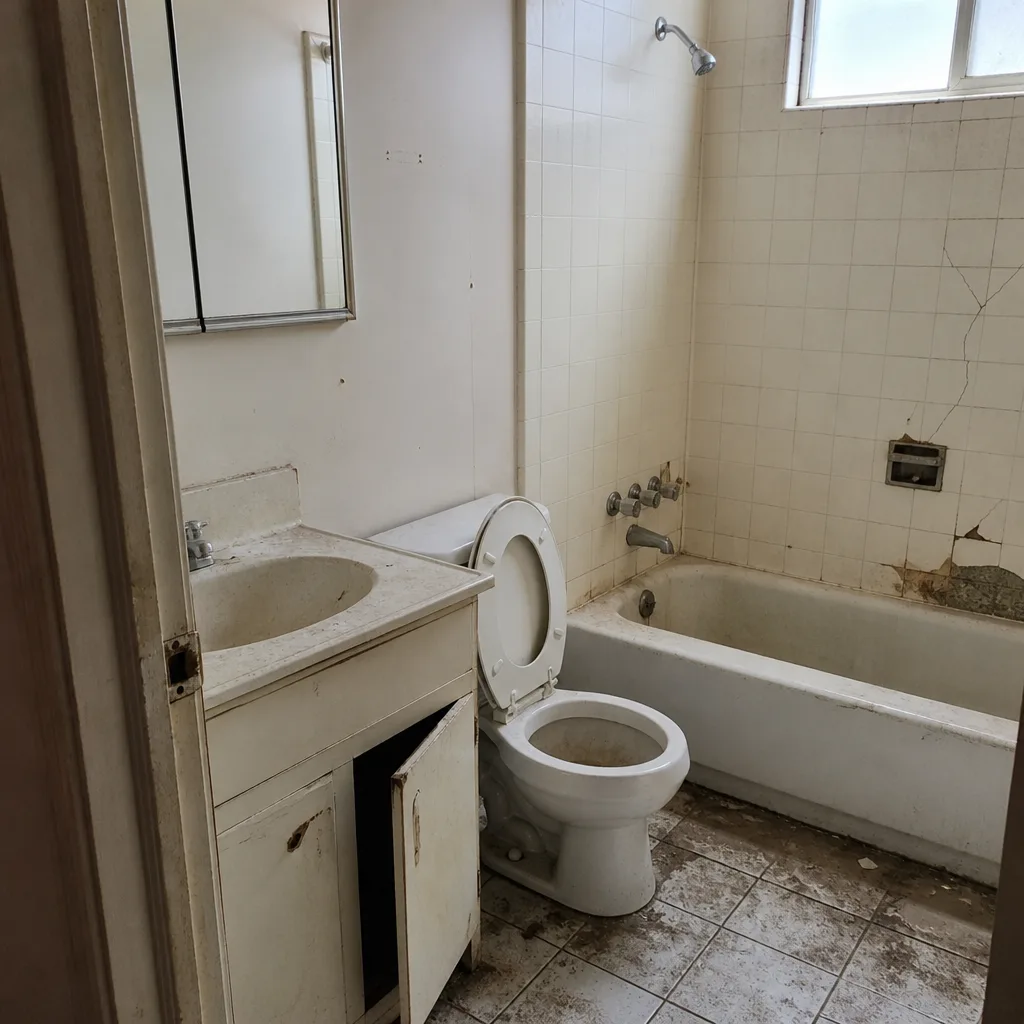
 Before
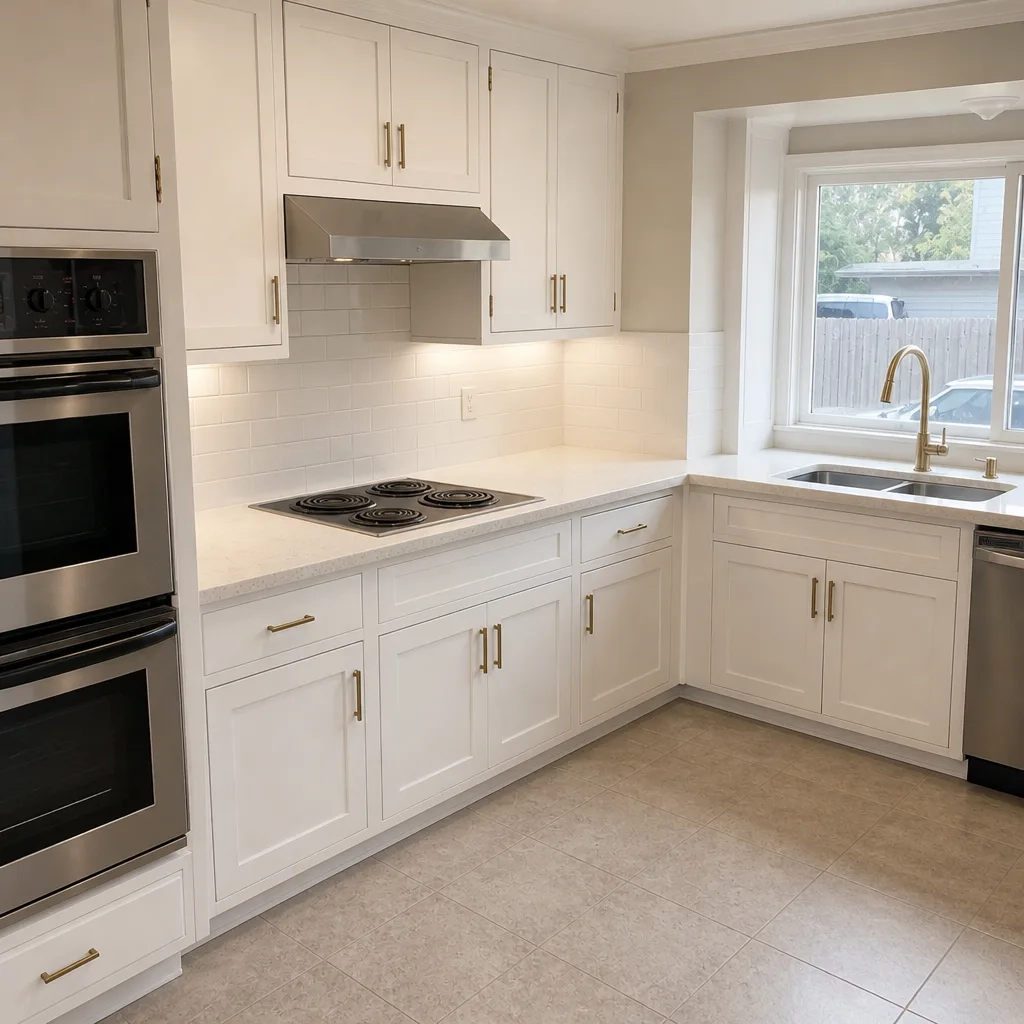
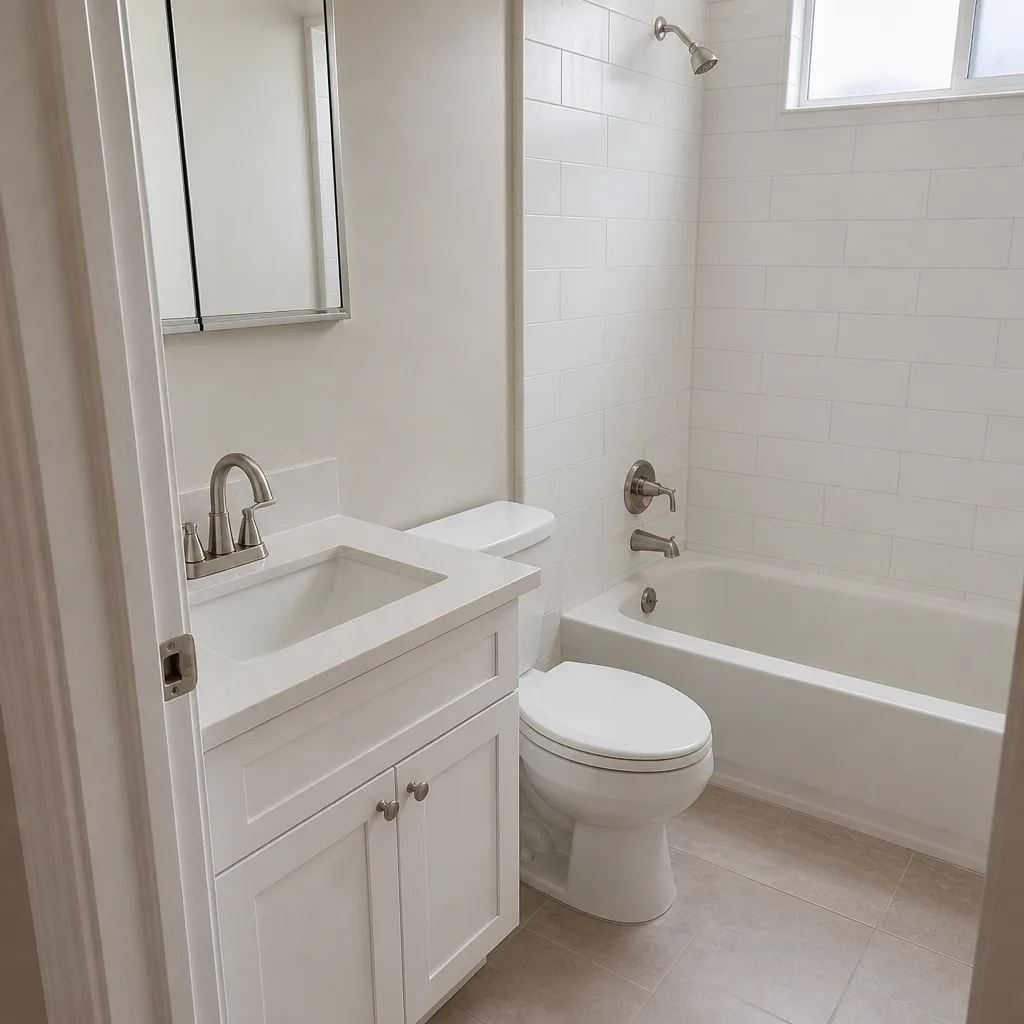
 After
 Before
 After
 Before
 After
Frequently Asked Questions
The single most common warning sign is a bid that doesn’t specify the waterproofing method for the shower. If a contractor’s scope says “install tile in shower” without naming the substrate and membrane system, they’re either planning to skip the waterproofing or they don’t know what they’re doing. Ask directly and get it in writing before signing. Call (833) 988-3521 if you want a second opinion on an existing bid – estimates are free.
The reliable way is to know what was installed before tile went on, because you can’t verify waterproofing after the fact. A correctly built shower uses one of three systems: a bonded sheet membrane, a liquid-applied membrane over cement board, or a traditional mortar bed with a liner and pre-slope. If your contractor can’t describe which method they used and show you photos during construction, treat it as unverified. A five-year waterproofing failure costs $8,000 to $15,000 to correct in San Jose.
A full gut bathroom remodel in San Jose typically runs three to six weeks from demo to final inspection. A cosmetic refresh (tile, vanity, paint, no layout changes) runs one to two weeks. Anything promised in under a week for a full remodel is a red flag – it usually means skipped waterproofing, skipped cure times, or skipped permits. Call (833) 988-3521 for an honest timeline on your project.
In San Jose, the permit needs to be pulled by the licensed contractor doing the work, not the homeowner. Homeowner-pulled permits are technically possible in some cases, but they make you the responsible party of record, which means any inspection failure, correction, or disclosure issue is yours alone. A contractor who won’t pull the permit is telling you something. Get an estimate from a team that pulls permits as standard – call (833) 988-3521.
A real workmanship warranty should cover the installed result (not just materials), run at least three years, contain no exclusions for “water intrusion” or “settlement” (those are the failures you need covered), and transfer to the buyer if you sell the home. Anything under a year is marketing, not a guarantee. Our 730-Day Done Right Promise covers every bathroom we complete because waterproofing failures typically surface in year two to year five, not month one.
In most San Jose markets, a well-built bathroom remodel returns a meaningful portion of its cost at sale, but the value depends heavily on whether the work is permitted and whether the warranty transfers. An unpermitted bathroom that has to be disclosed as “buyer to verify” can actually cost you at negotiation. The hidden risk isn’t the remodel – it’s the shortcuts. Get a permitted, warranted job and the numbers work in your favor. Call (833) 988-3521 for a free design consult and estimate.
The Bottom Line
Bathroom failures rarely start with a dramatic leak. They start with a skipped membrane, a drain set two inches off the slope, a warranty that quietly excludes the exact thing that fails. The five-minute audit after completion catches cosmetic problems, but the failures that cost real money happen inside the wall during rough-in – which is why the paperwork and the process matter more than the finished photos. Read the scope line by line. Confirm the waterproofing method. Never accept a verbal warranty. And if you’re in San Jose and something feels off about a bid or a finished job, get a second set of eyes on it. Bad remodels hide. Good ones hold up.
If you’re planning a bathroom project – or inheriting one – we’re glad to walk the job with you and put real numbers in front of you. That’s what upfront pricing means. Reach out to Groundwork Construction Co. of San Jose at (833) 988-3521 for a free project estimate and design consult. We also handle the full scope of the home, from Driveway & Pavers in San Jose to Fence Installation in San Jose to Home Additions & ADU in San Jose, all backed by the same written guarantee. Most bathroom projects over $10,000 can also take advantage of our current $1,000 off promotion and 0% financing for 18 months.
Written by the team at Groundwork Construction Co. of San Jose.