Last updated November 18, 2026
Free written scope consultation - allowances, timeline, and change-order rules on paper before a single trade is scheduled
The Complete Driveway & Pavers Guide for San Jose Homeowners
The Bay Area’s expansive clay soil moves up to two inches vertically with seasonal moisture changes – which means the paver system that works perfectly in Phoenix will fail quietly under your San Jose driveway before you ever notice it. A driveway that looks flawless in year one can develop sunken corners, rocking stones, and hairline cracks by year four, not because the pavers were bad, but because what’s underneath them was never built for this ground. This guide explains how San Jose’s clay-heavy subgrade, seismic activity, and microclimate change what a driveway actually needs, what projects trigger which city permits, how HOA rules in common San Jose developments affect materials and color, and what real costs look like here versus the national averages you’ll find online.
Quick Answer
A driveway in San Jose needs a properly compacted, correctly engineered base – typically 6 to 8 inches of Class 2 aggregate over geotextile fabric on clay subgrade – because the local soil expands and contracts with seasonal moisture and a thin generic base will fail within a few years. Pavers themselves are the visible layer; the base and drainage are what decide whether your driveway lasts 25 years or gets torn out in five. In San Jose, most residential driveway paver projects run roughly $18 to $32 per square foot installed, and projects that touch the public right-of-way require an encroachment permit from the city.
Styles & brands we work with
- Kitchen remodeling
- Bathroom remodeling
- Home additions & ADU
- Roofing
- Windows & doors
- Driveway & pavers
- Fence
Table of Contents
- Why San Jose’s Soil Changes Everything
- The Base Layer: Class 2 Aggregate and What It Has to Do Here
- Which Paver Materials Hold Up in the Bay Area
- San Jose Permits: Encroachment vs. Building Permit
- HOA Rules in San Jose Neighborhood Developments
- What Driveway Pavers Really Cost in San Jose
- The Installation Process, Step by Step
- Maintenance, Drainage, and Long-Term Care
- Common Mistakes to Avoid
- When to Call a Professional
- Frequently Asked Questions
Why San Jose’s Soil Changes Everything
Most national paver guides are written for stable, sandy, or gravelly subgrades. San Jose is not that. Much of the valley floor sits on expansive clay soils that swell when wet and shrink when dry, and the seasonal swing between our wet winters and parched summers drives that movement. In parts of the valley, that vertical movement can reach roughly two inches across a season. A paver driveway is a rigid surface sitting on top of a subgrade that is quietly rising and falling beneath it.
We’ve seen the result across San Jose: driveways installed with a minimal, generic base develop low spots near the garage apron and along the street edge, because that’s where water concentrates and where the clay moves most. The pavers stay intact; the base beneath them doesn’t. That’s why paver failure in San Jose usually shows up as settlement and shifting rather than broken stone.
There’s a seismic dimension too. San Jose sits in an active earthquake region, and the ground under a driveway experiences small movements over time. A properly built paver system handles this gracefully because individual units can flex slightly against a compacted, edged base. A rigid poured surface cracks. That’s one reason pavers are a genuinely sound choice here – but only when the base is engineered for the soil, not copied from a template meant for a different climate.
This is the core distinction in this guide: what San Jose needs is not bigger pavers or fancier finishes, it’s a base and drainage system designed for clay, moisture swings, and seismic movement. That’s the foundation of every project we approach through our Driveway & Pavers in San Jose service.
The Base Layer: Class 2 Aggregate and What It Has to Do Here
If you remember one thing from this guide, make it this: the base is the driveway. The pavers are the finish. In San Jose’s clay-heavy subgrade, a generic paver spec calling for 4 inches of compacted base is often not enough, and it’s a leading reason driveways here fail early. The base has to do three jobs: spread the load, block water from reaching the clay beneath, and allow the system to move slightly without losing its shape.
What that means in practice, and where it differs from national specs:
- Class 2 aggregate base is the standard – a graded crushed aggregate that compacts into a dense, interlocking layer. It’s not the same as the cheap gravel or “road base” some crews use to save money.
- Depth matters more here. Where a generic guide says 4 inches, a clay subgrade in San Jose benefits from 6 to 8 inches of compacted Class 2, sometimes more depending on the lot and drainage.
- Geotextile fabric goes underneath. A separation fabric between the subgrade and the aggregate keeps clay from pumping up into the base and keeps the base from sinking into soft soil.
- Compaction is measured, not guessed. Base installed in lifts and compacted to spec with the right equipment is what prevents settlement. A crew that dumps base and rolls it once is cutting corners you can’t see until year three.
- Drainage design is part of the base. Slope, edge restraint, and where water goes are engineered together, because water trapped against clay is what drives the movement.
We’ve pulled failing driveways in San Jose where the pavers were premium and the base was 3 inches of undertamped gravel. The material wasn’t the problem. The system was never built for the ground it sat on. Getting the base right is the difference between a driveway that looks new in 2045 and one that gets replaced in five years.
Which Paver Materials Hold Up in the Bay Area
San Jose’s climate is forgiving in one specific way and demanding in another. There’s no meaningful freeze-thaw cycle on the valley floor, so the ice damage that dominates paver guides for cold regions isn’t a factor here. But the region brings its own challenges: intense summer sun, seasonal moisture swings in the clay beneath, and seismic movement. Materials that resist fading, hold their shape, and flex with the ground do best.
Concrete pavers
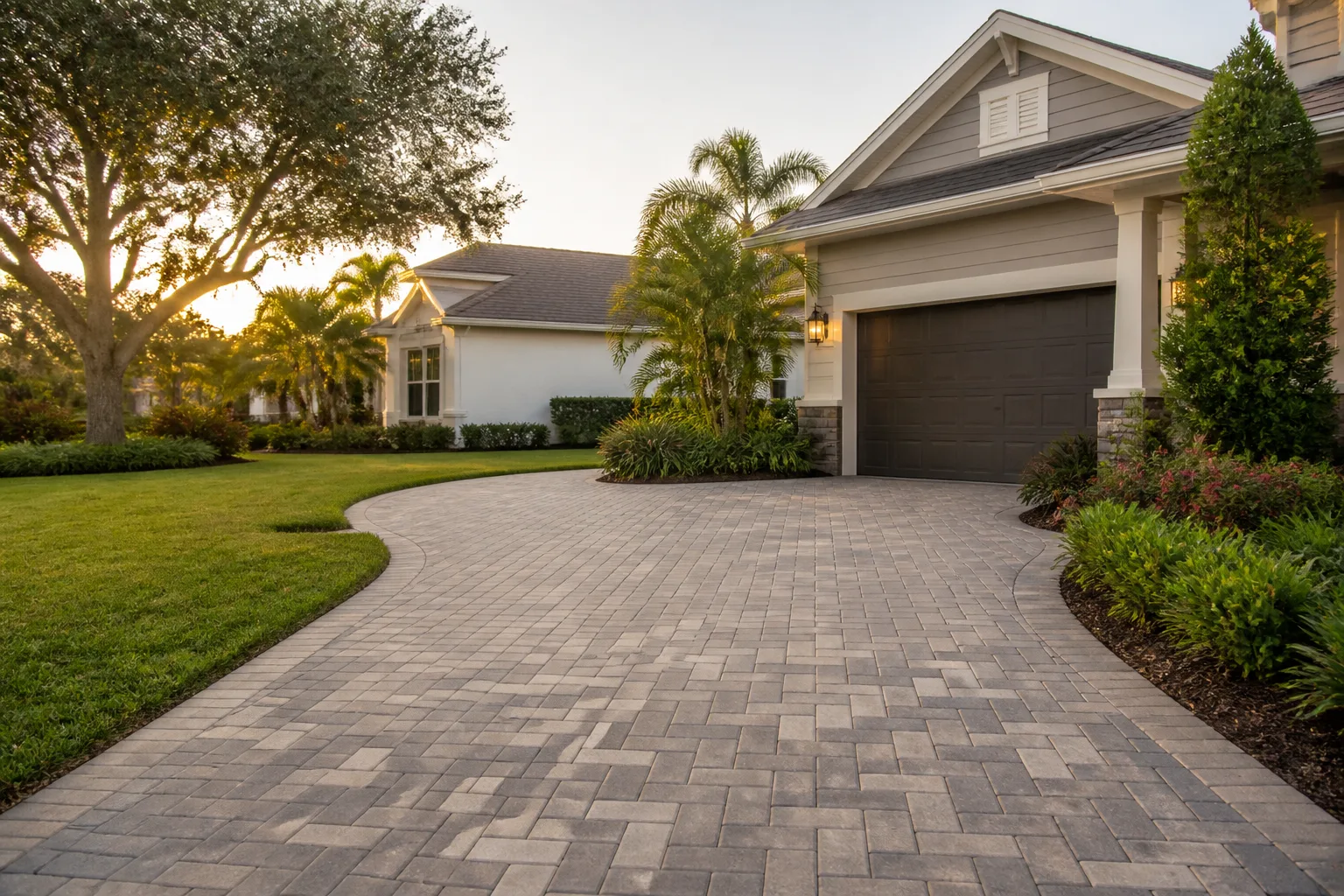
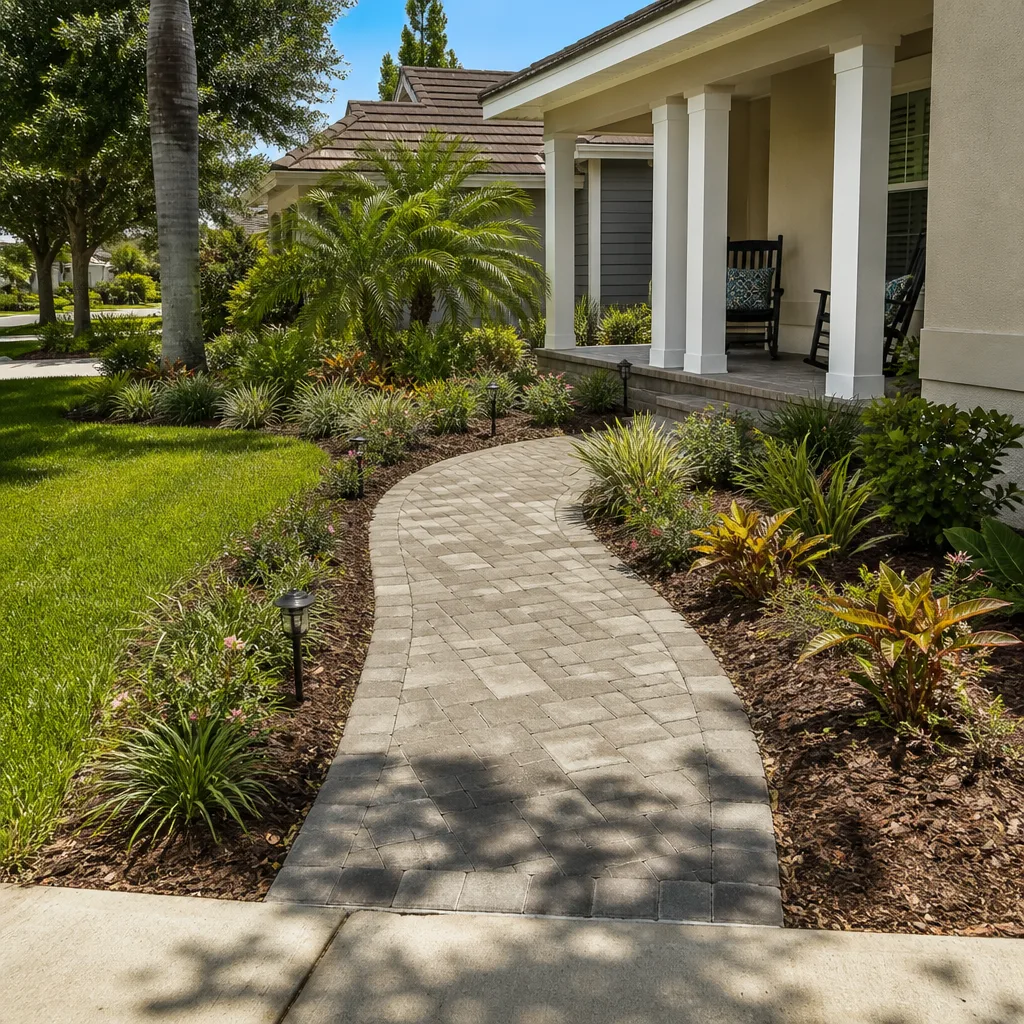
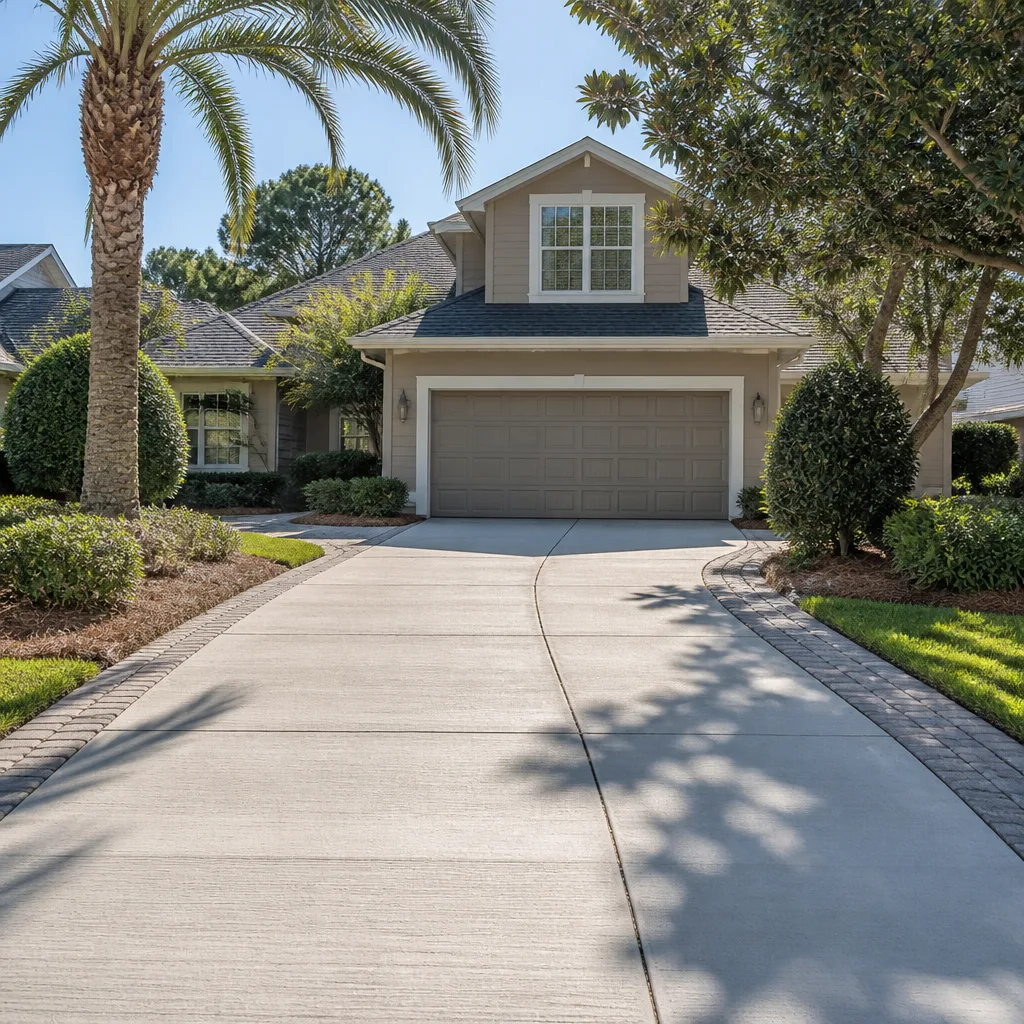
The workhorse choice for San Jose driveways. Modern concrete pavers are engineered with pigments and sealers that hold color well under sun, they handle foot traffic and vehicle loads, and they’re available in tight, interlocking formats that tolerate minor movement. They’re the most common choice for local driveways for good reason, and quality options from brands like Belgard hold up to the climate.
Clay brick pavers
Genuine clay brick pavers resist fading, tolerate moisture well, and bring a warm, traditional look that fits a lot of San Jose neighborhoods. Real fired clay is durable, though it costs more and its color range is limited. They can crack if the base beneath them settles, so the base work matters even more.
Natural stone
Flagstone and other natural stone bring a premium look to a driveway entrance or apron. They’re heavy and need a very solid base, and their cost is significantly higher. For a full driveway, natural stone is less common; for a decorative apron or border, it holds up well.
Permeable pavers
If you’re dealing with drainage issues where water pools against the house or garage, permeable pavers let water pass through the joints and into a storage base beneath. They’re a smart fit for San Jose lots with limited drainage, though they require a base engineered specifically for water volume.
- Best all-around for San Jose: quality concrete pavers in an interlocking format.
- Best for a traditional look: clay brick pavers.
- Best for drainage problem lots: permeable pavers with an engineered storage base.
- Best for decorative accents: natural stone aprons, borders, and entrances.
San Jose Permits: Encroachment vs. Building Permit
One of the most common questions San Jose homeowners ask is whether their driveway project needs a permit. The answer depends on what the project touches. A driveway entirely within your property lines and replacing like-for-like may not need a building permit, but anything that affects the public right-of-way – the area between your property line and the street – typically triggers a city encroachment permit.
Here’s how the two permissions generally divide:
- Encroachment permit: Required when your project alters the public right-of-way – for example, changing a driveway apron, widening or relocating a curb cut, or modifying the sidewalk approach. The city wants to ensure sight lines and street drainage aren’t compromised.
- Building permit: Generally required when the project involves structural changes, regrading, retaining walls, or changes that affect drainage across the lot. Some substantial driveway and hardscape projects fall under this.
- No permit: A simple in-kind replacement of a driveway entirely on private property, with no change to grade or drainage, often stays within homeowner scope.
Permit rules do change, and interpretations vary by the specific lot and the scope. Before work starts, confirm with the City of San Jose what your project requires. We’re careful to establish what’s needed up front so there are no surprises mid-project – pulling the right permits and passing inspections is part of the work, not an add-on you discover later.
HOA Rules in San Jose Neighborhood Developments
A lot of San Jose driveways sit inside HOA-governed communities, and HOA rules can restrict choices more than the city ever does. Before you settle on a paver style, color, or layout, read the CC&Rs and get written approval for the look. A driveway built to code but out of compliance with your HOA can result in fines or a demand to redo work.
What HOAs commonly control:
- Material and color. Many neighborhoods have a defined palette, and a bold accent pattern in one community may be off-limits in another.
- Pattern and layout. Herringbone and running bond are common; some HOAs restrict certain patterns or require a border.
- Width and footprint. Some HOA rules cap the paved width or require a specific setback from a shared boundary.
- Drainage. Where runoff goes matters, and some HOAs require it to stay on your lot.
- Approval process and timeline. Approval can take weeks, so start early.
The practical move is to get your HOA documents and approval in hand before you finalize materials. That’s one reason we walk through both city requirements and HOA restrictions with every San Jose homeowner before signing off on a design.
What Driveway Pavers Really Cost in San Jose
National averages for paver installation often undersell Bay Area reality. Labor here runs higher than most of the country, and the clay soil requires more base prep and drainage work than sandy or gravel subgrades – which is a real cost, not padding. Sourcing also matters: several quality paver brands are within reasonable delivery distance of San Jose, which keeps material costs in line with national benchmarks for those brands, while some imported or specialty products carry delivery premiums.
Here’s a realistic breakdown for most residential driveways in San Jose. These are ranges, and your actual number depends on driveway size, base depth, drainage, pattern, and materials.
| Line item | Typical San Jose range | Notes |
|---|---|---|
| Concrete pavers, installed (basic) | $18 – $22 per sq ft | Standard interlocking format, straightforward base |
| Concrete pavers, installed (premium) | $22 – $32 per sq ft | Premium brands, borders, complex patterns |
| Clay brick pavers, installed | $25 – $40 per sq ft | Higher material and labor cost |
| Class 2 base, prep and compaction | Included in installed pricing | Base depth drives cost on clay subgrade |
| Drainage additions | $500 – $2,500+ depending on scope | Channel drains, grade corrections, permeable base |
| Permit (encroachment) | Determined by city | Cost varies by scope and right-of-way work |
| Sealing (optional) | $1 – $2 per sq ft | Typically after initial curing, periodic |
A typical two-car driveway in San Jose runs between about $4,000 and $12,000+ depending on size and material. Small driveways, or driveways with a wider decorative apron, can fall outside these bands. Ask for a written, line-item quote that spells out base depth and drainage rather than a single lump sum, because that’s what lets you compare bids fairly. For a comparison with another hardscape project, our guide to Fence Installation in San Jose covers how material and labor costs break down on the fence side of the property line.
The Installation Process, Step by Step
A paver driveway done right follows a logical sequence, and every step exists to solve a specific problem in San Jose’s conditions. Here’s what a well-run project looks like.
- Site assessment and measurement. Establish driveway dimensions, slope, drainage paths, and where water currently collects. On clay soil, this is where drainage problems are caught early.
- Demo and excavation. Remove the existing surface and enough subgrade to accommodate the full system depth – pavers, bedding layer, and base.
- Subgrade preparation. Grade the exposed clay for drainage, install geotextile fabric, and compact before any aggregate goes down.
- Base installation in lifts. Install Class 2 aggregate in stages and compact each lift. This is the step that determines how the driveway lasts.
- Edge restraint. Install restraint along the edges so the interlocking field can’t spread outward over time. A driveway without a proper edge restraint unravels at the corners.
- Bedding layer. A thin, level layer of sand or fine aggregate for the pavers to lock into.
- Paver installation. Set the pavers in the chosen pattern, cut edge pieces to fit, and adjust for level.
- Compaction and joint sand. Vibratory compaction seats the pavers into the bedding layer; joint sand fills and locks the field.
- Cleanup and final inspection. Clean the surface, check drainage and edges, and walk the project with you.
The step most homeowners never see – and most cheap bids skip – is proper base prep and edge restraint. That’s where the difference between a 25-year driveway and a 5-year driveway gets decided on a San Jose lot.
Maintenance, Drainage, and Long-Term Care
A well-built paver driveway in San Jose is low-maintenance, not no-maintenance. The two things that matter most are keeping joints filled and keeping water moving away from the house. Beyond that, care is modest.
What to stay on top of:
- Replenish joint sand as it settles or washes out, typically every year or two. Empty joints let pavers loosen and shift.
- Keep runoff clear of the garage apron and away from the foundation. Route water to a drain or a graded path rather than letting it pool.
- Consider periodic sealing to help resist stains and hold color, though not every paver type needs it.
- Watch for settlement and rocking stones, which signal a base or drainage problem. Quick fixes look temporary if the underlying cause isn’t addressed.
- Weed control in joints. Keeping joints filled is the best defense; a weeding pass a couple of times a year on wide joints is enough.
If your driveway drains toward the garage, or water pools along the street edge after storms, address it before the next round of paving. Fixing drainage after the pavers are down is more expensive than getting it right up front.
Common Mistakes to Avoid
- A base built for a different climate. A 4-inch generic base copied from a national guide is a common failure point in San Jose’s expansive clay. Ask what base depth and compaction your bid includes, and don’t settle for a vague answer.
- Skipping separation fabric. Without geotextile fabric between the clay subgrade and the aggregate, clay pumps up into the base and the whole system loses its support.
- No edge restraint. Interlocking pavers without proper edge restraint spread outward at the edges and fall out of level over time.
- Ignoring HOA approval until after the pavers are ordered. A color or pattern the HOA rejects after it’s installed is an expensive redo. Get written approval first.
- Missing the encroachment permit. Projects that change the right-of-way need city approval, and skipping it can mean rework in front of the city.
- Choosing pavers before drainage is planned. If water pools against the garage, the paver choice is secondary. Grade and drains come first.
- Comparing a lump-sum quote to a line-item quote. A single number hides base depth, drainage, and edge work. Only a line-item quote lets you see what you’re getting.
We’ve reviewed a lot of San Jose driveway bids that looked cheap until you asked what base depth they included. The answer is usually why it was cheap.
When to Call a Professional
Not every driveway project needs a contractor, but several in San Jose do. If your driveway changes grade or drainage, if water pools against the house, if the existing driveway is sinking or heaving, or if the project touches the public right-of-way, it’s time to bring in a professional who can engineer the base and pull the right permits. It’s also the right call if you’re dealing with a lot where the clay is actively moving, since that’s a base design problem rather than a finish problem.
The base is the part you can’t see and the part that decides everything. Get it wrong and you’ll know within a couple of years. Groundwork Construction Co. of San Jose offers free estimates in San Jose – call (833) 988-3521. Every quote is a written, line-item estimate, and the number you see is the number you pay, backed by our 730-Day Done Right Promise. If it’s not done right, we make it right.
If you’re also planning a bigger change to the property, our Home Additions & ADU in San Jose team handles projects that often start with a driveway and end with a new space behind the house.
Frequently Asked Questions
Most residential driveway paver projects in San Jose run about $18 to $32 per square foot installed, with a typical two-car driveway landing between roughly $4,000 and $12,000-plus depending on size and materials. Premium brands, complex patterns, and added drainage push the number higher. Call (833) 988-3521 for an exact quote – estimates are free and itemized.
A properly installed paver driveway in San Jose can last 25 years or more, and the pavers themselves often outlast the base if something goes wrong. The lifespan is set by base depth, compaction, and drainage. Well-built systems last decades; a thin base over clay can start failing within a few years. Call (833) 988-3521 to review your specific lot.
It depends on what the project touches. Changes to the public right-of-way, like an altered apron or curb cut, generally require a city encroachment permit, and structural or regrading work may require a building permit. A same-size replacement entirely on your property often doesn’t. Confirm with the City of San Jose before work starts, or ask us when we quote your project.
Most residential driveway projects run several days to about two weeks, with base prep and compaction taking a large share of that time. Larger driveways and projects with added drainage or permit inspections take longer. Call (833) 988-3521 for a timeline tied to your actual driveway.
Only your HOA can answer that, and approval timelines vary. Most associations restrict material, color, and pattern, so read your CC&Rs and get written approval before ordering. A paver that’s compliant with city code can still violate HOA rules. Call (833) 988-3521 and we can walk through common restrictions with you.
You can, but it’s rarely the better answer in San Jose. Poured concrete is rigid and cracks when the clay beneath it moves, whereas a properly based paver system flexes with the ground. If you’re weighing concrete against pavers, the base and drainage still decide the outcome. Call (833) 988-3521 to compare both options on your lot.
The Bottom Line
Driveway pavers in San Jose work beautifully, but only when the system is built for this specific ground. The pavers are the visible layer; the base, fabric, edge restraint, and drainage are what determine whether the driveway lasts 25 years or gets torn out in five. Class 2 aggregate at the right depth over separation fabric, installed in compacted lifts, is the non-negotiable part. Get your HOA approval and city permits up front. And compare line-item quotes rather than lump sums, because the base depth is the difference. When you’re ready to price the job, our team at Groundwork Construction Co. of San Jose home is here to walk you through it.
Get a Free Estimate on Your San Jose Driveway
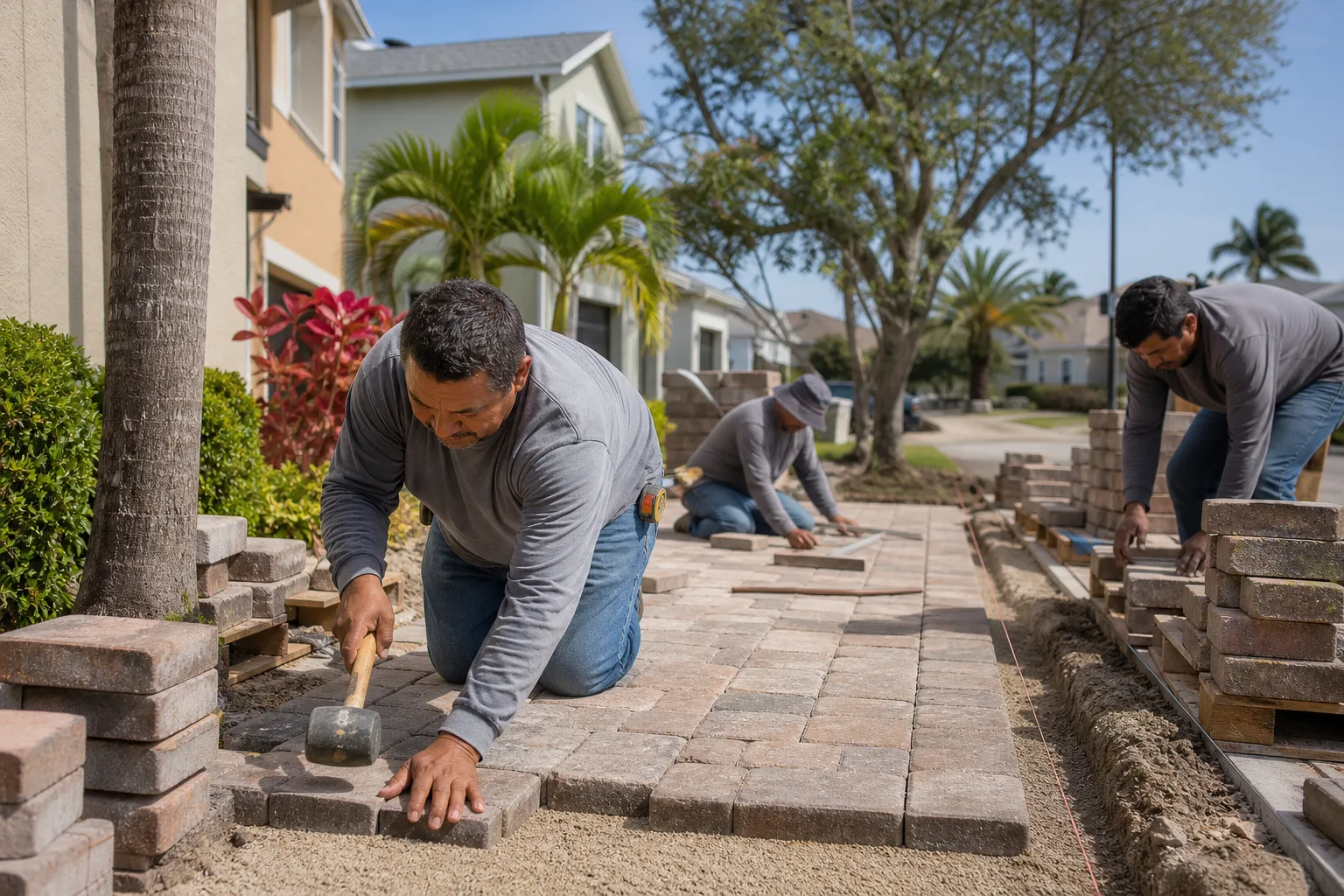
Call (833) 988-3521 for a free estimate on driveway pavers in San Jose. We’ll assess your lot, explain what base and drainage your driveway actually needs, and put it in writing – line item by line item – so you know exactly what you’re paying for. Every project is backed by our 730-Day Done Right Promise, with 0% financing for 18 months and $1,000 off projects over $10,000 available. Calls are answered by a live person 24/7, and our technicians are background-checked and arrive in uniform. From foundation to finish line, built to last and backed in writing.
Written by the team at Groundwork Construction Co. of San Jose.
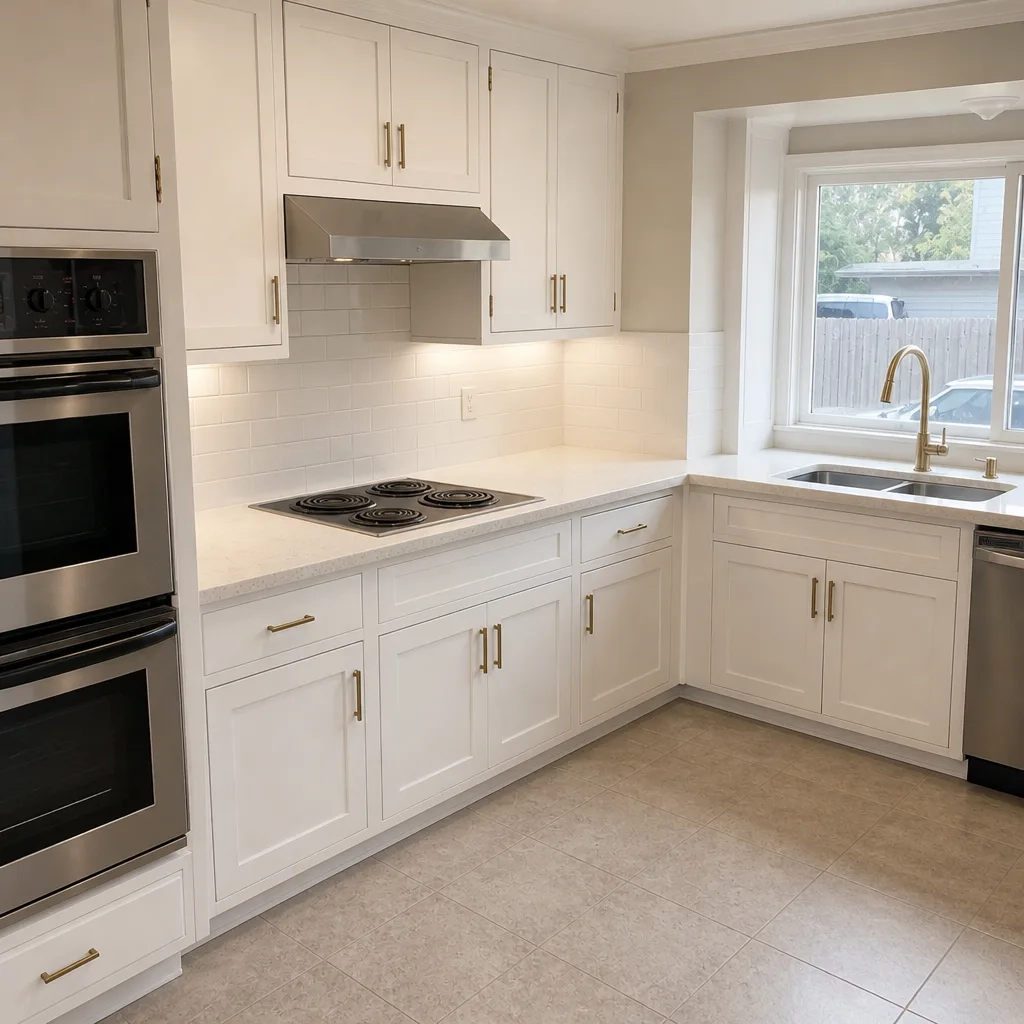
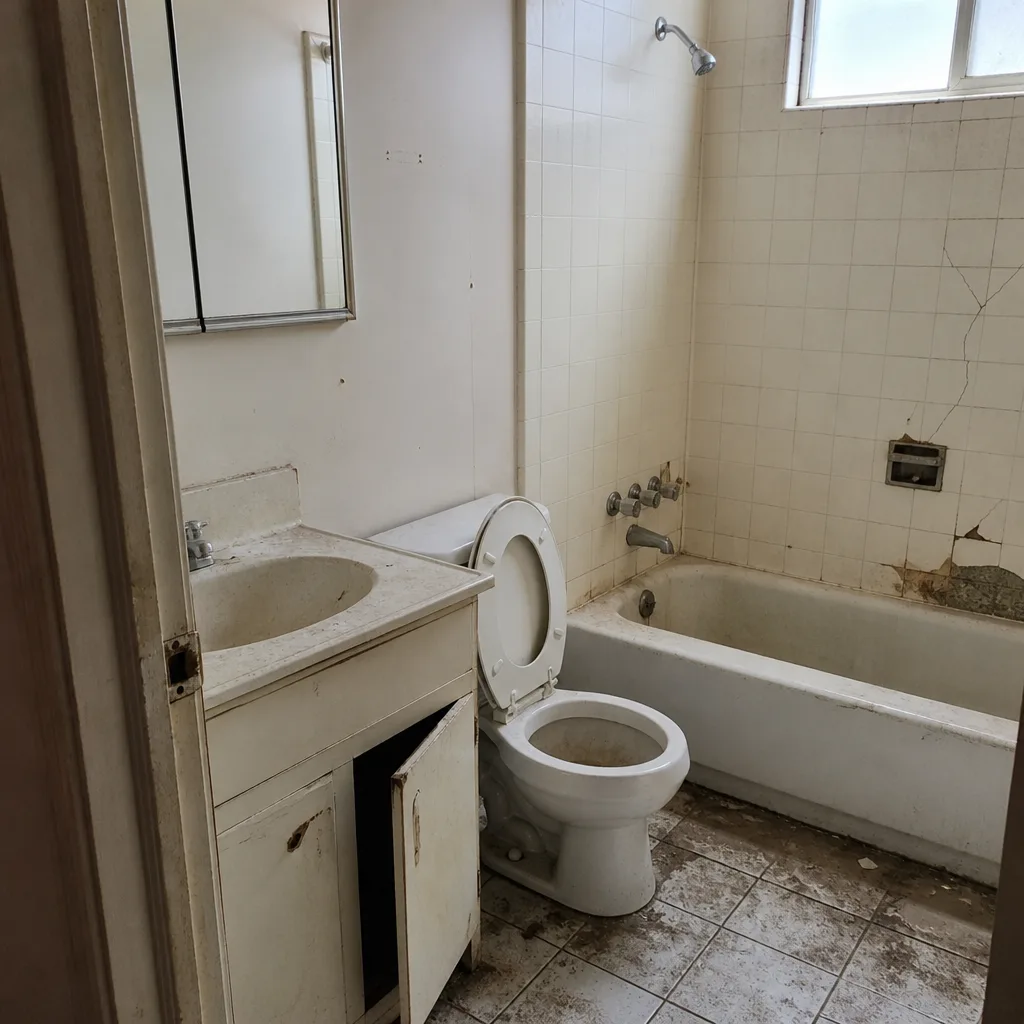
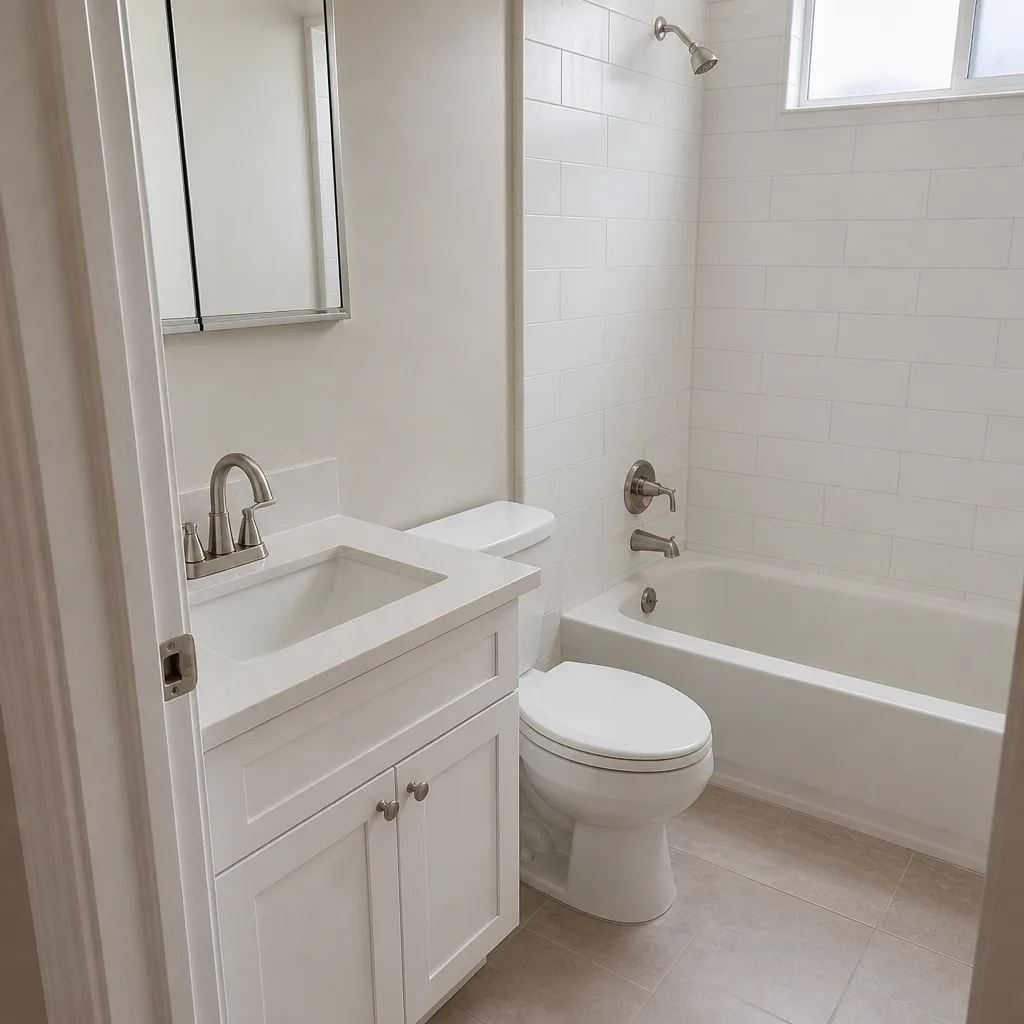
See the difference
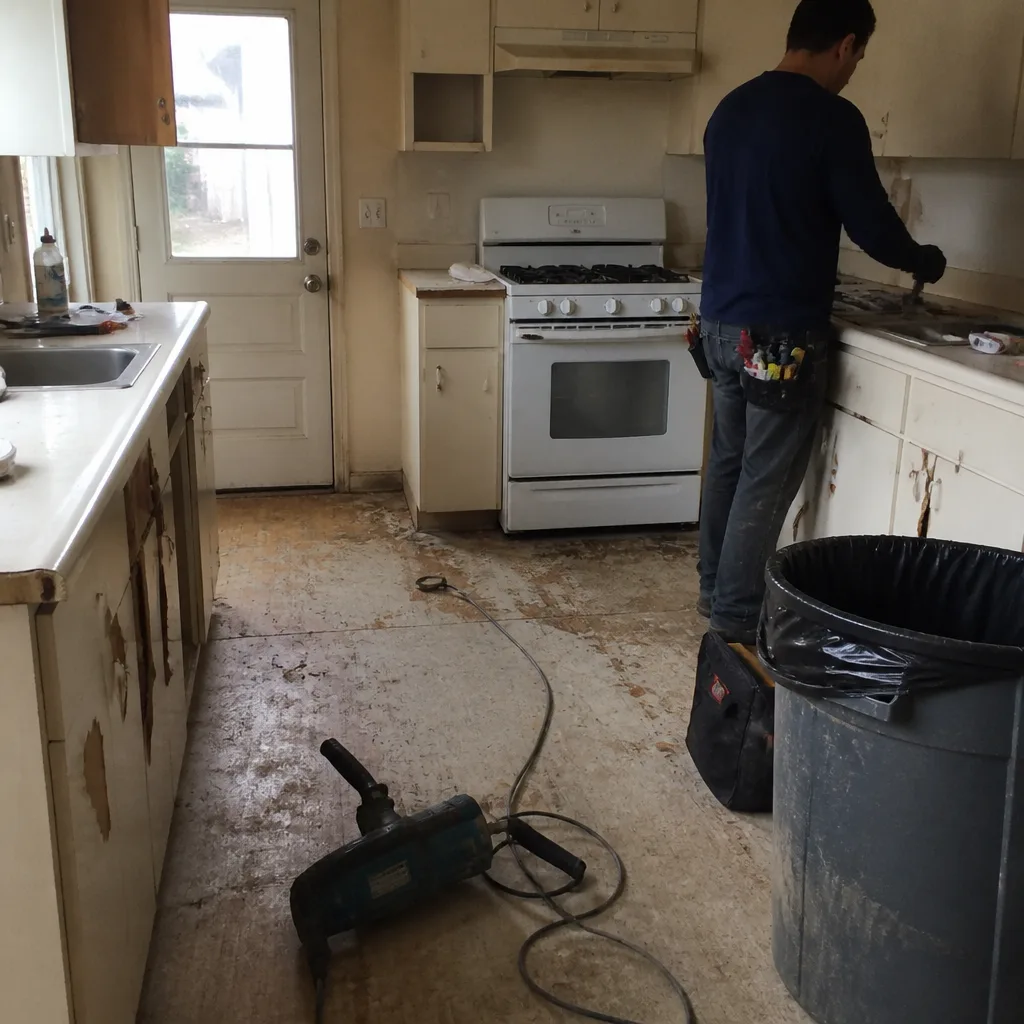 Before
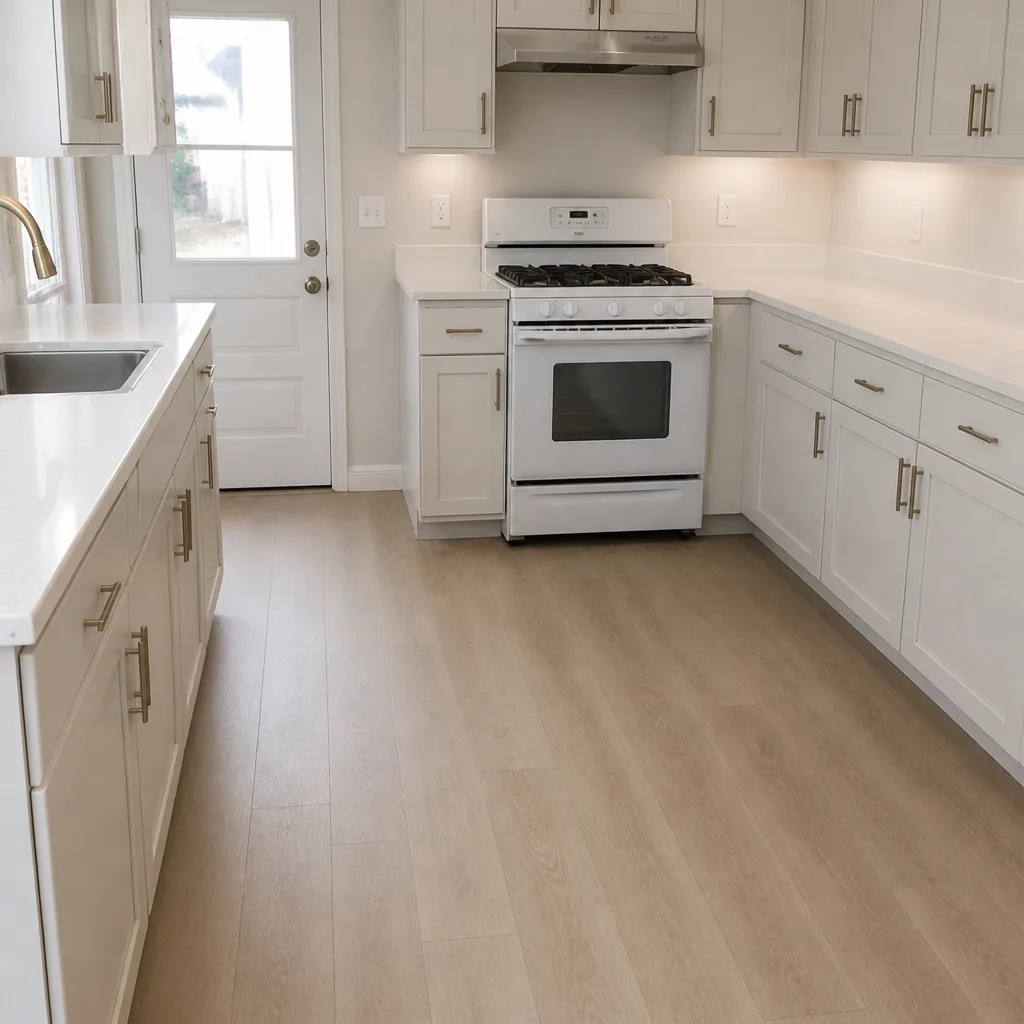 After
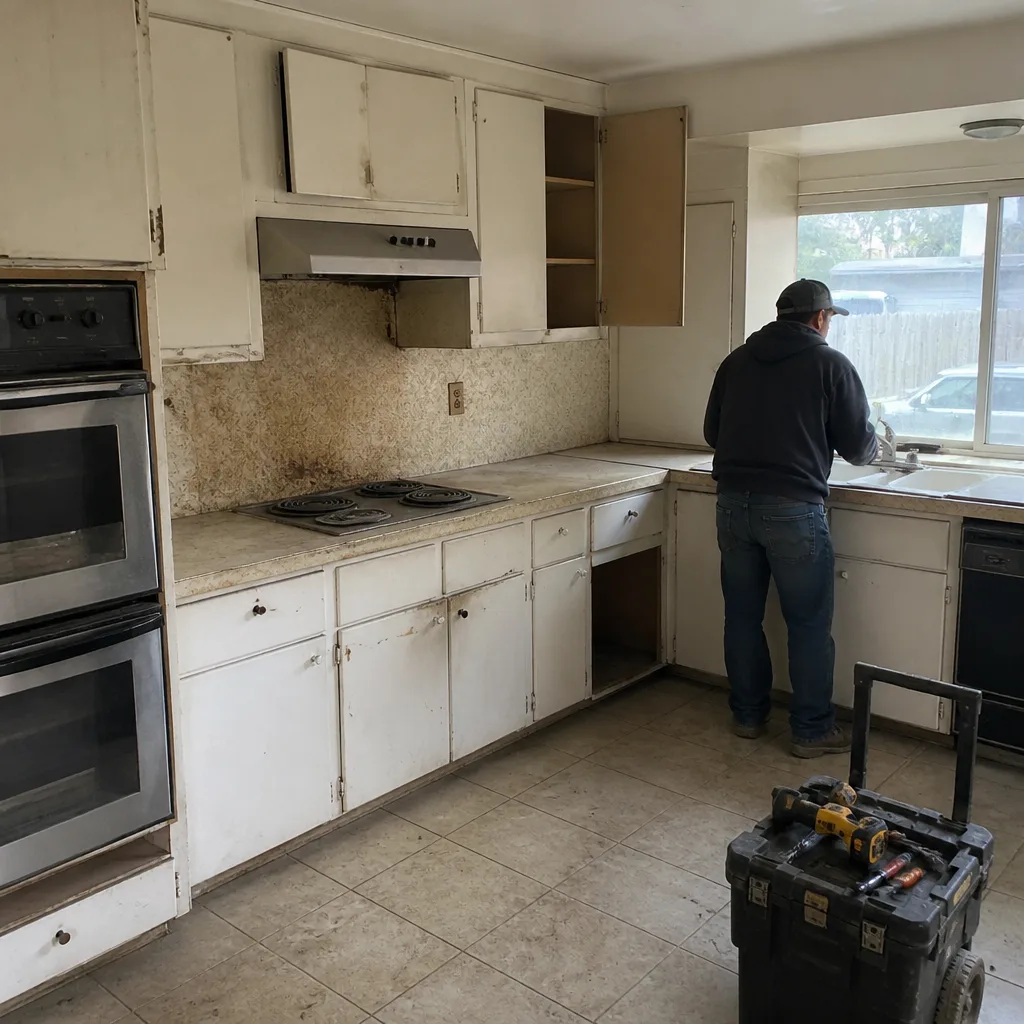 Before
 After
 Before
 After