Last updated November 18, 2026
Free written scope consultation - allowances, timeline, and change-order rules on paper before a single trade is scheduled
Choosing the Right Construction Brand: A Buyer’s Guide for San Jose
When a contractor’s bid says “standard materials” or “industry-grade products,” that’s not modesty. It’s a contractual escape hatch that lets them substitute whatever is cheapest at the time of purchase without telling you. We’ve read hundreds of bids across San Jose, and the ones that leave brand names out are almost always the ones that leave accountability out too. This guide teaches you to read a material spec the way an experienced contractor does: which brands actually perform under Bay Area conditions, how to spot real brand partnerships versus spot-market buying, and how to lock named products into your contract before you sign.
Quick Answer
The right construction materials brand in San Jose is one that is named explicitly in your contract, backed by its own manufacturer warranty, and specified for the specific conditions it will face here – marine-layer moisture, summer UV, expansive clay soils, and seismic movement. Contractors who list brands by name (Kohler, GAF, James Hardie, Andersen) can be held to those products; contractors who write “or equivalent” cannot. Quality comes from the intersection of a named premium product and a workmanship guarantee that covers how it was installed.
Styles & brands we work with
- Kitchen remodeling
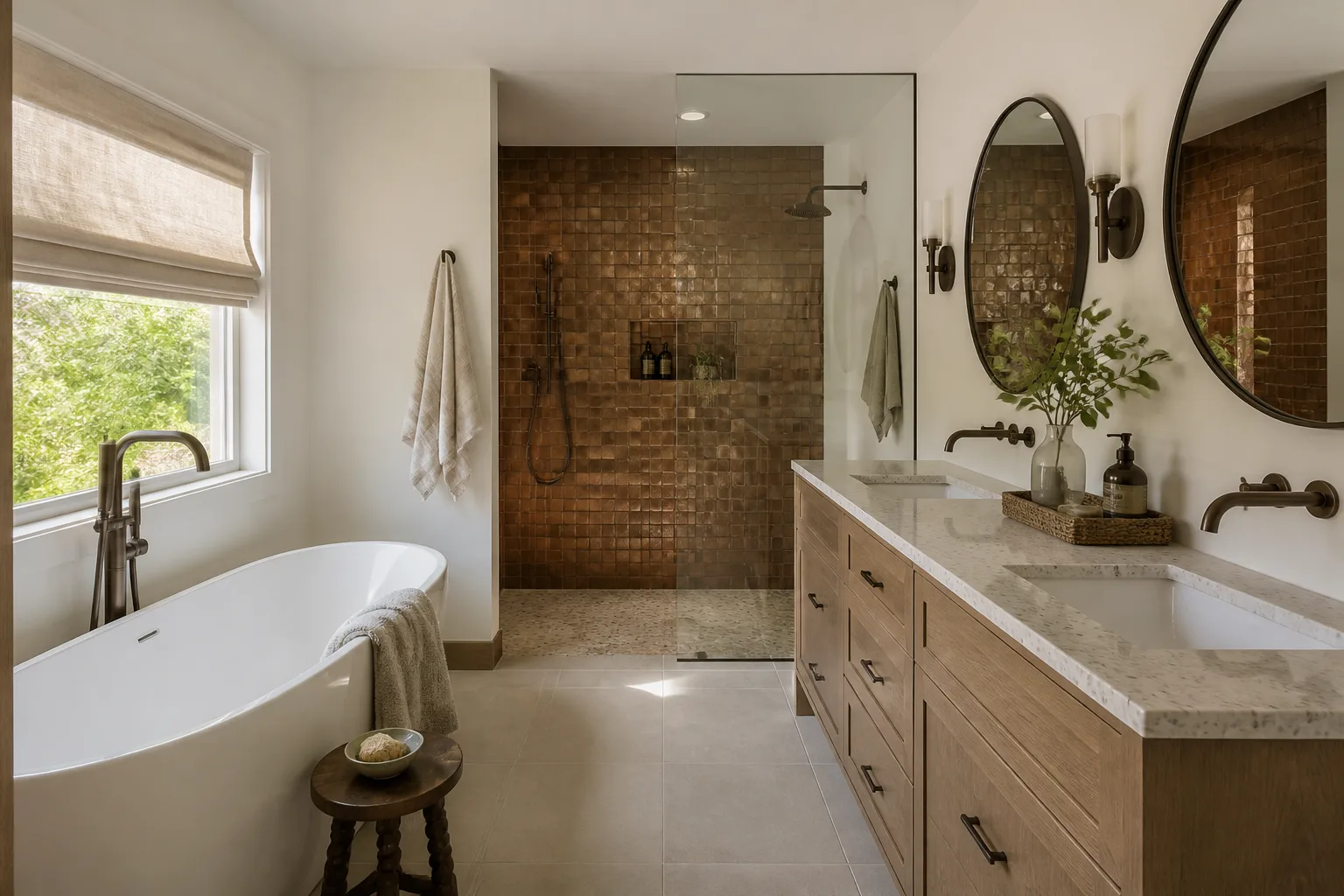
- Bathroom remodeling
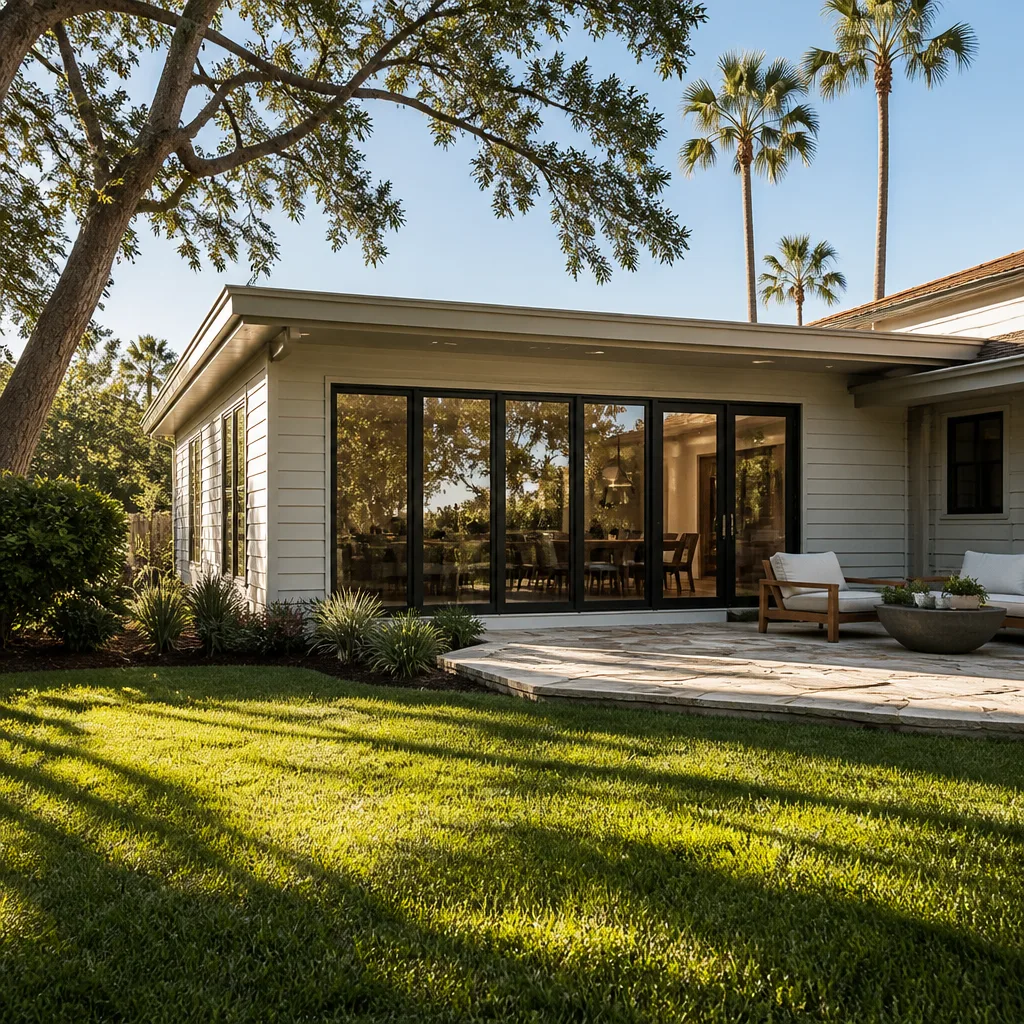
- Home additions & ADU
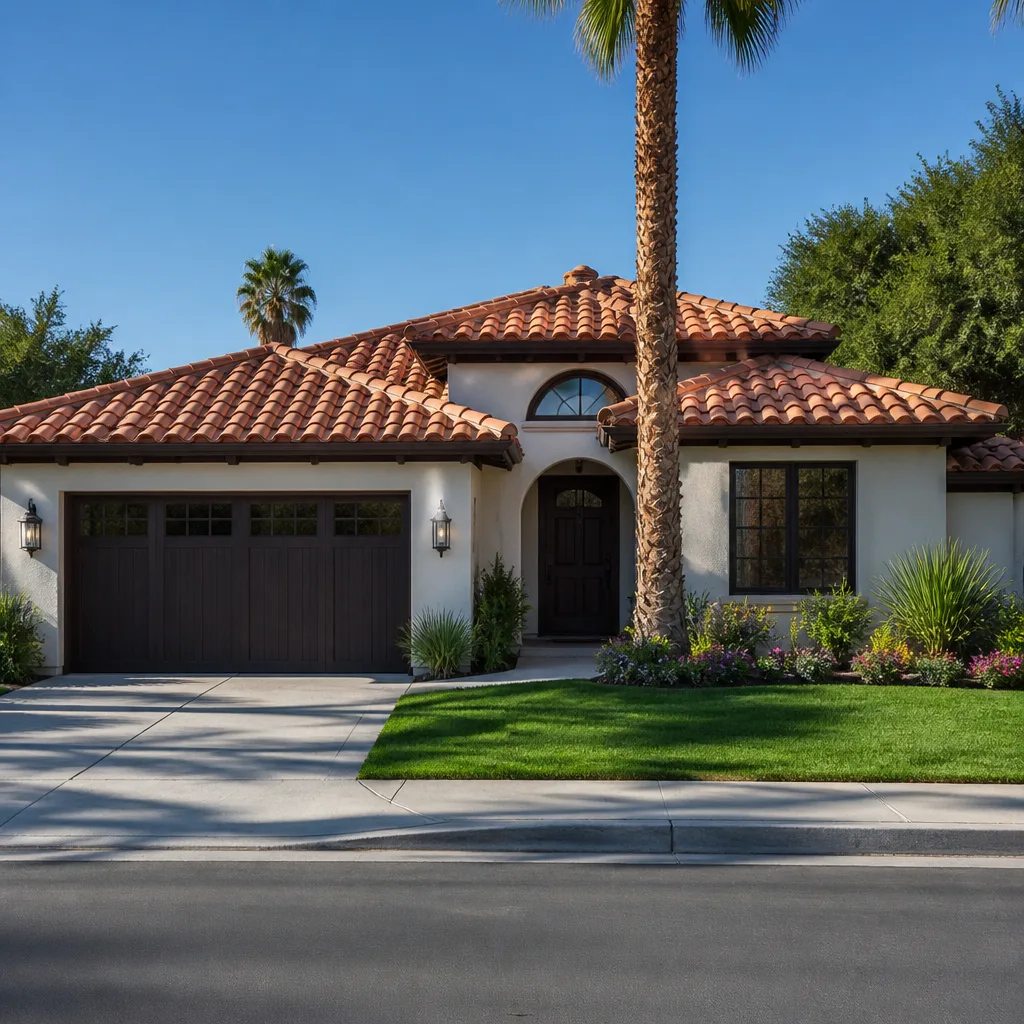
- Roofing
- Windows & doors
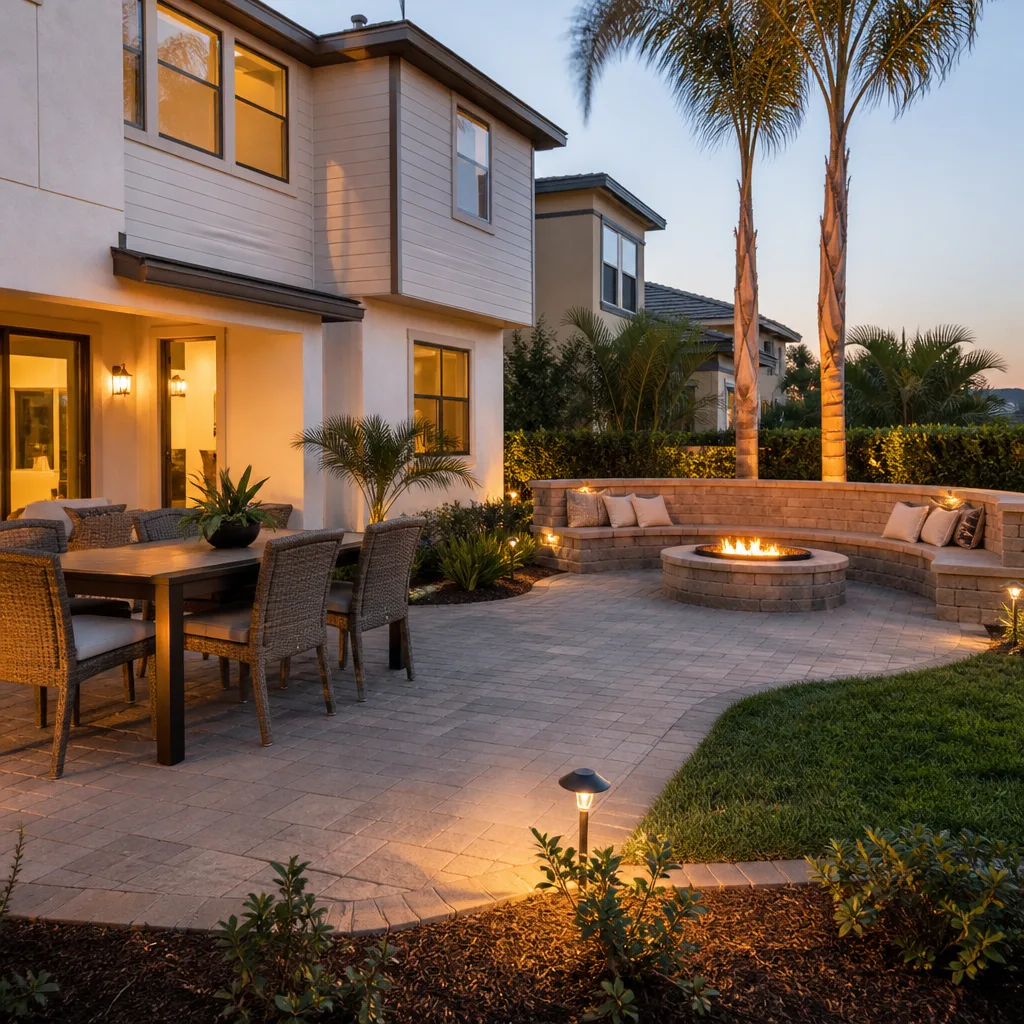
- Driveway & pavers
- Fence
Table of Contents
- Why Material Brand Is the Biggest Variable in Your Project
- Brand Partnerships vs. Spot-Market Buying: How to Tell the Difference
- The Material Categories With the Widest Performance Gap in San Jose
- Product Warranties vs. Workmanship Warranties: You Need Both in Writing
- How to Read a Material Specification in a San Jose Contract
- Why Brand Partners Get Different Quality Tiers
- San Jose Climate and Soil: What They Demand From Materials
- A Step-by-Step Brand Evaluation Checklist
Why Material Brand Is the Biggest Variable in Your Project
Two San Jose kitchen remodels can look identical on the bid sheet and differ by $15,000 in long-term outcomes. The difference is almost never labor hours. It’s the cabinet box, the countertop slab, the faucet cartridge, the waterproofing membrane under the tile. Material choice is the single largest lever on how a project performs in year three, year seven, and year fifteen.
Here’s what most homeowners don’t see. A general contractor’s material line item is where margin gets made or lost. If the contract says “premium cabinets” or “quality faucet,” the contractor can buy a builder-grade import at a third of the cost of a KraftMaid or a Kohler and pocket the spread. You won’t know until the cartridge fails in eighteen months and the warranty turns out to cover a product that no longer exists.
In our experience across San Jose, the homes that hold up best are the ones where the owner insisted on named brands in the contract. That’s not a luxury position. It’s the difference between knowing what’s behind your wall and hoping.
- Named brand = accountability. You can look up the spec sheet, the warranty terms, and the failure history.
- “Or equivalent” = discretion. The contractor decides what “equivalent” means, usually at the supply house counter.
- Brand partner = leverage. A contractor with an established relationship gets warranty support and priority replacement that a spot buyer never sees.
Brand Partnerships vs. Spot-Market Buying: How to Tell the Difference
A real brand partnership shows up in three places: the contractor’s spec sheets, their warranty documentation, and their ability to get a failing product replaced without a fight. Spot-market buying shows up in vague language and slow warranty responses. You can tell the difference before you sign.
Ask the contractor directly which brands they specify for each trade and why. A contractor with genuine partnerships answers in specifics: the exact GAF or Owens Corning shingle line, the James Hardie siding profile, the Andersen or Marvin window series. A contractor buying off the spot market answers in generalities, because the answer changes week to week based on what’s on sale.
Then ask the follow-up that separates the two: “If this product fails in year two, who handles the warranty claim?” A brand partner says the manufacturer honors it and the contractor handles the labor. A spot buyer says something like “we’ll take care of you,” which is not a warranty, it’s a hope.
- Ask for the material spec sheet in writing. Named brands, model numbers, and series, not categories.
- Ask which brands the contractor is an authorized or preferred installer for. Real partnerships have documentation.
- Ask how warranty claims get processed. The answer reveals whether the relationship is direct or one-off.
- Compare two bids side by side. The one with named brands will usually cost more upfront and less over ten years.
Groundwork Construction Co. of San Jose works from a curated portfolio of verified brand partners across every trade, from KraftMaid and Cambria in kitchens to GAF and Owens Corning on roofs to Andersen and Marvin for windows. That’s not a marketing line. It’s the reason we can specify a product by name and stand behind the outcome, which matters in a market as competitive as the San Jose construction market.
The Material Categories With the Widest Performance Gap in San Jose
Not every material category has a huge spread between premium and budget. Paint is paint for most applications. But a handful of categories have enormous variance, and those are the ones worth sweating over. In Bay Area conditions, four categories account for most of the failures we see.
1. Waterproofing membranes
Behind every shower wall and under every bathroom floor in San Jose is a membrane that either works or doesn’t. A premium sheet or liquid membrane (Schluter, Laticrete, Noble) costs a small fraction of the total bathroom budget. A budget membrane fails at the seams, and by the time you notice, the subfloor and framing are compromised. This is the single highest-leverage material in any bathroom remodel.
2. Concrete admixtures and mix design
Driveways, patios, and ADU slabs in San Jose face expansive clay soils and seasonal moisture swings. The concrete mix design, including admixtures for workability and freeze-thaw resistance, determines whether the slab cracks in year two or year twenty. A premium mix from a reputable ready-mix supplier costs 5% to 10% more than a minimum-spec mix.
3. Pavement sealers and joint sand
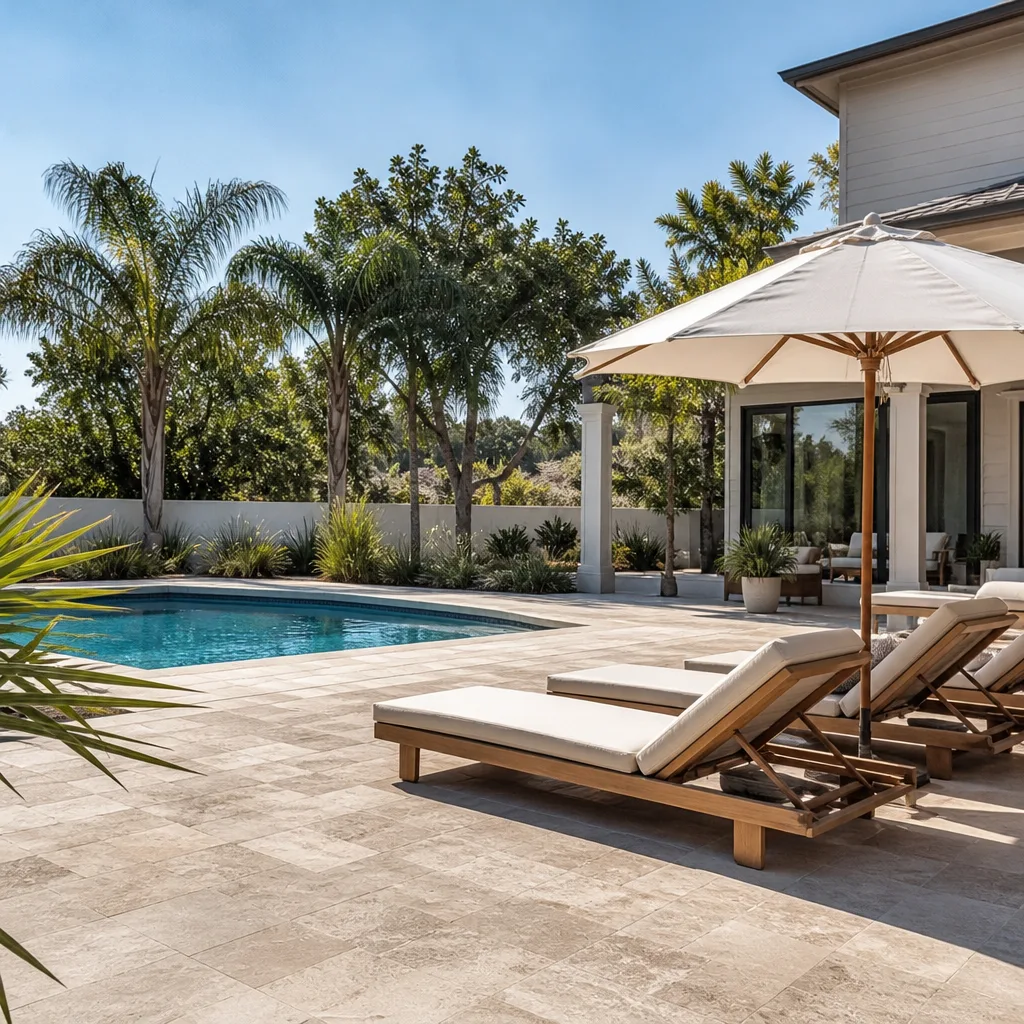
Pavers themselves are fairly durable across brands. The sealer and polymeric joint sand are where performance diverges. Cheap sealer chalks and peels within two summers of San Jose UV exposure. A premium sealer (Techniseal, SRW) holds up for five to seven years. This is covered in more depth in our guide to Driveway & Pavers in San Jose.
4. Roofing underlayment and flashing
The shingle gets all the attention, but the underlayment and flashing are what keep water out during a Bay Area atmospheric river. Premium synthetic underlayment and properly specified metal flashing cost a few hundred dollars more on a typical San Jose roof and last decades longer than the 15-pound felt and generic flashing a spot buyer uses.
Product Warranties vs. Workmanship Warranties: You Need Both in Writing
This is where most homeowners get confused, and it’s the expensive confusion. A product warranty covers the material itself. A workmanship warranty covers how it was installed. They cover different failures, come from different parties, and one does not replace the other.
- Product warranty: Issued by the manufacturer (Kohler, GAF, Andersen, Moen). Covers defects in the material. Typically 10 to 50 years depending on product, and often conditional on professional installation.
- Workmanship warranty: Issued by the contractor. Covers installation errors. A 730-Day Done Right Promise, for example, means if the install fails, the contractor makes it right, regardless of whether the material was defective or the labor was.
The failure points are almost always at the intersection. A leaking shower could be a failed membrane (product) or a bad seam (workmanship). A roof leak could be a shingle defect or a nail driven in the wrong spot. If you only have one warranty, you may find yourself in the middle with both sides pointing at each other. You need both written into the contract, separately documented.
Ask each contractor for the actual warranty document, not a verbal summary. Read the exclusions. Most product warranties exclude labor entirely, which is why contractor workmanship coverage matters so much. And confirm the workmanship warranty period in writing, because “lifetime” means nothing without paperwork.
How to Read a Material Specification in a San Jose Contract
A material spec in a contract is not fine print. It’s the document that determines what actually gets installed. Here’s how to read one line by line.
- Look for brand names followed by model or series. “Kohler Forté” is a spec. “Premium faucet” is not.
- Flag every instance of “or equivalent,” “or similar,” “industry standard,” or “builder-grade.” These are substitution clauses. They let the contractor swap.
- Check quantity and grade. “Cambria countertop” without a thickness or grade is an out. You want the specific line.
- Confirm who pays for upgrades. If you approve a substitution, get the cost delta in writing before installation.
- Require a substitution approval clause. Any change to the spec needs your written sign-off before it’s ordered.
- Attach the brand spec sheet as an exhibit. Make the manufacturer’s spec sheet part of the contract.
- Confirm the install standard. Named brand plus manufacturer’s installation instructions equals accountability.
If a contractor resists putting brand names in writing, that’s your answer. They want the substitution option. Groundwork Construction Co. of San Jose specifies brands by name in every contract and provides a written line-item quote so you can compare product for product. That’s the difference between a bid and a plan.
Why Brand Partners Get Different Quality Tiers
Here’s something most homeowners never learn until it’s too late. Manufacturers produce different quality tiers of the same product category. A GAF shingle line and a GAF premium line are not the same product. A builder-grade Kohler faucet and a Kohler premium faucet share a logo, not internals. A KraftMaid cabinet box and an off-brand import may look similar on the showroom floor and age very differently.
Authorized brand partners get access to premium tiers, priority warranty support, and sometimes exclusive product lines. Contractors buying off the spot market get what’s on sale, which is usually the bottom tier. Both deliver a functioning product on install day. Only one still works in year twelve.
In San Jose, we’ve seen this play out in kitchens where the cabinet boxes swell after two winters and in bathrooms where faucet cartridges fail early. Premium brands aren’t immune, but the failure rate and warranty response are different. This is the core reason we built our portfolio around trusted partners: Delta, Moen, Kohler, Blanco, and dozens more. When a product fails, we call a partner, not a 1-800 number.
San Jose Climate and Soil: What They Demand From Materials
San Jose is not a hard climate for building materials, but it is a specific one. The combination of coastal marine layer, summer UV, seasonal soil movement, and occasional atmospheric river rainfall puts particular demands on materials that a spec sheet written for a national average won’t capture.
Marine layer moisture
The morning fog that rolls in from the coast keeps humidity elevated for hours each day in many San Jose neighborhoods. That moisture attacks wood siding, trim, and exterior paint. James Hardie fiber cement siding handles it, standard wood trim doesn’t. Worth knowing when you’re comparing exterior bids.
Summer UV
San Jose summers hit UV indexes most of the country doesn’t see. That’s hard on sealers, paint, roofing underlayment, and exterior caulk. Premium UV-stable products perform visibly better here than budget equivalents.
Expansive clay soils
Parts of San Jose, particularly the eastern and southern edges, sit on expansive clay that swells and shrinks with moisture. Concrete driveways, ADU slabs, and pavers all face movement stress here. Good mix design, proper control joints, and premium base prep matter more here than in markets with stable soils. This is a major reason to scrutinize concrete and paver specs on any Home Additions & ADU in San Jose project or driveway replacement.
Wildland-urban interface
Neighborhoods near the eastern hills and the Almaden Valley face wildfire exposure, and material choices for roofing and siding should reflect that. Class A roofing assemblies, non-combustible siding, and ember-resistant vents are worth asking about specifically.
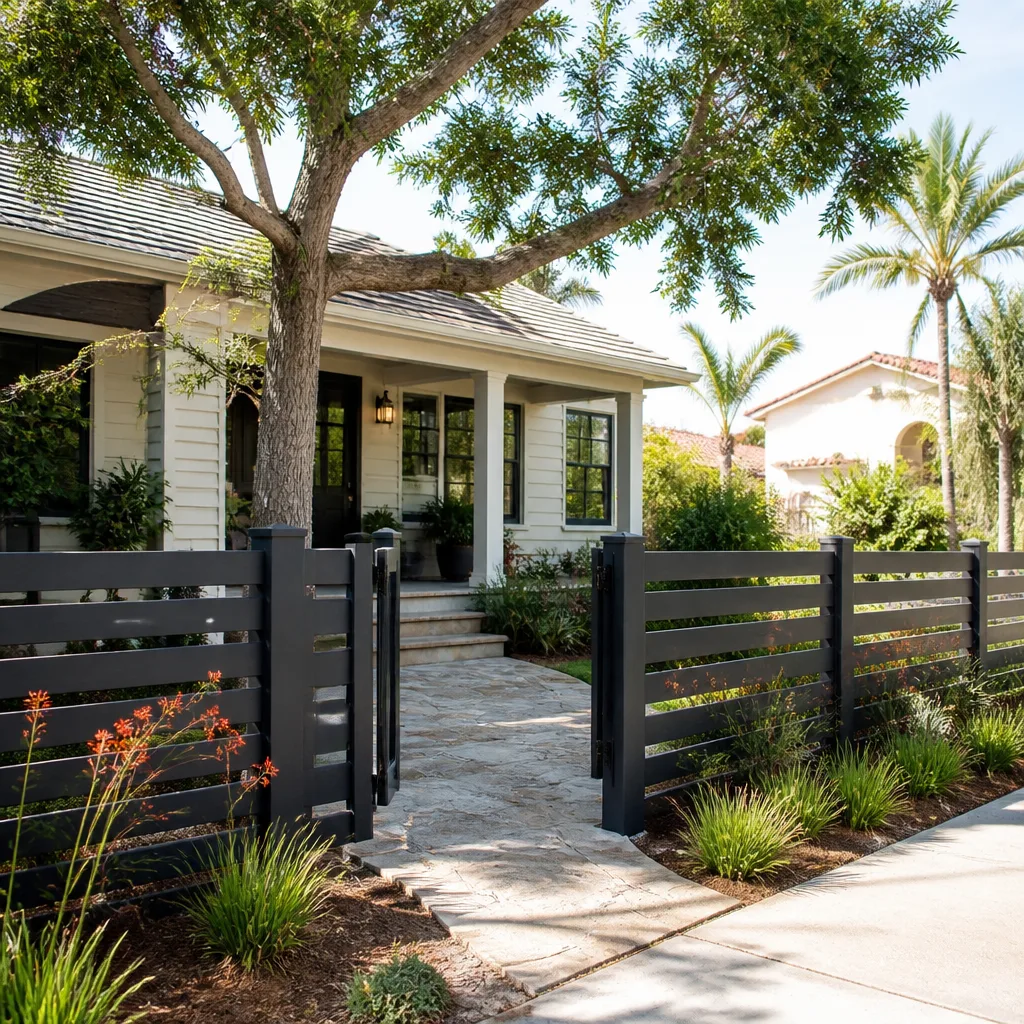
You’ll also see this play out on fencing. A wood fence in San Jose that hasn’t been built with the right rot-resistant materials or pressure-treated posts fails at the bases within a decade. Our guide to Fence Installation in San Jose covers the material choices in detail.
A Step-by-Step Brand Evaluation Checklist
Here’s the process we recommend running on every bid you receive. It takes about fifteen minutes per contractor and saves years of regret.
- Request a written material spec for every trade. Roofing, windows, cabinetry, plumbing, electrical, tile, concrete. All of them.
- Highlight every generic term. “Standard,” “premium,” “quality,” “industry-grade,” “or equivalent.” Each one is a substitution opportunity.
- Ask for brand names and model numbers in writing. Legitimate contractors provide them without hesitation.
- Look up each brand’s own warranty terms. The manufacturer’s warranty page tells you what’s actually covered and for how long.
- Ask which brands they’re an authorized partner for. Real partnerships leave a paper trail.
- Confirm both warranty documents exist separately. Product warranty from the manufacturer, workmanship warranty from the contractor.
- Ask about substitution policy in writing. Any change requires your written approval before ordering.
- Compare across bids. The bid with named brands will usually be 10% to 20% higher upfront and 30% to 50% less expensive over the life of the installation.
Common Mistakes to Avoid
- Accepting “or equivalent” language. This is the single biggest risk in any San Jose contract. It gives the contractor discretion you can’t audit. Insist on named brands or get a $0 credit for any substitution.
- Choosing the low bid. A bid $8,000 under the others is almost always $8,000 under in materials. The savings come out of the products, not the margins.
- Confusing product warranty with workmanship warranty. They cover completely different failures. If the contract only mentions the manufacturer’s warranty, you have no labor coverage once the install fails.
- Ignoring the San Jose marine layer when specifying exterior materials. Wood trim and standard-grade caulk fail fast here. Fiber cement and UV-stable sealants last.
- Skipping the soil report on ADU or driveway projects. Expansive clay is real in San Jose and affects everything poured into the ground.
- Not asking about substitution policy. Many contracts let the contractor swap equivalent products mid-project. Require written approval on any change.
- Not getting the brand spec sheet as a contract exhibit. Without the spec attached, the brand name alone is not enforceable.
See the difference
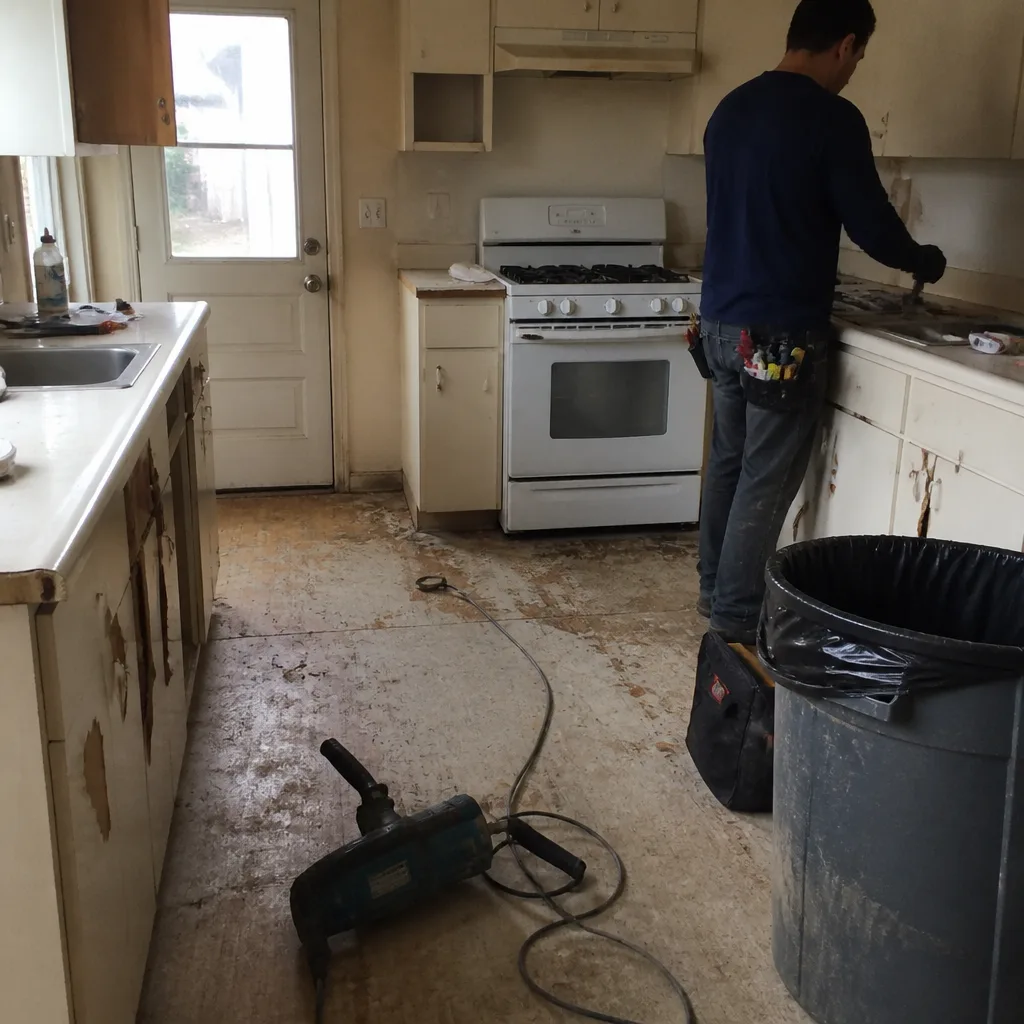 Before
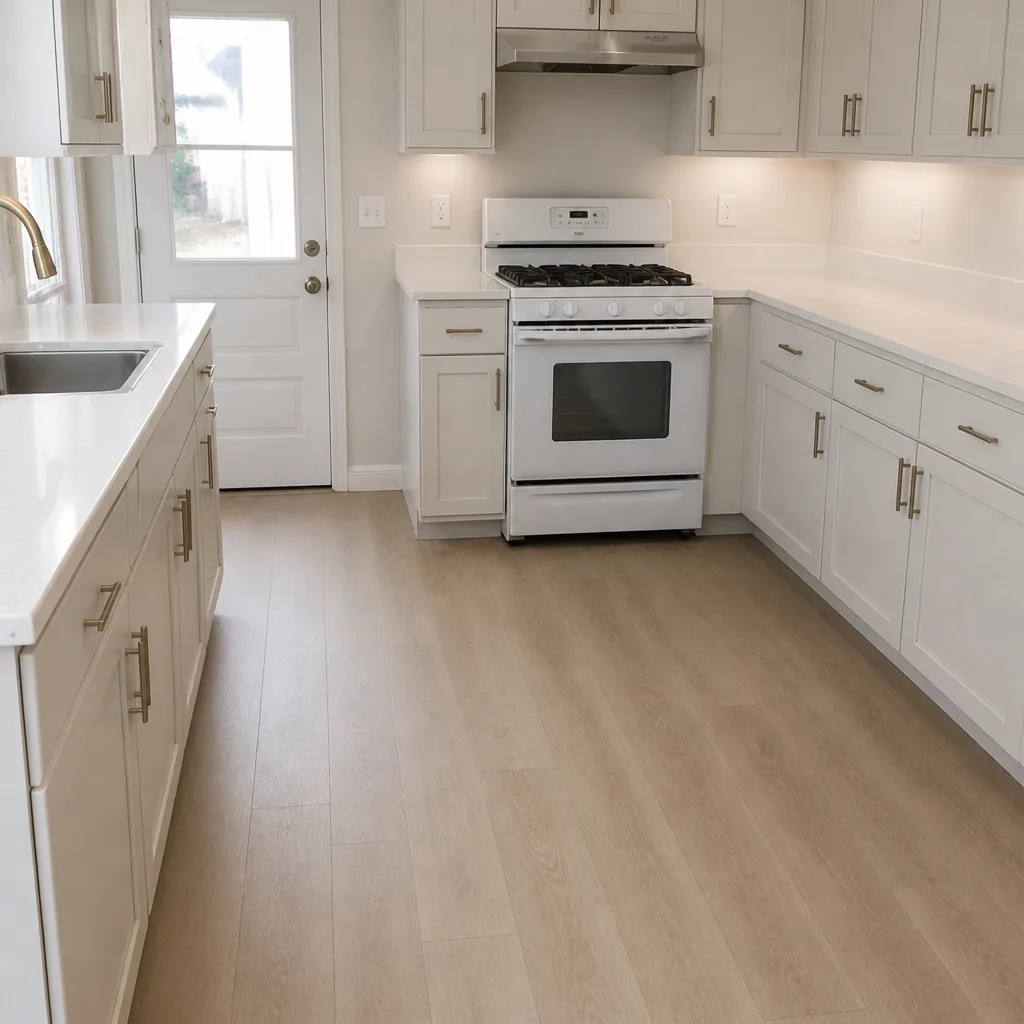 After
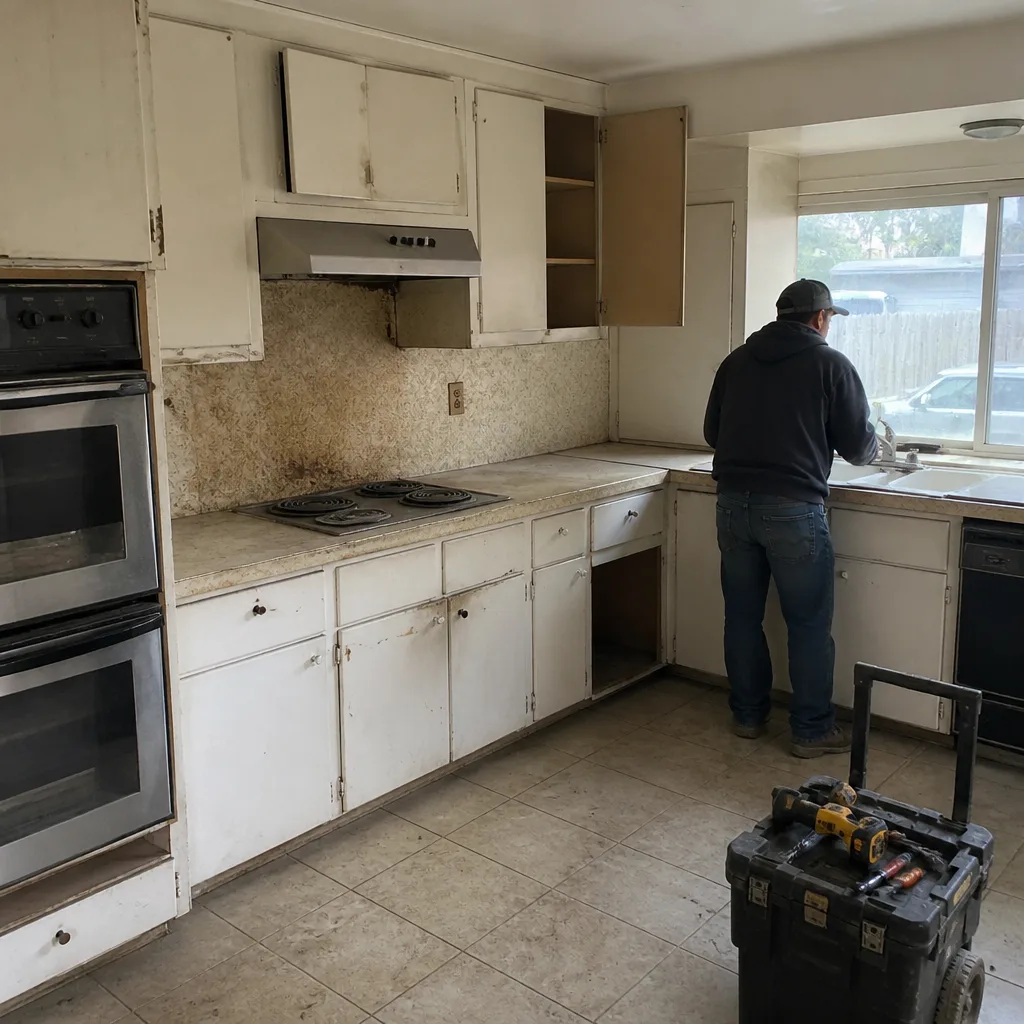 Before
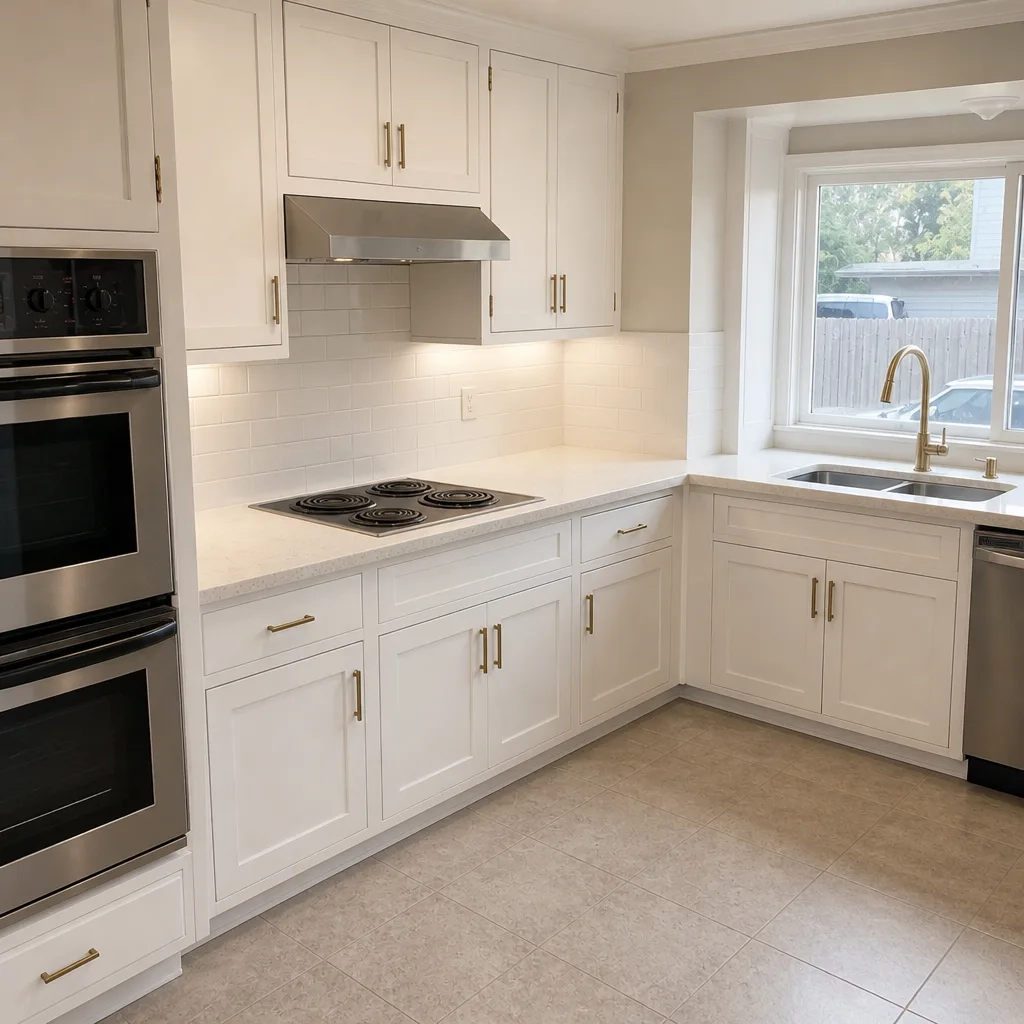 After
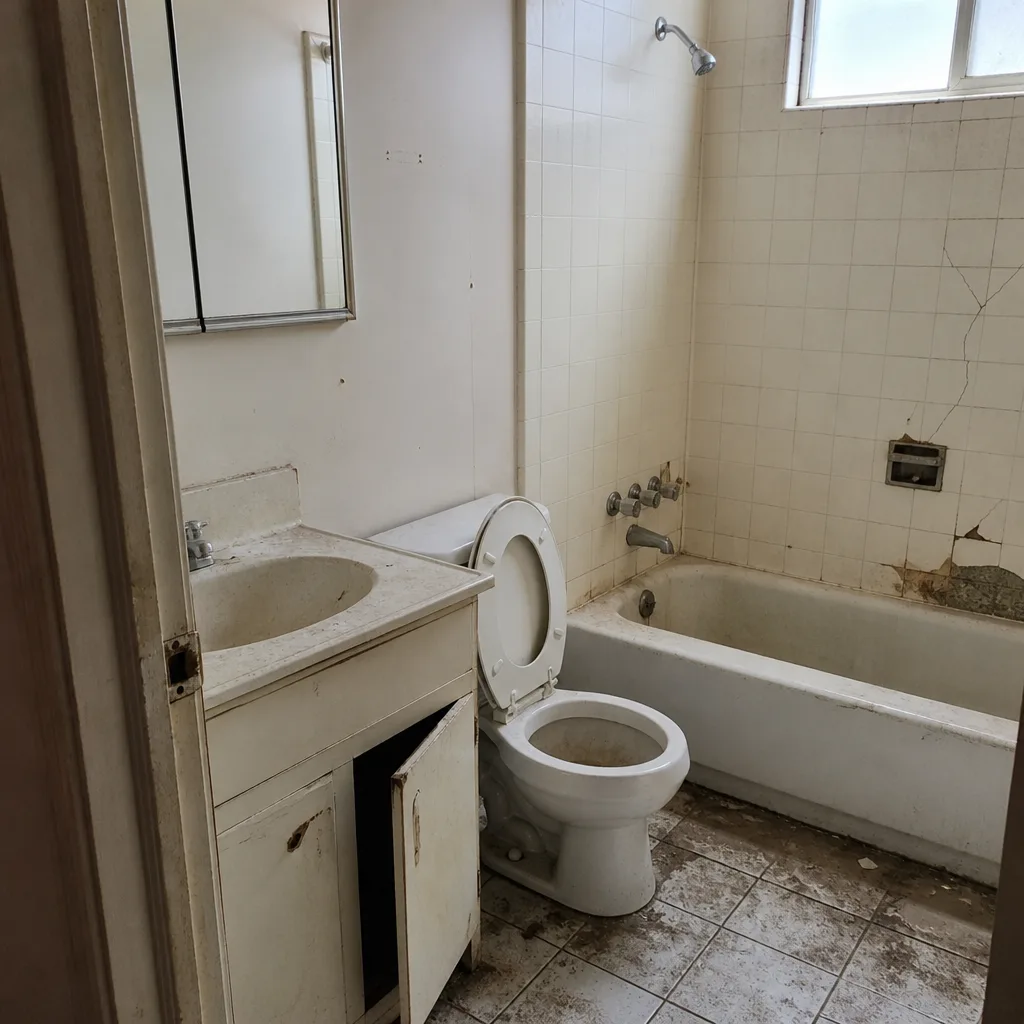 Before
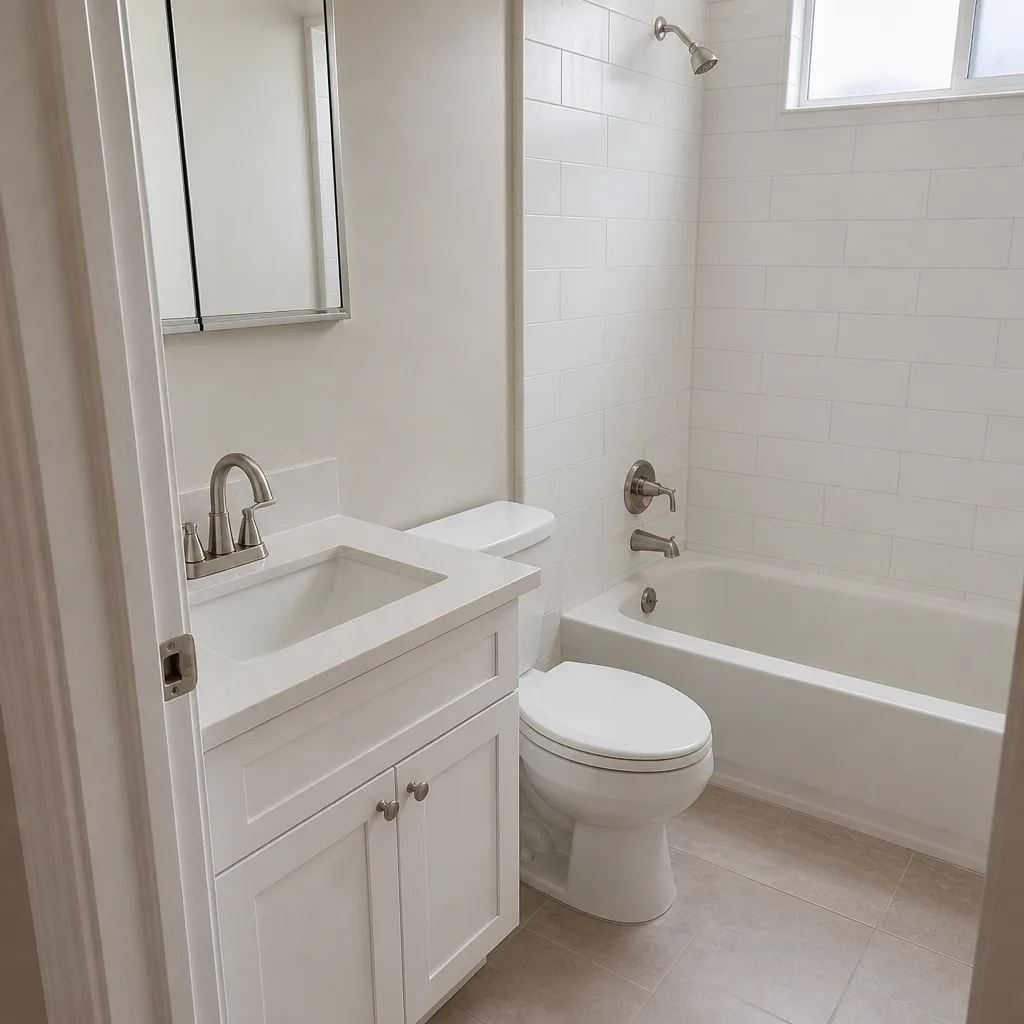 After
When to Call a Professional
The decision to hire a professional shouldn’t hinge on the size of the project. It should hinge on whether a failure of the workmanship or material would be genuinely expensive or genuinely dangerous. That covers a lot of ground in San Jose: any roofing replacement (falls, structural water damage), any structural work like an ADU or addition (permits, seismic, load paths), any tile shower (membrane failure is invisible until it’s costly), any concrete or paver work over expansive soils, and any window or door replacement on a second story.
For those projects, the brand question matters more than anything else in the bid. Groundwork Construction Co. of San Jose offers free estimates in San Jose, and every estimate includes a written line-item quote with named brands. Call (833) 988-3521 to schedule yours. A live person answers, and the number you see is the number you pay.
Frequently Asked Questions
For San Jose’s specific conditions, GAF and Owens Corning are the standard for roofing, James Hardie for exterior siding, Andersen and Marvin for windows, KraftMaid and Cambria for kitchens, and Kohler, Moen, and Delta for plumbing fixtures. These brands have the track record, warranty support, and installer networks that hold up under Bay Area moisture and UV. Groundwork Construction Co. of San Jose specifies these and dozens of other verified partners by name in every contract.
Ask for the paperwork. Real brand partnerships come with authorized-installer status, direct warranty channels, and product spec sheets the contractor can provide immediately. A contractor buying off the spot market can’t name model numbers, can’t document their installer status, and gets vague about warranty claims. In San Jose, ask the follow-up question: “If this fails in year two, who handles the warranty?” A brand partner answers clearly.
A product warranty is issued by the manufacturer and covers defects in the material itself, often excluding labor. A workmanship warranty is issued by the contractor and covers installation errors regardless of whether the material was at fault. You need both in writing, documented separately, because most failures fall at the intersection. Groundwork Construction Co. of San Jose backs every project with a 730-Day Done Right Promise on top of the manufacturer’s coverage, which is one of the longest workmanship guarantees in the residential construction space.
For most projects, named premium brands add 10% to 20% to the material cost compared to generic alternatives. That typically translates to 5% to 10% of total project cost. Over the life of the installation, the premium products usually cost less because they fail less often and don’t need early replacement. Get a written line-item quote so you can see exactly what the brand costs and what it saves. Call (833) 988-3521 to schedule a free estimate with Groundwork Construction Co. of San Jose.
That’s a signal that the contractor wants substitution flexibility, which means the price they quoted isn’t the price you’ll actually get on install day. Insist on named brands and model numbers. If they won’t provide them, don’t sign. A legitimate contractor stands behind the products they specify. The 730-Day Done Right Promise exists precisely because we’re confident enough to name what we install and back it in writing.
On small projects, they still matter, but the failure cost is lower. A cheap faucet in a guest bathroom is annoying. A cheap waterproofing membrane in a tile shower is a $15,000 repair. Prioritize brand accountability on the categories with the widest performance gap: membranes, concrete, roofing underlayment, and pavers. For small cosmetic work, brand choice matters less. For anything structural or water-related, specify brands.
The Bottom Line
The brand question is not about luxury. It’s about knowing what’s behind your walls, in your ceiling, under your shower, and beneath your driveway for the next twenty years. San Jose homes face marine layer moisture, hard summer UV, expansive clay soils, and a competitive contractor market where vague specs are common. The way you defend against all of that is specific: named brands in writing, model numbers in the contract, product warranties and workmanship warranties documented separately, and a substitution policy that requires your written approval.
Contractors who resist putting brands in writing are telling you something. Listen to it. And when you’re ready to see what a fully specified bid looks like, call (833) 988-3521 for a free estimate with Groundwork Construction Co. of San Jose. From foundation to finish line, every material is named, every price is upfront, and every installation is backed by the 730-Day Done Right Promise.
Written by the team at Groundwork Construction Co. of San Jose.