


Free written scope consultation - allowances, timeline, and change-order rules on paper before a single trade is scheduled
Styles & brands we work with
- Kitchen remodeling
- Bathroom remodeling
- Home additions & ADU
- Roofing
- Windows & doors
- Driveway & pavers
- Fence
See the difference
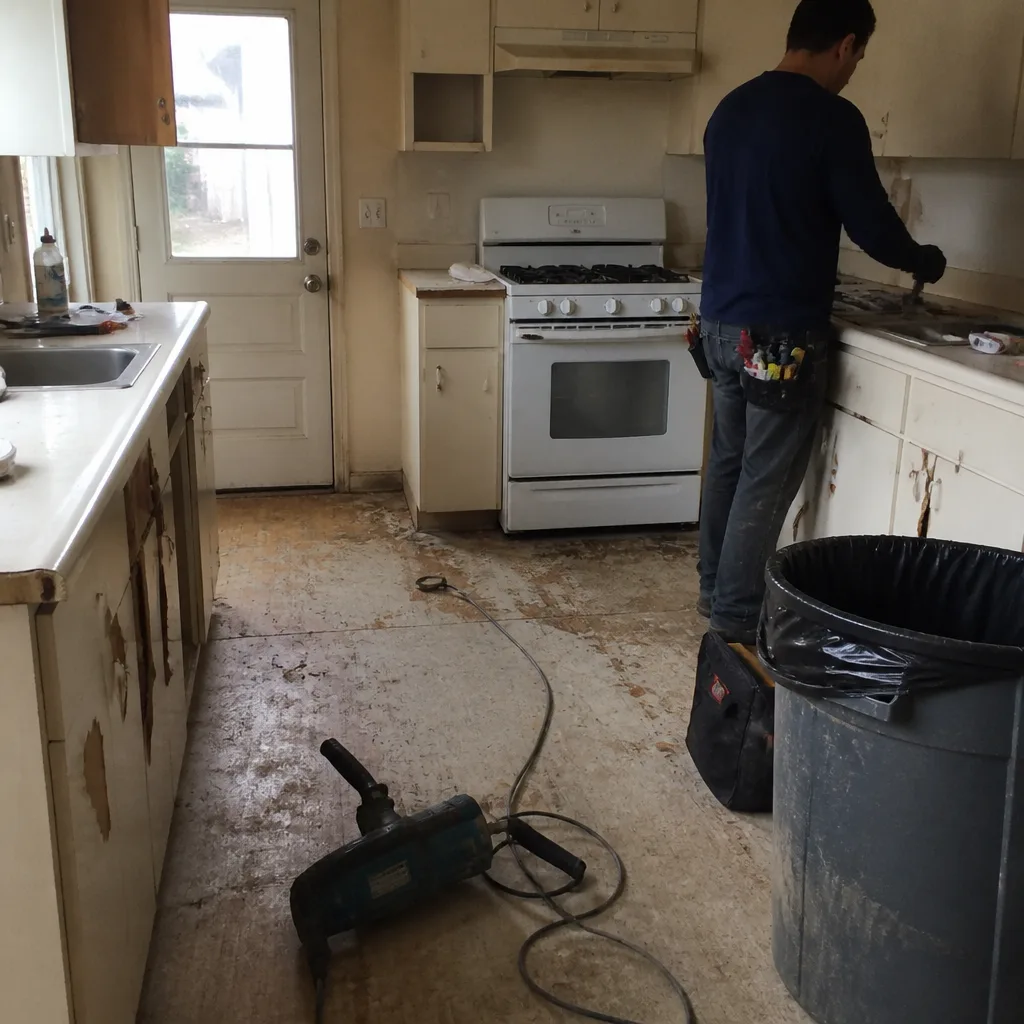 Before
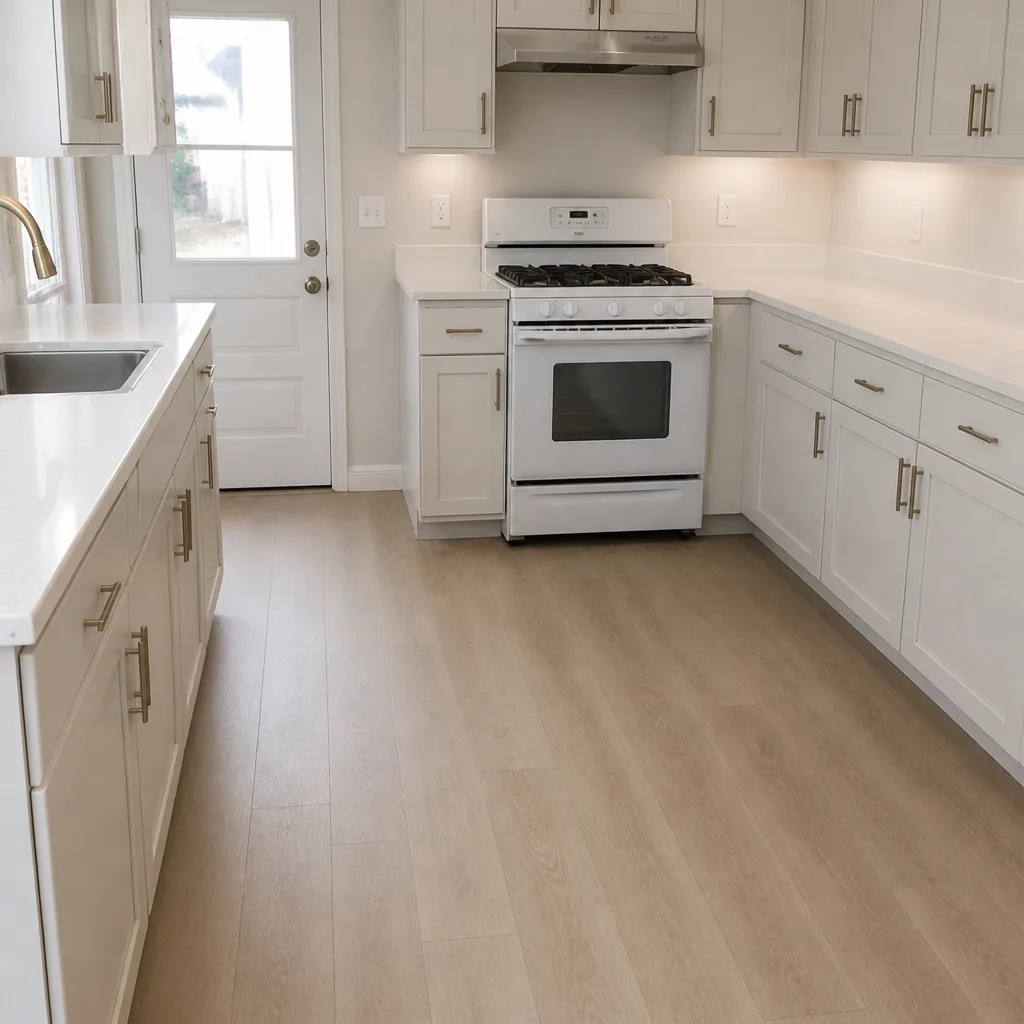 After
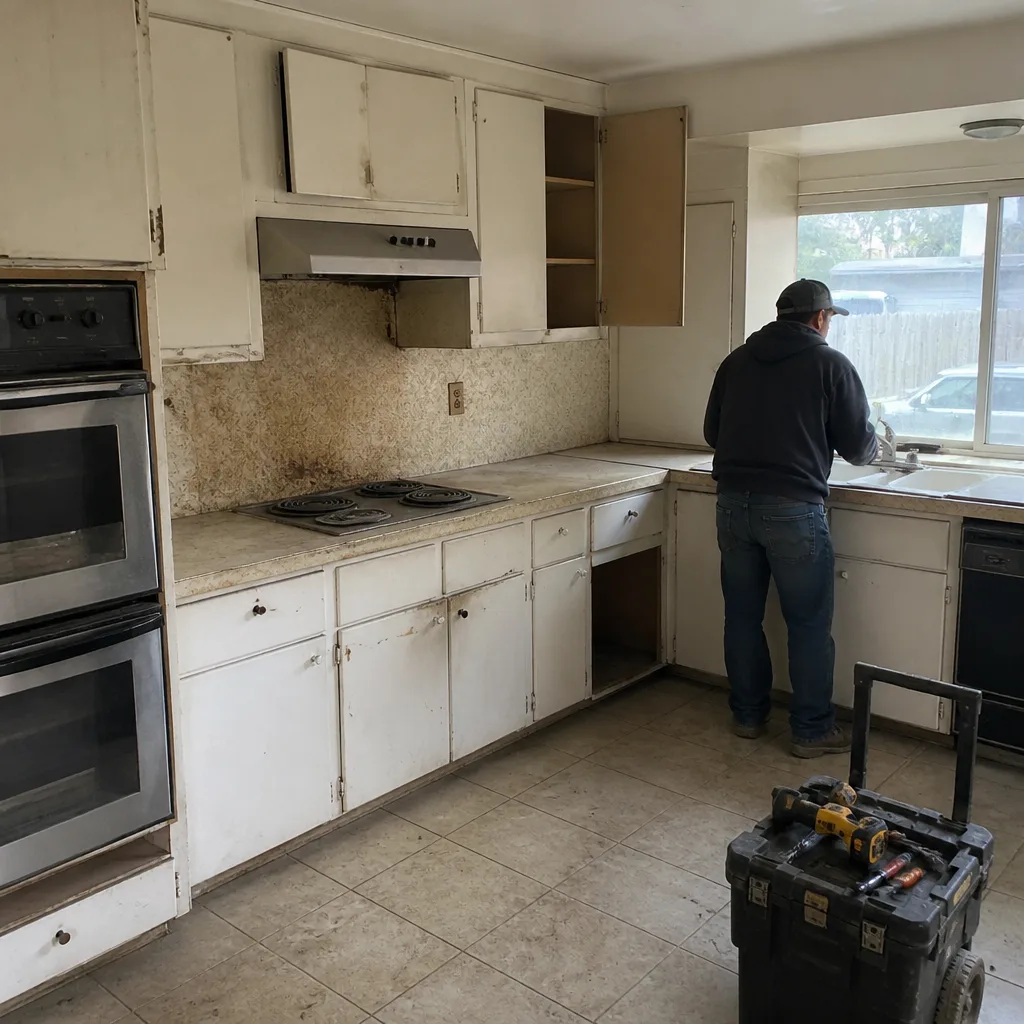 Before
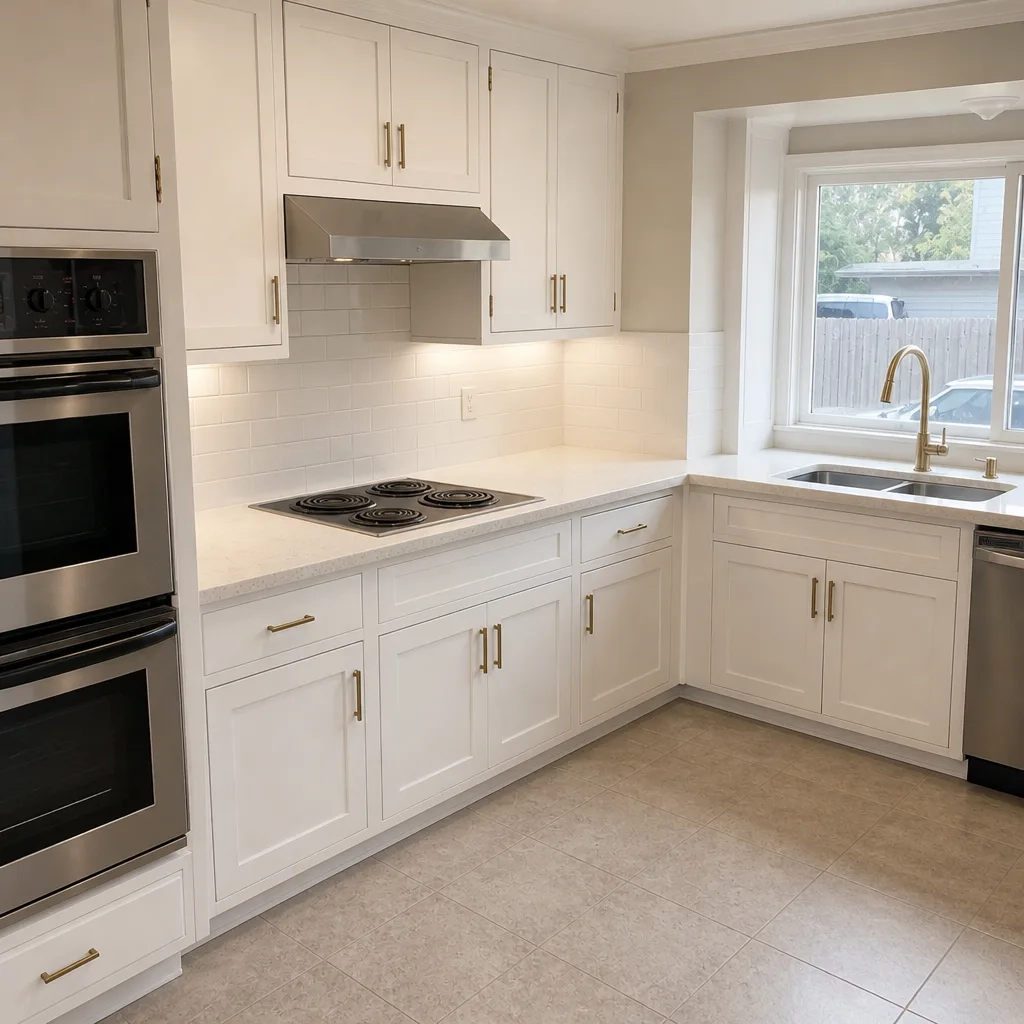 After
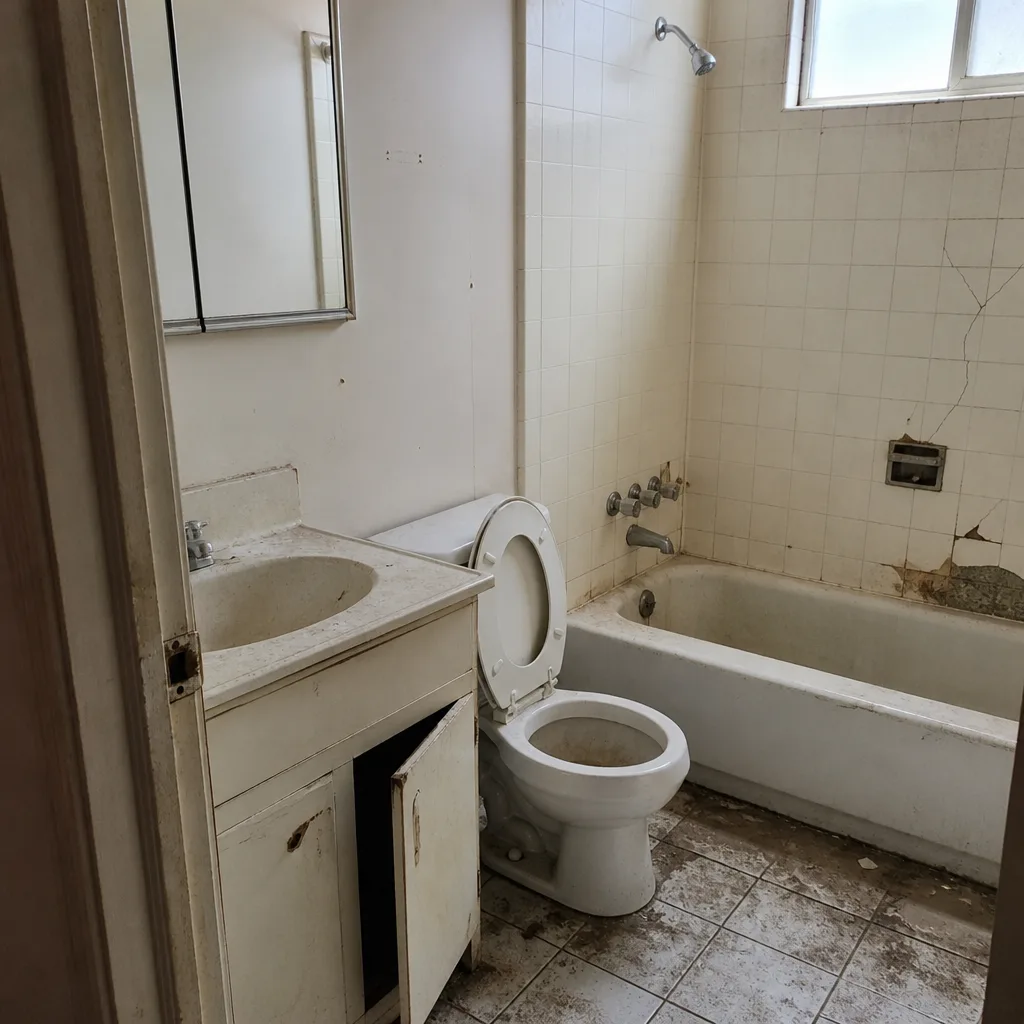 Before
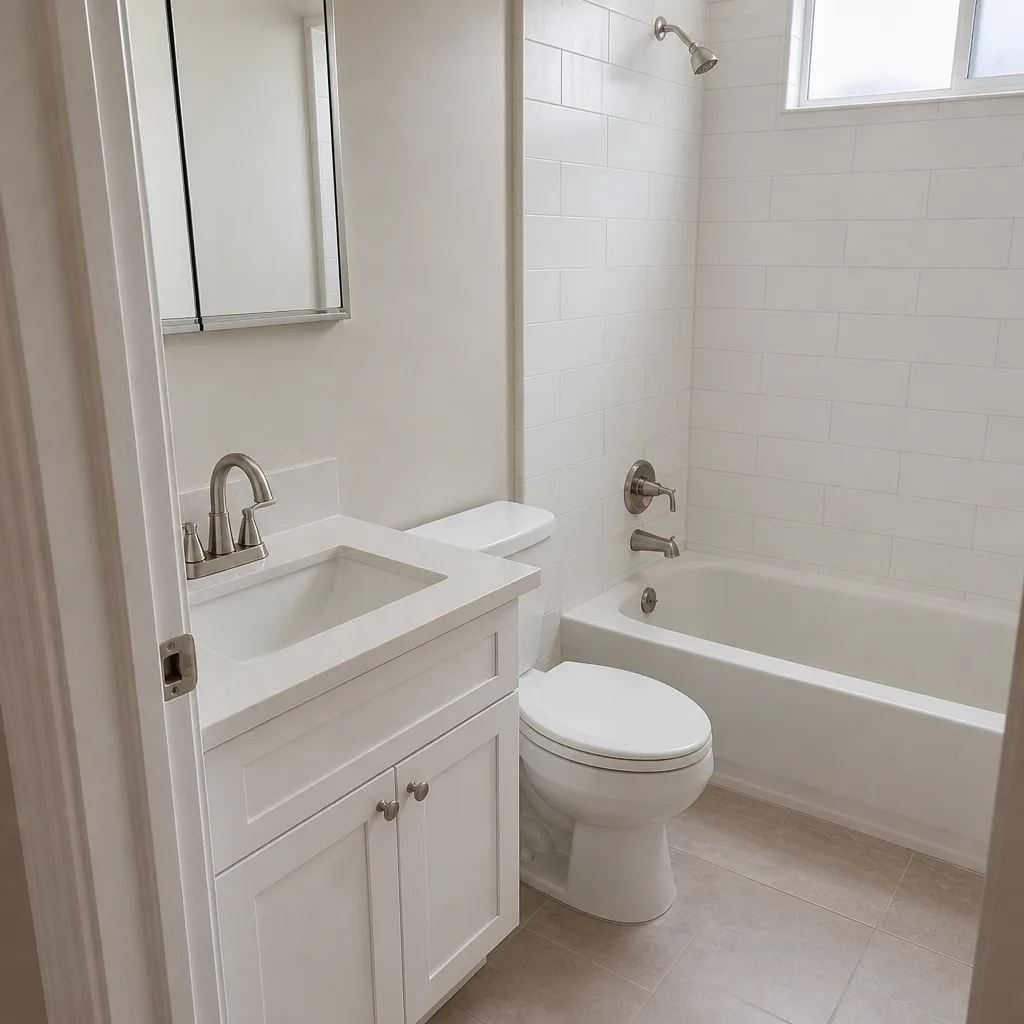 After
How to Repair a Chain Link Fence in San Jose, CA
Most chain link repairs come down to one of four failures: a bent top rail, a snapped tension wire, torn mesh, or a leaning post. Three of those you can usually fix with a few hundred dollars in materials and a rented come-along. The fourth – a leaning post that needs resetting – is where San Jose homeowners get surprised, because digging out a post in a postwar tract neighborhood sometimes exposes a property line that doesn’t match what your deed or survey says. We’re Groundwork Construction Co. of San Jose, and we’ve walked into enough of these on Willow Glen and Rose Garden lots to know the difference. Call (833) 988-3521 if you’d rather have a pro read the situation before you start cutting.
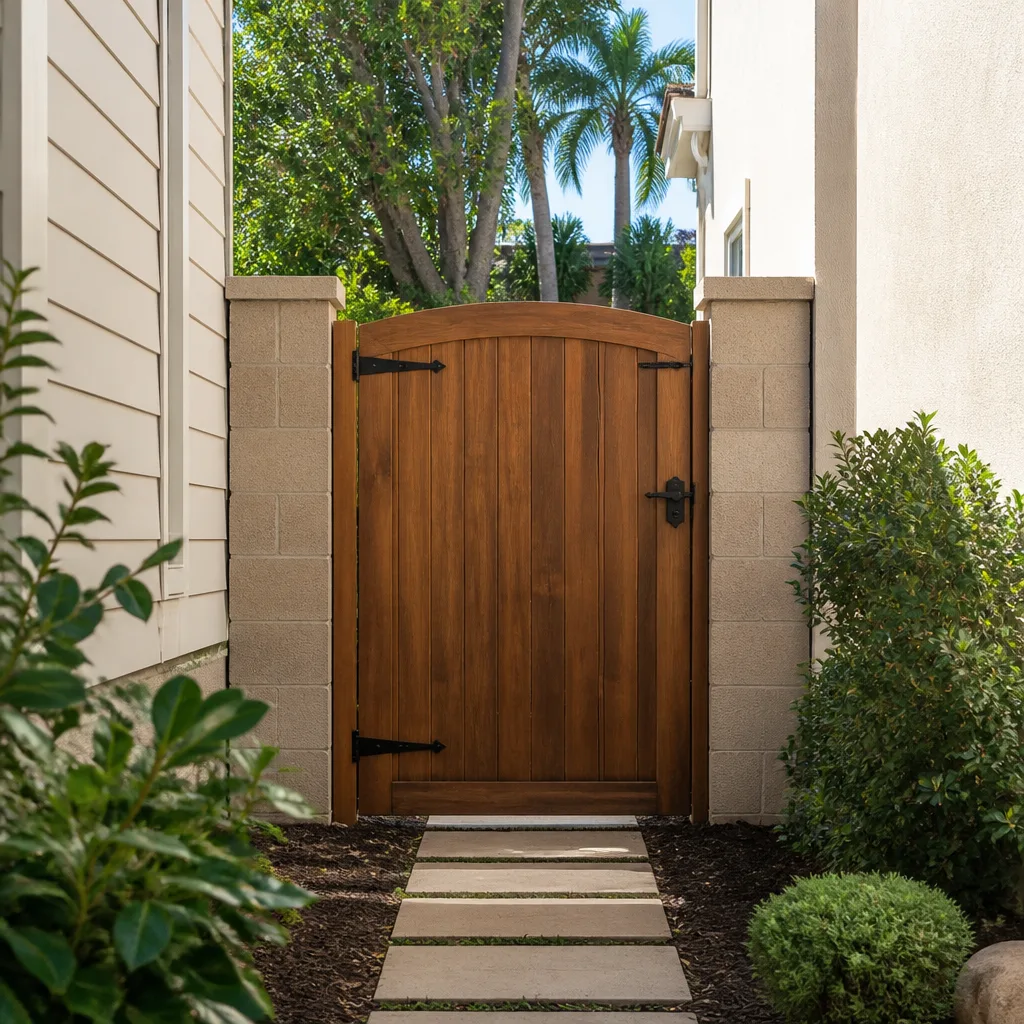
Why San Jose Chain Link Fences Fail Differently Than You’d Expect
San Jose’s Mediterranean climate is mild, but those wet winters do a number on galvanized chain link. The rail-to-post connection point – where the top rail slides into the loop cap or tension band – is where water sits longest after a storm. Once rust gets past the surface and eats into the galvanizing, the connection loses its grip, and the whole rail starts to sag. That sag shows up as a ripple in the mesh you can’t fix by tightening a bolt.
Postwar tract homes here were typically fenced with 11.5-gauge or 12.5-gauge mesh in a 2-inch diamond, set on 6-foot line posts. That gauge is lighter than today’s commercial stock, which means two things: repairs are common, and a repair done with heavier mesh on a light rail can actually worsen the sag. Match the gauge or expect to redo it.
One more local reality worth naming. In older San Jose neighborhoods, expansion happened piecemeal over decades, sometimes without permits, sometimes with fences moved to match a new driveway or addition. So when you start digging, don’t assume the fence line matches the lot line. It usually does, but “usually” is doing a lot of work in a city this old.
Repair or Replace? A Failure-by-Failure Read
Great question, and it’s the right one to ask before you touch anything. Here’s how we sort the four big failures for San Jose homes.
- Bent top rail: Generally repairable if only one section is kinked and the post loops are intact. A new rail section plus new loop caps runs you well under a full replacement. If the rail is bent across two or more spans, the posts are probably flexing too – start thinking replacement.
- Broken tension wire: Almost always repair. A snapped tension wire at the bottom of the mesh (or top, depending on the fence style) is the easiest fix on this list. A new wire and tension bar costs little. If it broke because the mesh itself is stretched out from age, replacement is the honest answer.
- Torn mesh: Usually repair if the tear is small and the surrounding mesh is still tight. Replacing a 10-foot section is achievable with a come-along. If the tear runs along a long line or the mesh is already loose from 20-plus years of weather, the repair will look worse than the fence it’s next to.
- Leaning post: Here’s where it gets complicated. A post that’s leaning a little can sometimes be re-set in the existing footing. A post that’s been pushed or rotted out needs new concrete, and that’s the moment to confirm your property line before you pour. More on that below.
For most repairs in the $4,130-$10,620 range, we’re looking at full section work rather than spot patches – and when a fence has crossed into that territory, honest replacement is often the better long-term call. If you’re weighing that decision, our Fence Installation team can walk the line with you and price out both options.
The Property Line Problem You Won’t Find in DIY Guides
If your repair requires pulling a post and re-pouring concrete, stop and think about where that post sits. In San Jose, fences installed in the 1950s and 1960s sat on lines that neighbors, at some point, quietly agreed on – and those agreements didn’t always match the recorded survey. We’ve seen fences running six inches into a neighbor’s yard on a lot that no one questioned for 60 years.
A property survey in San Jose typically runs around $150 for a line confirmation. That’s a rounding error compared to the cost of a neighbor dispute or a code enforcement notice. The city’s planning and code enforcement apparatus is strict, and a fence that turns out to be encroaching can become the kind of problem that drags on for months. Getting the survey first, before concrete, is the cheapest insurance in this whole process.
This is also a good moment to mention that San Jose’s permitting environment is one of the more complicated in the region. Strict preservation of single-family neighborhood character runs right up against intense redevelopment pressure, and what’s allowed two blocks away may not be allowed on your street. A small fence repair usually doesn’t need a permit, but a full replacement might – and we’d rather you ask than assume.
Tools and Materials: What the Repair Actually Requires
Here’s the checklist we’d hand a homeowner who’s decided to do it themselves, and we’ll be honest: the come-along is the one thing people skip and then regret.
- Fence stretcher (come-along): Non-negotiable for a quality mesh repair. Rent one for $30-$50. Without it, the repaired section will sag within a season – we’ve seen it happen within months.
- Matching-gauge chain link mesh: Match your existing gauge or the tension will be uneven.
- Top rail and loop caps: Buy the same diameter rail as the rest of the fence.
- Tension wire and tension bars: Replace both when you replace mesh; reusing old ones is a false economy.
- Concrete: Fast-setting mix for any post footings.
- Galvanized ties (or hog rings) and a proper tie tool: The tool matters more than the ties.
- Safety glasses and gloves, plus sturdy boots: Mesh ends whip and cut.
Total materials for a typical single-section repair run a few hundred dollars. The labor is what dents the number, and that’s what drives the ranges I’ll cover below.
How Much Does Chain Link Fence Repair Cost in San Jose?
Expect chain link repair in San Jose to land somewhere between $4,130 and $10,620 depending on scope – and a full replacement sits at the top of that range with new posts, new concrete, and new mesh. Here’s how the work breaks out.
| Repair scope | Typical San Jose range |
|---|---|
| Mesh patch or section replacement (single span) | $4,130-$5,900 |
| Tension wire + tension bar replacement | $4,130-$5,310 |
| Bent top rail + loop caps (one section) | $4,720-$6,490 |
| Leaning post reset (single post) | $5,310-$7,080 |
| Multiple posts + mesh + rail (mid-size job) | $7,080-$10,620 |
| Property survey for line confirmation | ~$150 |
| Come-along rental (DIY) | $30-$50 |
Those are our published ranges, and that’s the number we hold to. If you’re remodeling a whole backyard – fence, hardscape, patio – the fence line often works alongside paver and driveway work, and we’ve coordinated plenty of those. Our Fence Installation in San Jose team handles that side of it.
When to Call a Pro Instead of Doing It Yourself
A few cases where we’d genuinely recommend putting the tools down:
- Any post that needs resetting in fresh concrete on a line you’re not sure about.
- A fence that’s leaning in two or more places – that’s a structural problem, not a cosmetic one.
- Rust at the rail-to-post connection that’s flaking, not just surface discoloration. If you can scrape it with a fingernail and the metal shows pitting, the galvanizing is gone and the rail is compromised.
- Any section within falling distance of a pool, play area, or neighbor’s driveway where a failure would be a safety issue.
Our technicians have up to 12 years of experience on fences in San Jose, and they know what a postwar tract fence looks like when it’s one winter away from failing. Our calls are answered by a live person 24/7 – if a storm drops a section on a Saturday night, you get real guidance, not voicemail until Monday. Every job is backed by our 730-Day Done Right Promise: if it’s not done right, we make it right.
FAQs
Yes, most single-section chain link repairs – mesh patches, tension wire, top rail – are doable for a homeowner with a rented come-along and a few hundred dollars in materials. Call a pro when a post needs resetting in new concrete, when the fence leans in more than one place, or when rust has eaten into the galvanizing at the rail-to-post connection. For those, call (833) 988-3521 for a no-pressure assessment.
Chain link fence repair in San Jose typically runs $4,130 to $10,620, with a single-section mesh or rail repair at the low end and a multi-post structural fix at the high end. A property line survey adds roughly $150 if you’re resetting posts. Call (833) 988-3521 for an exact quote – estimates are free.
Almost always because the mesh wasn’t stretched with a come-along. A hand-tightened patch feels taut in the moment but loosens as the fence moves through a season of San Jose’s wet winters. The rail-to-post connection is the other culprit – if that joint has lost its galvanic protection, the whole assembly flexes. Call (833) 988-3521 and we’ll tell you which it is.
Small repairs generally don’t require a permit in San Jose, but full replacements and work that touches property lines can trigger review, especially where lot lines and fences have drifted apart over the decades. When in doubt, ask before you pour – a quick call to the city or to a licensed pro saves weeks of headache. Call (833) 988-3521 if you want a straight answer on your specific situation.
Get a Straight Answer Before You Start Digging
If you’d rather have it looked at, Groundwork Construction Co. of San Jose offers a no-pressure assessment in San Jose – call (833) 988-3521. We’ll tell you honestly whether it’s a Saturday project or something that needs a crew, and we’ll flag the property line question before you’re standing over a hole.
Written by the team at Groundwork Construction Co. of San Jose, serving San Jose, CA.