Free written scope consultation - allowances, timeline, and change-order rules on paper before a single trade is scheduled
Styles & brands we work with
- Kitchen remodeling
- Bathroom remodeling
- Home additions & ADU
- Roofing
- Windows & doors
- Driveway & pavers
- Fence
See the difference
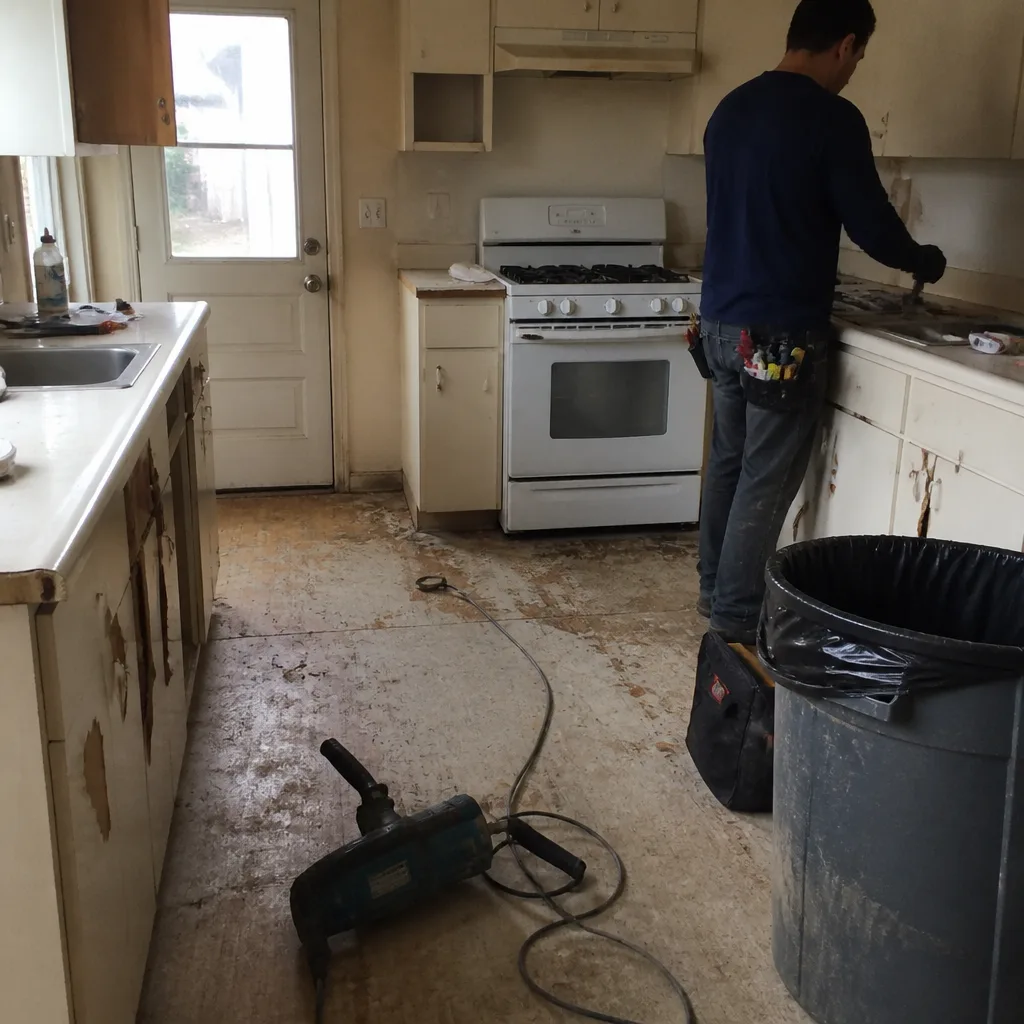 Before
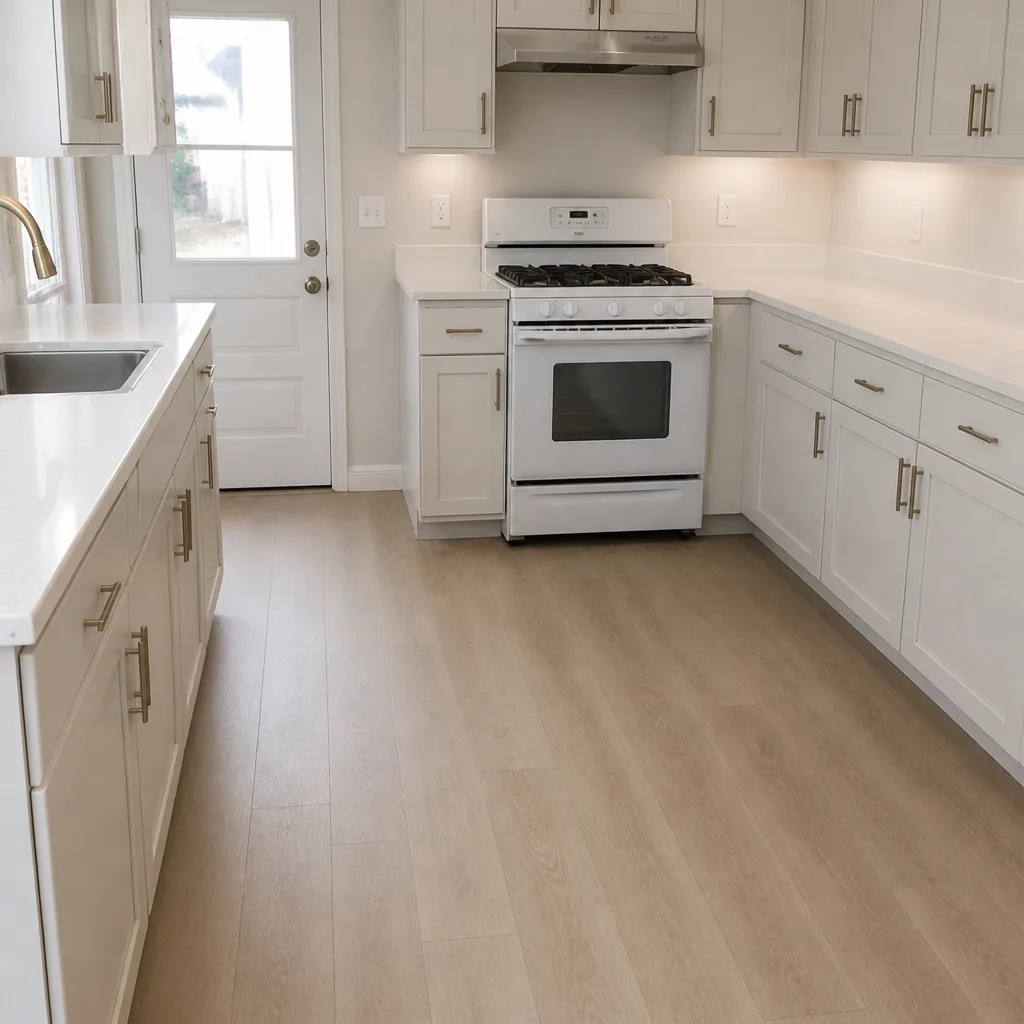 After
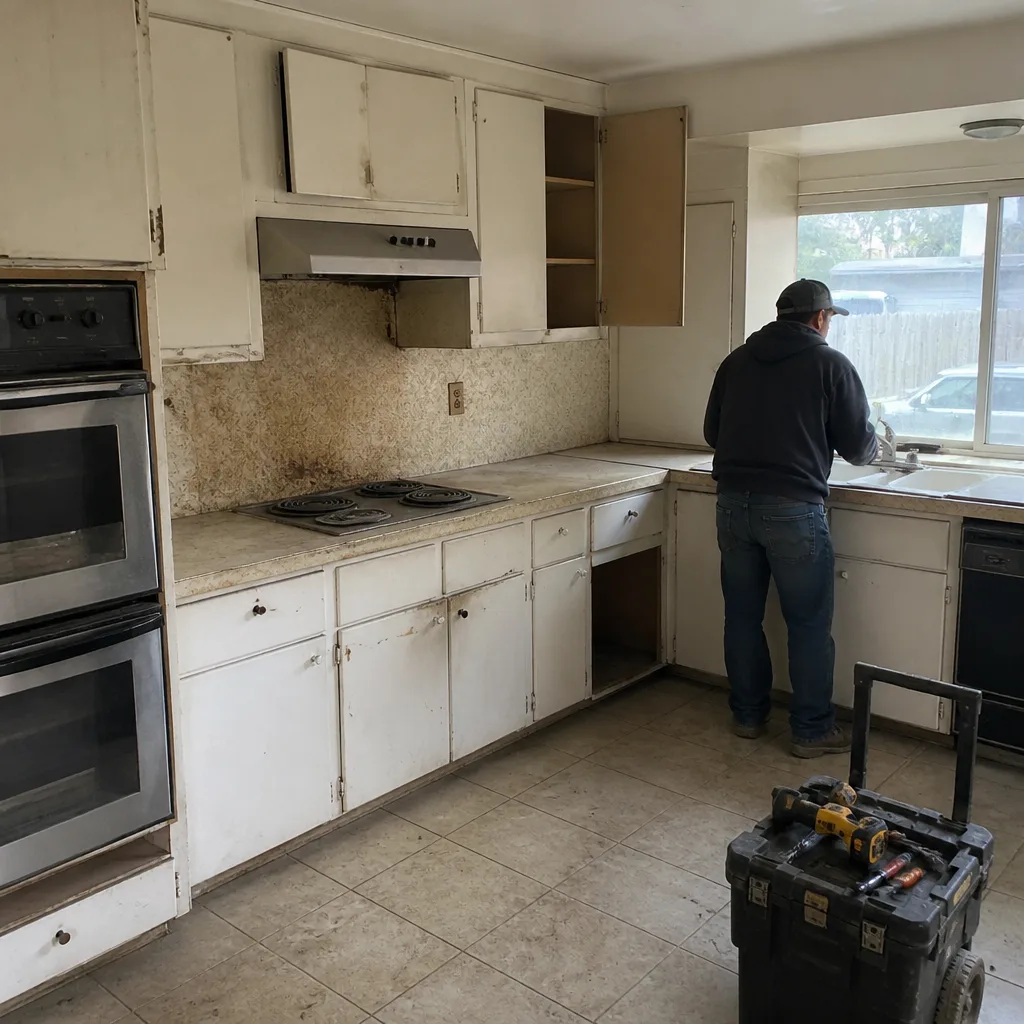 Before
 After
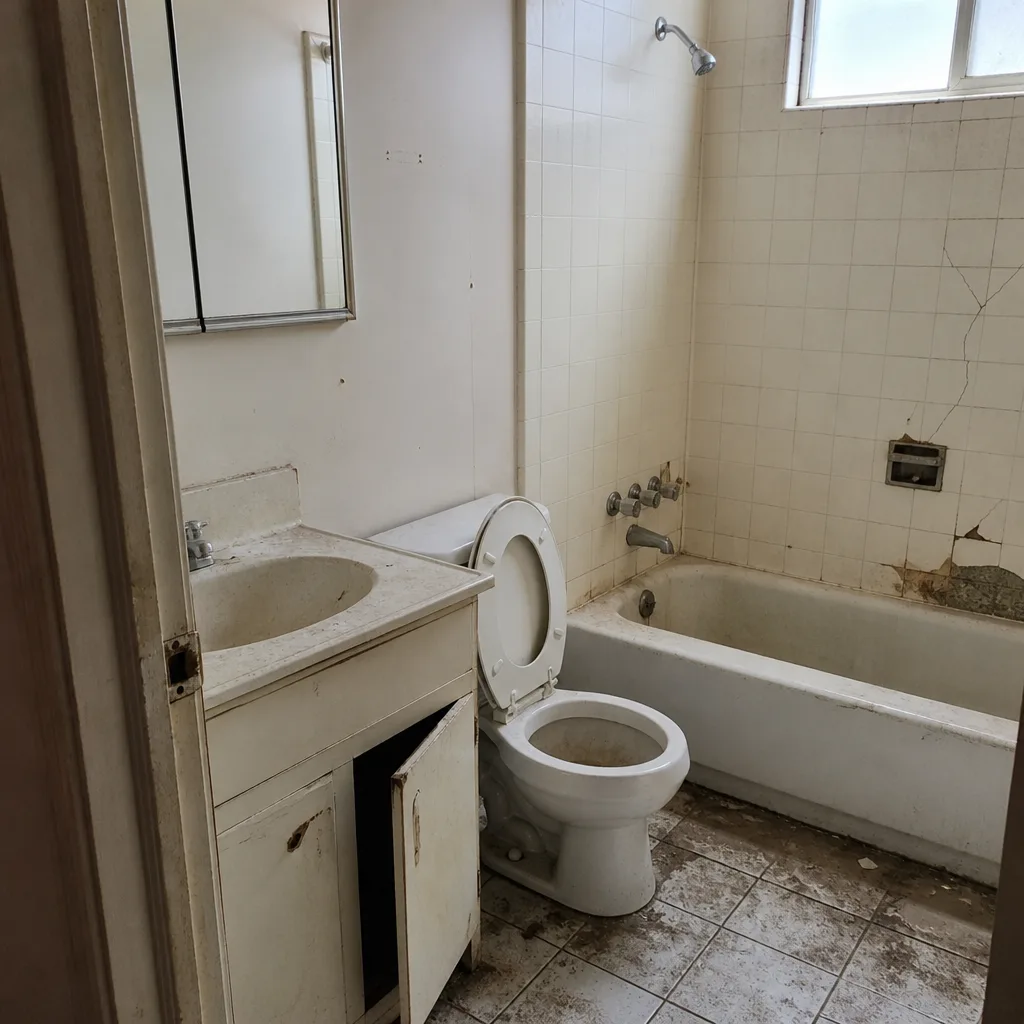 Before
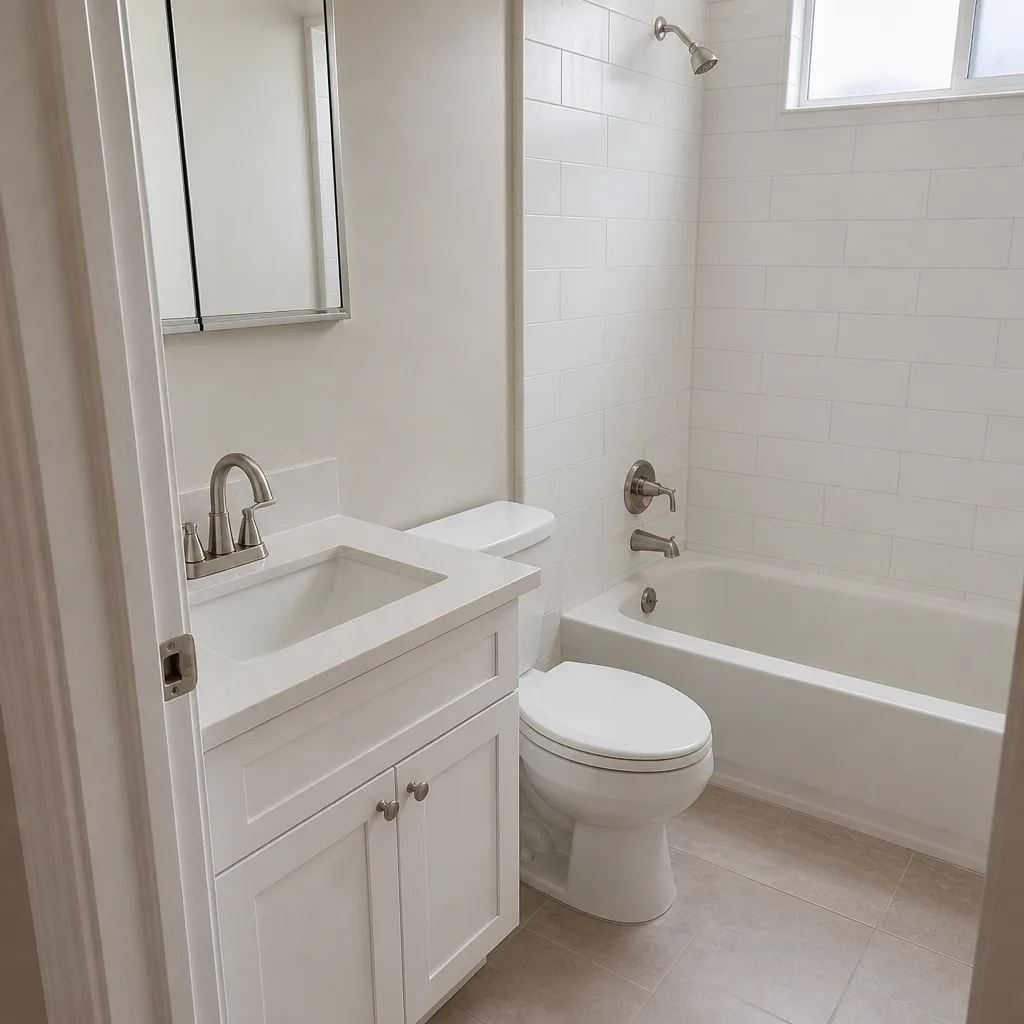 After
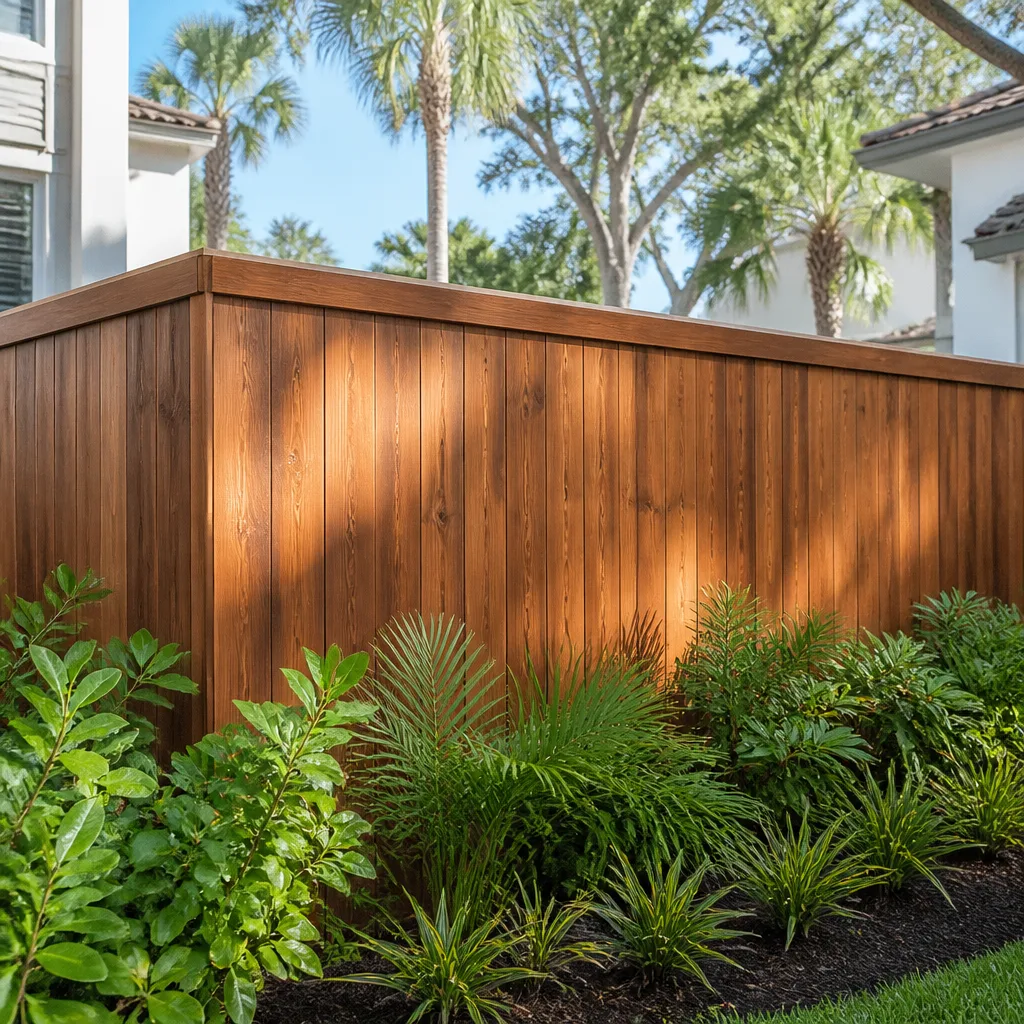
How to Stain a Wood Fence in San Jose: Timing, Product, and Prep for a Climate That Punishes Mistakes
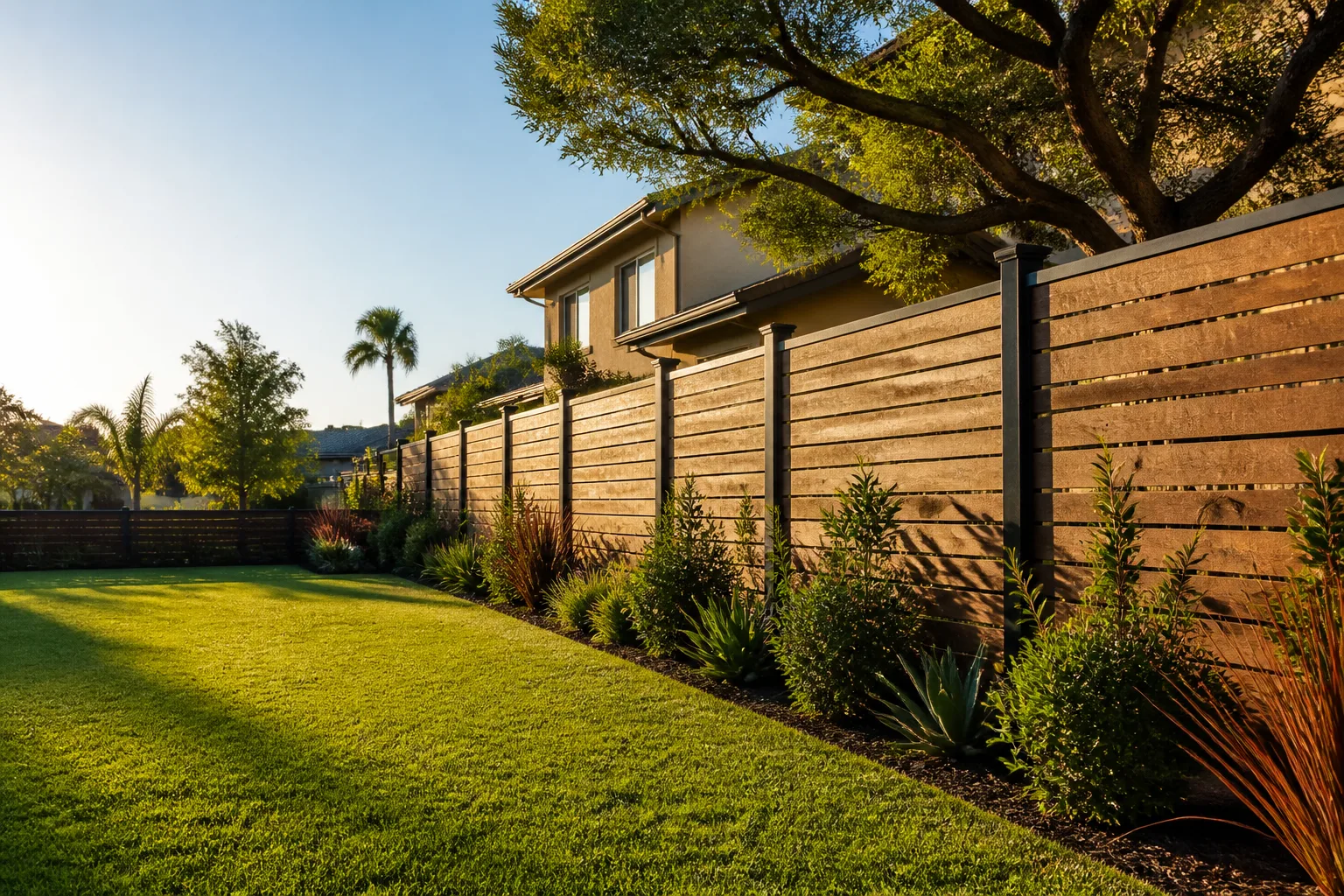
Stain a wood fence any time the surface is fully dry and rain isn’t in the forecast for at least 48 hours; in San Jose, that reliable window runs from late April through September, when humidity drops and the wood has had a chance to stabilize. Choose a penetrating oil-based stain rather than a film-forming one, clean and sand the boards first, and give them 48 hours of dry time before the first coat. Get the timing and the product right for this climate and a fence stain can hold up for years. Get them wrong and you’ll be back out there with a sander next spring.
We’re Groundwork Construction Co. of San Jose, and we’ve watched enough stained fences fail early around here to know that technique is the easy part. The weather is what catches people. If you’d rather not gamble on the forecast, call us at (833) 988-3521 and we’ll talk through your fence and your options before you buy a single can.
Why San Jose’s Weather Makes Staining a Timing Problem First
San Jose’s Mediterranean pattern – wet winters, warm dry summers – splits the year into two very different staining seasons, and only one of them works. From November through March, the rain and damp air keep fence boards holding surface moisture even on days that look clear. Stain applied to a damp surface won’t penetrate deeply, and the failure shows up as blotching or flaking within a season or two. So the practical application window is late April through September.
Here’s the part most guides skip: even in summer, coastal fog rolls into San Jose in the morning and leaves a film of moisture on the boards. A fence that looks dry at 8 a.m. can still be damp at the surface. Starting too early in the day compromises adhesion, especially on north-facing runs that stay shaded. We tell homeowners to wait until mid-morning and confirm the wood is dry to the touch, not just dry-looking.
Summer also brings hard UV. San Jose’s clear-sky intensity fades a stain quickly if the product wasn’t built for sun exposure. That is where the wrong product choice costs you a whole re-staining cycle.
Penetrating vs. Film-Forming Stain: Which One Belongs on a San Jose Fence?
Use a penetrating oil-based stain in San Jose. Film-forming stains sit on top of the wood like a coat of paint; they look good for a while, then peel, and once they peel you have to strip the whole fence before you can do anything else. Penetrating stains soak into the grain, add color and UV protection without building a skin, and fade gradually instead of flaking. Under our UV load, and with the fog-damp mornings that stress a surface film, that difference matters.
What to look for before you buy
- Penetrating, oil-based formula labeled for exterior use, not a thin “toner” that washes out in a year.
- UV-blocking additives – a stated UV rating on the label tells you it was formulated for strong sun.
- Water repellency – look for a product that beads water, since that’s what protects the wood between coats.
- A color test on an inconspicuous board before you commit to the whole run of fencing.
When we spec exterior finishes, we lean on our curated brand partners – the same discipline we bring to GAF and CertainTeed on a roof or James Hardie on siding. Premium exterior products hold color longer, and that’s the difference between restaining every two years and every four or five.
The Prep Sequence for the Redwood and Cedar Fencing Common in San Jose
Age matters here. A lot of San Jose’s housing stock dates to the 1950s through the 1970s, and the redwood or cedar fencing on those homes has been through decades of sun and fog. That wood needs real prep, not a quick rinse. Mildew is common on shaded north-facing runs, and raised grain shows up wherever the sun has dried and lifted the fibers. Here’s the sequence we follow:
- Clean off mildew with a mildewcide or a diluted bleach solution, then rinse thoroughly and let it dry.
- Sand raised grain with a medium grit to open the surface so stain can penetrate evenly.
- Wipe down dust so it doesn’t get trapped under the first coat.
- Let the boards dry for 48 hours before staining. No shortcuts here – surface moisture is the enemy of adhesion.
That aging stock is also why a lot of the fences we look at in places like Willow Glen or the Rose Garden have been patched and re-patched over the years, sometimes alongside additions that were never permitted. It’s the reality of older San Jose neighborhoods, and it changes what a fence honestly needs.
What about a brand-new pressure-treated fence?
Don’t stain it yet. Freshly milled pressure-treated pine is saturated with moisture, and it needs three to six months to dry before it will accept stain properly. Staining too early traps that moisture and the finish will fail from the inside out. If a contractor just put up a fence for you, ask about drying time before you schedule the stain – any reputable installer will tell you the same thing.
What Does Professional Fence Staining Cost in San Jose?
Professional fence staining in San Jose typically runs $4,130 to $10,620 depending on footage, fence condition, and prep required – which tracks closely with our vinyl and aluminum fence installation range because both are driven by linear footage. The prep is usually where the cost lives: heavy mildew, sanding, and any repairs push the number up, while a clean, sound fence with a simple single-coat job stays on the low end.
| Scope | Typical San Jose Range |
|---|---|
| Staining a clean, sound wood fence | $4,130 – $6,500 |
| Full prep, mildew removal, sanding, stain | $6,500 – $10,620 |
| New vinyl fence installation (for comparison) | $4,130 – $10,620 |
| New aluminum fence installation (for comparison) | $4,720 – $11,800 |
When a fence is genuinely worn out, though, staining is throwing money at a surface that won’t hold it. At that point, a new Fence Installation often costs less over the long run than two cycles of prep-and-restain. We’ll give you both numbers side by side so you can decide.
FAQs
Not reliably. From November through March, rain and damp air keep boards holding surface moisture, and stain applied to a damp surface won’t cure properly and will fail within a season or two. The reliable window is late April through September, ideally on a dry stretch with no rain in the 48 hours after application.
Wait three to six months on a freshly milled pressure-treated pine fence so the wood can dry out first. Staining sooner traps moisture in the boards and the finish fails from the inside. Any fence we install comes with explicit guidance on first-stain timing so you don’t void the material warranty – call (833) 988-3521 if you’re not sure where your fence stands.
Not if it was stained with a penetrating oil-based product – you clean it and reapply. If a previous owner used a film-forming stain and it’s peeling, you do have to strip it back first, which is a much bigger job. That’s exactly why we steer San Jose homeowners to penetrating stains from the start.
Staining is cheaper if the fence structure is sound – typically $4,130 to $10,620 versus a full replacement. But if boards are rotting, posts are loose, or the fence has more patches than original wood, replacing it is the better money. Call (833) 988-3521 for a no-pressure assessment – the estimate is free and we’ll tell you honestly which one your fence needs.
Get Your Fence Assessed Before the Season Closes
If you’d rather have it looked at, Groundwork Construction Co. of San Jose offers a no-pressure assessment in San Jose – call (833) 988-3521. We’ll check moisture, prep needs, and whether stain or replacement makes sense. Upfront pricing, no surprises, backed by our 730-Day Done Right Promise. Learn more about our Fence Installation in San Jose work or start from our home page.
Written by the team at Groundwork Construction Co. of San Jose, serving San Jose, CA.