



Free written scope consultation - allowances, timeline, and change-order rules on paper before a single trade is scheduled
Styles & brands we work with
- Kitchen remodeling
- Bathroom remodeling
- Home additions & ADU
- Roofing
- Windows & doors
- Driveway & pavers
- Fence
See the difference
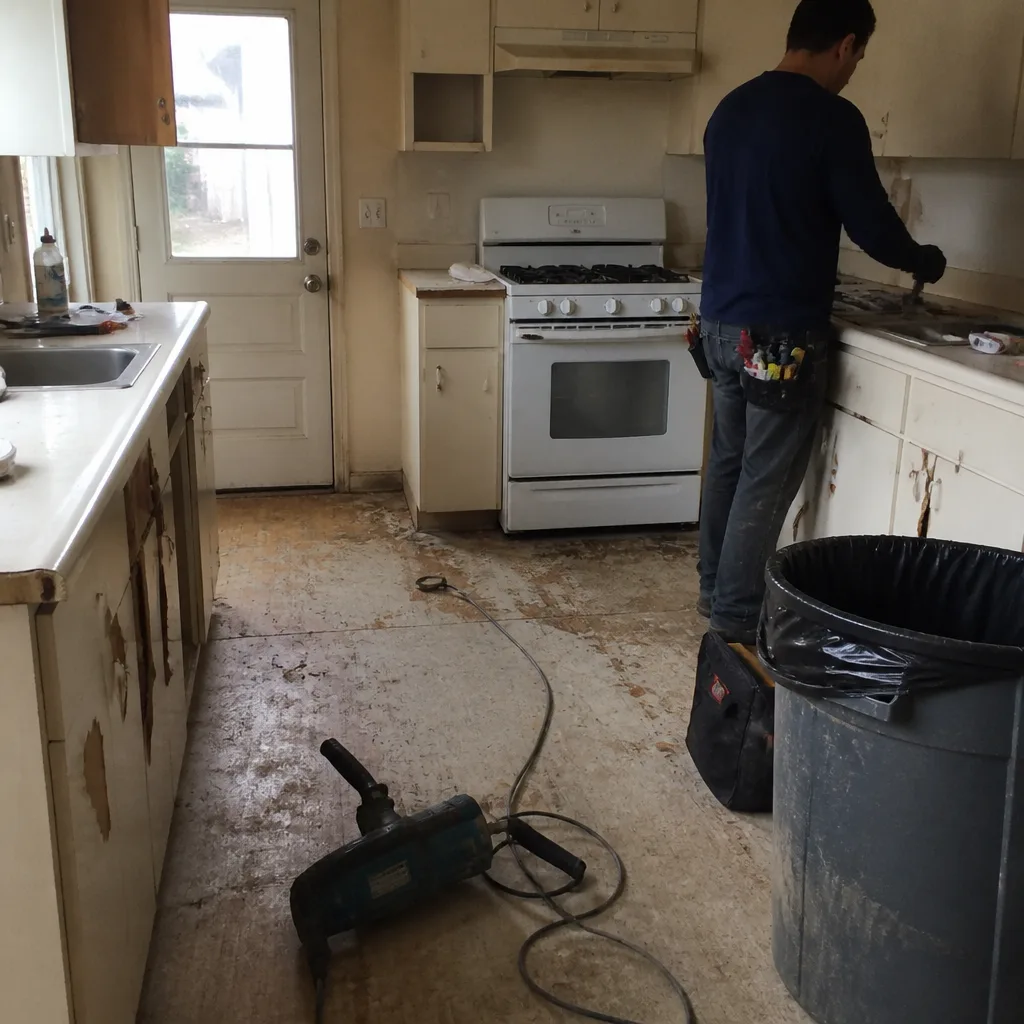 Before
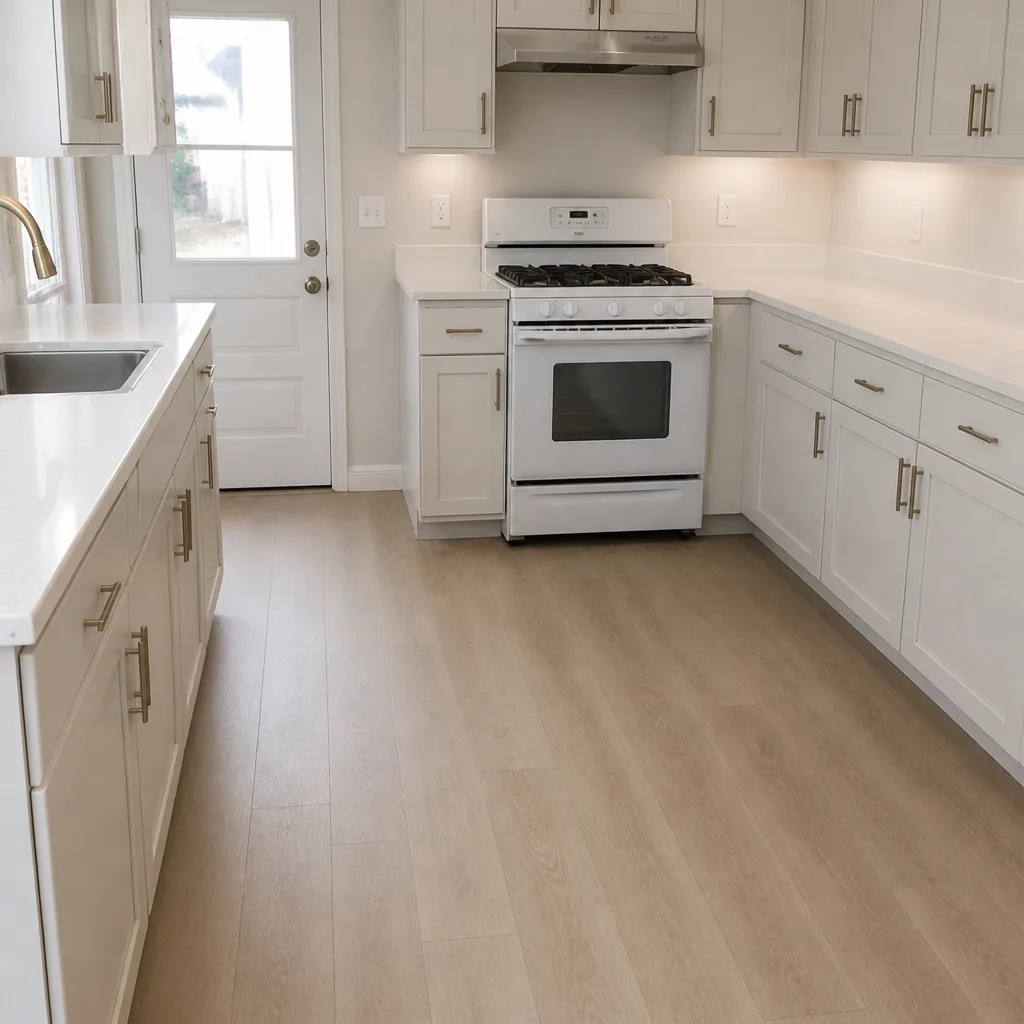 After
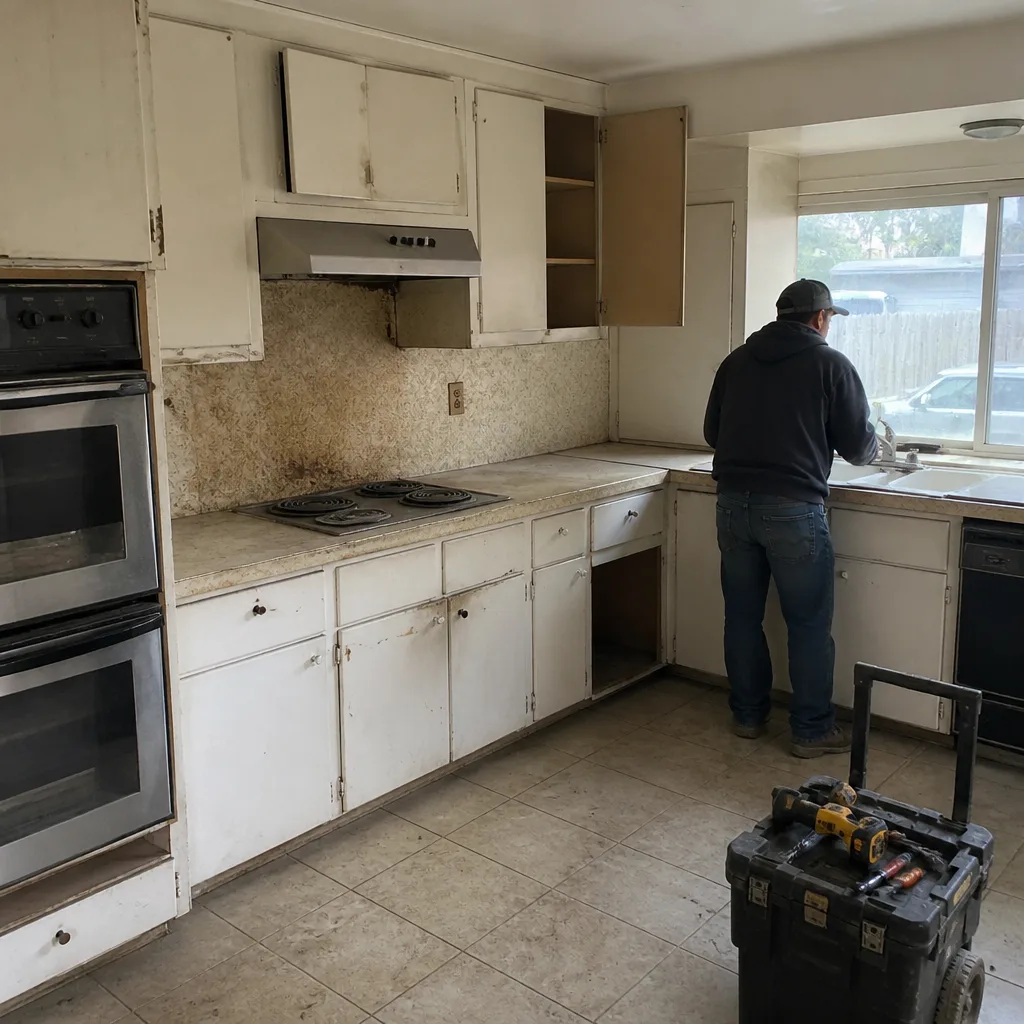 Before
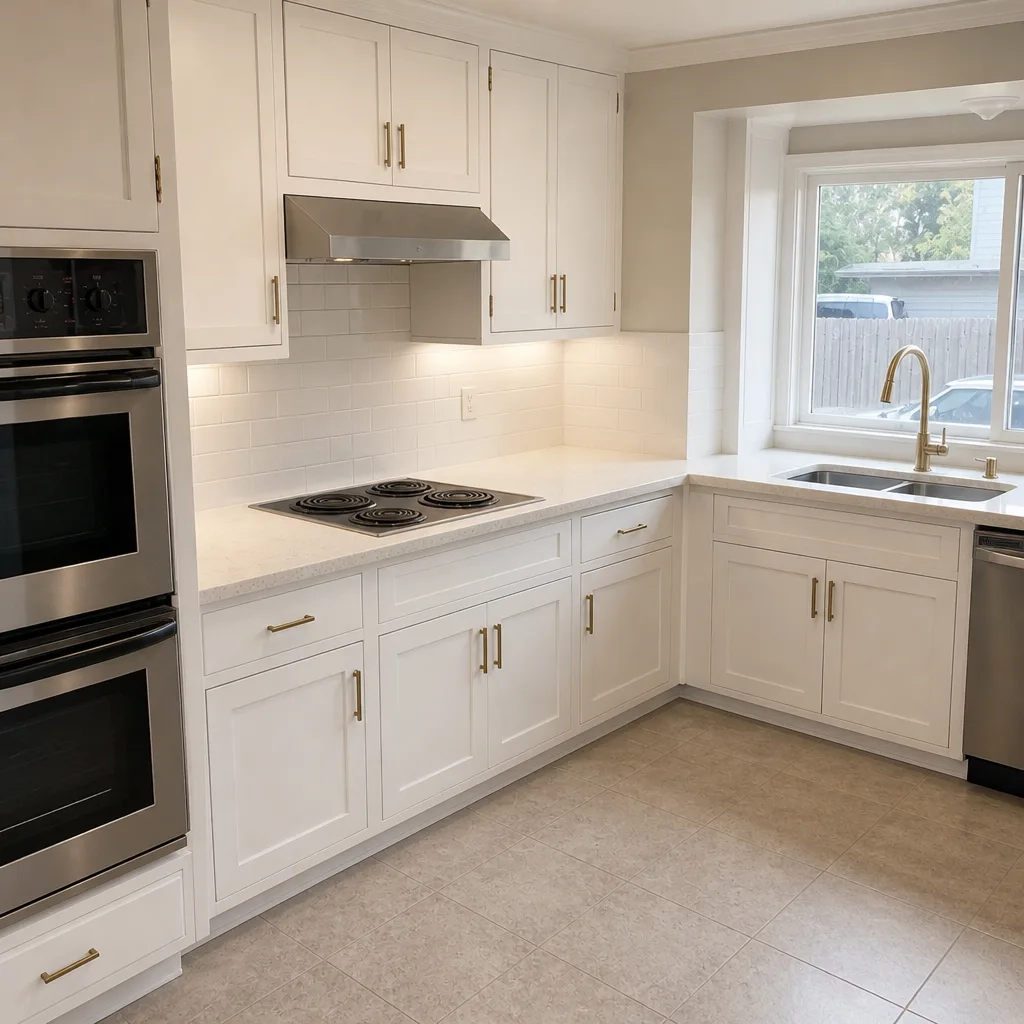 After
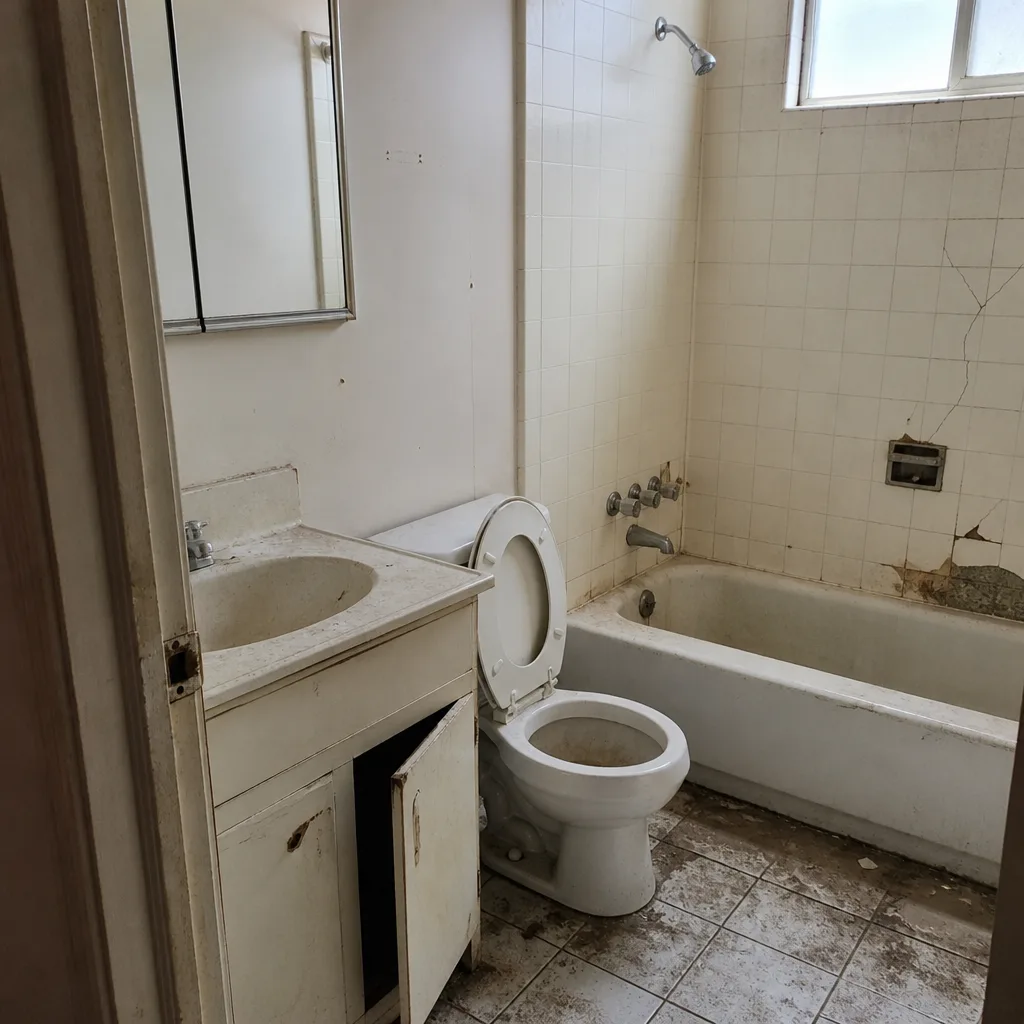 Before
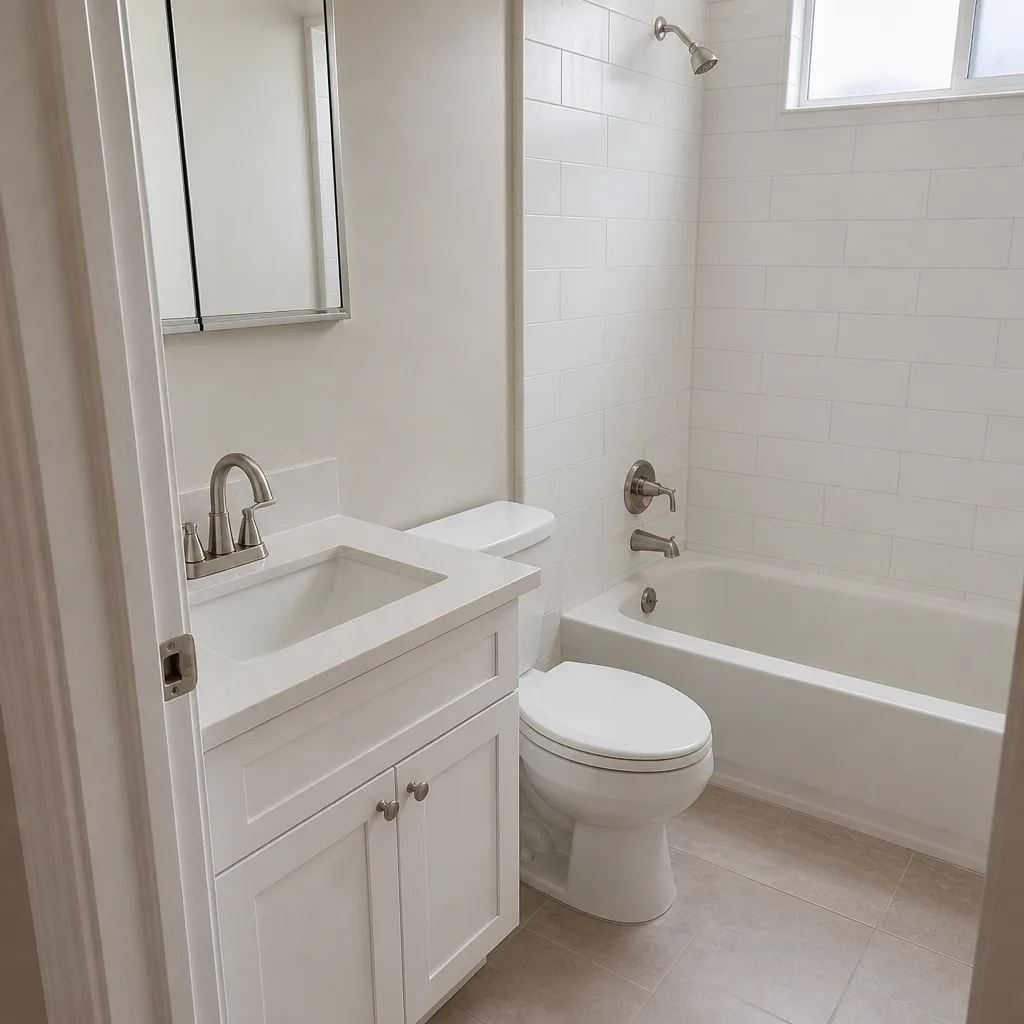 After
How to Fix a Leaning Fence Post in San Jose, CA
The short answer: a leaning fence post in San Jose is almost never just a loose post. It’s usually clay soil that swelled in winter and shrank in summer, a footing that was set too shallow to begin with, or roots from a mature tree pushing against the post underground. The only fix that holds is pulling the post, correcting the depth and footing, and resetting it – a surface brace or a fresh bag of concrete poured over the top will lean again within one rainy season. For a same-day assessment of the whole fence run, call (833) 988-3521.
If your post started tilting after the last round of winter rains, the ground is telling you something. San Jose’s clay-heavy soil takes on water and expands, then dries and contracts, and that seasonal push-pull works on a post footing constantly. A post that wasn’t set to account for that movement doesn’t care how much concrete you packed around the base – it keeps moving.
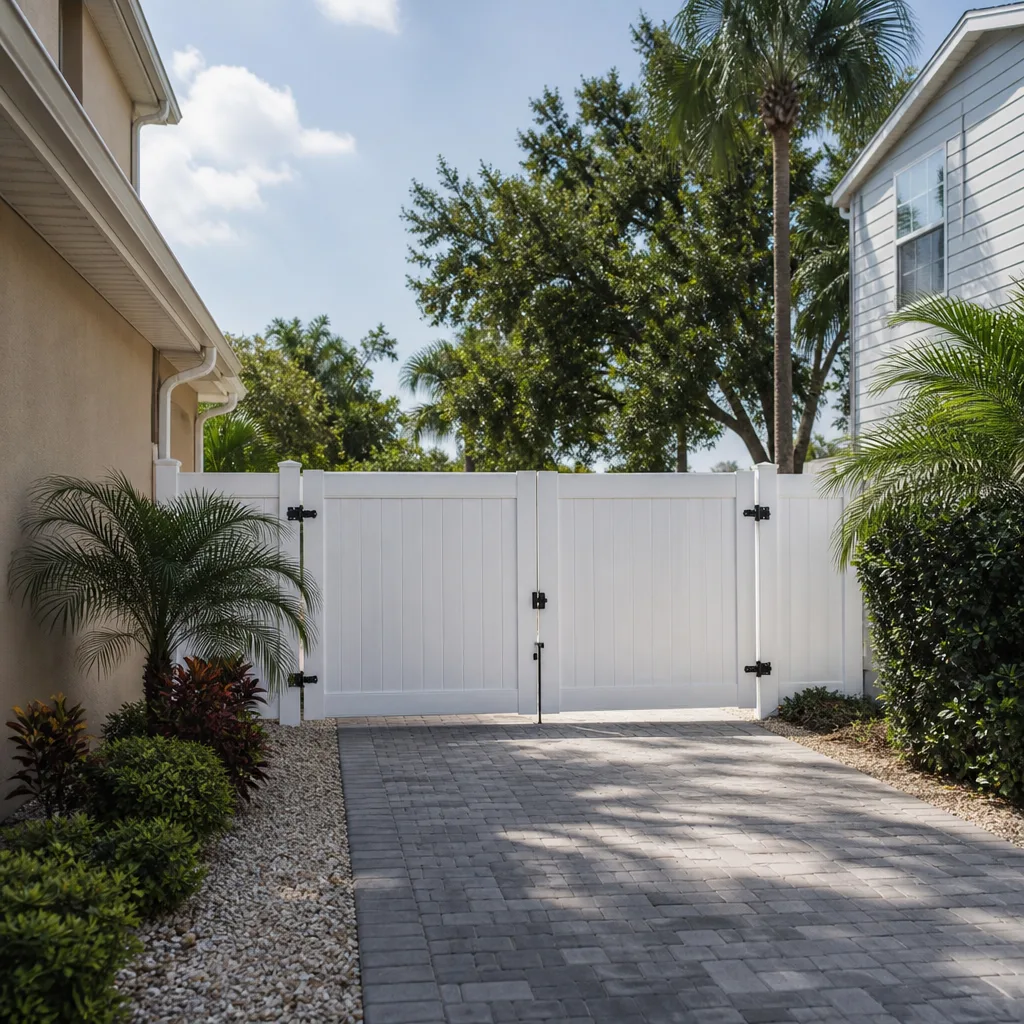
Why San Jose Fence Posts Lean (It’s Usually Not the Wood)
Most posts we look at in San Jose aren’t failing at the board. They’re failing at the ground. Our technicians have up to 12 years of experience, and the pattern is consistent across the older single-family neighborhoods. On Willow Glen and Rose Garden lots especially, you’re working with 1940s-50s home sites where a mature heritage oak or magnolia sits 10 to 15 feet from the fence line, and the roots have been traveling underground for 70-plus years.
That sets up three failure modes we see over and over:
- Soil heave: Clay that’s wet grabs the post and lifts, and dry clay lets it drop. Repeated cycles work a footing loose at the sides even when the concrete itself is intact.
- Root intrusion: A root that grew into the footing gap heaves the post laterally. The wood looks fine; the ground has moved underneath it.
- Shallow original work: A lot of these fences were set by a prior contractor (or the homeowner) with a footing 12 to 18 inches deep. In expansive soil that’s not enough to resist movement.
Here’s where San Jose’s climate makes it worse than a dry-climate city: our mild, wet winters dump most of the annual moisture in a few months, then summer heat pulls it back out. That’s a fast cycle, and it’s hard on a footing that was never dug deep enough. The same tension between dense redevelopment and preserved single-family character around here means fences get replaced without a lot of thought to the soil underneath.
What to Check Before You Do Anything
Before you touch the post, run these three checks in order. This is the diagnostic sequence that tells you whether it’s a reset or a rebuild.
- Check the depth. A post should be set at a minimum of one-third of its total above-ground height in the ground, and deeper in expansive clay. If it was never dug deep enough, no repair short of a new footing fixes it. A 6-foot post needs at least 2 feet below grade, ideally closer to 3 in San Jose’s clay.
- Check for roots. Dig a little beside the footing and look for oak or magnolia roots pressing in. Root intrusion from an established tree means the pressure isn’t going away – you have to account for it in how you rebuild the footing.
- Check the concrete collar. Look for cracks in the concrete at the base, or a gap where the post has separated from the collar. A cracked collar that’s letting water in is what lets the underlying soil wash out.
Sister Post, Full Replacement, or Surface Brace?
This is the decision most guides skip, and it’s the one that matters. Each of these three options has one honest job, and choosing the wrong one is how a post leans again inside a year.
| Repair Type | What It Does | When It’s Right | When It’s a Band-Aid |
|---|---|---|---|
| Sister post | Adds a new post beside the failed one, tying it in | Post is rotted at grade but footing is sound and there’s room | Footing or soil itself is the problem |
| Full replacement | Pulls the old post, digs a proper footing, resets | Shallow original depth, root intrusion, or repeated movement | Not usually the wrong choice here |
| Surface brace | Adds a bracket or brace at grade | A young, sound post that took a single hit (car, wind) | Clay or root movement – it just leans again |
A sister post works when the footing is solid and only the wood has failed. It’s the cheap fix. But if the soil is moving or a root is pushing, a sister post just gives the movement a new post to lean against. Full replacement with a proper, oversized footing is the only durable answer when the ground is the cause – and in San Jose’s clay, the ground usually is. Surface braces have their place, and that place is narrow.
What Does It Cost to Fix a Leaning Fence Post in San Jose?
For reference, a full vinyl fence installation in San Jose runs $4,130 to $10,620, and a single-post repair sits well below that – running from a few hundred dollars for a straightforward reset up to low four figures when a footing has to be rebuilt and a section of fence has to come down to get to it. A sister post is typically toward the lower end; a full replacement with a new footing and root handling runs higher because of the excavation. When you move to the service itself, you’ll see the same numbers on our Fence Installation in San Jose page.
The number you get from us is the number you pay – upfront pricing, no surprises buried in the invoice. Every fence project is also covered by our 730-Day Done Right Promise, so if a repair doesn’t hold, we make it right.
Do I Need a Permit to Fix a Leaning Fence Post in San Jose?
Standalone post repairs typically don’t require a permit. But if the repair turns into replacing more than 50% of the fence run – which happens more often than people expect when several posts are found to be failing – San Jose may treat it as new construction and require a permit. Most DIY guides leave this out entirely, and it’s the thing that turns a weekend job into a compliance headache.
One Leaning Post Usually Means More Are Coming
When our background-checked, uniformed technicians arrive, they assess the full fence run, not just the one post you’ve been staring at. Fifteen years in clay don’t fail one post at a time – they tend to take the whole line together, and the neighbor two panels over is often already leaning a degree or two. We’d rather tell you that up front than reset one post and have you call back in the spring. Our technicians have up to 12 years of experience diagnosing exactly this pattern, and we build from the home outward with that kind of scope.
FAQs
No – pouring concrete around a leaning post without correcting the footing usually makes it lean again the next wet season. The concrete doesn’t fix the underlying soil movement or the shallow depth; it just hides the problem until the next round of winter rains. The only fix that holds is pulling the post and resetting it at proper depth for San Jose’s clay.
At minimum one-third of the post’s above-ground height, and deeper in expansive clay. For a 6-foot wood or vinyl fence, plan on 2 to 3 feet below grade. In Willow Glen and Rose Garden lots with heavy clay and mature trees, deeper is better, because the soil itself is what’s moving. Call (833) 988-3521 for a quick read on what your specific fence needs.
A sister post is good enough when the footing is sound and only the wood has failed; a full replacement is the right call when the footing is shallow, a root is intruding, or the post has already moved more than once. If the leaning is tied to the soil or a tree, a sister post just moves the problem. Estimates are free – call (833) 988-3521 and we’ll tell you which one you’re looking at.
A single-post reset typically starts at a few hundred dollars and climbs into low four figures when the footing has to be rebuilt and a fence section comes down to reach it; a full vinyl fence installation across the run runs $4,130 to $10,620. We also take $1,000 off projects over $10,000 and offer 0% financing for 18 months. Call (833) 988-3521 for an exact quote – estimates are free.
If you’d rather have it looked at, Groundwork Construction Co. of San Jose offers a no-pressure assessment in San Jose – call (833) 988-3521. We’ll check the whole fence run, tell you honestly whether it’s a reset or a rebuild, and back the work with our 730-Day Done Right Promise.
Written by the team at Groundwork Construction Co. of San Jose, serving San Jose, CA.