Last updated November 18, 2026





Free written scope consultation - allowances, timeline, and change-order rules on paper before a single trade is scheduled
Windows & Doors Troubleshooting: Common Problems and How to Fix Them
A drafty window is rarely a window problem. In our experience across San Jose, the cold air sneaking past your living room glass almost always traces back to a failed installation or a settling frame, and no amount of peel-and-stick weatherstripping will fix it for long. Here’s what most guides get wrong: they treat the symptom and leave the cause. This one goes a level deeper. You’ll learn the exact tests that sort a problem into one of three buckets – hardware, frame, or full replacement – diagnose condensation correctly, read door alignment by root cause, and know the moment adjustment stops being enough. San Jose homes have their own patterns, and we’ll name them.
Quick Answer
Most window and door problems come down to one of three root causes: failed hardware (fixable in an afternoon), a frame or rough-opening problem letting air and water through (needs sealing or reframing), or a unit that has reached end of life and needs replacement. The trick is diagnosing which category you’re in before you spend money. Condensation on the glass surface is a humidity issue; condensation between the panes means the sealed glass unit has failed. A door that sticks in one spot points to settling or hinge failure, not a bad door. Match the symptom to the true cause and the fix holds.
Styles & brands we work with
- Kitchen remodeling
- Bathroom remodeling
- Home additions & ADU
- Roofing
- Windows & doors
- Driveway & pavers
- Fence
Table of Contents
- Hardware Fix, Frame Fix, or Replacement? The Three Categories of Window and Door Problems
- Why Your Drafty Window Isn’t a Window Problem
- Diagnosing Condensation: Surface, Between-Pane, and Frame Sweating
- Door Alignment Troubleshooting by Root Cause
- Weather Stripping vs. Air Sealing: When Tape Fixes a Draft and When It Hides One
- Sliding Door and Casement Window Operation Problems
- San Jose Climate, Building Code, and Your Windows
- Repair or Replace? The Decision Framework
Hardware Fix, Frame Fix, or Replacement? The Three Categories of Window and Door Problems
Every window and door complaint lands in one of three buckets. Getting the category right saves you money and prevents the “I fixed it and it came back in six months” loop that plagues homeowner repairs.
The tests below are simple enough to do yourself in ten minutes with a flashlight, a dollar bill, and a level. They tell you which category you’re in before you call anyone.
- Hardware test. Open and close the window or door fully. Does the latch, handle, lock, or roller work smoothly? A dollar bill pinched in the closed seam should have resistance when pulled – if it slides free with no drag anywhere along the edge, the seal has failed. If the hardware is the only thing misbehaving and the frame isn’t moving, you’re in the hardware bucket: replaceable parts, often under $50.
- Frame test. Run a level across the frame’s vertical edges and the top and bottom rails. Look for gaps between the frame and the drywall, hairline cracks at the corners of the opening, or a frame that rocks when you press on it. Put a flashlight on one side of the closed unit at night and have someone watch from the other. Any light visible past the frame means air can move too – that’s a frame or rough-opening problem.
- Age and condition test. Check the glass for fog or staining between the panes (a failed seal means the unit is done). Look at the frame material for rot, soft spots, or delamination. If the glass is cloudy between panes, or the frame is soft to a screwdriver’s touch, replacing the unit is usually the better spend.
In San Jose, the third category is more common than homeowners expect, particularly on homes built in the 1970s and 1980s where original aluminum-frame single-pane units are still in place. The dry climate is gentle on frames compared with coastal cities, but that famous San Jose sun beats down daily, and UV exposure is what eventually breaks down the seals and weatherstripping.
If you’ve sorted your problem into the frame or replacement category, that’s the point where a professional assessment earns its keep. The home construction team at Groundwork Construction Co. of San Jose handles windows and doors as part of full-scope work, and a free estimate will give you a straight answer on which category your unit is in.
Why Your Drafty Window Isn’t a Window Problem
Here’s the counterintuitive part. Weatherstripping fixes the draft you can feel. It does nothing for the draft coming through the wall cavity behind the frame, and that’s the one that keeps getting worse.
A frame that has settled or shifted away from its rough opening leaves a gap that faces into the wall cavity, not into the room. The air moves through the gap, into the cavity, and out through the electrical outlets, baseboards, and anywhere else the drywall isn’t sealed. You feel a draft near the window, so you assume the window is leaking. It isn’t. The window is fine. The installation failed.
The tell is where the draft comes from. Weatherstripping failures move air at the sash edge or the meeting rail. Rough-opening failures move air at the perimeter of the frame, at the wall just outside the casing, and at the outlets below the window. Walk the perimeter with your hand on a cold morning. If the cold is concentrated at the frame-to-wall joint rather than the sash-to-frame joint, that’s your answer.
What to do about a rough-opening leak
- Pull back the interior casing (or have it pulled back) and inspect the gap between the frame and the stud for missing or degraded spray foam or backer rod.
- Check for water staining on the framing. If air is moving, water usually is too, and that’s a much more expensive problem left alone.
- Have the gap sealed properly with low-expansion expanding foam, not just caulk on the outside. Caulk seals the visible seam; foam seals the cavity.
- Watch for the recurring draft. A rough-opening leak that got “fixed” with caulk at the exterior seam will reopen within a year or two as the sealant flexes out.
In San Jose, this shows up most often in homes on hillside lots and in older neighborhoods where original window openings were framed decades apart from a later addition. Two different generations of framing, two different settling rates, and the window takes the blame. We’ve seen this pattern repeatedly in the older pockets of San Jose, and it’s a frame fix, not a window fix.
The 730-Day Done Right Promise, in context
Any repair that touches the rough opening or reframes a unit is workmanship, and workmanship is exactly where guarantees earn their keep. Groundwork Construction Co. backs its work with the 730-Day Done Right Promise – if it’s not done right, we make it right, with one of the longest workmanship guarantees in residential construction. If someone’s selling you a window seal with a 90-day promise, that’s a tell about how they expect it to go.
Diagnosing Condensation: Surface, Between-Pane, and Frame Sweating
Condensation is the single most misdiagnosed window complaint we see in San Jose. Three different problems wear the same face. Sort them correctly and the fix is usually cheaper than the homeowner feared; misdiagnose and you’ll replace windows that didn’t need replacing.
Interior surface condensation
Droplets form on the inside face of the glass. This is a humidity problem, not a window problem. The glass is cold enough that the moisture in the indoor air condenses on it.
Run a $10 hygrometer inside. If indoor relative humidity is above 50% in cool weather, that’s your cause. The remedies: vent bathroom exhaust fans during and after showers, run the kitchen hood over simmering pots, crack a window during cooking, keep the HVAC fan on “auto” but run the air more evenly through the house rather than zoning it off. San Jose’s summers get dry, but winters still fog up older single-pane windows when humidity inside climbs. A newer double-pane window raises the interior glass temperature, but it doesn’t lower humidity. If you seal the house tight with new windows and keep cooking moisture indoors, you can get condensation on new windows too.
Between-pane condensation
Fog, cloudiness, or water droplets trapped between the glass panes on a double- or triple-pane unit. The seal around the perimeter has failed, letting moist air into the gas cavity. There is no sealant, repair kit, or suction trick that fixes this permanently. The sealed unit has to be replaced.
Sometimes only the glass unit is replaced – the frame and sash stay. Otherwise the whole window assembly is replaced. Between-pane condensation is the clearest “this unit is done” sign in the business.
Frame sweating
Condensation forming on the frame itself rather than the glass, most common on older aluminum-frame windows. Aluminum is a high-thermal-conductivity metal, so the frame surface runs colder than the glass in cold weather. The remedy is thermal breaks in modern frames and proper interior air circulation. If frame sweating is widespread and recurring, the frame material itself is the problem, and replacement solves it where weatherstripping never could.
The diagnostic table
- Interior surface wet, humidity above 50%: humidity issue – fix ventilation, not the window.
- Between the panes foggy or wet: sealed glass unit has failed – replace the unit or assembly.
- Frame sweating, aluminum or steel frame: thermal conductivity – modern frames with thermal breaks solve it.
- Exterior condensation only: normal on very humid mornings with well-insulated glass – no action.
If your condensation lands in the between-pane or frame-sweating bucket, get a professional out to confirm before you spend. A San Jose window estimate is free, and it tells you whether you’re looking at a glass swap or a full unit.
Door Alignment Troubleshooting by Root Cause
A door that drags, sticks, or won’t latch isn’t telling you the door is bad. It’s telling you something else moved. The three culprits – foundation settling, hinge failure, and frame warp – each leave a distinct signature. Read the signature before you spend money on planing or a new door.
Foundation settling
Signature: The door sticks in one spot – usually the top corner opposite the hinges – and won’t close flush, and the gap along the hinge side and the latch side looks uneven. A crack in the drywall above the door corner is a strong tell; so is a floor that dips near the door swing.
San Jose is mostly on clay-heavy soils that move with wet and dry cycles, and the dry-season-to-wet-season swing is enough to shift a footing slightly. In an older San Jose home, foundation settling is a genuine possibility for a sticking door, and shimming the hinge to compensate solves the symptom while the cause keeps moving.
Hinge failure
Signature: The door sags at the latch side, the top corner catches on the frame, and one or more hinge screws feel loose. The fix is small: a hinge that has lost its bite can be repaired with longer screws and a hinge shim, done without removing the door. Replaceable hinge packs run under $20. Hinge failure is the cheapest bucket to be in, and it doesn’t come back if repaired properly.
Frame warp
Signature: The door sticks along the entire length of one edge rather than at a single point, or it binds seasonally – looser in summer, tighter in winter. The frame has twisted, usually because of moisture on one side or thermal cycling.
Frame warp is the hardest to spot from the inside of the house. Put a straightedge on the door’s edge and look for daylight. If the door itself is flat but the frame is out, you’re looking at a reframing job or a replacement, not a repair.
The 4-step alignment diagnostic
- Check the gap along all four edges of the door with a level and a flashlight. Uneven gaps on one side point to hinges or settling.
- Open the door to 45 degrees and let go. A door that swings on its own means the hinge jamb isn’t plumb.
- Tighten every hinge screw; if one has lost its bite, replace it with a longer screw at the same angle.
- If the door still sticks after hinges and a basic level check, measure the floor near the door for a slope change – that’s the settling test, and it moves the problem from hand tools to foundation territory.
Door problems trace back to the structure around them more often than the door itself. If your San Jose home has an addition or a frame that’s telling you the walls are moving, the Home Additions & ADU in San Jose team is the right crew to read the structure honestly before you replace a door into a frame that’s still moving.
Weather Stripping vs. Air Sealing: When Tape Fixes a Draft and When It Hides One
Weatherstripping is a great fix and a dangerous crutch. On a properly installed frame with failed sash seals, new weatherstripping is exactly the right answer, costs $15 to $40 per window, and takes an evening. On a frame with a rough-opening leak, weatherstripping is a band-aid over a wound that will reopen – and worse, it hides the water intrusion that typically travels with an air leak.
The distinction that matters is where the air is entering the house relative to the weatherstripping. Weatherstripping seals the seam between the sash and the frame. Air sealing – spray foam, backer rod, caulk in the right places – seals the gap between the frame and the wall cavity. There is no overlap. One does not affect the other.
Signs weatherstripping is the right repair
- The draft is at the sash edge or meeting rail, and you can see the weatherstripping flattened, cracked, or missing.
- The frame is tight against the wall with no visible gap at the casing.
- A dollar bill pulled from the closed seam moves freely anywhere along the edge.
Signs weatherstripping is masking a deeper cause
- Weatherstripping was replaced within the last two years and the draft is back.
- Air movement is coming from the casing perimeter, the wall just outside the casing, or the baseboards below the window.
- Drywall or paint cracks are actively widening around the window casing.
- You can feel the draft coming from an outlet on the same wall as the window.
In San Jose, the recurring-draft pattern shows up most often in mid-century homes where the original window opening was never adequately sealed and later windows were installed over the gap. Every weatherstripping replacement buys a few months, then fails. The repair is in the cavity, not on the sash.
This kind of diagnosis pays for itself. When a professional opens the casing and finds water staining, you’ve saved the cost of discovering the rot two years later – which is a much bigger bill.
Sliding Door and Casement Window Operation Problems
Glide and crank problems are the most repairable of the bunch, which is why it’s worth knowing where the adjustment points are. It’s also worth knowing the point where adjustment stops being enough.
Sliding doors
Sliding patio doors run on a track and two or more rollers set into the bottom of the door panel. When a slider drags, jumps the track, or needs a hard yank to move, the problem is almost always one of three things:
- Roller wear or misalignment. The rollers are adjustable with a screwdriver. Pop the lower roller cover and turn the adjustment screw to raise or lower the panel. If the door has always dragged from new, this is the fix.
- Debris in the track. Compacted dirt, sand, or pet hair on the track adds friction that adjustment can’t solve. Clean the track with a stiff brush and a vacuum before adjusting anything.
- Roller failure. A roller that has lost its bearing grits or binds. Replacement rollers are cheap and the job is a half-day at most for someone who’s done it.
Where adjustment is no longer enough: a door panel that has warped out of square, a track that has lifted from the floor, or a frame that’s out of plumb on the wall. Those are structural, and a full replacement becomes the better spend.
Casement windows
Casement windows swing open on a crank-driven arm. The usual failure points:
- Operator mechanism and crank gear stripping. The gear teeth wear out, and the window won’t open or close smoothly. Operators are replaceable parts, usually $30-$80, and the swap takes 20 minutes once the operator is on hand.
- Hinge friction or corrosion. The window binds on its hinges. Lubricant and hinge adjustment solve it if the hinge isn’t cracked.
- Frame warp or sash out of square. The window won’t close flush, and the crank feels like it’s fighting the window. This is where adjustment stops. If the sash is out of square by more than a fraction of an inch across its full height, the operator will fail again fast, and the unit usually needs replacement.
In San Jose, we see the casement crank failures concentrated in homes where a window faces west and gets the full afternoon sun. The UV and daily thermal cycling accelerate wear on the plastic gears. If a San Jose window has died in its operator, it’s usually a west-facing one.
San Jose Climate, Building Code, and Your Windows
San Jose sits in a mild climate zone with two distinct challenges: high summer UV exposure and a winter wet season that stresses exterior seals and frames. That combination shapes which window failures show up here and which don’t.
The UV load is the big one. Daily sun exposure breaks down exterior weatherstripping, glazing seals, and paint alike. This is why San Jose homeowners see between-pane condensation failures earlier than you’d expect from age alone – the seal fails from UV degradation, not just time.
For replacement windows, the state energy code sets minimum performance requirements measured in U-factor and SHGC. This is not a suggestion; the window is a regulated component of your home. A San Jose replacement window that doesn’t meet the code can complicate a future sale or refi inspection, and the permit process is how you know the product and installation meet the requirement.
The permit question comes up often. Under statewide building code, replacing windows in kind – same size and location – is usually permitted at the local level, and changing the rough opening size often pushes the project into a more involved permitting path. When you hire a crew, ask who pulls the permit and who’s responsible for inspection, in writing. This is exactly the kind of workmanship and permitting question where the 730-Day Done Right Promise matters: if the inspection fails on their work, they own it.
We’ve watched plenty of San Jose homeowners get burned by a window swap with no permit and no inspection, then discover the code violation at sale. Verify permits in writing before work starts, and never sign on a “no permit needed, it’s just like-for-like” handshake. The permit is the proof the work is code-compliant.
Repair or Replace? The Decision Framework
Use this framework to place your problem. It’s the same one we use on a free estimate, and it saves everyone a lot of back-and-forth.
Repair if:
- Hardware, weatherstripping, rollers, crank operators, or hinge screws are the only parts misbehaving.
- The glass is clear at every viewing angle; no fog or staining between the panes.
- The frame is tight against the wall, and the draft is at the sash edge.
- The unit is under 15 years old and the failure is mechanical.
Reframe or reseal if:
- The draft is at the rough opening, and the frame is tight but not sealed into the cavity.
- There’s water staining inside the casing, or the drywall near the corner has cracked.
- The frame is out of square but the glass is still clear.
Replace if:
- The glass is fogged between the panes.
- The frame is soft, warped, or out of square beyond adjustment.
- The unit is a single-pane original from the 1970s or 1980s; you’re at the point where repair costs approach the cost of a replacement unit, and the replacement delivers a real energy and comfort gain.
- Multiple units in the same home are failing at once, which means the seals were from the same manufacturing batch and age.
For San Jose homeowners making this decision, start with the glass. Clear glass in a tight frame means repair or reseal. Foggy glass means the unit is done. That one test tells you what you need to know before you call anyone.
Common Mistakes to Avoid
- Replacing weatherstripping when the problem is the rough opening. A second weatherstripping replacement in as many years means the draft isn’t coming from the seam you just sealed. Stop, check the casing perimeter, and find the real leak.
- Caulking over air leaks instead of sealing the cavity. Exterior caulk seals the visible seam. Caulk over a rough-opening leak hides the intrusion and lets the water damage progress behind the frame.
- Treating interior surface condensation as a glass problem. If you run a hygrometer and the indoor humidity is above 50%, the fix is ventilation, not windows. Don’t replace a window that isn’t the problem – and in San Jose, don’t assume new windows solve condensation if the exhaust fans still don’t run.
- Shimming a door hinge when the floor is sloping. Hinge shims solve hinge failure. They don’t solve settling. Shim the hinge and the door sticks again the first time the soil shifts in the other direction.
- Adjusting rollers for a dirty sliding track. Adjust the rollers only after the track is clean. Adjusting a dirty track doesn’t solve anything and it sends the panel out of square.
- Buying replacement windows on the no-permit promise. A like-for-like window swap still has to meet the state energy code, and the permit and inspection are how that’s verified. Getting it right the first time beats discovering the violation at closing.
- Skipping the seal inspection on every condensation complaint. Between-pane fog is easy to spot and often missed when the complaint is “the window fogs up.” Confirm the glass is sealed before you sign anything for a glass replacement; a condensation complaint that turns out to be surface humidity is a $0 fix.
See the difference
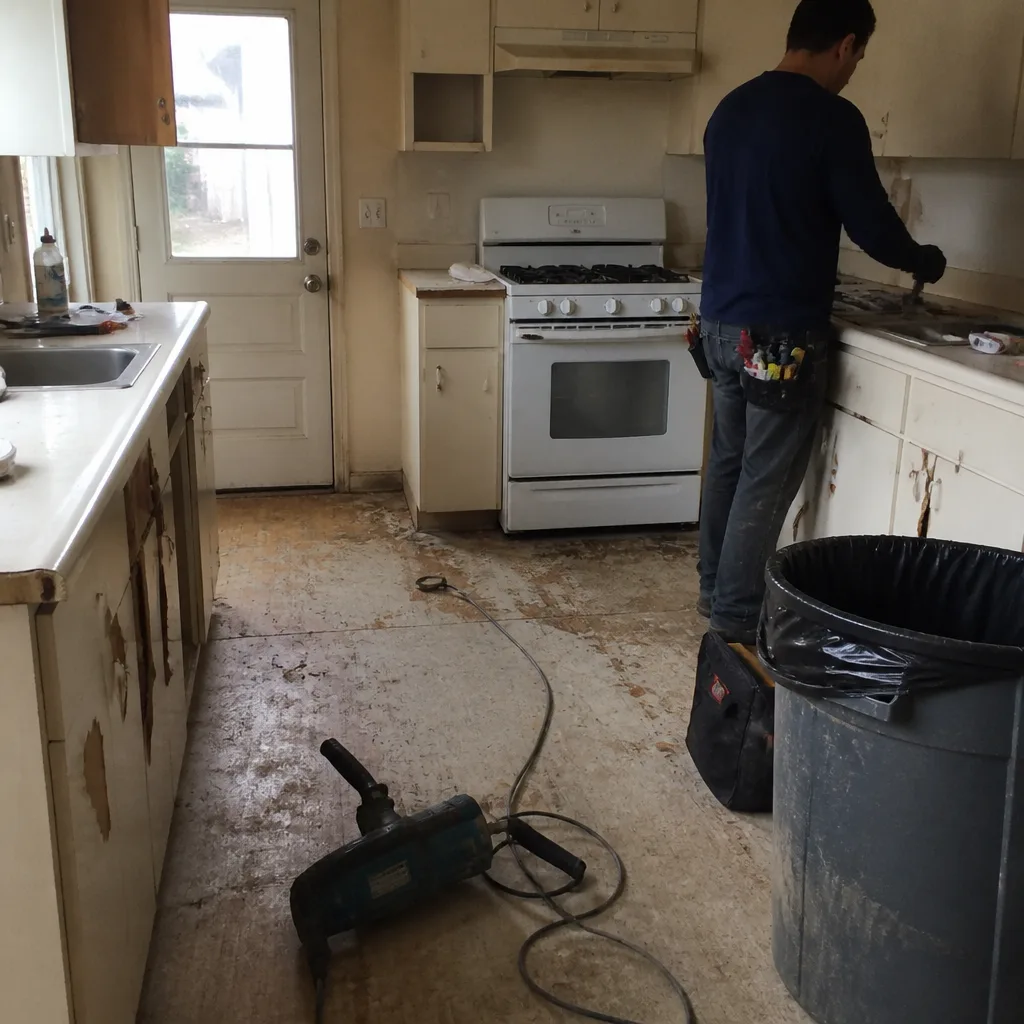 Before
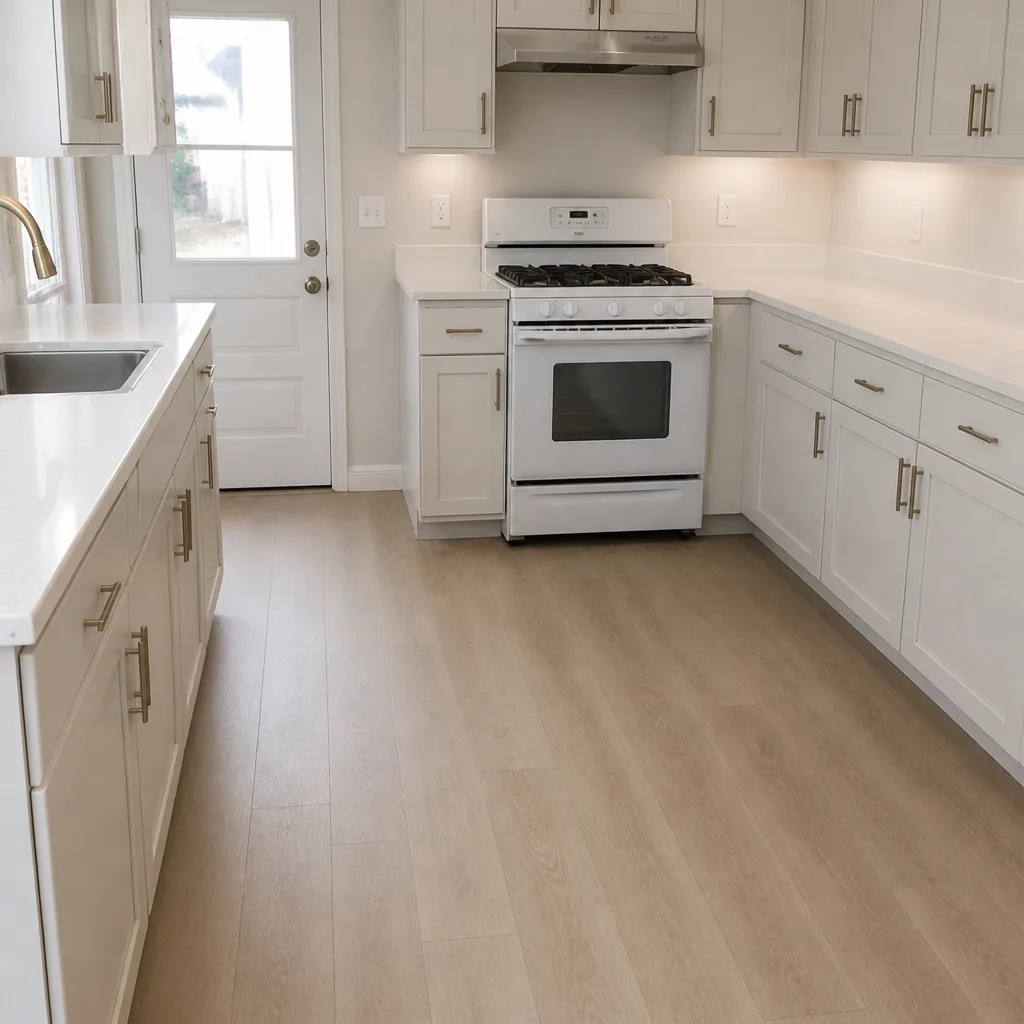 After
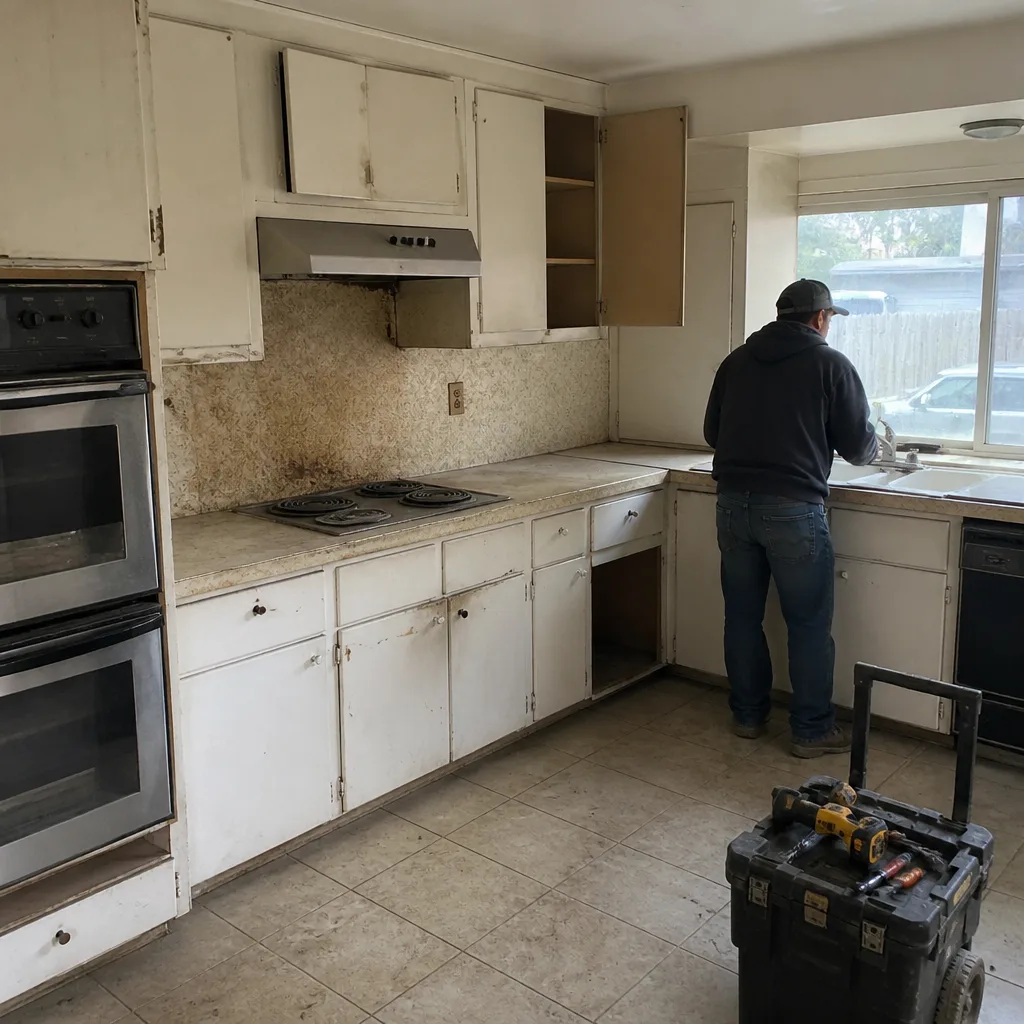 Before
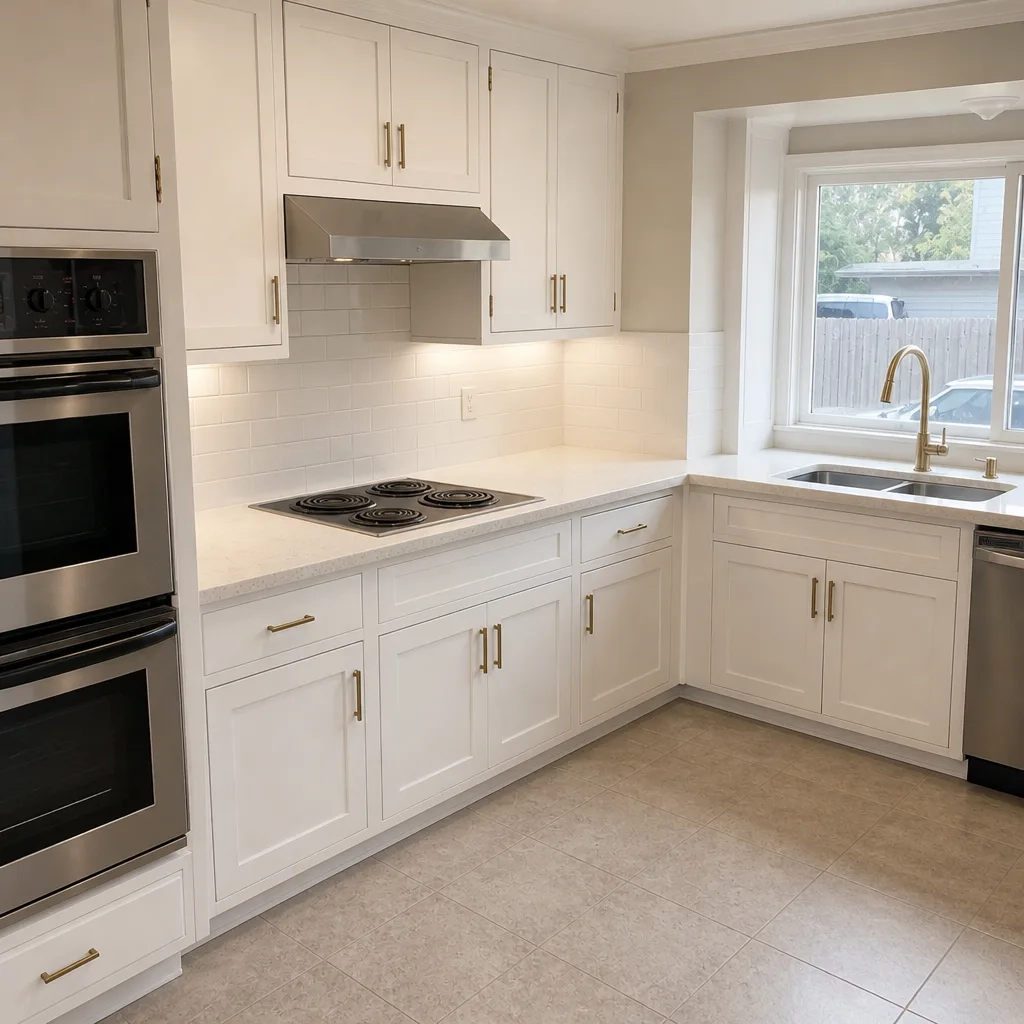 After
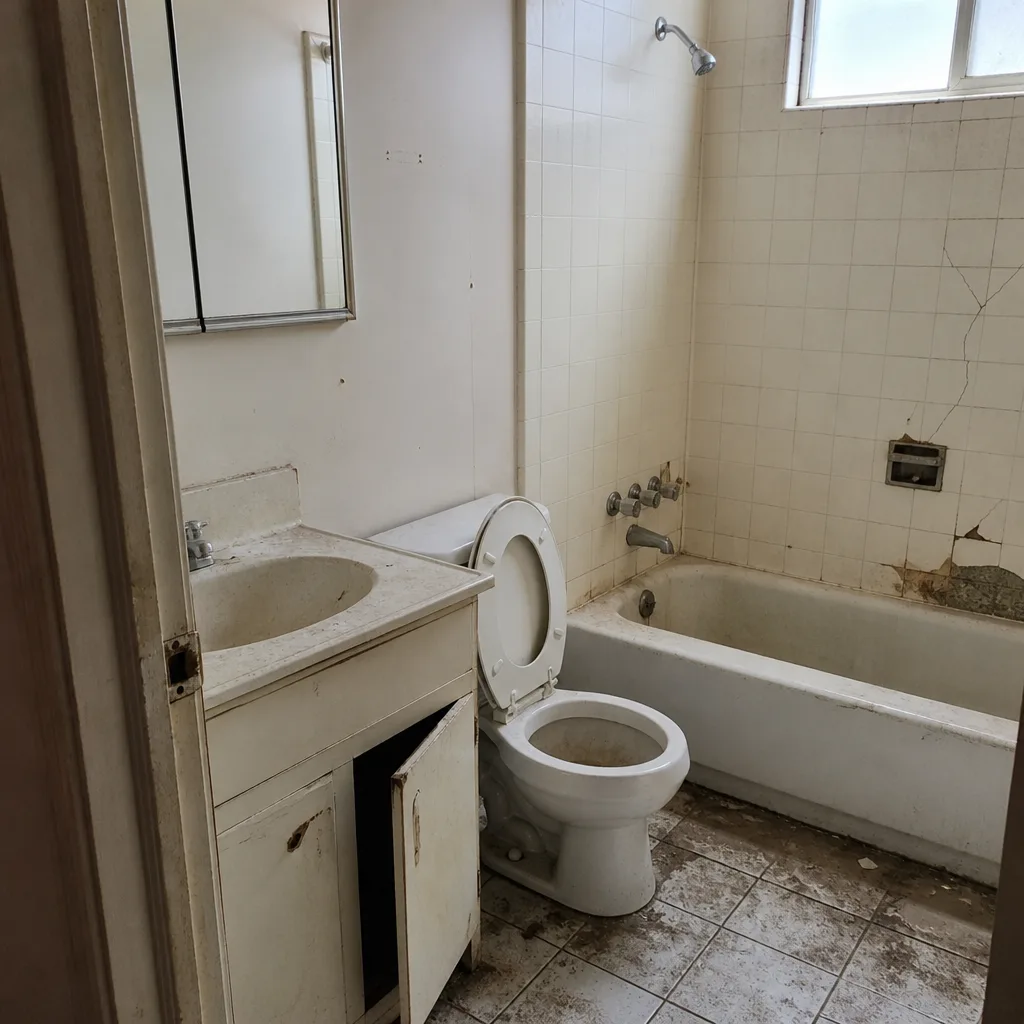 Before
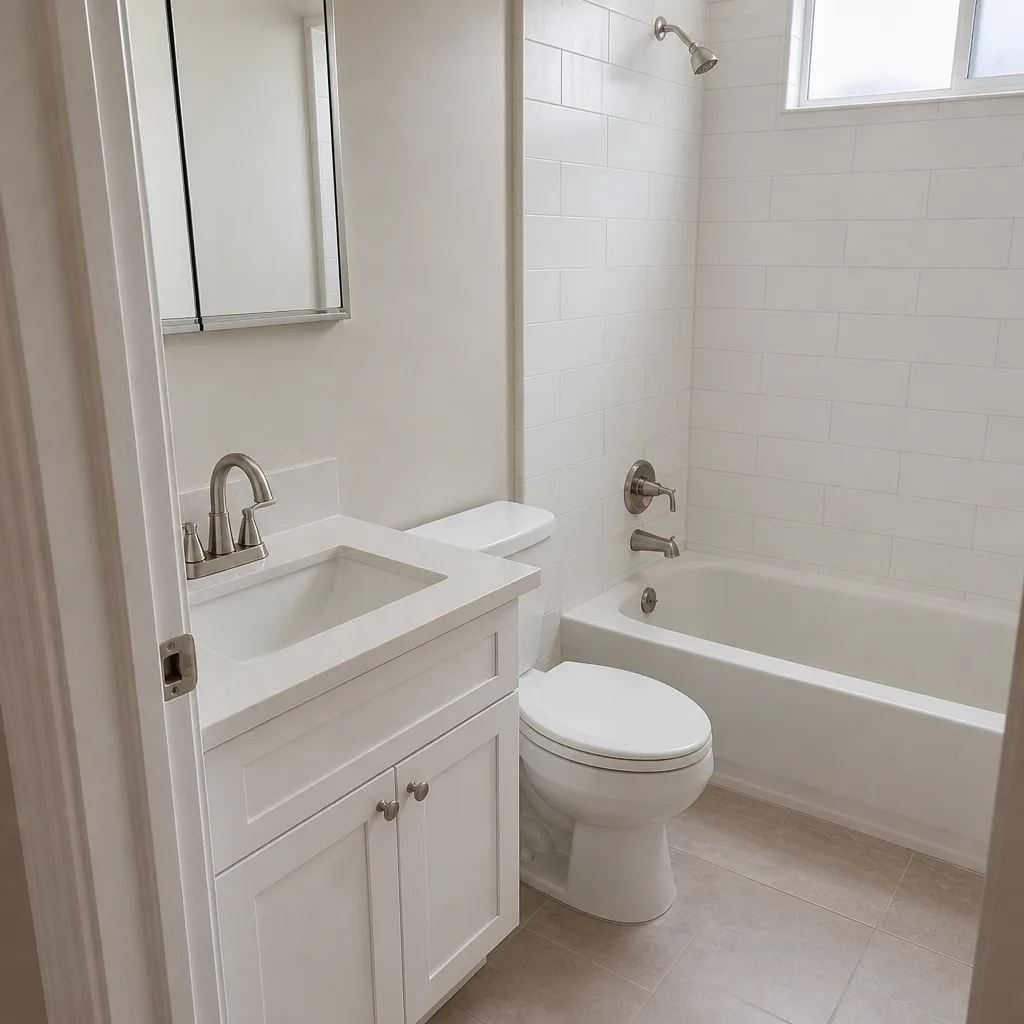 After
When to Call a Professional
You can handle hardware, weatherstripping, and roller adjustment yourself. The line is drawn at anything that moves a frame, a rough opening, or a structural opening. Call when you find water staining inside the casing, when a door sticks in one spot after hinges have been checked, when between-pane fog covers a third or more of the glass, when casement operators fail repeatedly on the same unit, or when a replacement is in scope and the code and permitting question is on the table.
Windows and doors are one part of a long list of decisions a homeowner eventually makes, and it helps to have one trusted local crew for the whole scope. If you’re sorting window, door, and structural work as one project, Groundwork Construction Co. of San Jose offers free estimates in San Jose – call (833) 988-3521. When the diagnosis is foundation settling or a shifting frame, the crew that can read the structure saves you replacing a door twice. Whether the scope grows into a full exterior package that ties windows to Fence Installation in San Jose, or a driveway and hardscape refresh that completes the picture in Driveway & Pavers in San Jose, bringing the whole scope to one crew means one accountable contractor from start to finish. Live people answer, day or night, and the estimate is free either way.
Frequently Asked Questions
Put a flashlight on one side of the closed window at night and have a helper watch from the other. Light visible at the frame-to-wall joint rather than the sash-to-frame joint means the problem is in the wall, not the window. The draft is in the rough opening, and that’s a frame fix, not a window replacement.
Yes, when it’s actually between the panes. Fog or water droplets trapped inside a sealed double-pane unit mean the perimeter seal has failed, and there’s no reliable repair. The glass unit needs to be replaced. Confirm before you spend: if the moisture wipes off from the inside face, it’s surface condensation and a humidity issue, not a failed seal.
Not always, but it’s worth ruling out. Check the hinges first – a loose or failed hinge makes a door stick in the same way a settling foundation does. If hinge repairs don’t solve it, check for a sloping floor near the door, a crack in the drywall above the door corner, and an uneven gap at the hinge side. Any of those signs point to settling.
It depends on where the draft is. If the draft is at the sash edge and the frame is tight against the wall, new weatherstripping fixes it for a decade or more. If the draft is at the casing perimeter, back at the baseboards, or at an outlet on the same wall, weatherstripping buys a few months and the draft returns. Check the location before you buy the tape.
Replacement windows are regulated under the state energy code and are usually permitted through the city, with inspection and performance verification. Like-for-like replacements typically take the standard path; changing the rough opening size often requires more. Ask who pulls the permit and who owns the inspection in your written estimate. A window swap without a permit can turn into a code violation at sale, and that’s a much bigger bill than the permit.
Start with the track. Clean the track first with a stiff brush and a vacuum, then check the rollers with a screwdriver – most drag problems are roller adjustment or track debris and a homeowner can handle both in an afternoon. Call a professional if the panel has warped, the track has lifted from the floor, or adjustment doesn’t solve the drag after two tries. Those are structural and they don’t get better with another adjustment.
The Bottom Line
Sort the symptom before you spend. A draft at the sash edge is a weatherstripping job; a draft at the rough opening is a frame repair, and weatherstripping will not fix it. Interior surface condensation is humidity; between-pane fog is a failed glass unit; frame sweating is thermal conductivity and modern frames solve it. A door that sticks in one spot points to hinges or settling – distinguish before you plane; a door that sticks along its full length is warp. Sliding doors and casements have real adjustment points, and the moment they fail twice, it’s a replacement decision. In San Jose, UV load, the wet-season seal test, and the state energy code all shape which of these applies to your home. Read the root cause, not the symptom, and you’ll get one repair instead of three.
Our technicians have up to 12 years of experience in the trade, and the crew shows up background-checked and in uniform on every job, with work backed by the 730-Day Done Right Promise. Calls are answered by a live person, 24/7, and every estimate is free. Call (833) 988-3521 to schedule your free estimate and get a straight diagnosis on your windows and doors. Built to last, backed in writing – from foundation to finish line.
Written by the team at Groundwork Construction Co. of San Jose.