Last updated November 18, 2026
Free written scope consultation - allowances, timeline, and change-order rules on paper before a single trade is scheduled
How Long Does Bathroom Remodeling Take? Timelines and What to Expect
A contractor who says your bathroom remodel takes “two weeks” is probably right about the build. Two weeks of hammers, tile, and thinset. What that number leaves out is the six weeks before demo day that most homeowners never see coming: design decisions that stall out, tile that’s backordered, a permit sitting in a queue in Santa Clara County. In our experience working San Jose bathrooms, the honest answer to “how long does a bathroom remodel take” is 6 to 12 weeks from first decision to final punch list, and the difference between the two ends is almost never the construction crew. This guide breaks down every phase by name and by day count, tells you which material choices quietly add weeks, and gives you the questions that expose a sales-driven timeline from a real one.
Quick Answer
A standard full bathroom remodel takes 6 to 12 weeks in San Jose, from the day you start serious design planning to the day the punch list closes. The construction itself is usually 3 to 5 weeks; the rest is design finalization, material lead times, permit review through the City of San Jose, and inspection scheduling. A cosmetic refresh (vanity, fixtures, paint, no layout change) runs 2 to 4 weeks total. A layout-changing or custom-tile bathroom is where you land toward the 12-week end.
Styles & brands we work with
- Kitchen remodeling
- Bathroom remodeling
- Home additions & ADU
- Roofing
- Windows & doors
- Driveway & pavers
- Fence
Table of Contents
- The Full Project Arc: Every Phase, With Realistic Days
- San Jose Permit Timelines and What’s Causing the Delays
- Which Material Choices Compress or Extend Your Timeline
- Why Bathroom Remodels Can’t Be Parallelized
- What Happens During the Build Phase, Day by Day
- Inspection Scheduling and the Punch List
- How to Tell if a Contractor’s Timeline Is Realistic
The Full Project Arc: Every Phase, With Realistic Days
Here’s the phase-by-phase breakdown we use when we sit down with a San Jose homeowner. Total project time is the sum of these, and the build is only one line on the list. A skilled contractor controls the build. Nobody controls a manufacturer’s backorder log, which is exactly why the earlier phases deserve as much attention.
- Design finalization (7 to 21 days). Layout decisions, fixture selections, tile choices, and a signed scope. Every selection not locked here becomes a change order later, and change orders are the single biggest cause of blown timelines. The fast end of this range means you walk in knowing what you want and the contractor has the material catalog on hand.
- Material ordering and lead times (5 to 45 days, often overlapping with design). Stock vanity and big-box tile: 5 to 10 days. Special-order tub, custom-sized shower pan, or a Schluter shower system with a specific linear drain: 2 to 4 weeks if it’s not on a local shelf.
- Permit pull (10 to 30 days in San Jose; see the next section). A like-for-like fixture swap that doesn’t move plumbing or walls may not require a permit. Anything that relocates a drain, adds a wall, or moves electrical does.
- Demo and rough-in (3 to 5 days). Tear-out, framing corrections, plumbing and electrical rough-in. This is where surprises live: dry rot behind the tub surround, a drain that’s been patched, and old galvanized supply lines are the three most common finds in older San Jose homes.
- Rough inspections (1 to 3 days plus scheduling time). Plumbing and electrical inspections must pass before walls close.
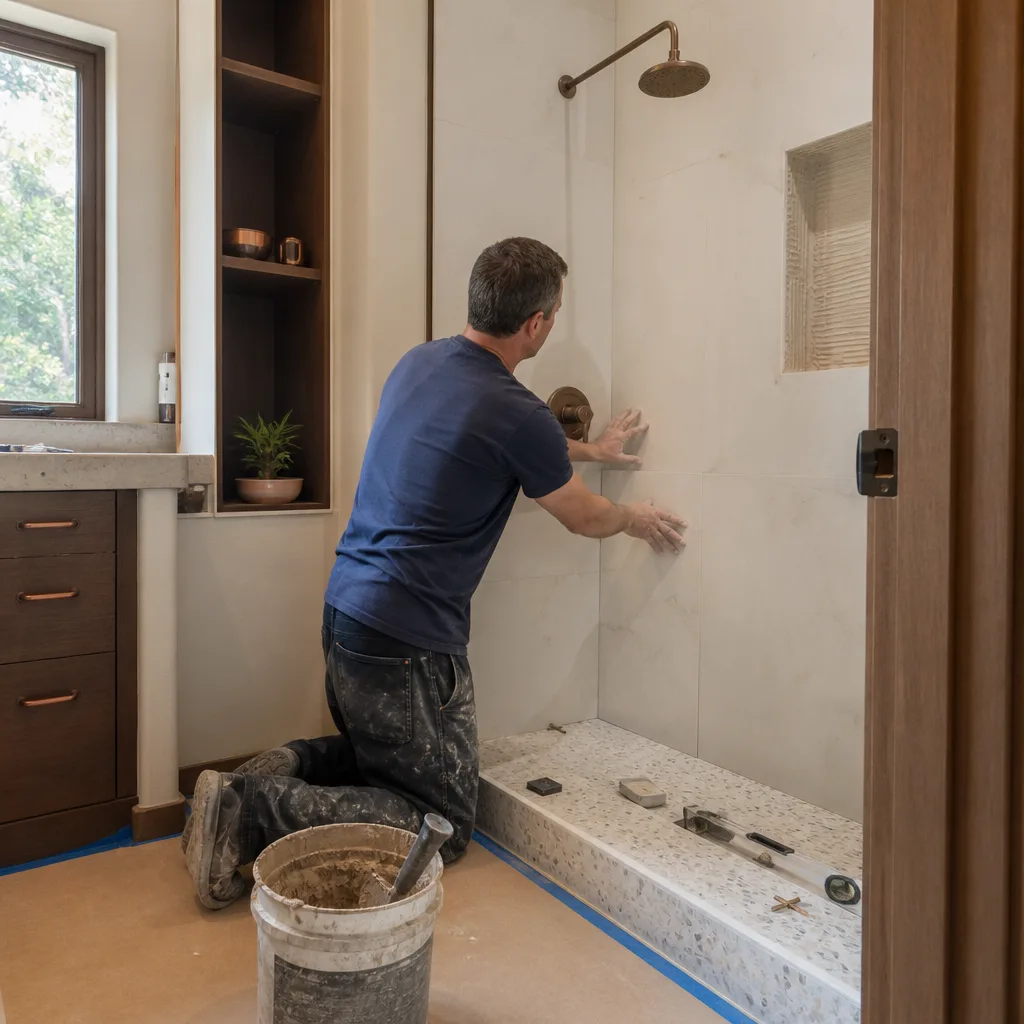
- Tile, waterproofing, and finish work (10 to 16 days). The visible progress. Waterproofing has cure time; tile setting and grouting can’t be rushed without compromising the years of service the bathroom delivers.
- Final inspections and punch list (3 to 7 days). Final inspection sign-off plus your walkthrough, when every finish item gets corrected. A contractor who treats the punch list as an afterthought is a contractor who doesn’t expect to be called back.
Add it up honestly and you see the 6 to 12 week range. That number and the “two weeks” number describe two different things. One is production days. The other is total project duration, which is what you actually plan your household around.
San Jose Permit Timelines and What’s Causing the Delays
Permitting is the phase most likely to wreck a timeline, and it’s the phase most contractors gloss over. San Jose issues permits through its online portal, and typical residential bathroom permit review runs 10 to 30 days depending on completeness and reviewer workload. A complete submission with clear plans and accurate fixture specs moves through in roughly two weeks. A resubmission because a plan missed a vent location or the scope wasn’t clear can double that.
What we’ve seen cause the most scheduling trouble in Santa Clara County right now:
- Incomplete plan submissions. The single most common delay. A plan that doesn’t clearly show existing plumbing and proposed plumbing gets a correction notice, and the clock restarts.
- Electrical scope that wasn’t in the plan. Adding a heated floor, a GFCI circuit for a new vanity outlet, or new recessed lighting needs to be on the permit. Retroactive scope changes force a permit revision.
- Older-home surprises at inspection. San Jose’s older neighborhoods, from Willow Glen to the Alameda, regularly turn up unpermitted prior work. An inspector who spots old unpermitted electrical or plumbing can require a correction before final sign-off, and that correction is a real timeline risk nobody can bid accurately up front.
- Inspection scheduling itself. Inspectors need a window, and the window is the constraint. Rough plumbing and rough electrical can’t always land the same day.
The lesson: pick a contractor who pulls permits and is experienced in San Jose’s process, not one who suggests skipping the permit because “it’ll be faster.” The faster path today becomes the slower resale tomorrow, and the delays caused by a failed inspection don’t disappear.
Which Material Choices Compress or Extend Your Timeline
Material choices shape the calendar more than any other single decision, and here’s the counterintuitive part: the premium choice isn’t always the slow choice. A custom tile from a national manufacturer can be backordered six weeks. A Schluter shower waterproofing system, which is our go-to for a membrane that lasts decades, is generally stocked locally and can actually accelerate the waterproofing portion compared to a traditional mud-pan and hot-mop approach. It’s the selections nobody prints a lead time on that bite, not the brand name.
Here’s how the common choices break down by time impact:
- Stock vanity and standard tile (fast): 5 to 10 days. Available at most San Jose supply houses. Doesn’t constrain the schedule at all.
- Custom cabinet (slower): 4 to 8 weeks. KraftMaid or a comparable line is worth the wait for a kitchen, but in a bathroom a stock vanity in a finish you like will keep your timeline intact.
- Special-order tub or freestanding soaker (slowest single item): 3 to 6 weeks. Freestanding tubs are the number-one killer of bathroom timeline quotes, because homeowners fall in love with a model before confirming the lead time.
- Custom tile (slowest finish item): 4 to 8 weeks for a unique slab or a hand-made tile. Large-format porcelain with a linear drain (a Grohe or Schluter linear drain, for example) is faster and generally more available than a hand-crafted artisan tile.
- Premium plumbing fixtures (variable): Some Grohe or Kohler finishes ship in days; a rare finish can be 6 to 8 weeks. Confirm the finish lead time before you commit.
- Wall and floor tile in a stock pattern (fast): 3 to 7 days. A standard 12×24 porcelain is readily available and installs fast.
The pattern is clear. Anything special-order extends the pre-build phase. Anything stock compresses it. If you can accept stock fixtures and stock tile, you can compress the total arc by weeks, and you can do it without compromising the long-term quality of the finishes.
Why Bathroom Remodels Can’t Be Parallelized
This is where expectations go wrong. A bathroom remodel is not a kitchen remodel in a scheduling sense, and it is not a whole-house build where different trades can work in different rooms at once. Bathroom work has to be sequential. There’s literally one small room, and each trade depends on the last trade being finished before it can start.
Here’s why the sequence is non-negotiable:
- Demolition must finish before rough-in can start.
- Plumbing and electrical rough-in go in before the walls close. The rough inspections happen here, and a failed inspection stops the line entirely.
- Drywall, backer board, and waterproofing go in after rough inspection passes. Waterproofing needs cure time. You can’t overlap it with tile setting.
- Tile setting happens after waterproofing, and setting tile on one wall can’t proceed while grouting is happening on another, because grout cures in the joints you’re working over.
- Fixtures, toilet, vanity, and trim go in after the tile is fully cured, usually 24 to 48 hours after the last grout pass.
- Final inspection and punch list happen last.
None of that can be compressed without compromising the result. You cannot have one crew installing the shower pan while another crew installs the vanity, because the vanity goes where the plumbing already is. The sequential nature of the work is exactly why a “two-week” build is realistic, but the total project still runs longer. In our experience, the only way to truly parallelize a bathroom remodel is to have a second bathroom available and start the project earlier, in which case you’re just waiting on the same sequence.
What Happens During the Build Phase, Day by Day
Once the permit is in hand and all materials are on site, the build is the part most homeowners picture, and it’s the part where good scheduling matters most. Here’s the realistic day-by-day flow of a 3 to 5 week build for a standard full bathroom remodel in San Jose:
- Days 1 to 3: Demo and disposal. Tear-out of tile, tub, toilet, vanity, and drywall as needed. Finding dry rot or old galvanized plumbing during this phase is common in older homes and can add 1 to 2 days.
- Days 3 to 6: Rough-in. Plumbing drain and supply rough, electrical rough for outlets, switches, and lighting, vent fan installation. Rough inspection requested.
- Days 6 to 8: Rough inspection window. Once inspection passes, insulate and close walls.
- Days 8 to 10: Drywall, backer board, waterproofing. Cure time is real. Don’t let anyone rush it.
- Days 10 to 19: Tile, stone, and floor setting. This is the big visible push, and it’s where craftsmanship shows. Expect some 2-day gaps for tile to cure before grouting.
- Days 19 to 23: Vanity, toilet, tub, trim, paint, glass. Fixtures go in, and painters touch up.
- Days 23 to 26: Final inspection and punch list. The final walkthrough.
That’s a 3 to 4 week build in a typical San Jose home. Larger bathrooms, layout changes, or an unlucky rough-in reveal push it to 5 weeks. A small, straightforward cosmetic refresh can be 10 to 12 working days.
Inspection Scheduling and the Punch List
Two phases that get zero attention in most timeline quotes, and both are real time. Inspection scheduling is a fluid constraint, and in San Jose it’s generally 1 to 3 business days from request to inspector on site, though it can run longer during peak season. Every inspection request is a stop in the line, and there are typically two to four of them in a full bathroom remodel: rough plumbing, rough electrical, final plumbing and electrical, and final building depending on scope.
The punch list is the final phase, and it should not be a lengthy one. When the work is done well, the punch list is a handful of finish items: a wobbly towel bar, a touch of paint, a shower door adjustment. When the work is rushed, the punch list is a second remodel. This is exactly why we put the 730-Day Done Right Promise behind every project, because the finish work is where the promise gets tested, sometimes months after the final walkthrough. A written guarantee that covers the workmanship for two years means the punch list isn’t a one-time event you have to chase after.
Plan for 2 to 5 days between final inspection sign-off and your final walkthrough, with the work essentially complete except for touch-ups.
How to Tell if a Contractor’s Timeline Is Realistic
The single best defense against a sales-driven timeline is to ask the right questions before you sign. Here’s the checklist we’d want a San Jose homeowner to run through, and the answers that tell you whether the timeline is real:
- Ask what the permit timeline assumption is. If they quote “two weeks total” but can’t name a realistic permit review window, they’re not planning, they’re selling.
- Ask which material selections have lead times longer than a week. A real schedule names the tub or the tile and its lead time. A sales pitch says “everything ships in a few days.”
- Ask how many inspection stops are in the schedule. Two rough inspections is a floor. If a contractor says “we won’t need a permit,” that’s a red flag, not a shortcut.
- Ask what happens to the schedule if demolition turns up something. A good contractor has a contingency allowance and an honest range, and will say “3 to 5 weeks, plus whatever we find behind the wall.”
- Ask for the written schedule with a total duration and the assumptions behind it. The schedule is a planning tool. If it doesn’t exist on paper, the timeline is a number someone said out loud.
We’ll be direct about why this matters. The best defense against a dishonest schedule isn’t suspicion, it’s transparency. Upfront pricing, written line-item quotes with a clear timeline assumption, and a written guarantee are what separate a real project plan from a closing pitch.
Common Mistakes to Avoid
- Starting demo before materials arrive. The most expensive mistake on the list. If your custom tub or tile isn’t on site, starting demo means a bathroom that’s torn apart for weeks while you await delivery, exactly when a family loses its bathroom.
- Choosing an artisan tile or a custom vanity without confirming lead time. Pick the style you love, then confirm it can ship in time. A beautiful tile that ships in eight weeks is a beautiful eight-week delay.
- Filing the permit late or incompletely. Submit the permit application the same week you sign the contract, and make sure it includes every electrical and plumbing change. A mid-project permit revision is a real schedule risk.
- Adding scope during the build. “While we’re in there, let’s move the toilet.” Layout changes discovered mid-build force a permit revision and an inspection, and the whole sequence stops. Decide everything up front, in writing.
- Skipping the final inspection or accepting a verbal punch list. The inspection is your safety net and your proof of code compliance. The punch list should be in writing, with a date.
- Assuming a premium brand means a longer lead time. Locally stocked systems like Schluter waterproofing are usually faster than an unsexy alternative that’s backordered. Ask about actual availability, not price.
- Planning around the build timeline instead of total project time. The number you schedule your life around is the whole arc, not the production days. Plan for 6 to 12 weeks and be pleasantly surprised when it finishes sooner.
See the difference
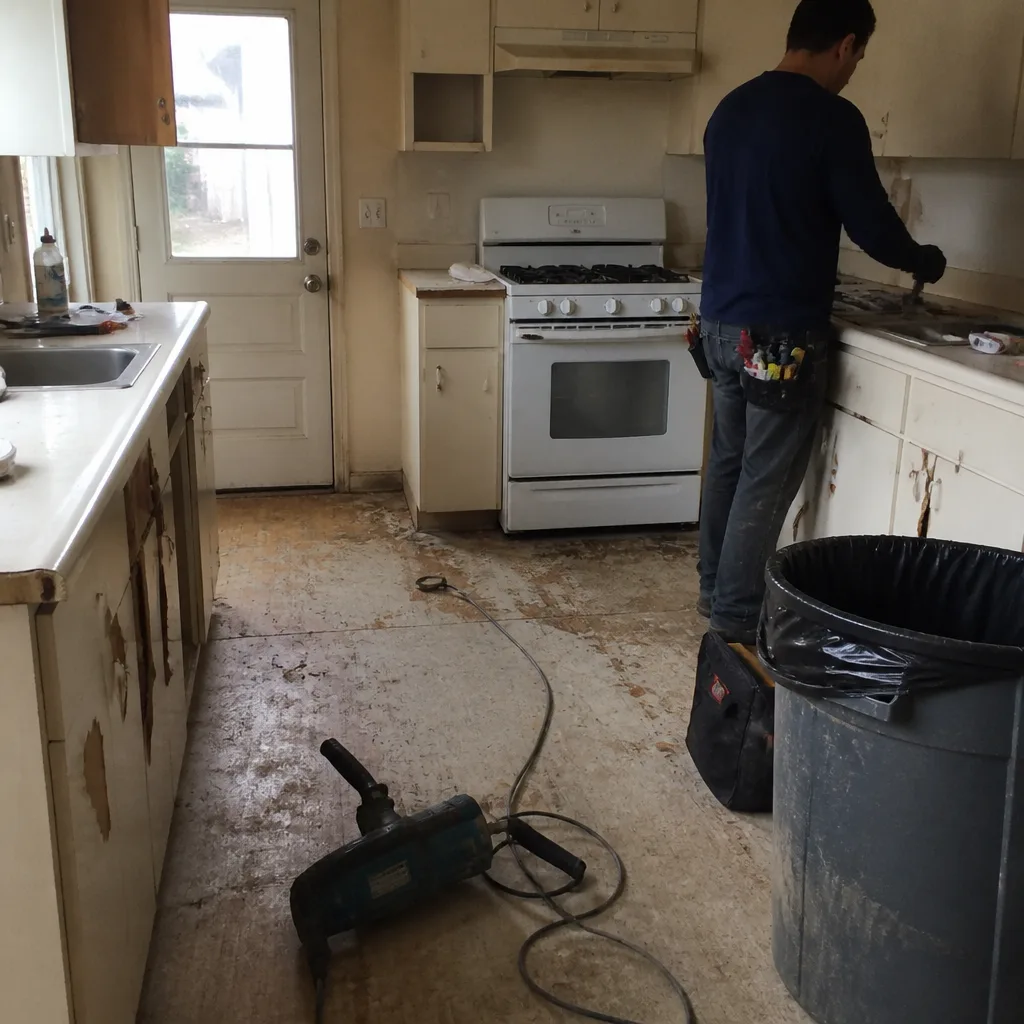 Before
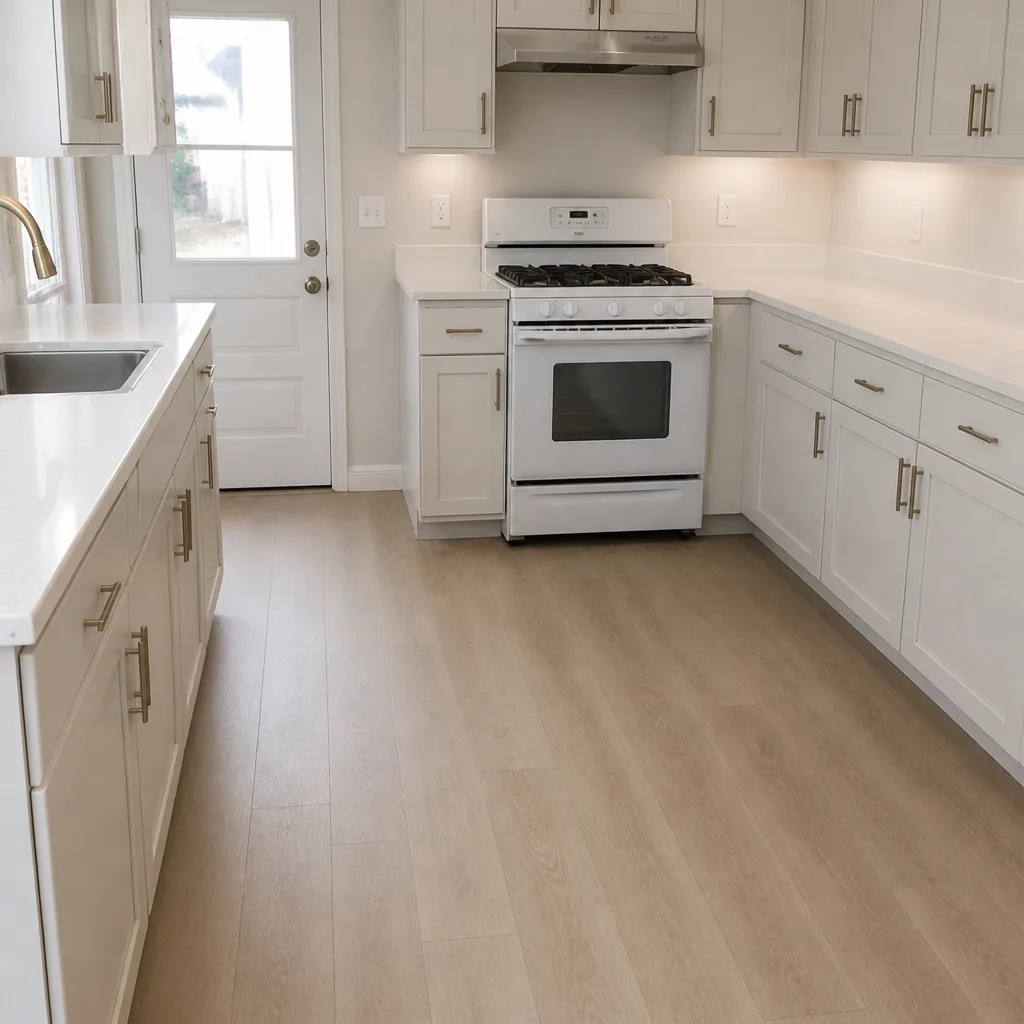 After
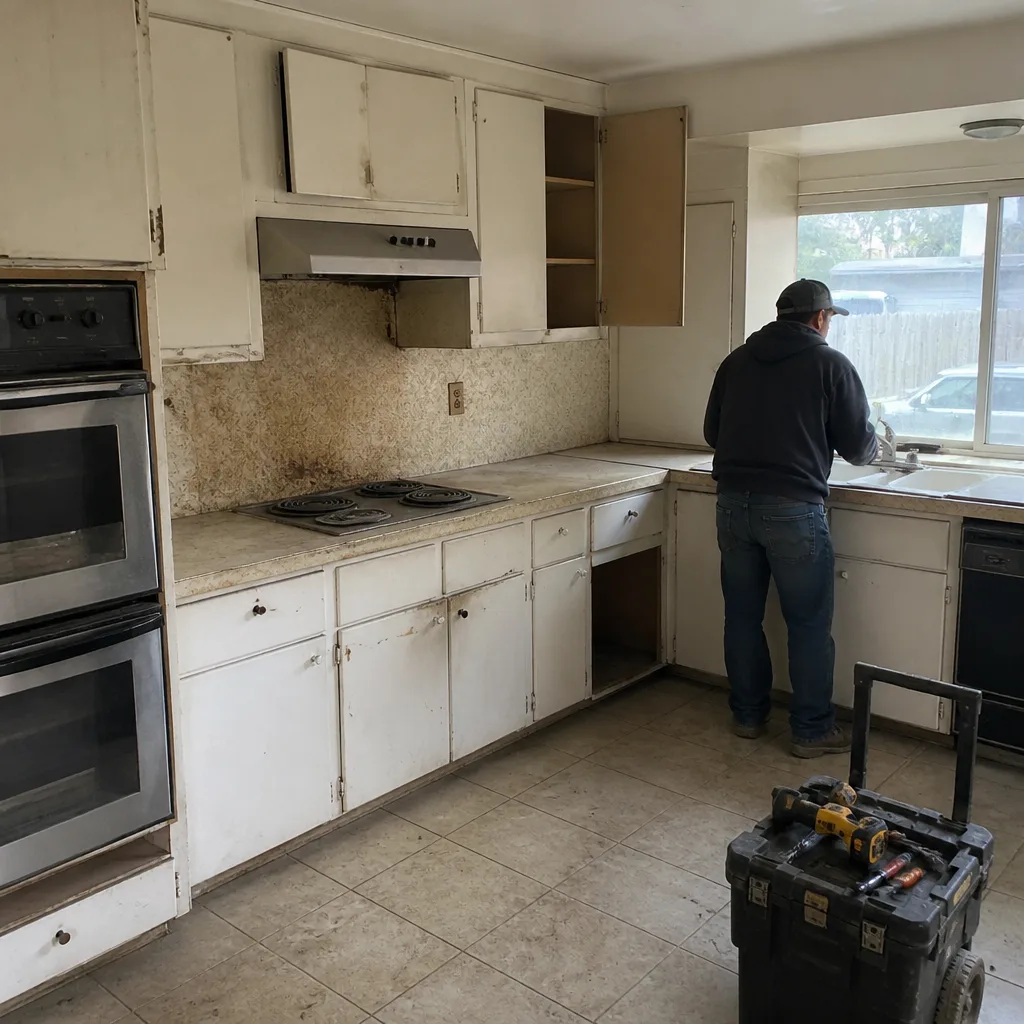 Before
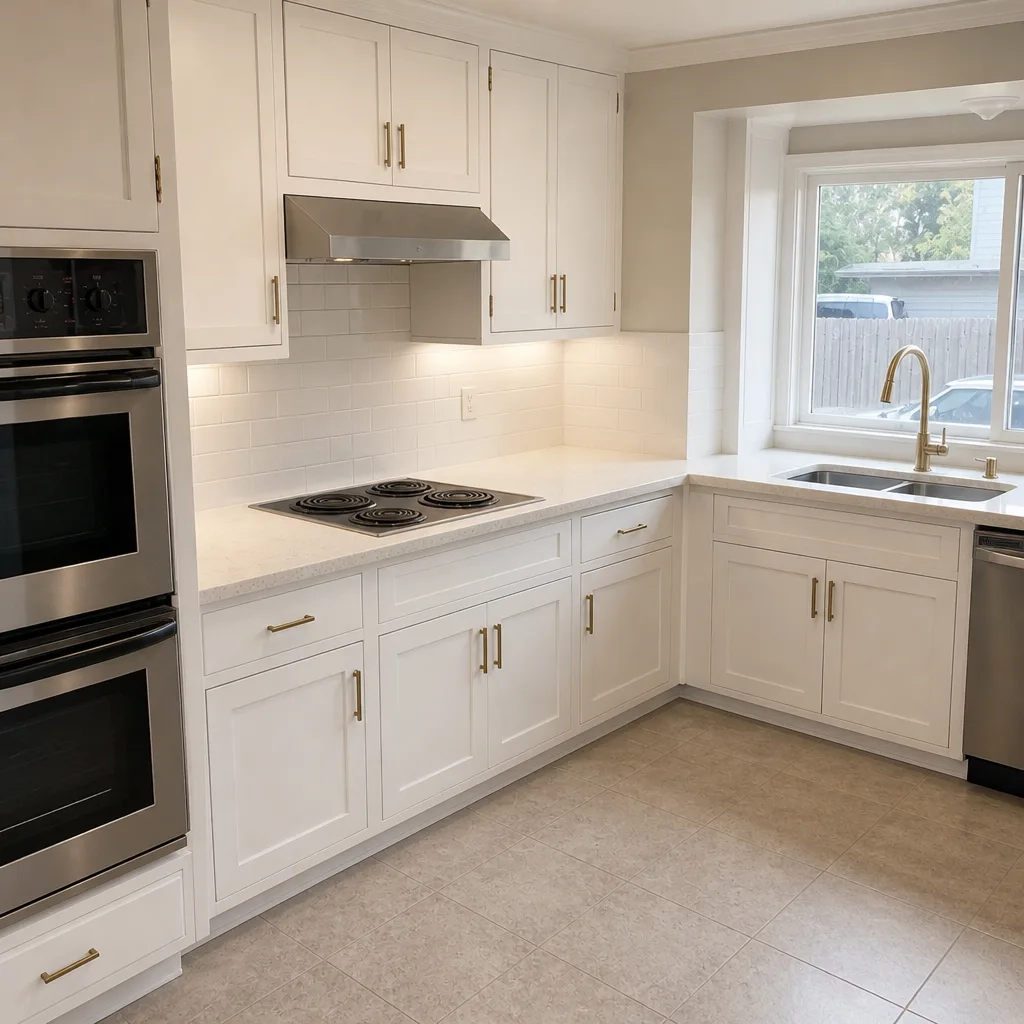 After
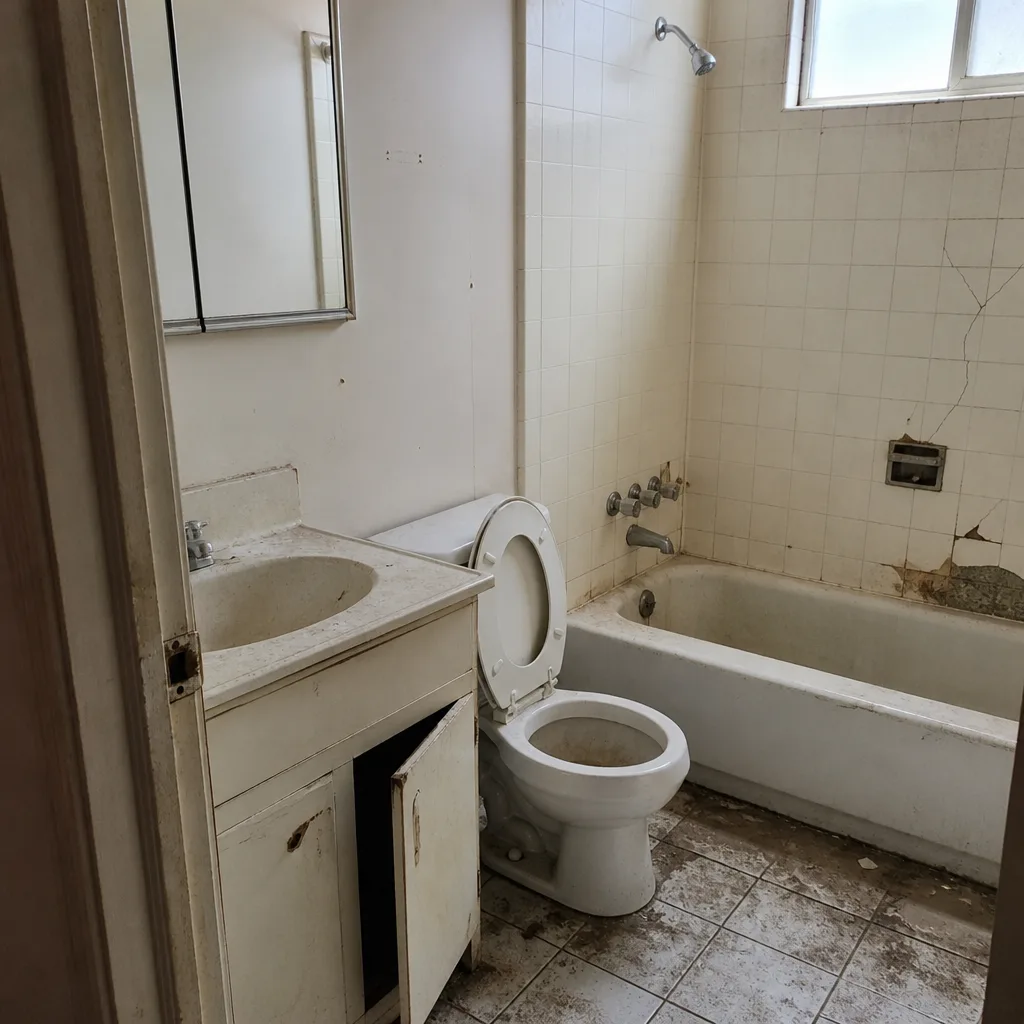 Before
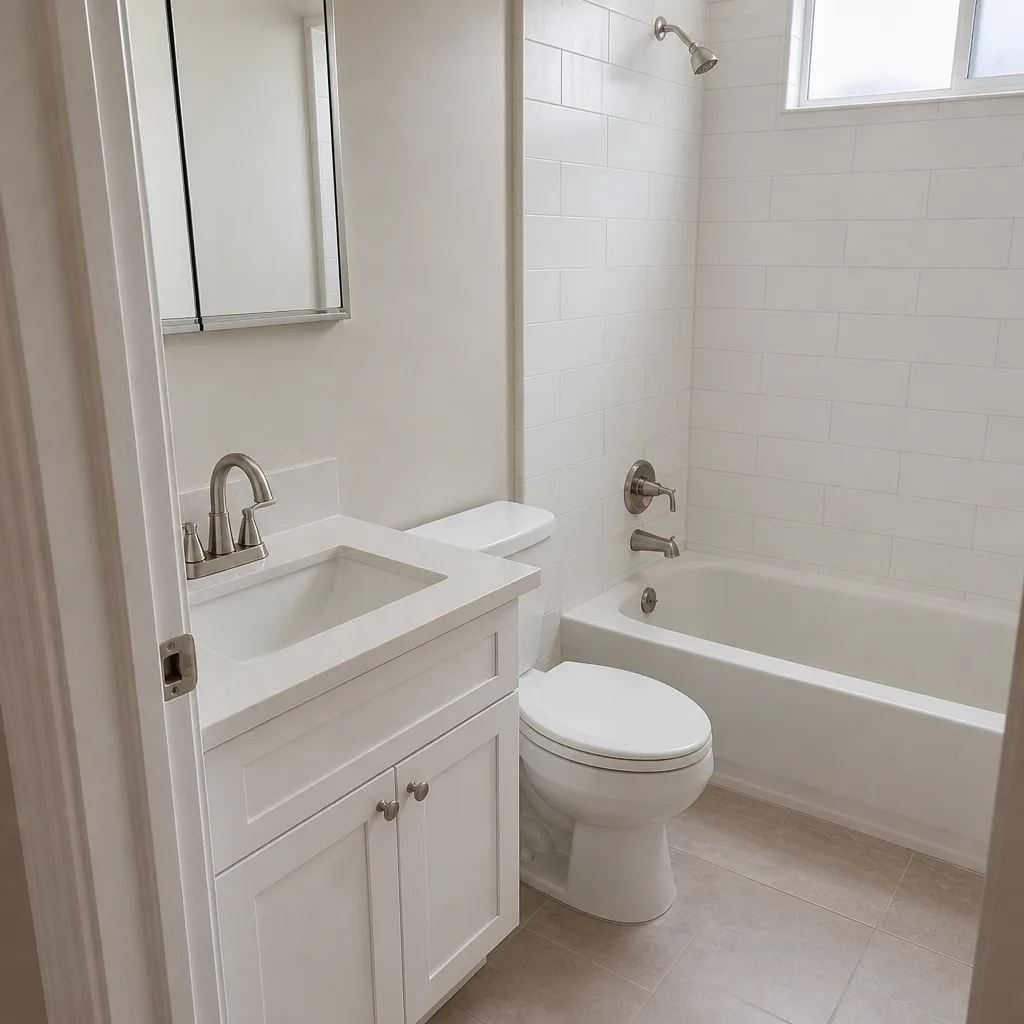 After
When to Call a Professional
Call a licensed professional for any bathroom work that touches plumbing or electrical, and especially for a full remodel. The safety stakes are real. A bathroom has water and electricity in the same small footprint. A shower pan that’s improperly waterproofed won’t leak for months, then rots your subfloor and the ceiling below. An electrical outlet without proper GFCI protection in a wet area is a genuine hazard. A permit timeline and inspection are not red tape; they are the checks that catch those mistakes. We won’t hand a homeowner a step-by-step shower pan tutorial, because the membranes, drain bonds, and slope work have to be done right the first time, and the failure mode is a remodel in five years.
Groundwork Construction Co. of San Jose offers free estimates in San Jose, with a written line-item quote and a timeline that names every phase. Call (833) 988-3521 to talk it through. Our technicians have up to 12 years of experience, and every project is covered by the 730-Day Done Right Promise.
Frequently Asked Questions
A standard full bathroom remodel takes 6 to 12 weeks in San Jose, counting design, materials, permits, build, and punch list. The construction itself is 3 to 5 weeks; permit review through the City of San Jose adds roughly 10 to 30 days. Call (833) 988-3521 for an exact timeline on your bathroom, and estimates are free.
Only a cosmetic refresh with no layout change, and only if all materials are on site first, can realistically finish in under 3 weeks. A full remodel with a permit and inspections cannot. Anyone promising a full two-week bathroom remodel without a permit and without a schedule naming every phase is selling, not planning. Call (833) 988-3521 to get a real timeline.
Yes, for anything that moves plumbing, adds or relocates electrical, changes walls, or changes the shower and tub configuration. A pure cosmetic refresh with like-for-like fixtures may not require one. Reputable contractors pull permits and plan around the process; the permit is what protects your resale. Call (833) 988-3521 to ask what your project needs.
Contractors quote production days because that’s the part they control, and homeowners assume it equals total project time. It doesn’t. Material lead times and permit review are the two phases that most often extend the timeline, and both belong to the contractor to plan around, not the homeowner to discover. Call (833) 988-3521 for a timeline that accounts for all of it.
The pre-build phase, not the construction. Special-order tubs, custom tile, and permit review each run anywhere from a couple of weeks to a month and a half, and they stack if they’re not scheduled side by side. Custom tile and freestanding tubs are the two biggest lead-time risks. Call (833) 988-3521 to talk through your material list.
Lock every selection before demo starts, order all materials before demo, submit the permit application in the same week you sign the contract, and use stock or locally stocked materials where possible. Confirm the actual lead time for every special-order item. The fastest path is a fully planned project, not a rushed build. Call (833) 988-3521 to plan yours.
The Bottom Line
The honest answer to “how long does a bathroom remodel take” is 6 to 12 weeks from first decision to final inspection, and the construction is only 3 to 5 of those weeks. The pre-build phase, the permit, the material lead times, and the inspection schedule are what really set the calendar. A contractor who builds the timeline around all six phases, and puts the assumptions in writing, is the one who can actually hit the date. If you’re planning a bathroom remodel in San Jose, we’ll give you a written timeline, a fixed price with no change orders once work starts, and the 730-Day Done Right Promise behind the work. Call (833) 988-3521 for your free estimate and design consult. From foundation to finish line, we’re here to plan it with you.
If your project reaches beyond the bathroom, our team also handles the rest of the home, and you can start with the Groundwork Construction Co. of San Jose home page for the full picture. If your bathroom refresh is part of a larger patio or entry overhaul, our Driveway & Pavers in San Jose work pairs well with a front-of-house refresh, and the backyard projects like Fence Installation in San Jose and Home Additions & ADU in San Jose are worth planning alongside your bathroom, since the permit and material timelines often overlap. For the best material line-up, we work with partners like Kohler fixtures and Schluter waterproofing systems, so the finishes hold up for the life of the home, not just the first year. And if you’ve already got a bathroom project on the calendar, get a second opinion on the timeline, because the one number that matters most is the total, not the build.
Written by the team at Groundwork Construction Co. of San Jose.