Last updated November 18, 2026


Free written scope consultation - allowances, timeline, and change-order rules on paper before a single trade is scheduled
How Long Does Fence Installation Take? Timelines and What to Expect
A fence that takes two days to install can take three weeks to start – and the gap is almost entirely pre-work that most contractors don’t bother explaining to you. We’ve watched homeowners clear a weekend expecting posts in the ground Monday, only to find out the utility locate hadn’t been called and the permit hadn’t been filed. The fence itself is rarely the delay. The paperwork, the ground, and the calendar are. This guide breaks the project into its real phases: utility marking, permit approval, material lead times, soil and site prep, and the actual build. You’ll get material-by-material timelines, the San Jose soil and weather factors that change the schedule, and the exact questions to ask before you sign.
Quick Answer
A typical residential fence install in San Jose takes 1 to 3 days of actual construction for a standard 100- to 150-foot run, but the full project from deposit to finished fence usually runs 1 to 4 weeks once you account for utility locates, permits, and material lead times. Simple repairs and small chain link jobs can wrap inside a week; custom ornamental iron or fences on a rocky hillside lot can stretch to 5 or 6 weeks.
Styles & brands we work with
- Kitchen remodeling
- Bathroom remodeling
- Home additions & ADU
- Roofing
- Windows & doors
- Driveway & pavers
- Fence
Table of Contents
- The Five Phases of a Fence Project (and How Long Each Takes)
- Fence Timeline by Material: Wood, Vinyl, Chain Link, Ornamental Iron
- How San Jose Soil and Terrain Affect Your Timeline
- Permits and Utility Locates: The Pre-Work Nobody Warns You About
- Bay Area Weather Windows and the Best Season to Install in San Jose
- Why Contractor Scheduling Creates the Most Delays
- Common Mistakes to Avoid
- When to Call a Professional
- Frequently Asked Questions
The Five Phases of a Fence Project (and How Long Each Takes)
Most fence guides start the clock when the first post goes in. That’s the wrong starting line. A fence project is five distinct phases, and the first three happen before any digging. Understanding the real sequence is what separates a clean two-day build from a three-week headache.
- Utility marking (the 811 call). Before anyone digs, the underground lines – gas, water, electric, communications – have to be located and marked. In California you call 811 at least two working days before excavation. Most locators finish inside 2 to 3 business days. Skip it and you risk hitting a line, which stops the job cold and can cost thousands.
- Permit approval. Many San Jose fence projects fall under height and setback rules that require a permit, especially anything over 6 feet or on a corner lot with sight-line rules. Plan on 1 to 3 weeks for a straightforward residential fence permit, longer if the plan reviewer has questions or your lot sits in a hillside or historic overlay.
- Material lead time. Off-the-shelf pressure-treated wood and standard chain link are often in stock and ready in days. Custom vinyl colors, ornamental iron panels, and specialty gates can run 2 to 4 weeks from order to delivery.
- Ground prep. Clearing, setting the string line, and digging post holes. On a flat San Jose lot with decent soil this is fast – a day or less for a standard run. On a hillside property in the East Foothills or Almaden Valley, rocky ground slows digging considerably and can add a day or more.
- Actual installation. Setting posts, hanging panels or pickets, building gates, and cleanup. For a typical 100- to 150-foot fence, this is 1 to 3 days on its own.
Add it up and you see the truth: the fence is the short part. The pre-work is where the calendar lives.
Fence Timeline by Material: Wood, Vinyl, Chain Link, Ornamental Iron
Different materials don’t install on the same schedule, and any guide that gives one flat number is guessing. Here’s how the four most common fence types break down for a standard residential run, with the pre-work already factored in.
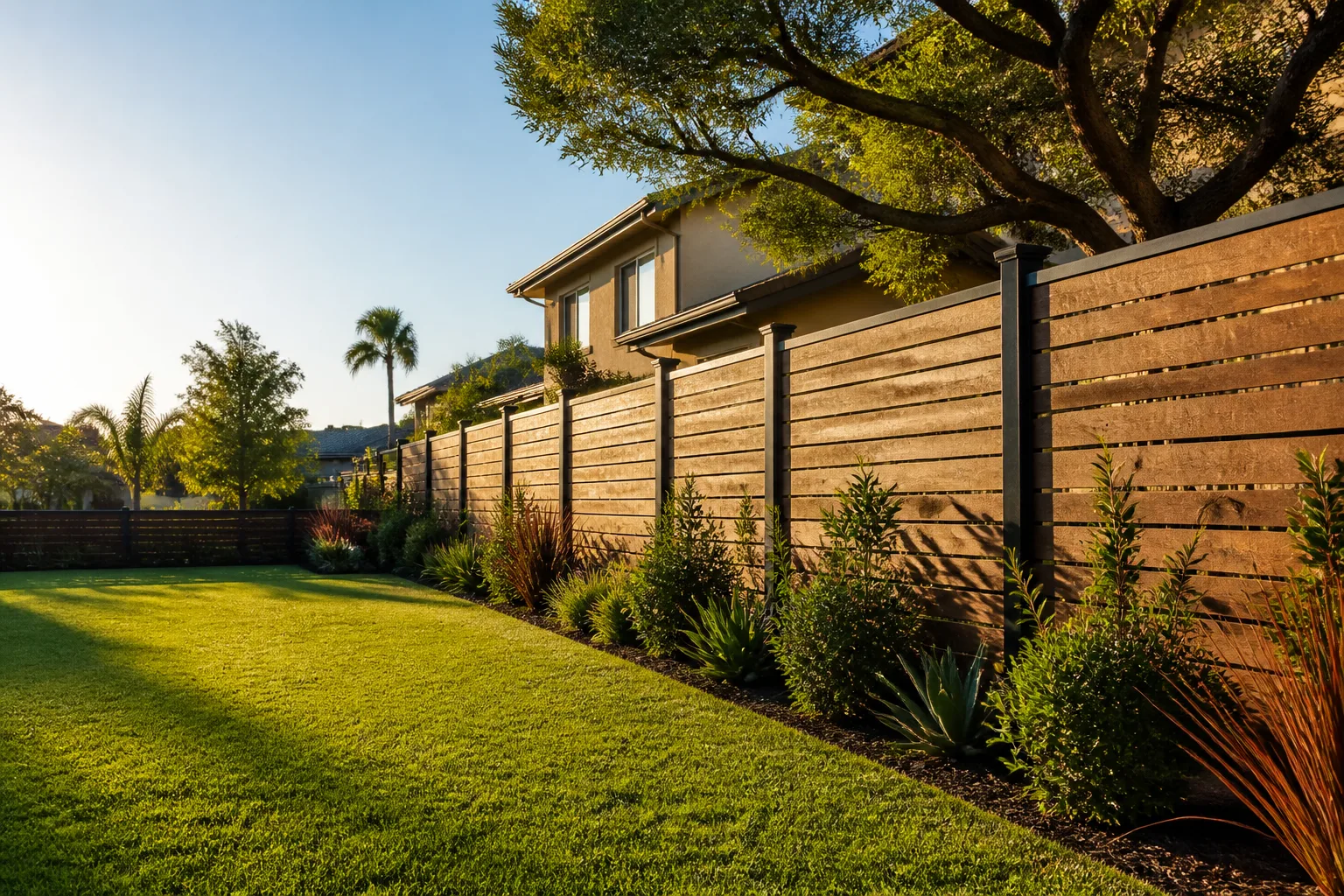
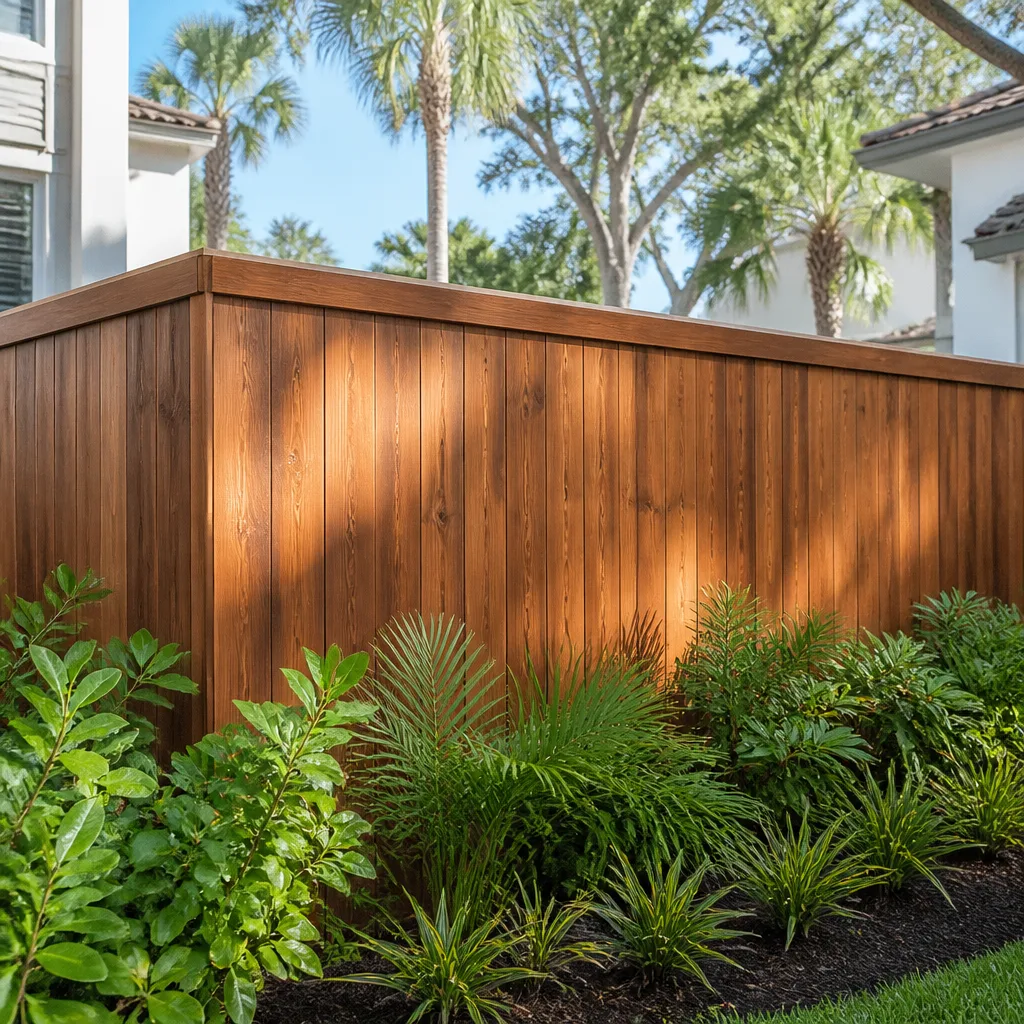
- Wood (pressure-treated or cedar). Actual install: 1 to 3 days. Full project: about 2 to 4 weeks including permits and locates. Wood is the fastest material to work with because posts and rails are cut and fitted on site, so there’s no panel-lead-time bottleneck. It’s also the most common fence we build in San Jose neighborhoods like Willow Glen and Cambrian, where the classic board-on-board look fits the lot lines.
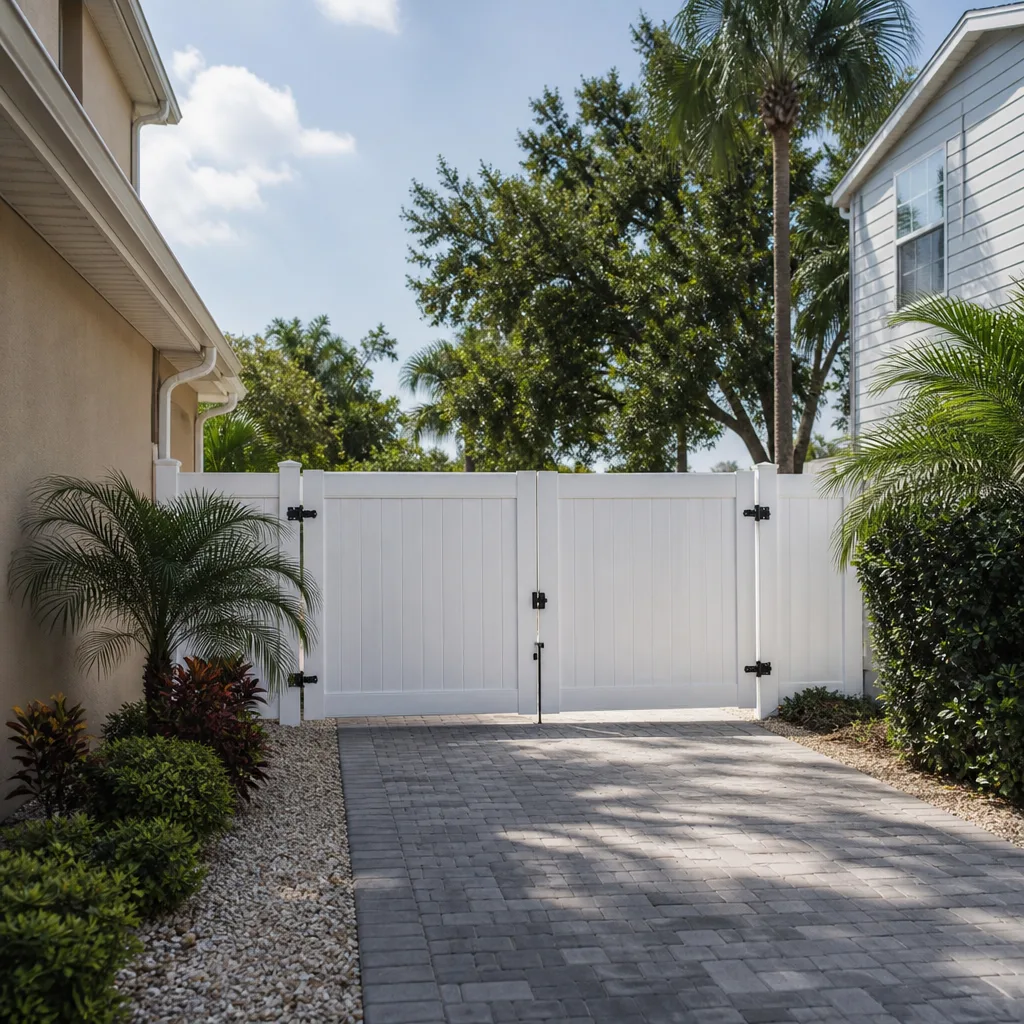
- Vinyl. Actual install: 1 to 2 days, often faster than wood once panels are on site because they click together. Full project: 2 to 4 weeks, but custom colors and non-standard heights can add 1 to 2 weeks of lead time. Vinyl holds up well against Bay Area sun without repainting, which is why we see a lot of it on newer builds around North San Jose.
- Chain link. Actual install: 1 to 2 days. Full project: often under 2 weeks because standard chain link is nearly always in stock and many simple residential runs don’t need a permit. The fastest option overall.
- Ornamental iron and aluminum. Actual install: 1 to 2 days for the panels, but the material is the long pole. Custom ornamental iron is fabricated to order, so expect 2 to 4 weeks of lead time, pushing the full project to 4 to 6 weeks. On the plus side, the build itself is clean and precise once panels arrive.
If you’re comparing materials for a fence installation in San Jose, our advice is to pick the material first, then set the timeline. Choosing a fence around a date rarely works; setting the date around a fence almost always does.
How San Jose Soil and Terrain Affect Your Timeline
Here’s where local knowledge earns its keep. San Jose is not a uniform dirt lot. The ground under your fence changes the schedule more than most homeowners expect, and it’s the factor no stock fence guide accounts for.
Much of the Santa Clara Valley floor – including neighborhoods around Willow Glen, Cambrian, and Santa Teresa – sits on clay-heavy soils. Clay expands and contracts with moisture, which is exactly why post holes in these areas need generous concrete footings and deeper setting. Digging the holes is fast; the curing is the catch. Concrete needs roughly 24 to 48 hours to set before you load a post with fence weight, and on a clay lot we don’t rush that. Tacking on a cure day is normal here, and skipping it is how posts end up leaning two seasons later.
Head into the hills – Almaden Valley, the East Foothills, parts of Evergreen – and you’re dealing with rocky, uneven terrain. Post holes that take minutes on flat valley dirt can take considerably longer when you’re working around rock, and the whole crew slows down. Add a day, sometimes more, for a hillside run. If your property has a slope along the fence line, expect the panel layout and gate fitting to take extra time too.
Dry, hard summer soil digs differently than winter soil, but the bigger variable is drainage. Low spots that collect winter rain may need the posts set deeper or the footing adjusted so water doesn’t undermine them come January. A good crew reads the ground before quoting a final schedule. In our experience, a fence line that looks simple on a site plan often has one or two spots – a buried root mass, a stretch of hardpan – that quietly add half a day.
Permits and Utility Locates: The Pre-Work Nobody Warns You About
This is the section most fence guides skip, and it’s the reason timelines blow up. Two pieces of pre-work – permits and utility locates – sit between your signed contract and the first post, and neither happens overnight.
Utility locates (the 811 call)
Before any digging, the utility locating service gets called so underground lines are marked. In California that’s an 811 request, and the standard is at least two working days’ notice before excavation. Realistically, budget 2 to 3 business days for marks to appear. This step is non-negotiable: hitting a buried gas or water line turns a two-day fence into an emergency repair and a red-tagged job site. Any contractor who wants to start digging without marks is one you shouldn’t hire.
Permit approval
Whether you need a permit depends on height, location, and your specific lot. General rule of thumb in San Jose: fences up to 6 feet in a rear or side yard typically don’t need one, but anything taller, anything in a front yard, and corner lots with visibility rules usually do. Fences in hillside or historic areas face extra review. A clean residential fence permit usually clears in 1 to 3 weeks. If you’re on a corner lot or in an overlay zone, add time.
The practical upshot: build 2 to 3 weeks of pre-work into your schedule before you assume the install date. Ask your contractor up front whether the job needs a permit and who’s pulling it, and confirm the 811 call is on their checklist. If you’re budgeting the whole project, our guide to Driveway & Pavers in San Jose covers how hardscape and fence projects are often sequenced together – the same permit-and-locate logic applies.
Bay Area Weather Windows and the Best Season to Install in San Jose
San Jose weather is kind to fence work compared to most of the country, but the seasons still matter. Here’s how the calendar actually plays out.
- Spring (March to May). Usually the sweet spot. Mild temperatures, soil that’s workable after winter rains drain, and long daylight. The one caveat: late-season rain can push a scheduled day, and clay soil holds moisture, which can extend cure times.
- Summer (June to September). Excellent working weather – dry, warm, reliable. The trade-off is hard, dry soil that’s tougher to dig and concrete that cures fast (which is good, but requires the crew to work efficiently). Summer is also the busiest season, so book earlier.
- Fall (October to November). Another strong window. Soil moisture is back after the dry summer, days are still workable, and the booking rush eases. A favorite for scheduling.
- Winter (December to February). The riskiest season. Rain can delay digging, concrete cure slows in cold and wet conditions, and saturated clay makes for messy footing work. Winter jobs aren’t impossible – Bay Area winters are mild – but expect weather-related reschedules.
The weather windows that actually matter: rain during excavation and curing, and extreme heat that bakes freshly poured footings. Wind is rarely a factor in San Jose. The best months for a low-drama install are April, May, September, and October. If you’re planning a larger exterior project alongside the fence, our Home Additions & ADU in San Jose work frequently overlaps with fence and site planning, and sequencing both around the dry season pays off.
Why Contractor Scheduling Creates the Most Delays
You might assume once the permit clears and materials arrive, the crew shows up and builds. Reality: crews run back-to-back projects, and your fence is one job in a queue. This is the single most common reason a “two-day fence” becomes a three-week wait – not the work, but the scheduling.
Here’s what happens. A contractor books your install date, then a bigger job runs long, or a weather day pushes everything, or a material delivery for another customer slips. Your start date slides. Homeowners who understood the schedule asked the right questions before signing and built in buffer. Those who didn’t are the ones calling us frustrated.
What to ask before you sign:
- What’s the realistic start window, and how firm is it? A good answer gives a range and explains what could move it.
- Will the same crew finish the job, or is it split across teams? Splitting is where quality and timeline both slip.
- Who coordinates the 811 call and the permit – you or us, and by when?
- What’s the plan if weather or a material delay hits?
- What’s in writing about the completion date? Get it in the contract.
Communication is the tell. When you’re choosing a company for a larger project, the same discipline that keeps a fence on schedule is what keeps a renovation on the rails – it’s a big reason our Groundwork Construction Co. of San Jose home page leads with the 730-Day Done Right Promise and live-person, 24/7 phone coverage. A contractor who answers the phone and puts the schedule in writing is a contractor who finishes.
Common Mistakes to Avoid
- Letting the crew dig before the 811 marks are in. Hitting an unmarked line can cause injury, damage service, and stop the job cold. Confirm the locate happened – don’t assume it did.
- Assuming no permit is needed without checking your lot. Height, front-yard location, and corner-lot visibility rules vary. In San Jose, a fence over 6 feet or one in a front yard usually needs a permit. Check first or you risk a correction later.
- Underestimating concrete cure time on clay soil. Loading posts before footings set is how fences end up leaning within a season. On San Jose’s clay lots, build in the cure day.
- Booking the busiest material order at the last minute. Custom vinyl and ornamental iron carry real lead times. Order early so the schedule doesn’t wait on a delivery truck.
- Ignoring hillside and rocky-ground reality. If your property in the East Foothills or Almaden Valley has slope or rock, expect the install itself to take longer. Get an on-site assessment, not a phone estimate.
- Skipping the written completion date. Back-to-back scheduling causes most delays. Put the timeline in writing so a slipped date has a documented standard to measure against.
- Forgetting winter drainage. A fence in a low spot that floods each rainy season needs footing adjusted for drainage. Overlook it and the ground undermines your posts within a few years.
When to Call a Professional
Some fence work is genuinely doable yourself: a short run of chain link on flat, clear ground, or a straightforward repair. But when the project runs into real territory – permits, hillside terrain, buried lines of unknown depth, or a full property perimeter – a trained crew keeps you safe and on schedule. Underground utilities are genuinely dangerous, and hitting one is a hard stop for the whole project. The same goes for anything that needs a permit and final inspection, or a gate that has to swing true for years.
Groundwork Construction Co. of San Jose offers free estimates in San Jose – call (833) 988-3521. Our technicians have up to 12 years of experience, every job is covered by the 730-Day Done Right Promise, and you get upfront pricing with no surprises. Calls are answered by a live person, 24/7.
Frequently Asked Questions
The install itself takes 1 to 3 days for a typical residential run of 100 to 150 feet, but the full project from deposit to finished fence usually runs 1 to 4 weeks once utility locates, permits, and material lead times are included. Custom ornamental iron and hillside lots can stretch to 5 or 6 weeks. Call (833) 988-3521 for a free estimate with a real timeline for your property.
Often yes, depending on height and location. Fences up to 6 feet in a side or rear yard usually don’t need one, but anything taller, anything in a front yard, and corner lots with visibility rules typically do. A clean residential permit usually clears in 1 to 3 weeks. Confirm before you dig – estimated quotes are free, so call (833) 988-3521.
Plan on at least two working days, and realistically 2 to 3 business days for marks to appear after your 811 request. Never dig before the marks are in. It’s the single most important safety step in the whole project.
Yes, especially on San Jose’s clay-heavy soils. Post footings typically need 24 to 48 hours to set before you load the fence weight, and we build that cure day into the schedule. Skipping it is why posts lean within a season. Call (833) 988-3521 for a timeline that accounts for it.
Chain link is the fastest overall, often under 2 weeks from start to finish because standard materials are nearly always in stock and simple runs often skip the permit. Wood and vinyl install in 1 to 3 days once on site; ornamental iron takes the longest because panels are fabricated to order.
April, May, September, and October are the sweet spots – mild, dry, workable soil, and less booking pressure. Summer works well but soil is hard and crews are busiest. Winter brings rain delays and slower concrete cure. Call (833) 988-3521 and we’ll help you pick a window that keeps the schedule clean.
The Bottom Line
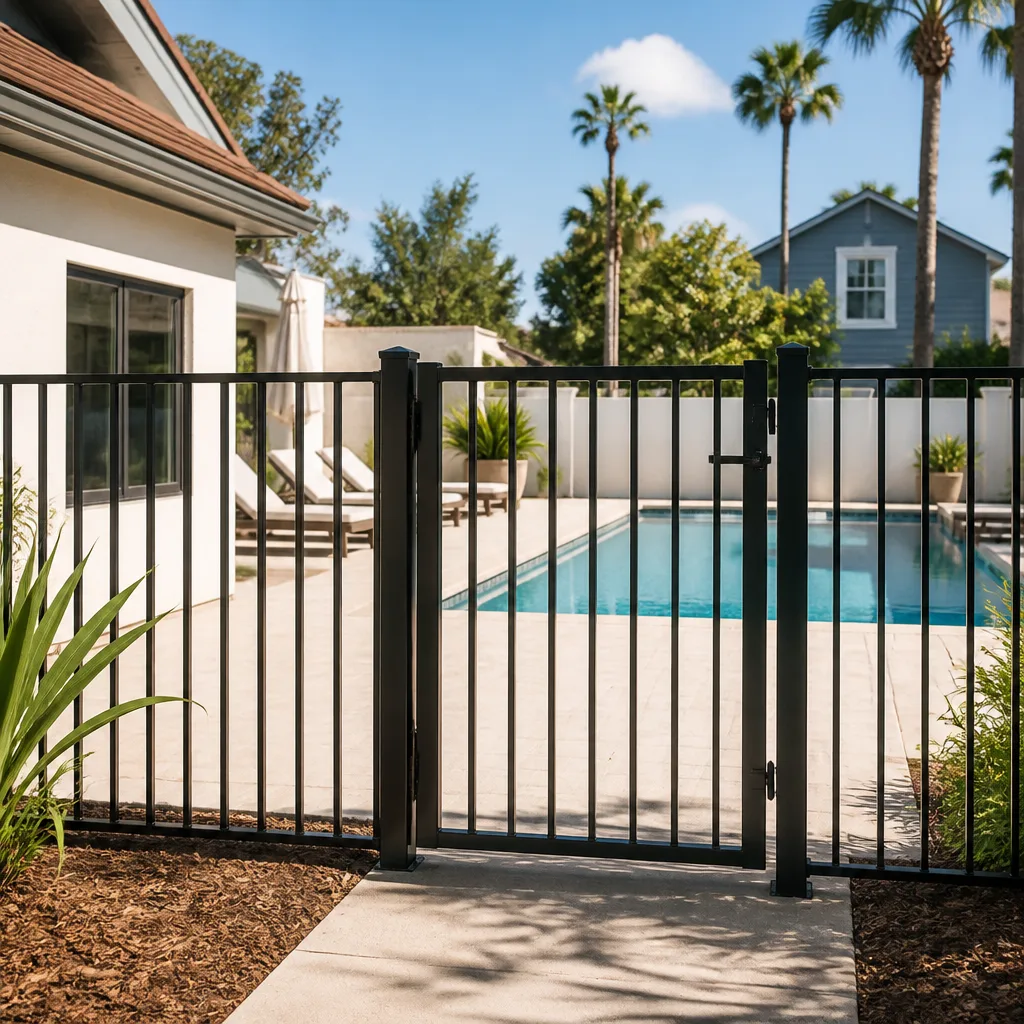
The fence itself is the fast part. The real timeline lives in the pre-work: the 811 locate, the permit, the material lead time, the soil under your lot. A standard San Jose fence installs in 1 to 3 days but runs 1 to 4 weeks end to end, longer for ornamental iron or hillside terrain. Pick your material before your date, build in cure time on clay soil, and get the schedule in writing. Understanding the sequence is what turns a three-week ordeal into a two-day build. That’s the whole game.
Ready to price your project? Call us at (833) 988-3521 for a free estimate and design consult. You’ll get upfront pricing with no surprises, every job backed by the 730-Day Done Right Promise, and a live person on the line 24/7 to walk you through the schedule from first call to finished fence.
Written by the team at Groundwork Construction Co. of San Jose.
See the difference
 Before
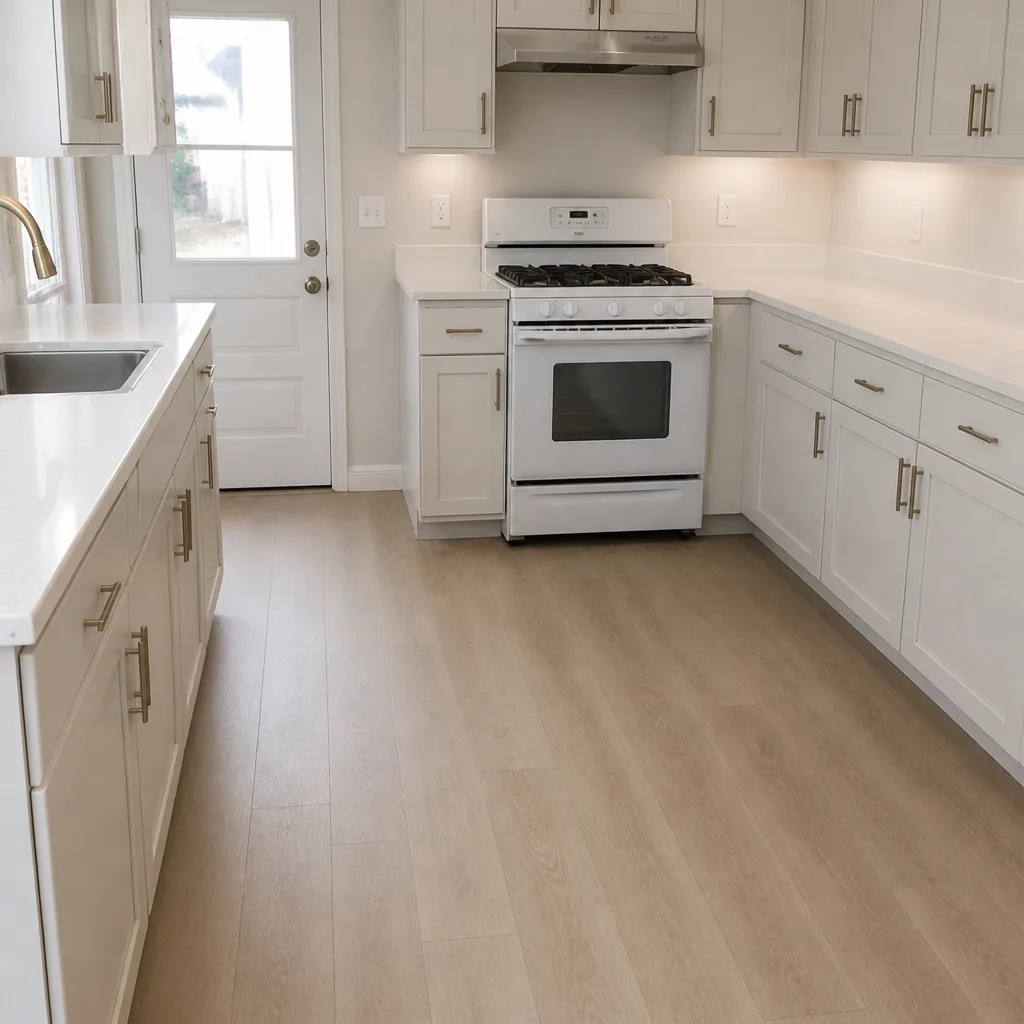 After
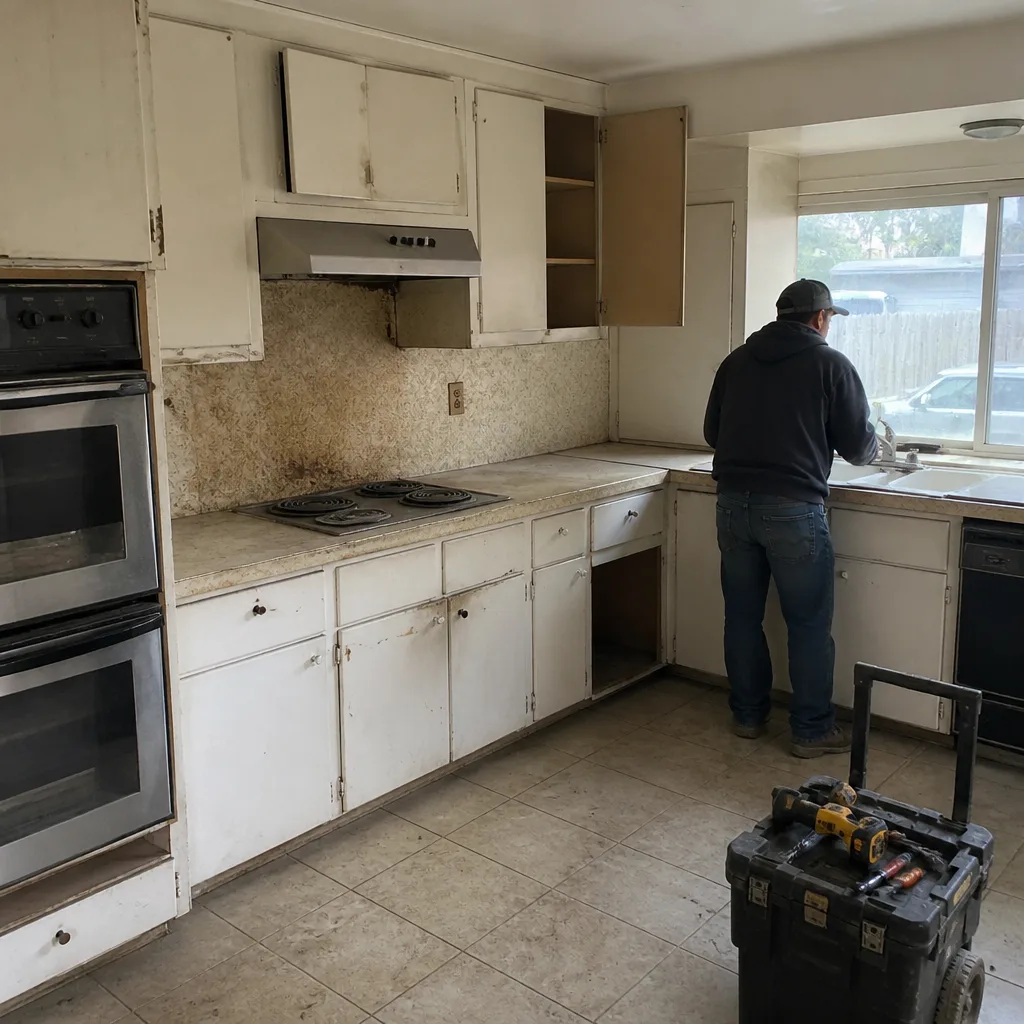 Before
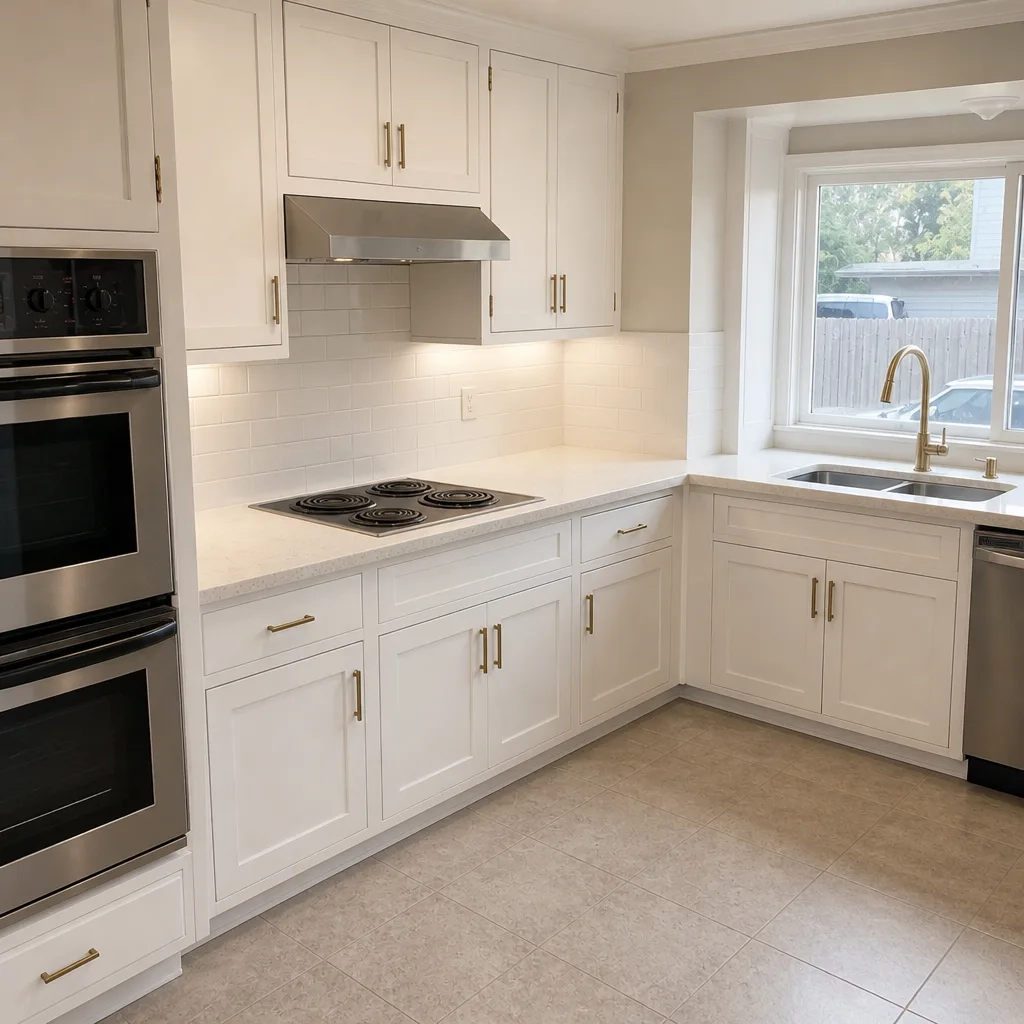 After
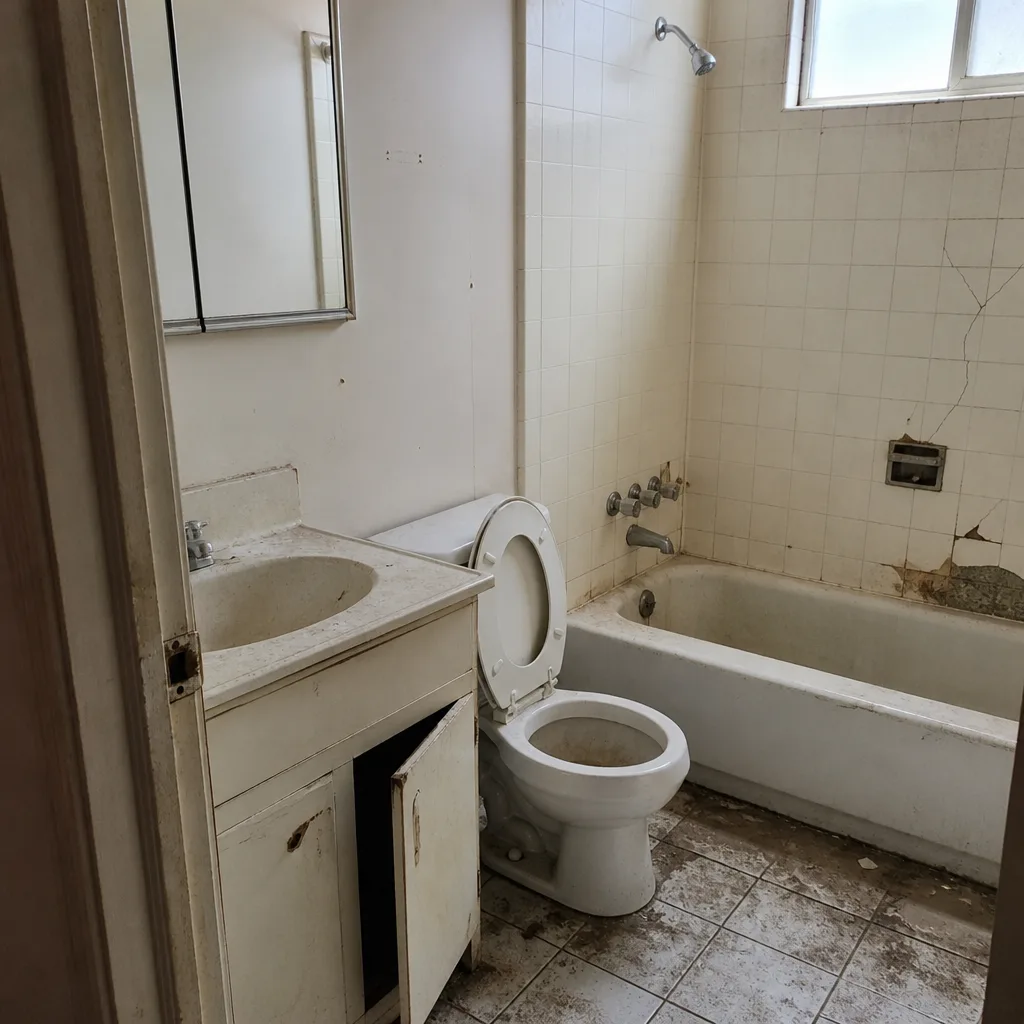 Before
 After