Last updated November 18, 2026

Free written scope consultation - allowances, timeline, and change-order rules on paper before a single trade is scheduled
How to Hire a Construction Contractor in San Jose: A Step-by-Step Guide
The most dangerous contractor red flag in San Jose isn’t a missing license. It’s a contractor who answers every question perfectly but never pushes back on your assumptions. Real builders tell you what won’t work, not just what you want to hear. If every idea you float gets an enthusiastic “absolutely, no problem,” you’ve learned something valuable before a single nail is driven. This guide teaches you to read a contractor the way a contractor reads a job site: by what they volunteer before you ask. You’ll learn how to verify a California license through the CSLB in under ten minutes, which interview questions separate real builders from subcontractor-stackers, how to read a bid structure, what a warranty actually means in California law, and how to structure payments that protect you without scaring off an honest San Jose contractor.
Quick Answer
To hire a construction contractor in San Jose, verify the contractor’s CSLB license number, bond status, and workers’ compensation coverage first, then interview two to three licensed builders, request line-item bids with clear allowance and change-order language, and set up a payment schedule tied to completed milestones rather than a large upfront deposit. The tell that separates a trusted San Jose contractor from a liability usually appears in the first conversation, well before you sign anything.
Styles & brands we work with
- Kitchen remodeling
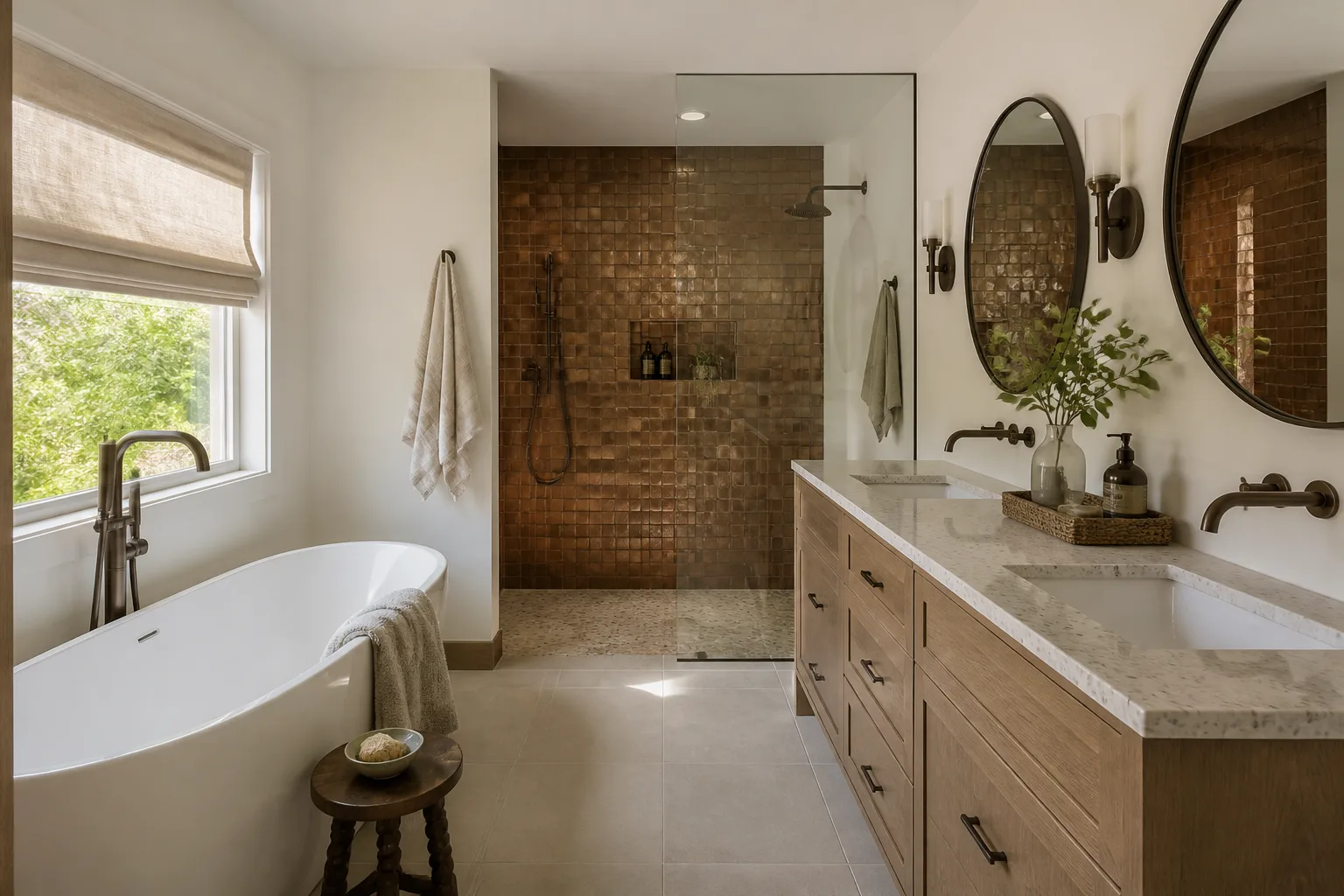
- Bathroom remodeling
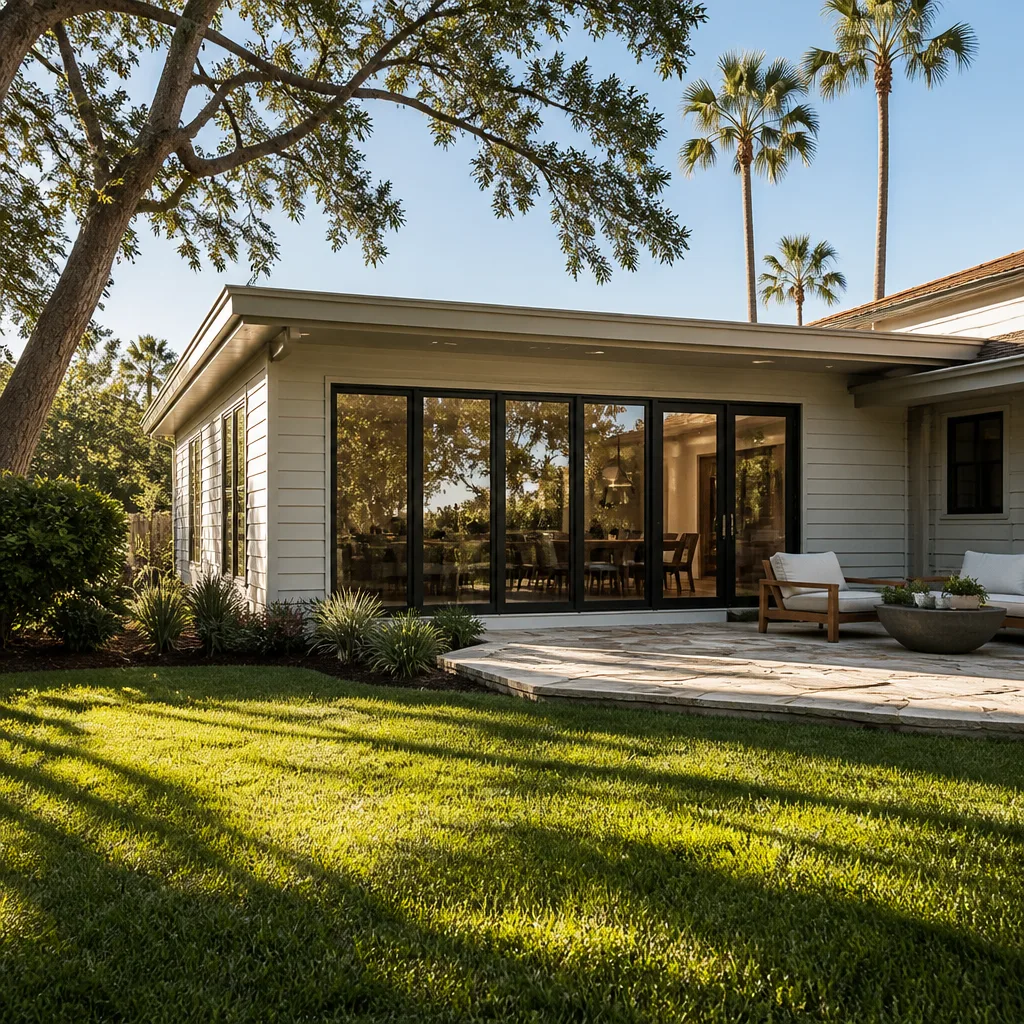
- Home additions & ADU
- Roofing
- Windows & doors
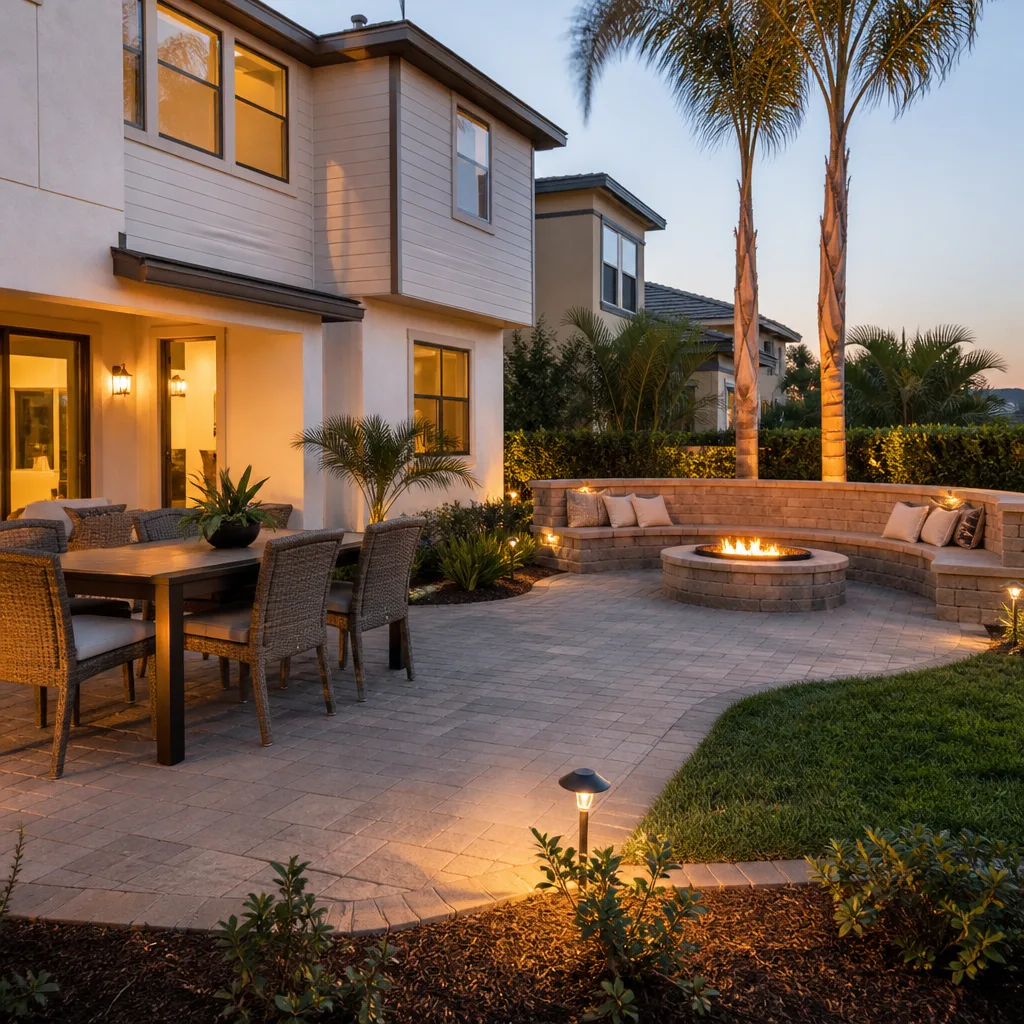
- Driveway & pavers
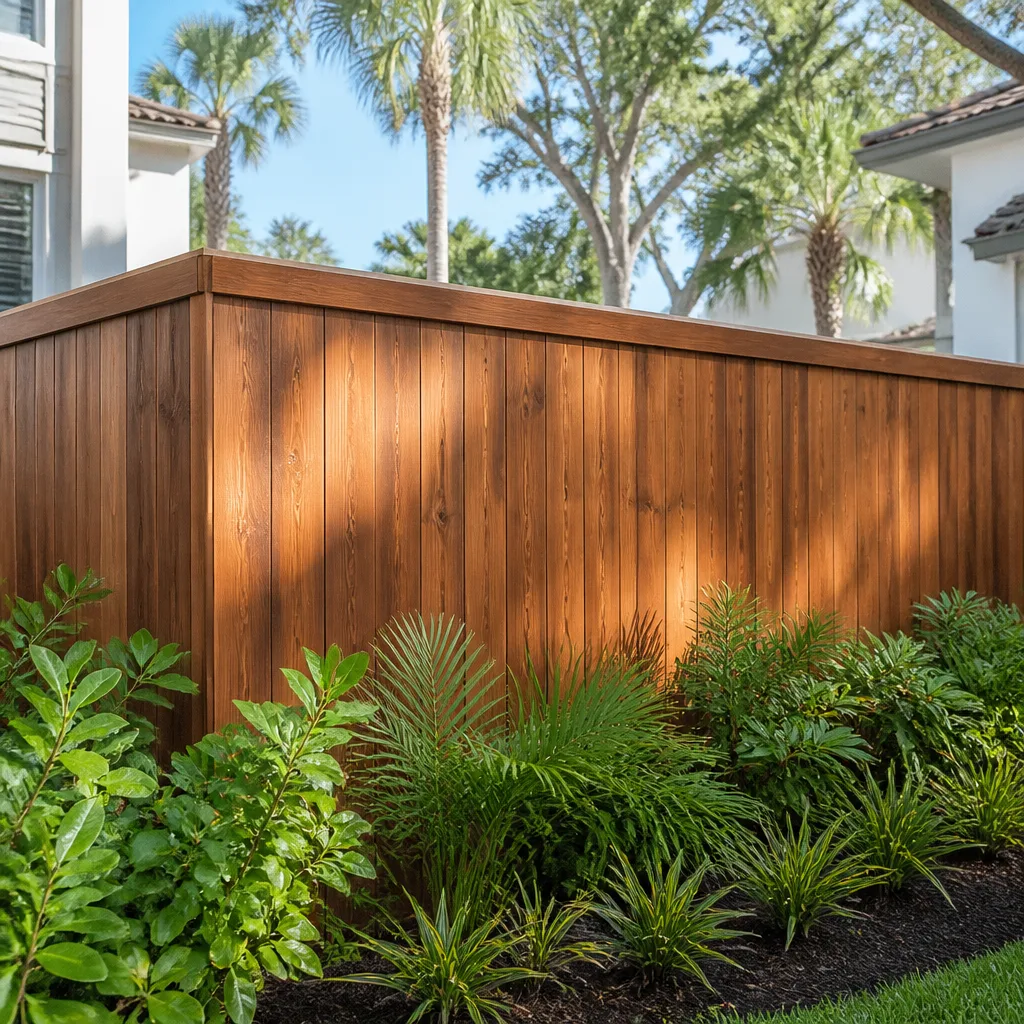
- Fence
Table of Contents
- Why the First Conversation Matters More Than the Contract
- How Do You Verify a Contractor’s License, Bond, and Insurance in California?
- What Interview Questions Separate Real Builders from Subcontractor-Stackers?
- How Do You Read a Bid for Transparency?
- What Does a “Warranty” Actually Mean in California Construction Law?
- How Should You Structure a Payment Schedule in San Jose?
- What San Jose-Specific Factors Should You Weigh Before Signing?
- What Signals Should Make You Walk Away?
Why the First Conversation Matters More Than the Contract
Contracts are written by lawyers, but red flags show up in the first five minutes of a phone call. A contractor who asks about your foundation type, your soil drainage, your roof pitch, or your HOA restrictions before quoting a price is a contractor who has actually done the work. A contractor who quotes a number before seeing the property is quoting a wish, not a project.
In our experience across San Jose job sites, the single most predictive pattern for a smooth project is this: the contractor volunteers information you didn’t ask for. They mention that your Eichler-era home in the Fairbrae neighborhood may have radiant heating coils under the slab you’ll want to avoid. They ask whether your Almaden Valley lot sits on a hillside grade that will require additional foundation work. They flag that the built-in bench you sketched for your bath remodel will force a toilet relocation that pulls a plumbing permit. These aren’t upsells. They’re evidence that the person across the table has been on enough jobs to see your project clearly.
What you’re searching for is a builder who tells you what won’t work. San Jose’s housing stock runs from mid-century ranchers in Willow Glen to newer high-density builds near Diridon Station, and every era of construction has its own quirks. A builder who pushes back on your assumptions before signing is a builder who will push back on a subcontractor before it cuts a corner. That’s the same instinct, applied twice, and it’s the quality that keeps projects on budget. If you want a second read on what a real full-scope builder looks like, our Groundwork Construction Co. of San Jose home page outlines how a single-contractor project from foundation to finish line keeps every trade accountable to one team.
How Do You Verify a Contractor’s License, Bond, and Insurance in California?
You verify a California contractor in under ten minutes through the Contractors State License Board (CSLB) website at cslb.ca.gov. Every licensed contractor in San Jose has a license number, and that number is public record. There is no excuse for skipping this step, and any contractor who hesitates to hand it over has just told you everything you need to know.
Here’s the exact process, step by step:
- Ask for the license number before the first meeting. Not “we’re licensed” but the actual number, usually formatted as a six or seven digit sequence. Write it down.
- Go to cslb.ca.gov and run “Check a License.” Type the number and look at the status. Anything other than “Active” is a stop sign.
- Confirm the classification matches your work. A Class B General Building Contractor can handle most remodels and additions. Specialty trades like roofing and electrical have their own classifications (C-39 for roofing, C-10 for electrical). A general contractor subcontracting to a licensed specialist is normal. A roofer operating on a B license with no C-39 is a problem.
- Check the bond status. California requires licensed contractors to carry a contractor’s bond, and the CSLB public record lists bond amounts and expiration dates. An expired bond means claims for defective work may not be recoverable.
- Confirm workers’ compensation coverage. If the contractor employs anyone, they must carry workers’ comp. The CSLB record shows this. If it doesn’t, you could be on the hook for injuries on your property.
- Look for complaints and disciplinary actions. The CSLB page logs formal complaints and any license suspensions. A handful of noise over twenty years is normal. A pattern in the last year is not.
- Check the “I’ve been burned” list. California publishes a Most Wanted list of unlicensed contractors facing warrants. It takes thirty seconds to check that name against it.
The license is the baseline, not the finish line. In a metro like San Jose, where demand has outpaced licensed capacity for a decade, unlicensed operators are common. They’ll often present a business license from the city or county and claim that’s the same thing. It isn’t. A city business tax certificate allows a contractor to operate but says nothing about competence, insurance, or bonding. The CSLB is the only check that matters. Do it yourself, do it in writing, and keep the printout.
What Interview Questions Separate Real Builders from Subcontractor-Stackers?
Two contractor categories dominate San Jose right now: full-scope builders who own the workflow from demolition to final inspection, and general contractors who stack subcontractors and act as a middleman. There’s room for both. But the two require very different questions and different expectations of accountability. The following interview questions draw the line.
- “Who is my direct point of contact, and how do I reach them at 7 p.m. on a Tuesday?” A true full-scope builder answers with a real system. A subcontractor-stacker usually offers a project manager’s voicemail.
- “What’s the name of the plumber, electrician, and framer you plan to use, and how long have you worked with them?” Vague answers or “we’ll figure that out” are a warning. A builder worth hiring has a stable bench and can name individuals they’ve run jobs with for years.
- “Who pulls permits, you or your subs?” On a legitimate San Jose project, the general contractor should pull the master building permit, even if subs pull their individual trade permits. If the GC tries to defer everything to the subs, you’re looking at a coordinator, not a builder.
- “What’s the last project you completed in San Jose that had a surprise you had to work through, and how did you handle it?” The answer tells you everything. Good builders laugh, name a specific job, and describe a fix. Bad builders insist nothing ever goes wrong.
- “Can I visit a project you’re working on right now?” Real San Jose builders have active job sites and can arrange a site visit. Stackers can’t, because their subs operate independently.
- “What’s your process when a change order comes up?” An honest answer: written change orders, signed before work proceeds, with a fixed price. Anything fuzzy is where cost overruns live.
- “Which material brands are standard on your projects?” Real builders have specific preferences. If you’re remodeling a kitchen, a builder who names KraftMaid cabinets and Kohler fixtures without prompting is a builder who’s thought about materials. Roofs using GAF or CertainTeed, windows from Andersen or Pella, fences in Bufftech or ActiveYards, pavers from Belgard or Unilock. Brand specificity is a proxy for craftsmanship standards.
Listen for pushback. A builder who says “I don’t think your vision for the master bath will work with the drain location you’ve got” is a builder who will protect your budget. Trust the person who tells you what’s hard. The one who agrees with everything is either inexperienced or telling you what you want to hear to close the sale.
How Do You Read a Bid for Transparency?
A bid isn’t a price. A bid is a document that tells you exactly what the contractor assumes about your project, and what they don’t. The gaps in a bid are where a San Jose homeowner gets surprised. Here’s what separates a transparent bid from a sales document.
Line-item detail. A real bid lists every phase of work with a dollar figure. Demolition, framing, rough plumbing, rough electrical, drywall, tile, cabinetry, countertops, paint, hardware, cleanup. A bid with three line items (“labor, materials, contingency”) is a placeholder. Ask for a rewrite or walk away.
Allowance clarity. Many bids include allowances for tile, fixtures, or finishes, which are placeholder costs the homeowner can adjust later. A transparent bid names the allowance amount, what quality level it assumes, and what happens if you go over. A bid that says “allowance for tile” with no number is a future argument.
Change order language. Look for explicit, written language explaining how change orders get priced, who approves them, and whether the contractor can charge for time-and-materials on unplanned work. Vague change-order language is one of the biggest sources of project blowups.
Excluded work list. Every bid should state what’s NOT included. Permits, inspections, haul-away, temporary power, tree protection during an ADU build. The exclusions list is where honest builders make themselves plain.
Schedule with milestones. Not a total duration, but actual milestones with dates. Demo complete by X, rough-in complete by Y, final inspection by Z. The schedule is not just optimism, it’s the contractor’s own commitment.
A quick way to benchmark against no-hassle upfront pricing, where the number you see is the number you pay, is to compare your line items side by side with what the contractor commits to in writing. If any line is softer in one bid than another, ask why before you sign.
What Does a “Warranty” Actually Mean in California Construction Law?
In California, the word “warranty” gets used freely, but what it actually obligates varies wildly. There are three layers to understand before you sign: manufacturer warranties on materials, the contractor’s workmanship warranty, and the implied warranties that exist in California law regardless of what the contract says.
Manufacturer warranties cover the products themselves. A GAF roofing shingle comes with a manufacturer warranty on the shingle. A KraftMaid cabinet comes with a manufacturer warranty on the cabinet box and hinges. These warranties do not cover installation errors, which is exactly where most premature failures originate. A 30-year shingle warranty is useless if the installers failed to properly seal the flashing.
Workmanship warranties are what the contractor promises about their own labor. In California, most residential construction contracts offer a one-year workmanship warranty as standard, though there’s no legal minimum in statute. A one-year warranty is what you’ll see from most San Jose contractors, and it’s the industry default. Anything less is worth questioning. Anything significantly longer is a real competitive advantage, because it means the contractor expects the work to hold up.
Implied warranties under California law include the implied warranty of merchantability and fitness for a particular purpose. For new construction and certain major remodels, California also has specific statutes around structural defects that extend well beyond a standard one-year warranty. If you’re building an ADU or a home addition in San Jose, these extended warranties matter and you should ask a construction attorney to review the contract if the dollar figure is significant.
Here’s the differentiation worth knowing about. Our work is covered by the 730-Day Done Right Promise, one of the longer workmanship guarantees available in residential construction. If something we built fails within that window, we make it right. That’s not a marketing line, it’s a written commitment that lives beyond the standard one-year workmanship window most contractors offer. When you’re interviewing San Jose contractors, ask specifically: what is your workmanship warranty, in months, and what does it cover? A contractor who recites “our warranty” without a number is telling you the warranty is a sales tool, not a real obligation.
How Should You Structure a Payment Schedule in San Jose?
California has some of the strongest laws in the country protecting homeowners on payment, and it’s worth knowing them before you talk numbers with a San Jose contractor. The general principle: your payment should follow completed work, never race ahead of it. Under California Business & Professions Code, a contractor generally cannot demand more than $1,000 or 10% of the contract price as a down payment, whichever is less. A contractor asking for 30% upfront is breaking the rules.
A well-structured payment schedule typically looks like this:
- Small deposit (5% to 10%) to lock in schedule and order materials. Never more than 10%. California caps it at $1,000 for smaller jobs.
- Second payment on demolition and rough-in. Paid after the site has been demoed and the rough trades (plumbing, electrical, framing) are inspected.
- Third payment on drywall and finishes begin. Paid at a visible milestone, not on a calendar date.
- Fourth payment on substantial completion. Paid after all work is complete but before final inspection.
- Final payment (5% to 10%) on final walkthrough and signed off inspection. Never release this until you’re satisfied and the permit is closed.
Require a written schedule with individual milestone payments itemized. If a contractor won’t put payment milestones in the contract, walk. Also ask about lien releases, which protect you from a subcontractor who wasn’t paid by the general contractor and files a mechanic’s lien on your property. A transparent contractor provides conditional lien releases at each milestone, which is exactly what the no-hassle upfront pricing model should look like in practice.
What San Jose-Specific Factors Should You Weigh Before Signing?
San Jose construction has its own local realities that no generic hiring guide will tell you. Knowing them puts you in a stronger negotiating position and catches red flags that a national checklist misses.
Permits go through the San Jose Department of Planning, Building, and Code Enforcement (PBCE). Building permits for a kitchen remodel, ADU, or addition flow through a specific portal and can take four to twelve weeks depending on project scope and current queue. ADUs in San Jose also require separate planning review for setbacks, and some neighborhoods near historic districts (Hanchett Park, Vendome, Sherman Oaks) require additional design review. A contractor who doesn’t mention permit timelines when promising a start date is either lying or inexperienced. On the other hand, a contractor who pulls permits and passes inspections as promised is the standard you should hold to.
Seismic retrofit requirements. San Jose has specific soft-story retrofit requirements for certain multi-unit buildings and encourages voluntary retrofit for single-family homes. If you’re remodeling a home built before 1980, the conversation should touch on seismic upgrades, especially for cripple walls and foundational bolting. A contractor who skips this topic is either cutting corners or making assumptions about your project that could cost you later.
Climate and soil. San Jose sits in a mild Mediterranean climate, but the Santa Clara Valley’s expansive clay soils expand and contract with seasonal moisture, which stresses foundations and can cause settling. Driveway pavers on San Jose properties often heave within five years if the sub-base isn’t prepped for clay. Roofs in neighborhoods with mature tree canopy, especially near Rose Garden and Willow Glen, face higher debris accumulation and moss growth. A contractor who accounts for these local realities upfront is a contractor who will build something that holds. If you’re looking at outdoor work specifically, the team at our Driveway & Pavers in San Jose page explains how the local sub-base prep differs from other California markets.
Historic and architectural review. Some San Jose properties sit inside historically designated areas where exterior materials and color choices need to go through design review. Fence installations, in particular, can run into HOA and design review requirements that add weeks to a project. Our Fence Installation in San Jose team works through these regularly.
What Signals Should Make You Walk Away?
The signals are almost always there if you know what you’re looking for. Here are the ones worth taking seriously.
- Cash-only, no contract. A contractor who offers a cash discount for skipping the written contract is offering to give up every legal protection you have. California requires written contracts above $500 in value.
- High-pressure discounts that expire today. A builder who can give you 20% off if you sign within 24 hours is a sales operation, not a construction operation.
- No physical business address listed on the CSLB record. If the record shows a P.O. box or no address, you can’t serve them if something goes wrong.
- Asks for a large deposit immediately. Over 10%, or over $1,000 on smaller jobs, means either they’re broke or they’re not licensed. Either way, walk.
- No written schedule. A verbal “we’ll start next month” is a placeholder for a start date the contractor doesn’t actually know.
- Doesn’t ask about your property. A contractor who never asks about your foundation type, roof age, or drainage is a contractor who hasn’t done the job in San Jose before.
- Refuses to name specific brands or trades. A full-scope builder names their preferred materials and their subcontractors. The stackers don’t.
One practical way to test any of these: ask for two references from projects completed in the last six months within 15 miles of your address. Then actually call them and ask about follow-up after the job was done. What a San Jose contractor’s past clients say about their post-completion responsiveness is the single best predictor of whether your warranty will be real. For a deeper look at what a full-scope build actually looks like on the ground, the team at our Home Additions & ADU in San Jose page walks through the standard workflow of a permitted San Jose addition.
Common Mistakes to Avoid
- Hiring on price alone. The lowest bid on a San Jose kitchen remodel is often 15% to 20% below the honest market rate, because it omits key line items that surface as change orders two months in. Go with the middle bid on a licensed, transparent builder.
- Not verifying the CSLB record yourself. The contractor’s word that they’re licensed is not verification. The CSLB website is the only verification. Print your results and keep them.
- Skipping workers’ comp and bond checks. Both live on the CSLB record and both protect you if something goes wrong on your property. A two-minute check on each saves you from a five-figure liability.
- Accepting vague allowance language. “Allowance for tile” with no dollar figure is where ten-thousand-dollar overruns live. Insist on specific allowance amounts for every finish category.
- Paying too much upfront. California caps residential down payments at $1,000 or 10%, whichever is less. Contractors asking for 30% are legally out of bounds.
- Trusting “full warranty” without a number. Any warranty that isn’t stated in months in the contract is a sales phrase, not a legal obligation. Ask for the workmanship warranty in writing with a defined window.
- Ignoring local permit timelines. San Jose PBCE permits for a substantial remodel routinely take four to twelve weeks. A contractor who promises a fast start without mentioning permit lead times isn’t being honest with you.
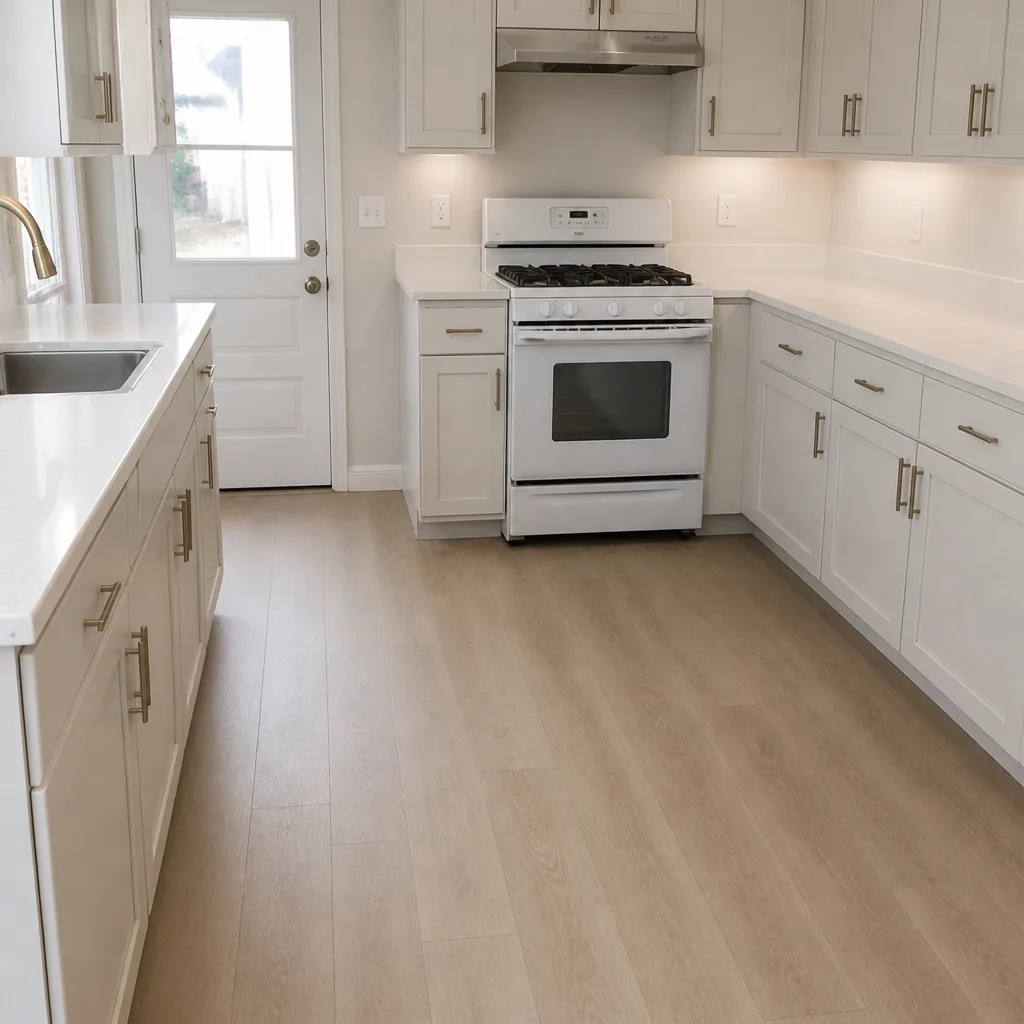
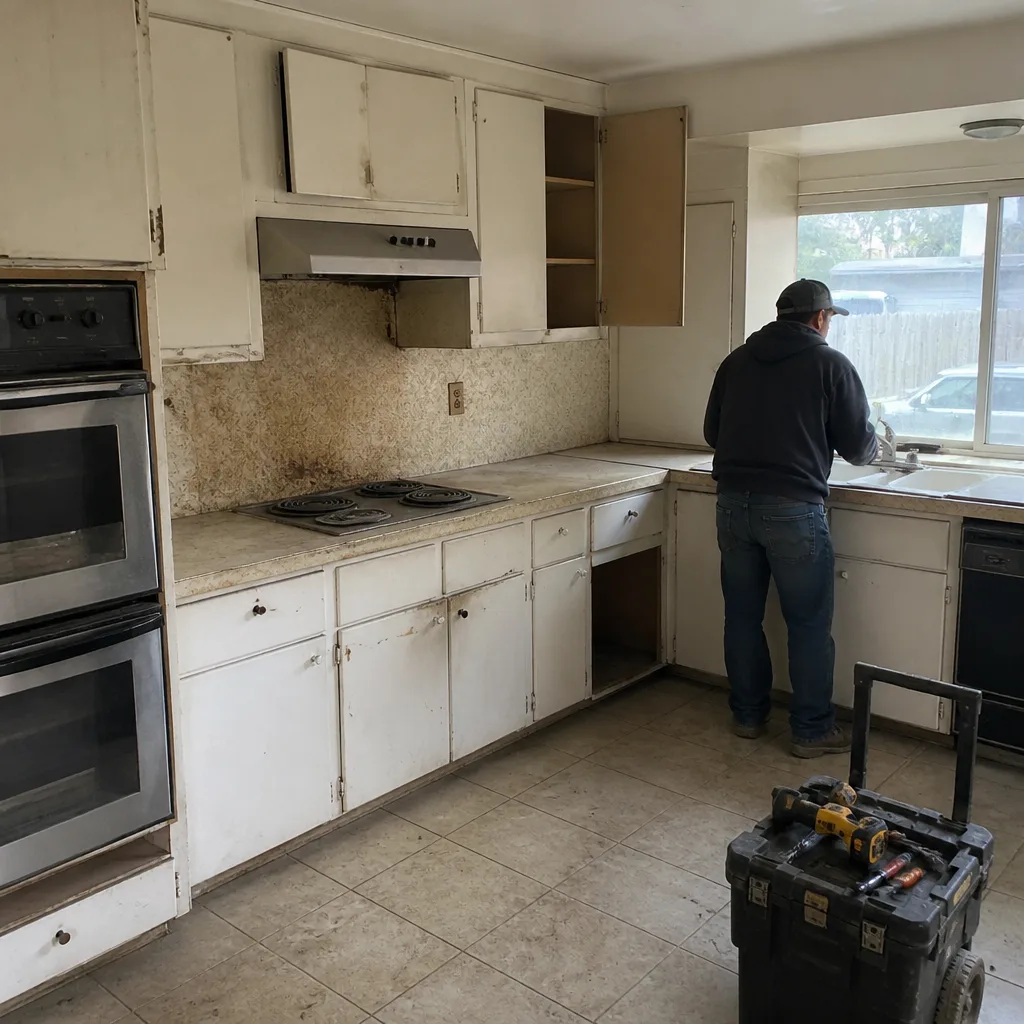
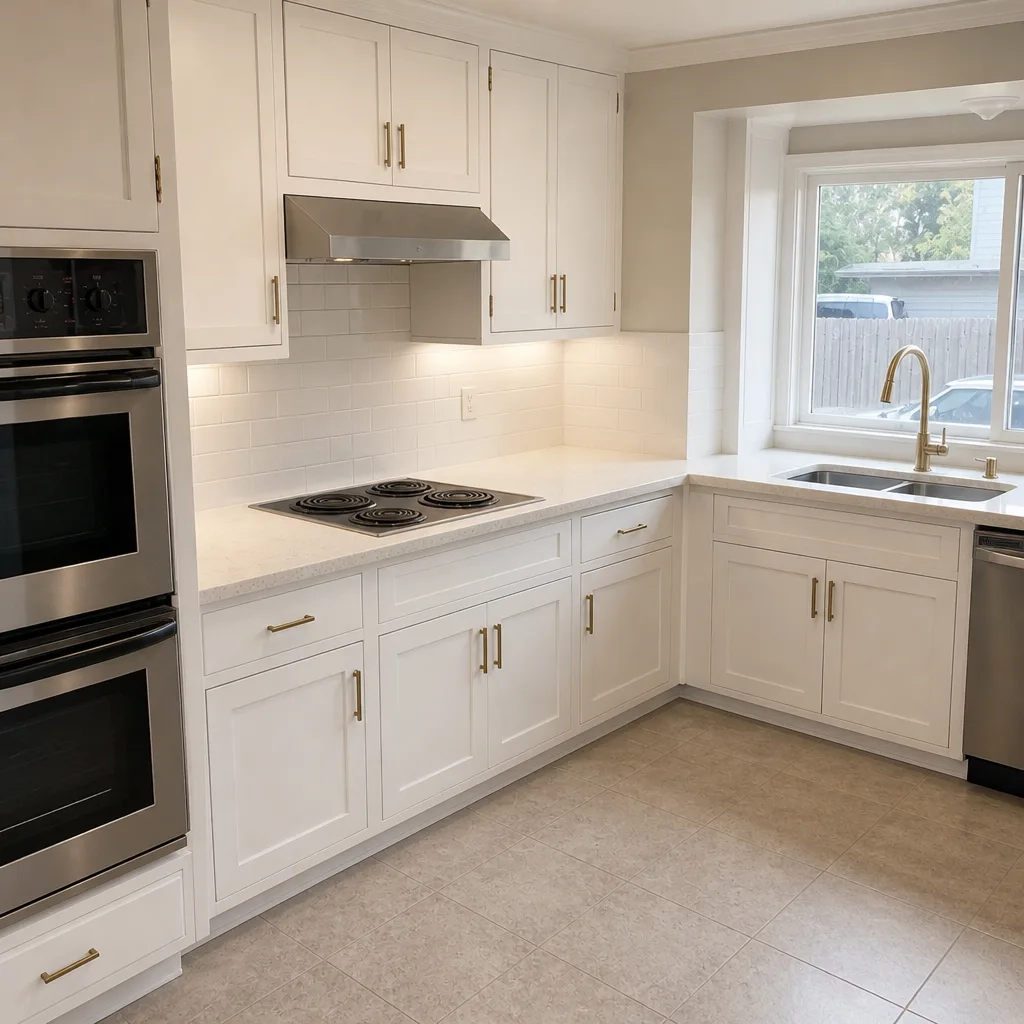
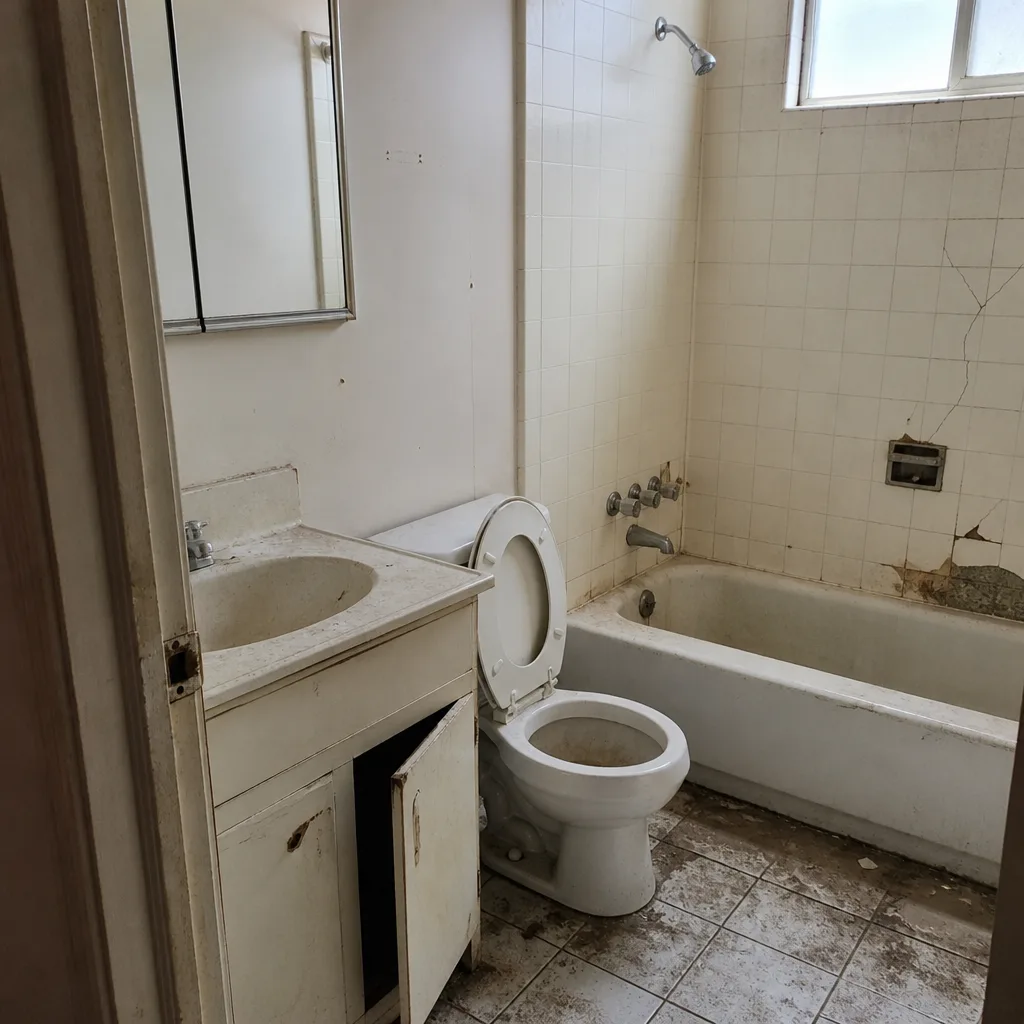
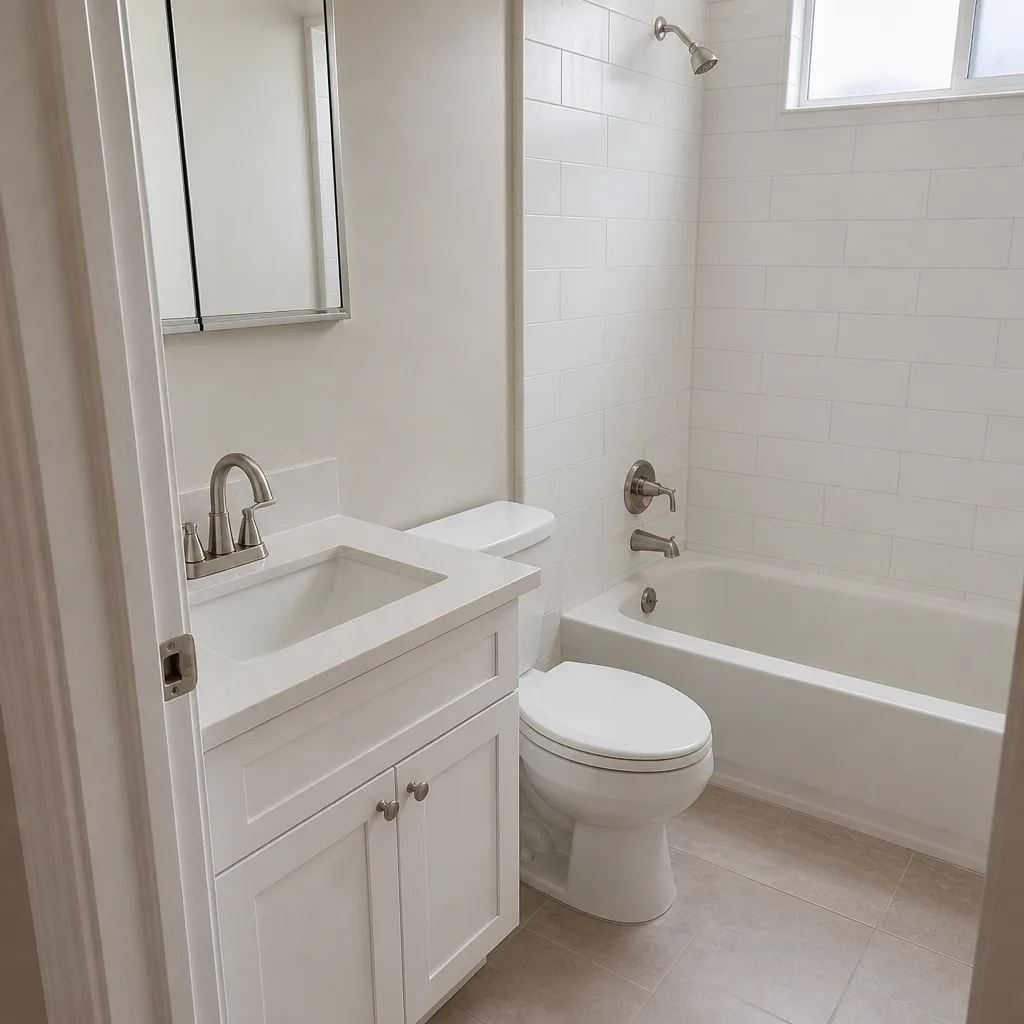
See the difference
 Before
 After
 Before
 After
 Before
 After
When to Call a Professional
Some work is genuinely a weekend project. Hanging a door, painting a room, replacing a ceiling fan. Most meaningful construction on a San Jose property is not, and the cases where you need a licensed professional are the ones where the risk exceeds the DIY payoff. Call a licensed contractor when you’re touching load-bearing walls, when you’re moving plumbing or electrical, when you’re roofing, when you’re building an addition or ADU, or whenever the project requires a permit through the San Jose PBCE. Anything under a slab, anything that holds up a roof, anything that carries water or gas or electricity, and anything that changes the footprint of your home belongs in the hands of a licensed builder who is bonded and carries workers’ comp. The cost of hiring right is a fraction of the cost of getting it wrong.
Groundwork Construction Co. of San Jose offers free estimates in San Jose. Our technicians have up to 12 years of experience, arrive in uniform, and calls are answered by a live person 24/7. Call (833) 988-3521 to schedule your free estimate and design consult.
Frequently Asked Questions
Verification takes ten minutes on the CSLB website at cslb.ca.gov. Ask the contractor for their license number, then use the “Check a License” tool to confirm active status, correct classification, bond status, and workers’ compensation coverage. Do this yourself even if the contractor gives you a printout. Call (833) 988-3521 if you’d like to walk through what a clean CSLB record should show.
California caps residential contractor deposits at $1,000 or 10% of the contract price, whichever is less. Any contractor asking for more than that upfront is legally out of bounds. The rest of the payment should be paid at milestone completions, with a final 5% to 10% held until the final walkthrough and closed permit. Call (833) 988-3521 for an upfront pricing estimate so you know what the total should look like before you sign.
Most San Jose contractors offer a one-year workmanship warranty as the standard minimum. Some offer longer, and those are the ones worth prioritizing in your interviews. Our work is covered by the 730-Day Done Right Promise, which is one of the longest workmanship guarantees in residential construction. Ask every contractor to state their warranty in months, in writing, before signing.
Yes, in almost every case. Kitchen and bathroom remodels in San Jose require permits through the Department of Planning, Building, and Code Enforcement (PBCE) any time plumbing, electrical, gas, or mechanical work is touched, and even more so when structural walls are moved. Permit timelines typically run four to twelve weeks. A contractor who offers to skip the permit is putting your property sale and insurance coverage at risk. Call (833) 988-3521 to discuss permit-included projects.
A stacker can’t name their actual tradespeople, can’t visit an active job site with you, and handles scheduling through a phone line instead of a system. Ask for the specific plumber, electrician, and framer they plan to use, ask how long they’ve worked with them, and ask to visit an active project. Legitimate San Jose full-scope builders answer all three comfortably. Call (833) 988-3521 to learn more about how our full-scope approach works.
We work across San Jose and the surrounding Santa Clara County communities, including Willow Glen, Almaden Valley, Rose Garden, Cambrian Park, Evergreen, and the surrounding areas. Calls are answered by a live person 24/7. Call (833) 988-3521 to schedule a free estimate at your address.
The Bottom Line
Hiring a construction contractor in San Jose is less about the paperwork and more about reading the person across the table. The signals that matter are all available before you sign: a CSLB record you checked yourself, an interview where the contractor pushed back on your assumptions, a line-item bid with clear allowances, a warranty stated in months, and a payment schedule tied to completed work. Verify, interview, read the bid, structure the payments, and listen for what the contractor volunteers. The right builder will hand you the truth before you ask. Groundwork Construction Co. of San Jose offers free project estimates, upfront pricing with no surprises, 0% financing for 18 months, and $1,000 off projects over $10,000. Call (833) 988-3521 to schedule your free estimate.
Written by the team at Groundwork Construction Co. of San Jose.