Last updated November 18, 2026


Free written scope consultation - allowances, timeline, and change-order rules on paper before a single trade is scheduled
Fence Installation Warning Signs Every Homeowner Should Know
A fence that leans six months after installation isn’t a materials problem. It’s a contractor problem that was visible on day one, if you knew what to look for. The worst fence contractors don’t arrive with red flags and bad reputations. They arrive with the lowest bid, a smile, and a one-page contract full of gaps. By the time the posts sag or the panels warp, they’re three jobs into the next county and not answering their phone. This guide walks you through the warning signs most San Jose homeowners miss, from the first quote to the 90-day inspection you should do yourself. It’s the checklist we wish every homeowner had before they signed anything.
Quick Answer
The clearest fence installation warning signs are vague material specs in the contract, no soil or post-depth assessment in the quote, missing warranty language, and a contractor who tells you a San Jose permit isn’t required when code actually requires one. If a bid skips those details, the contractor is signaling they’ll cut corners on the parts of the job you can’t see after the panels go up.
Styles & brands we work with
- Kitchen remodeling
- Bathroom remodeling
- Home additions & ADU
- Roofing
- Windows & doors
- Driveway & pavers
- Fence
Table of Contents
- What Warning Signs Hide in the First Quote?
- Why Soil Assessment and Post Depth Are Structural Signals
- The Contract Language That Exposes Contractor Intent
- The San Jose Permit Red Flag Nobody Talks About
- On-Site Behavior During Installation: What to Watch
- How to Spot a Fence Failing in the First 90 Days
- What a Legitimate Fence Contractor Looks Like
- Frequently Asked Questions
What Warning Signs Hide in the First Quote?
The quote is where a contractor tells you exactly how they intend to do the job. It’s also where they hide what they plan to skip. A firm number with no line items, no material brands, and no post specifications isn’t a quote. It’s a guess dressed up as a price. The low bid on a San Jose fence job usually wins for one reason: it omits work the other bids include.
Here’s what a warning-sign quote looks like:
- One number, no breakdown. No line items for lumber, posts, concrete, hardware, or labor. You can’t audit what you can’t see.
- No material brand names. “Cedar fence” tells you nothing. Which grade? Kiln-dried or green? From where? Legit contractors name their sources the way roofers name GAF or Owens Corning.
- No post spacing spec. Standard is 8 feet on center for most residential fencing, but the number should be written down.
- No mention of gravel drainage. Every post hole in a properly built fence gets a gravel base. If it’s absent from the quote, it’s absent from the hole.
- No permit line. San Jose requires a permit for most fences over 6 feet, and a contractor who won’t list it either doesn’t know or doesn’t want you to know.
- Same price for every property. Every San Jose lot is different. A contractor quoting the same flat number for a Willow Glen bungalow and a hillside property in Almaden Valley isn’t measuring. They’re guessing.
A quote that lists post depth, concrete mix, drainage, permit responsibility, and warranty terms in writing is a contractor who expects to be held to those terms. That single document tells you more than any reference.
Why Soil Assessment and Post Depth Are Structural Signals
A fence doesn’t fail at the panel. It fails at the post. Every post sits in soil that either holds it or lets it go, and the depth it’s set at decides the outcome. When a quote skips soil assessment, it’s telling you the contractor plans to set posts at whatever depth is easiest, not what your yard requires.
Here’s what we look at on every San Jose property before we ever quote a fence:
- Soil type and drainage. Much of San Jose sits on clay-heavy soils that hold water, especially in older neighborhoods like Willow Glen, Rose Garden, and the Alameda. Clay expands when wet and shrinks when dry, and that cycle pushes posts loose within a year if the hole wasn’t dug deep enough or wasn’t backfilled with gravel.
- Post depth below the frost line and below the active soil zone. Around San Jose, that typically means 24 to 36 inches depending on the fence height and site conditions. Shallow two-foot holes are the number one cause of leaning fences we get called to replace.
- Concrete mix consistency. A hole filled with concrete that’s been overwatered sets weak and cracks under load. A proper mix, cured correctly, anchors a post for decades.
- Gravel drainage layer at the base. Six inches of gravel under the concrete lets water drain away instead of pooling against the post. Skip it and the post rots from the bottom up while the panels above still look fine.
- Slope and grade. Hillside properties in Almaden Valley and the eastern foothills need stepped or racked fence design. A contractor who quotes a flat run for a 10-foot grade change is going to improvise on install day, and improvised fencing is fencing that fails.
None of this shows up in the finished product for years. That’s exactly why the quote is the only place to catch it before it’s a problem.
The Contract Language That Exposes Contractor Intent
Contracts don’t lie. Contractors do, but the paperwork usually tells on them if you know where to look. The phrases a contractor refuses to put on paper, or the vagueness they allow when they could be specific, are direct signals of how they plan to behave when the work gets hard.
Watch for these gaps:
- “Materials: fence-grade lumber.” That phrase is worthless. A real contract names the wood species, grade, treatment, and dimensions.
- “Posts set to industry standard.” Whose standard? Get a depth range in writing, typically a specific number in inches.
- No warranty clause at all. Fencing built to last should carry a written workmanship guarantee, and its absence should send you walking. Groundwork Construction Co. covers every fence project under its 730-Day Done Right Promise, which is the kind of written accountability you should demand from anyone bidding your property.
- Vague change-order language. “Additional costs as needed” is a blank check. A proper change-order clause defines scope and price before work proceeds.
- No start or completion window. Fencing that runs weeks long usually means the contractor took on too many jobs, not that the work is complex.
- Cash-only payment. Cash-only is fine for a small repair. For a four-figure fence, you want a paper trail, a receipt, and a payment schedule tied to milestones, not deposits paid in full up front.
A contract should be specific enough that two strangers could read it and know exactly what’s being built, out of what, at what depth, for how much. If yours doesn’t pass that test, get another contract.
The San Jose Permit Red Flag Nobody Talks About
Here’s the warning sign that should end the conversation: a contractor who tells you “you don’t need a permit for that.” In San Jose, fences over 6 feet tall, fences on certain property lines, and fences near corner sightlines typically require a building permit. The exact requirements depend on your zoning and location, but the rule of thumb matters. A contractor who says you’re exempt is either ignorant of local code or knowingly skipping the process.
Either answer should stop you.
Why it matters so much:
- Permits trigger inspection. Inspection catches shallow posts, missing gravel, and undersized footings before they’re hidden under panels.
- Unpermitted fences become a problem when you sell. San Jose real estate transactions regularly surface unpermitted improvements as disclosures and negotiation points. An unpermitted fence can turn a clean sale into a delayed one.
- Disputes with neighbors over fence height and placement get resolved through the permit record. No permit, no record, no leverage.
- Insurance claims. If a fence blows over onto a neighbor’s car or a retaining wall, your insurer will want documentation that it was installed to code.
Ask any contractor bidding your fence: “Are you pulling the permit?” If the answer is “you don’t need one” without a look at your plat and zoning, that’s not a shortcut. It’s a backdoor for cutting the corners the inspection would catch.
On-Site Behavior During Installation: What to Watch
You can’t watch every post hole. But you can watch the first hole and know what to expect for the next forty. The install is a live audition of the contractor’s work habits, and the shortcuts that cause six-month failures look completely normal if you don’t know what you’re seeing. Here’s a short list to keep in mind on install day.
- Skipping the gravel layer. When the auger pulls soil out of the hole, gravel should go in, then concrete. If you see concrete poured straight into bare dirt, stop the job and ask. It’s a quick conversation now and a rotten post in two years if you don’t.
- Mixing concrete too thin. Concrete should be a stiff, scoopable mix, not a soup you can pour like water. Too much water weakens the set and cracks under seasonal soil movement.
- Setting posts without a level check. Every post should hit a level and a plumb line, and every panel run should be shored while concrete cures. Posts that wobble the day they’re set wobble in June.
- No string line or measurement check. Straight fence lines come from strings and lasers, not eyeballs. Ask to see the string line if you can’t spot one.
- Crews that show up in an unmarked van, no uniforms, no introductions. A professional contractor sends background-checked, uniformed technicians and puts their name on the job. Groundwork’s technicians arrive uniformed and background-checked on every project, which is the baseline, not a perk.
- Cleanup pressure. A crew that’s rushing the finish usually rushed the middle too. Proper installs take the time they take, usually one to three days for a typical residential run in San Jose, not a half-day.
The pattern matters more than any single moment. If a crew is cutting corners you can see, assume they cut the ones you can’t.
How to Spot a Fence Failing in the First 90 Days
Ninety days is the window where structural shortcuts reveal themselves. A properly built fence still looks level and tight on day 90. A fence thrown up quickly is already showing its tell. Here’s the walkaround we recommend every homeowner does twice, once at 30 days and again at 90.
- Movement at post bases. Push on each post at shoulder height. A properly set post barely moves. A post that rocks or wiggles is sitting in shallow concrete or wet clay, and it will get worse.
- Uneven panel gaps. Look down the fence line from one end. Panels should be evenly spaced and level. Widening or narrowing gaps mean posts shifted after set, usually because the concrete mix was too wet or the post wasn’t braced.
- Rust around hardware. Rust on screws or brackets within 90 days means the contractor used uncoated or interior-grade fasteners on an exterior job. Coastal-influenced weather in San Jose, especially in neighborhoods closer to the bay, accelerates that corrosion.
- Warping or twisting panels. Green or unseasoned lumber will twist as it dries, and it shows up fast. Kiln-dried material from brands like Boral or CWS holds shape; ungraded lumber doesn’t.
- Water pooling at post bases. Standing water after a rain means grading or drainage was never handled. It’s the leading cause of rot at the base of the post.
- Sagging gates. A gate that drags or won’t latch by the 90-day mark has undersized hardware or a post that’s settling. Both are install problems, not user problems.
Document what you see with photos and dates. If the install is covered under a written workmanship warranty, that documentation is what backs up your claim.
What a Legitimate Fence Contractor Looks Like
The best way to spot a bad contractor is to know what a good one looks like. A legit contractor doesn’t avoid the hard questions. They anticipate them, and their quote and contract are already answering the objections most homeowners haven’t thought to raise yet. When you see the pattern, the bad ones become obvious.
What you should see from any fence contractor bidding your San Jose property:
- Upfront pricing in writing. Line-item scope, material brands, post depth, and a firm total. No “starting at” pricing, no “we’ll figure it out on site.”
- A written workmanship warranty. Multi-year, in plain language, with a clear process for claims. Groundwork’s 730-Day Done Right Promise is the standard we hold every fence project to, and every contractor should be held to something comparable in writing.
- Permit responsibility spelled out. Who pulls the permit, who schedules the inspection, and what happens if the inspection fails.
- Live phone access. You should be able to reach a person during the project. Groundwork answers calls with a live person 24/7 precisely because the question at 6 p.m. on install day shouldn’t wait until Monday.
- Named material partners. Brand-name materials on the quote, from brands you can look up, in every category.
- A walkthrough at completion. Not a wave from the truck. A real walkthrough with the crew lead, a punch list, and the warranty documents in your hand.
If a contractor checks five of those six boxes, you’ve got a serious bid. If they check fewer than three, keep looking.
Where San Jose Homeowners Get Burned Most Often
Some fence failures are more common in certain parts of San Jose than others, and knowing where your property falls helps you ask better questions. We’ve seen the same patterns repeat across thousands of homes in this climate.
Hillside properties in Almaden Valley, Evergreen, and the eastern foothills. Grade changes are steeper, water runs downslope fast, and a flat-run install will fail at the first rainy season. The quote should show stepped or racked design and specific drainage detail.
Older neighborhoods near downtown, like Willow Glen, Rose Garden, and the Alameda. Soil is older, more compacted, sometimes clay-heavy. Post depth matters more here than on newer fill lots, because shallow posts in clay heave and settle seasonally.
Corner lots and sightline-adjacent properties. San Jose has specific height and setback rules at intersections for driver visibility. Contractors who don’t know the code and skip the permit process put you in violation without telling you.
HOA properties across North San Jose and the Cambrian area. HOA architectural review is separate from the city permit and can force a fence rebuild if the design isn’t pre-approved. A contractor who doesn’t ask whether you’re in an HOA and whether the design is approved is skipping a step that’s expensive to fix later.
Every one of these patterns has a version of the same failure: the contractor quoted the easy job and installed the wrong one for your lot. When you’re ready to get a fence quoted properly, the fence installation team in San Jose can help you scope it around the actual site.
Common Mistakes to Avoid
- Picking the cheapest bid without reading what it leaves out. The lowest number is almost always the one that skips post depth, gravel drainage, and permit pull. The savings disappear the first time a post has to be reset.
- Accepting “you don’t need a permit” as good news. In San Jose, that phrase usually means the contractor doesn’t want the inspection. Ask for the code reference in writing.
- Skipping the soil conversation entirely. If you’re in Almaden Valley or another hillside area, ask specifically what the contractor plans to do about slope, drainage, and post depth. If they haven’t thought about it, they haven’t thought about your fence.
- Paying the full job up front. Milestone payments tied to completion are standard. Full payment before the last post is set removes every incentive to finish cleanly.
- Not documenting the 30- and 90-day inspections. A warranty claim without photos and dates is a conversation. Photos with dates are leverage.
- Not confirming the warranty in writing. “We stand behind our work” is not a warranty. Get the length, the terms, and the claims process in the contract.
- Ignoring HOA approval. A fence that meets San Jose code but violates HOA architectural rules has to come down. Separate approvals, separate process, both required.
See the difference
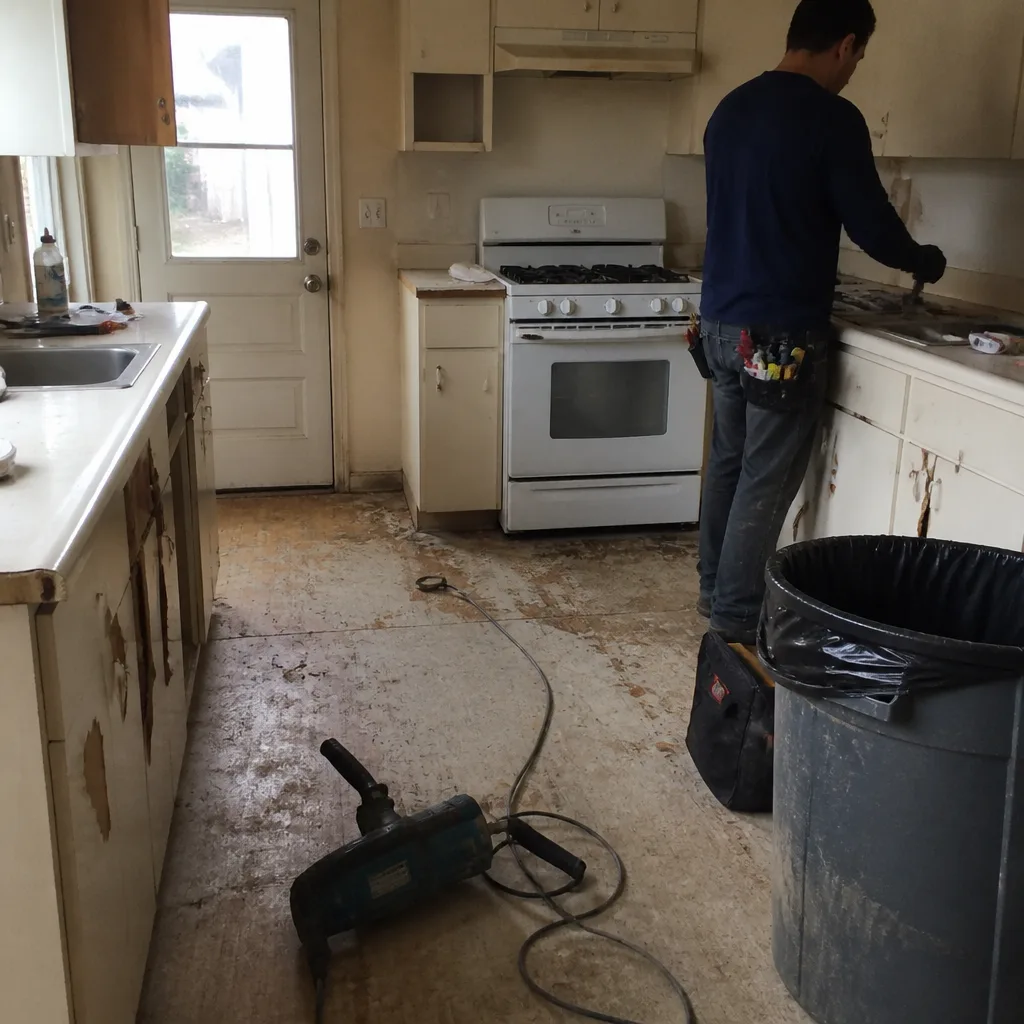 Before
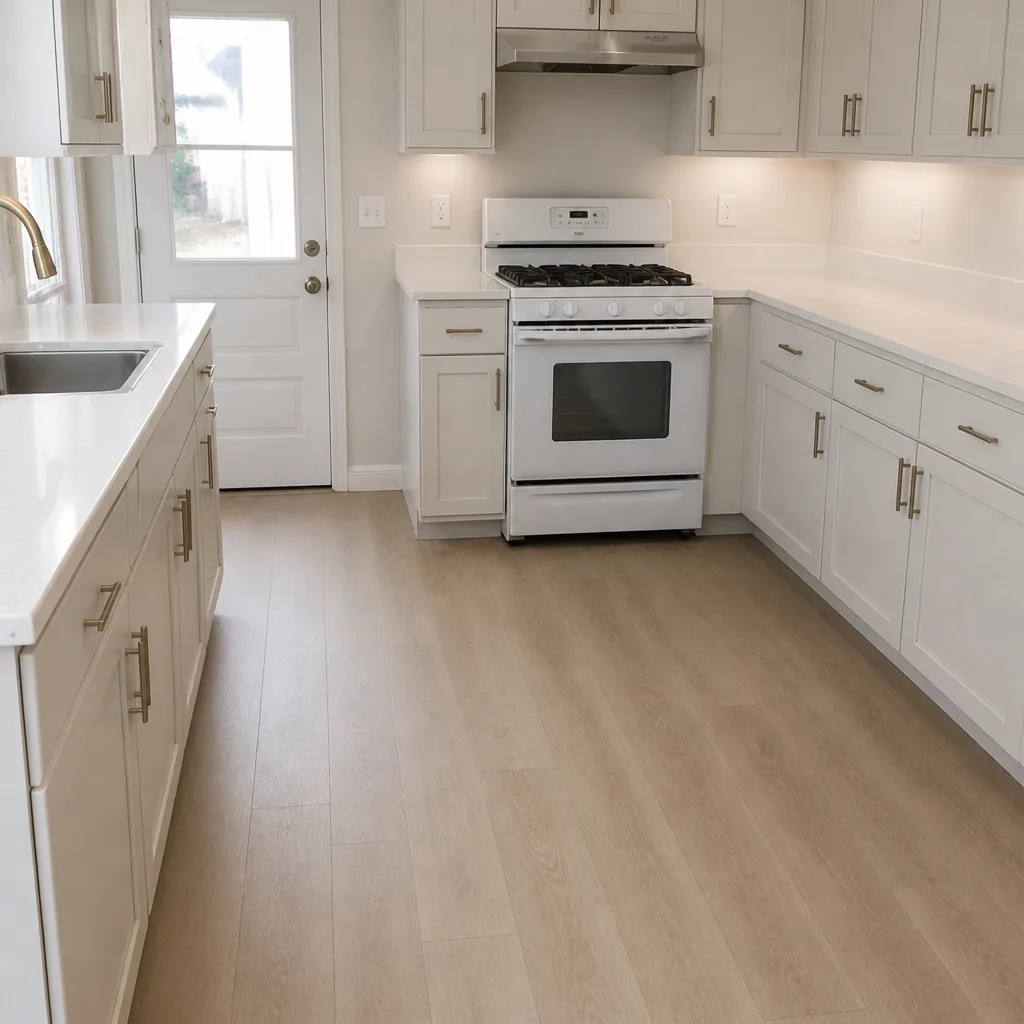 After
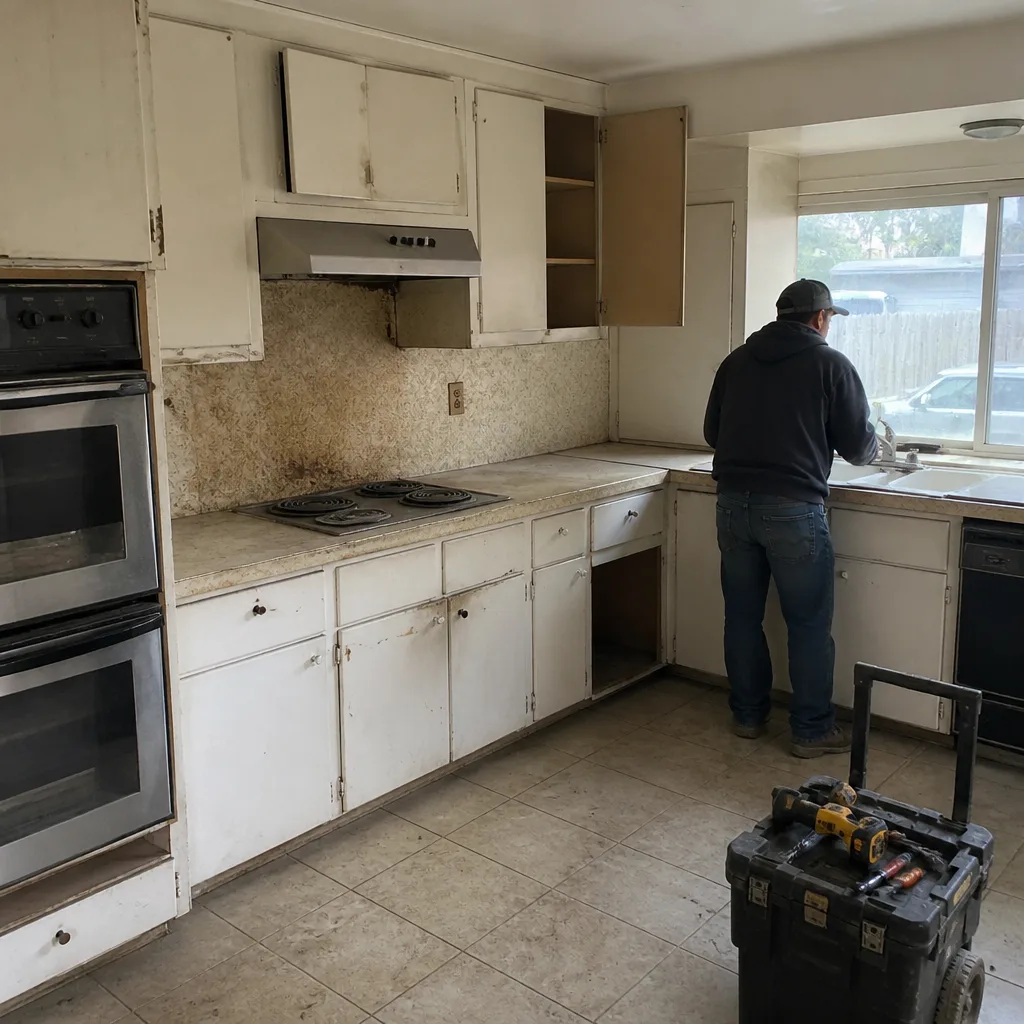 Before
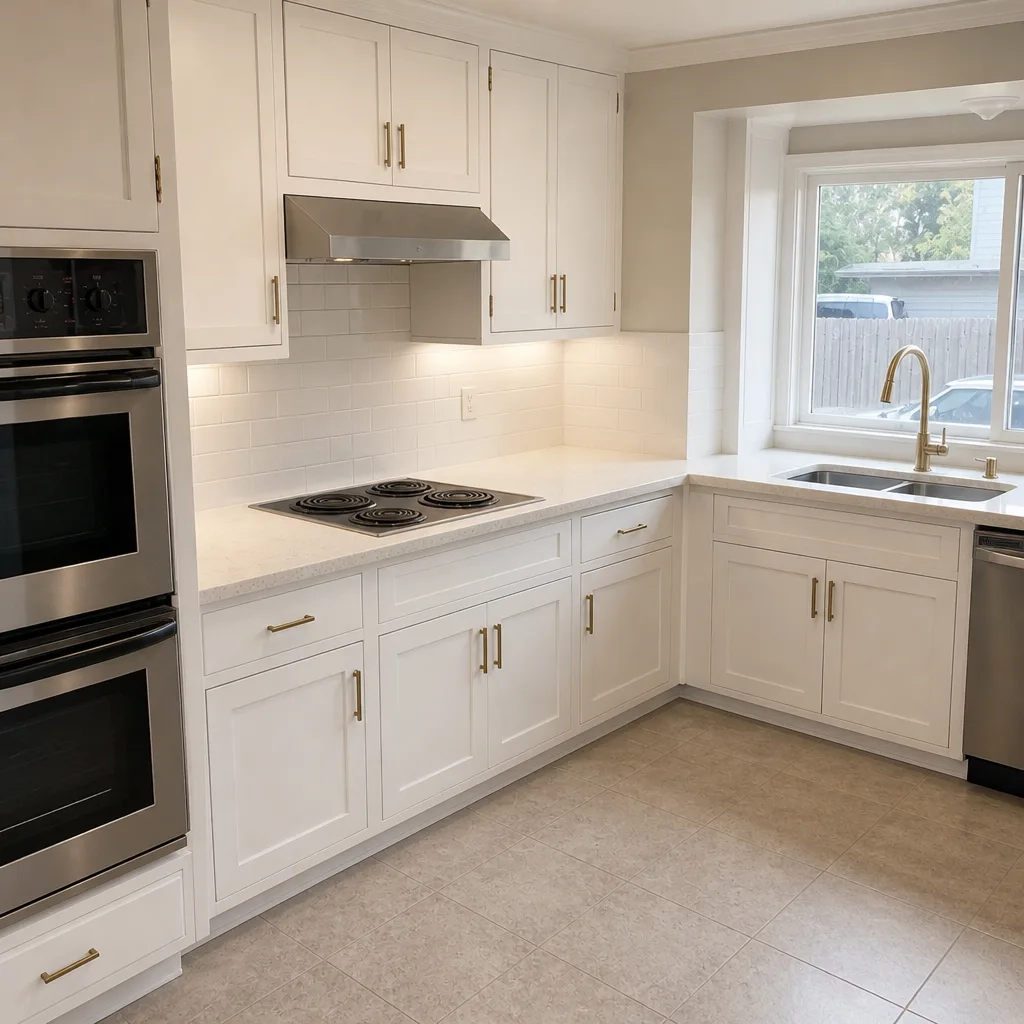 After
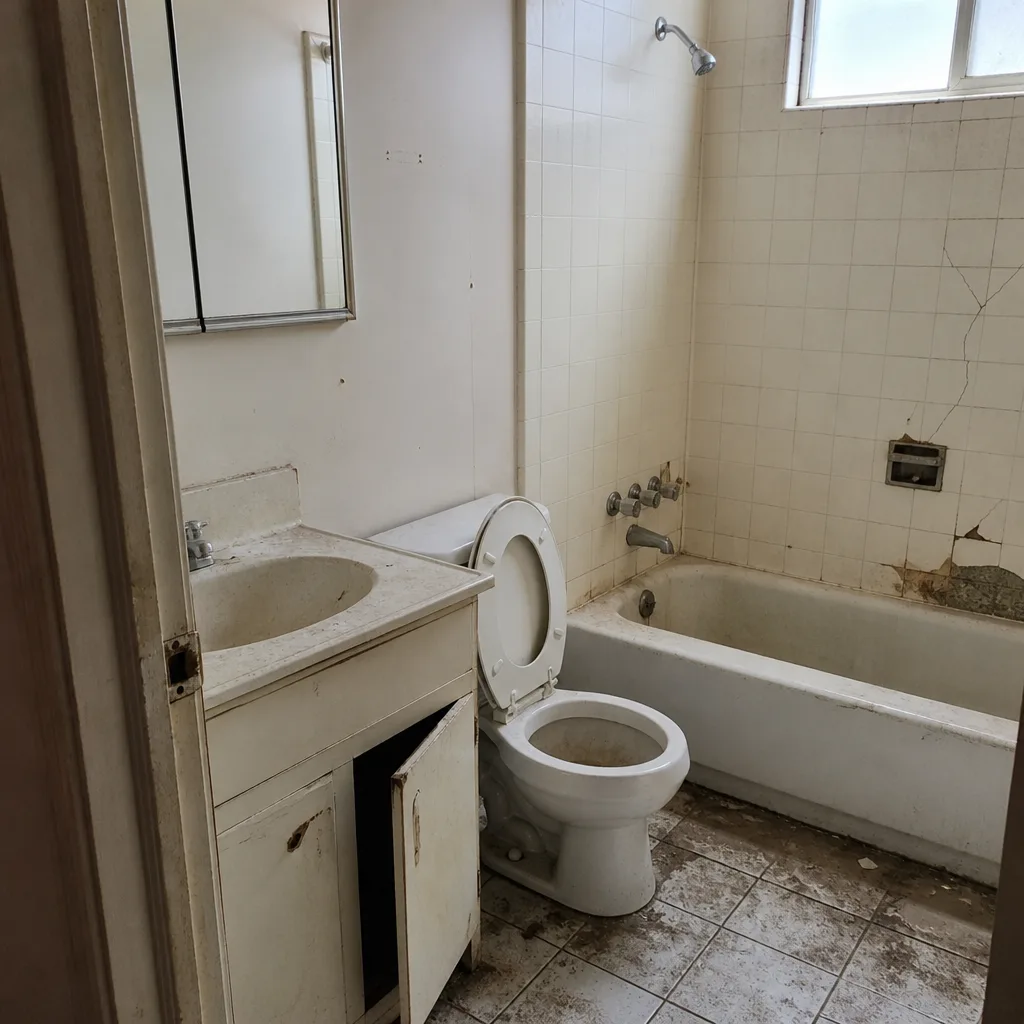 Before
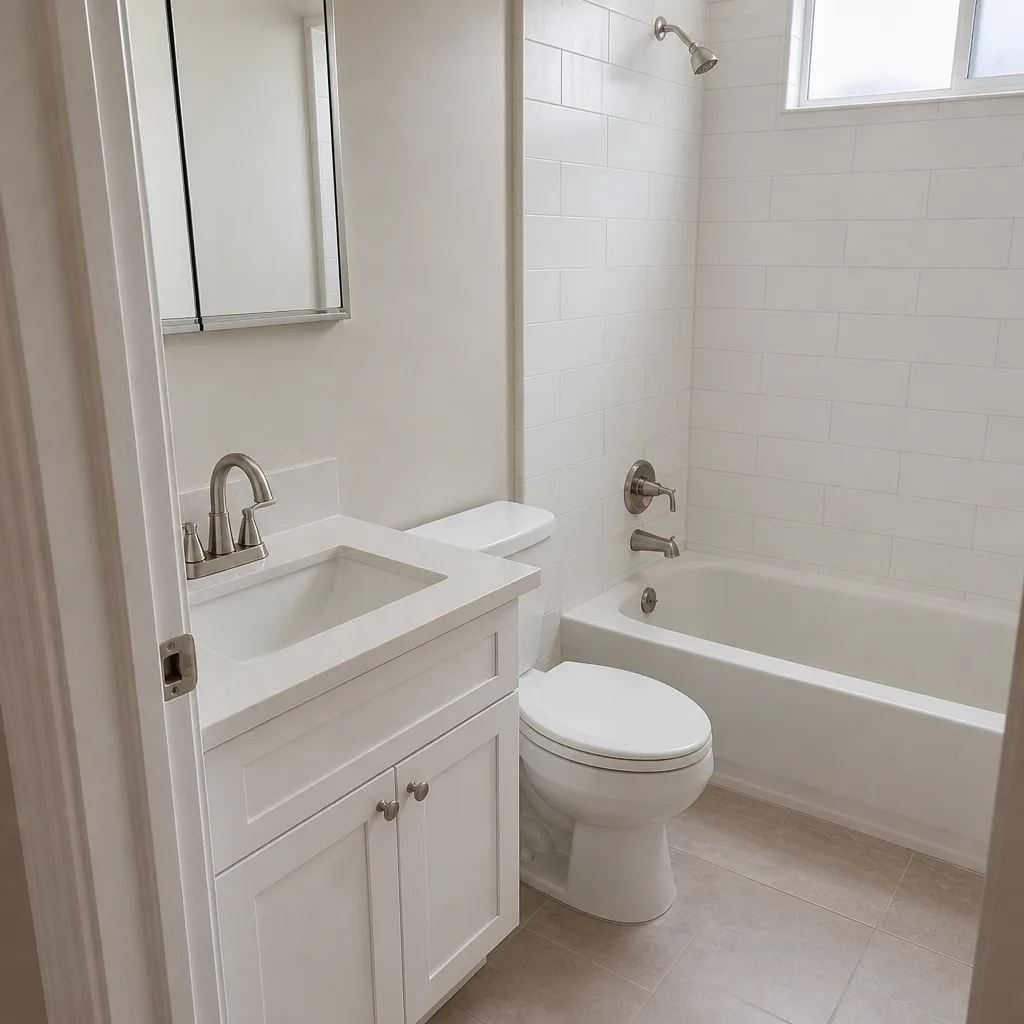 After
When to Call a Professional
Any of these situations means a fence project is better handled by a licensed contractor than a weekend DIY effort or a “handyman special”:
The fence needs a permit (most San Jose fences over 6 feet do), the property has a slope or unclear drainage, the run sits on clay-heavy soil in an older neighborhood, or the posts need to sit in concrete at depth. If your current fence is leaning, sagging, or wobbling at post bases within the first two years, the failure is almost always an install problem a trained eye can diagnose before you spend money on a replacement that fails the same way. A professional estimate will tell you whether the structure can be salvaged or needs to come down and go back up properly.
Groundwork Construction Co. of San Jose offers free estimates in San Jose – call (833) 988-3521. Every project is covered by the 730-Day Done Right Promise, bids are itemized so you can compare apples to apples, and the phone is answered by a live person 24/7.
Frequently Asked Questions
Most residential fence installations in San Jose fall between $35 and $75 per linear foot depending on material, height, site slope, and permit requirements. Wood privacy fencing typically runs at the lower end, composite and metal at the upper end, and hillside properties in Almaden Valley or Evergreen add to the cost due to stepped design and deeper footings. Call (833) 988-3521 for a free itemized estimate on your property.
Yes, and it’s the single biggest warning sign you’ll encounter. A contractor who suggests skipping a required San Jose permit is telling you they don’t want the inspection that catches shallow posts and missing drainage. That’s not a shortcut for your benefit, it’s a way to skip the quality checks that protect you. Ask any contractor to put permit responsibility in writing, and if they refuse, walk away.
Around San Jose, most fence posts should sit 24 to 36 inches below grade in concrete, and deeper on hillside properties or heavier clay soils. The exact depth depends on fence height and site conditions, and it should be written into the quote. Any contractor willing to quote “standard depth” without a number is telling you they don’t plan to be held to one. Call (833) 988-3521 if you want an estimate that specifies post depth on paper.
Push on each post at shoulder height. If any post moves more than a fraction of an inch, the concrete or sub-base is failing. Also check for uneven panel gaps when sighting down the fence line, rust on screws and brackets within the first 90 days, and warping or twisting panels. Any of those in year one points to install errors, not material issues.
Most fences over 6 feet in San Jose require a building permit, and there are additional rules for corner properties, sightlines, and fences near property lines. The exact requirement depends on your zoning and lot. A reputable contractor will confirm the requirement with the city before work starts and pull the permit themselves, not ask you to handle it. Call (833) 988-3521 if you want the permit picture confirmed for your address before you commit.
A real workmanship warranty covers post settling, panel failure, hardware corrosion, and gate alignment issues that stem from installation, not from normal wear or storm damage. The length varies by contractor, but multi-year coverage written into the contract is the standard you should hold bidders to. Groundwork Construction Co. of San Jose backs every fence under its 730-Day Done Right Promise, which is one of the longest workmanship guarantees in residential construction. Call (833) 988-3521 for details on how it applies to your project.
The Bottom Line
Fence failures start in the quote, not in the wood. The contractors who cut corners show their hand early: vague material specs, no post-depth number, no gravel drainage in the plan, no permit line, no written warranty. Those gaps are the sign that the install will match the paperwork, thin where you can’t see and cheap where it matters most. If you’re ready to fence a San Jose property the right way, with itemized pricing, a permit pulled and inspections passed, and a 730-Day Done Right Promise on the work, call (833) 988-3521 for a free estimate. Groundwork Construction Co. of San Jose handles fences from foundation to finish line, with the same care we bring to Driveway & Pavers in San Jose and Home Additions & ADU in San Jose.
For a broader view of how we approach every project across the South Bay, visit the Groundwork Construction Co. of San Jose home page, or explore our guide to fence installation in San Jose for a full scope-and-pricing walkthrough.
Written by the team at Groundwork Construction Co. of San Jose.