Last updated November 18, 2026




Free written scope consultation - allowances, timeline, and change-order rules on paper before a single trade is scheduled
Home Additions & ADU Maintenance Schedule: What to Do and When
Your existing home has a maintenance rhythm you’ve figured out over years. You know the gutters clog in November, the back bedroom runs hot in September, and the water heater needs a flush every so often. Your new addition doesn’t share that rhythm. It’s a separate structure bolted onto an old one, with its own roof, its own foundation, its own electrical panel, and its own way of failing. Treat it like just another wing of the house and you’ll watch a six-figure investment age faster than the home it’s attached to. Here’s the schedule that actually accounts for that, framed for San Jose’s climate and building realities.
Quick Answer
Inspect the transition points where your addition meets the original structure once a year before the rainy season (roof tie-ins, foundation connections, cladding seams, shared walls), service ADU-specific systems like the subpanel and independent HVAC on their own intervals, and maintain rental compliance items like smoke/CO detectors, water heater strapping, and egress windows before each tenant turnover. Year one needs more attention than years two through five because new construction settles and materials cure.
Styles & brands we work with
- Kitchen remodeling
- Bathroom remodeling
- Home additions & ADU
- Roofing
- Windows & doors
- Driveway & pavers
- Fence
Table of Contents
- The Transition Points: Where Additions Actually Fail
- Year-One Checklist: What New Construction Needs First
- Years Two Through Five: The Settled Structure Schedule
- ADU Systems: Subpanel, Meter, and Independent HVAC Intervals
- San Jose Seasonal Priorities: Dry Season, Rainy Season, Heat Season
- Rental-Ready Compliance for a San Jose ADU
- The Annual Maintenance Calendar at a Glance
- Common Mistakes to Avoid
The Transition Points: Where Additions Actually Fail
An addition fails at the seams long before it fails in the middle. That’s the single most important thing to understand about maintaining a new structure grafted onto an old one. The new framing is fine. The new drywall is fine. The place where water, air, and soil meet the original house is where trouble starts, and it’s the only part of the addition the original builder of your home never planned for.
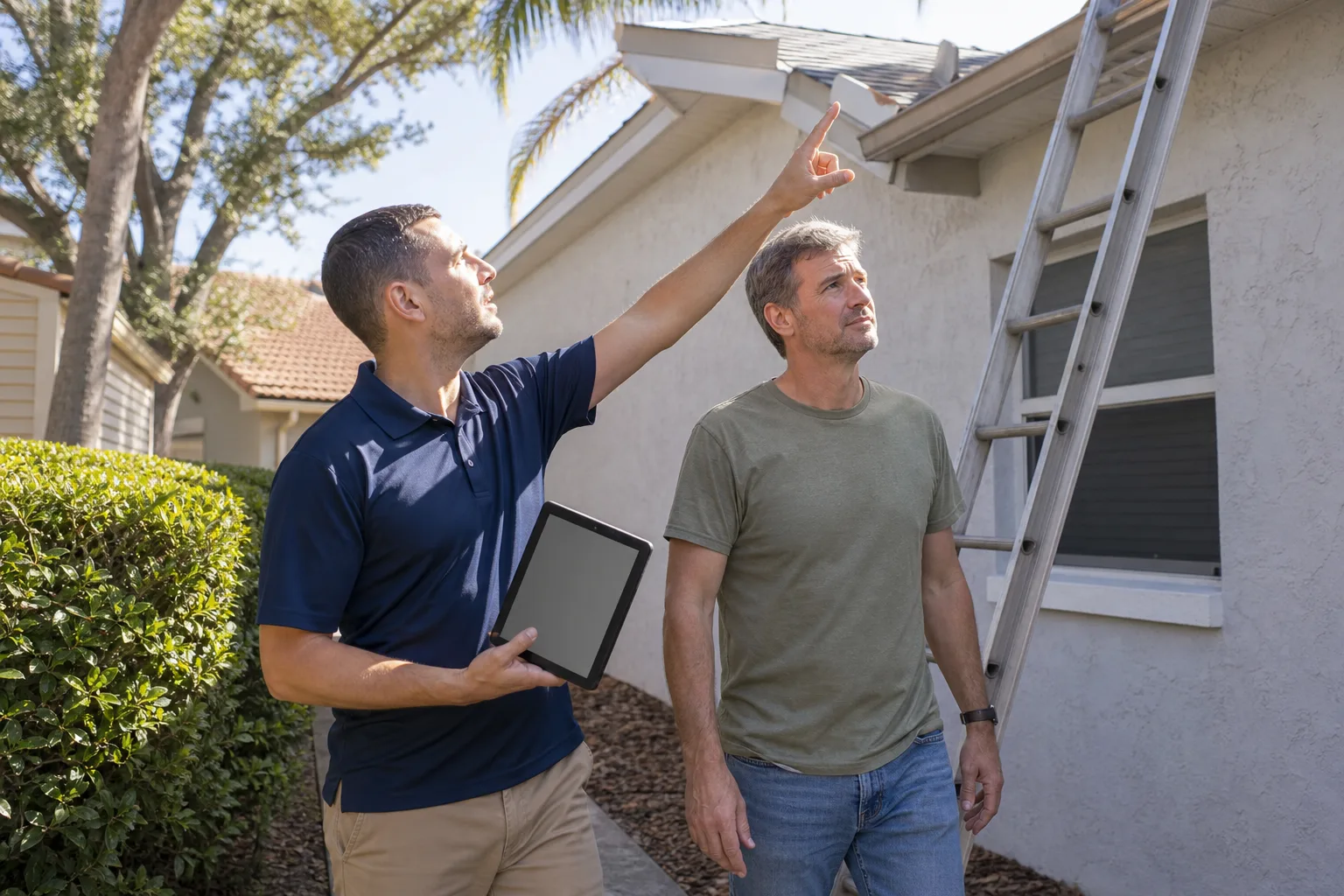
Once a year, before San Jose’s first real rain (usually late October or early November), walk the perimeter and inspect these four zones:
- Roof tie-ins. Where the new roof plane meets the existing one, you’ll find flashing, step flashing, and counter-flashing. Look for lifting, rust, or gaps in the sealant. In San Jose, summer UV degrades sealant faster than most homeowners expect, and a pinhole gap that’s harmless in July becomes a stain in the shared wall by January.
- Foundation connections. The joint where new foundation meets old is a natural crack path. Look for separation, exposed rebar, or new water staining that suggests pooling rather than drainage.
- Exterior cladding seams. Siding, stucco, or James Hardie panels that meet the original wall surface rely on a caulk joint plus a weather barrier behind them. Poke the caulk with a putty knife. If it’s brittle or pulling away, it needs replacement, not a touch-up.
- Shared wall assemblies. Inside, the wall between old and new is where you’ll first notice moisture problems – bubbling paint, a musty smell, or a baseboard that feels soft. These show up on the addition side, not the original side, because that’s where the vapor profile changed.
Owners of Home Additions & ADU in San Jose frequently discover their first transition failure in year two or three, not year one, because the caulk and flashing that looked perfect at completion has simply cured and shrunk. A ten-minute annual inspection prevents a five-figure repair.
Year-One Checklist: What New Construction Needs First
The first year after an addition or ADU is completed is the busiest maintenance year of its life. New lumber shrinks as it dries. New caulk and paint cure and pull. Foundations settle a fraction of an inch. None of this means something is wrong; it means the building is behaving the way new buildings behave, and the schedule needs to catch it before small movements turn into small leaks.
- Month 1: Walk the exterior after the first significant rain and check for damp spots, staining, or ponding near the new foundation. Photograph anything suspicious with a dated reference.
- Month 3: Re-torque accessible fasteners, check door and window operation for binding (a binding door often means framing movement, not a hinge problem), and confirm the HVAC filter is seated properly in the new air handler.
- Month 6: Do a full caulk inspection at every cladding transition and re-seal any joint that’s opened. This is the most commonly skipped step and the one with the highest payoff.
- Month 9: Test every GFCI outlet in the addition and ADU subpanel. Re-test smoke and CO detectors. Confirm the water heater’s T&P valve operates freely.
- Month 12: Full annual inspection of all transition points, plus a first-year review of the roof tie-in with binoculars from the ground.
One thing we strongly recommend in year one: don’t do the “settling crack” repairs with a cosmetic patch. Identify why the crack opened before you cover it. A hairline crack in a new foundation edge is normal. A crack that widens between your six-month and twelve-month inspections is worth a call to the contractor who built it, and any reputable builder – the local pro we connect you with is licensed and insured as their state requires – will want to see it inside the workmanship warranty window.
Years Two Through Five: The Settled Structure Schedule
After the first full season cycle, the addition’s maintenance rhythm stabilizes. You’re no longer chasing new-construction movement; you’re running a steady annual cycle that mirrors the main home’s.
Here’s what years two through five require:
- Annual: Full transition-point inspection before rainy season, roof flashing check, caulk re-seal where needed, gutter and downspout clear-out (additions often gain a run of gutter the original house didn’t have).
- Annual: Test smoke and CO detectors, flush the water heater if the addition added or replaced one, replace HVAC filters every three months in a San Jose climate where the system runs hard May through October.
- Every two years: Exterior paint touch-up at high-UV surfaces – south and west facing walls in San Jose take the hardest hit and will start to chalk by year three.
- Every three years: Roof inspection by a roofer (not just binoculars from the ground), including any flat or low-slope sections common on ADU roof tie-ins. Sealant life on low-slope transitions is shorter than on pitched roof planes.
- Every five years: Full exterior moisture audit – probe the shared wall assemblies for elevated moisture and inspect the perimeter drainage for any change.
A San Jose homeowner in Willow Glen recently told us the only maintenance they’d done on a five-year-old addition was repainting the trim. That addition had a flat roof tie-in over the shared wall, and the sealant under the parapet had been quietly failing for two seasons. Roof tie-in sealant life on a low-slope ADU connection is closer to three years than ten. That’s the gap in standard home maintenance checklists: they’re built around a single roof, and your addition probably has two.
ADU Systems: Subpanel, Meter, and Independent HVAC Intervals
An ADU is often a separate utility universe from the main house. That means its systems are on their own maintenance intervals – and standard homeowner schedules don’t include them because the standard home has a single panel, a single meter, and a single HVAC. This is where new ADU owners get surprised.
The subpanel. If the ADU runs off a subpanel fed from the main panel, its breakers carry the load for the unit’s HVAC, water heater, kitchen, laundry, and outlets. Have an electrician inspect it every three years, sooner if you notice breaker trips, warm-to-the-touch panels, or flickering lights. Never open the deadfront yourself. Panel work is genuinely dangerous and belongs to a licensed electrician.
The separate meter. If the ADU is metered separately – common on San Jose ADUs set up for long-term rental – check the meter enclosure annually for water intrusion, insect nests, and corrosion on the terminals. Report anything suspicious to PG&E or your electrician. The meter and the lines behind it are not a DIY zone.
Independent HVAC. A separate mini-split or furnace in the ADU needs its own filter changes and coil cleaning. Mini-split heads on the ADU wall should be cleaned twice a year (spring and fall). In San Jose, a mini-split that’s never cleaned will lose meaningful efficiency by year four. Have the refrigerant charge checked every other year.
The same logic applies to any addition that added a bathroom or laundry: a tankless water heater needs annual descaling in San Jose’s moderately hard water, and a new dryer vent needs an annual clear-out – a clogged vent is a fire risk, not just an efficiency issue.
San Jose Seasonal Priorities: Dry Season, Rainy Season, Heat Season
San Jose’s climate is a gift to builders and a trap for owners who assume mild weather means low maintenance. The region runs a long dry season (April through October) followed by a compressed rainy season (November through March). That pattern puts every weather-dependent failure on a tight schedule.
Dry season (April through October): caulk and paint
This is when you do your exterior caulk inspection, because the weather is dry enough for sealant to cure properly. It’s also when UV damage peaks. Walk the addition’s south and west walls in August or September and look for cracking paint, chalky residue on your hands, and sealant that’s peeled or faded. Do the re-sealing before the first rain.
Rainy season (November through March): drainage and water entry
Before the first rain, check the grading around the new foundation. San Jose soil is often clay-heavy, and heavy winter rains will quickly reveal any low spot that lets water pool against the addition’s stem wall. Look for downspout discharge that lands too close to the foundation (extend it four to six feet), for gutter overflow at the tie-in, and for any new damp patch inside the shared wall. If you’re the kind of San Jose homeowner who leaves the Driveway & Pavers in San Jose area to drain toward the addition, re-grade or add a channel drain. Water against a new foundation is the most common cause of anniversary problems in years three through five.
Heat season (June through September): attic ventilation
San Jose’s mid-summer heat cooks the addition’s attic – especially true for a rear addition under a lower roof plane where ventilation was retrofitted rather than designed in. Check that every soffit vent is clear of insulation, that ridge vents haven’t been blocked by the roofer’s last trip, and that any powered attic fan is actually running. A hot attic under a new roof plane shortens shingle life significantly. This is a quick visual check, not an attic-crawl-for-the-uninitiated task. If you find exhaust fans venting into the attic rather than outside – which we see more than you’d think on additions – call a pro.
Rental-Ready Compliance for a San Jose ADU
If your San Jose ADU is rented or will be, maintenance isn’t just preservation – it’s compliance. A few items, if neglected, can turn a routine tenant turnover into a legal problem.
- Smoke and CO detectors. Test monthly during occupancy, replace batteries at least annually, replace the units themselves every 10 years. California law requires specific detector types in specific locations within a rental unit – verify the exact configuration with the local building department before a turnover, not after.
- Water heater strapping. California requires water heaters to be strapped, braced, or anchored to resist seismic movement. Inspect the straps annually for corrosion or looseness and confirm the T&P valve discharge pipe routes to a safe location. A failed strap is a compliance issue, not just a repair.
- Egress window operability. Every sleeping room needs an egress window that opens fully on its own. Test each one at turnover and at least twice a year during occupancy – they seize up from lack of use and can void the unit’s legal status if a fire inspector finds them inoperable.
- GFCI outlets in wet areas. Kitchen, bath, laundry, and any covered exterior outlet within the ADU’s footprint. Test monthly with the built-in buttons and replace any unit that won’t reset.
- Deck, stair, and handrail integrity. If the ADU has an exterior stair, inspect the guardrail bolts and any ledger connections annually. A loose handrail is a tenant complaint waiting to become a liability claim.
Any of these items that require opening a panel, disconnecting a gas appliance, or climbing on the roof needs a licensed professional. Our technicians have up to 12 years of experience and the local pro we connect you with is licensed and insured as their state requires – but a strap inspection is something you can do with a flashlight and a calm five minutes.
The Annual Maintenance Calendar at a Glance
Print this. Tape it inside a kitchen cabinet. The rhythm is easy to forget when you’re not standing in front of it.
- January: Post-rain inspection – walk exterior, check shared-wall interior for damp spots. Replace HVAC filters.
- February: Water heater T&P valve test. Re-strap inspection if seismic hardware shows wear.
- March: Pre-heat-season attic ventilation check. Clear soffit vents.
- April: Test GFCI outlets. Spring mini-split cleaning. HVAC filters.
- May: Exterior caulk inspection on all transition points.
- June: Attic ventilation check again (heat season warm-up). Dryer vent clear-out.
- July: HVAC filters. Roof visual from ground with binoculars.
- August: Peak UV wall check – south and west faces. Touch up any failing sealant.
- September: Full transition-point caulk re-seal before rainy season. Egress window test.
- October: Gutter and downspout clear-out. Grading check around the new foundation.
- November: Smoke/CO detector batteries. Water heater strapping inspection.
- December: Post-first-rain walk. Note anything that got wet inside.
That’s 12 monthly touchpoints, of which maybe four are more than fifteen minutes. The whole schedule is under three hours a year. Compare that to a single flash-flashing repair and the math is obvious.
Common Mistakes to Avoid
- Treating the addition like the original house. Standard maintenance checklists assume one roof and one envelope. Your addition has two of each at the seams. Skip the transition inspection and you’re maintaining the part that isn’t failing.
- Deferring year-one caulk repair. New sealant cures and pulls in the first 12 months. If you wait until year three to address the open joints, you’ve already let water into the shared wall for two rainy seasons. In San Jose, October is the deadline, not March.
- Opening the ADU subpanel yourself. Breakers, bus bars, and the wires behind the deadfront are live even when breakers are off. This is genuine hazard – hire an electrician. Same for the gas line to the ADU water heater or range.
- Letting the drainage pattern shift. San Jose soil moves. A grade that drained away from the addition in year one can quietly reverse after a heavy rain season. Re-check the grade every October, not every five years.
- Skipping the rental compliance walkthrough. A compliant ADU at lease signing can fall out of compliance in 18 months if detectors die, an egress window seizes, or a water heater strap rusts through. Walk the compliance list at every tenant turnover.
- Patching settling cracks before you understand them. Cosmetic patch now, hidden water intrusion later. If a crack widens between two inspections, that’s a call to the builder, not a tube of paintable caulk.
- Ignoring the attic in August. Heat-induced attic failures in San Jose additions usually show up as premature shingle curling in year six or seven. A five-minute vent check each June adds years to the roof. If your roofer needs to add ventilation, use the same brand partners we work with – GAF or CertainTeed shingles paired with proper intake and exhaust is the combination that survives a San Jose summer.
If you’re also maintaining the property line side of your addition, the Fence Installation in San Jose page covers the interaction between fence footings and adjacent drainage, which matters more than most owners realize when a new addition sits close to the property line.
See the difference
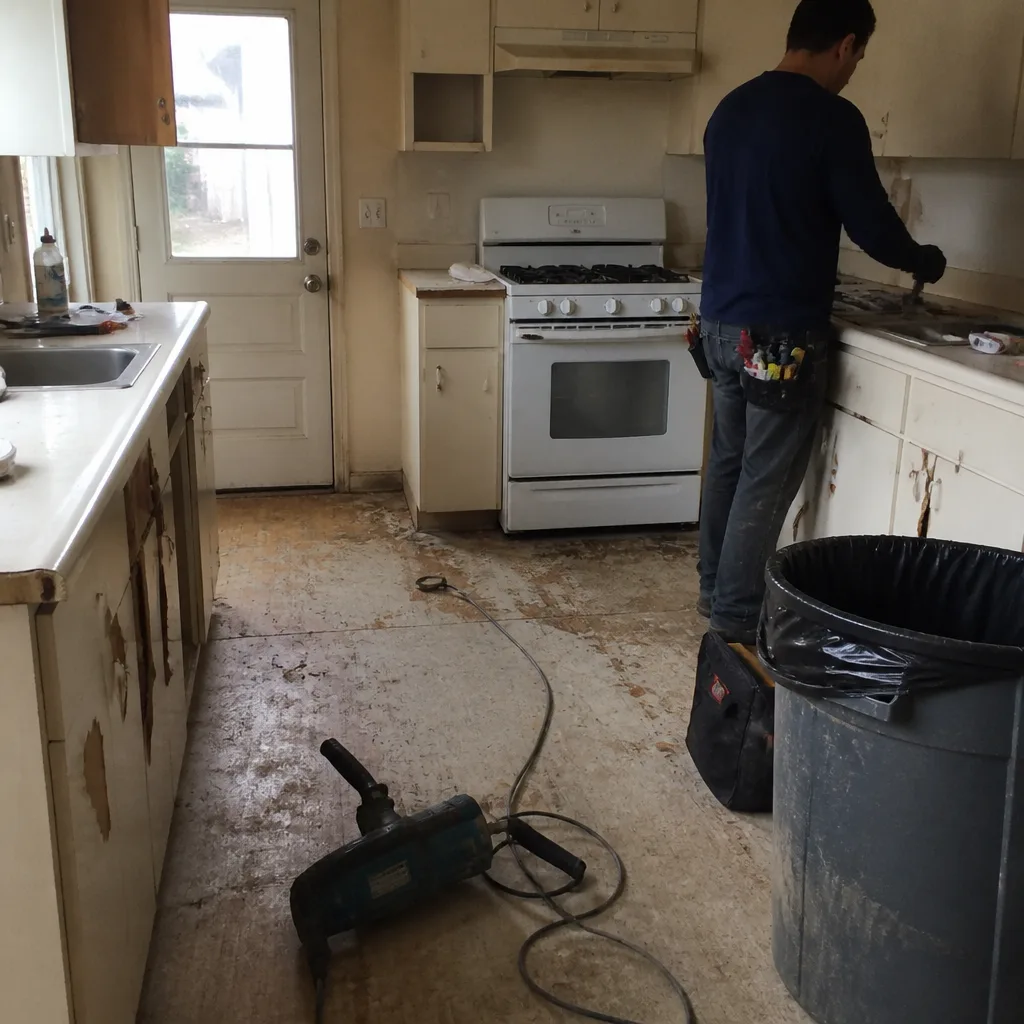 Before
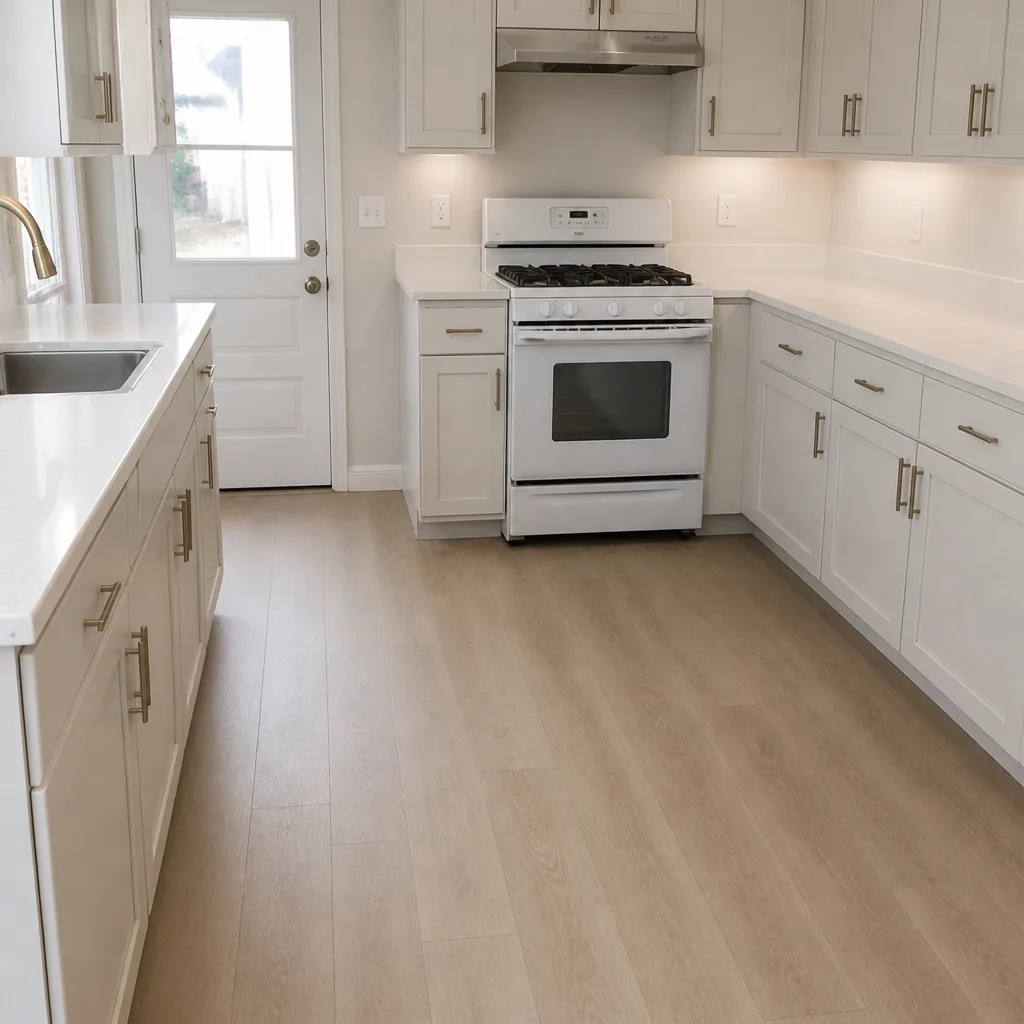 After
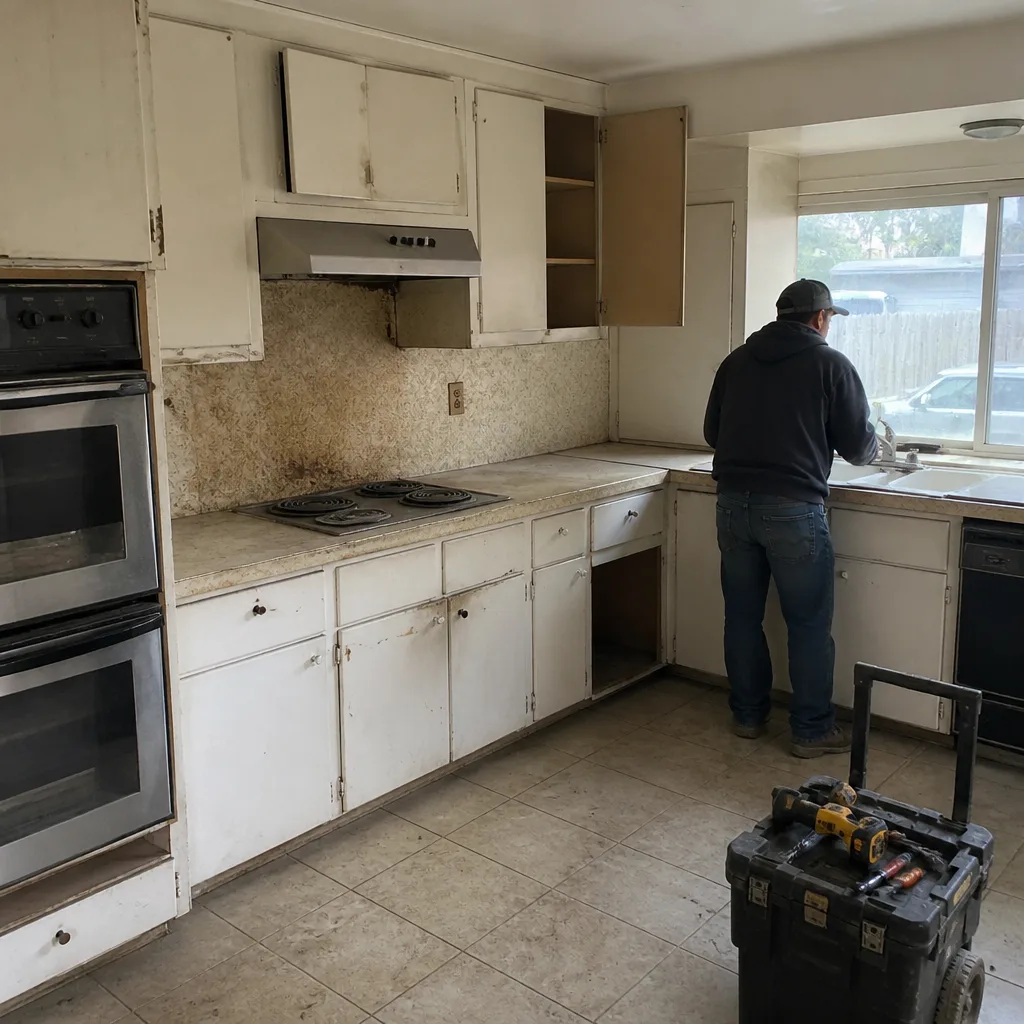 Before
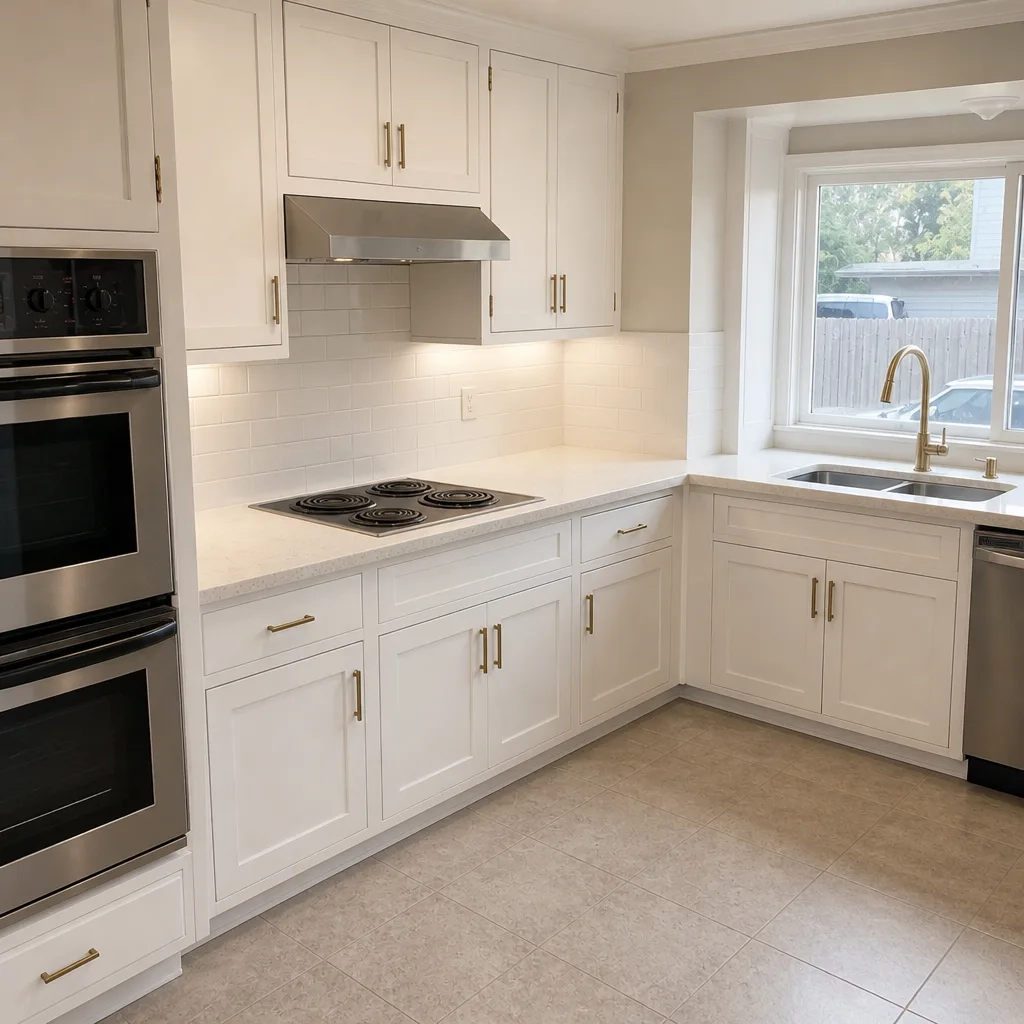 After
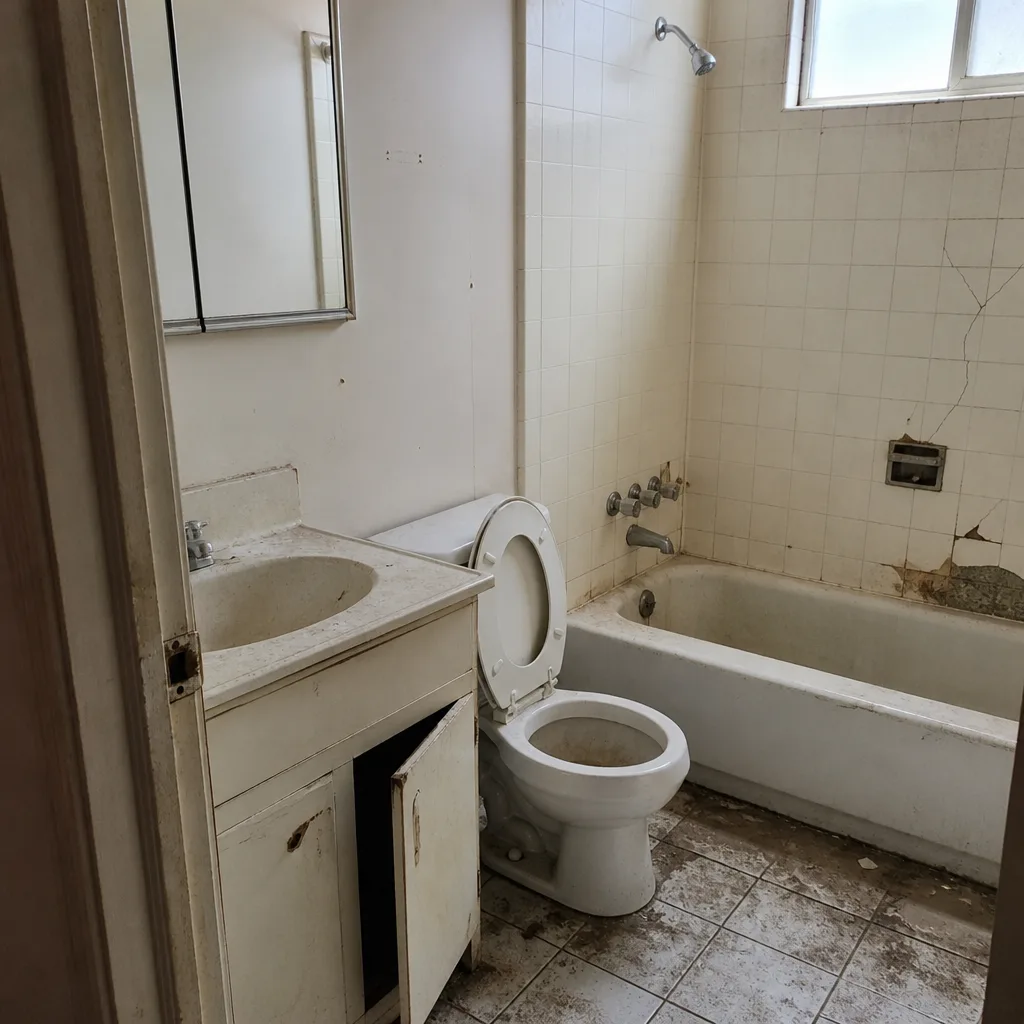 Before
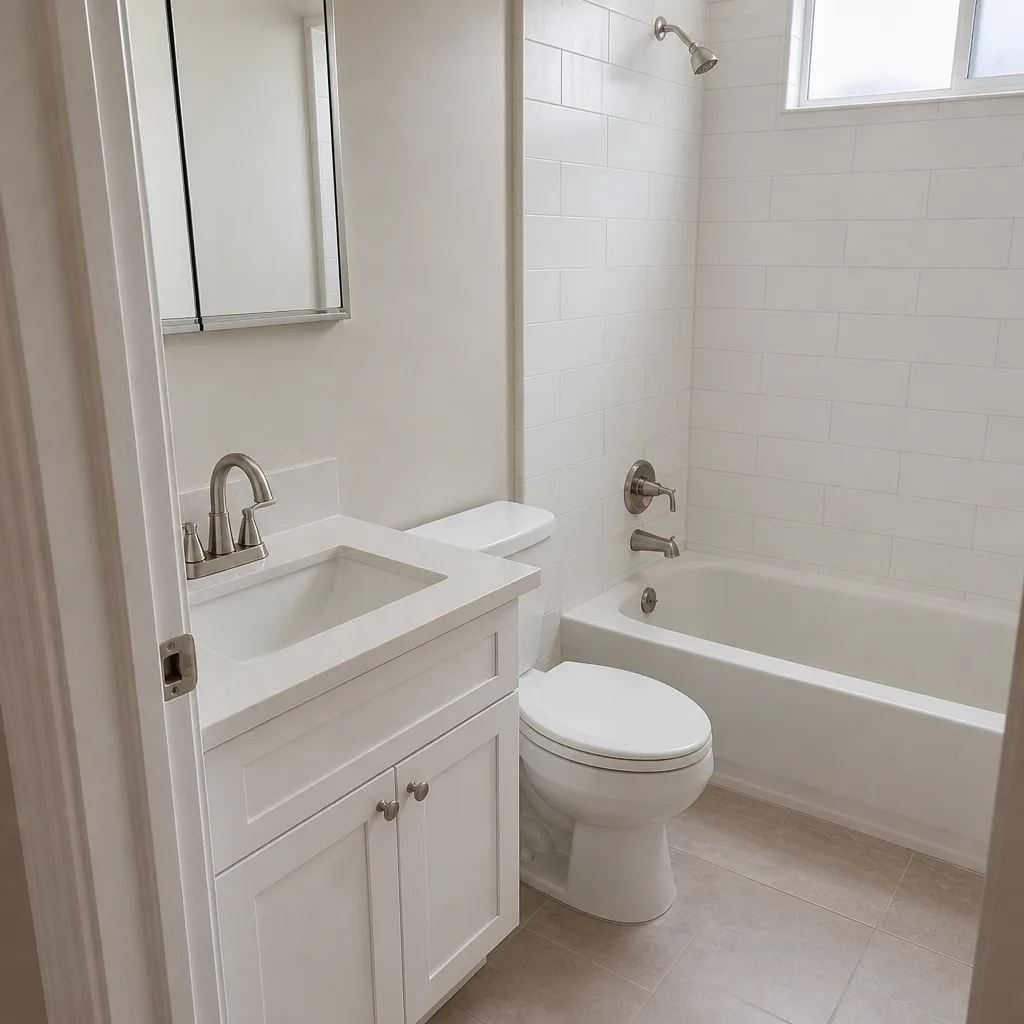 After
When to Call a Professional
Some maintenance tasks belong on your calendar. Others belong on a pro’s. Call a licensed professional when you find any of the following: water staining inside the shared wall or at the ceiling line of the addition, a foundation crack that widened since your last inspection, a warm or buzzing electrical panel, an attic exhaust fan venting into the attic instead of outside, any gas smell near the ADU’s water heater or range, and any roof tie-in flashing that’s lifted or rusted through. Don’t attempt panel work, gas line work, or roof access on a pitched or steep transition – the fall risk is real and the repair cost is smaller than the injury. Groundwork Construction Co. of San Jose offers free estimates in San Jose – call (833) 988-3521. Our team is backed by the 730-Day Done Right Promise on workmanship, and calls are answered by a live person, 24/7.
Frequently Asked Questions
Once a year, and the right time in San Jose is late September or early October – before the rainy season starts. Transition points (roof tie-ins, foundation connections, cladding seams, and shared wall assemblies) are where additions fail first, and the inspection window is short in this climate. Call (833) 988-3521 for a free estimate if you find anything that needs repair.
Yes. The ADU has its own subpanel, its own meter (often), its own HVAC, its own water heater, and – if it’s rented – its own compliance checklist. The intervals differ too: mini-split cleaning twice a year, subpanel inspection every three years, egress window testing at every turnover. Treating it like an extension of the main home is how ADU systems get neglected.
Smoke and CO detector function and placement, water heater seismic strapping and T&P valve operation, egress window operability in sleeping rooms, and GFCI protection in wet areas. Verify the exact configuration with the local building department at turnover; the local pro we connect you with is licensed and insured as their state requires and can confirm the details. Call (833) 988-3521 for a free estimate on any repair those items surface.
Routine annual maintenance (caulk, filters, detector checks, gutter clear-out) typically runs a few hundred dollars when you do the low-risk items yourself and bring in a pro for the rest. One roof tie-in repair or a subpanel correction can run several times that. Upfront pricing on repairs means the number you see is the number you pay – call (833) 988-3521 for a free estimate.
Not with us. Our pricing is upfront and itemized before work begins, and the 730-Day Done Right Promise covers the workmanship. If a repair uncovers something hidden – a rotted sheathing panel under the flashing, for example – we walk you through the find and the price in writing before proceeding. Call (833) 988-3521 to schedule your free estimate.
Skipping the six-month caulk re-seal. New construction shrinks and cures in the first 12 months, and the sealant at the cladding and roof transitions is the first thing to open up. In San Jose, that gap sits exposed right through the dry season and only becomes visible in December, when it’s already let water in. Catching it in September costs a tube of sealant; catching it in January after a rain can cost thousands. Call (833) 988-3521 if you’re past the window and want an inspection.
The Bottom Line
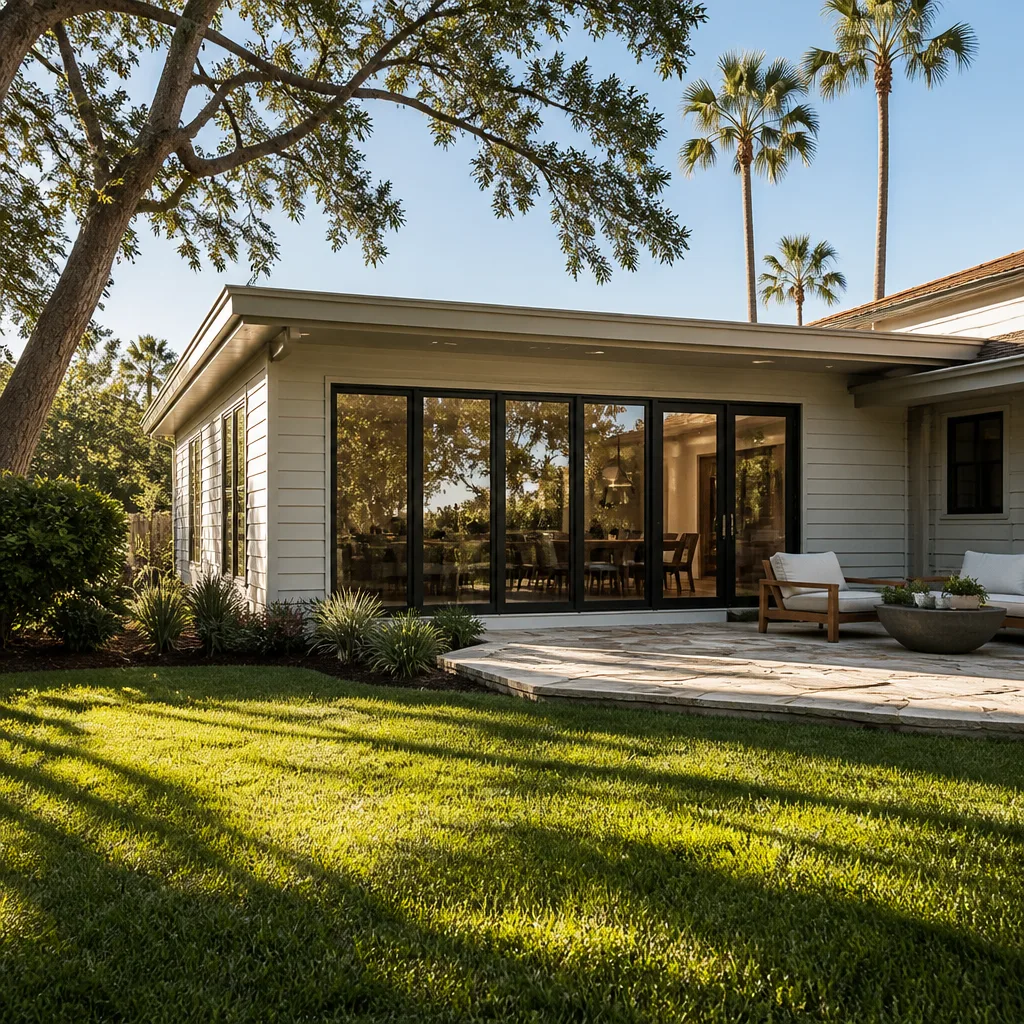
An addition or ADU is a new structure wearing the same skin as your existing home, and it fails at the seams – not in the middle. Inspect the four transition points every year before rainy season, treat the ADU’s systems (subpanel, meter, HVAC, water heater) as their own maintenance universe, check rental compliance items at every turnover, and give year one more attention than years two through five. San Jose’s dry-then-wet climate compresses the timeline, so October is the deadline for caulk, not March. Three hours a year protects a six-figure investment. Need a hand with any of it? Call Groundwork Construction Co. of San Jose at (833) 988-3521 for a free estimate – we’ll walk it with you from the Groundwork Construction Co. of San Jose home experience, upfront pricing included, and back the work with the 730-Day Done Right Promise.
Written by the team at Groundwork Construction Co. of San Jose.