Last updated November 18, 2026



Free written scope consultation - allowances, timeline, and change-order rules on paper before a single trade is scheduled
DIY vs Professional Construction: The San Jose Homeowner’s Decision Guide
In California, pulling an owner-builder permit puts you in the same legal seat as a licensed contractor. That means the code compliance is yours, the worker injuries on your property are yours, and the defects a buyer’s inspector finds five years down the road are yours too. There’s no general contractor to absorb any of it. Skill has almost nothing to do with that exposure. A perfectly executed tile job still carries the same liability if it’s unpermitted. What follows is a map of where the real line sits for a San Jose homeowner, which projects are worth doing yourself, which savings are an illusion, and what it actually costs to be on the wrong side of the line.
Quick Answer
In San Jose, DIY construction only makes financial sense on cosmetic, non-structural, non-permitted work: interior paint, trim, cabinet refinishing, light landscaping, and fence staining. Anything that touches structure, water, gas, electricity, or the building envelope needs a permit and a licensed professional, because the legal and insurance liability of doing it yourself is larger than the labor savings. The honest dividing line isn’t whether you can learn the task on YouTube; it’s whether you’re willing to hold the entire risk of a failed inspection, an uninsured injury, or a denied insurance claim at resale.
Styles & brands we work with
- Kitchen remodeling
- Bathroom remodeling
- Home additions & ADU
- Roofing
- Windows & doors
- Driveway & pavers
- Fence
Table of Contents
- The Real Question Isn’t Skill, It’s Risk Transfer
- The Owner-Builder Permit Trap in San Jose
- How Unpermitted DIY Work Affects Your California Homeowner’s Insurance
- The True Hourly Cost of DIY Once You Add It All Up
- Where DIY Genuinely Saves Money (and Where It Doesn’t)
- San Jose Climate and the Jobs That Punish Amateur Work
- What to Ask a Contractor to Verify They’re Carrying the Risk
- Resale, Disclosure, and the Paper Trail
The Real Question Isn’t Skill, It’s Risk Transfer
The DIY versus professional debate online almost always centers on whether you’re capable of doing the work. That’s the wrong question, and it’s the one that gets San Jose homeowners into trouble. Capability is a spectrum. Risk is binary. Either you’re carrying it or someone else is, and when you act as your own builder, you’re carrying all of it.
Here’s what risk transfer actually means in practice. When you hire a licensed contractor in San Jose, that contractor holds:
- Code compliance – they’re responsible for the work passing city inspection and for fixing it if it doesn’t.
- Worker safety and workers’ comp – if a crew member is hurt on your property, the claim runs through their insurance, not your homeowner’s policy.
- Defect liability – if a roof leak shows up two winters later, the contractor’s workmanship warranty covers the redo.
- Permit accuracy – they pull the permit, they answer to the inspector, they correct the corrections.
When you do the work yourself, every one of those transfers to you. You become the general contractor of one. That’s the part most tutorials skip. The YouTube video shows you how to tile a shower. It doesn’t tell you that if the pan leaks into the subfloor and you sell the house in four years, the buyer’s inspector finds it and the disclosure conversation gets expensive.
The smart framing for a San Jose homeowner is this: DIY isn’t really about saving money on labor. It’s about deciding how much risk you want to own. For a painted accent wall, that risk is close to zero. For a bathroom remodel in Willow Glen or a roof repair in Almaden Valley, the risk is your house.
The Owner-Builder Permit Trap in San Jose
California allows a homeowner to pull what’s called an owner-builder permit for work on their own primary residence. It sounds like a friendly exception. In practice, it’s a legal posture, and it’s one most homeowners don’t understand until something goes wrong.
When you sign an owner-builder permit through San Jose’s permit portal, you’re attesting that you personally will do the work or that you’ll hire licensed subcontractors and act as their employer. The moment you hire an unlicensed person to do the framing or the electrical, you’ve broken the terms of the permit. The city can require you to tear the work out. The state can come after you for workers’ comp exposure if that unlicensed worker gets hurt.
This is where a number of San Jose homeowners get caught. They pull the owner-builder permit to save the general contractor markup, then hire a handyman they found on Nextdoor to do the actual work. That arrangement isn’t a workaround. It’s a liability stack: permit violations if the city finds out, insurance problems if the work fails, and a mess at resale because the permit record shows “owner-builder” but the work was done by someone else.
San Jose’s building department also requires permits for more than most people expect. Kitchen and bathroom remodels, water heater replacements, electrical panel work, roof replacements, new fences over a certain height, and every ADU addition all require permits. Even re-roofing with the same material generally requires a permit because the city wants to inspect the underlayment and flashing. If you’re weighing a DIY roof or a drive re-pave, look at what a real Groundwork Construction Co. of San Jose home project looks like against the permit process, because the paperwork is a real part of the job.
And an important safety note: if the work involves a gas line, an electrical panel, or a roof above a single story, this is not a discussion about permits at all. It’s a discussion about whether you should be near the work. Gas and electrical mistakes cause fires and explosions, and roof falls are the leading cause of serious injury in residential construction. A San Jose homeowner skilled enough to handle a tile layout is still not the right person to be re-routing a gas line to a new range or standing on a pitch above a two-story Victorian in Naglee Park.
How Unpermitted DIY Work Affects Your California Homeowner’s Insurance
Most California homeowner policies have a clause buried in the fine print that says the insurer can deny or limit a claim if the damage stems from work that wasn’t permitted or wasn’t done to code. It’s not a headline clause. It’s in the exclusions, and it turns up in claims.
Here’s how the practical sequence tends to go. You finish a DIY bathroom in your Cambrian house without a permit. A supply line behind the new tile fails two years later and floods the space. The adjuster comes out, looks at the tile, and asks for the permit record. There isn’t one. Depending on how the policy reads and how aggressive the insurer is, the claim can get reduced, delayed, or denied on the grounds that the work doesn’t meet code and the policy excludes some category of defective construction. Even if the claim ends up paid, you’ve now got a claim on your record and a house that needs the whole bathroom redone.
The other piece most people miss is the umbrella exposure. If a worker without workers’ comp gets hurt on your property during a DIY project, the injury claim can land on your homeowner’s policy and, if it exceeds the policy limits, on you personally. That’s why the question of whether a contractor carries comp insurance isn’t a courtesy question; it’s the actual reason to hire one on any job with more than one person on site.
One more: if a fire or flood caused by unpermitted work spreads to a neighbor’s property in a dense San Jose neighborhood like Berryessa or Japantown, the liability chain can extend beyond your own house. That’s the kind of claim that ends with a lawyer, not an adjuster.
The True Hourly Cost of DIY Once You Add It All Up
The standard comparison is “contractor charges $95 an hour, I can do it myself.” That math leaves out more than it includes. When you run the real numbers for a typical San Jose project, the gap closes fast, and for some projects it inverts.
Here’s a realistic accounting for a weekend-scale DIY job like installing new baseboards and trim around a living room:
- Tool rental or purchase. Finish nailer, miter saw if you don’t own one, air compressor, caulk gun, pry bars. Call it $150 to $400 depending on what’s already in the garage.
- Materials waste. DIY projects run 15-25% material waste versus a professional crew’s 5-10%, because you cut twice and learn the first time on your own dollar.
- The do-over. At least one run of trim gets cut wrong, one corner miters badly, one patch of drywall needs a redo. Materials for the second attempt, another weekend gone.
- Your time. If you’d otherwise be working, the value is your hourly rate. If you’re on salary and taking PTO, it’s the PTO hours. If you’d otherwise be at your kid’s soccer game, it’s the Saturday.
- Disposal. San Jose bulky pickup or a dumpster run for the old material.
Add it up and the “savings” on a $900 baseboard job can shrink to a few hundred dollars once you account for tools and do-overs. For a project like a kitchen remodel in a Rose Garden home, the calculation doesn’t even work as a mental exercise. A professional crew with the right tools moves through the same square footage in a fraction of the time, and the do-over risk approaches zero because they’ve done it a hundred times before.
Professional labor rates in San Jose run higher than most of the country. Expect a general contractor’s blended rate around $95 to $150 an hour for remodeling work, and higher for specialty trades like electrical and plumbing. That’s the cost side of the equation. The benefit side is speed, permit handling, warranty, and a workmanship guarantee that means the redo is someone else’s weekend. For homeowners weighing a large project, the Home Additions & ADU in San Jose page is a useful reference for what the true scope of a professional job actually covers, because it’s much more than the labor itself.
Where DIY Genuinely Saves Money (and Where It Doesn’t)
Not every project is a risk trap. Some are genuinely worth doing yourself, and knowing which is which is the whole point of this guide. The dividing line is structure, water, gas, electricity, and permits. If a project touches none of those, DIY is a real option.
Where DIY is a real saving in San Jose
- Interior paint. Zero permit, zero structural risk. Real savings, especially in a small room.
- Cabinet painting or refinishing. Cosmetic, no structural impact, and a good result is durable for years.
- Light landscaping and planting. Mulch beds, shrubs, planters. Skip this if there’s irrigation or drainage work involved, which does start to overlap with plumbing.
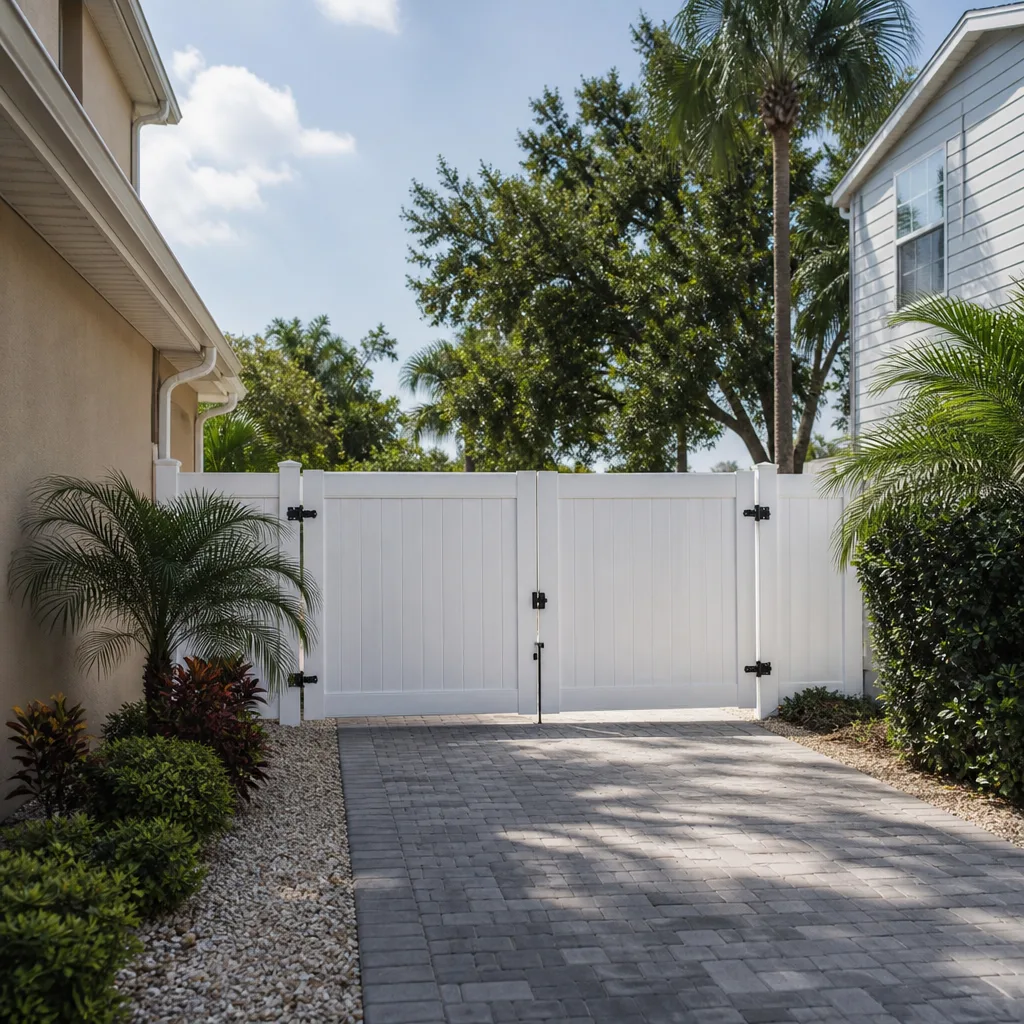
- Fence staining or painting. A finished fence needs upkeep, and that’s a weekend job. Installing the fence is a different question, which the Fence Installation in San Jose page covers because of property line, permit, and post-setting issues.
- Shelving, closet organization, and hardware swaps. Cosmetic, reversible, no risk.
- Trim and baseboard installation if you own the tools and can miter. This is borderline; it’s genuinely doable for a careful homeowner.
Where the savings are an illusion
- Bathroom remodels. Waterproofing, drain slope, and shower pan construction are where DIY fails most often, and the failure is invisible for anywhere from six months to several years before it rots the subfloor.
- Kitchen remodels. Electrical, plumbing, gas for the range, and permit requirements stack up fast. This is a licensed-contractor job even for the most capable homeowner.
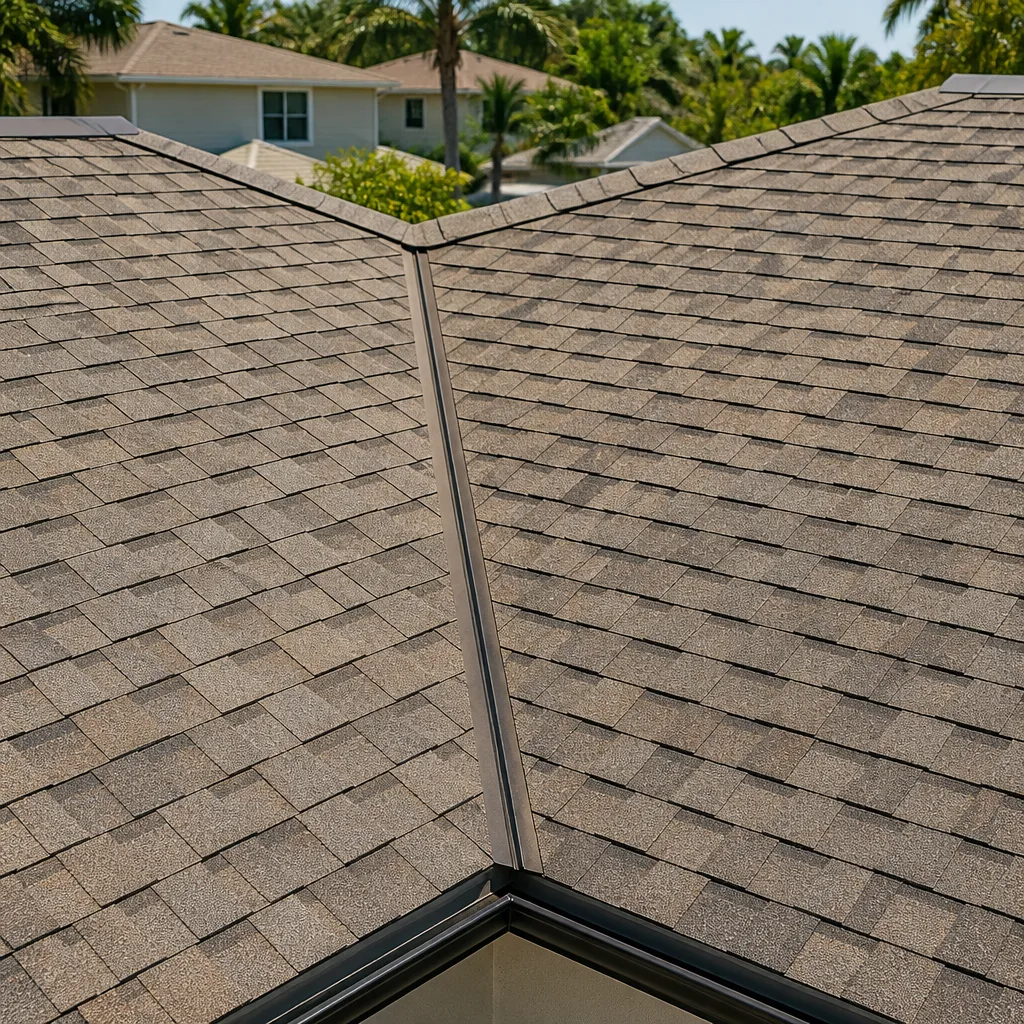
- Roof replacement or repair. The height work alone makes this a professional job. The permit and underlayment details are secondary to the safety question.
- Electrical panel work or any new circuit. This is the clearest case in the whole list. Permitted, inspected, licensed electrician only. No exceptions.
- Windows and doors that affect the building envelope. Improper flashing on a window install in San Jose’s climate causes rot at the rough opening, discovered years later. The savings evaporate the first time it rains sideways.
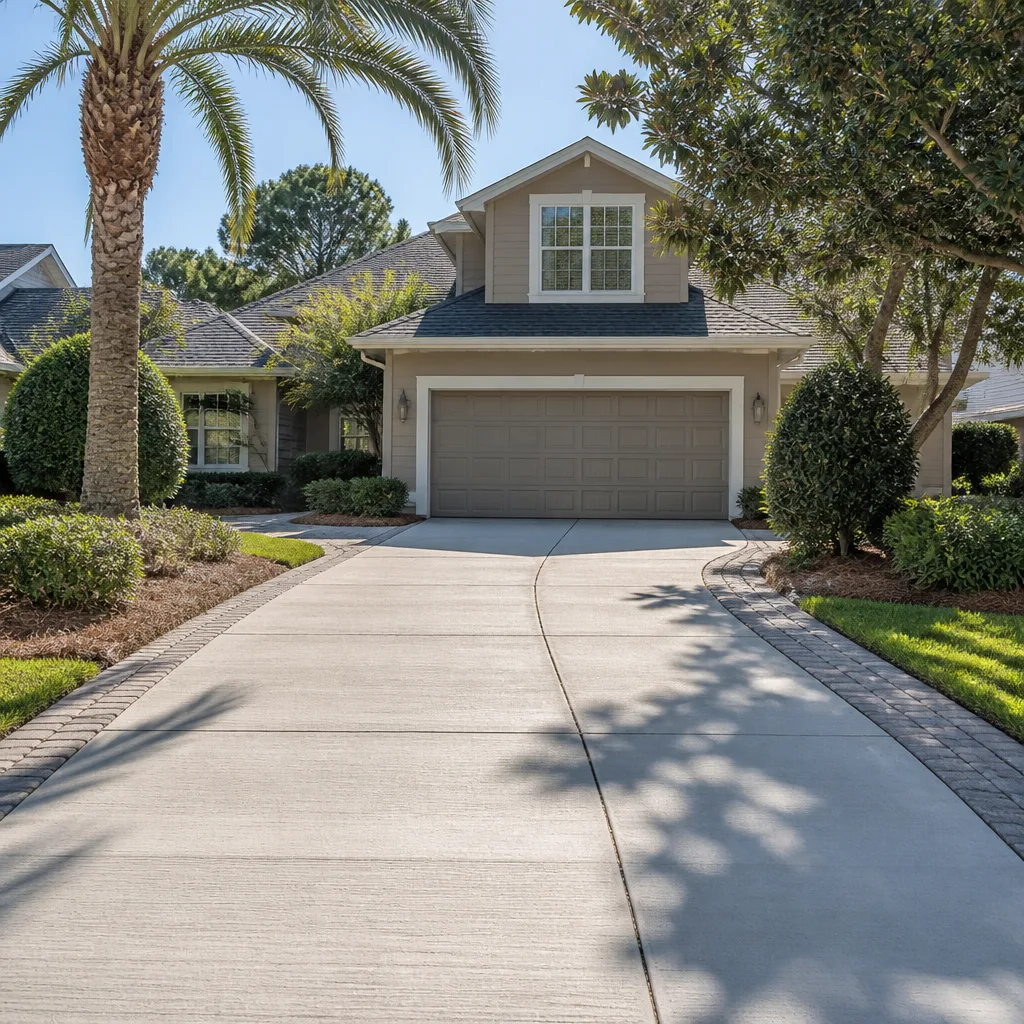
- Driveways and hardscape. Base preparation and grading determine whether a driveway lasts 30 years or needs replacement in 8. The Driveway & Pavers in San Jose page gets into base depth and material choice, which is where the real cost sits.
- Anything structural, including wall removal and additions. This is a licensed-engineer-and-contractor job.
The pattern is clear once you list it out. DIY works beautifully on the cosmetic layer and fails on everything below it. In San Jose, where home values run high enough that a single bad remodel mistake can cost more than the whole job, the “I’ll save the labor” reasoning gets expensive fast.
San Jose Climate and the Jobs That Punish Amateur Work
San Jose’s climate is friendly on a lot of measures and unforgiving on a few, and the unforgiving ones are exactly where amateur work gets caught. Understanding this is part of local expertise, and it’s the part most online guides skip.
First, the rain. San Jose averages around 15 inches of rain per year, but almost all of it lands between November and March, often in concentrated storms. That means a window install or roof repair done in June gets tested hard the first winter, and any flashing or underlayment shortcut shows up as a leak in the ceiling during the first real storm. In our experience, the majority of “the contractor’s work failed” complaints in San Jose trace back to flashing and drainage, not to the finish material. The professional crews get this right because they’ve seen what a wet winter does; DIY mistakes on the building envelope tend to surface the following March.
Second, the sun. San Jose gets around 260 sunny days a year, and UV exposure is hard on exterior finishes and roof materials. A DIY exterior paint job with cheap paint can chalk and peel in two or three summers, where a premium product with proper prep holds up much longer. If you’re going to do exterior work yourself, the material quality actually matters more than the labor. Using a known brand like Techo-Bloc or Cambridge Pavers on a hardscape project is often the difference between “did it myself and it lasted” and “did it myself and it needs replacing.”
Third, the ground. San Jose soil varies block to block. Parts of Almaden Valley sit on expansive clay that moves with moisture, which is why paving base prep and foundation work require local knowledge. A driveway done with shallow base in clay soil will crack, and the fix is a full replacement. A Quikrete-based concrete mix in a spot where the base wasn’t compacted enough will fail. This is where we see the biggest disconnect between what a tutorial shows and what actually holds up in San Jose.
Fourth, the seismic question. San Jose sits on the Hayward and Calaveras fault zones, and any structural change to a home has to account for that. Non-structural DIY is fine. Anything that changes the load path – wall removal, addition, second story, foundation work – belongs to an engineer and a licensed contractor, not a homeowner with a sledgehammer.
We’ve seen enough jobs across San Jose to know which shortcuts fail in which neighborhoods, and it’s rarely the ones a homeowner would guess. The pattern is consistent: the work that fails silently and shows up years later is the work that looked fine at the time.
What to Ask a Contractor to Verify They’re Carrying the Risk
Hiring a contractor to take on risk only works if they actually carry it. A handshake and a business card aren’t verification. These are the questions that separate a real professional from someone who’ll disappear when the work fails.
- What’s your license number, and can I verify it? In California, every contractor should be able to give you a CSLB license number you can look up. A contractor without a license can’t legally contract for work over $500 in materials and labor combined.
- Do you carry general liability insurance, and can I see a certificate? Ask for the certificate of insurance with your project address on it. A real contractor will have this ready.
- Do you carry workers’ compensation insurance? If they have employees, this isn’t optional in California. Whether they carry it tells you where the injury exposure lands if someone gets hurt on your property.
- Who’s pulling the permit? The answer should be “we are,” and if it isn’t, that’s a red flag. A contractor who wants you to pull the owner-builder permit is transferring the risk back to you.
- What’s your workmanship warranty, and what exactly does it cover? “We stand behind our work” is a sentence, not a warranty. Ask for the specific term, what triggers a claim, and how long it lasts after the last invoice is paid.
- Who will actually be on site, and are they vetted? Background-checked, uniformed technicians are a real signal of a professional operation. A crew that shows up in an unmarked van isn’t necessarily a run-for-the-hills sign, but it’s not the standard a business investment of this size deserves.
- Is the estimate written, itemized, and fixed? A written line-item quote with a fixed price is the difference between a project and a surprise. Verbal estimates and handshake deals are where change orders multiply.
At Groundwork Construction Co. of San Jose, every project comes with the 730-Day Done Right Promise – one of the longest workmanship guarantees in the residential construction space – and a written, fixed, upfront price. That’s the version of risk transfer that actually works. If the work needs a redo, we make it right. If you call, a live person answers, 24 hours a day. The technicians on your job are background-checked and arrive in uniform. The materials come through a curated set of brand partners, including Techo-Bloc, Cambridge Pavers, GAF, and Andersen, so the material quality is verified rather than whatever happens to be at the supply house that morning.
Resale, Disclosure, and the Paper Trail
San Jose’s housing market is one of the few places in the country where a 1950s ranch in Willow Glen sells for well over a million dollars, and that fact makes every improvement decision carry resale weight. What seems like a small DIY shortcut can become a disclosure item at the sale, and buyers in San Jose’s market are thorough.
Here’s what a smart buyer’s inspector will look for on a recently renovated home in San Jose:
- Permit records for any remodel done in the past 10 to 15 years, especially bathroom and kitchen work.
- Signs of unpermitted electrical additions (missing junction boxes, wrong-gauge wiring, exposed splices).
- Water stains or signs of previous leaks, especially around windows and showers.
- Roof age and permit history.
- Structural changes without engineering stamps.
If any of these turn up, the negotiation shifts. The buyer may ask for a credit, the sale can stall, or the deal can fall apart. Worse, if you’re the seller and you knew about unpermitted work, the disclosure requirement in California means you have to state it. The savings you made doing the work yourself can get clawed back at the closing table, and sometimes beyond it.
On the flip side, permitted work plus a workmanship warranty plus a documented paper trail is a selling point. A buyer looking at two similar houses in Cambrian will pay more for the one with the paperwork, and the 730-Day Done Right Promise travels to the new owner, which is a genuine closer at the negotiating table.
Common Mistakes to Avoid
- Pulling the owner-builder permit and then hiring an unlicensed handyman. That combination is a permit violation and an insurance gap rolled into one. The story usually ends at the first inspection or the first claim.
- Assuming “small job” means “no permit.” In San Jose, water heater replacements, electrical panel work, and even re-roofing require permits. The city doesn’t care that the job felt small on a Saturday morning.
- Skipping the waterproofing step in a shower remodel to save a day. This is the single most common DIY bathroom failure we see in San Jose homes. The damage shows up under the floor, not on the tile.
- Buying tools for a one-time project instead of hiring. For a single weekend job, the tool cost often closes most of the gap with professional labor. Rent or hire; don’t buy a compressor you’ll use once.
- Underestimating the soil in Almaden and the hills. Expansive clay and slope movement don’t respond well to shallow base prep or shallow footings. The driveway or the fence gives way first, and the fix is expensive.
- Taking a verbal price and a handshake. Then paying for change orders every week because the price was never actually fixed. A written, itemized, fixed quote is the protection.
- Not checking the contractor’s insurance certificate. A license number and a certificate of insurance are two separate documents. Ask for both, and confirm they’ll put your address on the certificate.
- Doing exterior work in May and assuming it will hold for the winter. In San Jose, the first storms in November or December are the real test. Any exterior or envelope work done without a permit or to a lower flashing standard fails that test.
See the difference
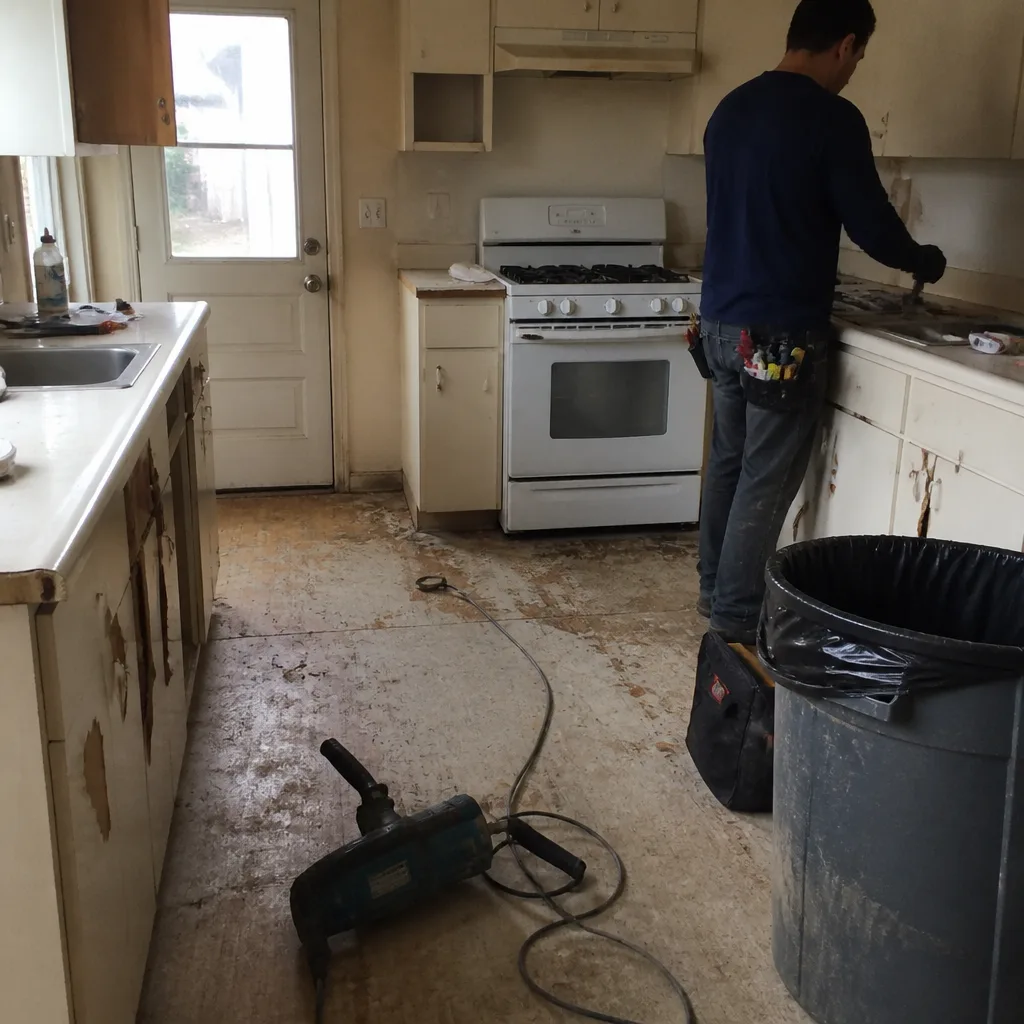 Before
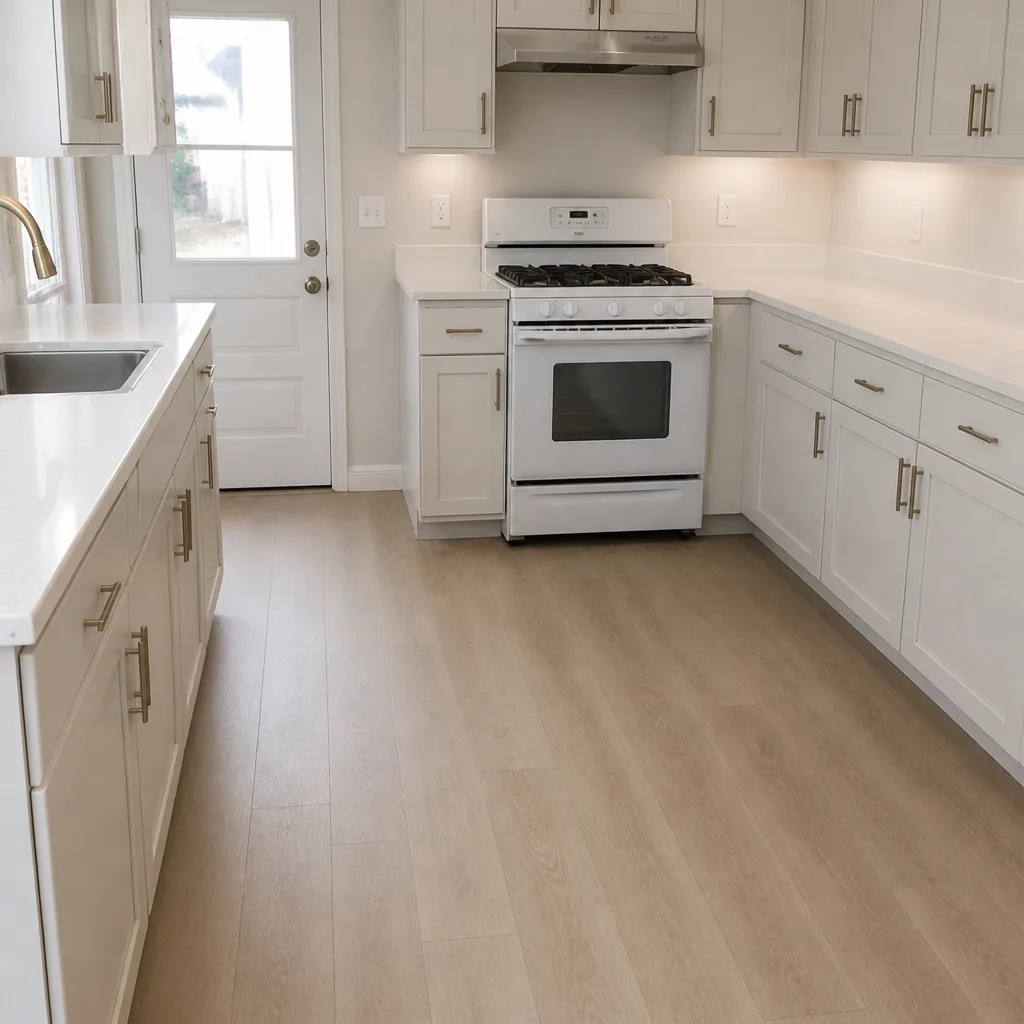 After
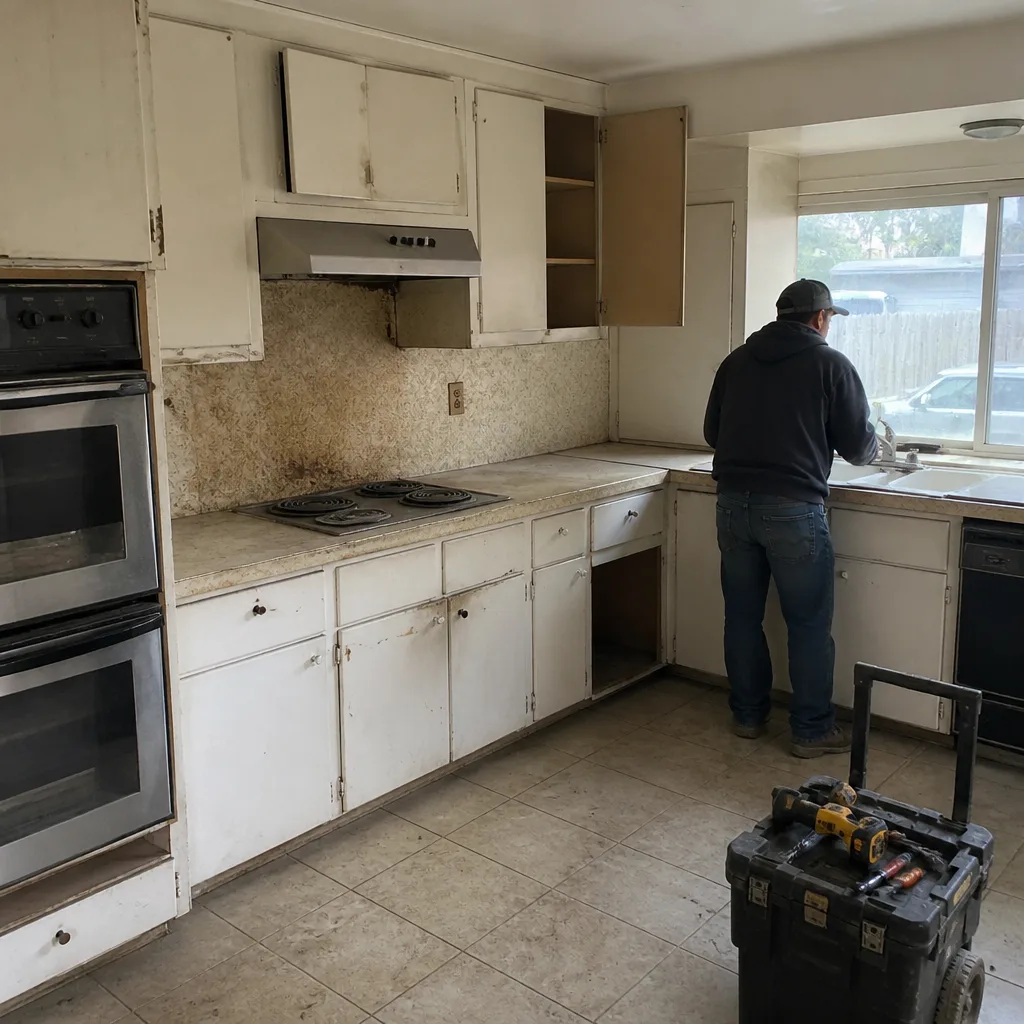 Before
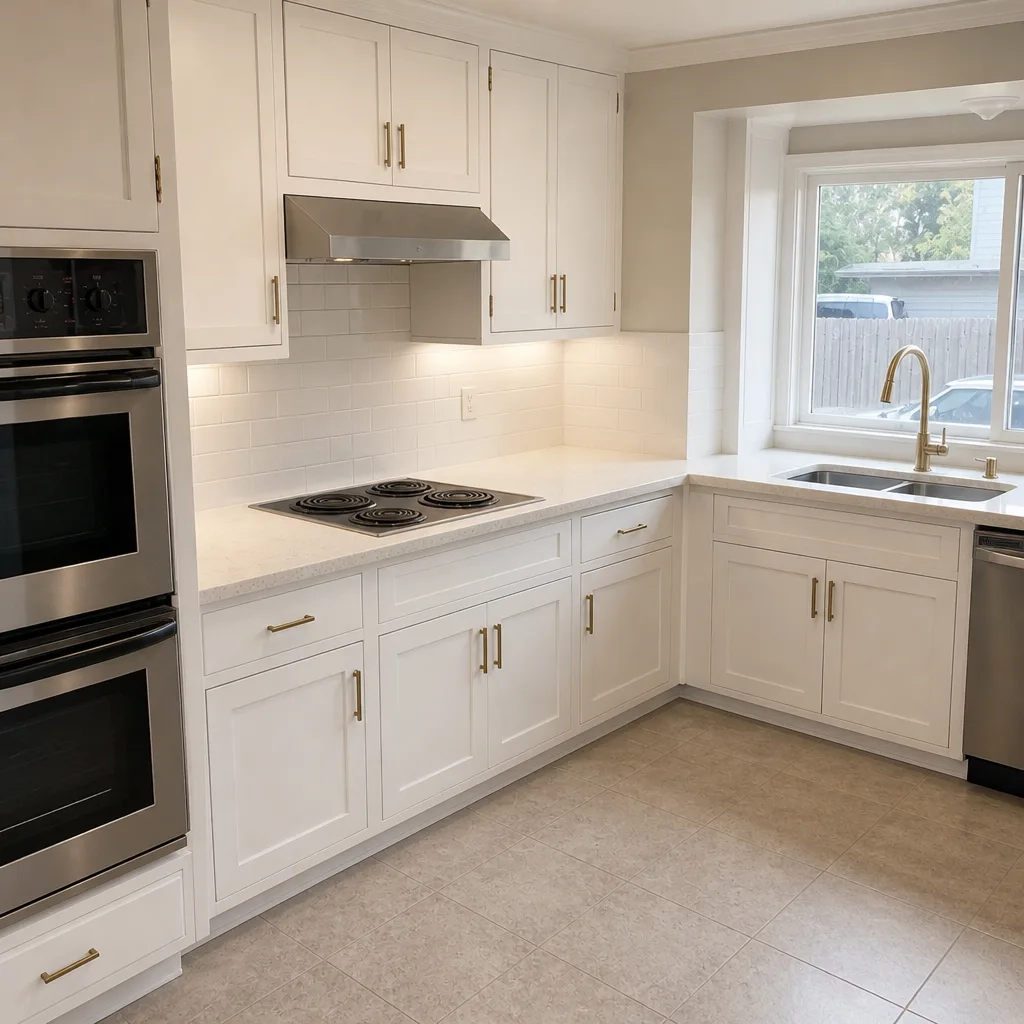 After
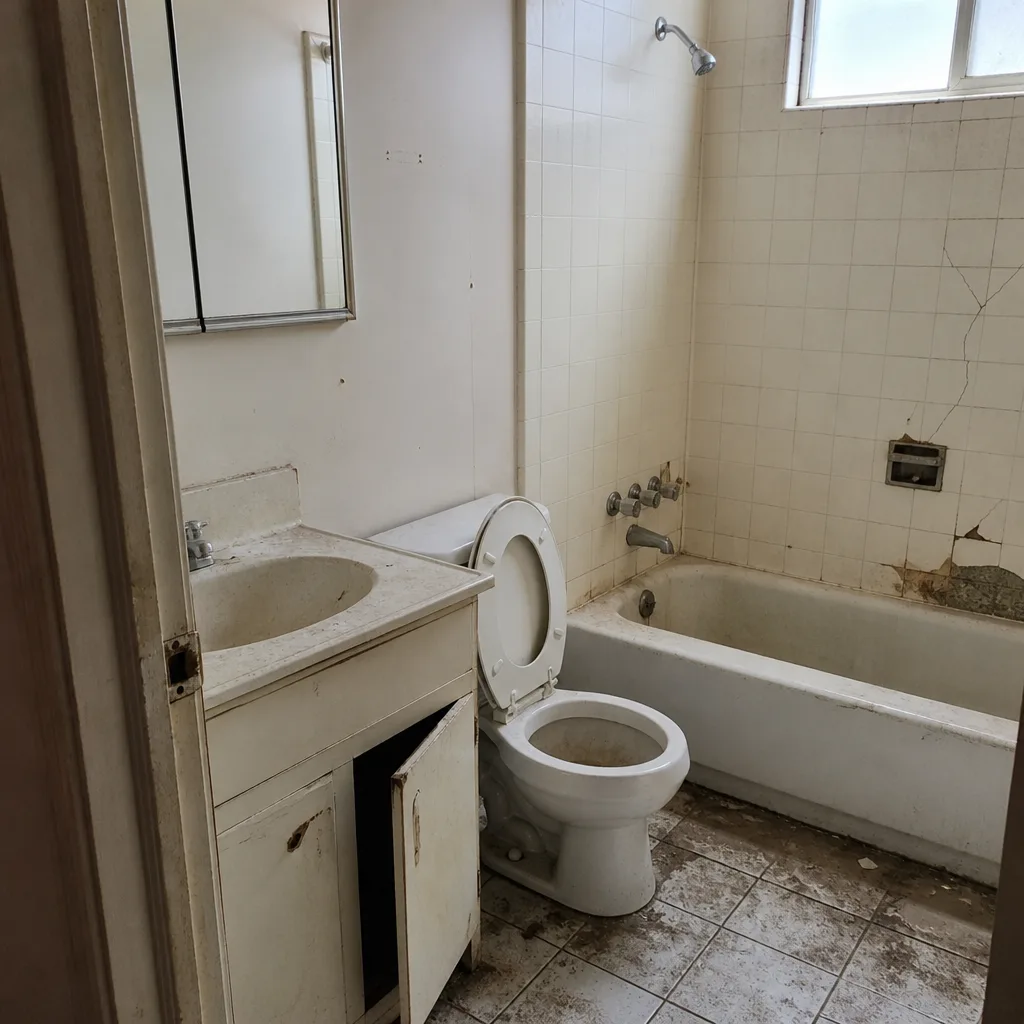 Before
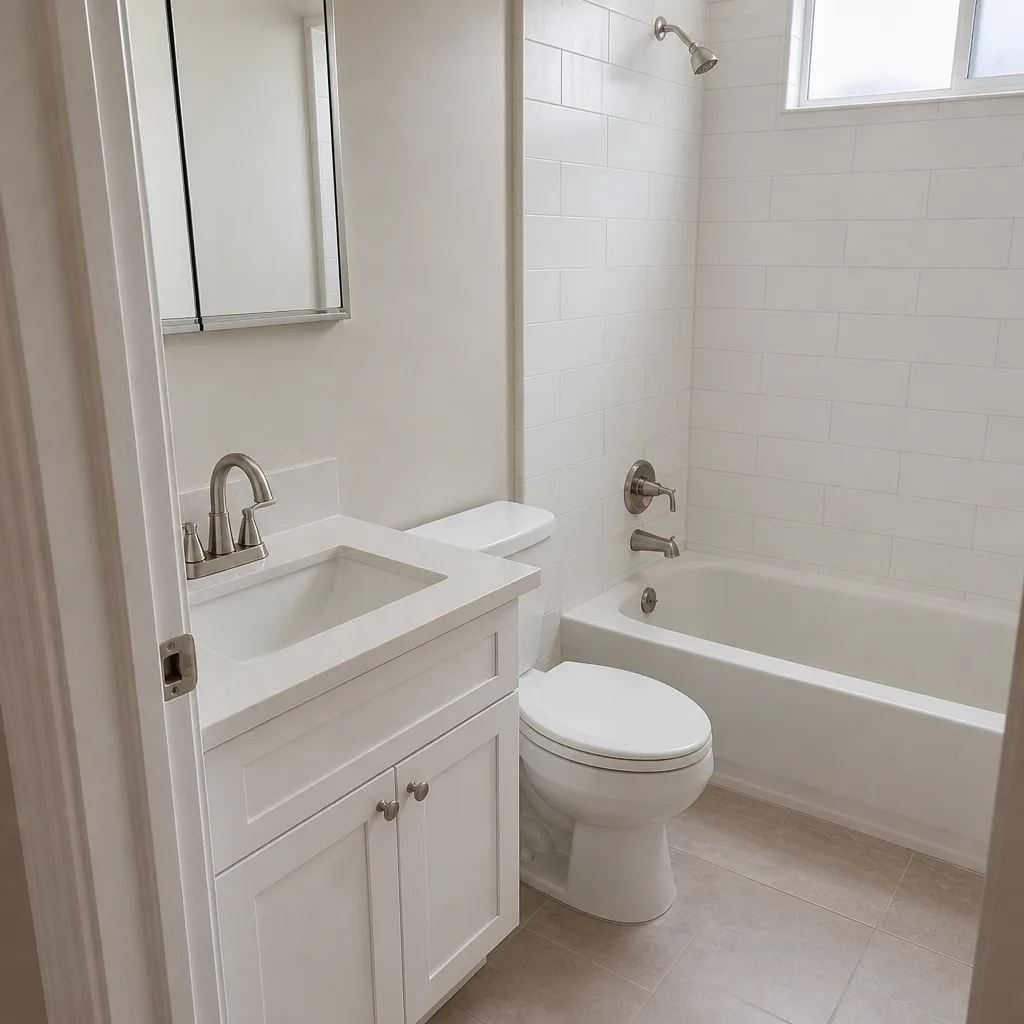 After
When to Call a Professional
Call a professional the moment the project touches structure, water, gas, electricity, the building envelope, or the permit record. That means any wall removal, any bathroom or kitchen remodel, any roof replacement or repair, any window or exterior door replacement, any electrical panel or new circuit work, any gas line, any foundation or footing work, and any addition or ADU. For San Jose homeowners, that also means any hardscape project where the base preparation matters more than the finish material, because a driveway or patio done wrong in local soil fails in 5 to 8 years instead of lasting 30.
Groundwork Construction Co. of San Jose offers free estimates in San Jose. Call (833) 988-3521 to schedule yours. The estimate is written, itemized, and fixed, so the number you see is the number you pay.
Frequently Asked Questions

Yes, on your own primary residence, as long as you pull the owner-builder permit and either do the work yourself or hire licensed subcontractors. You can’t hire an unlicensed person to do the work under an owner-builder permit, and you take on full liability for code compliance, worker injuries, and defects. For anything involving gas, electrical, or structure, the safer answer is to hire a licensed professional even though the law technically lets you act as your own builder.
A full bathroom remodel in San Jose typically runs $15,000 to $35,000 for a mid-range scope, and a high-end remodel can exceed that. DIY savings are usually overstated. Once you account for tools, waterproofing, permit handling, materials waste, and the risk of a shower pan failure that requires a full redo, DIY rarely beats a professional job on cost over a 5 to 10-year horizon. The risk transfer is worth more than the labor savings. Call (833) 988-3521 for an exact, written quote – estimates are free.
It can. California homeowner policies commonly have exclusions tied to code compliance or work done without permits, and insurers can reduce, delay, or deny a claim if the damage originates from unpermitted or non-compliant work. Even when a claim is paid, the record and the redo cost add up. The safest posture is to keep the permit record clean, which only a licensed contractor can guarantee.
Yes. San Jose generally requires a permit for roof replacement, including re-roofs with the same material, because the city inspects underlayment and flashing. Skipping the permit is not just a code violation; it’s an insurance and resale problem. On any roof above one story, it’s also a safety problem – fall protection and the actual working conditions are beyond what a homeowner should attempt.
Ask for their CSLB license number so you can verify it, a certificate of general liability insurance with your address on it, and confirmation of workers’ comp coverage. Ask who’s pulling the permit (the answer should be them), what the workmanship warranty term is and what it covers, and whether the estimate is written, itemized, and fixed. If any of those answers is vague, that’s your answer.
Three reasons. The market has high enough home values that a failed remodel costs more than the job at stake, tool costs in a high-cost-of-living area run higher, and the local soil and climate expose waterproofing and flashing mistakes faster than most of the country. The check that looks easy on YouTube gets tested by a real San Jose winter and a real inspector. Call (833) 988-3521 to schedule a free estimate and see what the professional scope actually looks like side by side with your DIY plan.
The Bottom Line
DIY versus professional in San Jose comes down to one question: how much risk are you willing to own? Cosmetic projects – paint, cabinetry refinishing, landscaping, hardware – are genuinely worth doing yourself and the savings are real. Anything touching permits, structure, water, gas, electricity, or the building envelope transfers the entire legal and financial risk to you, the homeowner, and the “savings” are an illusion once you factor in tools, do-overs, insurance exposure, and the price of a failed resale. The 730-Day Done Right Promise, a live person on the phone 24/7, background-checked and uniformed technicians, and a written, fixed, upfront price are the professional side of the ledger. The choice is between saving a weekend and owning the risk for years.
Call Groundwork Construction Co. of San Jose at (833) 988-3521 for a free estimate, a written and itemized quote, and a straight answer on whether your project is one we’d do ourselves at home or one to bring in a pro for. Most jobs are done in a single visit, and every one comes with a fixed price, no surprises, and a guarantee that’s built to last, backed in writing.
Written by the team at Groundwork Construction Co. of San Jose.