Last updated November 18, 2026

Free written scope consultation - allowances, timeline, and change-order rules on paper before a single trade is scheduled
DIY vs Professional Fence Installation: What’s Safe to Do Yourself
Post hole digging is where most DIY fences go wrong before a single board goes up. Not because homeowners can’t dig. Because a hand auger in San Jose’s clay leaves inconsistent bottoms, and no amount of concrete fully compensates for posts sitting at different depths. One post rides high, the next sinks, and by the time you’re nailing pickets the fence is already out of line. We’ve seen fences lean within two seasons for exactly this reason. This guide maps where DIY is a genuinely sound call, where the variables stack up against you, and how to tell the difference before you rent a single tool in San Jose.
Quick Answer
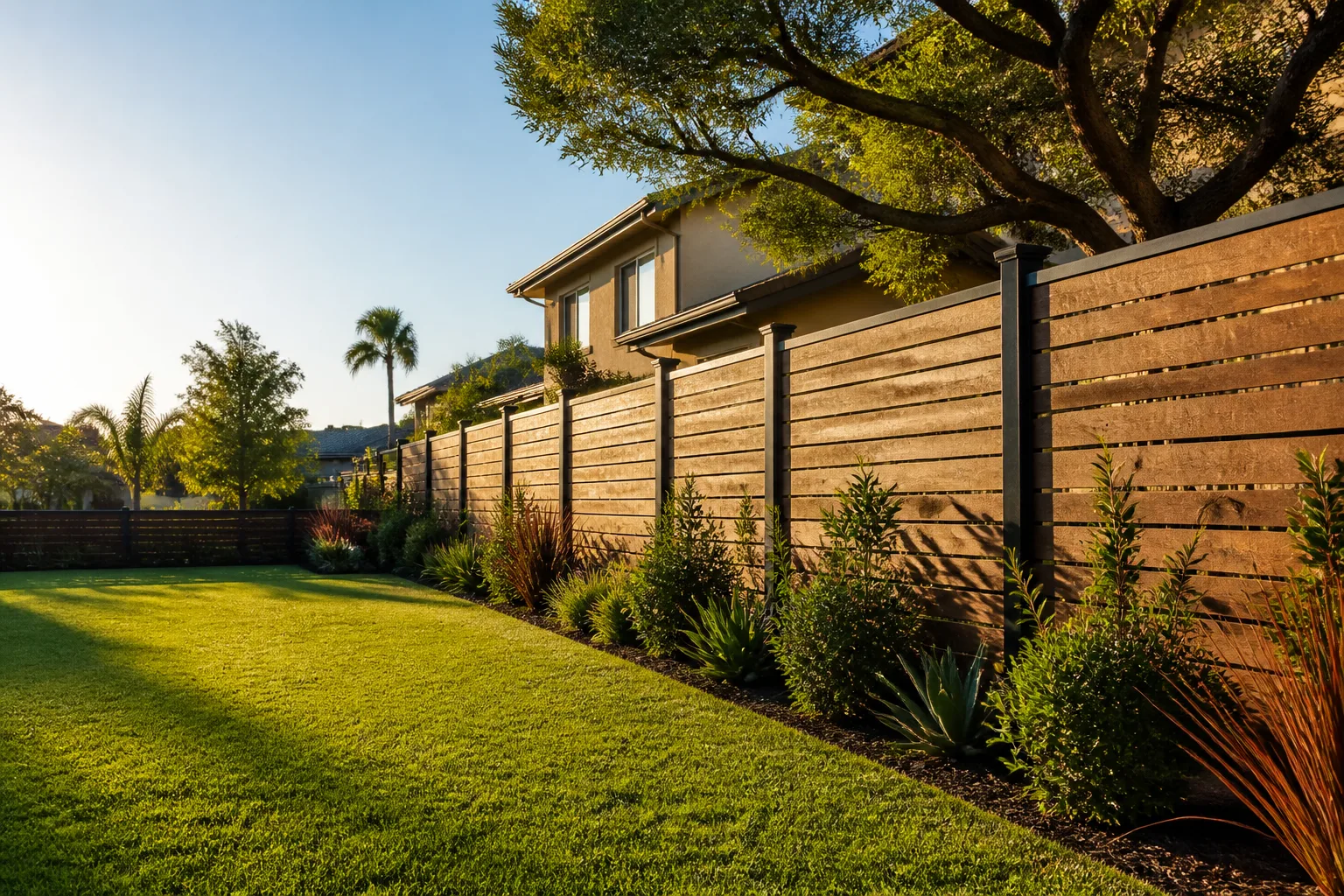
DIY fence installation makes sense when you have flat ground, no permit requirement, a boundary you own outright, no HOA restrictions, and a simple wood privacy fence under about 6 feet. Every one of those conditions you can’t honestly check off multiplies the complexity and the cost of a mistake. For anything on a slope, anything involving a shared boundary, and any material with tight tolerance like vinyl or a gate, professional installation usually comes out cheaper once you count tool rental, wasted material, and your own weekends.
Styles & brands we work with
- Kitchen remodeling
- Bathroom remodeling
- Home additions & ADU
- Roofing
- Windows & doors
- Driveway & pavers
- Fence
Table of Contents
- When DIY Is Actually Realistic
- The Conditions That Multiply Complexity
- Equipment Reality Check: Hand Auger vs. Hydraulic Auger
- How California’s Shared Fence Law Changes Your Risk
- The Real Installed Cost: DIY vs. Professional
- Which Fence Types Are DIY-Friendly and Which Aren’t
- The Steps Professional Installers Follow That DIYers Skip
- Common Mistakes to Avoid
- When to Call a Professional
- Frequently Asked Questions
When DIY Is Actually Realistic
A capable homeowner can absolutely build a wood privacy fence. We’re not going to pretend otherwise. But “capable” and “realistic” aren’t the same thing. Realistic means the specific site in front of you passes a short checklist before you commit. If it fails even a couple of items, the project stops being a weekend job and starts being a construction project you’re managing without the training.
The four conditions that make DIY genuinely reasonable:
- Flat grade. A drop of more than a few inches across 40 feet changes how every panel is built. On flat ground, panels repeat. On grade, every panel is custom.
- No permit required. Many San Jose fences under 6 feet don’t require a building permit, but the rules depend on setback, corner lots, and whether your property is in a specific overlay. Confirm with the city before you cut anything.
- A boundary you own and can verify. If your survey isn’t current, you don’t know where the line is. Building a fence in the wrong place can turn into a legal dispute in weeks.
- No HOA restriction. HOAs in San Jose neighborhoods often dictate fence height, material, color, and even post caps. Get written approval before you order lumber.
Meet all four and a basic cedar or pressure-treated privacy fence is well within reach for most homeowners. Miss two or three, and the math shifts fast. That’s the honest version. If you’re not sure whether your line is shared or your grade is flat enough, a free estimate is cheaper than the wrong lumber order. We work in San Jose regularly and can flag the site issues you’d otherwise discover after the holes are dug.
The Conditions That Multiply Complexity
Here’s the thing most DIY guides skip: complexity doesn’t increase linearly with site difficulty. It compounds. One problem is a project. Two problems that interact with each other is a project that takes three times as long and twice the material as you planned.
Consider a slope combined with a gate. On flat ground a gate is a rectangle that swings freely. On a slope, the gate has to swing clear of the grade through its full arc while the hinge post stays perfectly plumb on a sloped hole. Add a shared boundary on that same slope and now you’re coordinating line placement with a neighbor while you build to a grade that neither of you agrees on. Each variable on its own is solvable. Together they’re a job that a new install typically takes a full day and a first-timer doesn’t finish in a weekend.
The specific site conditions that push a fence from DIY into professional territory:
- Grade changes over 6 inches across a run. Every panel becomes a custom cut and the fence line needs to step or rake deliberately.
- Rock or caliche in the soil. Parts of San Jose have ground that stops a hand auger cold and no amount of patience gets through it.
- Utility lines in the dig zone. Call 811 before you dig anywhere. Hitting a gas, water, or irrigation line is expensive and occasionally dangerous.
- Corner lots and view corridors. Sightline and height restrictions apply in specific San Jose locations.
- Historic or overlay districts. These can dictate material and appearance in ways a stock lumber order won’t satisfy.
Every additional variable matters because the failure mode isn’t a fence that collapses in week one. It’s a fence that looks fine at first and starts leaning, sagging, or racking within two seasons. That’s when homeowners call us to install a fence in San Jose the way it should have been built in the first place.
Equipment Reality Check: Hand Auger vs. Hydraulic Auger
This is the piece almost nobody talks about honestly. A rented two-man post hole digger costs around $60 to $90 for a day. A professional hydraulic auger, the kind mounted on a skid steer or a dedicated post-driver rig, is a different class of tool entirely. The difference isn’t speed. It’s consistency of the hole bottoms.
In San Jose’s bay clay, an auger that meets rock, root, or hard dry clay will wander. A hand auger operator has to react to that in real time, and every reaction is a different depth, a different diameter, a different angle. Inconsistent hole bottoms mean inconsistent post depth. Inconsistent post depth means the concrete footings don’t all sit on bearing soil the same way. Over a 100-foot run that variation is the difference between a fence that stays plumb through a wet winter and one that starts racking toward the weak side.
What the professional setup actually buys you:
- Consistent hole diameter and depth through clay, so every footing is engineered the same way.
- Footing depth to frost-line-equivalent standard for your soil conditions, which matters more than most DIY guides admit.
- Faster execution so posts go in and get braced while the concrete is still workable.
- Less chance of damaging a utility line through a controlled, methodical dig.
For a 40-foot fence in soft, sandy soil with no rock, a hand auger is genuinely fine. For a 100-foot run in San Jose clay, the rental cost of the tool is the smallest part of the equation. The cost is the second pass you’ll do next spring when the leaning posts need to come out.
How California’s Shared Fence Law Changes Your Risk
This is where DIY fence installation goes from a construction question to a legal one very quickly. California Civil Code governs how shared boundary fences are treated, and the rules give both neighbors specific rights and obligations. If you build a fence unilaterally on a shared boundary without coordinating, the fallout usually isn’t a construction problem. It’s a property dispute.
The core issues you need to understand before you touch a shared fence:
- Presumed equal responsibility. On a boundary fence between two adjoining properties, California law generally presumes both neighbors share the cost unless there’s an agreement that says otherwise.
- Notification and consent. You can build a fence on your own property without permission. You can’t presume the right to build on a shared line without coordination, and a fence placed slightly off a surveyed line can be treated as an encroachment.
- Survey before build. If you don’t have a current survey, you don’t actually know where the line is. A DIY fence built 8 inches onto a neighbor’s side can be removed at your cost or litigated.
- HOA records matter. Some San Jose HOAs track fence responsibility per parcel. Confirm what’s on record before you build.
If you’re repairing a section of your own fence, none of this applies. If you’re replacing an entire boundary fence, the safest path is a professional who will pull permits where required and work to a verified survey line. When we quote a San Jose fence installation, verifying the boundary is part of the job, not a separate conversation the homeowner has to have alone. The Groundwork Construction Co. of San Jose home page has more on how we approach the work.
The Real Installed Cost: DIY vs. Professional
The DIY cost comparison most homeowners run stops at the material receipt. That’s the wrong place to stop. A real comparison includes tools, waste, permit costs, and an honest value on your weekend. Run those numbers honestly for a typical 100-foot shared-boundary wood privacy fence in San Jose and the gap narrows considerably.
Here’s how the two paths stack up for a 100-foot, 6-foot cedar privacy fence with one gate:
| Line item | DIY (typical) | Professional (typical) |
|---|---|---|
| Material (cedar or pressure-treated, all components) | $2,400 – $3,400 | Included in bid |
| Waste allowance for miscuts and grade errors | $200 – $500 | None (installer absorbs) |
| Tool rental (auger, compressor, nailer, saws) | $150 – $300 | None |
| Concrete and post mix | $120 – $220 | Included |
| Permit (if required) | $0 – $400 (varies) | Pulled by pro |
| Gate hardware (hinges, latch, bracing) | $80 – $180 | Included |
| Concrete disposal and haul-away | Often skipped, sometimes fined | Included |
| Time investment | 3 – 5 weekends for first-timer | 1 – 3 days |
| Realistic total for the build | $3,000 – $5,000 + 40 – 70 hours | Quoted up front, typically $3,800 – $6,200 |
Notice what happens: DIY comes in a bit cheaper on paper, but the gap in most San Jose projects is under $800 and the time and risk are entirely on you. Where the gap disappears entirely is when a DIY fence needs rework. Replacing a few posts and a stretch of panels easily runs $600 to $1,500 in material and another 20 hours of your time. Now the “savings” are negative.
Professional bids also come with something DIY doesn’t: an upfront price, a workmanship guarantee, and someone else’s name on the permit. Our projects are covered by the 730-Day Done Right Promise, which means if the fence is out of line, if a post shifts, or if the gate stops functioning the way it should, we fix it. You can’t guarantee your own work to yourself. Driveway & Pavers in San Jose often pairs with a fence install if the homeowner is redoing the front approach at the same time, which is usually where the math tips further toward a single professional conversation.
Which Fence Types Are DIY-Friendly and Which Aren’t
Fence type matters more than most homeowners realize. Some fences are forgiving of small errors. Others have failure modes baked into the design that only show up after installation, when fixing them means tearing out panels.
Genuinely DIY-friendly
- Basic wood privacy fence (flat grade, no gate). The most forgiving category. Minor panel variation doesn’t ruin the look if the posts are plumb.
- Cedar dog-ear picket fence. Simple, forgiving of small grade changes, and easy to repair a single section later.
- Short decorative garden fencing. Low stakes, low consequence, well within reach for a weekend project.
Professional territory
- Vinyl fencing. Vinyl has almost zero tolerance for post placement error. A post that’s 1/4-inch out of plumb gets magnified by rigid panels. It sags, it pulls, the panels never sit right, and the fix requires pulling the post and starting over.
- Aluminum and steel ornamental fencing. Heavy, requires solid footing and precise alignment, and gates need to swing perfectly or the whole assembly feels broken from day one.
- Any fence with a substantial gate. Gates weigh more than homeowners expect. A walk gate needing to swing clear through a full arc on sloped ground is a genuinely difficult installation to do right the first time.
- Anything on significant grade or a corner. Custom panel work plus sightline restrictions plus grade equals a job that benefits from experience.
- Any shared boundary fence. Legal complexity plus construction complexity is not a good DIY combination.
We install everything from cedar privacy fences to premium composite and vinyl systems, sourced through our material partners like Belgard and James Hardie, so the finish matches the structural work. If you’re weighing whether your fence falls into the “give it a shot” or “don’t do this one yourself” column, that’s a ten-minute phone call.
The Steps Professional Installers Follow That DIYers Skip
The gap between a professional installation and a typical DIY attempt isn’t the actual building. Both paths install posts and panels. The gap is in the prep. Here’s what a proper installation includes that most weekend builds don’t.
- Verify the boundary with a current survey. Before any stakes go in the ground, the property line is confirmed. This is the single most important step for any shared fence, and the one most homeowners skip.
- Call 811 and confirm utility locations. A hit line is expensive and occasionally dangerous. There’s no workaround.
- Pull permits where required. Many San Jose installations require permits based on height, location, or overlay district. Pulling them is part of the job.
- Establish grading and step the fence line deliberately. On grade, the run gets planned so each panel is either racked smoothly or stepped in increments that stay visually consistent.
- Auger holes to consistent depth. Every hole matches. Every footing bears the same way. This is where the hydraulic auger difference actually matters.
- Set posts plumb in a single workable concrete pour. Plumb is a specification, not a best effort. Bracing happens while the concrete is still workable, not two weekends later.
- Frame, install panels, and hang the gate last. The gate is installed after the run is complete and solid, which is why it swings cleanly on day one and stays that way.
- Walk the line with the homeowner. Final approval before any cleanup. Every post checked, every gate swung, every panel inspected.
None of these steps require a licensed contractor to do. What they require is someone who’s done it enough times to know the sequence is the whole job. The first-timer usually front-loads the building and back-loads the planning, and that’s why we get calls in March for fences that were built last May.
Some fences pair naturally with other exterior work. If you’re reinsulating a garage or adding a small structure, a home addition or ADU in San Jose project often touches the property line or the fence in ways that make a coordinated plan worthwhile.
Common Mistakes to Avoid
- Digging without calling 811. Hitting a utility line is expensive, dangerous, and entirely preventable with a free call. No visit, no dig.
- Skipping the survey and building on a presumed boundary. “My neighbor and I always thought the line was here” is not a survey. It’s an expensive assumption. Build on a verified line or don’t build on a shared one at all.
- Assuming a short fence doesn’t need a permit. San Jose has specific height and location rules that can catch homeowners off guard. Check with the city before you order lumber.
- Hand-augering in Bay Area clay and calling it done. The holes look fine from above. The problem is at the bottom, and it shows up next spring when the fence starts to lean.
- Building a gate first. The gate is the last component, always. Building it before the run is solid means it will bind, sag, or stop latching within a season.
- Mixing grades of lumber across panels. Some panels get tight grain, some get open grain, and within six months you can see which ones are going to fail first. Order the whole run at once.
- Skipping HOA approval in San Jose neighborhoods. A fence that violates the architectural committee rules can be ordered removed. Confirm approval, in writing, before the first post goes in.
When to Call a Professional
Call a professional when any of these is true: the fence is on a shared boundary, the grade changes more than about 6 inches across the run, a substantial gate is part of the plan, the material is vinyl or ornamental metal, the fence needs a permit, or the boundary isn’t verified by survey. Any one of those turns the project from a weekend into a specialized job. Two or more and DIY stops being the financially smart choice.
We’ve walked onto enough San Jose properties mid-project to know the pattern. The homeowners who call early save the most. The ones who call after the first post is in the wrong place save less.
Groundwork Construction Co. of San Jose offers free estimates in San Jose. Call (833) 988-3521 and we’ll walk the site, verify the boundary concerns, and give you an upfront number before any lumber is ordered. Estimates are free, and the price we quote is the price you pay.
Frequently Asked Questions
It depends almost entirely on your site. On flat ground with no permit, no HOA restriction, a boundary you own outright, and a basic wood privacy fence, DIY can save $800 to $1,500 over a professional bid. On a sloped or shared-boundary lot, or with vinyl or a substantial gate, the DIY savings are usually eaten by rework within the first two years. Call (833) 988-3521 for a free estimate if you want a professional number to compare against.
For a 100-foot, 6-foot cedar privacy fence with one gate, professional installed pricing in San Jose typically runs between $3,800 and $6,200 depending on access, grade, and material selection. DIY material and tool costs for the same fence usually come in between $3,000 and $5,000 with no warranty and 40 to 70 hours of labor. Call (833) 988-3521 for an exact quote on your specific site. Estimates are free.
It depends on height, location, and lot type. Many residential fences under 6 feet along a rear or side lot line don’t require a permit, but corner lots, overlay districts, and fences over a height threshold generally do. Confirm with the San Jose planning department before you order material. If a permit is required, we pull it as part of the job.
Digging holes with a hand auger and assuming consistency will work out. The posts look plumb from above, but the hole bottoms are at different depths in clay soil, and the fence starts to rack within two seasons. Fixing that means pulling posts and redoing the run, which typically runs $600 to $1,500 in material alone. Call (833) 988-3521 if you’d rather not gamble on the footing.
On property you own outright and can verify by survey, yes. On a shared boundary fence, no. California Civil Code presumes shared responsibility on boundary fences, and building on a presumed line without coordination can turn into a legal matter quickly. Verify the line and coordinate before you build. When we install in San Jose, verifying the boundary is part of the scope.
Not with us. Our pricing is upfront and fixed. The number on the quote is the number you pay, unless you personally request a scope change. Projects are covered by the 730-Day Done Right Promise, so if the work isn’t correct, we make it right. Call (833) 988-3521 for a free estimate and a written line-item quote.
The Bottom Line
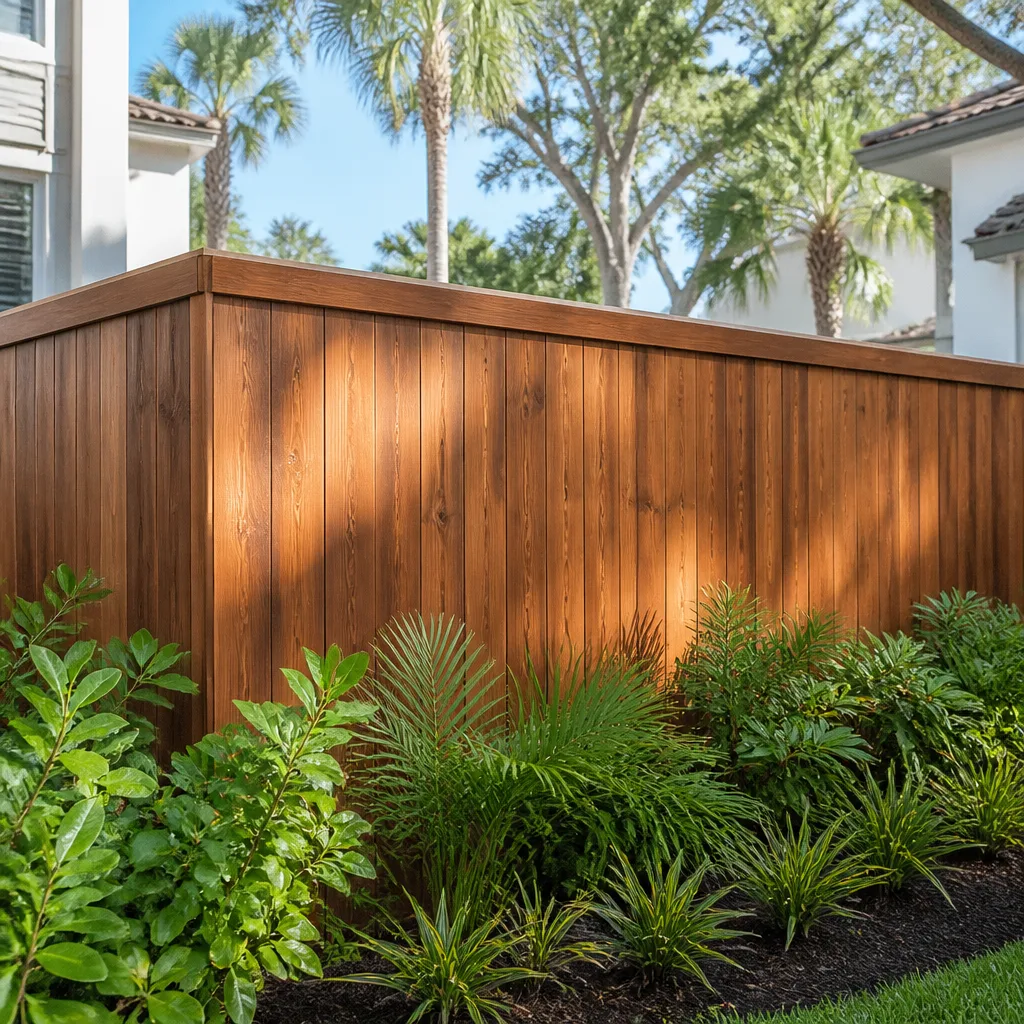
DIY fence installation works when you’re on flat ground with no permit, no HOA restriction, a solo boundary, and a simple wood privacy fence. Each condition you can’t check off multiplies the complexity and risk. The quiet killer in San Jose is post hole consistency: hand-auger depth in Bay Area clay creates footings that settle unevenly, and that’s the failure most DIY fences hit first. The real cost comparison, with tool rental and honest time counted, narrows the savings to under $800 on most projects and erases them entirely when rework enters the picture.
Where DIY stays legitimate, go for it. Where the site kicks up, call. Groundwork Construction Co. of San Jose offers free estimates, upfront pricing, and a 730-Day Done Right Promise. Call (833) 988-3521 and we’ll help you figure out which side of the line your project is on. Live person, 24/7, no voicemail black holes. And if you’re planning fence work alongside a broader exterior project, our Groundwork Construction Co. of San Jose home page has the full scope of what we build from foundation to finish line.
Written by the team at Groundwork Construction Co. of San Jose.
See the difference
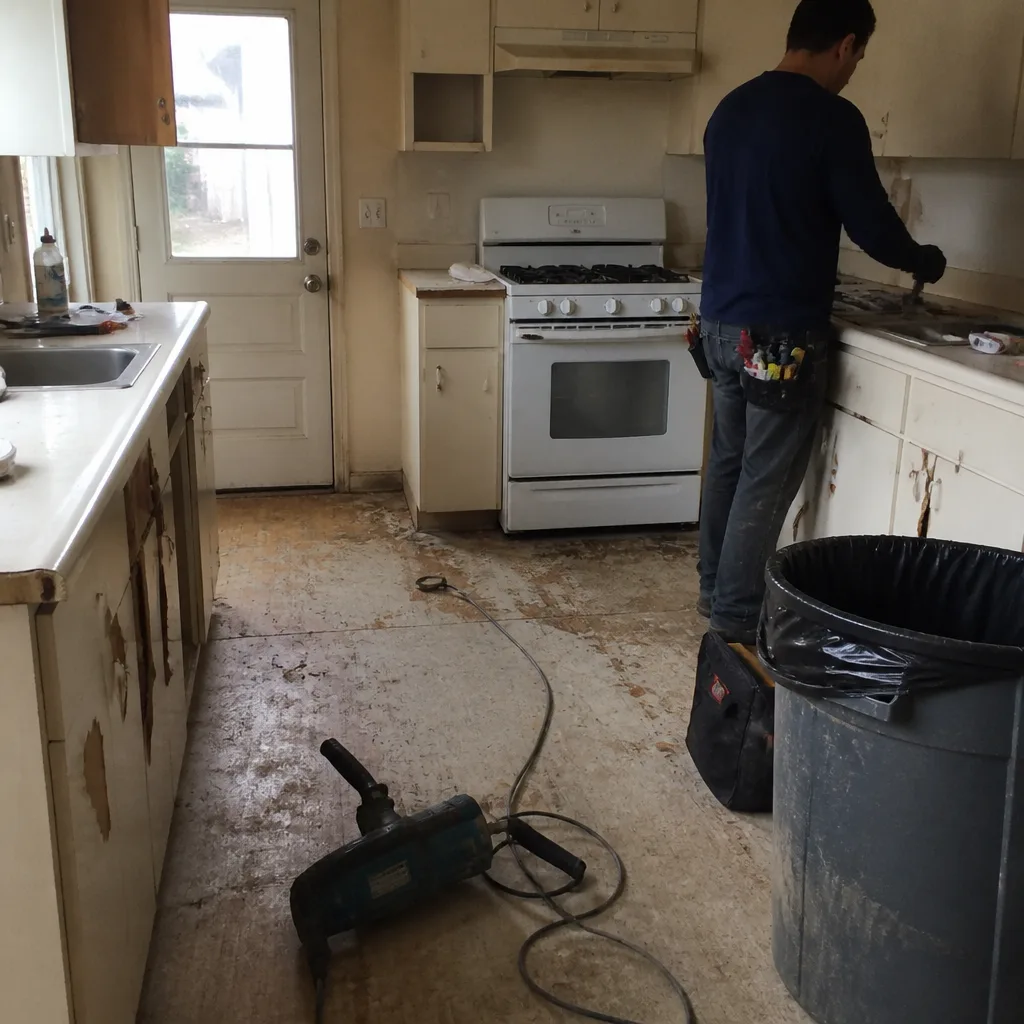 Before
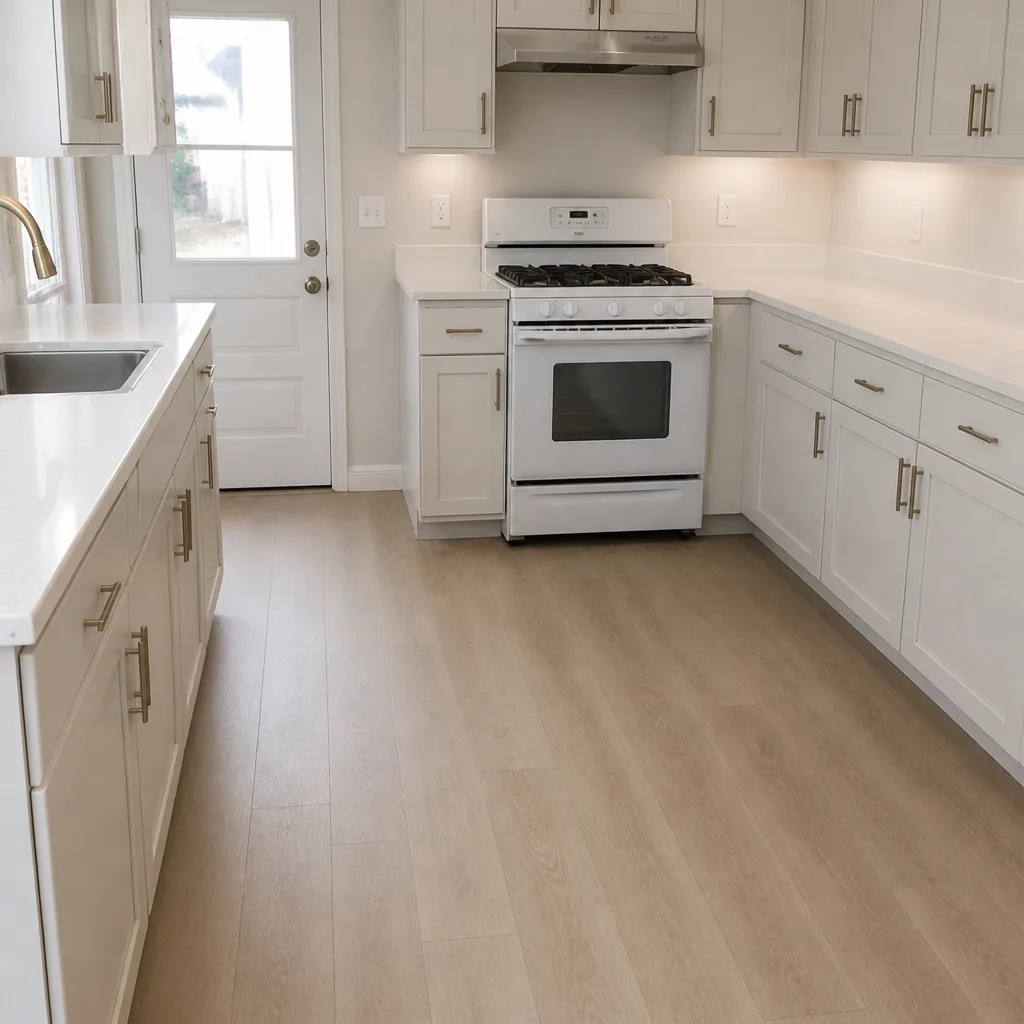 After
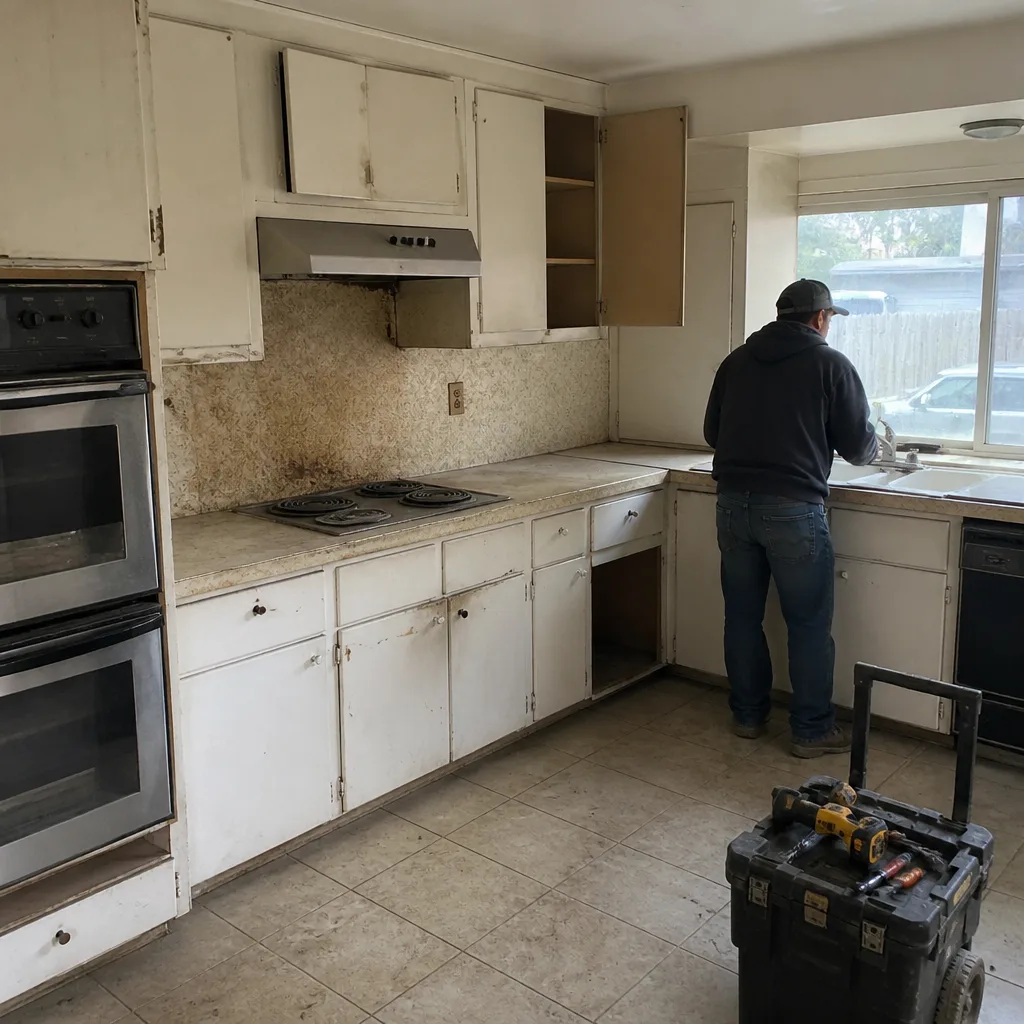 Before
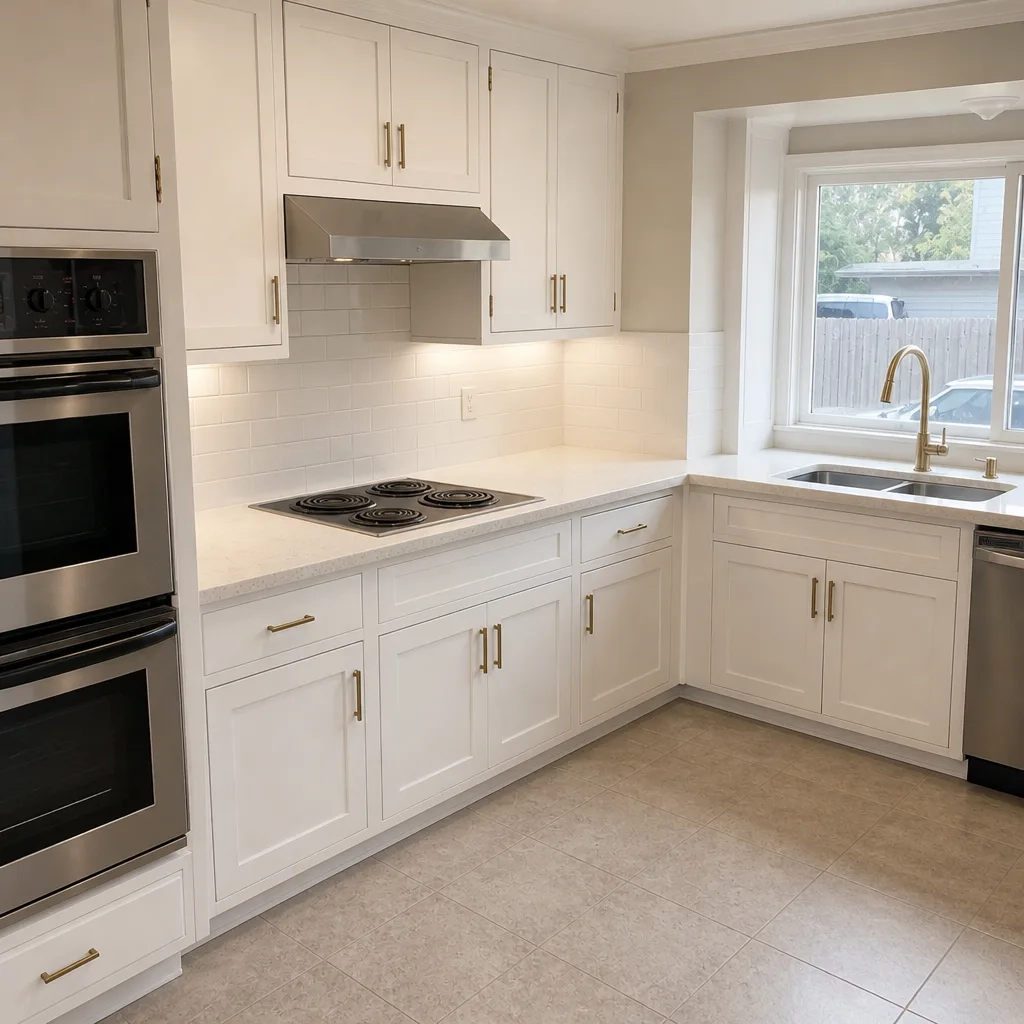 After
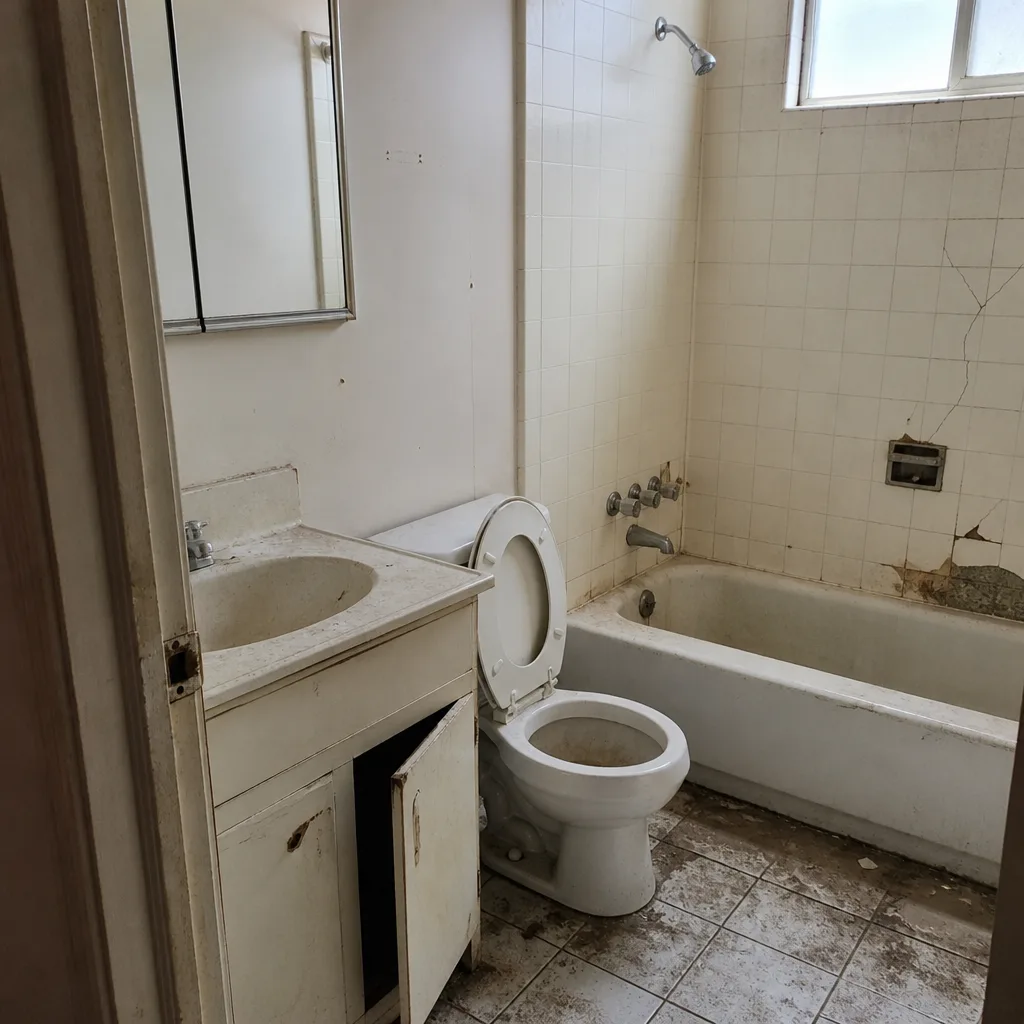 Before
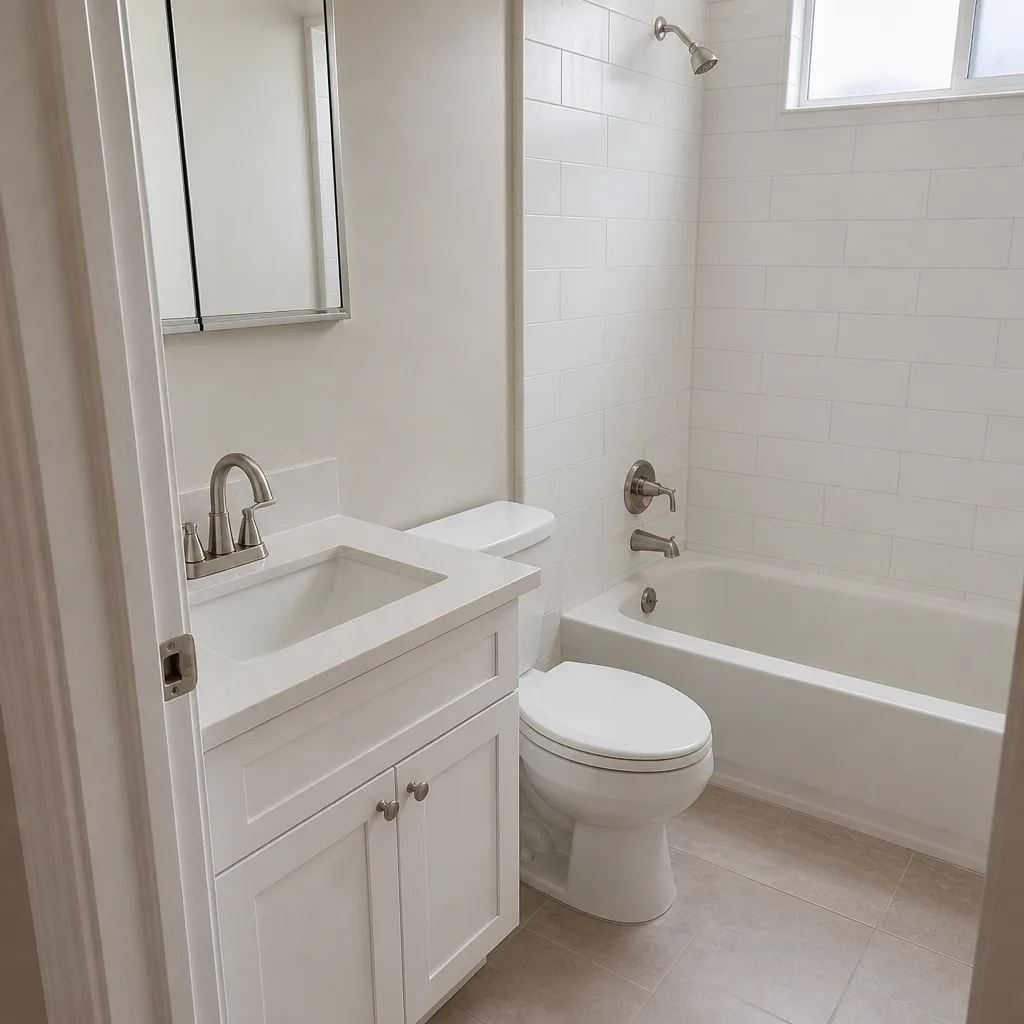 After