Free written scope consultation - allowances, timeline, and change-order rules on paper before a single trade is scheduled
Styles & brands we work with
- Kitchen remodeling
- Bathroom remodeling
- Home additions & ADU
- Roofing
- Windows & doors
- Driveway & pavers
- Fence
See the difference
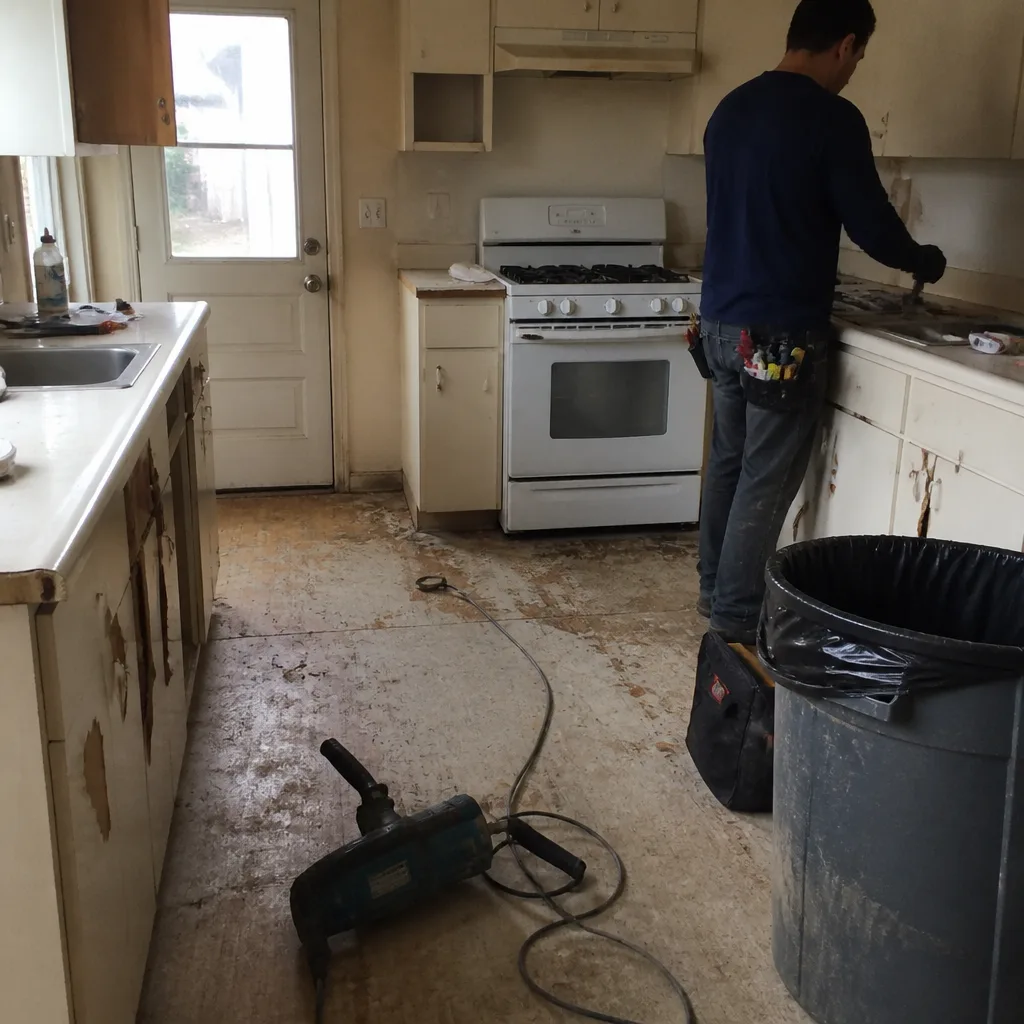 Before
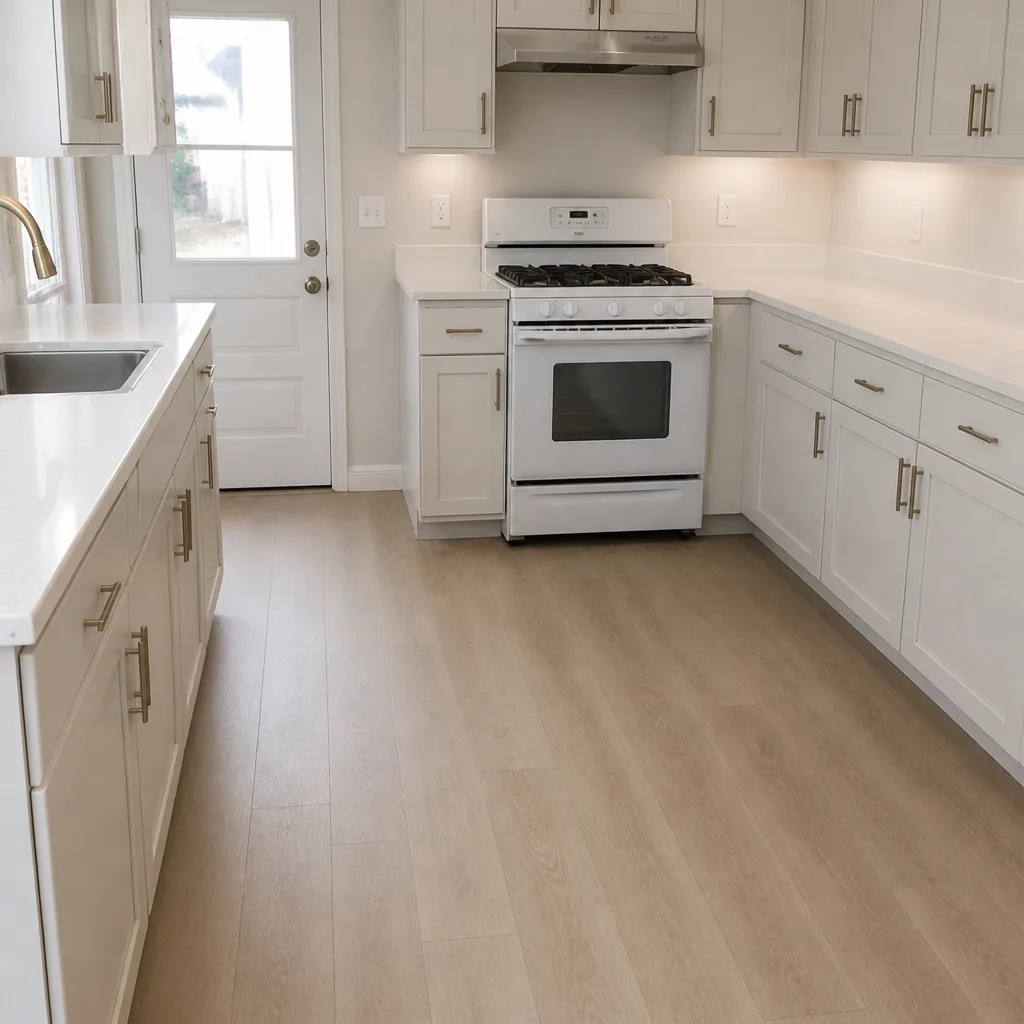 After
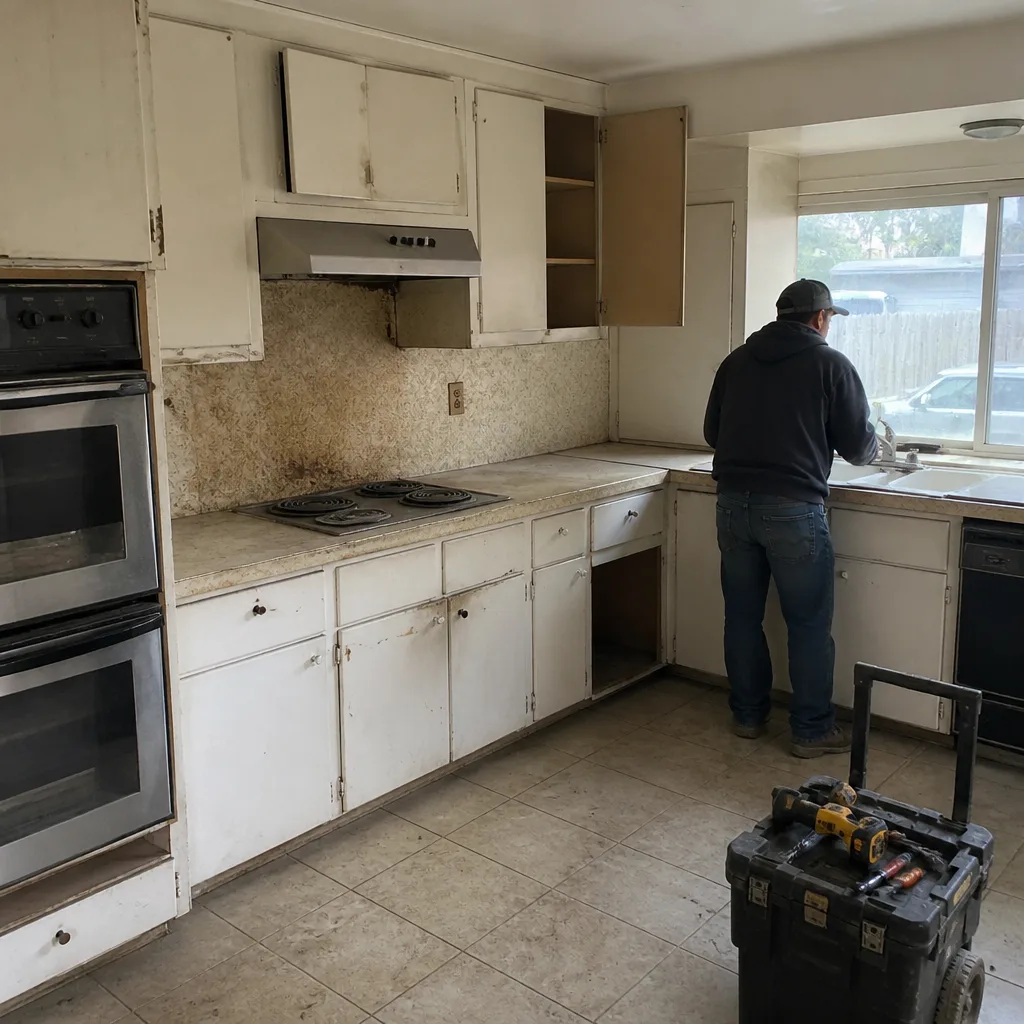 Before
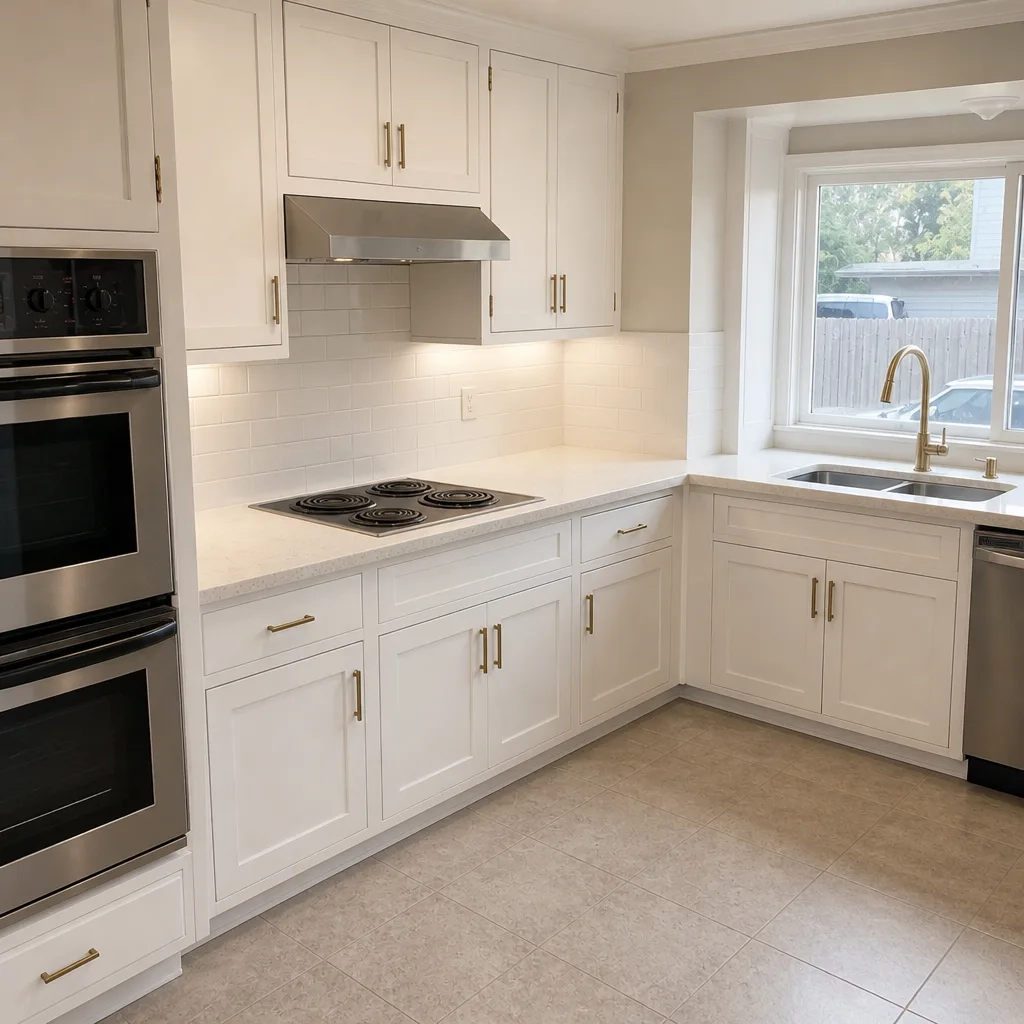 After
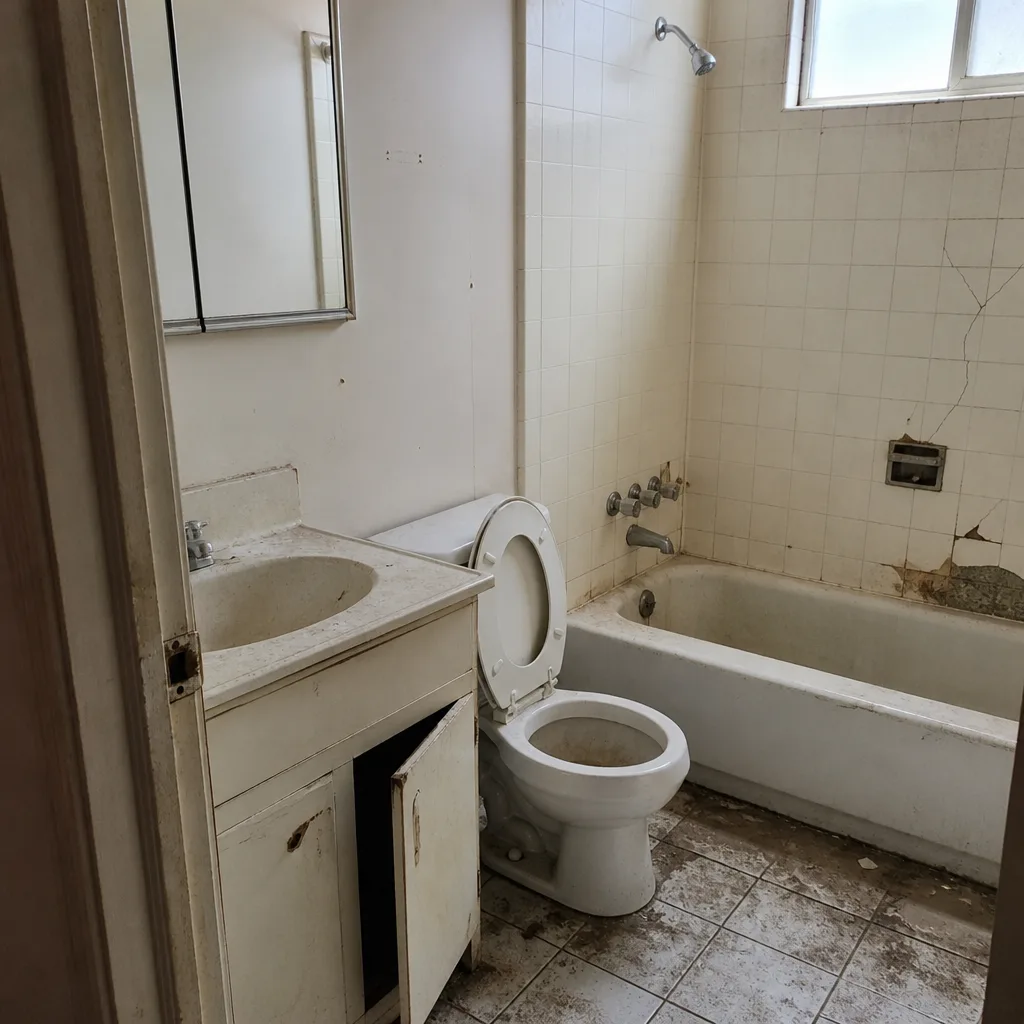 Before
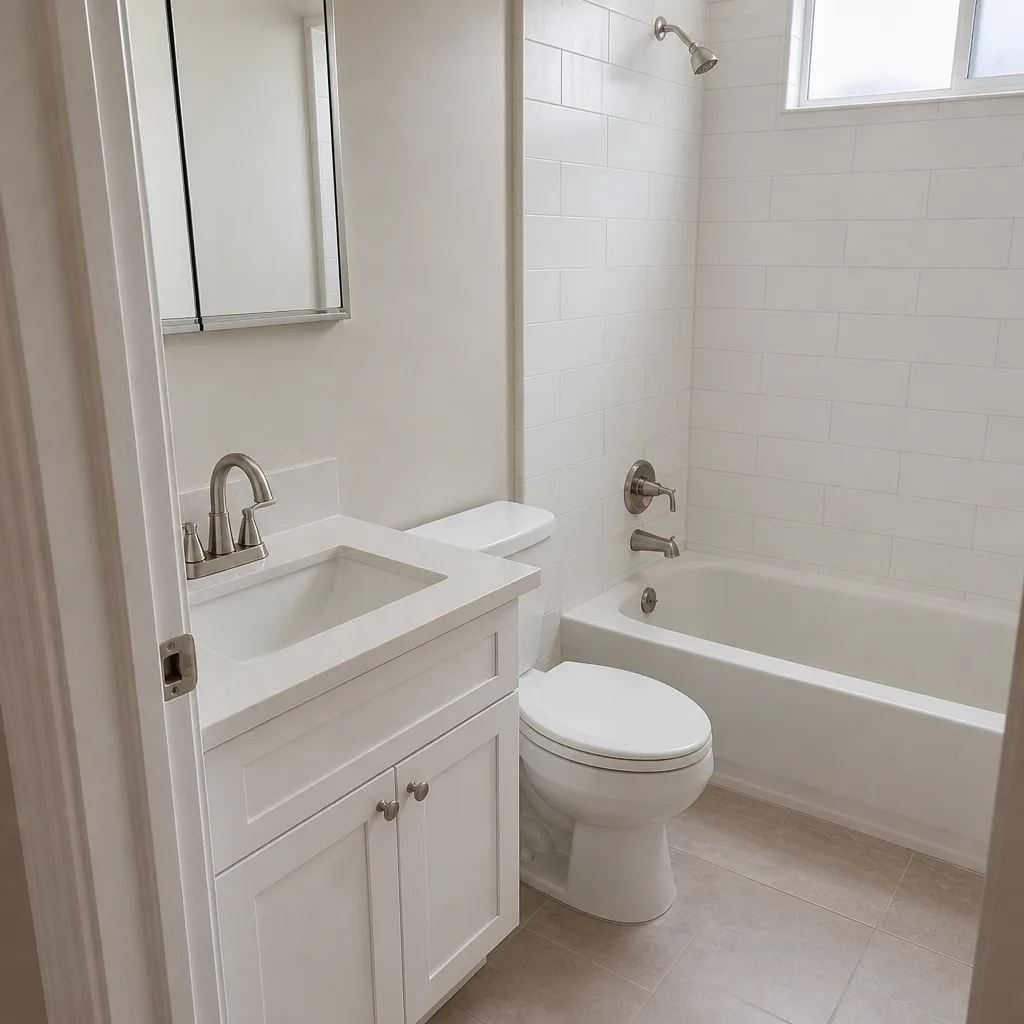 After
How Long Does a Wood Fence Last in San Jose, CA? The Honest Answer Is 10-20 Years, but the Posts Quit First
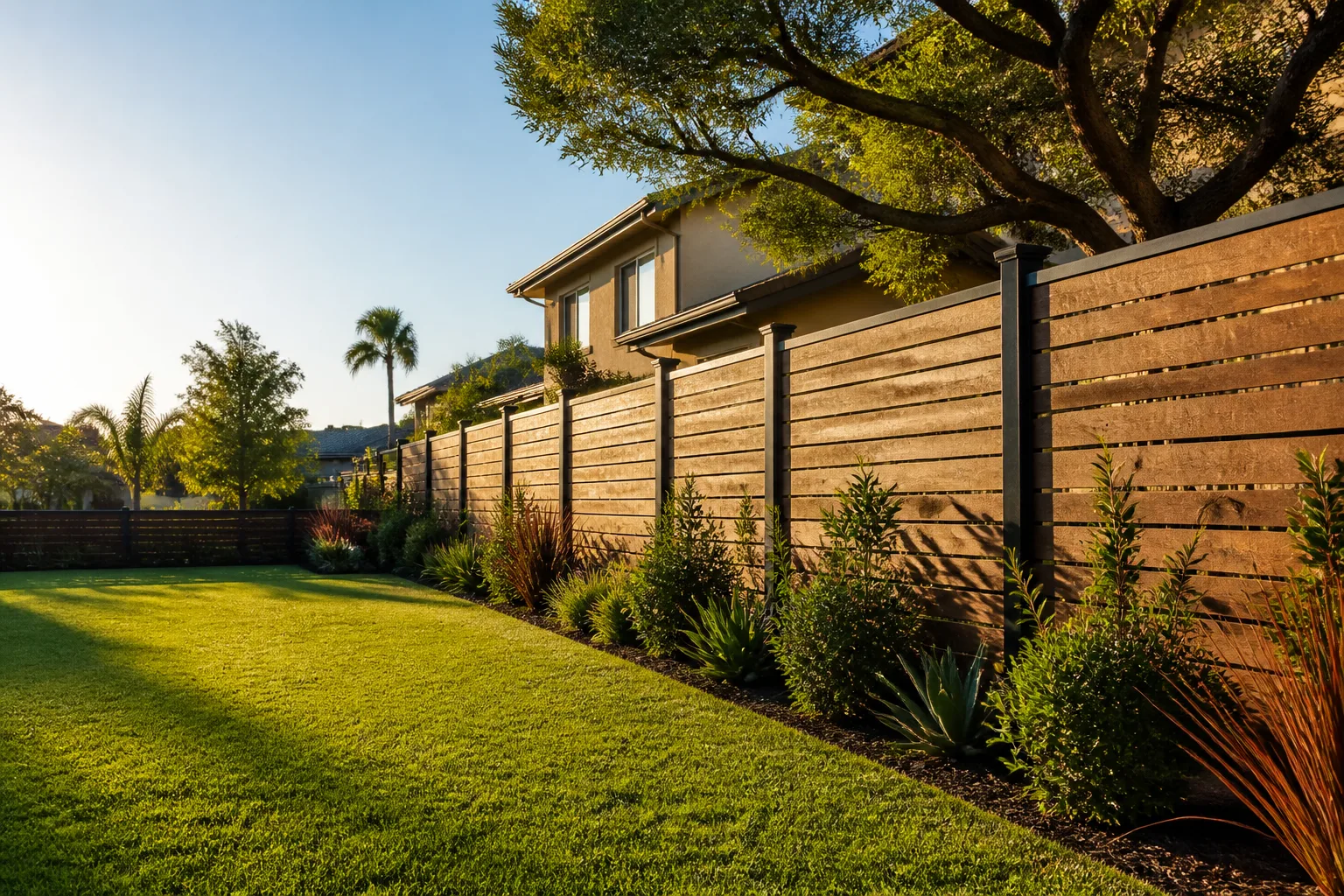
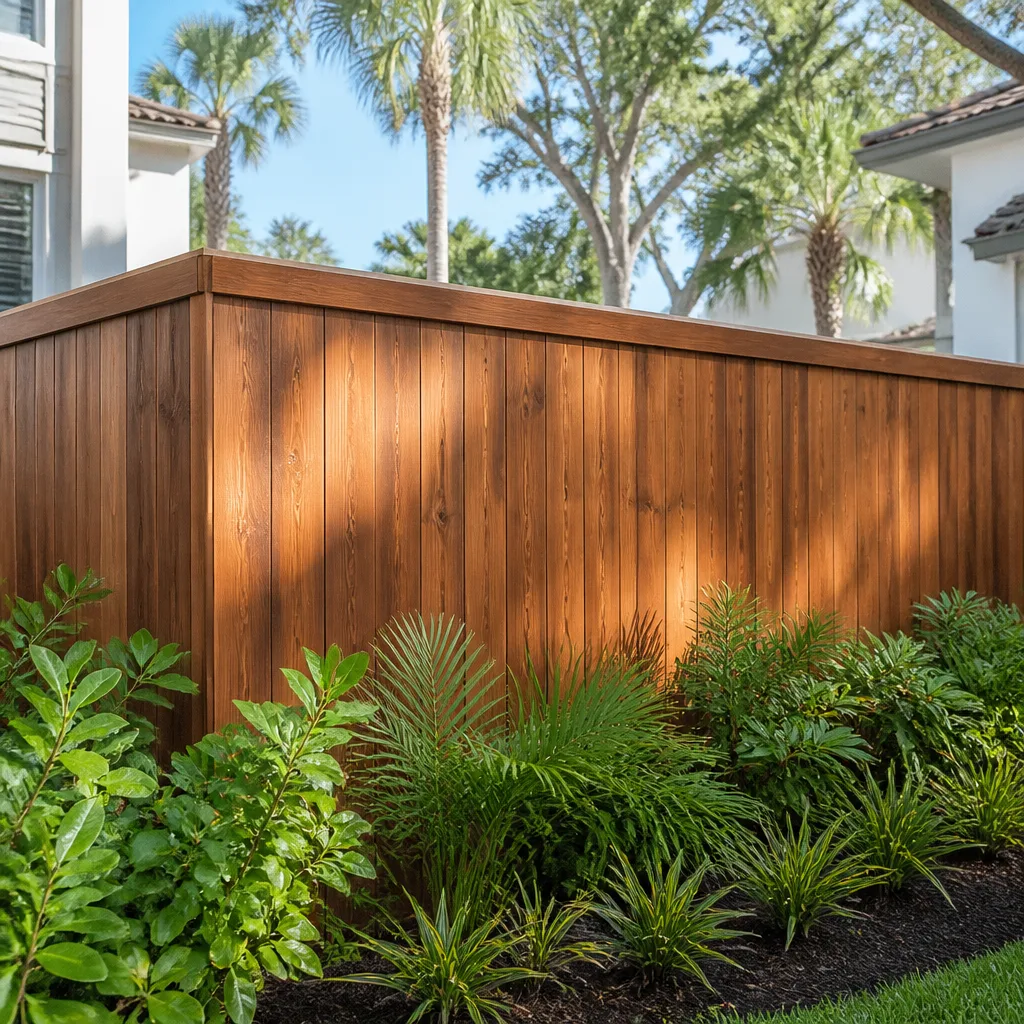
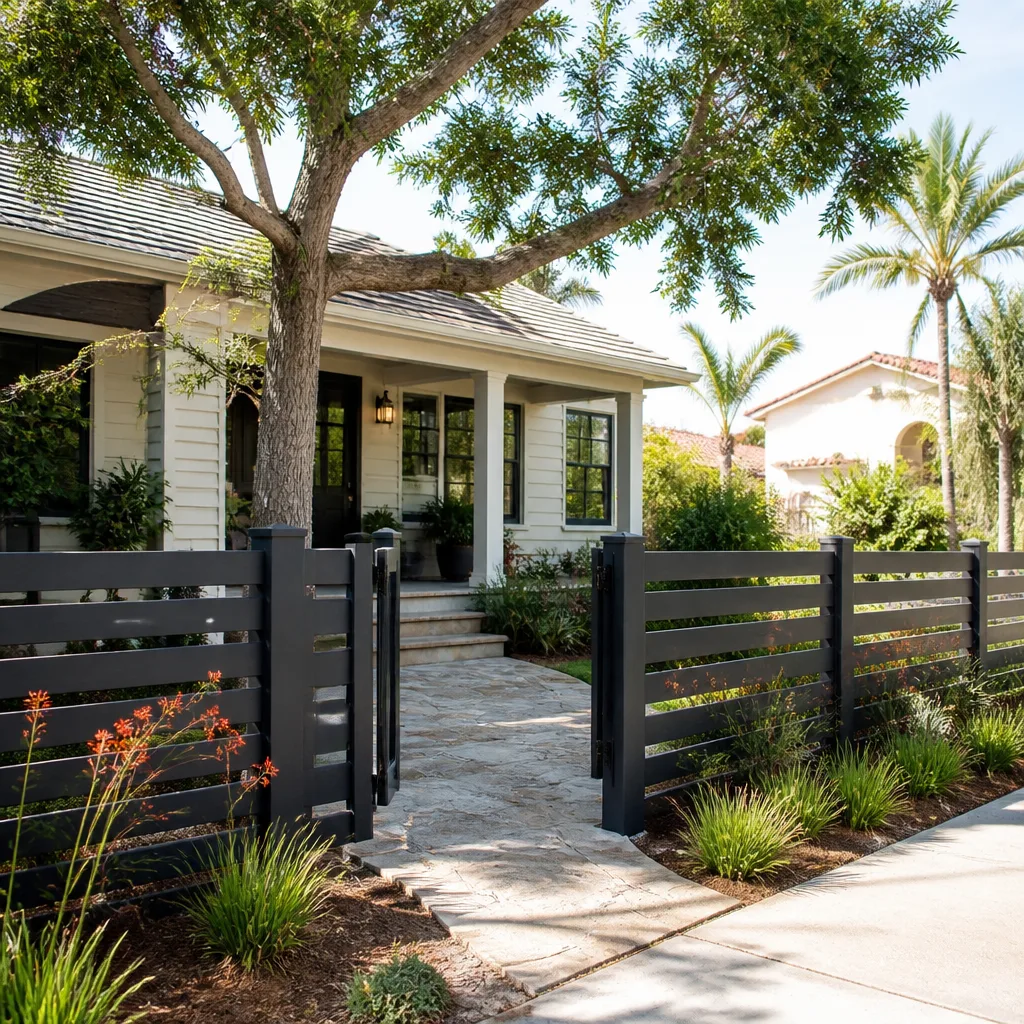
A well-built wood fence in San Jose typically lasts 12-20 years for the upright boards and rails, but the buried posts often fail years earlier – sometimes at the 8-12 year mark – because San Jose’s wet-winter, dry-summer cycle rots wood right at the soil line. Redwood posts set in well-drained footings push toward the top of that range; pressure-treated pine set in poor footings lands near the bottom. If you want a straight assessment of your own fence before you spend a dollar on repairs, call Groundwork Construction Co. of San Jose at (833) 988-3521 for a free estimate.
Why San Jose Soil and Weather Wear Out Fences Faster Than the National Average
Most lifespan charts you’ll find online assume “average” soil and climate. San Jose doesn’t have average soil. Our Mediterranean climate swings from months of winter rain saturating the ground to bone-dry summers pulling that moisture back out, and the clay-heavy soils common across the valley hold water against buried wood long after the rain stops.
That cycle does one specific thing: it makes posts swell in winter and shrink in summer, over and over, right where the wood meets the soil – what we call the grade collar. That’s the single most common failure point we see. The post looks fine above ground and is quietly rotting at the base. Clay soils make it worse because they drain slowly, so the bottom foot of the post stays damp for weeks after a storm. In Willow Glen and the Rose Garden, where a lot of original 1940s-50s homes sit on older, compacted lots, we find this constantly.
Winter rains also delay exterior work and expose sites to drainage problems, while summer heat and drought dry the wood fast. The result is a stress cycle national lifespan numbers simply don’t account for.
Wood Fence Lifespan by Species Available in the Bay Area
Species matters, but not in the way most people think – it shifts the range by a few years, while a bad footing can cut a decade off any species. Here’s what’s realistically available in the Bay Area lumber market and how each performs in San Jose’s climate:
- Pressure-treated pine: The budget option. Expect roughly 10-15 years to significant repair here. It resists rot reasonably well when installed with drainage in mind, but cheap posts set in a wet clay pocket will fail well before their rating suggests.
- Redwood: The local favorite, and for good reason – natural rot and insect resistance without chemical treatment. Realistically 15-20+ years in San Jose when it’s set properly. It’s the wood most experienced local builders reach for along the fence line, and the premium is usually worth it.
- Cedar: Naturally rot-resistant and stable, in the 15-20 year range. Reads a bit differently than redwood and prices similarly, so the choice often comes down to look and availability.
Our technicians have up to 12 years of experience reading exactly this – which species the wood is, how it’s set, and how much life it has left before recommending anything.
What’s Happening Underground: Soil, Footings, and Post Hardware
This is the part homeowners never see, and it’s where the whole lifespan is really decided. The way a post is set in the ground matters more than the species on top of it.
Improper footings trap moisture against the wood instead of shedding it. That means a concrete collar that cups water at the base, a post set directly in soil with no drainage path, or a post base that lets water wick up from below. Good practice is a footing that keeps the wood above standing water, post base hardware that elevates the wood off the concrete so it can dry, and installation that accounts for where water actually drains on the lot. Small differences in how the bottom foot of each post is handled translate directly into years of service life.
What a proper wood fence install runs in San Jose
For a sense of scale, here’s how wood fence work in San Jose lines up against other exterior projects. Fence pricing depends heavily on linear footage, species, and how many posts need proper footings, so treat this as a starting range:
| Project | Typical San Jose range |
|---|---|
| Wood fence installation (per project, as scoped) | $4,130-$10,620 |
| Vinyl fence installation | $4,130-$10,620 |
| Aluminum fence installation | $4,720-$11,800 |
| Concrete driveway installation (for comparison) | $5,310-$14,160 |
We install and repair fences with trusted materials from brands like Quikrete and Sakrete for footings and concrete work. Upfront pricing means the number you see is the number you pay.
Before You Repair or Replace: Inspect First
If your home was built in the 1960s or 1970s, there’s a real chance your fence is original or near-original with little or no post treatment. Before committing to a repair or a full replacement, the first step is inspection: post depth, soil condition, and how the wood is set at the base. A fence that looks weathered on top may have solid posts underneath. A fence that looks fine above ground may have posts already soft at the collar. Knowing which one you have decides whether a targeted repair buys you years or a replacement is the smarter move.
When we install a wood fence, the workmanship is covered by the 730-Day Done Right Promise – if it’s not done right, we make it right. That’s a real, in-writing benchmark for the two years when installation problems (bad footings, poor drainage, settling posts) would actually show up, not just a hope. You can see the full scope of what we build on our home page, and detailed fence work on our Fence Installation in San Jose page and our Fence Installation overview.
FAQs
A wood fence in San Jose typically lasts 12-20 years for the boards and rails, with redwood and cedar at the high end and pressure-treated pine toward the low end. The buried posts are usually the first thing to go, often 8-12 years in, because San Jose’s wet winters and dry summers work the wood at the soil line. Call (833) 988-3521 for a free estimate once you’ve spotted soft spots at the base.
Redwood is the better long-term choice for San Jose because it naturally resists rot and insects without chemical treatment, typically adding several years of service life over pressure-treated pine in our wet-then-dry climate. Pine costs less upfront but needs better footings to approach redwood’s lifespan. Call (833) 988-3521 to talk through which makes sense for your yard and budget – estimates are free.
Repair is usually worth it when the rails and boards are still sound and only one or two posts have failed – that’s often a one-day job. Replace when several posts are soft, the rails are sagging, or the fence is decades old with no post treatment. A proper inspection of post depth and soil condition tells you which you’re facing. Call (833) 988-3521 for a no-pressure assessment.
Yes – footing and hardware are what actually extend post life. We set posts so water drains away from the wood, use proper post base hardware that keeps the wood off the concrete, and account for how water moves across your lot. That’s the difference between a fence that lasts and one that rots at the collar. The 730-Day Done Right Promise backs the workmanship in writing. Call (833) 988-3521 to schedule a free estimate.
Get a Straight Answer on Your Fence
If you’d rather have it looked at than guess, Groundwork Construction Co. of San Jose offers a no-pressure assessment in San Jose – we’ll check post depth and soil condition and tell you honestly whether a repair buys you years or it’s time to replace. Call (833) 988-3521 for a free estimate.
Written by the team at Groundwork Construction Co. of San Jose, serving San Jose, CA.