Free written scope consultation - allowances, timeline, and change-order rules on paper before a single trade is scheduled
Styles & brands we work with
- Kitchen remodeling
- Bathroom remodeling
- Home additions & ADU
- Roofing
- Windows & doors
- Driveway & pavers
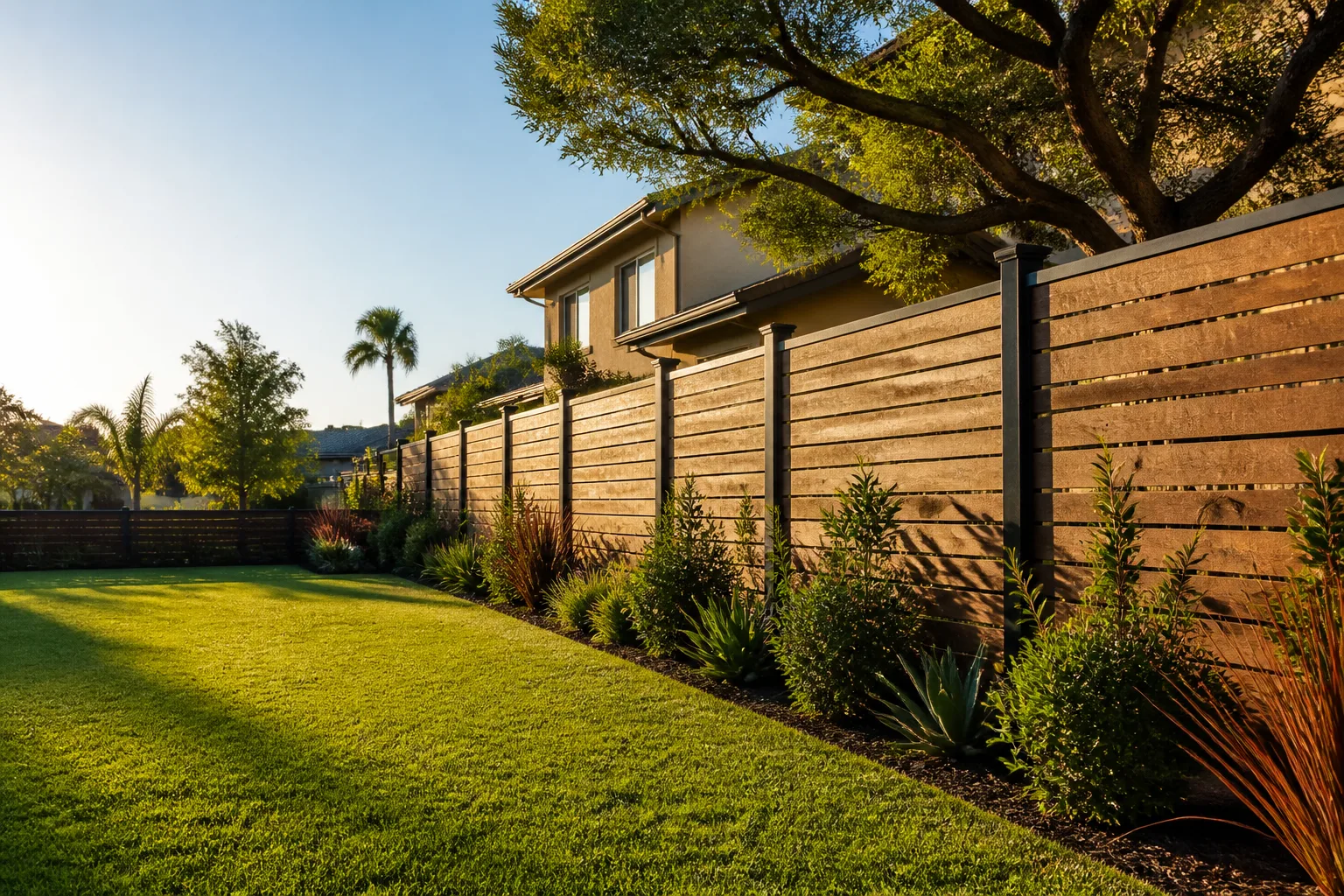
- Fence
See the difference
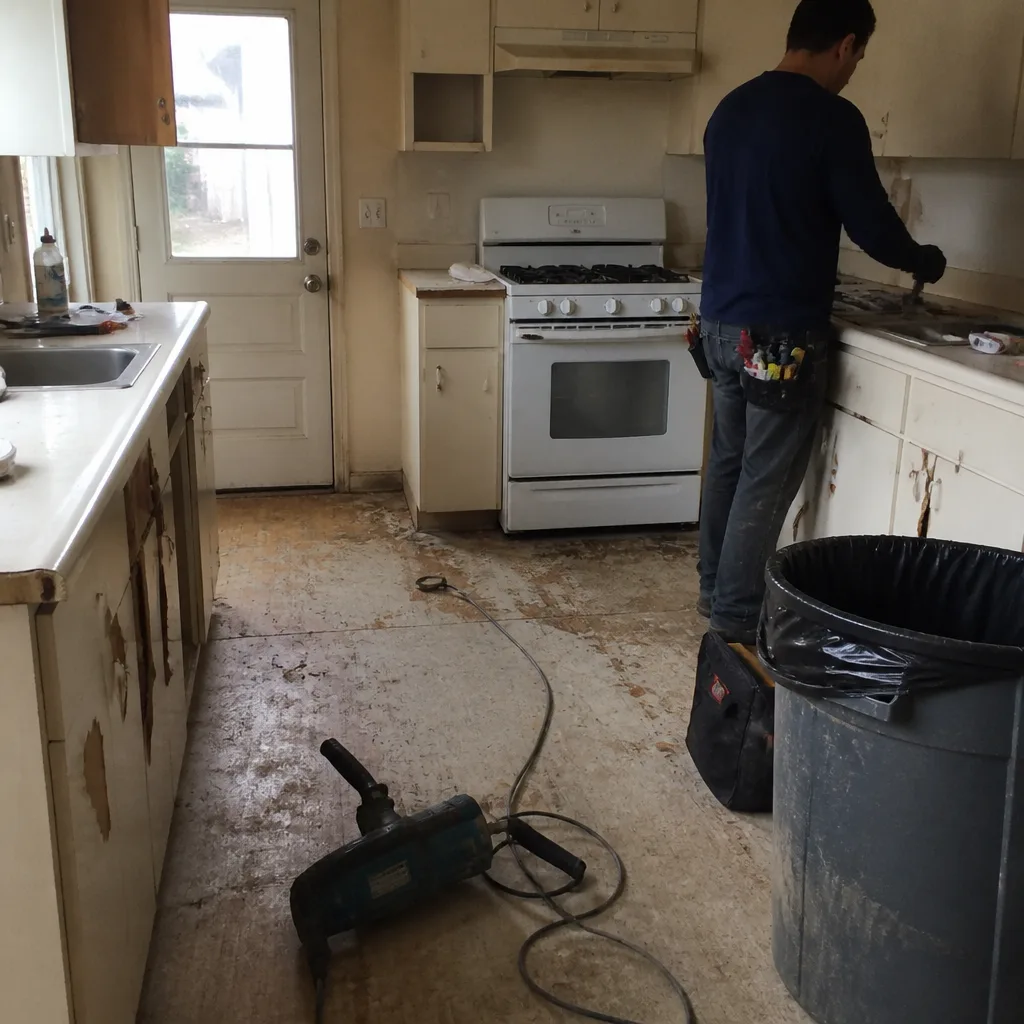 Before
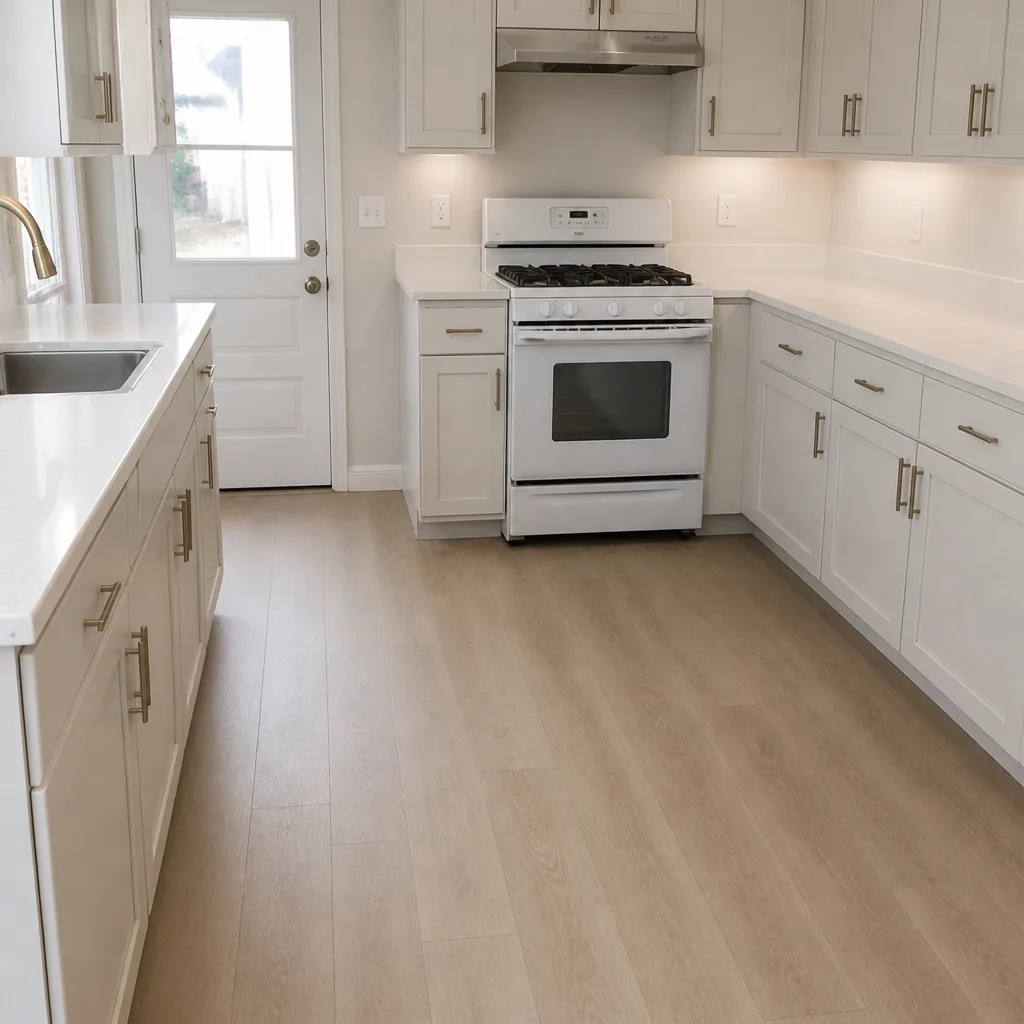 After
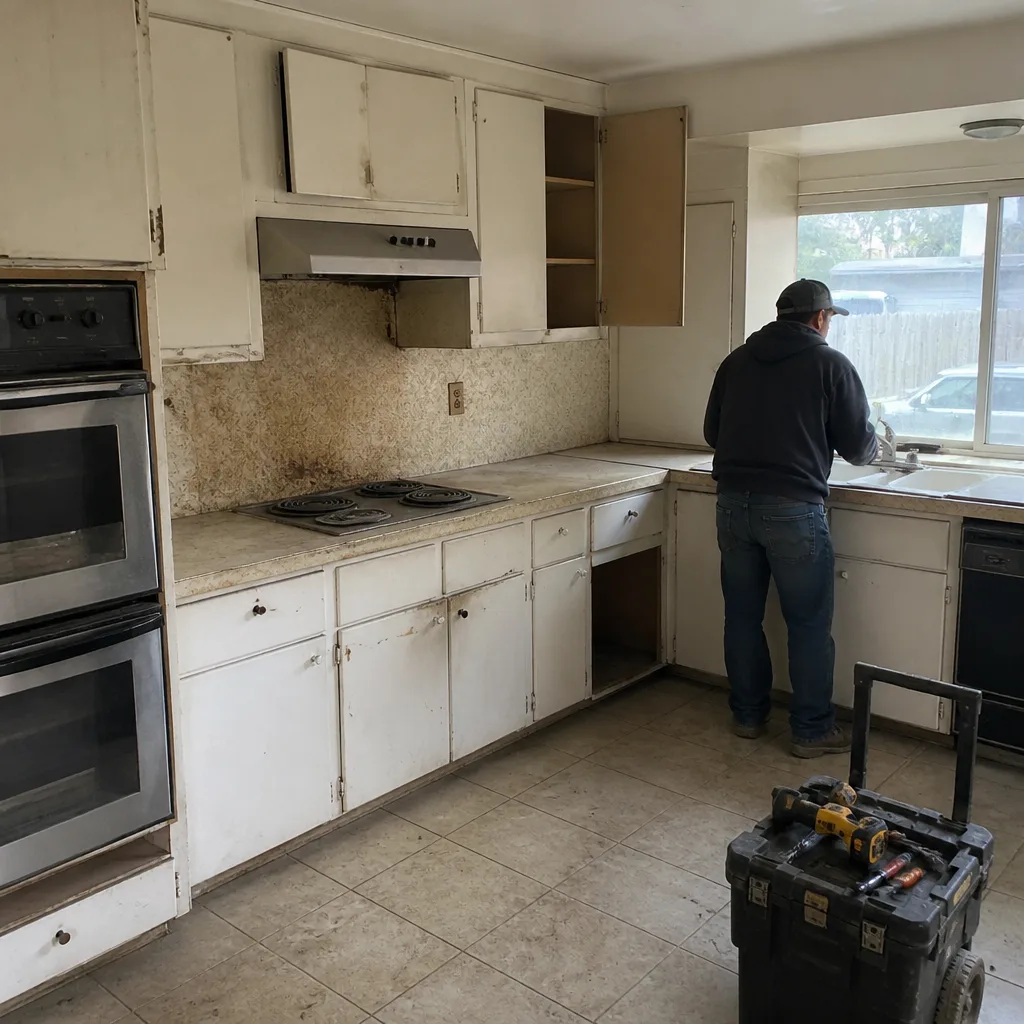 Before
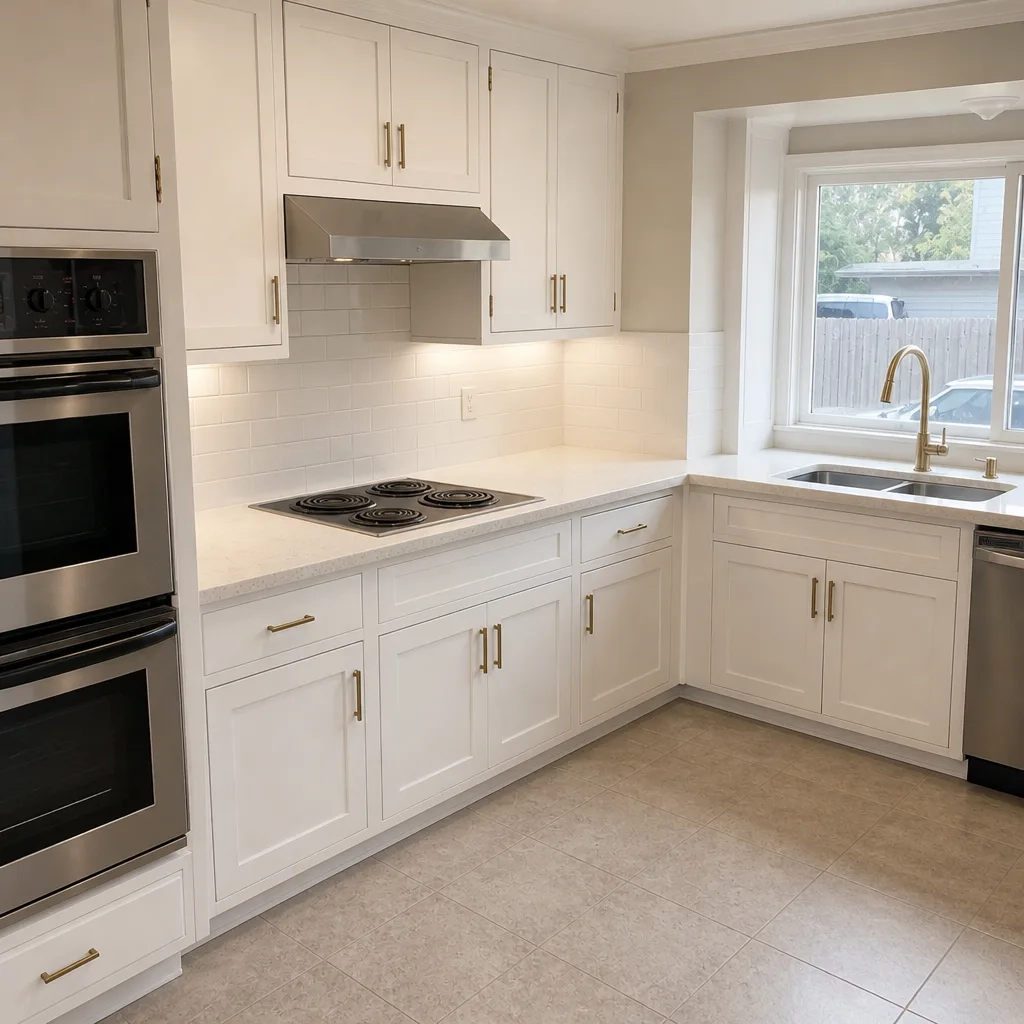 After
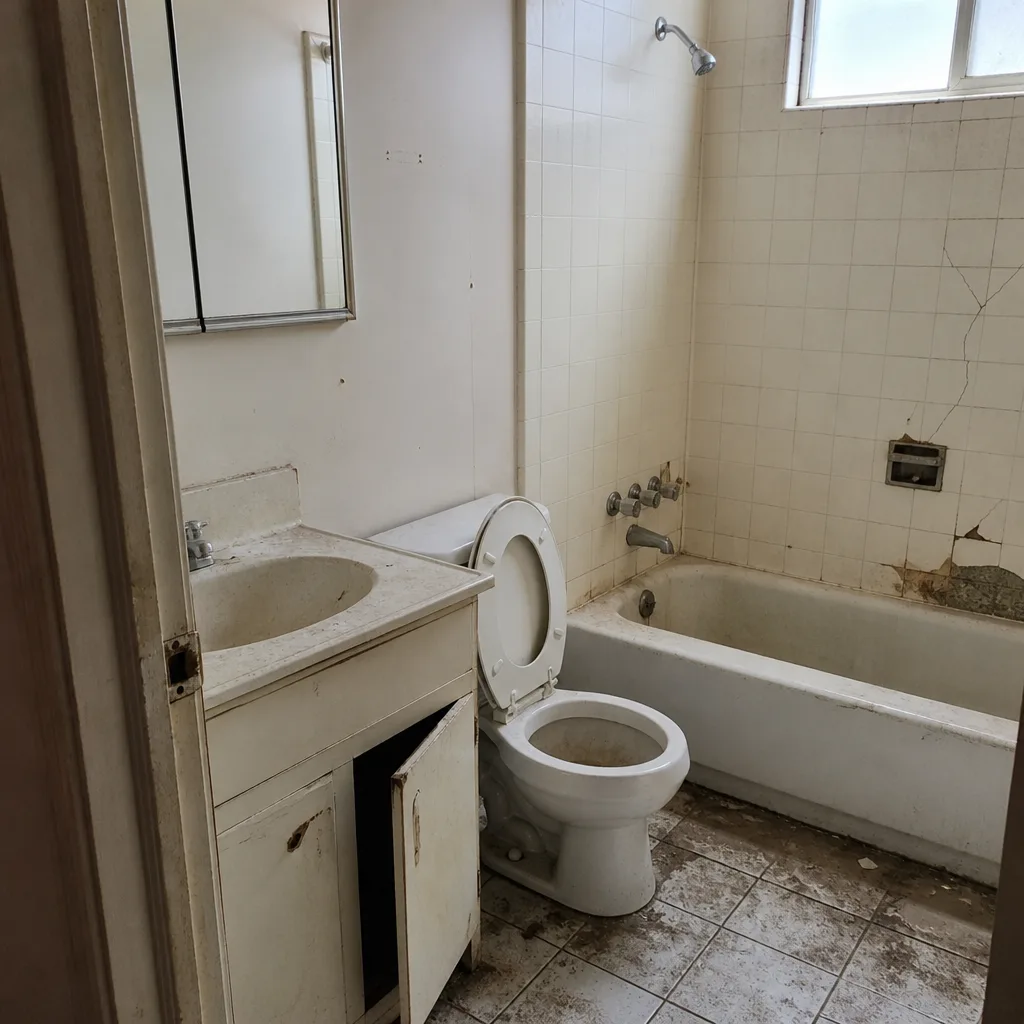 Before
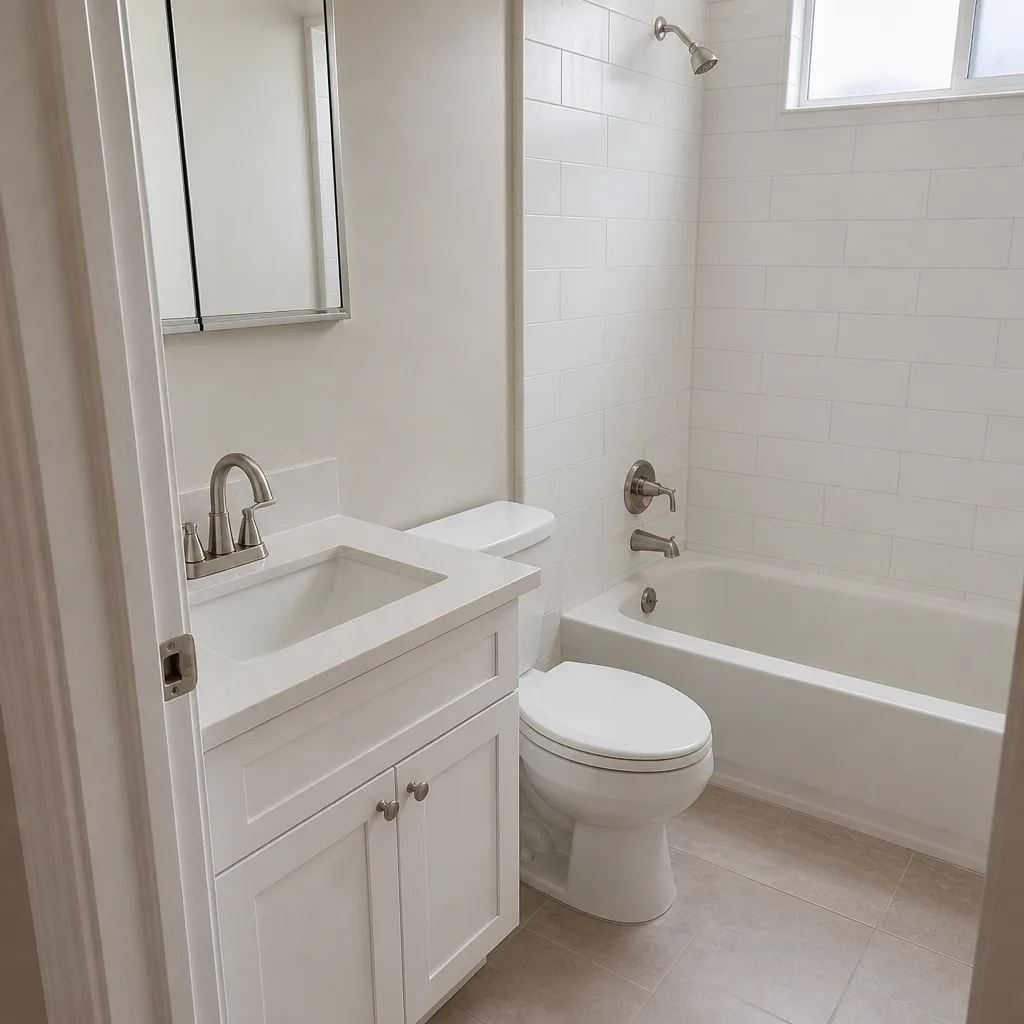 After
How Deep Should Fence Posts Be in San Jose, CA? The Short Answer
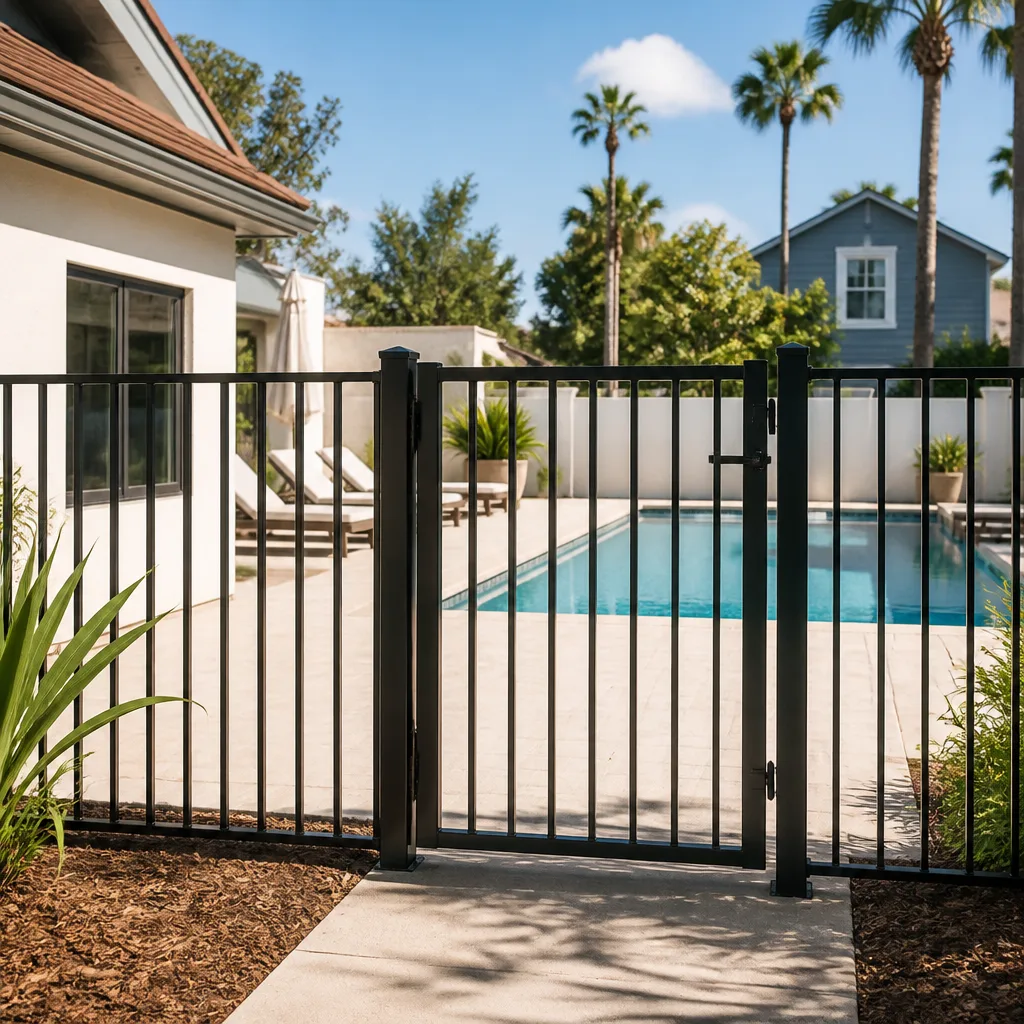
Fence posts should be set at least one-third of their above-ground height in the ground, so a 6-foot fence needs a minimum 2.5-foot post depth and a 4-foot fence needs at least 2 feet – but in San Jose’s expansive clay soils, that minimum is frequently not enough. In clay-heavy yards across South San Jose and East San Jose, we regularly see posts set to code minimums heave two inches or more after a wet winter. Post depth here is a function of soil type and seasonal moisture, not just fence height. If you want it assessed properly, call Groundwork Construction Co. of San Jose at (833) 988-3521 for a free on-site estimate.
Why the 1/3 Rule Falls Short on San Jose Soil
The one-third rule was written for average, well-draining soil. San Jose doesn’t have average soil. Two very different ground conditions sit inside the same city limits, and they call for different footing designs.
- Clay-heavy expansive soils dominate lower-elevation neighborhoods. These soils swell when wet and shrink when dry, and that movement is what pushes a shallow post upward – a problem we see constantly in flat lots around South San Jose and the older grids near East San Jose.
- Decomposed granite and rockier ground shows up as you climb toward the foothills and the Almaden Valley edges. This drains far better but digs much harder, and a post can feel rock-solid on installation day yet still need proper depth to resist the lateral load of a long fence run.
The practical takeaway: don’t copy a spec from a chart online. The correct depth depends on what’s actually in your yard, and a post that’s fine on sandy ground can fail in clay within a single rainy season.
Concrete Post Depth Recommendations for San Jose
Here’s how we approach depth based on fence height and San Jose’s clay-dominant conditions. Treat the first column as the bare minimum and the San Jose recommendation as the depth we actually install to.
| Fence Height | Code Minimum Depth | San Jose Recommendation | Footing Detail |
|---|---|---|---|
| 4 ft | 2 ft | 2 ft 6 in | 6-inch gravel base + concrete collar |
| 5 ft | 2 ft 4 in | 2 ft 9 in | 6-inch gravel base + post-base hardware |
| 6 ft | 2 ft 6 in | 3 ft | 6-inch gravel base + sloped concrete collar + hardware |
Two things matter as much as depth. First, a 6-inch gravel drainage layer at the bottom of the hole lets water escape instead of pooling against the wood. Second, the concrete collar needs a domed or sloped top so it sheds water away from the post. A flat or low collar does the opposite – it traps water at the most vulnerable point and speeds rot. Those two details, more than raw depth, are what we see fail in fences installed by crews who skipped them.
Wind, Not Just Soil, Loads a San Jose Fence
San Jose doesn’t see hurricane-force winds, but the Diablo winds in fall can push sustained gusts through exposed fence runs, especially across open lots on the East Side. A long, unbroken fence acts like a sail in those gusts. That’s another reason depth and bracing matter beyond soil: deeper posts and properly braced runs hold up, while shallow posts on a windy corner lean and loosen over a couple of seasons. Good Fence Installation accounts for the wind exposure of your specific lot, not just the fence height on a drawing.
Common Local Scenarios We Run Into
San Jose’s housing stock shapes fence work in ways a generic guide won’t tell you. Many homes here were built between the 1950s and 1970s, and the lots have often seen decades of patched-together improvements. In older neighborhoods like Willow Glen, we regularly find original fence lines sitting right on top of old concrete, buried irrigation, or the remains of a previous fence’s footings – all of which change how deep and how wide we can dig before hitting something.
On the newer infill side, tight side yards between denser homes leave little room for equipment, so the footing plan has to be worked out before anyone picks up a shovel. Winter rains can also expose drainage problems fast: a yard that looked fine all summer can hold water against fence posts for weeks. That’s the seasonal moisture piece that pushes San Jose fences toward deeper footings and a real gravel base rather than the bare minimum.
The city’s mix of sprawling single-family blocks and dense new urban villages means fences sit on wildly different ground from one street to the next. That variability is exactly why a site-specific assessment beats a one-size spec sheet. We pair our footing work with proven materials like Fence Installation in San Jose backed by brand partners we trust, and the whole job is covered by our 730-Day Done Right Promise – if a post shifts, it’s on us to make it right.
How We Set Posts, and When to Call
Every post depth we install is determined after a site-specific soil assessment, not pulled off a generic chart. Our technicians have up to 12 years of experience reading local ground and spotting the drainage and footing issues that cause premature failure. Calls are answered by a live person, 24/7, and you get upfront pricing before any work begins – the number you see is the number you pay. If your fence is already leaning or you’re planning a new run and want the footings done right the first time, that’s a job worth handing to a trained crew. Digging holes, mixing concrete, and setting posts on a long run is real physical work, and getting the depth and drainage wrong is expensive to undo.
FAQs
For a 6-foot fence in San Jose, posts should go a minimum of 2.5 feet deep, and we recommend 3 feet in clay soil with a 6-inch gravel base and post-base hardware. The extra depth and drainage protect against the soil movement that’s common in clay-heavy yards. Call (833) 988-3521 and we’ll tell you what your specific ground needs – estimates are free.
Yes. Clay soil expands and contracts with moisture, so posts set to bare code minimums can heave after a wet winter. Adding about 6 inches of depth and a gravel drainage layer, plus a sloped concrete collar, keeps the post anchored and sheds water away from the wood. For an exact plan for your yard, call (833) 988-3521.
Fence installation in San Jose typically runs about $4,130 to $10,620 depending on material, length, and footing conditions. Vinyl and aluminum fences sit in comparable ranges, and a soil assessment can shift the footing portion of the quote. Call (833) 988-3521 for an upfront, no-surprise estimate – it’s free.
In most cases, yes – we schedule free on-site assessments quickly and answer the phone with a live person 24/7. If you’ve got leaning posts or a fence about to fail, we’ll look at the footing and tell you straight what it needs. Call (833) 988-3521 to get on the schedule.
Get Your Fence Footings Right the First Time
If you’d rather have it looked at, Groundwork Construction Co. of San Jose offers a no-pressure assessment across San Jose – call (833) 988-3521 for a free estimate. We’ll check your soil, drainage, and wind exposure, then set every post to a depth that actually holds. From foundation to finish line, built to last and backed in writing.
Written by the team at Groundwork Construction Co. of San Jose, serving San Jose, CA.