




Free written scope consultation - allowances, timeline, and change-order rules on paper before a single trade is scheduled
Styles & brands we work with
- Kitchen remodeling
- Bathroom remodeling
- Home additions & ADU
- Roofing
- Windows & doors
- Driveway & pavers
- Fence
See the difference
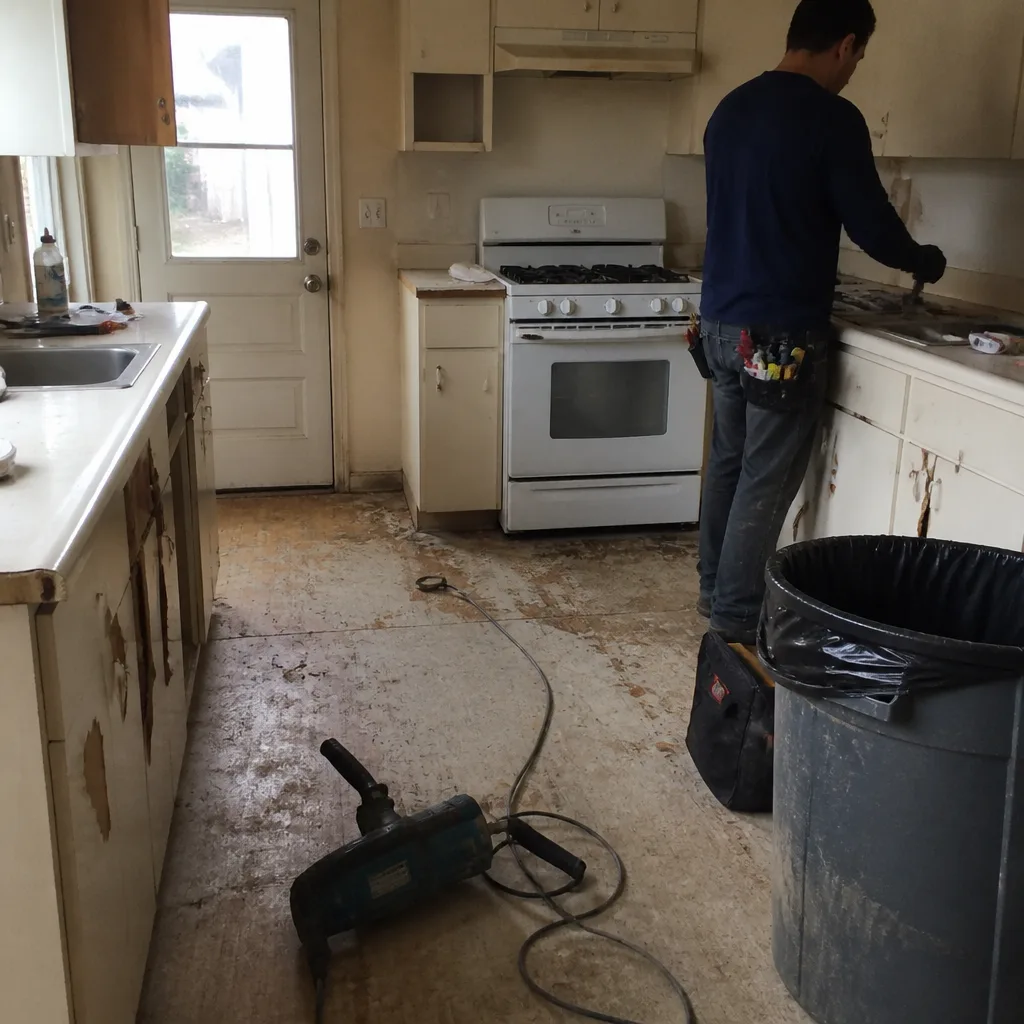 Before
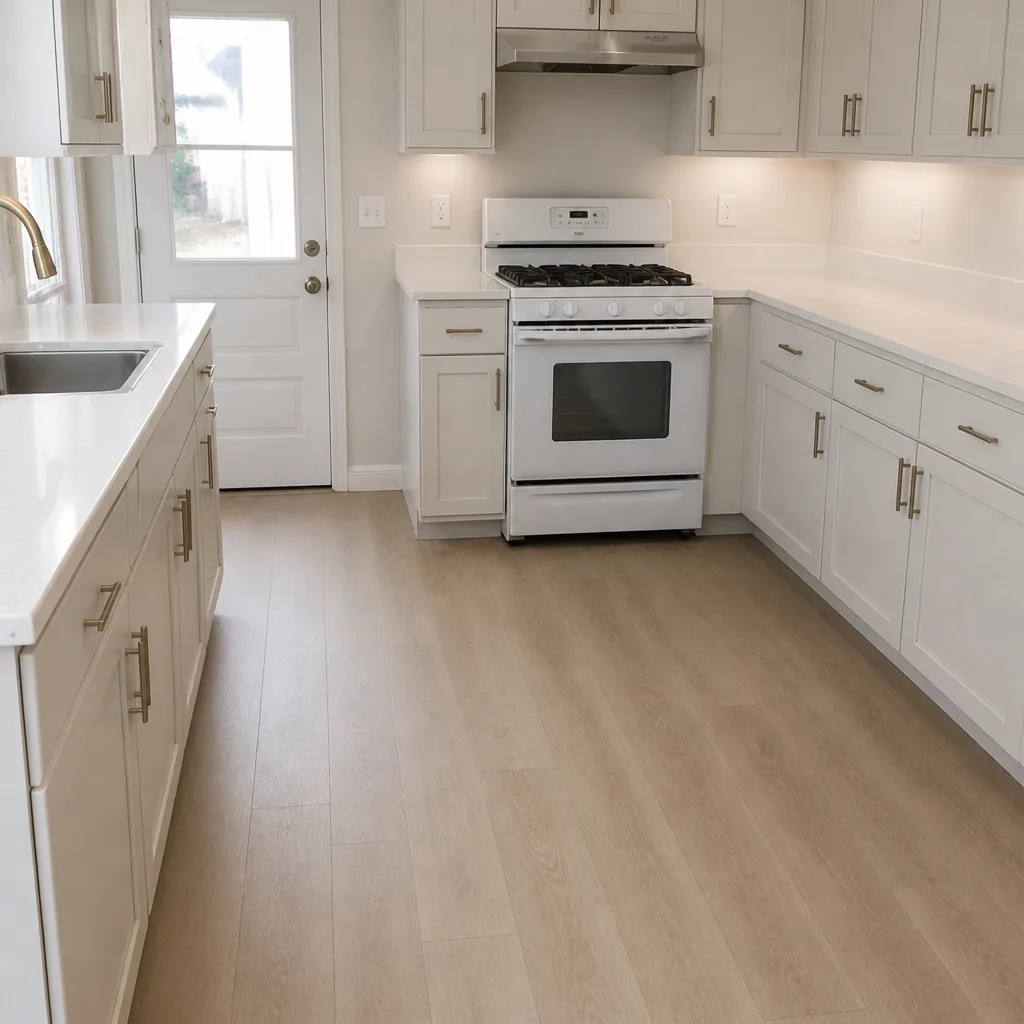 After
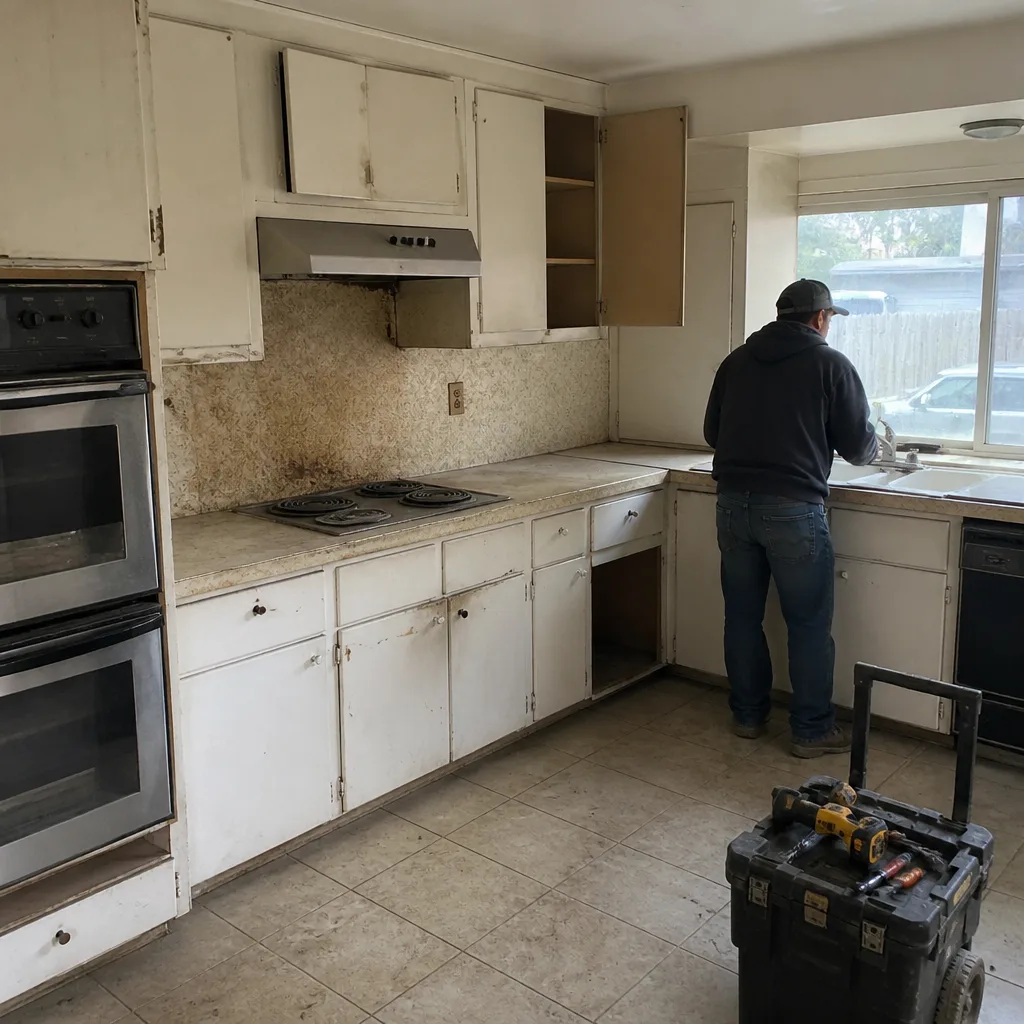 Before
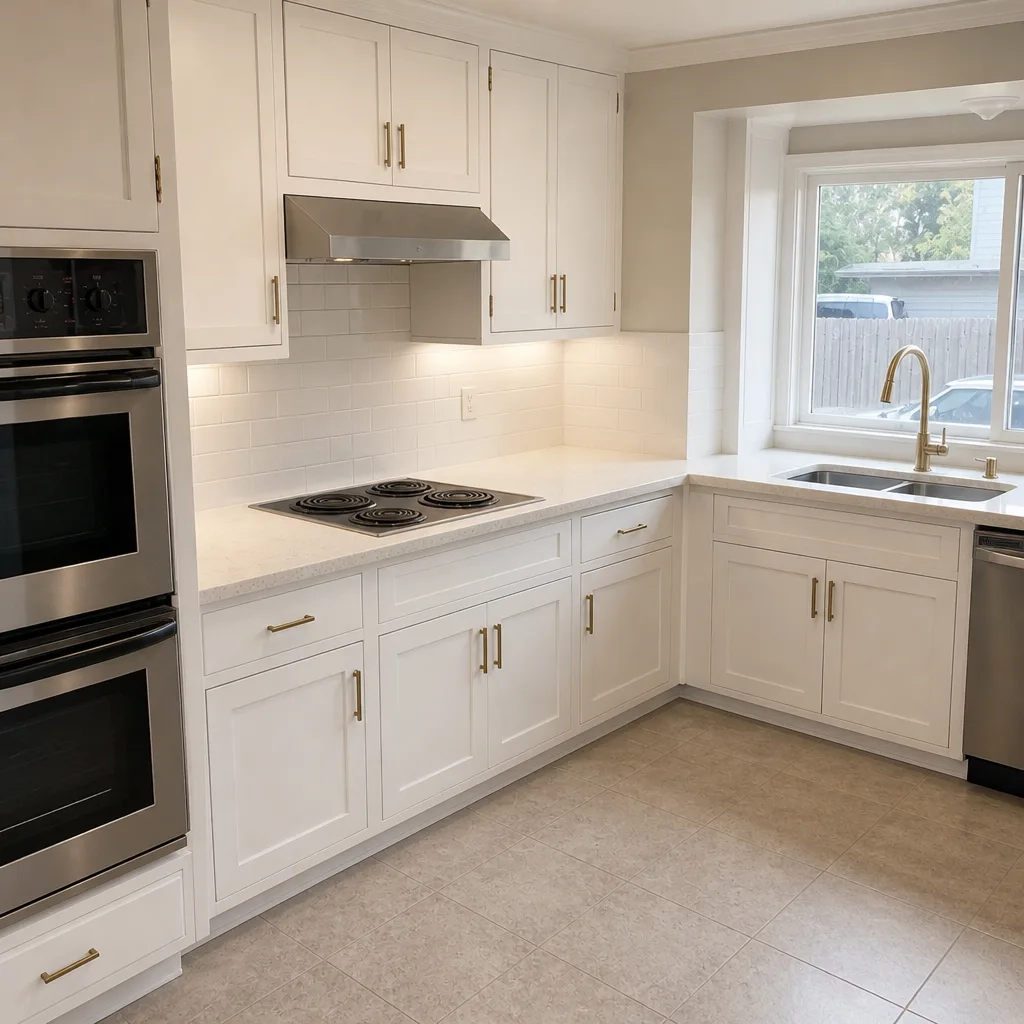 After
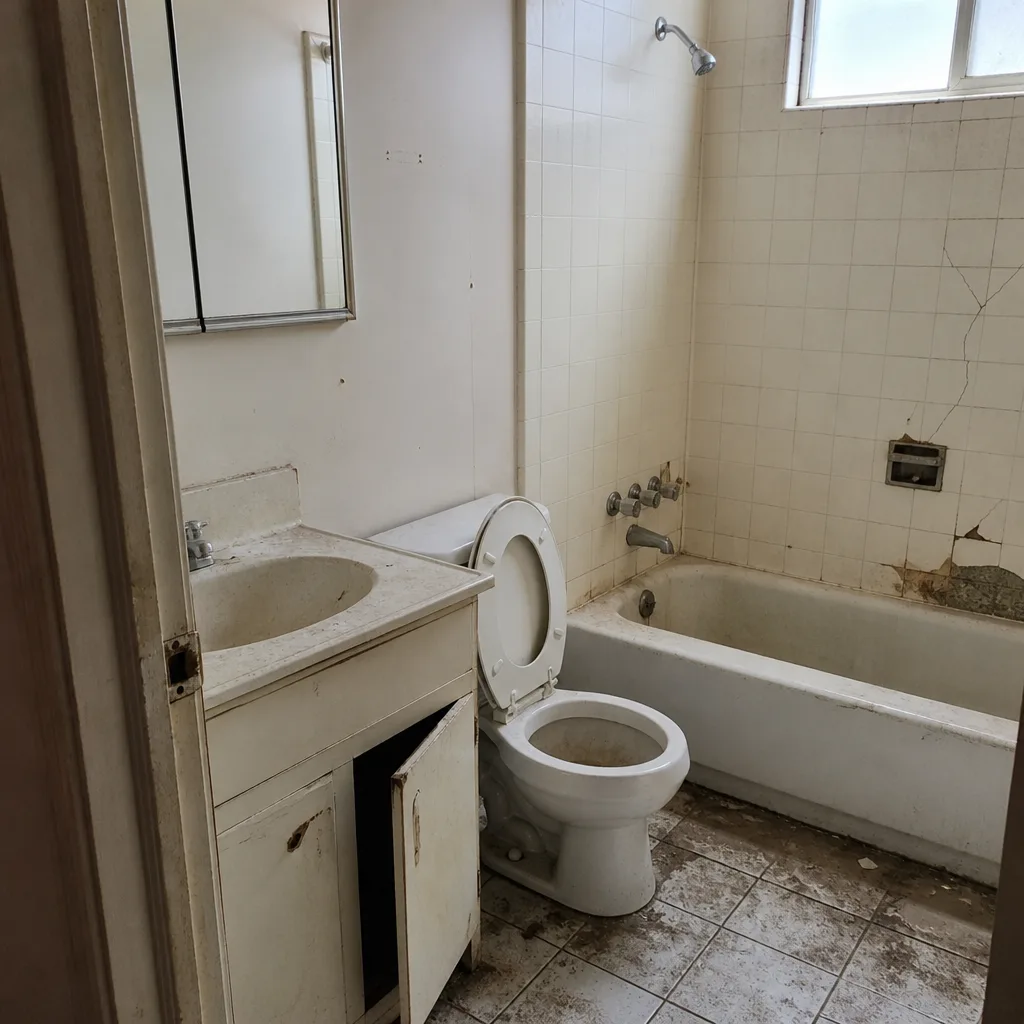 Before
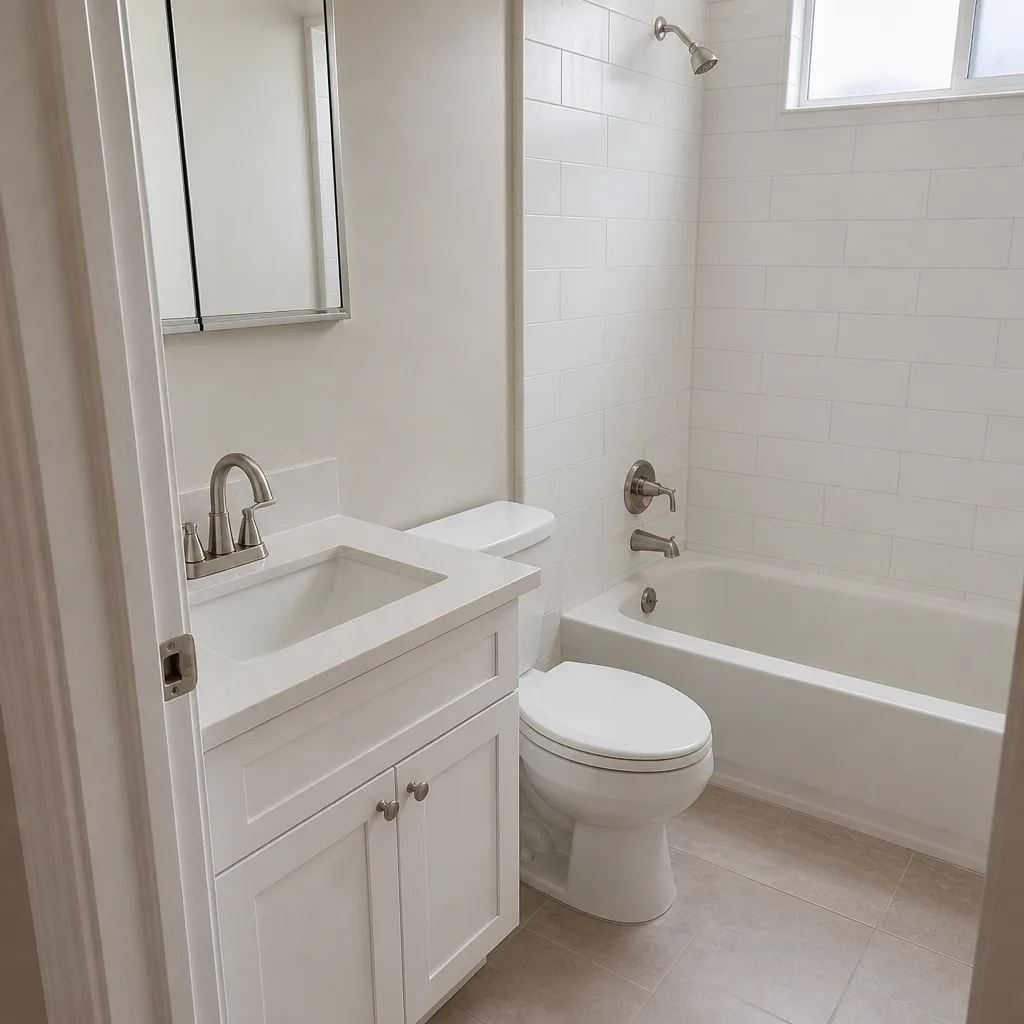 After
An NOA, or Notice of Acceptance, is a product approval issued by Miami-Dade County’s Product Control Section confirming that a window or door met that Florida county’s High-Velocity Hurricane Zone testing requirements. It carries no legal authority in California. If a San Jose contractor hands you a quote stamped “Miami-Dade NOA approved,” you’re looking at a Florida credential, not the certification your city inspector will check before signing off on your permit.
What a Miami-Dade NOA Actually Certifies - and Why San Jose Inspectors Don’t Use It
Miami-Dade County runs one of the strictest product-approval programs in the country. After Hurricane Andrew in 1992, the county built its own testing regime for anything installed in the High-Velocity Hurricane Zone, the coastal band where wind speeds are highest. A manufacturer submits a window, door, shutter or skylight to a county-approved lab, the product gets cycled through pressure, impact and water tests, and if it survives, the county issues a Notice of Acceptance. That NOA number becomes the product’s passport to be legally installed in South Florida.
Here’s the part that gets lost in contractor marketing: that passport expires at the Florida state line. California’s building code, the CBC, has its own approval pathway, and a Miami-Dade NOA is not part of it. A San Jose building inspector reviewing your window permit is not looking for an NOA number. They’re looking for something else entirely.
What California actually requires
Two certifications govern windows in San Jose, and neither one is a Miami-Dade NOA:
- ANSI/AAMA/WDMA 101/I.S.2/A440 - the North American product standard for fenestration. A compliant window carries a label naming its performance grade, design pressure rating and the standard it was tested to. This is what proves the unit is structurally rated for its application.
- NFRC label - the National Fenestration Rating Council label lists U-factor, Solar Heat Gain Coefficient and Visible Transmittance. California’s Title 24 energy code requires compliant ratings for the climate zone, and inspectors verify the label, not a hurricane approval.
When we spec a Windows & Doors package for a San Jose home, the NFRC label and the CBC compliance documentation go into the permit package. You can pull the paperwork and see the certification that actually governs your project, alongside brands like Andersen, Marvin, Therma-Tru and Mr-Glass. No Florida county stamp required, none implied.
Why “Miami-Dade NOA Approved” Shows Up in San Jose Window Quotes
Because manufacturers who sell into the Florida market earn the certification anyway, and once you’ve paid for hurricane-zone testing, you market it everywhere. It reads as toughness. It sounds like a credential. It is one, just not the one that matters on your permit in San Jose.
We’ve seen this repeatedly in bids homeowners bring us from other contractors: a spec sheet with “Miami-Dade NOA #___” printed in bold, and no NFRC label anywhere in the document. That’s a red flag worth asking about. Not because the window is bad, but because the certification being touted isn’t the one your inspector will check.
The one place a Miami-Dade NOA is genuinely useful in San Jose
The large-missile impact test used for NOA certification is more demanding than standard ASTM impact protocols. A window that passed it has demonstrated real resistance to a nine-pound projectile fired at high speed. If you’re weighing forced-entry resistance or you simply want glass that won’t shatter easily, an NOA-certified product incidentally clears a high bar. State it that way when you compare quotes. “This passed Miami-Dade large-missile impact testing” is a specific, verifiable claim. “Miami-Dade NOA approved,” dropped without context, is marketing.
What Actually Drives Window Choices in San Jose Homes
San Jose’s housing stock is where window decisions get made, and it’s not hurricane wind. It’s age and seismic load. Much of the city’s single-family housing went up between the 1950s and 1970s, and in older neighborhoods like Willow Glen and the Rose Garden we regularly find original single-pane aluminum units set into walls that were modified piecemeal over decades. That matters for a window project because the rough opening may not match any current standard size, and the header above it may not be sized for a modern impact-rated or heavier insulated unit.
The Mediterranean climate cuts both ways. Mild, wet winters mean exterior work can stall for days in January and February, so window replacements are often scheduled around the dry window of late spring and summer. Warm, dry summers push the opposite problem: heat gain through west-facing single-pane glass in a San Jose living room can push a room past comfortable long before the AC catches up. That’s a Title 24 and NFRC conversation, not a wind-load one, which is exactly why the NFRC label carries more weight here than a Florida NOA.
What that means for your quote
San Jose window pricing runs roughly like this, and the certification that matters is baked into the product, not sold as an add-on:
| Project | Typical San Jose range |
|---|---|
| Window Replacement | $5,310-$17,700 |
| Impact Window Installation | $9,440-$29,500 |
If a bid lands well under the low end for a full-house replacement, ask what standard the units are tested to and whether the NFRC label is included. That single question usually separates a real quote from a teaser.
How We Document Certification on a San Jose Window Project
Groundwork Construction Co. of San Jose runs window projects from first measurement to final inspection with the paperwork that your inspector actually wants. Our technicians have up to 12 years of experience, and every project is covered by the 730-Day Done Right Promise: if it’s not done right, we make it right. Before any unit goes in, you get the ANSI/AAMA/WDMA label and NFRC rating documentation in hand, so you can verify the standard rather than trust a label printed in a brochure.
San Jose’s permitting is its own animal. The city sits at the intersection of low-rise suburban fabric and dense new urban villages, which means window work on a 1955 ranch house in Willow Glen and window work on a mid-rise infill unit go through very different review paths. We handle the submittal side so the certification questions get answered before the inspector shows up, not after. You’ll find the same approach across our work in the San Jose service area and our home base.
Questions to ask any San Jose window contractor
- Does the unit carry an NFRC label, and can I see the U-factor and SHGC ratings for my climate zone?
- What ANSI/AAMA/WDMA performance grade is it tested to?
- If it’s Miami-Dade NOA certified, is that certification doing anything for me in California, or is it a national marketing point?
- Will the certification documentation be in my permit package?
We answer all four up front, and we back the installation with a 730-Day Done Right Promise and upfront pricing that doesn’t move on you. That’s the peace of mind we sell: not a stamp from another state, but a certification you can read and a guarantee you can hold us to.
FAQs
A Miami-Dade NOA is a Notice of Acceptance issued by Miami-Dade County, Florida, certifying that a building product (like a window or door) passed that county’s High-Velocity Hurricane Zone testing requirements. It’s a Florida-specific approval and has no reciprocal standing in California, so a San Jose inspector won’t check for one when approving your window permit.
No. San Jose window permits are approved on California Building Code compliance, which means an ANSI/AAMA/WDMA 101/I.S.2/A440 product rating and, for energy, an NFRC label - not a Miami-Dade NOA. If a contractor tells you an NOA is required in San Jose, ask them to point to the code section. It isn’t there.
Not inherently better, but it may be tougher in one specific way: NOA certification requires a large-missile impact test more demanding than standard ASTM protocols, so the glass has demonstrated real resistance to impact. If security or forced-entry resistance is your priority, that’s worth knowing. It still doesn’t replace the NFRC and AAMA certifications your San Jose permit requires.
Window replacement in San Jose typically runs $5,310-$17,700 depending on unit count and material, and impact-rated installation runs $9,440-$29,500. Call (833) 988-3521 for an exact quote - estimates are free and we’ll show you the certification documentation upfront.
If you’d rather have a contractor walk you through it, Groundwork Construction Co. of San Jose offers a no-pressure assessment in San Jose - call (833) 988-3521. We’ll show you which certifications your project actually needs and which ones are just marketing.
Written by the team at Groundwork Construction Co. of San Jose, serving San Jose, CA.