Free written scope consultation - allowances, timeline, and change-order rules on paper before a single trade is scheduled
Styles & brands we work with
- Kitchen remodeling
- Bathroom remodeling
- Home additions & ADU
- Roofing
- Windows & doors
- Driveway & pavers
- Fence
See the difference
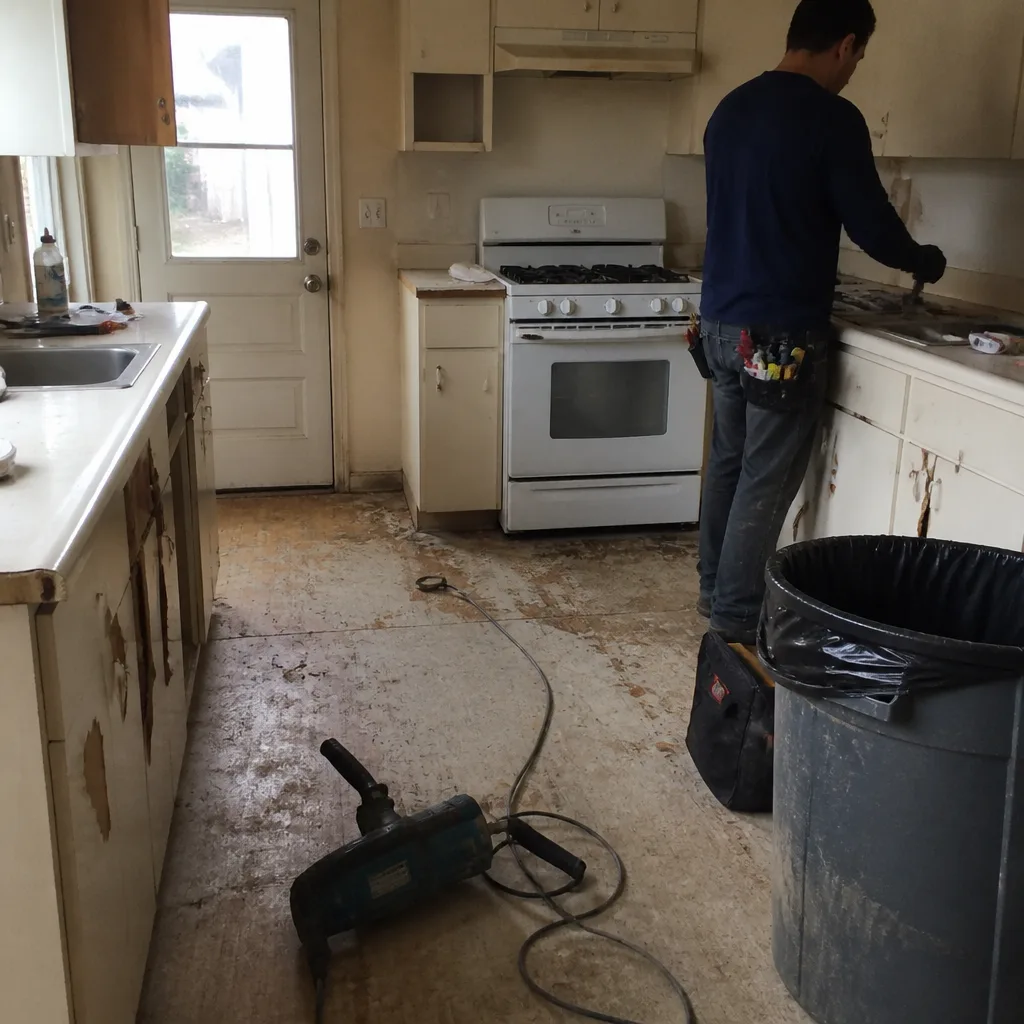 Before
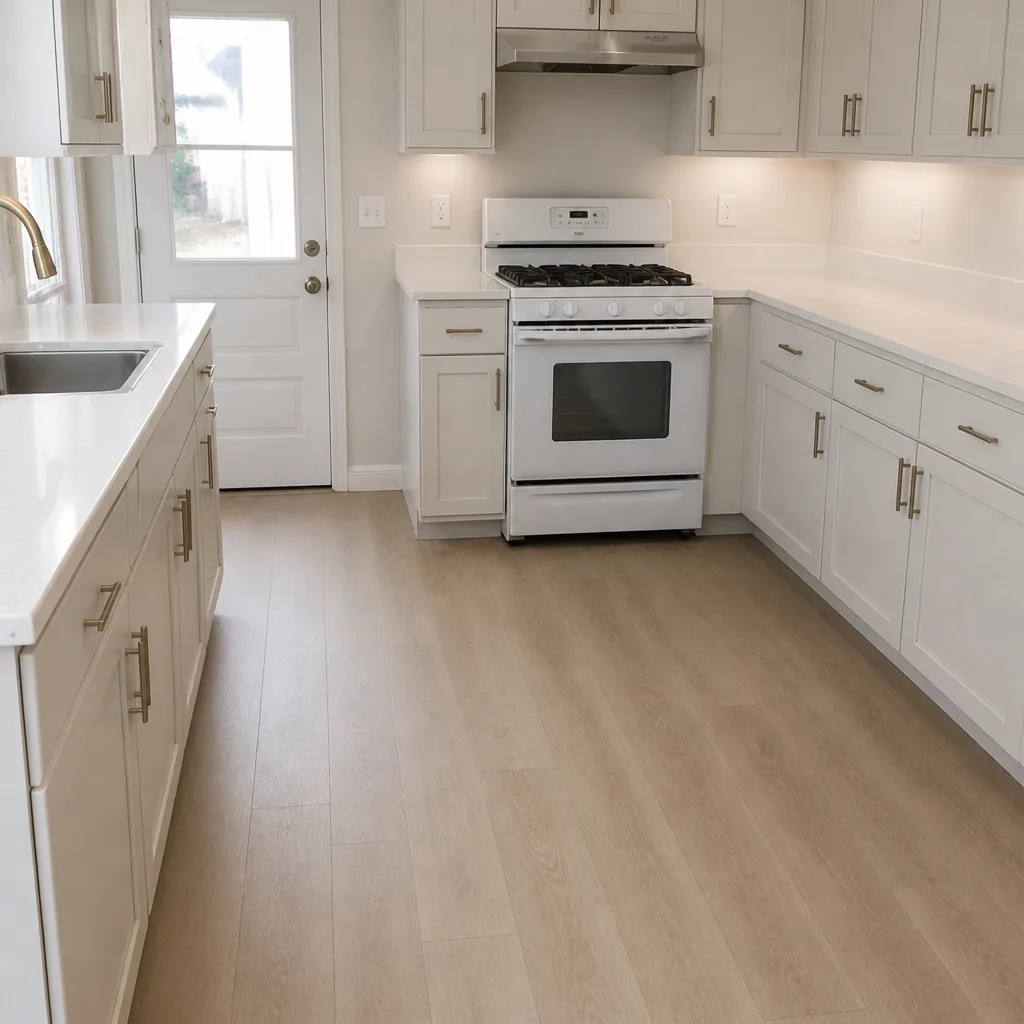 After
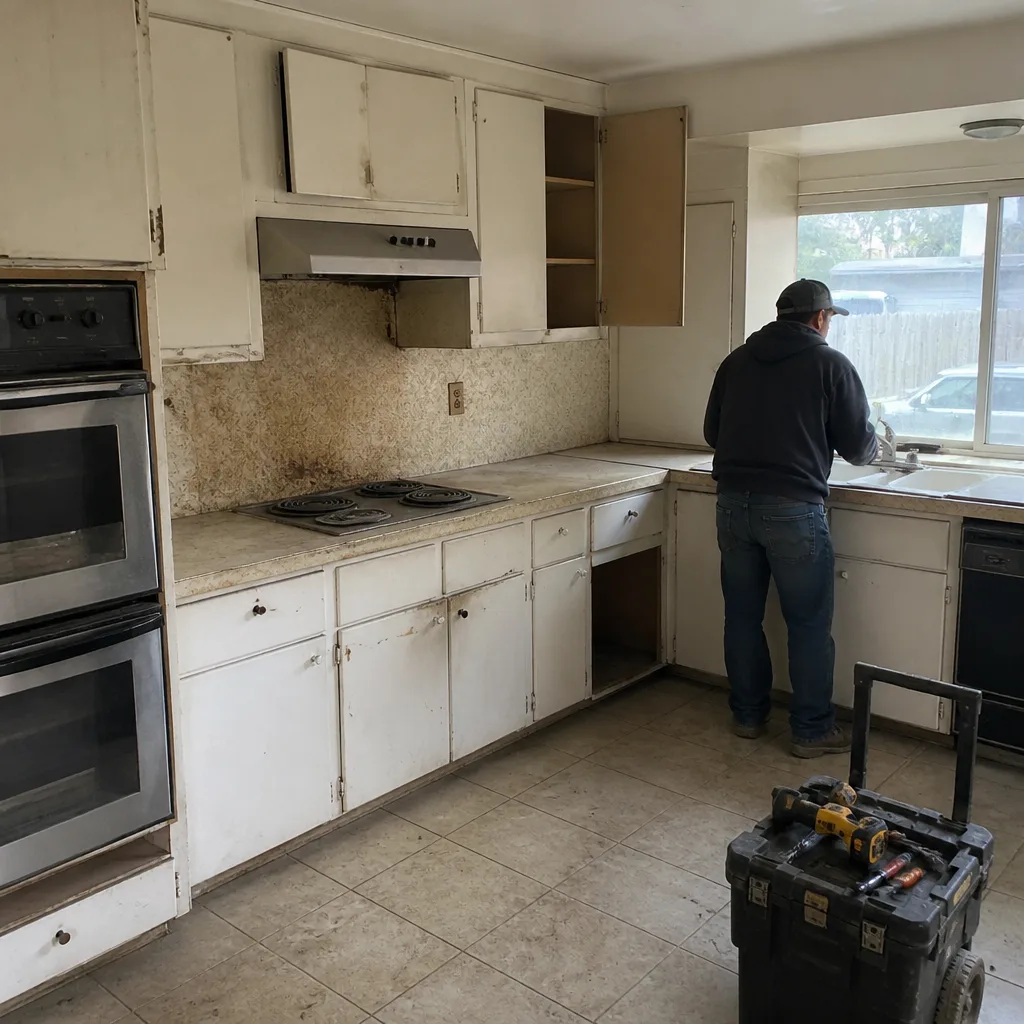 Before
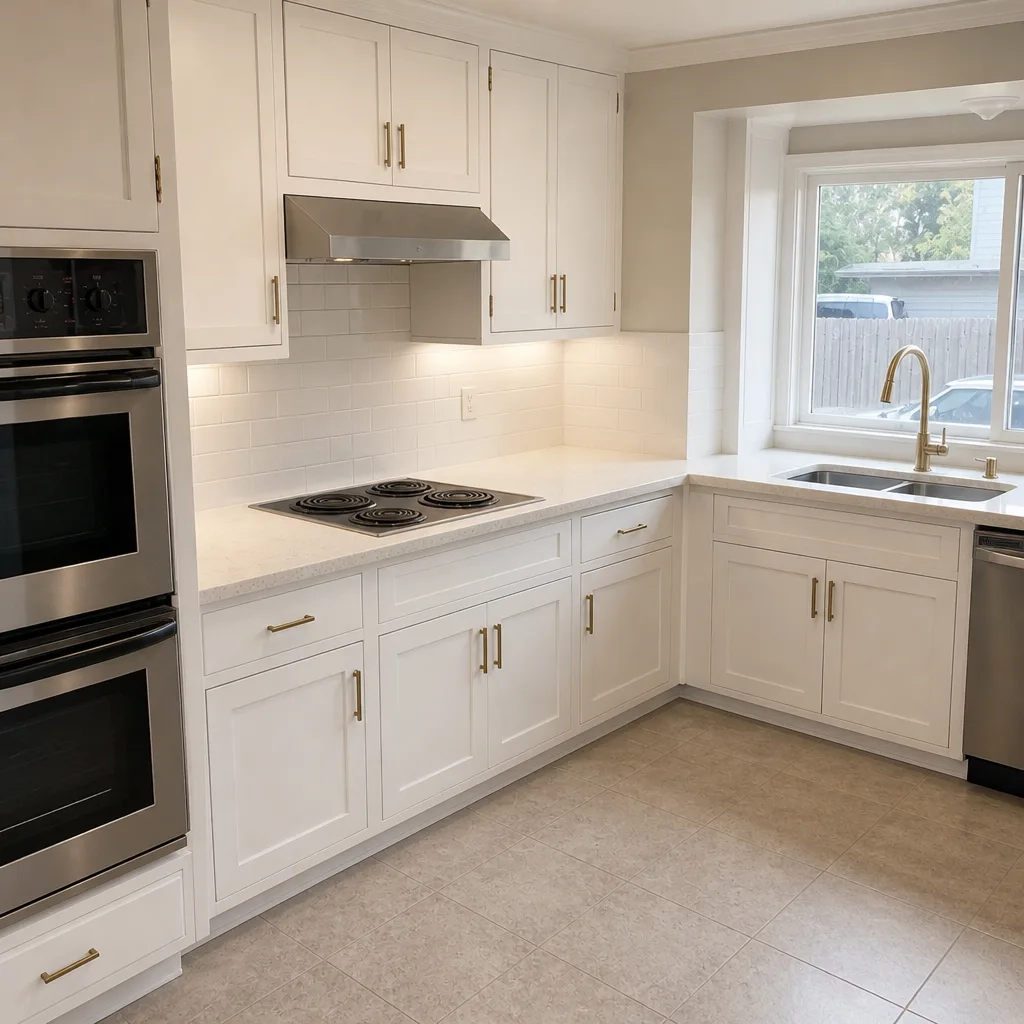 After
 Before
 After
What Is Low-E Glass? A San Jose Homeowner’s Guide to Reading the Numbers
Low-E glass is window glass with an invisible metallic oxide coating that reflects infrared heat while letting visible light through. There are at least four distinct Low-E coating configurations on the market, and two of them are wrong for San Jose. Here’s how to read the numbers so you don’t buy a window optimized for Minnesota winters, sold to you in a Willow Glen showroom.
In plain terms: Low-E stands for low emissivity. The coating reduces how much heat radiates through the glass in either direction, which is why it’s the single biggest lever on a window’s energy performance. But “has Low-E” is a marketing phrase, not a specification. What matters in San Jose is which Low-E, on which exposure, documented to which Title 24 threshold. Our team at Groundwork Construction Co. of San Jose handles the Windows & Doors work and the paperwork that goes with it. If you want a real number for your house, call (833) 988-3521.
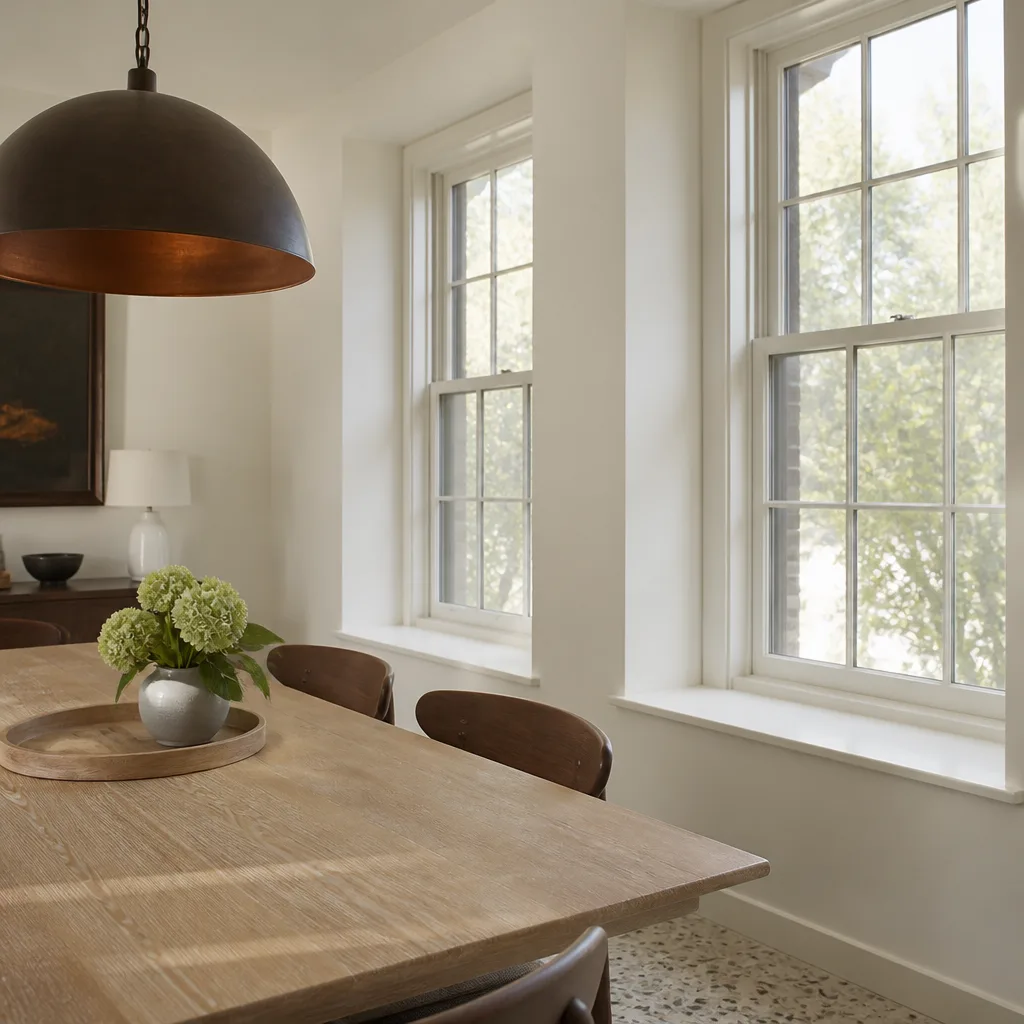
Hard Coat vs. Soft Coat: Why It Matters in Older San Jose Homes
There are two ways to put Low-E on glass, and they are not interchangeable.
- Hard coat (pyrolytic). The coating is fused into the glass while it’s still molten, so it’s baked in and durable. It can be the exposed surface of a single pane. Its performance is lower, and it tends to have a slight haze and a visible tint.
- Soft coat (sputtered). The coating is applied in a vacuum chamber at near room temperature, in layers. It delivers better U-factor and solar control, but it’s fragile – it can only live inside a sealed insulated glass unit, protected from air and cleaning.
This single fact changes how you approach a lot of San Jose window work. The city’s housing stock leans heavily on single-family homes built between the 1950s and 1970s, and a lot of those have original single-pane aluminum sliders. You cannot simply “add Low-E” to that glass in place. If you want soft-coat performance on an old opening, you’re looking at a full unit replacement with a new frame and a new sealed IGU – and in pre-1978 homes, that scope also pulls in lead-safe practices and often seismic tie-in details once the wall is opened. Hard coat is the realistic path only for specific replacement scenarios where the coating is on the protected interior surface.
That’s a first-hand detail that doesn’t show up in most explainers: the coating type drives the scope of the job, not the other way around.
High-Solar-Gain vs. Low-Solar-Gain: San Jose’s Climate Zone Decides
Low-E coatings also vary in how much solar heat they admit, and this is where buyers get steered wrong.
High-solar-gain Low-E is built for cold climates. It lets more of the sun’s heat energy through to help warm a house through a long winter. It’s the default glass package in a lot of national advertising because a lot of this country is cold.
Low-solar-gain Low-E does the opposite. It blocks solar heat before it becomes a load on the air conditioner. San Jose sits in Climate Zone 4, and while our summers are mild compared to the Central Valley, a west-facing window at 4 p.m. in July is still a heat problem – especially on the 1950s ranch homes that bake through their original single-pane glass.
The practical rule for San Jose: low-solar-gain Low-E on south and west exposures is almost always the right call. East and north exposures have more flexibility. A whole-house spec of one glass type is a guess; a room-by-room spec is a decision.
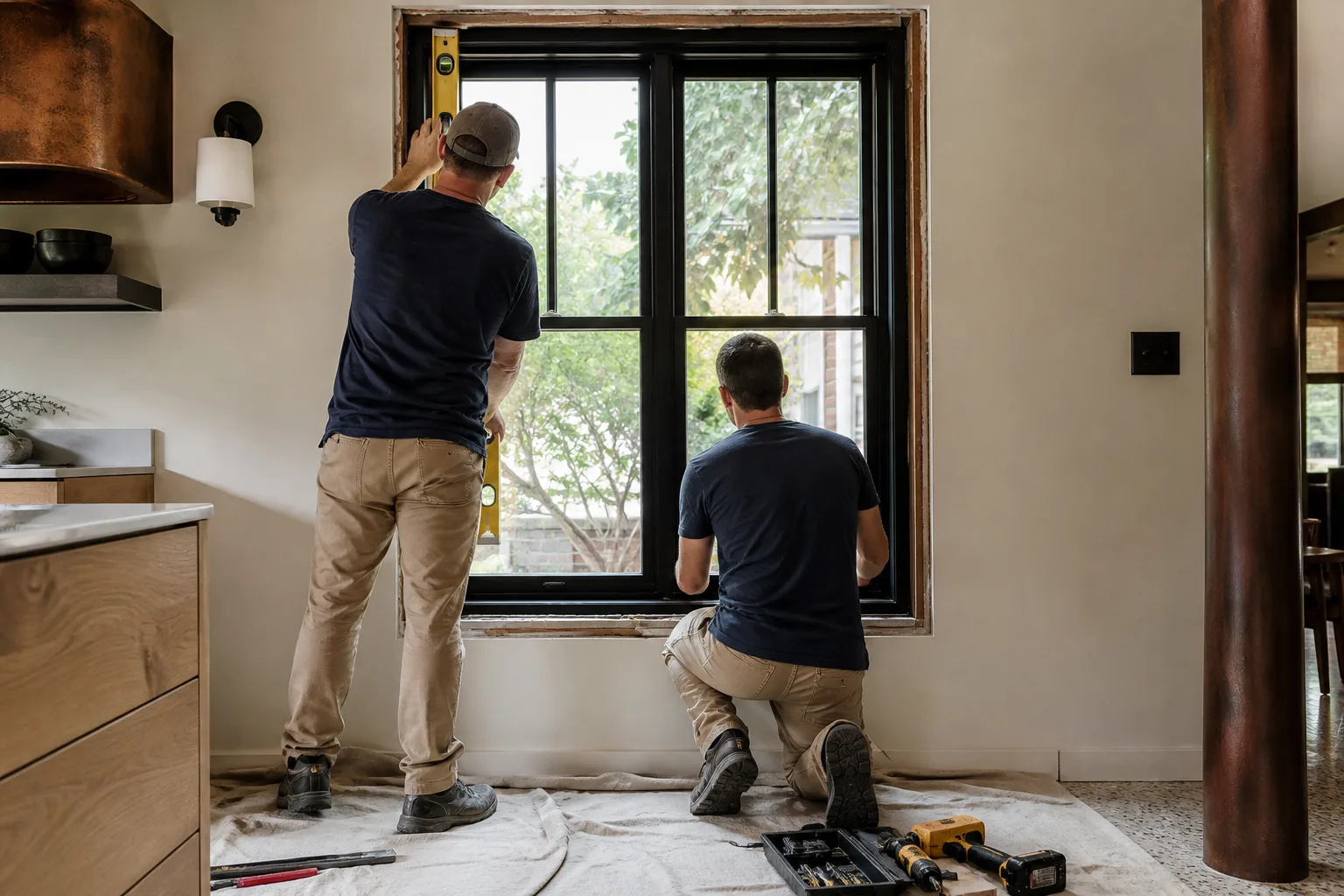
Title 24 Doesn’t Ask If You Have Low-E. It Asks for a Number.
Here’s the piece most homeowners never hear. California’s Title 24 energy code doesn’t approve a window because it “has Low-E.” It approves a window because the assembly meets a U-factor and a Solar Heat Gain Coefficient (SHGC) threshold for that climate zone and that orientation. Low-E is the technology; U-factor and SHGC are the measurements.
So “has Low-E” and “compliant” are not the same thing. A high-solar-gain coating on a west-facing San Jose window can miss the SHGC threshold even though it technically has a Low-E coating. That’s the gap that gets caught at plan check – or worse, at final inspection.
What you want from a window supplier is published data, not adjectives. Andersen and Marvin both publish climate-zone-specific glass packages with documented U-factor and SHGC values, which means you can verify compliance before you sign anything. Groundwork installs both. The verifiable datasheet is the difference between a warm sales pitch and a permit-ready spec.
| Window Work | Typical San Jose Range |
|---|---|
| Window Replacement (whole-window units) | $5,310-$17,700 |
| Impact Window Installation | $9,440-$29,500 |
Those ranges move with glass package, frame material, and how many openings need full frame replacement versus insert-only installation. Our technicians have up to 12 years of experience and are trained on Title 24 documentation requirements – the Low-E spec selected for each opening is recorded correctly in the permit package. That’s the part DIY and big-box installs frequently get wrong, and it’s the part a building inspector checks. If your roof or envelope is also due, we handle that scope through the San Jose service area: San Jose service area.
What to Ask Before You Sign a Window Contract in San Jose
Bring these questions to any bid, ours included:
- What is the U-factor and SHGC for this exact glass package?
- Is it hard coat or soft coat, and where does the coating sit in the assembly?
- Which exposures are getting low-solar-gain, and which are getting something else?
- Will the Title 24 documentation be included in the permit package?
- What happens to the original 1950s framing once the old unit comes out?
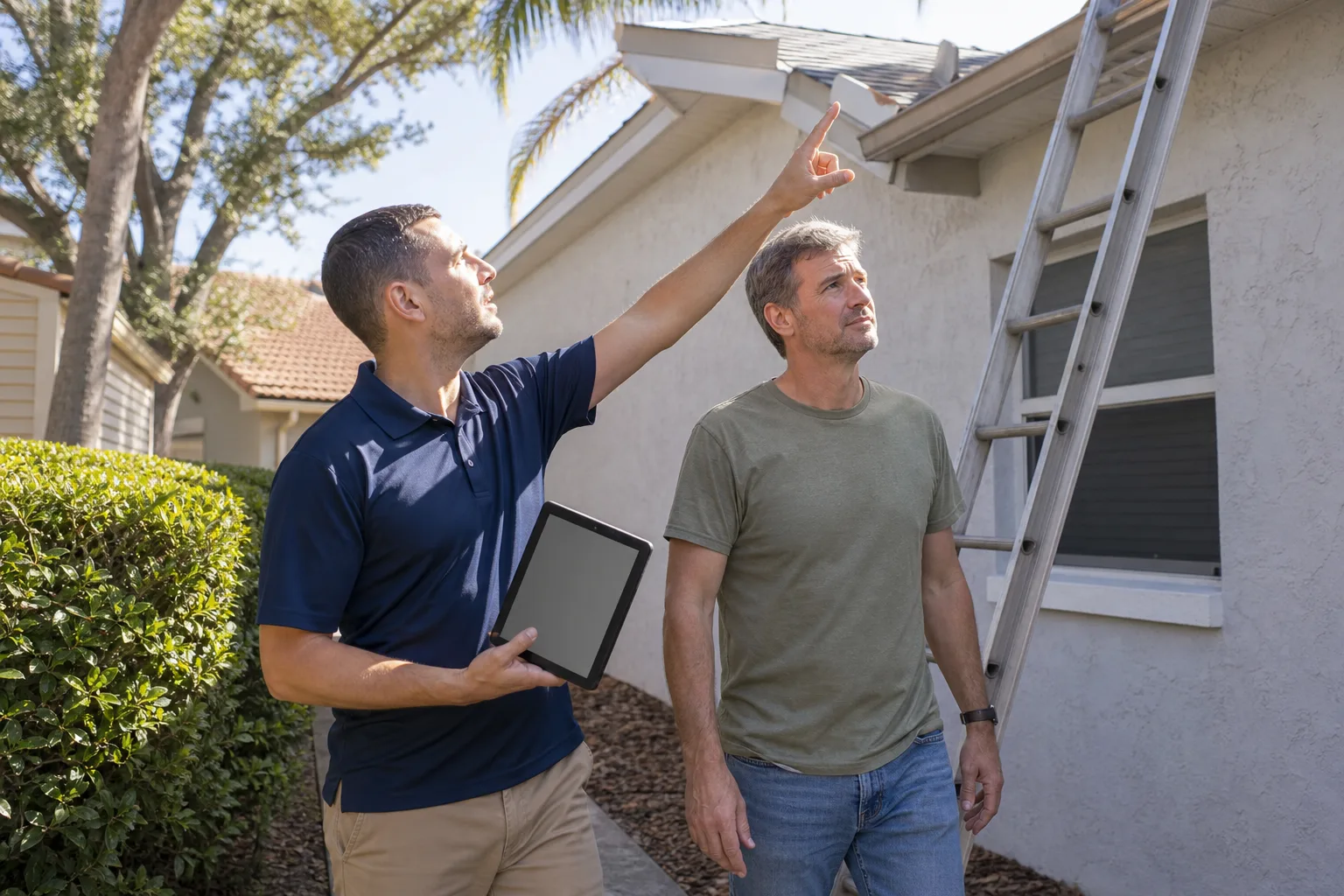
If a salesperson can’t answer the first three, you’re buying marketing language. The neighbors in the Rose Garden and Willow Glen know this territory well; a lot of those homes have been expanded piecemeal over decades, and window openings aren’t always what the original plans show. Every job starts with an on-site assessment, not a phone quote.
FAQs
Yes – low-solar-gain Low-E on south and west exposures pays back faster in San Jose than almost any other single window upgrade, because it cuts afternoon heat gain on the rooms that get hit hardest. The catch is that the coating has to match the exposure. A generic “Low-E” label tells you nothing about SHGC or Title 24 compliance. Call (833) 988-3521 for an exact quote – estimates are free.
Hard coat is baked into the glass during manufacturing and can sit on an exposed surface, while soft coat is applied in a vacuum chamber and must live sealed inside an insulated glass unit. Soft coat performs better on both U-factor and solar control, but it can’t be retrofitted onto existing single panes – which is why older San Jose homes almost always need full unit replacement to get it. Call (833) 988-3521 to walk through your openings.
No – Title 24 approves windows based on U-factor and SHGC thresholds for the climate zone and orientation, not on the presence of a Low-E coating. A high-solar-gain coating on a west-facing San Jose window can still miss the SHGC limit. Verify the published datasheet before signing. Call (833) 988-3521 and we’ll review the spec with you.
Yes, and it’s one of the most common scopes we handle in San Jose – 1950s to 1970s homes with original single-pane aluminum sliders are the typical case. The work almost always means full frame replacement rather than a glass swap, and in pre-1978 homes that pulls in lead-safe practices and framing repairs once the wall is open. Call (833) 988-3521 for a no-pressure on-site assessment.
If you’d rather have it looked at, Groundwork Construction Co. of San Jose offers a no-pressure assessment in San Jose – call (833) 988-3521. We’ll read the numbers with you, spec the right Low-E for each exposure, and make sure the permit package reflects it. Upfront pricing, no surprises, and the 730-Day Done Right Promise behind every install.
Written by the team at Groundwork Construction Co. of San Jose, serving San Jose, CA.