Free written scope consultation - allowances, timeline, and change-order rules on paper before a single trade is scheduled
Styles & brands we work with
- Kitchen remodeling
- Bathroom remodeling
- Home additions & ADU
- Roofing
- Windows & doors
- Driveway & pavers
- Fence
See the difference
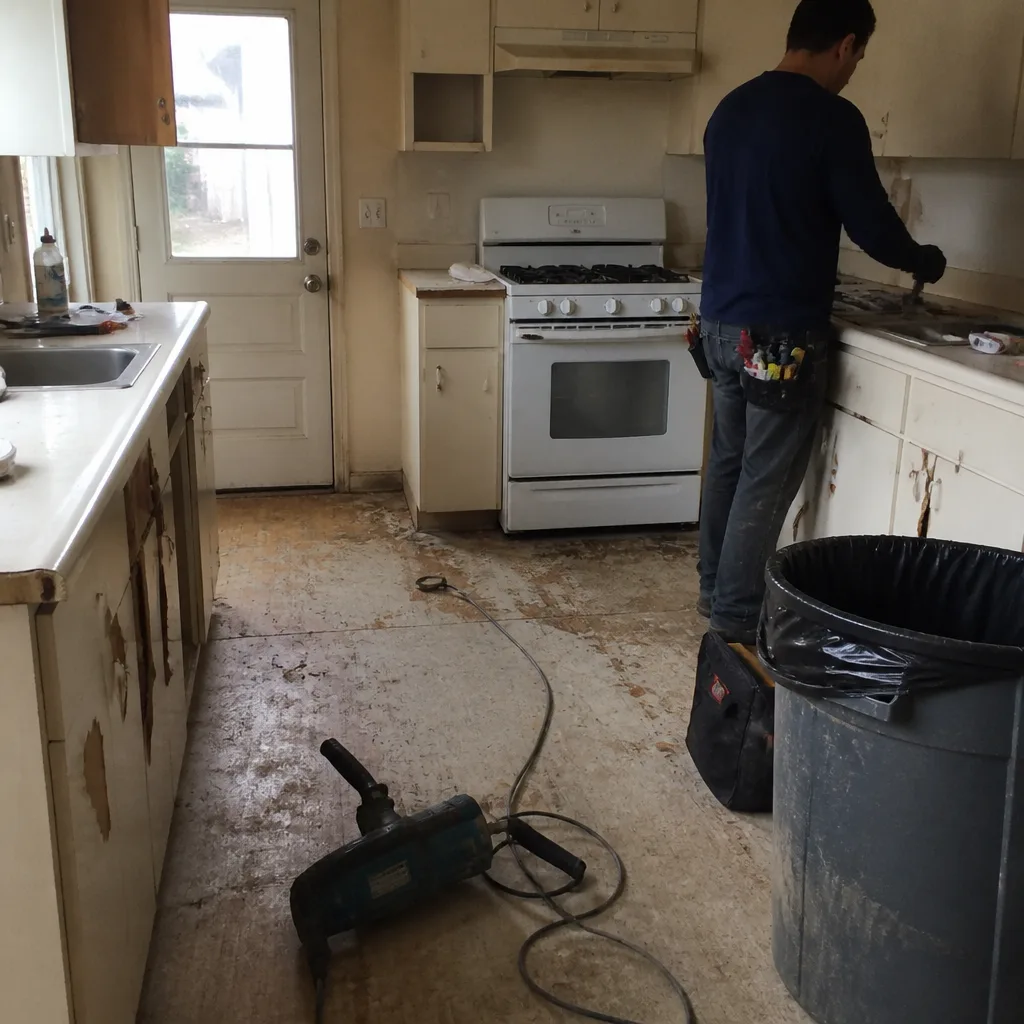 Before
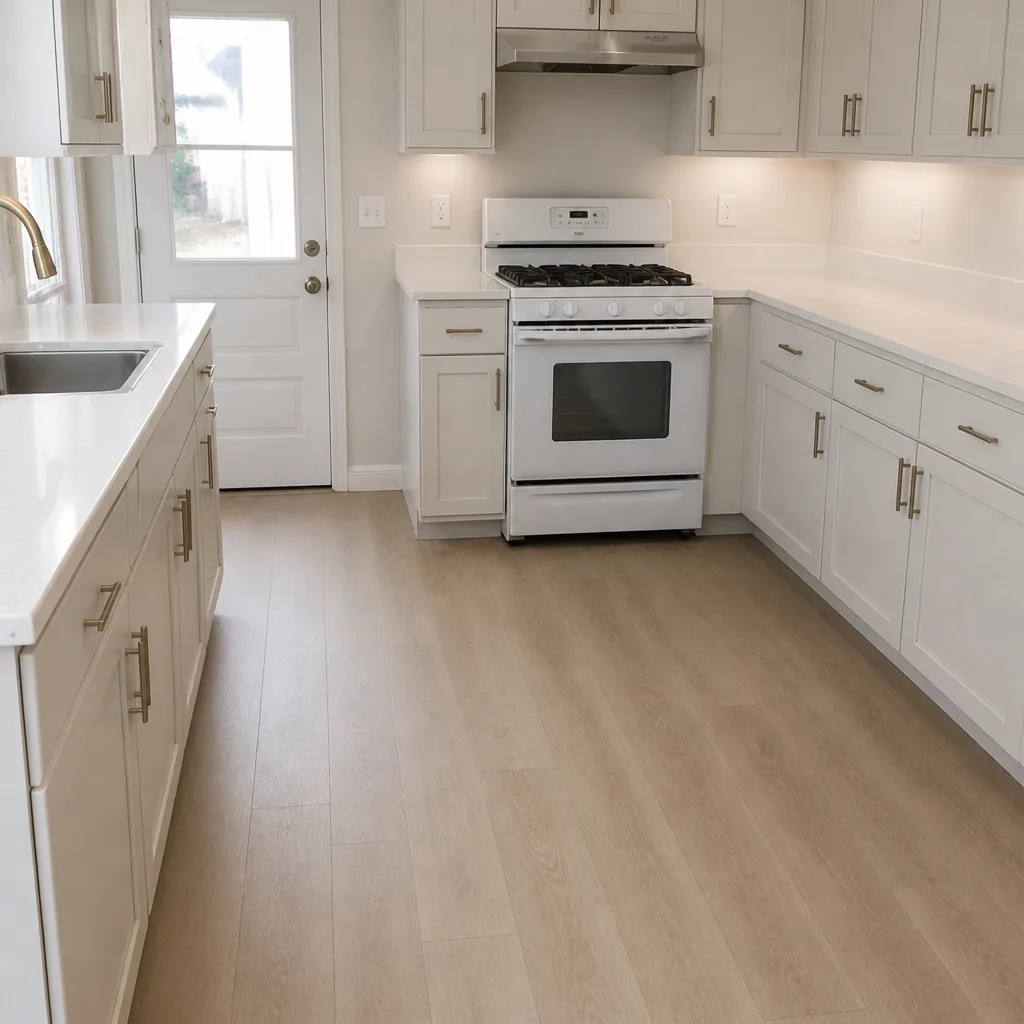 After
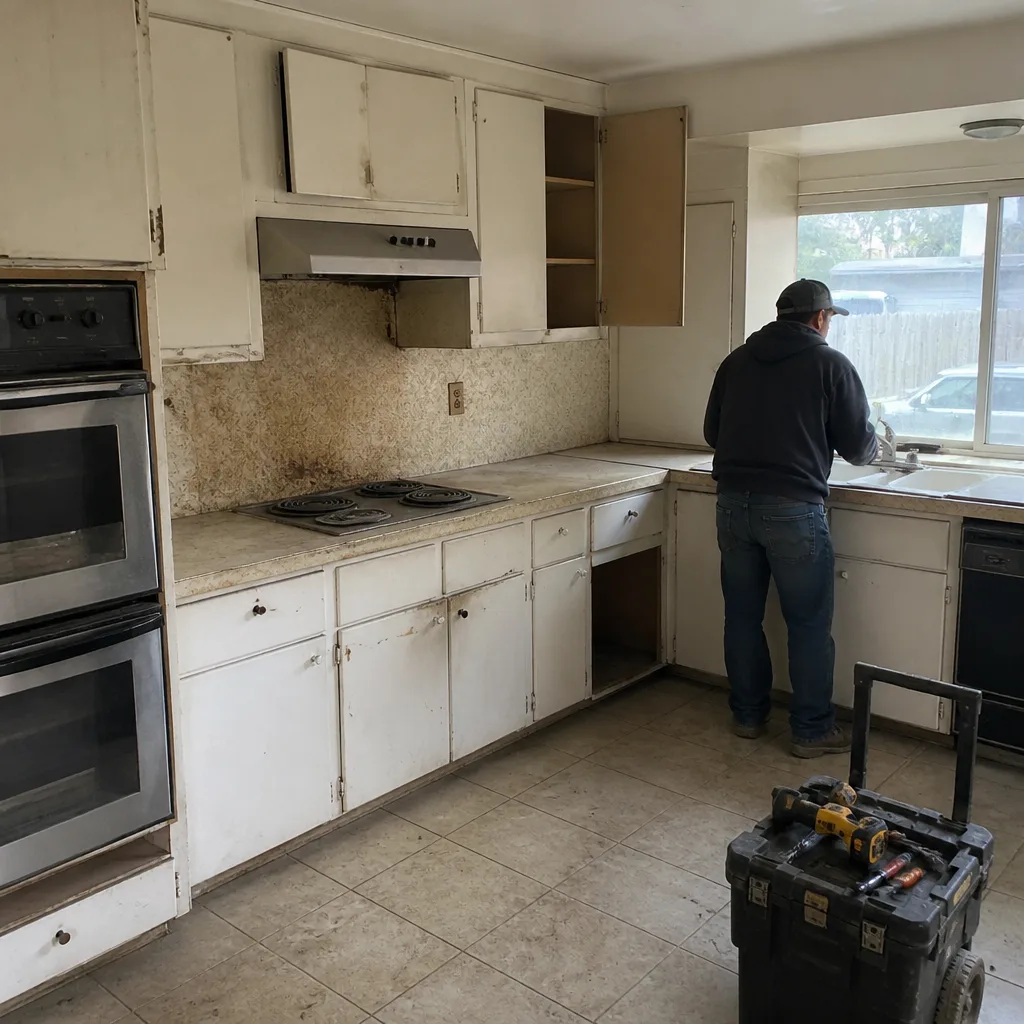 Before
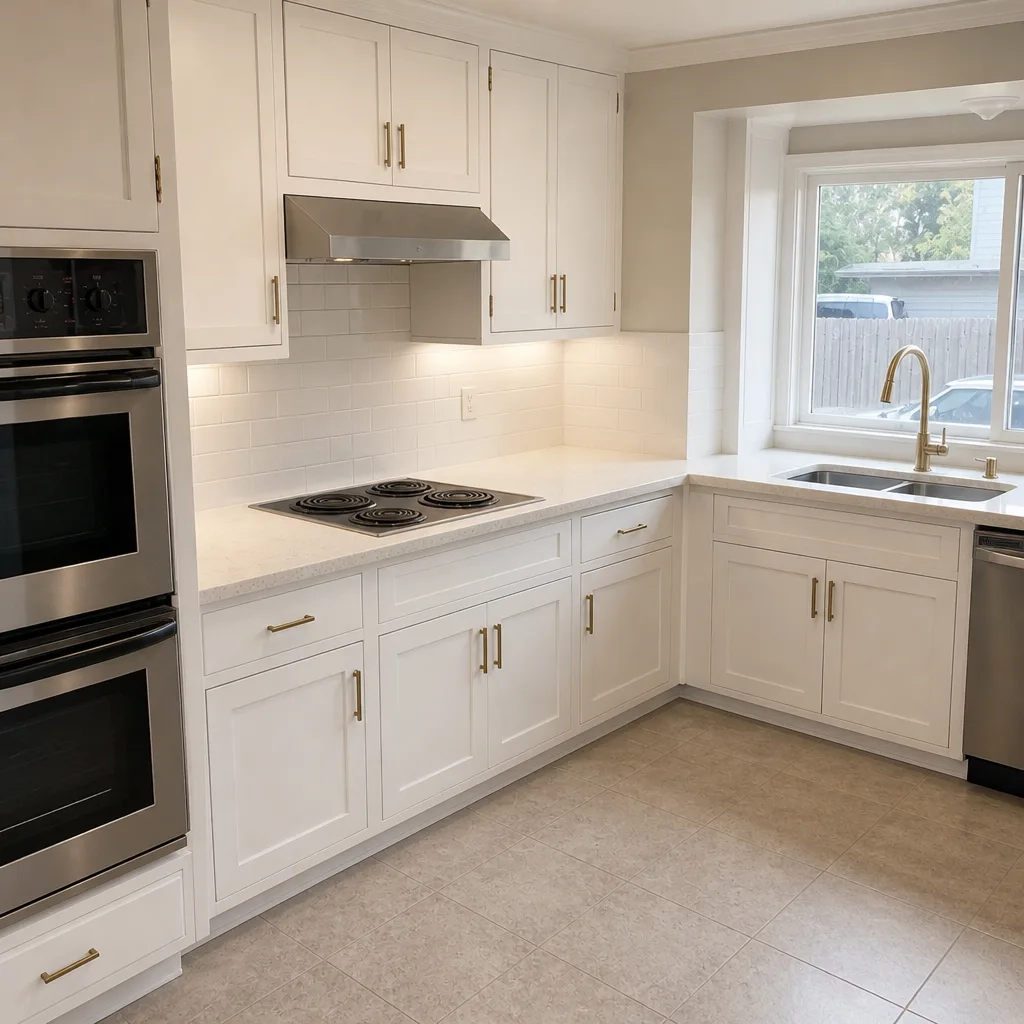 After
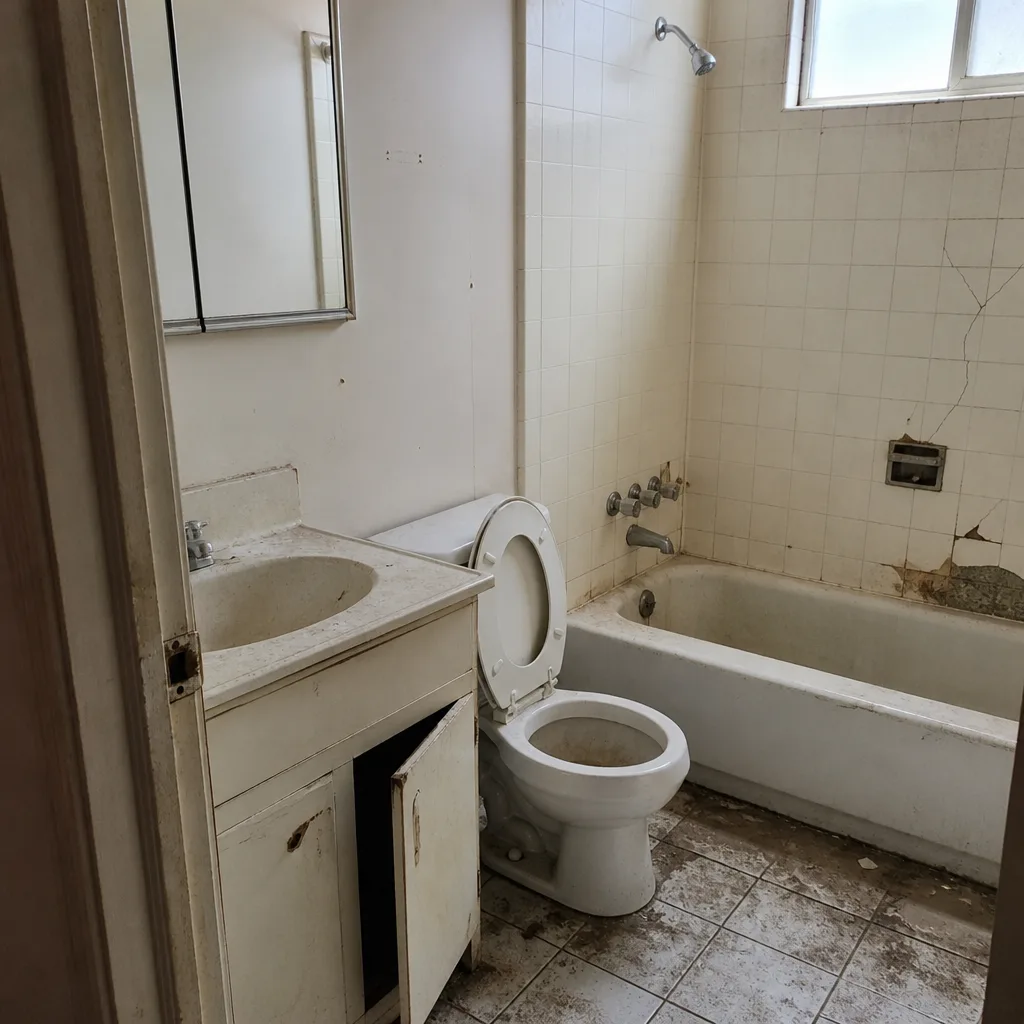 Before
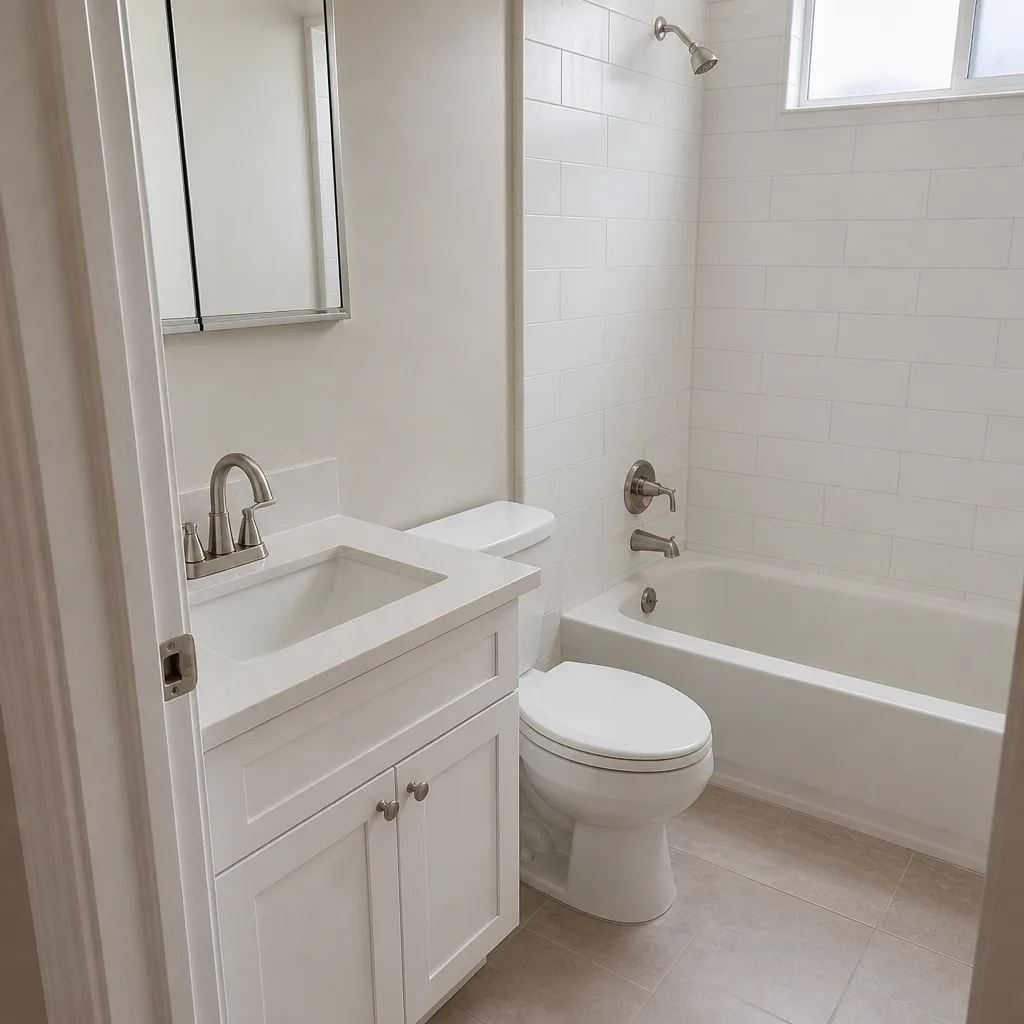 After
How Long Do Windows Last in San Jose, CA? The Honest Answer Is “It Depends on the Wall, Not the Window”
Most windows are rated for 20 to 40 years, but in San Jose the real number often lands closer to 10 to 15 – and the window itself is rarely the reason. A vinyl unit rated for 30 years will start failing in a decade inside a 1965 stucco home with no sill flashing, because water finds the rough opening long before the product wears out. The window didn’t fail. The installation did. That’s the single most useful thing to know before you spend money on replacement glass in San Jose. Call (833) 988-3521 and we’ll tell you straight what’s actually going on with yours.
Key takeaways
- Material lifespan is a ceiling, not a promise – installation condition sets the real clock.
- San Jose’s UV load and dry summers age vinyl and wood-clad units faster than coastal specs assume.
- Manufacturer warranties cover glass, finish, and hardware – almost never the flashing and workmanship where failures start.
- Original windows from the 1950s through 1970s are past useful life regardless of how they look.
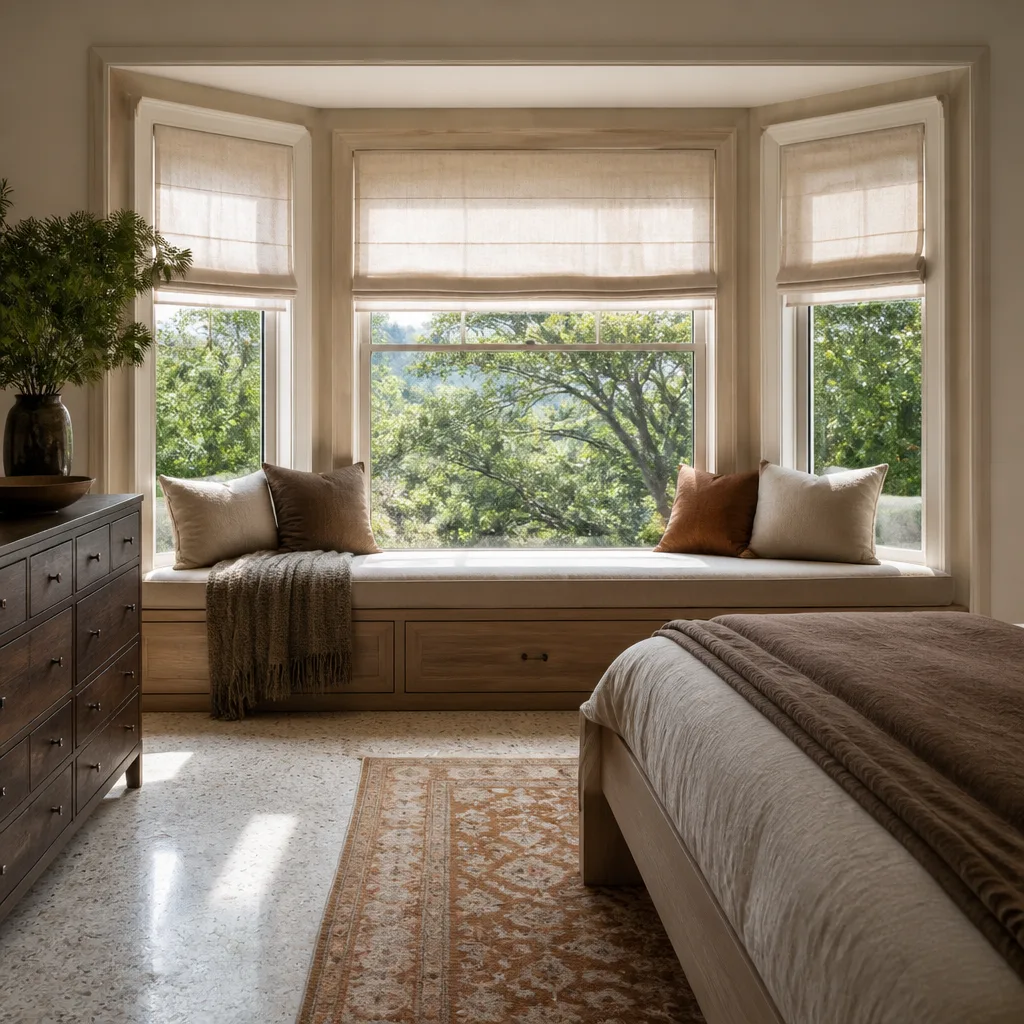
What Actually Sets Window Lifespan in San Jose’s Housing Stock?
San Jose’s neighborhoods are dominated by single-family homes built between the 1950s and 1970s, and the window on your wall is likely the same unit the builder installed. Over in Willow Glen or the Rose Garden, we routinely open up a wall and find that decades of piecemeal additions changed the roofline, the drainage, and the wall assembly without anyone redoing the window openings to match. That history matters more than any spec sheet.
The mechanism is specific. Original one-coat stucco on postwar homes shrinks and cracks at window joints as it cures and ages. Without a proper drainage plane and flashing behind the stucco, water gets into the rough opening, sits against the framing, and starts rot. In our experience that rot shows up within a decade regardless of whether the window is vinyl, aluminum, or wood-clad. So when a homeowner asks how long their windows will last, the real first question is whether they were installed with correct flashing in the first place.
That’s also why the city’s permitting picture matters. San Jose combines a sprawling low-rise suburban fabric with dense new urban villages, so the same municipal department handles single-family remodels and multi-story infill – and the rules get tight fast. When we’re in for a Windows & Doors project, we check what’s actually behind the stucco before anyone orders product, because the wall will tell you what the window can’t.
How Long Do Windows Last by Material – and Where San Jose Changes the Math
Here’s the comparison most homeowners are actually looking for, with the San Jose caveats that generic charts skip.
| Material | Rated lifespan | What shortens it in San Jose |
|---|---|---|
| Aluminum | 20-30 years | Conducts heat; seal failure and condensation are common once the thermal break degrades. |
| Vinyl | 20-40 years | San Jose’s UV intensity oxidizes and chalks vinyl faster than coastal climates; frames can go brittle on south- and west-facing walls. |
| Fiberglass | 25-50 years | Holds up well to heat and UV; performance still rides on the installation and flashing. |
| Wood-clad | 25-40 years | Our dry summers stress cladding differently than the Pacific Northwest – finish and seal maintenance is the deciding factor. |
Read that table as a ceiling, not a guarantee. A fiberglass window set into a rotted opening is a 10-year window. A standard vinyl window correctly flashed into a sound wall will hit the top of its range. That’s why we start every window conversation with the wall.
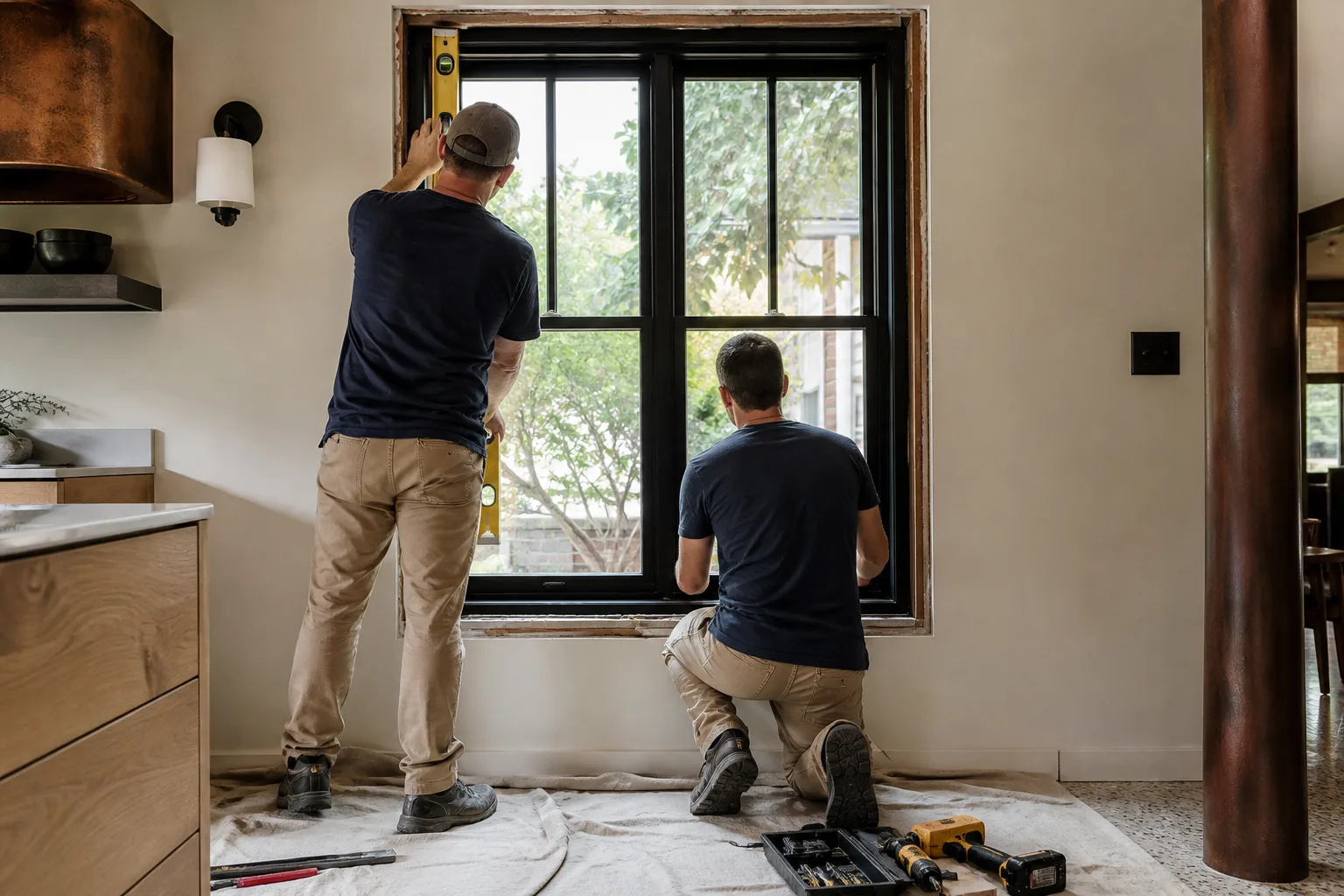
What Does the Warranty Actually Cover – and What Slips Through?
Andersen and Marvin both build excellent windows, and both back them with manufacturer warranties that differ significantly by product line and material – a clad-wood line and a fiberglass line don’t carry the same terms. But the pattern is consistent across the industry: the warranty covers the glass unit, the finish, and the hardware. It does not cover the installation workmanship, the flashing, or the water management behind the stucco. That gap is exactly where most failures originate.
This is the piece homeowners miss. If your window fogs because the seal failed, the manufacturer may help. If it rots because water got behind the stucco at the sill, the manufacturer points at the installer, and the installer points at the product. You end up caught in the middle.
Our answer is the 730-Day Done Right Promise – if it’s not done right, we make it right, and it covers the installation workmanship for two years after completion. That’s the window that manufacturer warranties skip entirely. Paired with a curated brand lineup that includes Andersen and Marvin, it means the product and the install are both backed in writing – built to last, backed in writing, as we put it on every project.
When Should You Stop Asking “How Long Will They Last” and Just Replace Them?
If your home still has its original 1950s through 1970s windows, the remaining-service-life question is moot. Those units are past their useful life regardless of how they look, and many are silently failing on energy performance against current Title 24 benchmarks – you just don’t feel it until a summer heat wave. San Jose’s warm, dry summers make that failure visible in your energy bill before it’s visible on the glass.
Signs it’s time to look at replacement:
- Fogging or condensation between the panes (a failed seal)
- Drafts you can feel along the frame or sill, not just at the sash
- Cracks or gaps in the stucco where it meets the window
- Soft or spongy wood at the sill or rough opening
- Single-pane glass that won’t pass modern energy expectations
For reference, window replacement in San Jose runs roughly $5,310 to $17,700 depending on count and scope, and impact window installation lands around $9,440 to $29,500. Those are broad ranges on purpose – the flashing and wall work drive the number far more than the glass. If you’d like a real figure, a free project estimate and design consult will get you one, and we honor $1,000 off projects over $10,000 with 0% financing for 18 months to spread the rest out.
FAQs
Expect 10 to 15 years of real service even from a window rated for 20 to 40, if it was installed without proper sill flashing and a drainage plane behind the stucco. The product life is there; the water path is what cuts it short.
If the unit is original to a 1950s-1970s home, replacement usually wins because the rough opening itself needs work. If the window is newer and only the seal failed, a repair can make sense. Call (833) 988-3521 for an exact read – estimates are free.
No. Manufacturer warranties cover the glass unit, finish, and hardware, but not the installation workmanship or flashing – which is where most failures start. That’s precisely what our 730-Day Done Right Promise is built to close.
Yes – calls are answered by a live person, 24/7, and we can set up a no-pressure assessment in San Jose quickly. Most jobs are completed in a single visit where scope allows. Call (833) 988-3521 and we’ll get you on the schedule.
Let’s Look at the Wall, Not Just the Window
If you’d rather have it looked at, Groundwork Construction Co. of San Jose offers a no-pressure assessment in San Jose – call (833) 988-3521. Our technicians have up to 12 years of experience, arrive background-checked and in uniform, and price upfront so the number you see is the number you pay. See our full San Jose service area if you want to know how we work across the city.
Written by the team at Groundwork Construction Co. of San Jose, serving San Jose, CA.