Free written scope consultation - allowances, timeline, and change-order rules on paper before a single trade is scheduled
Styles & brands we work with
- Kitchen remodeling
- Bathroom remodeling
- Home additions & ADU
- Roofing
- Windows & doors
- Driveway & pavers
- Fence
See the difference
 Before
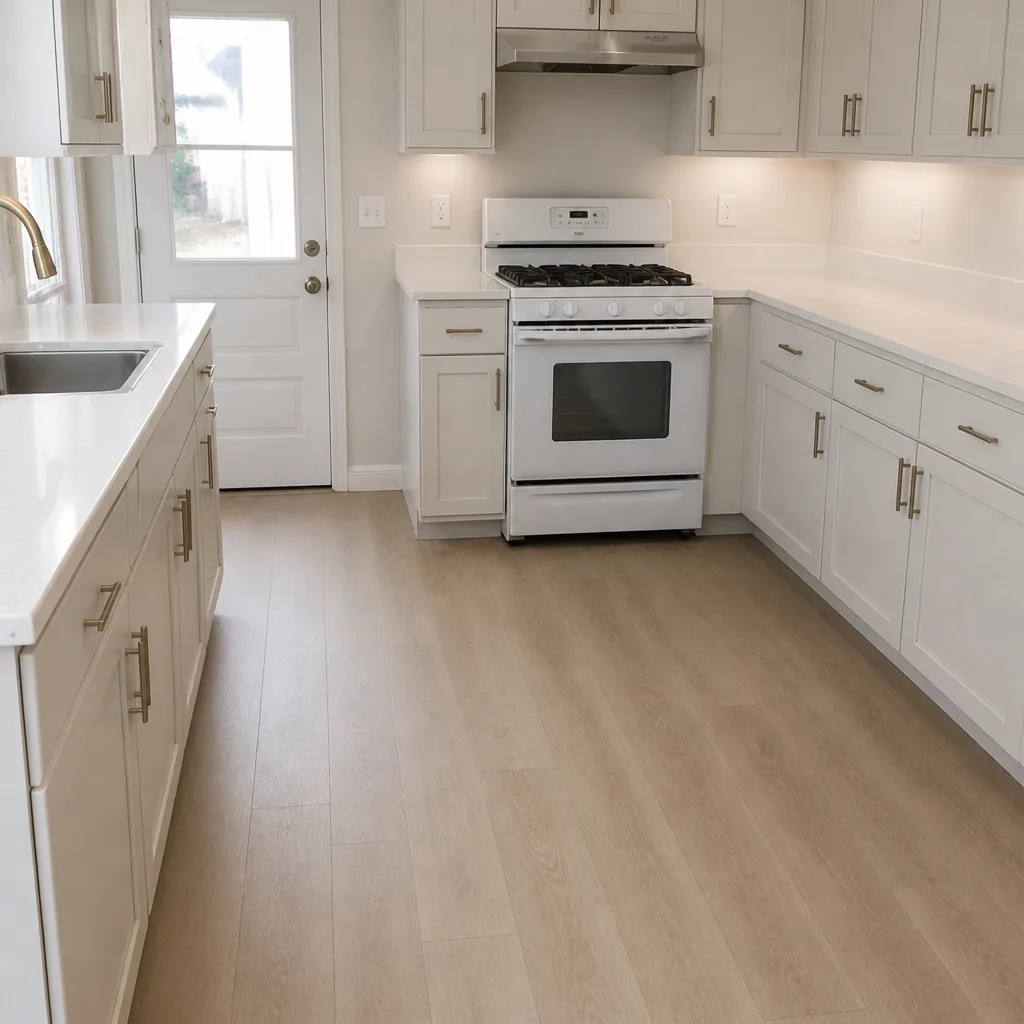 After
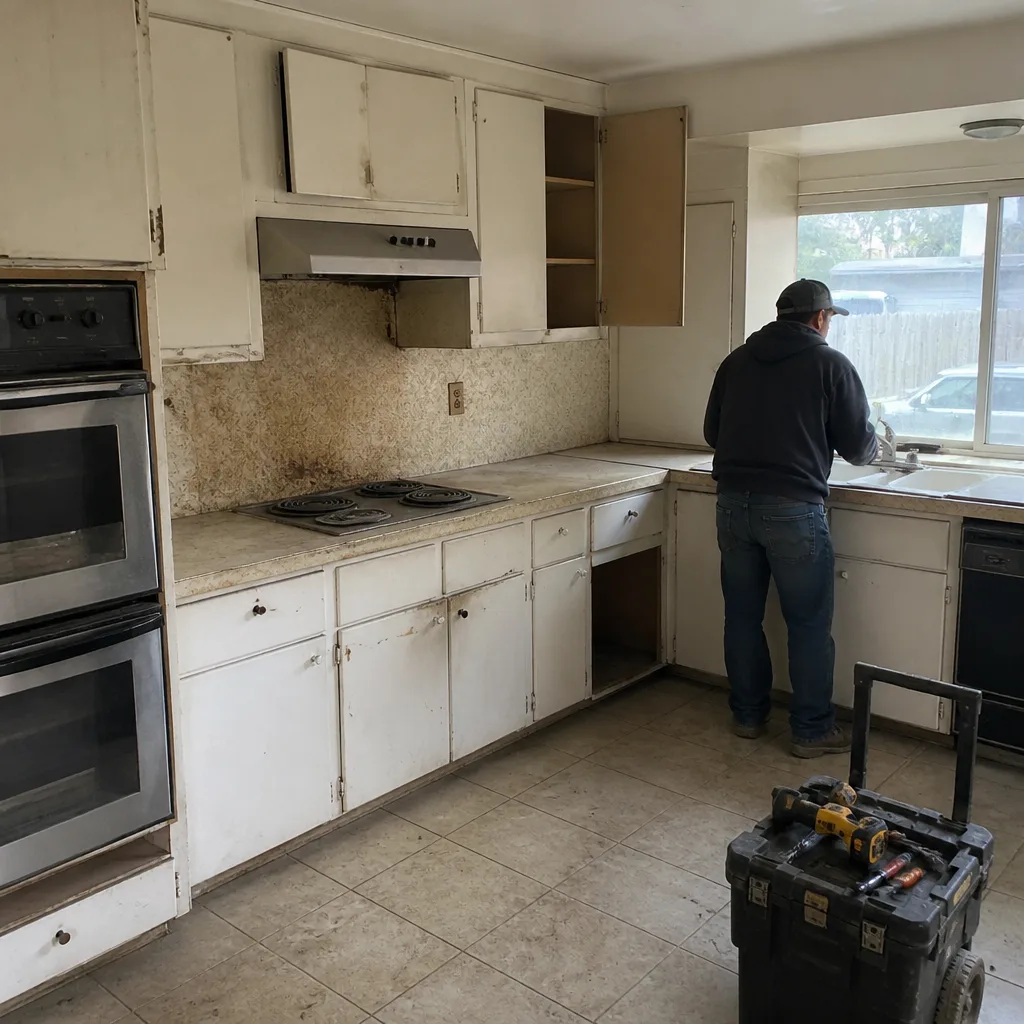 Before
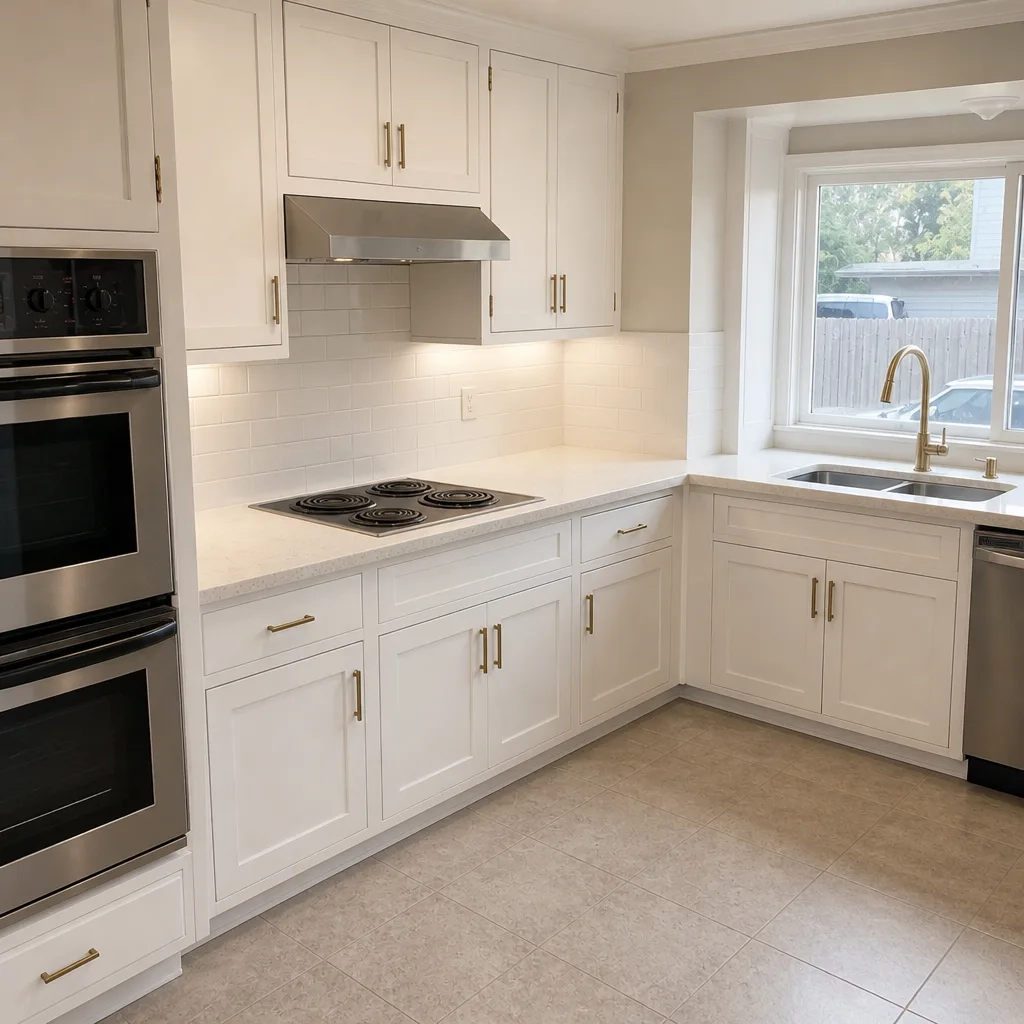 After
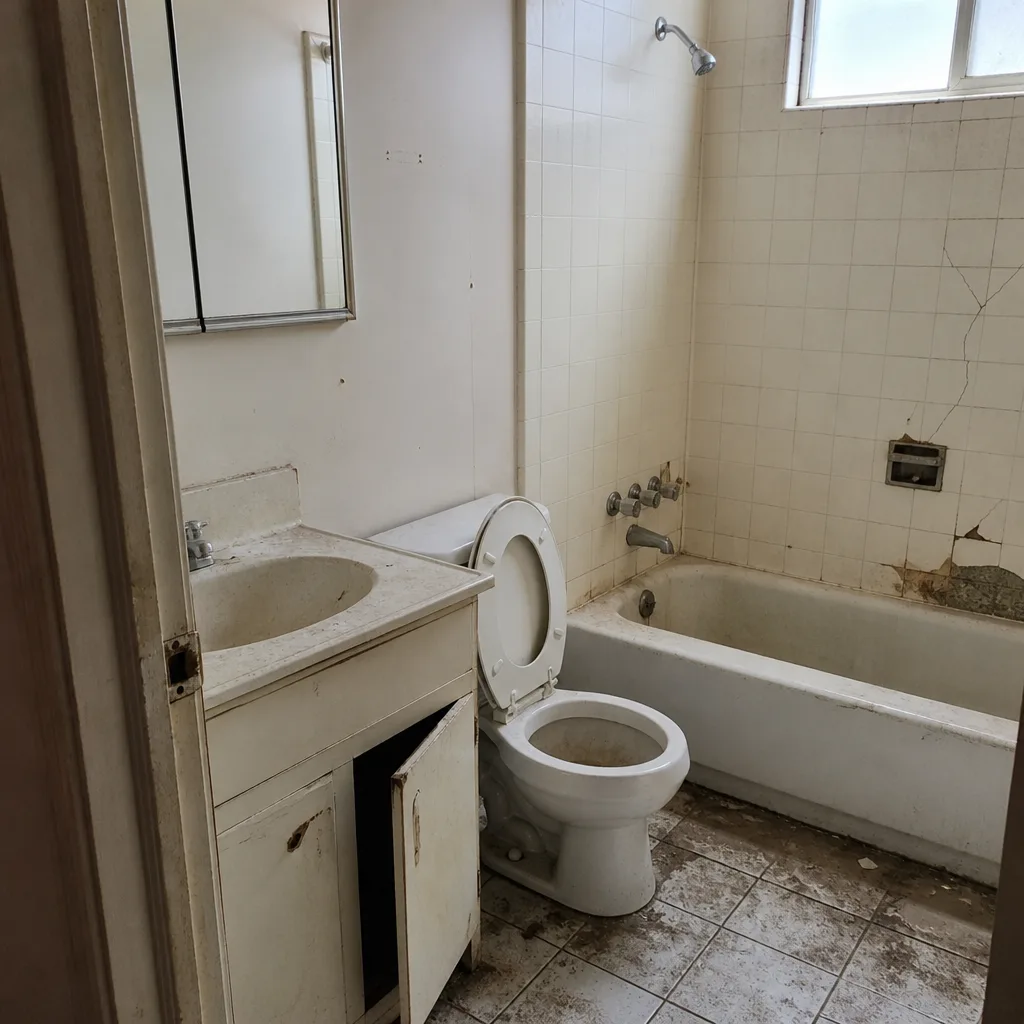 Before
 After
How to Measure a Window for Replacement in San Jose, CA
You measure 36 inches. The actual rough opening is 35.25. The window you ordered doesn’t fit. This is the most common and most expensive mistake in San Jose retrofit window replacement. The short answer: don’t measure the daylight opening you can see from inside the room. Pull the interior casing and measure the frame-to-frame opening if you’re doing a pocket replacement, or measure the full rough opening to the studs if you’re doing a full-frame replacement. In San Jose postwar stucco homes, those three numbers are rarely the same, and the difference between them is where ordering errors live.
Groundwork Construction Co. of San Jose handles Windows & Doors work across the city, and the pre-measurement step is where we’ve watched the most money get wasted on jobs we didn’t even quote. If you’d rather not gamble on a tape measure and a template, call (833) 988-3521 and we’ll send a technician out to take the numbers properly before you order a single unit.
Key Takeaways
- Daylight opening = what you see. Frame-to-frame = pocket replacement. Rough opening = full-frame. Three numbers, three uses.
- Older San Jose stucco homes often measure 1-2 inches differently inside versus outside because the stucco has been skim-coated over the decades.
- Willow Glen and Rose Garden additions frequently hide non-standard rough openings that won’t accept stock units.
- Andersen and Marvin rough opening charts are the reference point – your field measurement is only as good as how you read it against them.
The three measurements, and which one you actually need
Every window measuring question comes down to knowing which of three openings you’re dealing with. Get the wrong one and the number is useless.
Daylight opening is what you can see through the glass and the visible interior face of the frame. It’s the easiest measurement and the least useful for ordering. The daylight opening tells you nothing about the structure behind the casing, which is exactly what the replacement unit has to fit into.
Frame-to-frame is the measurement for a pocket replacement, also called a retrofit insert. You remove the interior stops and the sash, measure the width and height of the existing frame opening at three points each (top, middle, bottom and left, center, right), and use the smallest number. This is what a stock replacement unit is built to slide into. Pocket replacements are common in San Jose because they preserve the stucco and interior trim, and they’re faster – most single windows go in on the same visit.
Rough opening is the measurement for a full-frame replacement. Everything comes out: sash, frame, casing, sometimes the surrounding drywall and stucco. You measure to the exposed studs. This is the number you need when the existing frame is rotted, out of square, or the window is changing size entirely. Full-frame replacements are more invasive but they let you correct a bad opening once and for good.
Here’s the ordering rule of thumb: pocket replacement uses the frame-to-frame number, full-frame uses the rough opening, and the daylight opening is never the number you order from. A measured 36-inch daylight opening in a typical San Jose tract home can sit inside a 35.25-inch frame-to-frame, which is the gap that turns a 36-inch unit order into a return.
Why San Jose’s stucco homes measure differently
San Jose’s housing stock is dominated by single-family homes built between the 1950s and 1970s, most of them wrapped in stucco. That stucco is the reason a window measurement here isn’t the same job it is in a newer vinyl-sided suburb.
Stucco goes on in layers – lath, scratch coat, brown coat, finish coat – and it wraps the exterior of the window frame with a return that sits proud of the frame itself. When you measure from inside the room, you’re measuring to the interior casing. When you measure from outside, you’re measuring to the stucco return, which can be an inch or two beyond the frame. In older homes where the stucco has been patched or skim-coated more than once – common on Willow Glen bungalows that have been re-painted a half-dozen times over the decades – that inside-to-outside difference can climb toward two inches.
What that means in practice: if you measure only from the inside and order from that number, the exterior dimension of the new unit may not clear the stucco return. Measure both faces, note the return depth, and if the two numbers disagree by more than about three-quarters of an inch, plan for a full-frame replacement rather than a pocket insert.
That’s a hard-won pattern, not a textbook one. In Natomas-style developments the construction is newer and the stucco more uniform; in San Jose’s older cores, the layer count varies house to house. Two neighbors on the same block can have different effective frame depths depending on when and how their stucco was refinished.
Spotting a non-standard opening before you order
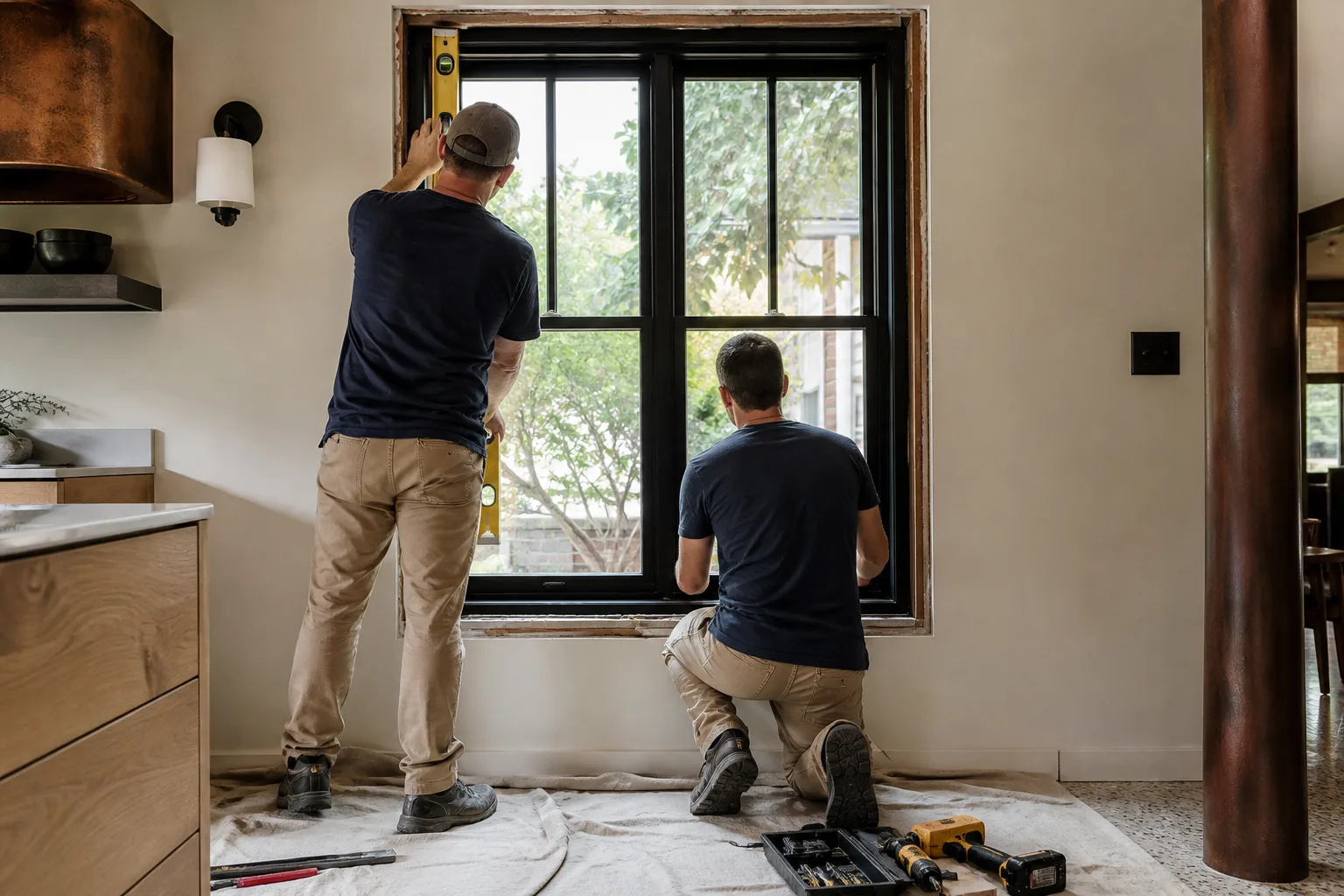
Piecemeal additions are everywhere in Willow Glen and the Rose Garden, and they’re the second-biggest source of window-ordering failure in San Jose after the stucco issue. A 1940s bungalow that got a bedroom added in the 1960s and a kitchen bumped out in the 1980s will have three different eras of framing in a single house – and the addition windows are often cut to whatever wall cavity the builder found, not to a standard stock size.
How to flag it before you spend money:
- Measure the same style of window in two or three rooms. If the widths differ by more than a quarter inch in rooms you’d expect to match, you’re in addition territory.
- Check the depth of the wall at each window. Additions often have framing that doesn’t align with the original home, and a pocket insert can’t bridge that.
- Look for mismatched headers, sill heights, or trim profiles on the interior. They usually indicate a different build era.
- Open the wall at one window if you can. In unpermitted additions – which turn up routinely in these neighborhoods – the framing may not match code, and ordering a custom unit to fit a non-conforming opening just locks the problem in.
Custom units will fit a non-standard opening, but the lead time and price jump. A custom order can run meaningfully higher than the standard $5,310-$17,700 window replacement range for a comparable San Jose job, and impact-rated units land in the $9,440-$29,500 band. Non-impact replacements with impact-rated upgrades in window-heavy rooms is a decision worth making once, with the opening in hand.
Reading Andersen and Marvin rough-opening charts against your field numbers
Andersen and Marvin both publish rough opening charts by series and size, and those charts are the reference point your field measurement has to line up against. Here’s how to use them without getting burned.
The chart lists the rough opening dimensions for each nominal size – the stud-to-stud opening the unit is designed to drop into, plus the shimming tolerance. Don’t read the chart as “the window is 36 inches.” Read it as “this unit needs a rough opening between X and Y, and you shim the gap.” The chart dimensions already account for the manufacturer’s frame; your job is to confirm your opening falls inside the published range.
Two places people get this wrong. First, they compare field numbers to the nominal size printed on the box instead of the rough opening in the chart. Second, they forget to add shimming tolerance – usually a quarter inch on each side, but check the specific series – which means a unit that “technically fits” gets jammed in without the room to level and plumb it. A window that isn’t shimmed evenly will bind, leak, or both within a couple of winters.
Measure at three points in each direction and use the smallest number. If your smallest number is below the chart’s minimum, the opening has to be enlarged – usually a full-frame job. If it’s above the maximum, you either shim more than the manufacturer wants or you order custom. Neither is a decision to make while standing at a big-box counter.
When to put the tape measure down and have it measured
Background-checked, uniformed technicians perform a no-commitment site measurement as part of the project assessment. That’s not a sales step – it’s the step that prevents a homeowner from buying windows based on bad numbers, which is one of the most preventable job site problems we see in San Jose. Bring your own measurements to the assessment and the technician can check them against the framed opening, the stucco return, and the rough opening chart side by side. If your numbers were right, you’ll know. If they weren’t, you’ll know before you order.
Our technicians have up to 12 years of experience, and this step is covered under the 730-Day Done Right Promise – if it’s not done right, we make it right. The manufacturer’s chart is the spec; the technician’s check is what makes sure your house matches the spec before money changes hands.
One more local wrinkle: San Jose’s permitting and code enforcement is strict, and the mix of sub-$80K pocket replacements and $100K-plus full-frame and ADU-adjacent window packages all have to reconcile against neighborhood-specific planning requirements. A window package on a permitted addition is a different scope than one on an unpermitted bump-out, and the measurement and documentation should reflect which one you’re in.
FAQs
You can measure for a pocket replacement yourself, but only if you pull the interior stops, measure the frame-to-frame opening at three points each direction, and confirm the stucco return depth on the exterior. If the inside and outside numbers differ by more than about three-quarters of an inch, or the home has unpermitted additions, have a trained professional take the measurement. Call (833) 988-3521 for a free estimate and a no-commitment site measurement.
A pocket replacement slides a new unit into the existing frame; a full-frame replacement removes the frame, casing, and sometimes stucco down to the studs. Pocket replacements are faster and preserve the stucco, which is why they’re common in San Jose’s stucco homes, but they can’t fix an out-of-square or rotted opening. Full-frame is the answer when the rough opening itself is the problem.
Because the stucco return projects beyond the interior frame, and older San Jose homes have often been skim-coated or re-stuccoed more than once. The interior measurement goes to the casing; the exterior goes to the face of the stucco. Measure both, note the return depth, and don’t order a pocket insert until you know the two numbers agree.
Standard window replacement in San Jose runs about $5,310-$17,700, and impact-rated units run $9,440-$29,500. The spread comes down to size, series, and whether the opening is stock or custom. A measurement error adds to that – a returned unit and a custom reorder is real money. Call (833) 988-3521 for an exact quote – estimates are free, and the measurement that comes with it is the part that protects the budget.
Get the numbers right before you order
If you’d rather have it looked at, Groundwork Construction Co. of San Jose offers a no-pressure assessment in San Jose – call (833) 988-3521. We’ll measure the frame, check the stucco return, and read your opening against the Andersen and Marvin charts before you spend a dollar on windows.
Written by the team at Groundwork Construction Co. of San Jose, serving San Jose, CA.