Last updated November 18, 2026


Free written scope consultation - allowances, timeline, and change-order rules on paper before a single trade is scheduled
How Long Does Windows & Doors Take? Timelines and What to Expect
A single window takes about four hours to install. The six weeks before that installation day is the part nobody tells you about. That gap – between signing the contract and the moment a technician sets a level on your sill – is where most homeowners lose their patience, their schedule, and sometimes their trust in the whole project. We’ve sat across the table from enough San Jose homeowners mid-project to know the install itself is rarely the problem. The lead time, the permit, and the weatherproofing cure are what catch people off guard. This guide maps the full arc of a window and door project, from the first measurement to the final sealant cure, so you know exactly what to expect and when. You’ll get real lead times by product tier, San Jose permit timelines, the difference between single-window and whole-house sequencing, and why rushing the punch list creates call-backs that cost you time you thought you’d saved.
Styles & brands we work with
- Kitchen remodeling
- Bathroom remodeling
- Home additions & ADU
- Roofing
- Windows & doors
- Driveway & pavers
- Fence
Quick Answer
A standard replacement window or door installs in roughly 4 hours per opening, but the full project timeline is typically 6 to 14 weeks from order to finished punch list. That window includes manufacturing lead times of 3 to 8 weeks depending on stock versus custom, permit approval in San Jose of about 2 to 4 weeks for most residential window and door work, and one to three days of actual installation for a typical whole-house order. The install is fast. Everything around it is what you’re waiting on.
Table of Contents
- Manufacturing Lead Times by Product Type
- San Jose Permit Timelines for Windows and Doors
- Single-Window vs. Whole-House Replacement
- What Actually Happens on Install Day
- Weather Windows and Exposure Risk in the Bay Area
- The Punch List Phase and Sealant Cure Time
- How Long Does a Single Window Replacement Take?
- Common Mistakes to Avoid
- When to Call a Professional
- Frequently Asked Questions
- The Bottom Line
Manufacturing Lead Times by Product Type
The single biggest variable in your timeline is not labor. It’s the factory. Replacement windows and doors are built to your opening dimensions, and how long that build takes depends on three things: whether the product is stock or custom, the material, and the brand tier. Here’s what we’re seeing in the current market for San Jose projects.
Stock vs. Custom vs. Specialty Shapes
- Stock sizes (3-5 weeks): Standard-width vinyl and aluminum windows that come off a production line in common dimensions. Fastest option. Limited color and finish choices. Good fit for rentals, quick flips, or a single failed unit you need to match.
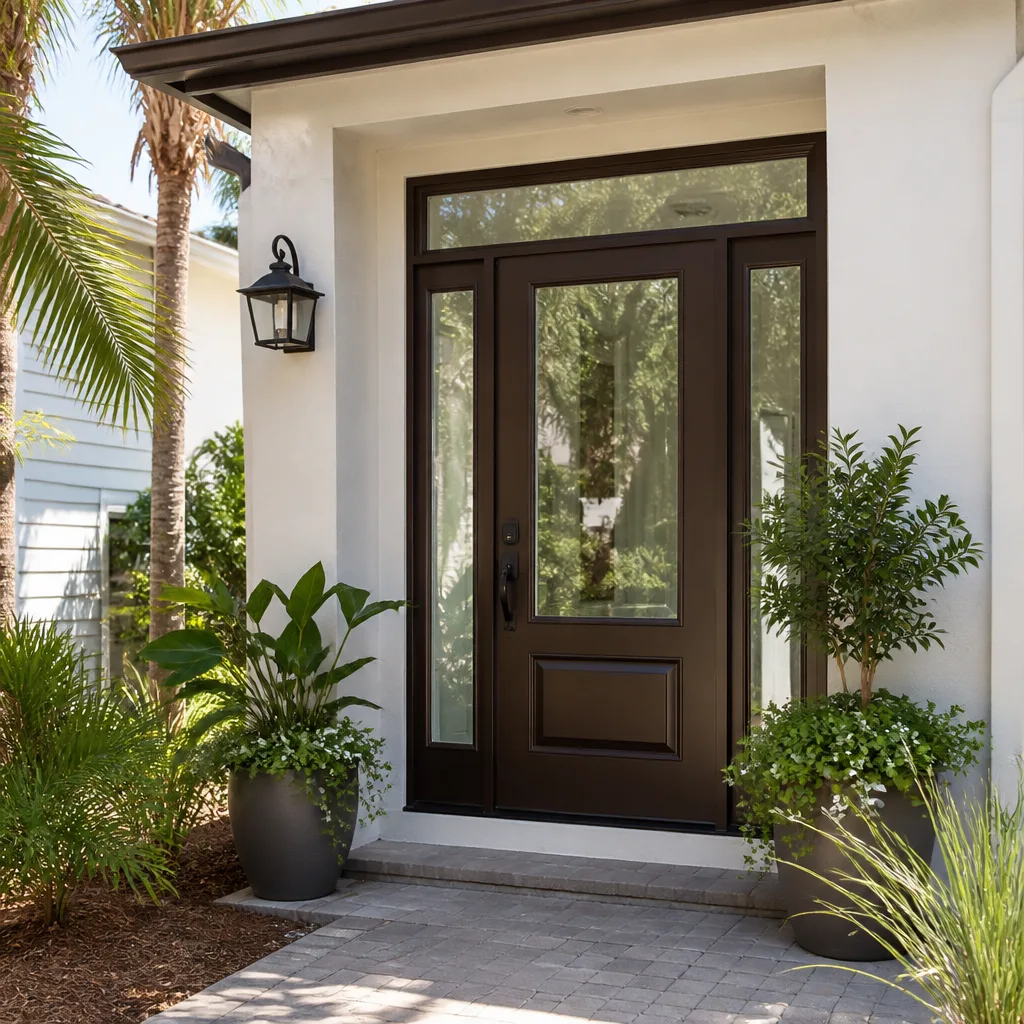
- Custom build (5-8 weeks): Made-to-measure windows and doors in vinyl, fiberglass, or wood. This is the sweet spot for most whole-home replacements, including the Andersen and Pella lines we install. A custom exterior door with sidelights typically runs toward the longer end of that range.
- Specialty and premium (8-14 weeks): Arched, radius, oversized sliding doors, true-divided-light wood units, and Marvin or high-end Andersen architectural series. These are built-to-order and inspected at the factory before shipping. Add two weeks if you need a non-standard exterior color.
One thing we always tell homeowners: the lead time clock doesn’t start the day you sign. It starts the day the order is released to the factory, which is after final measurement. That’s why the gap between contract and install feels longer than the number on the spec sheet – it includes measure, order placement, factory build, and freight.
Brand Tier Changes the Math
Premium-tier brands don’t automatically add weeks, but they do add steps. A Pella or Andersen custom unit goes through an order confirmation and a factory measurement cross-check that adds two to five business days before production begins. Budget vinyl can often ship faster but with fewer dimensional tolerances. For San Jose homes where wind exposure on hillside properties matters, we lean toward the higher-tier product – the extra wait is one week, the performance difference is measured in years.
San Jose Permit Timelines for Windows and Doors
Here’s a question that trips up a lot of homeowners: do you actually need a permit to replace a window? In San Jose, the answer depends on the scope and whether you’re changing the opening or the structural path.
When You Need a Permit
- Like-for-like replacement, same size, same opening: Typically no permit required. A straight swap within the existing rough opening usually qualifies as a minor repair.
- Changing the size or location of an opening: Permit required. New rough framing, header changes, and any wall cut outside the existing opening need plan review.
- Adding a new window or door: Permit required, especially where wall structure, egress, or exterior siding is modified.
- Egress windows in bedrooms or basements: Permit required and inspection required. Egress dimensions are code-mandated for safety.
- Any changes affecting structural, energy, or water-resistive barriers: Permit required.
How Long San Jose Permits Take
For most residential window and door permits, we see 2 to 4 weeks from submittal to approval, assuming the plans are clean and complete on the first pass. That’s the operative phrase – first pass. A missing egress calculation or an incomplete energy compliance form can add a week or more to the cycle. Most of the time our projects don’t lose days here because we submit complete packages, but plenty of homeowners we talk to have lost two or three weeks to a plan check correction notice on a project their last contractor submitted.
What Happens If the Inspector Calls for a Re-Inspection
Re-inspections are the schedule landmine. The initial inspection typically happens within a few days of your request once the rough framing and flashing are visible. If the inspector finds an issue – a missing shim, an improper flashing detail at the sill pan, an egress measurement that’s an inch off – you get a correction notice and schedule a re-inspection. That adds three days to two weeks depending on inspector availability. Keep the opening accessible and don’t finish interior trim until the inspection is signed off, or you’ll be pulling drywall to get the sign-off.
Single-Window vs. Whole-House Replacement
One window and twelve windows are not the same project scaled up. The daily disruption math changes in a way that catches people off guard.
Single-Window Replacement
A single window replacement takes four hours from setup to clean-up. You’ll want to be home or leave a key, because the technician needs access to both sides of the opening and will need to move a piece of furniture away from the wall. You can still work from home. Plan for a half day of mild inconvenience. If it’s a door, add two hours – doors take longer to hang level and pass the latch and threshold checks.
Whole-House Replacement
A whole-house order of 12 to 20 windows and doors is a 2 to 4 day project, but the disruption is different. Interior plastic sheeting stays up, room access is limited, and you’ll want to keep pets and small children out of the work zone. The big advantage: doing all windows at once means one permit cycle, one factory order, one install crew, one punch list. Doing them one at a time means repeating lead time, permit, and inspection costs on each window. That’s where the sequencing math gets interesting – five windows replaced separately over five years will cost more in mobilization and permits than replacing them all in one project with one 730-Day Done Right Promise covering the whole job.
How a Whole-House Project Usually Sequences
- Day 1: Final measurement of every opening, order confirmed, permit submitted.
- Weeks 2-3: Permit review and approval. Factory build begins in parallel.
- Week 4-7: Windows and doors arrive at the staging location. Pre-install walkthrough to confirm site access.
- Days 1-2 of install: Upper floor and exterior openings first, then interior openings. Weather protection on any opening left overnight.
- Days 3-4 of install: Doors, trim, and final sealant. Punch list started while the crew is still on site.
- Week 2 post-install: Sealant cure window, final inspection, and full-project walkthrough with the homeowner.
If you’re adding new openings or an addition at the same time, our Home Additions & ADU in San Jose team coordinates the framing schedule with the window order so the crew doesn’t leave openings exposed – one of the biggest mistakes we see in combined projects.
What Actually Happens on Install Day
Install day is the shortest part of the project, but the sequence matters. Here’s what a professional crew does, and what to look for so you know the work is being done right.
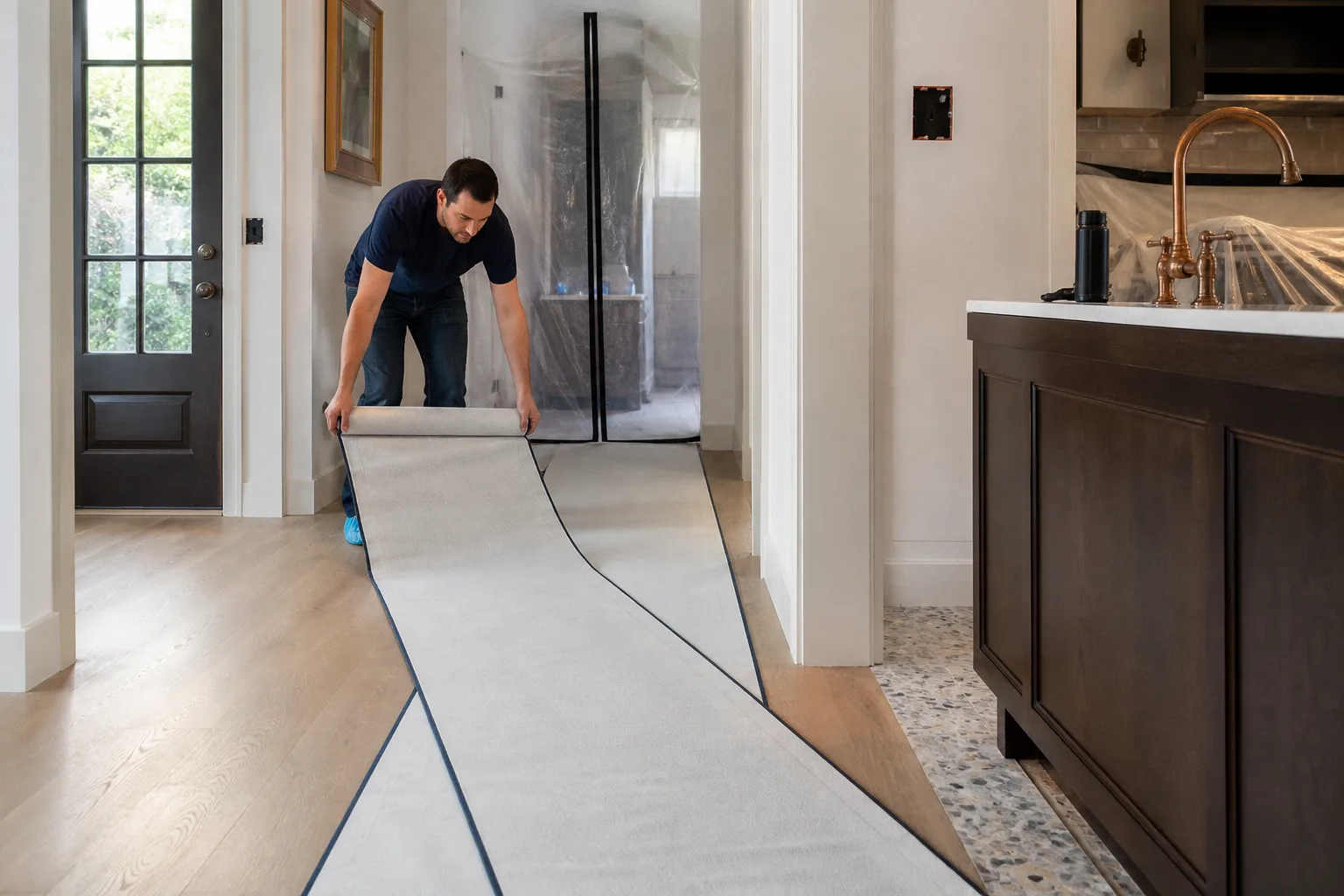
- Protect the space: Drop cloths on floors, plastic sheeting on nearby furniture, cardboard on the landing zone.
- Remove the old unit: Careful cut-out of the existing sash and frame. No sawzall shortcuts through the surrounding wall.
- Inspect the rough opening: Look for hidden rot, damaged sheathing, or improper framing. This is the moment that can change the schedule – a rotten sill pan or a section of dry-rotted header found during install can add a half day to a full day per opening.
- Install the new window or door: Set level, square, and plumb. Shim and fasten per spec. This is not a spot where “close enough” works; out-of-plumb installs leak within a year.
- Flashing and water-resistive barrier: Proper sill pan, flashing tape, and integration into the WRB. This is where the majority of window leaks trace back to.
- Insulation: Low-expansion foam at the perimeter, sized to the gap.
- Sealant: Exterior caulk at the frame-to-siding junction and interior caulk at trim. This is where cure time matters.
- Trim and finish: Interior casing, stool, and apron. Exterior trim and paint touch-up if painted.
- Clean-up and walkthrough: Function test on every unit, operation of latches, screens, and locks, and a walkthrough note.
That’s four hours per opening when nothing goes wrong. The half-day to a full-day overrun comes from discovery work, and any crew that gives you a hard “it will definitely take exactly four hours” number without a walkthrough first is not the crew to hire.
Weather Windows and Exposure Risk in the Bay Area
Windows and doors cannot be installed in the rain. Because installation day opens the exterior wall envelope, any wet-weather window in the schedule is real. In San Jose, that means October through March – our rainy season – and more specifically November, December, February, and March when the atmospheric river storms typically cycle through the Bay Area. Summer installs almost never lose a day to weather. Winter installs need a plan.
The Exposure Risk During Install Day
During installation, an opening is exposed for between four hours and a full day depending on the unit. If rain arrives mid-install on an unprotected opening, water gets into the wall cavity behind the WRB, and that moisture becomes a slow-developing rot problem that doesn’t show up for a year or more. Professional crews monitor the forecast hour by hour on install day, and the good ones delay the job 24 to 48 hours rather than risk it. That’s a short-term schedule hit for a long-term structural save. Our technicians won’t install a window with rain in the forecast window without weather protection in place and a stop-work plan agreed with you upfront.
What Delays Are Legitimate in San Jose
- Sustained rain or high wind forecast for the install window
- Interior mold discovered during demo (needs remediation before reinstall)
- Structural repair at the rough opening (rotten header, damaged sheathing)
- Permit correction or re-inspection required
- Factory shipping delay or a damaged unit that fails factory QC on arrival
Those last two are worth calling out. We’ve seen window deliveries arrive with a cracked sash or a bent door jamb, and the replacement unit goes to the back of the production queue. Verify every delivered unit against the order before install day and you’ll save yourself a six-week surprise. If you’re scheduling a larger exterior project – a new driveway or fence alongside the window work – coordinate the trades against your window install dates. Our Driveway & Pavers in San Jose and Fence Installation in San Jose crews routinely sequence around window and door installs to protect the property and keep the schedule clean.
The Punch List Phase and Sealant Cure Time
The punch list is where a window and door project either closes cleanly or starts a callback cycle. This is the phase most contractors rush, and it’s the phase that sets the long-term watertightness and finish quality of the whole project.
What the Punch List Should Cover
- Every unit operates freely – open, close, latch, lock
- Exterior sealant line at the frame, sill, and head is continuous with no voids or gaps
- Interior trim fit – no visible gaps at the wall or at mitered corners
- Screen fit and operation on operable windows
- Door threshold contact – no light visible at the bottom sweep
- Paint touch-ups on any exterior trim
- Functional test on any locks, deadbolts, or multi-point hardware
- Clean-up – no stray sealant, dust, or shavings
Why Sealant Cure Time Matters
Exterior sealant needs 24 to 72 hours to cure depending on product, temperature, and humidity. In San Jose, mild summer temps cure on the faster end. Winter installs cure slower because of higher humidity and cooler nights. Do not power-wash the house, paint over fresh sealant, or apply any pressure to the joints during the cure window. Homeowners who jump straight to exterior painting – often to finish a repaint project – are the number-one source of premature sealant failure we see. Sealant that’s painted over before it cures weakens at the substrate and opens pinholes. Pinholes leak. Leaks create call-backs. A short wait of two extra days preserves years of performance.
This is where the 730-Day Done Right Promise does actual work for you. Any issue traced to sealant, flashing, or installation workmanship that surfaces in the first two years is fixed on us, not billed back to you. That’s not a sales line; it’s the reason we slow down at the punch list instead of speeding up to close the job.
How Long Does a Single Window Replacement Take?
A single standard window replacement takes about four hours door-to-door. A single door replacement takes five to six hours. That’s the on-site time. The full timeline from decision to finished window is typically 3 to 6 weeks for a stock unit and 6 to 12 weeks for a custom or specialty unit, once you add the measurement visit, order placement, factory build, freight, and – if required – permit.
Hour-by-Hour for a Single Window
- Hour 1: Surface protection, furniture moving, and old unit removal.
- Hour 2: Rough opening inspection, flashing, and setting the new unit plumb and level.
- Hour 3: Insulation, sealant, and trim.
- Hour 4: Clean-up, function test, and walkthrough with the homeowner.
What Adds Hours on a Single Window
Rotten sill pans, out-of-square rough openings, an existing install that used nails instead of screws, stucco cutting on exterior openings in Bay Area homes, and lead paint on pre-1978 San Jose houses (which requires an EPA-certified crew). Any of those can take a four-hour job to six or seven. A good contractor builds in the buffer. A contractor who quotes you a flat four hours on a house built in 1952 is quoting hope, not the job.
Common Mistakes to Avoid
- Ordering before the final measurement. Guessing dimensions from your old unit’s stamp or from a rough tape measure costs you weeks if the factory-built product doesn’t fit. Final measurement is a separate, critical step.
- Skipping the permit when the scope requires one. In San Jose, resizing or relocating an opening almost always requires a permit. An unpermitted install can stall a future sale or trigger a mandatory removal and reinstall. Never worth the risk.
- Painting over sealant before cure. Fresh exterior sealant needs 24 to 72 hours. Painting in that window traps solvent and weakens the bond. Wait. Then paint.
- Scheduling installs in the rainy season without weather protection planning. San Jose’s October-through-March storm pattern doesn’t respect an install calendar. Confirm the crew has an uninstalled-opening waterproofing plan before the date is set.
- Replacing one window at a time. The lead time, permit, inspection, and mobilization costs repeat on every project. Whole-house sequencing usually saves 15 to 25 percent per opening in project cost.
- Not inspecting the delivered order on arrival. A cracked sash, bent frame, or wrong-color unit caught on arrival is a same-week fix. Caught on install day, it’s a six-week factory replacement.
- Closing the job before the punch list is signed off. Make the final payment contingent on walking the punch list with the crew. The 730-Day Done Right Promise covers workmanship, but the punch list is the moment you catch cosmetic and functional issues that shouldn’t need a warranty claim at all.
When to Call a Professional
Window and door replacement looks simple on the outside, but the work involves water management, structural openings, code compliance, and – on some units – real fall and crush hazards. Call a professional for any of the following: window or door replacement on a second story or above, any door or window that requires framing work or resizing, any opening that’s showing rot, soft spots, or water staining, egress windows in bedrooms, any project where a permit is required, or any whole-house scope where the sequencing and inspection work creates more coordination than you want to manage on your own. If a window is failing to close, latch, or seal after a storm, that’s also a call-a-pro moment – a temporary seal is a temporary fix and the underlying water intrusion needs to be diagnosed by someone with experience reading the flashing and the WRB behind the frame. Groundwork Construction Co. of San Jose offers free estimates in San Jose – call (833) 988-3521 to schedule yours. Calls are answered by a live person, 24 hours a day, seven days a week, so you don’t sit in a voicemail loop while a window is leaking.
Frequently Asked Questions
A whole-house window replacement in San Jose typically takes 6 to 14 weeks end to end, with the actual installation taking 2 to 4 days for a typical 12 to 20 opening count. The longer range accounts for custom or specialty products and permit review if any opening is being resized. Call (833) 988-3521 for a free in-home estimate that maps your exact timeline.
A like-for-like replacement in the same opening typically doesn’t require a permit, but resizing, relocating, or adding an opening does. Egress windows in bedrooms always require a permit and inspection. Permit review in San Jose generally runs 2 to 4 weeks on a clean submittal, and re-inspections add 3 days to 2 weeks. Call (833) 988-3521 to confirm your scope – the estimate is free.
Yes, installs during San Jose’s October-through-March rainy season can be delayed 24 to 48 hours by storms. Summer and early fall installs rarely lose a day. A professional crew delays rather than installs in the rain – installing into an open wall cavity during wet weather is how water intrusion and rot problems start. Call (833) 988-3521 to schedule your install in the weather window that fits your project.
A single standard window takes about 4 hours and a standard door takes 5 to 6 hours from setup to clean-up. Add 2 to 4 hours per opening if the crew discovers rot, an out-of-square opening, or lead paint on a pre-1978 home. Get an exact quote on your opening by calling (833) 988-3521 – estimates are free.
Wait 24 to 72 hours after installation before painting exterior sealant or trim. Sealant needs this cure window to bond properly to both the window frame and the siding or trim. Painting over uncured sealant traps solvent and creates premature failure within 1 to 2 years. Call (833) 988-3521 if you’re not sure when your install will be complete – we’ll give you the exact date.
Our upfront pricing means the number on your quote is the number you pay, unless you authorize a scope change like adding an opening or repairing discovered rot. Discovery work is disclosed and re-quoted before anyone proceeds. You’ll never get a surprise invoice after the fact. Call (833) 988-3521 for a written line-item estimate – free, no obligation.
The Bottom Line
The window and door install is short. The full project is not. Plan on 6 to 14 weeks from order to finished punch list, with the actual install at 4 hours per window and 2 to 4 days for a whole-house order. The variables that will move your timeline are lead time, permit review, weather windows, and any discovery during install. Sequencing all your windows and doors into one project rather than replacing them one at a time saves 15 to 25 percent on project cost and eliminates repeat permit cycles. When you’re ready to stop guessing, Groundwork Construction Co. of San Jose home has the brand partners, the inspection experience, and the 730-Day Done Right Promise to stand behind the full arc of the job – and we answer the phone live, 24 hours a day. Call (833) 988-3521 for your free estimate in San Jose.
Written by the team at Groundwork Construction Co. of San Jose.
See the difference
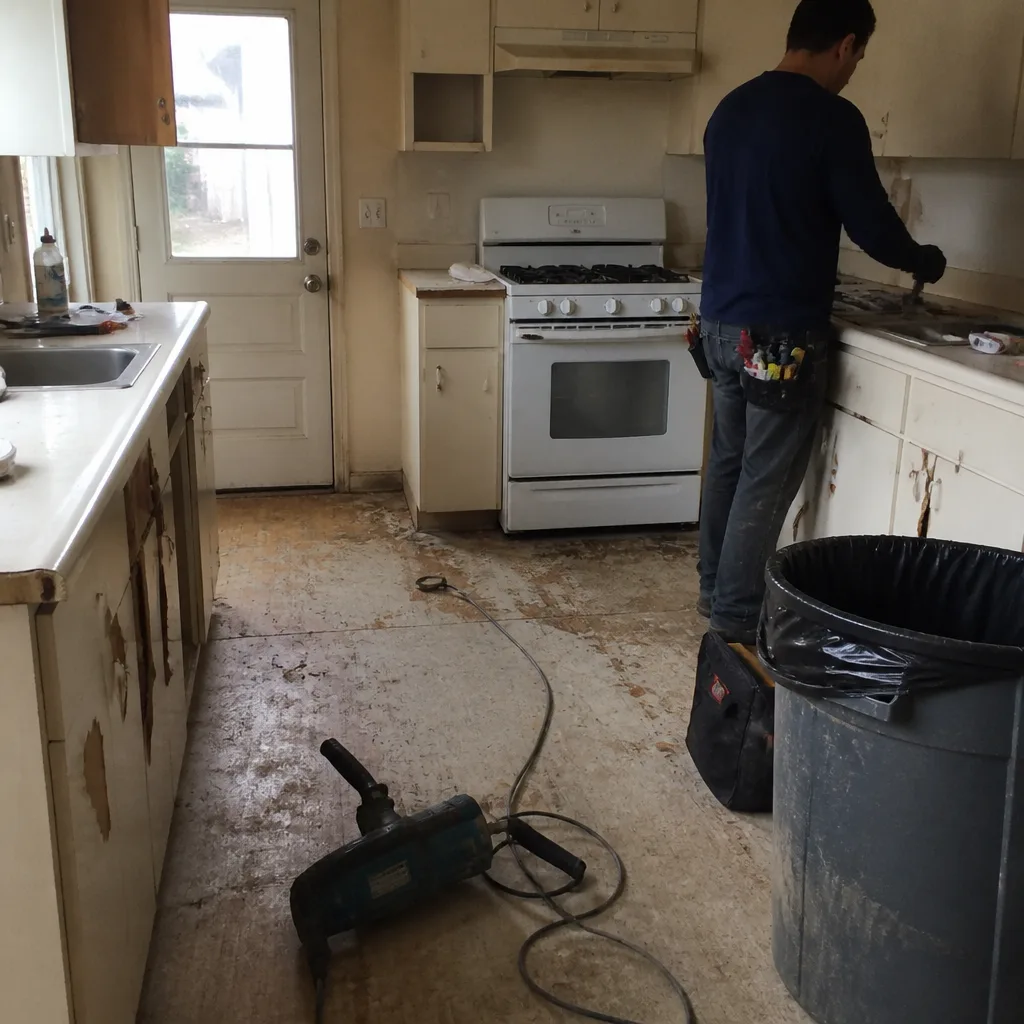 Before
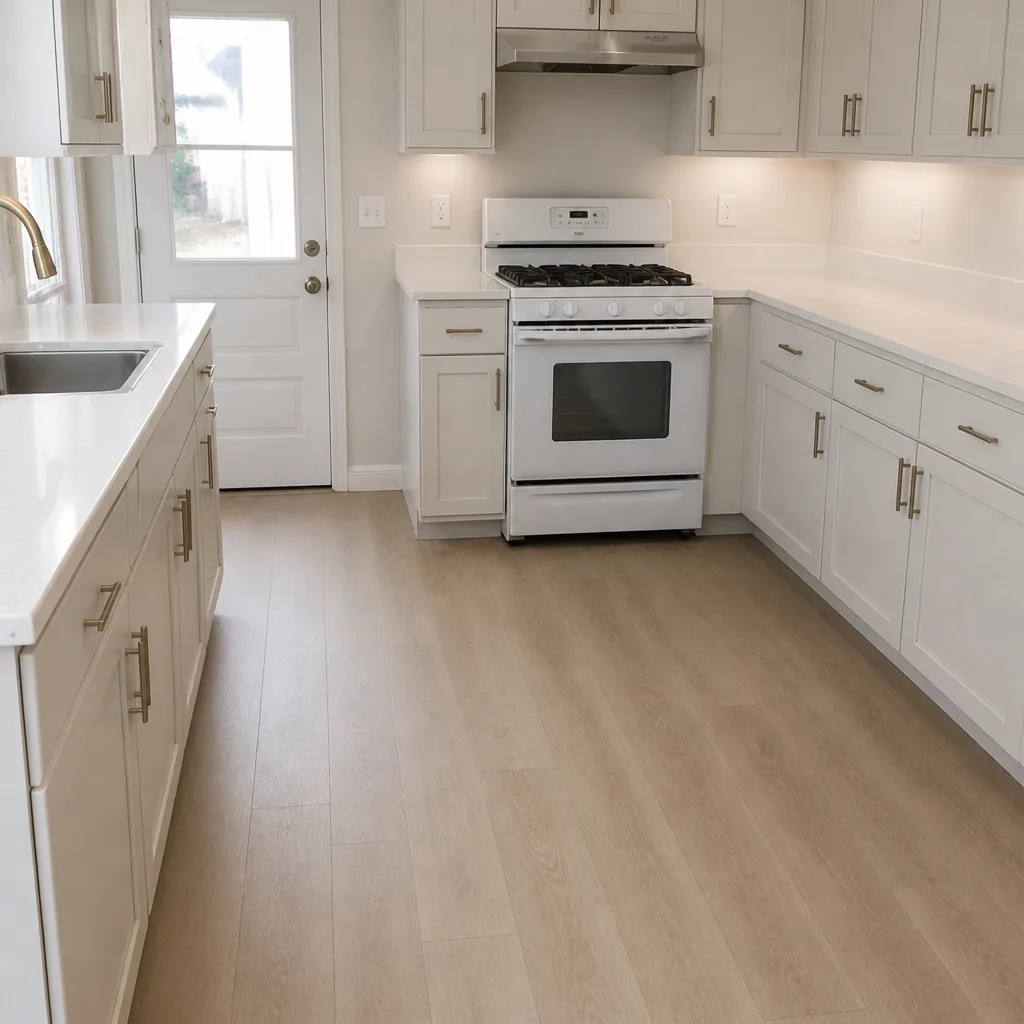 After
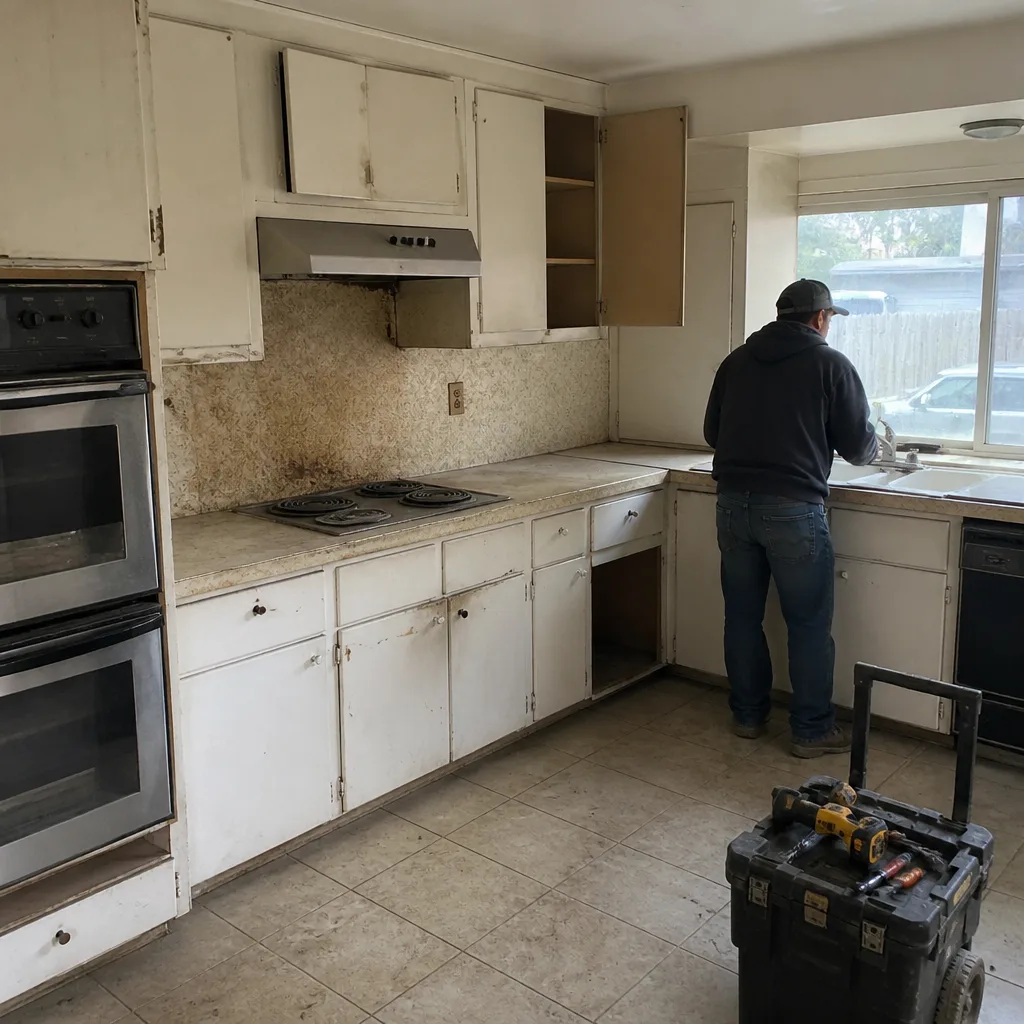 Before
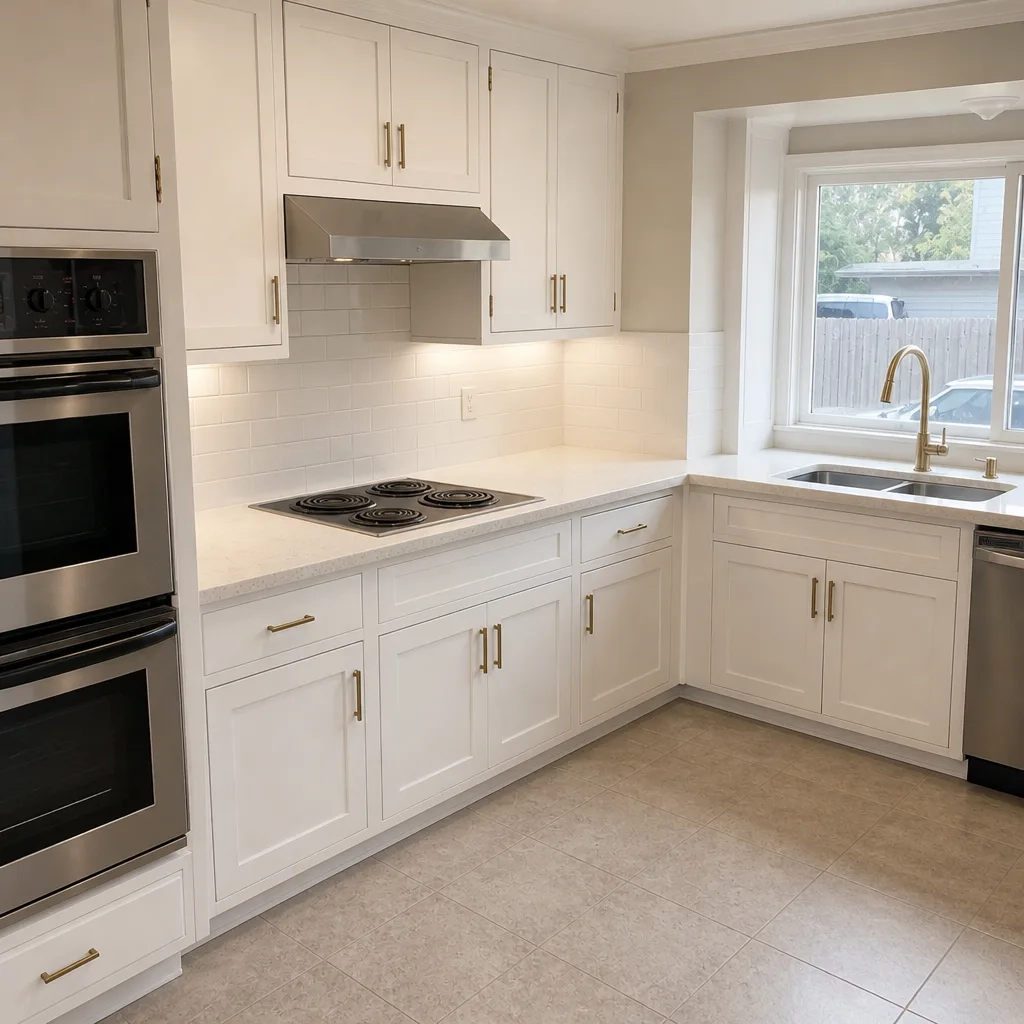 After
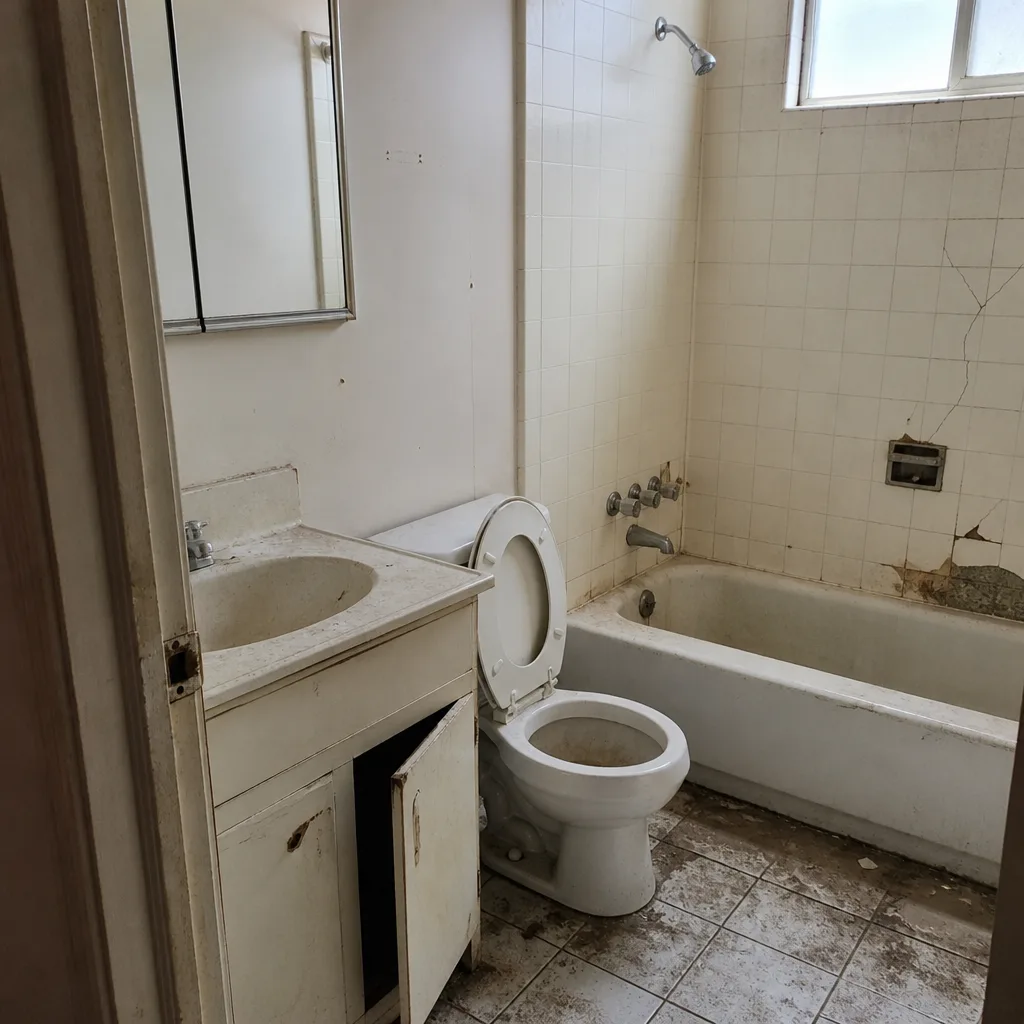 Before
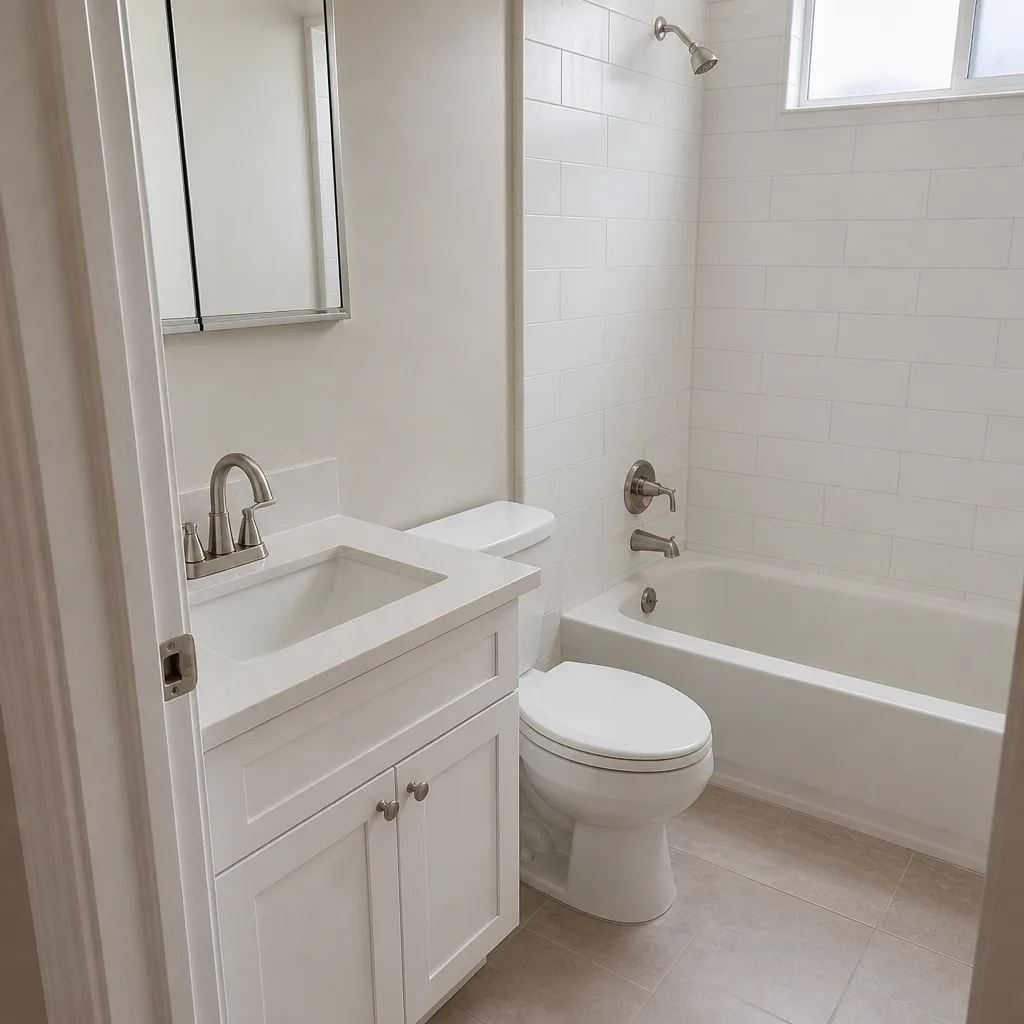 After