Last updated November 18, 2026
Free written scope consultation - allowances, timeline, and change-order rules on paper before a single trade is scheduled
DIY vs Professional Windows & Doors: What’s Safe to Do Yourself
Installing a window looks straightforward until you understand that the flashing sequence is the entire job. Every bad tutorial skips it or lays it in backwards, and the water intrusion that follows won’t show up for about two years, long after the video’s author has moved on. That’s the real line between what you can safely handle and what needs a pro: not difficulty, but consequences. A quarter-inch error or a missed flashing step in San Jose’s wet winters turns into rot, mold, and a failed inspection. This guide covers the exact work San Jose code requires a permit for, what’s genuinely safe to do yourself, and where the risk quietly lives.
Quick Answer
Interior trim, hardware swaps, weatherstripping, and screen repair are safe DIY projects. Full-frame window replacement, pre-hung door installation, and anything touching the rough opening, flashing, or structural framing should go to a licensed professional. In San Jose, most window replacements also require a permit and energy-code documentation, which a DIY install can leave incomplete and create a problem at resale.
Styles & brands we work with
- Kitchen remodeling
- Bathroom remodeling
- Home additions & ADU
- Roofing
- Windows & doors
- Driveway & pavers
- Fence
Table of Contents
- The Flashing Sequence That Decides Everything
- What San Jose Building Code Actually Requires a Permit For
- Genuinely DIY-Safe Window and Door Tasks
- California Energy Code Documentation and Your Resale
- Door Slab vs. Pre-Hung Door: Two Completely Different Projects
- Where DIY Window Work Stops Being Worth It
- Common Mistakes to Avoid
- Frequently Asked Questions
The Flashing Sequence That Decides Everything
Water intrusion is the number one failure mode in window installation, and it almost always traces back to flashing installed in the wrong order. The rough opening is a layered system, and the layers have a fixed sequence. Get the sequence right and the assembly sheds water for decades. Get it wrong and water finds the gap on the first driving rain.
The non-negotiable order runs from the bottom out:
- Sill pan and sill flashing first. The bottom of the rough opening gets a sloped sill pan and flashing that sheds water outward, not inward. This is the step most DIY installs skip entirely, and it’s the one that causes the most damage.
- Window set into the pan. The unit seats into the sill pan, shimmed level, with the pan turning up at the sides to catch any water that gets behind.
- Side flashing over the sill flashing. Side pieces lap over the sill flashing at the bottom corners, never under it. The lap direction matters more than the material.
- Head flashing over the side flashing. The top flashing laps over the sides, so water running down the wall sheds over the window rather than behind it.
- Weather-resistive barrier lapped over the head flashing. The house wrap or barrier laps over the top flashing last, closing the system.
Reverse any of those laps and you’ve built a funnel. We’ve seen San Jose homes in Willow Glen and Cambrian where a correctly installed window failed anyway because the flashing was lapped in the wrong direction. It held for two wet seasons, then the sheathing behind it swelled. By the time the homeowner noticed soft drywall at the corner, the repair cost more than the original install.
What San Jose Building Code Actually Requires a Permit For
Not all window work is treated the same under San Jose’s building code, and knowing which category your project falls into is the first decision point. The three common scenarios get three different answers.
- Full-frame replacement. The entire window unit comes out, including the frame, and the rough opening is exposed. This is structural and weatherproofing work, and it requires a building permit in San Jose. It’s also the category most likely to trigger an energy-code review.
- Insert (pocket) replacement. The old sash and frame stay, and a new unit slides into the existing frame. This is less invasive and permit rules depend on the scope, but any change to the opening size or number of windows usually still pulls a permit. Confirm with the city before you start, because a missed permit becomes a resale problem.
- Like-for-like swap. Replacing glass or a sash in the same frame with the same size and configuration. This is the category closest to genuinely DIY-safe, though it still has limits.
San Jose enforces its permit requirements at resale, and an unpermitted window replacement can stall a sale or force a retroactive permit and inspection. If you’re already planning a larger project like an addition or an ADU, sequencing the window work into that permit is often cleaner than pulling a separate one later. Our team handles Home Additions & ADU in San Jose projects where window and door scope is built into the main permit from day one.
One more local note: many San Jose neighborhoods have older housing stock with single-pane aluminum windows, and full-frame replacement on those often reveals framing that needs repair once the old unit comes out. That hidden scope is the reason permit-pulled work matters. A licensed pro plans for what’s behind the wall; a weekend installer discovers it halfway through.
Genuinely DIY-Safe Window and Door Tasks
Plenty of window and door work is safe, satisfying, and worth doing yourself. The trick is knowing what can go wrong even on the “easy” tasks so you don’t turn a small fix into a call to a pro.
- Interior trim replacement. Swapping casing and baseboard around a window or door is straightforward carpentry. What can go wrong: cutting miters too tight, which opens a hairline gap as humidity changes, and nailing through the weather barrier if you’re working near the frame edge. Measure twice and caulk the seams with paintable caulk.
- Hardware swaps. Door knobs, deadbolts, handles, and hinges are beginner-friendly. What can go wrong: bore holes that are slightly off-center, so the strike plate no longer aligns, or a deadbolt backset that doesn’t match the existing prep. Match the backset before you buy.
- Weatherstripping. Replacing worn weatherstripping around doors and operable windows is easy and delivers immediate energy savings. What can go wrong: over-compressing the strip so the door won’t latch, or using the wrong profile where the gap is uneven. Test the fit before you peel the backing.
- Screen repair. Re-screening a window or door screen is a good first project. What can go wrong: spline that’s the wrong diameter, leaving the screen loose in the frame; use the size that matches the channel exactly.
- Caulking and sealing. Re-caulking exterior joints around existing windows and doors is safe and important in San Jose’s climate. What can go wrong: caulking over a gap that’s actually a failing flashing joint, which traps water instead of shedding it. If the joint keeps opening, that’s a sign of a bigger issue.
These tasks share one thing: they don’t touch the rough opening or the water-shedding system. That distinction is the whole ballgame.
California Energy Code Documentation and Your Resale
California’s energy code applies to window replacements, and San Jose enforces it. When you replace windows, the new units have to meet U-factor and solar heat gain requirements for the climate zone, and the install has to be documented. A permitted replacement includes that documentation. A DIY install usually doesn’t.
Here’s why that bites at resale. When a buyer’s inspector sees new windows with no permit record and no energy-code documentation, the question becomes whether the replacement met code. If it can’t be shown that it did, the buyer may ask for a credit, a retroactive permit, or the deal can stall. In a competitive San Jose market, that’s a real financial risk on a project you thought you saved money on.
Energy code compliance also matters for comfort. San Jose’s climate varies by microclimate, from the cooler coastal influence near the west side to hotter afternoons in the eastern foothills. A window with the wrong U-factor for your zone can mean a room that’s too hot in summer and too cold in winter, and no amount of caulk fixes a spec error. Our Groundwork Construction Co. of San Jose home page lays out the full window and door service and how code documentation gets handled. Choosing a U-factor and solar heat gain rating that matches your specific San Jose address is the part a licensed pro gets right the first time.
Door Slab vs. Pre-Hung Door: Two Completely Different Projects
People talk about “replacing a door” as one job, but a door slab replacement and a pre-hung door installation are different projects with different skills, weights, and risks.
A slab replacement means the existing frame stays and you hang a new door in it. You’re mortising hinges, fitting the slab to the opening, and aligning the latch. It’s carpentry, and a careful DIYer can do it, though a solid-core or exterior slab is heavy and awkward to hold in place while you fit hinges. Getting the reveal even on all sides takes patience.
A pre-hung door installation means the frame comes out with the door, and a new unit with its frame goes in. Now you’re working in the rough opening. You’re setting the unit plumb and square, shimming it, and tying it into the flashing and weather barrier. On an exterior door, that’s structural and weatherproofing work, and it’s where a missed step becomes a water path. Exterior pre-hung doors also weigh considerably more than a slab, often 100 pounds or more, and a dropped unit can damage the frame or injure you.
We’ve seen San Jose homeowners take on a pre-hung exterior door as a weekend project and end up with a door that sticks in summer and drafts in winter because the frame wasn’t set true. The fix is usually pulling it and starting over. If your door opening needs any framing repair behind it, that’s another category entirely. That’s the same reason we build fence and structural work into the bigger scope on Fence Installation in San Jose projects: what’s behind the surface matters more than the surface.
Where DIY Window Work Stops Being Worth It
The honest answer to “can I do this myself” depends less on your skill and more on what’s behind the wall. Here’s where the math tips toward a pro.
- The rough opening is exposed. Once the old unit is out, you’re in flashing and framing territory. That’s where water intrusion lives.
- The permit applies. Full-frame replacement in San Jose requires a permit, and pulling one without a license is a problem in itself.
- The opening is out of square or the framing is soft. Older San Jose homes often have framing that needs repair, and that’s a structural decision.
- It’s an exterior pre-hung door. Weight, plumb, and weatherproofing stack up fast.
- The energy code applies. Getting the spec right and documenting it is a licensed-pro job.
When a pro handles the install, you’re also buying a warranty that covers labor, not just materials. Our 730-Day Done Right Promise covers workmanship for two years, which is longer than most manufacturers cover labor. That matters more than the sticker price on a window. Upfront pricing means the number you’re quoted is the number you pay, and the work is backed in writing. For a full picture of the larger projects where window and door scope often lives, our Driveway & Pavers in San Jose page shows how exterior work ties into a whole-home plan.
Common Mistakes to Avoid
- Flashing in the wrong lap order. Water sheds over, never under. Reversing a single lap turns the assembly into a funnel, and the damage is invisible for about two years.
- Skipping the sill pan. It’s the step most tutorials omit. Without a sloped pan, water that gets behind the window has nowhere to go but into the wall.
- Doing a full-frame replacement without a permit in San Jose. The city enforces permits at resale, and an unpermitted window can stall a sale or force a retroactive inspection.
- Ignoring the energy-code spec for your San Jose microclimate. The wrong U-factor means a room that’s too hot or too cold, and no caulk fixes a spec error.
- Assuming a pre-hung door is a “door swap.” It’s rough-opening work, and the frame has to be plumb, square, and flashed. A dropped unit is a real hazard.
- Caulking over a failing joint. If a window joint keeps opening, trapping water with caulk makes it worse. The flashing, not the caulk, is the fix.
- Not checking for framing damage before you buy the new unit. Once the old window is out, soft framing can add days and cost. Have a plan for what you find.
See the difference
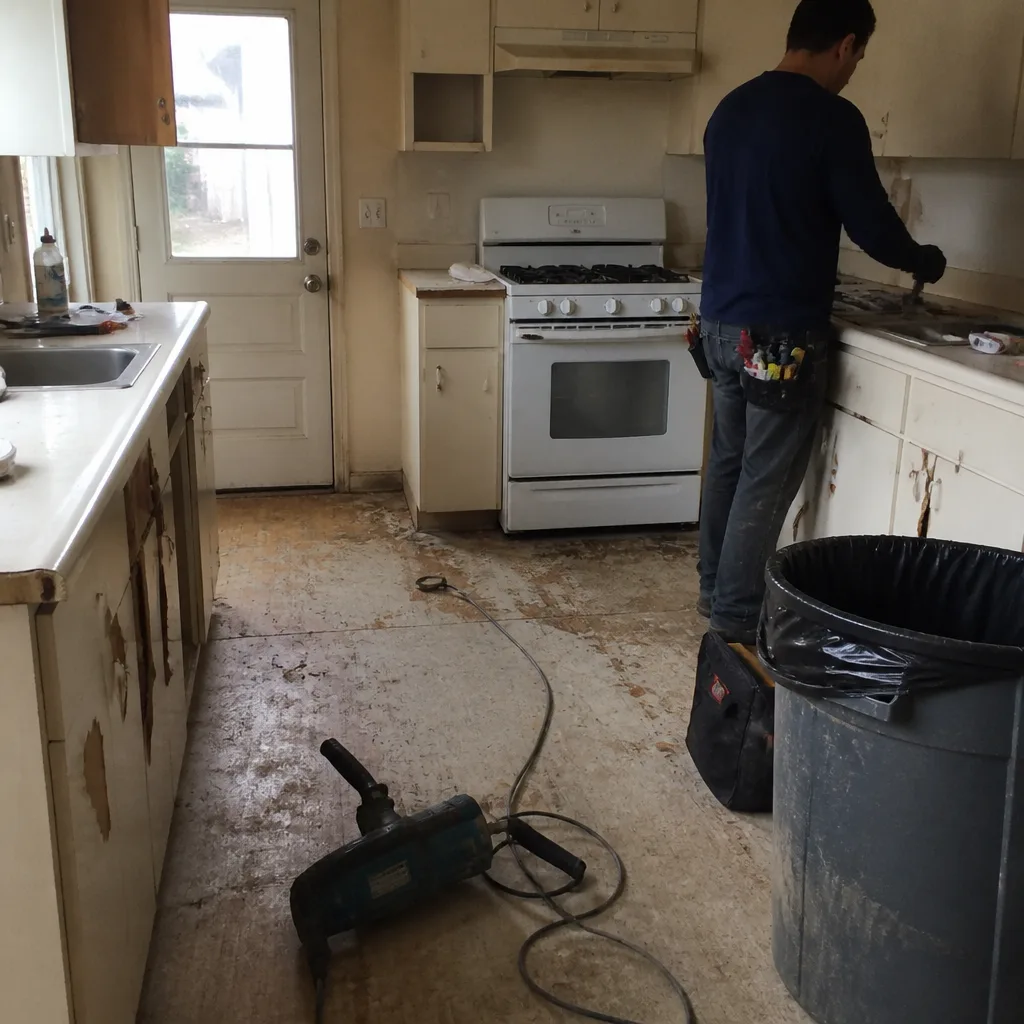 Before
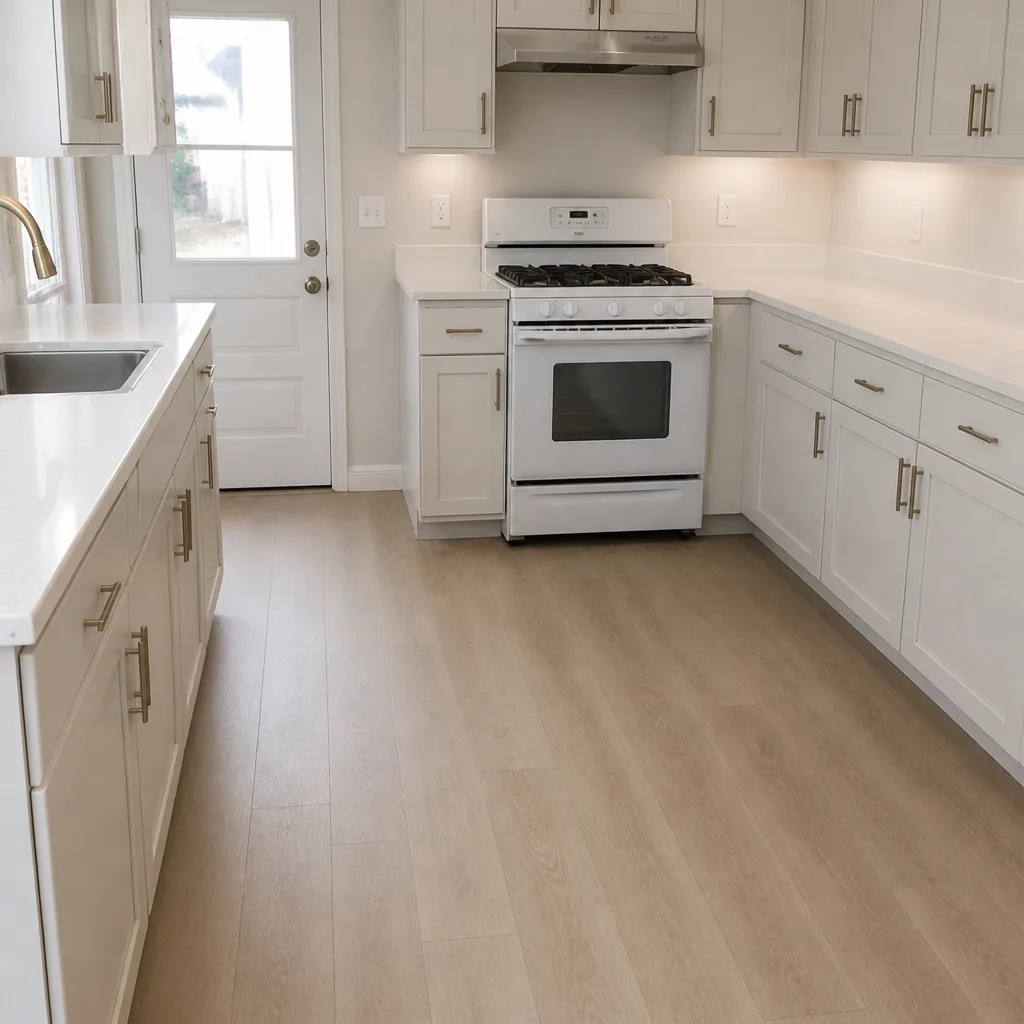 After
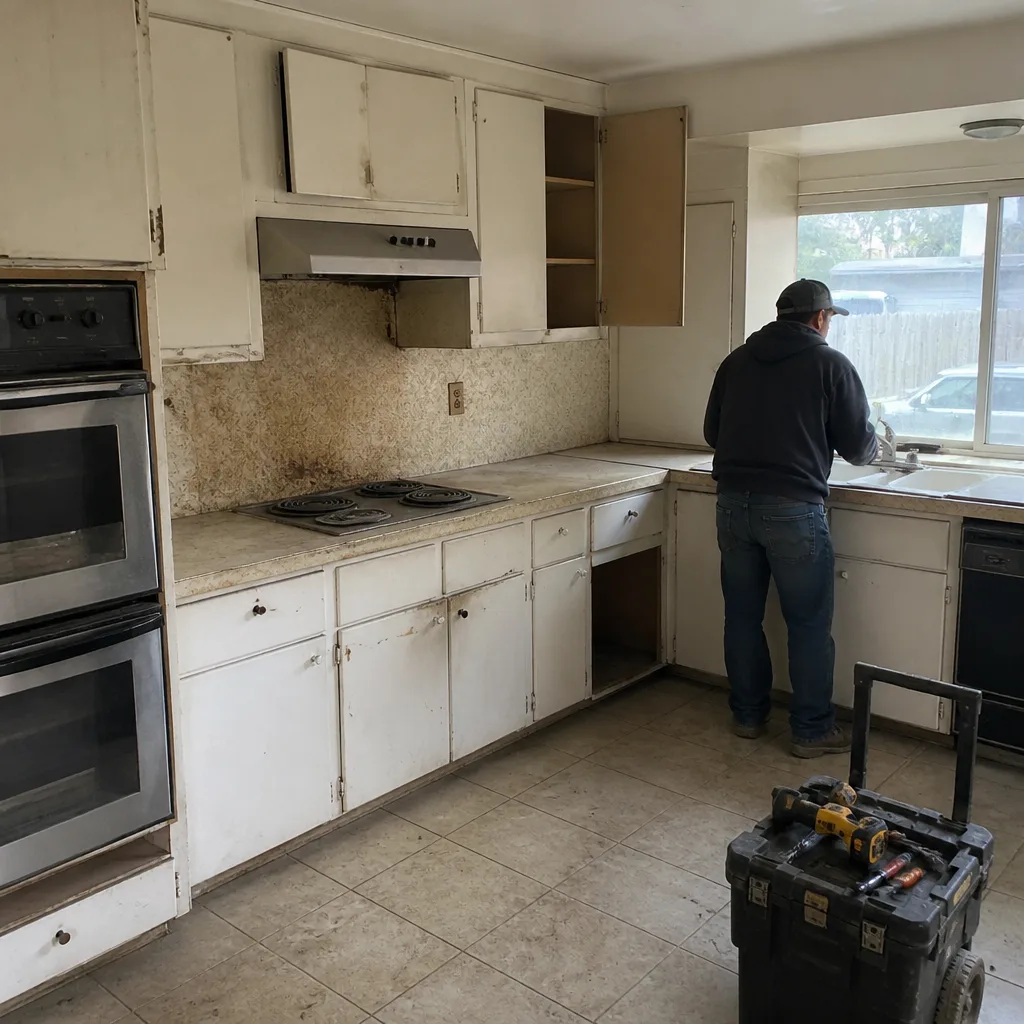 Before
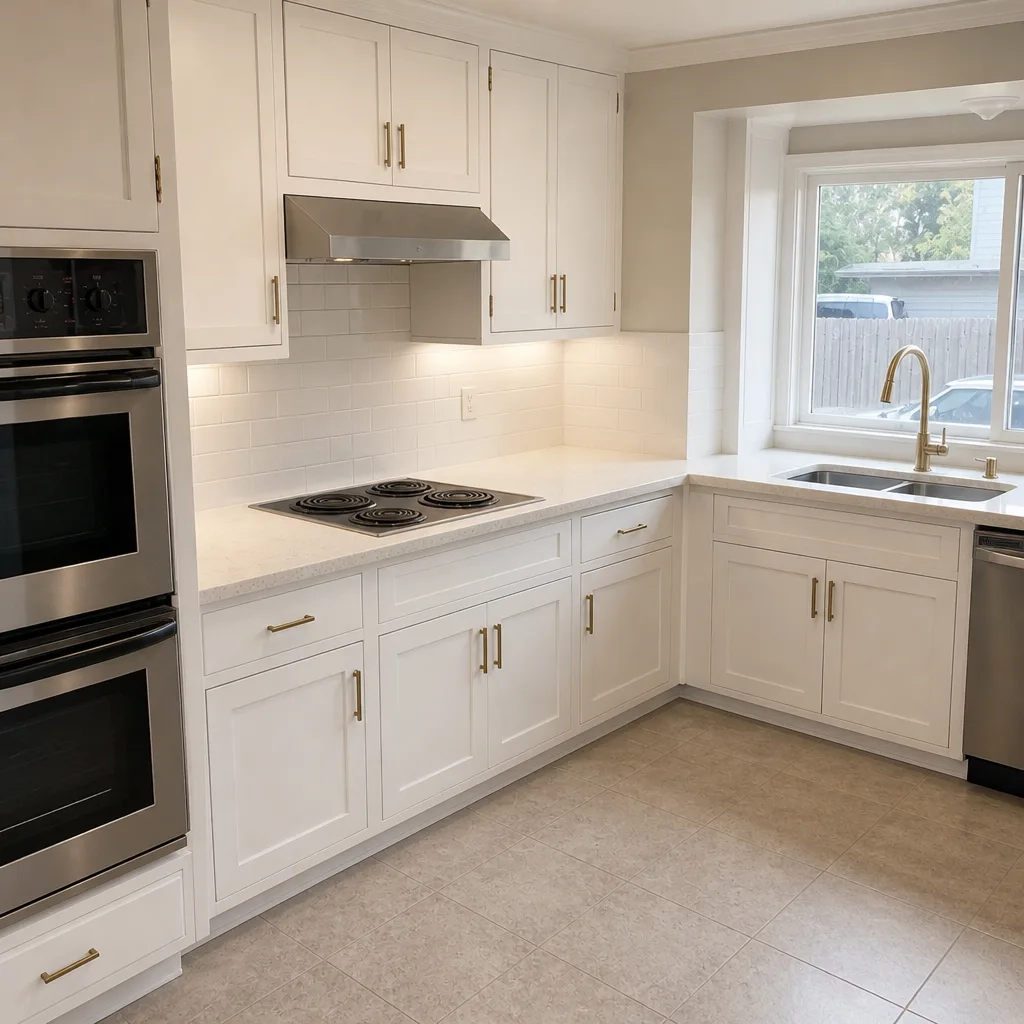 After
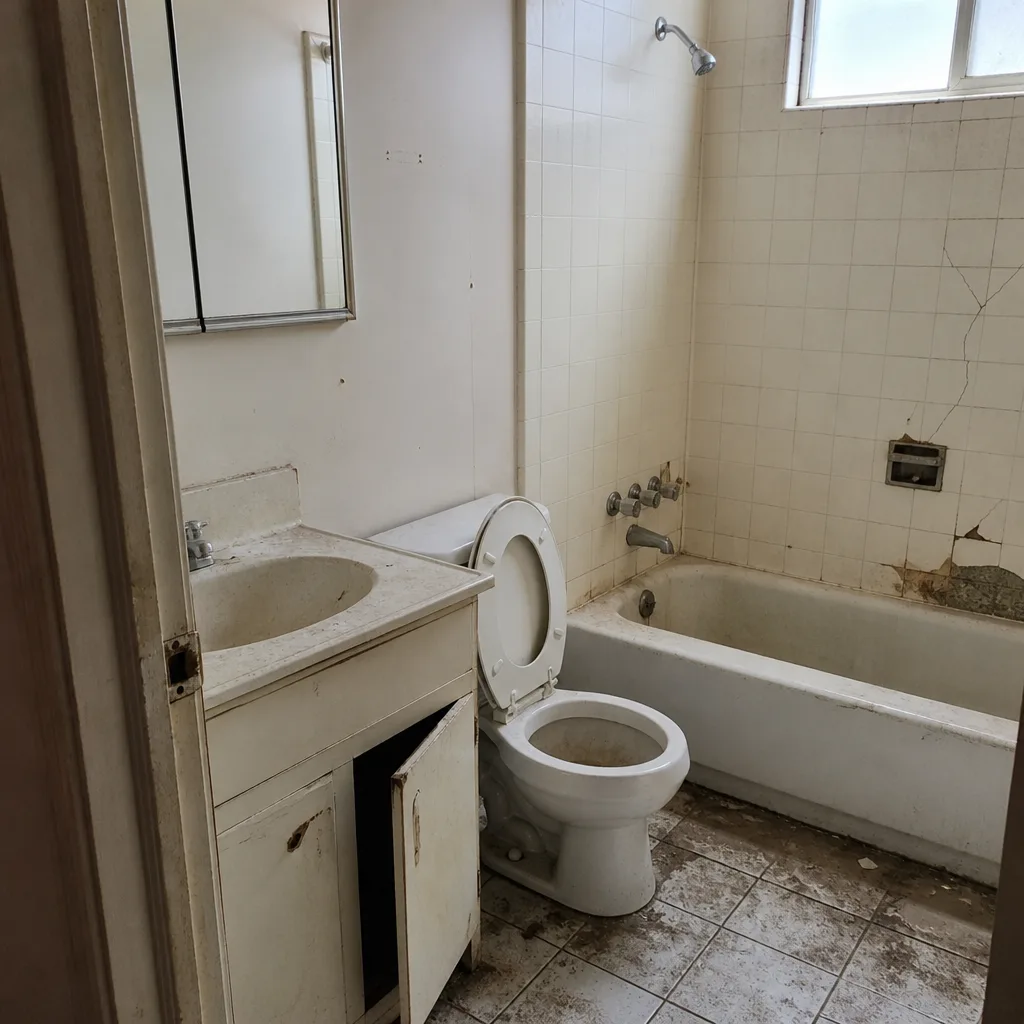 Before
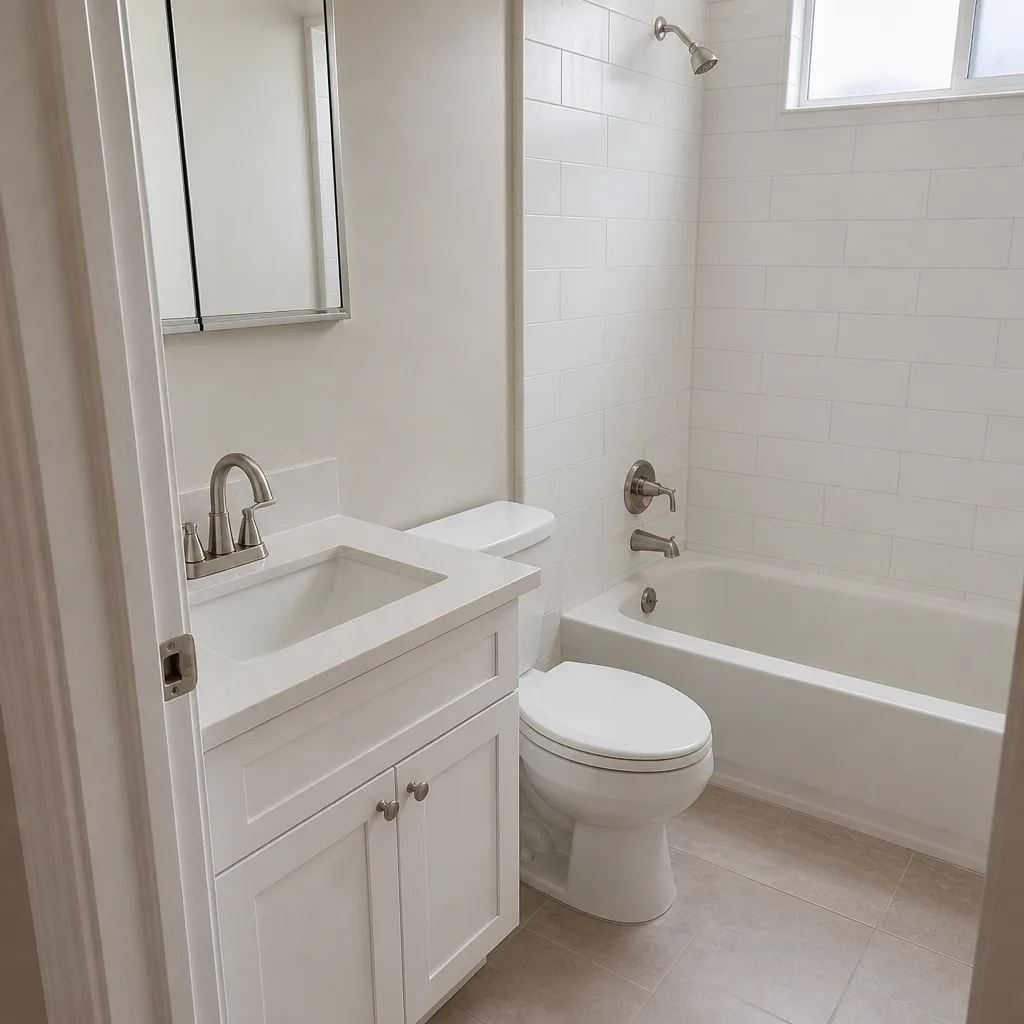 After
When to Call a Professional
Call a pro when the work touches the rough opening, the flashing sequence, the structural framing, or the permit. That covers full-frame window replacement, pre-hung exterior door installation, any opening that comes out of square, and any install where the energy code applies, which in San Jose is most window replacements. Call a pro, too, if you’re not sure whether your project falls into one of those categories. A free estimate is a low-cost way to find out before you pull a window out of a wall. Groundwork Construction Co. of San Jose offers free estimates in San Jose. Call (833) 988-3521.
Frequently Asked Questions
You can replace a window yourself only when it’s a like-for-like swap in an existing frame that doesn’t touch the rough opening and doesn’t require a permit. Full-frame replacement, insert replacement that changes the opening, and anything involving flashing or energy-code documentation should go to a licensed professional, because San Jose requires permits and enforces them at resale. If you’re unsure which category you’re in, call (833) 988-3521 for a free estimate and we’ll tell you straight.
The most common mistake is flashing installed in the wrong lap order, or the sill pan skipped entirely. Water sheds over, never under, and reversing a single lap creates a water path that won’t show up until the wall behind it has already rotted. In our experience, most window failures trace back to flashing, not the window itself. Call (833) 988-3521 if you want the install done right the first time.
Full-frame window replacement requires a building permit in San Jose, and most replacements that change the opening or configuration do as well. Like-for-like swaps may not, depending on scope, so confirm with the city before you start. An unpermitted replacement can create a problem at resale inspection. Call (833) 988-3521 for a free estimate that includes permit handling, and estimates are free.
Replacing a door slab in an existing frame is safe DIY work with care. Installing a pre-hung exterior door is not a beginner project, because it involves the rough opening, flashing, and a heavy unit that has to be set plumb and square. A dropped pre-hung door can injure you and damage the frame. Call (833) 988-3521 for a free estimate on the install.
Interior trim replacement, hardware swaps, weatherstripping, screen repair, and caulking exterior joints are all safe DIY tasks. Each has a small failure mode to watch. Trim miters can open as humidity changes, hardware can be off-center, weatherstripping can be over-compressed, and caulk over a failing joint can trap water. None of these touch the rough opening. Call (833) 988-3521 if a “small” issue keeps coming back.
It can, because unpermitted window work and missing energy-code documentation raise questions at inspection and can stall a sale or force a retroactive permit. In a competitive San Jose market, buyers and their inspectors look closely, and the cost of fixing it later often exceeds what a pro would have charged. Call (833) 988-3521 to schedule a free estimate before you start, and we’ll document the work correctly the first time.
The Bottom Line
Window and door work divides cleanly once you look at what’s behind the surface. Trim, hardware, weatherstripping, screens, and caulk are safe DIY tasks. The rough opening, the flashing sequence, the structural framing, and the energy-code documentation are where a quarter-inch error or a missed flap becomes a two-year-later problem. In San Jose, permits and resale inspection raise the stakes further. If your project crosses that line, get the work done right and backed in writing. Our team of background-checked, uniformed technicians brings up to 12 years of experience to every install, and the 730-Day Done Right Promise covers workmanship from first cut to final walkthrough. Call (833) 988-3521 for a free estimate and design consult. Lines are answered by a live person around the clock, and projects over $10,000 get $1,000 off with 0% financing for 18 months available.
Written by the team at Groundwork Construction Co. of San Jose.