Last updated November 18, 2026
Free written scope consultation - allowances, timeline, and change-order rules on paper before a single trade is scheduled
DIY vs Professional Home Additions & ADU: What’s Safe to Do Yourself
You can tile a bathroom yourself and nobody cares. You cannot frame a load-bearing wall without a permit in San Jose – and if you do, your homeowner’s insurance policy may void coverage for that structure entirely. That’s the part most DIY guides leave out. They talk about skill, tools, and YouTube tutorials, but they skip the two things that actually decide what you’re allowed to do: the City of San Jose’s owner-builder permit rules and your liability when something goes wrong. This guide walks through exactly where that line sits, which tasks are genuinely safe to take on, and which ones can cost you a sale, a refinance, or an insurance claim years down the road.
Quick Answer
In San Jose, an owner-builder permit lets you legally perform most work on your own primary residence, including structural framing, plumbing, and electrical – but only if you personally live in the home, do the work yourself, and pass every inspection. The real limit isn’t your skill; it’s jurisdiction and liability. Finish work, landscaping, and fixture swaps are low-risk DIY territory, while anything structural, electrical, or gas-related is where unpermitted work quietly destroys resale value and insurance coverage.
Styles & brands we work with
- Kitchen remodeling
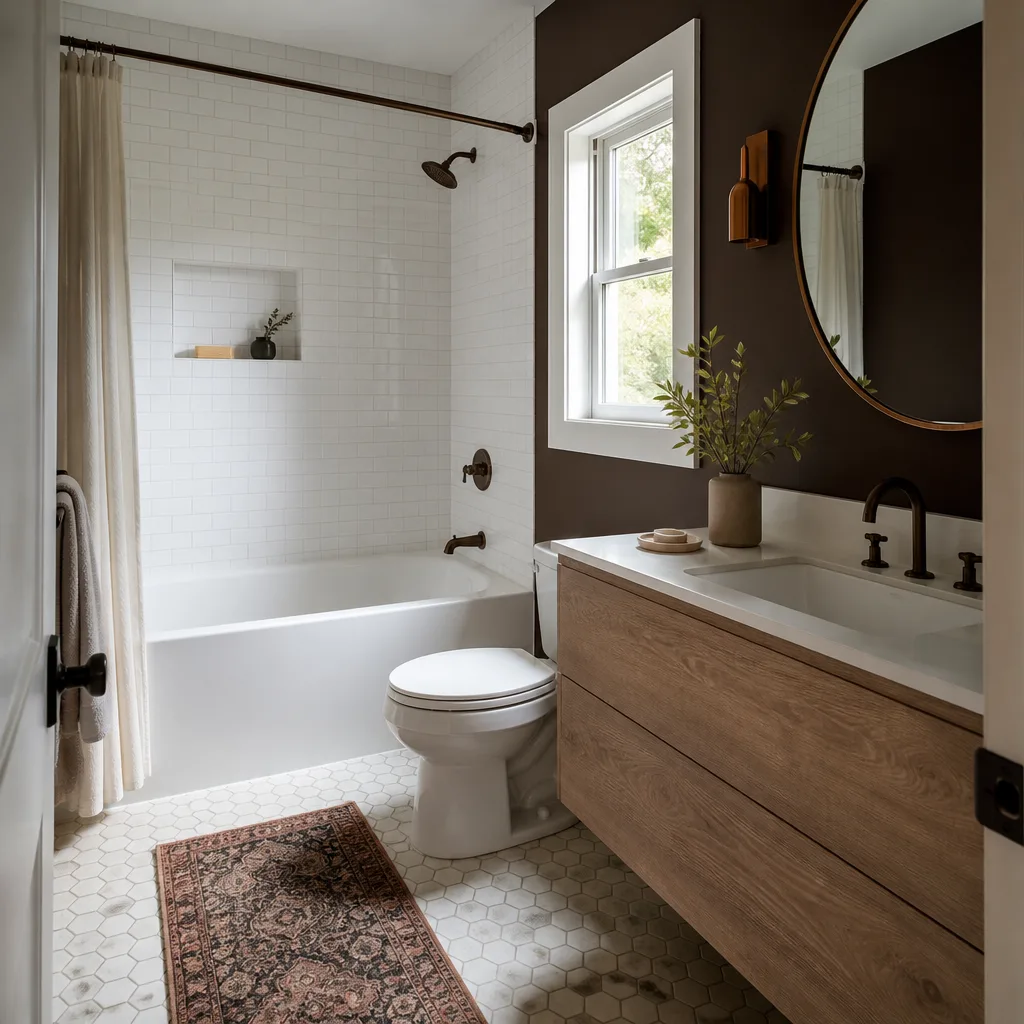
- Bathroom remodeling
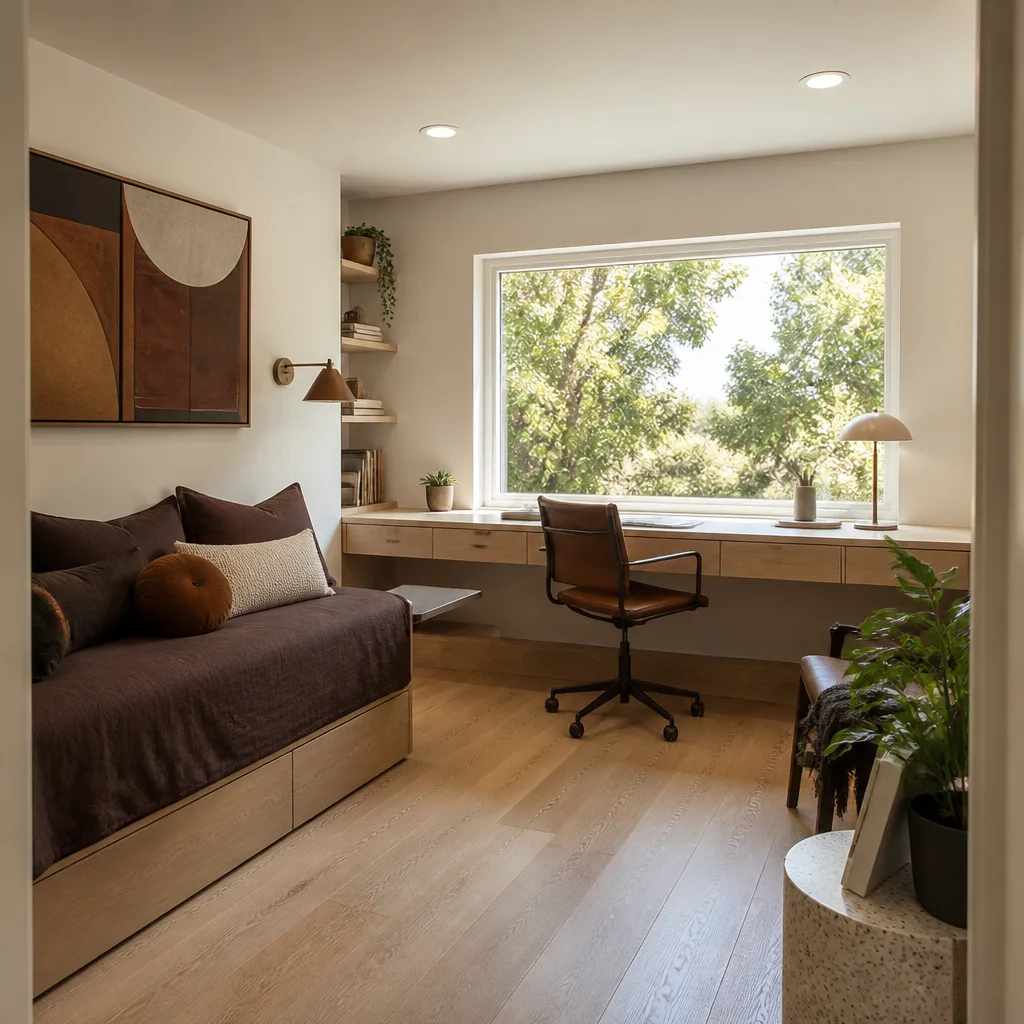
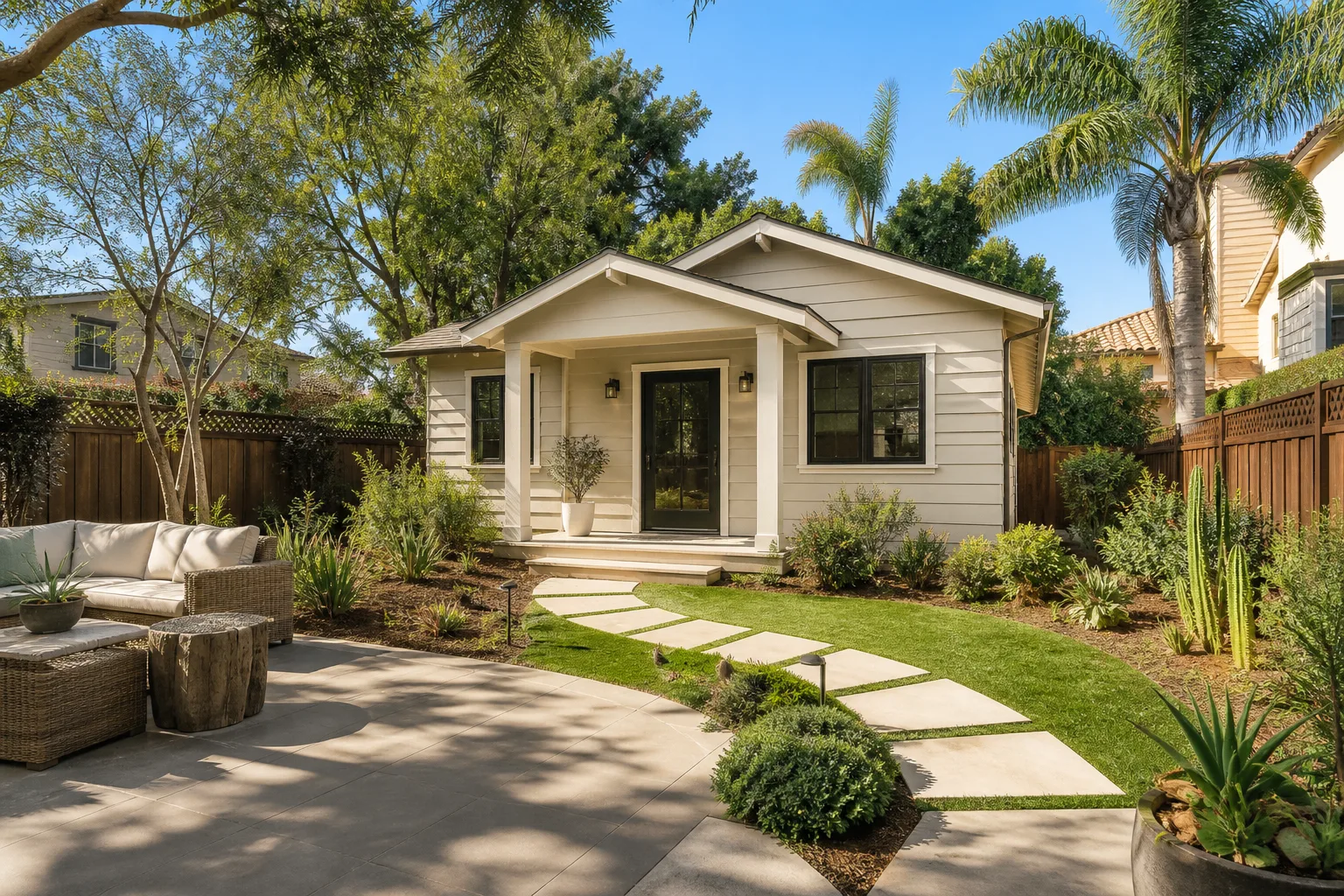
- Home additions & ADU
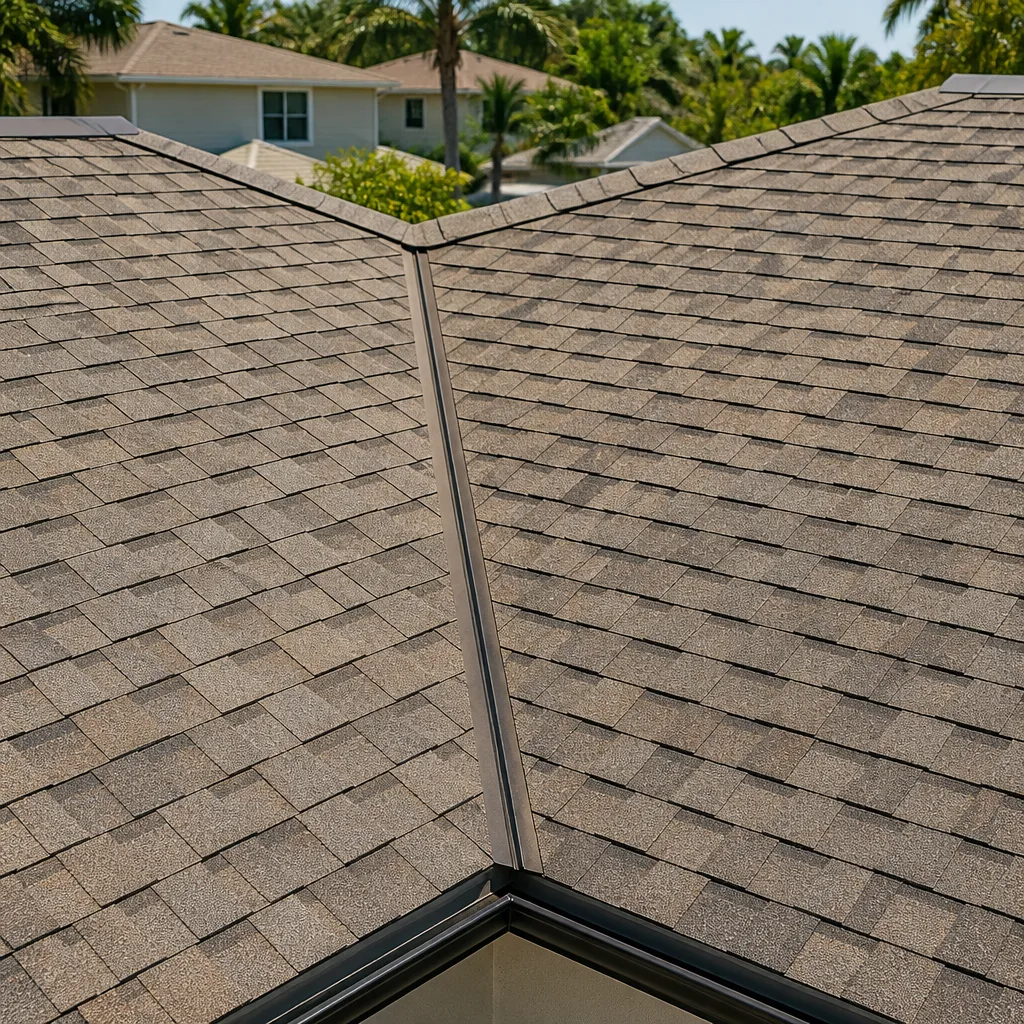
- Roofing
- Windows & doors
- Driveway & pavers
- Fence
Table of Contents
- What San Jose’s owner-builder permit actually allows
- Where DIY is genuinely safe on an addition or ADU
- Work that requires a licensed contractor, no exceptions
- What unpermitted DIY work costs you at resale, refinance, and claim time
- The hidden cost math of DIY on complex work
- The hybrid approach: where DIY alongside a pro pays off
- San Jose specifics: climate, code, and neighborhood realities
- Common mistakes to avoid
What San Jose’s owner-builder permit actually allows
California’s owner-builder exemption is narrower than most homeowners assume. Under the state’s Business and Professions Code, you can pull permits and act as your own contractor on a home you own and occupy – but the exemption applies only to your primary residence, not a rental, a flip, or a second home. In San Jose, that means the Planning Division and Building Division will issue permits to you directly for an addition or an ADU, provided the application is complete and the plans are stamped by a licensed architect or engineer where required.
Here’s the distinction most guides gloss over: a San Jose owner-builder permit lets you perform the work, but it does not exempt you from code compliance, plan review, or inspection. If you submit plans for a 500-square-foot ADU, those plans still need to meet current California Residential Code and the city’s ADU ordinance, and every phase gets inspected. Structural, electrical, plumbing, and mechanical work all fall under that inspection umbrella regardless of who swings the hammer.
What the owner-builder permit does not allow is hiring unlicensed subcontractors. The moment you pay someone to do licensed trade work on your owner-builder project, you become an employer of unlicensed labor – and that exposes you to liability and can void your permit. California law requires anyone performing work over $500 to hold a state contractor license. That’s a hard line.
Who qualifies in San Jose
- You own the property and it’s your primary residence.
- You personally perform the work or supervise it directly.
- You don’t sell or rent the structure within one year of completion (the “flip rule”).
- The project meets current San Jose building and planning requirements.
One more piece: the city requires a Construction & Demolition recycling plan for most additions, and ADUs above a certain size trigger additional impact fees. Those are administrative hurdles, not skill hurdles – but they add time. If you’re comparing the effort of owner-building an addition against hiring a full-scope partner, the administrative load in San Jose is where most first-timers lose months.
Where DIY is genuinely safe on an addition or ADU
Not every task belongs to the pros. On an addition or ADU project, there’s a legitimate lane for homeowner labor – and it falls in the finish and non-structural category. What you’re allowed to do yourself without permits, and without creating liability, is broader than you might think when it stays inside the finished envelope.
Low-risk DIY tasks (no permit, no structural impact)
- Interior paint and trim. Finish carpentry like baseboards and door casings – as long as you’re not modifying framing.
- Fixture swaps. Replacing a light fixture at an existing junction box (power off), swapping a faucet at an existing supply line, or replacing a toilet is generally unpermitted minor work. New outlets, new circuits, and new supply lines are not.
- Landscaping and drainage. Grading away from the foundation, planting, laying pavers on a patio, building a raised garden bed. Note that permeable hardscape counts differently from structural hardscape – more on that below.
- Flooring installation. LVP, tile, and engineered hardwood over an existing subfloor. If you’re adding floor structure or leveling a slab, that’s a different story.
- Closet systems, shelving, and built-ins. Non-load-bearing, surface-mounted. Master Halco isn’t a closet brand, but the same principle applies across finish categories – if it attaches to a wall without altering structure, it’s yours.
- Site prep labor. Clearing, hauling, protecting existing landscaping during construction. Real sweat equity.
We’ve seen homeowners in Willow Glen and Cambrian save $8,000 to $15,000 on an ADU by handling finish painting, flooring, and landscaping themselves once the shell was closed in. That’s a legitimate, safe way to participate. The trick is knowing exactly which day your scope ends and the contractor’s resumes.
A note on fencing and hardscape
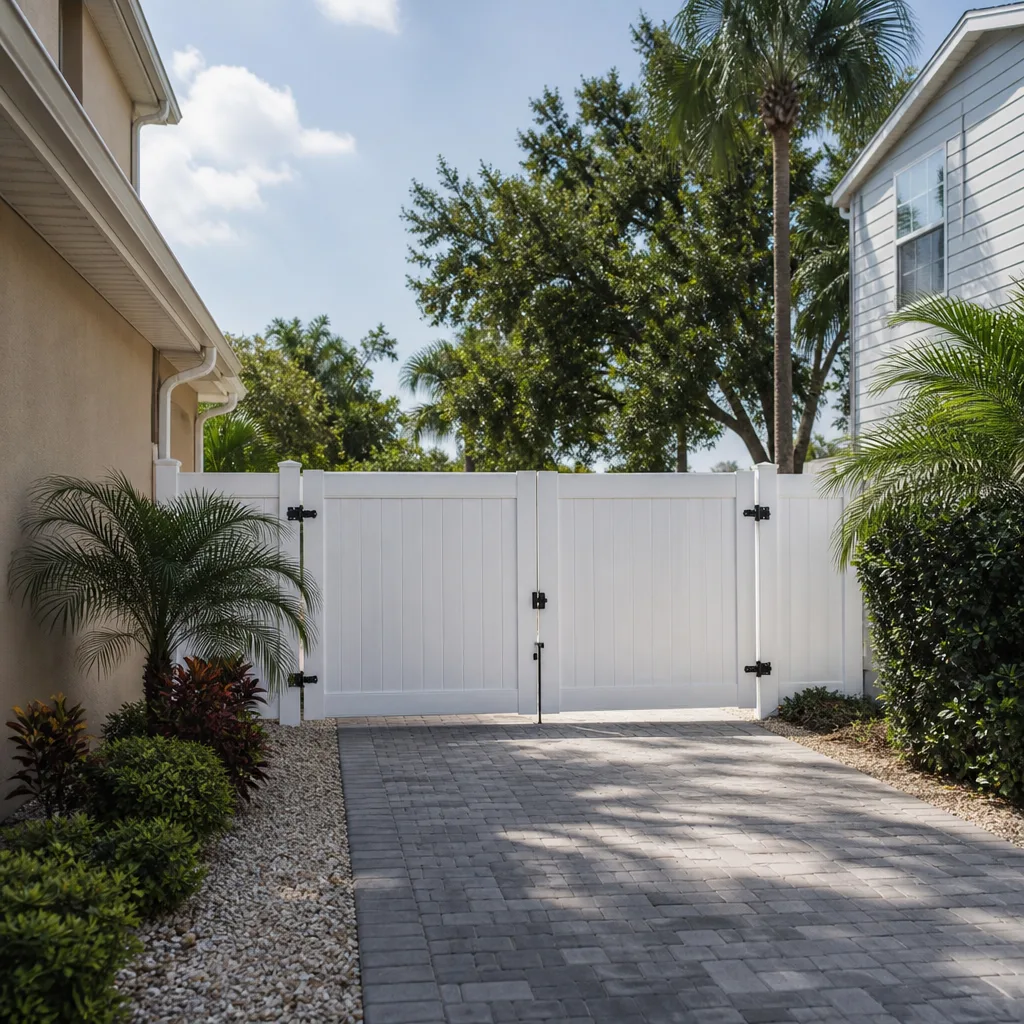
Fence installation is one of the most common DIY projects in San Jose, and it’s genuinely fair game for a homeowner with a post-hole digger and some patience. But if you’re replacing a fence that sits on a property line, get a survey first. And if your community has HOA design standards, check them – Ameristar aluminum and Bufftech vinyl products get flagged for style compliance more often than people expect. If the fence adjoins a neighbor, a shared-cost letter protects you both. For larger hardscape, driveway and pavers in San Jose involve base compaction and drainage grading that most homeowners underestimate, so tread carefully before you commit the weekend.
Work that requires a licensed contractor, no exceptions
Here’s where the owner-builder permit stops being useful and starts being dangerous. Certain work carries real physical risk and real legal risk, and “I watched a YouTube video” is not a defense after an inspection failure, a fire, or a collapse. The safety caveats below are not throwaway lines – they’re the reason this work is regulated.
Structural framing and load-bearing modifications
Cutting a header, removing a wall, or framing a new addition’s roof structure requires engineering and inspection. High-tension garage-door springs and cables are in this category too – those springs store enough energy to cause serious injury if you misjudge the tension. Do not DIY them. For structural framing, a stamped plan and a licensed general contractor are the minimum. A load-bearing wall that fails an inspection means tearing out drywall and starting over.
Electrical panels, new circuits, and wiring
An addition or ADU almost always requires a panel upgrade or a new subpanel. This is licensed electrician territory. Working inside a live panel is one of the most dangerous things a homeowner can attempt – arc flash, electrocution, and fire risk are real. Even with the power off, a San Jose inspector will require a licensed electrician’s sign-off for the panel and circuit work, which means you’re not saving money by doing it yourself – you’re paying twice.
Gas lines and plumbing rough-in
Running a new gas line – for a tankless water heater, a range, or a dryer – requires a licensed plumber and a pressure test that gets inspected. A gas leak in a wall cavity is a genuine life-safety issue. On the plumbing side, supply and drain rough-in for a new bathroom or kitchen is inspection-gated, and redoing it after a failed inspection is one of the more expensive mistakes we’ve watched homeowners make.
Roofing structure and steep-roof work
If your addition needs a new roof plane, the sheathing, flashing, and integration with the existing roof are structural and moisture-critical. On a steep roof, the fall risk alone justifies professional crews. We’ve seen homeowners in Almaden Valley try to save money on the roofing phase and end up paying more to correct water intrusion two winters later – the combination of wind-driven rain and older roof details is unforgiving. Roof work is best left to a crew with GAF or CertainTeed system certification, because the material warranty only holds when the installation does.
What unpermitted DIY work costs you at resale, refinance, and claim time
This is the section that changes people’s minds. Unpermitted structural or MEP (mechanical, electrical, plumbing) work on a San Jose addition doesn’t just sit in a drawer – it surfaces years later, at the worst possible moment, and it can cost more than the project ever saved you.
At resale
San Jose title companies pull permit history for every sale. When a buyer’s inspector sees an addition that doesn’t have a matching permit, the transaction can stall, or the buyer’s lender can require the structure to be brought into compliance before funding. In practice, that means either a price reduction, a credit, or a full re-permit and retrofit – and structural work that has to be opened up for inspection gets very expensive, very fast. We’ve watched six-figure deals in the Rose Garden and Naglee Park areas get renegotiated down by $40,000 to $80,000 because a prior owner’s addition couldn’t produce a permit.
At refinance
Appraisers don’t count unpermitted square footage as contributing value, and underwriters may exclude the structure’s area from their valuation entirely. If you’re refinancing to fund a second project and the appraiser disqualifies your ADU because it’s not permitted, the number you were counting on isn’t there.
At claim time
This is the quietest, most painful one. Homeowner’s insurance policies usually contain language about unpermitted work, undisclosed alterations, and code compliance. If a fire, water loss, or structural failure traces back to unpermitted wiring or framing, the insurer can deny the claim or exclude that structure. The 500-square-foot ADU you built on weekends could become a total, uncovered loss. That’s not an inconvenience – it’s a liability with your name on it.
The safe pattern: pull permits even when you’re doing the work yourself. Permits are cheap relative to what they protect. A San Jose ADU permit runs in the low thousands; the exposure of skipping it is six figures.
The hidden cost math of DIY on complex work
Owner-builders rarely run the real numbers. The visible savings are obvious – you’re not paying a general contractor’s markup on labor. The invisible costs are what will bite you. Here’s the honest arithmetic, using ranges we’ve seen across San Jose projects.
The real cost lines most people miss
- Plan review rejections. Owner-submitted plans for an addition or ADU are rejected at a higher rate on the first pass than plans drawn by a San Jose architect who knows the current submittal checklist. Each rejection adds two to six weeks of resubmittal time.
- Inspection failures and re-work. A failed framing or rough-in inspection means demo and rebuild. On an average addition, one serious re-work event can consume $6,000 to $20,000 you didn’t budget.
- Lost rental income during extended timelines. An ADU that was projected to finish in nine months and slips to fifteen loses six months of rent – in San Jose, that’s easily $12,000 to $18,000 of forgone income at typical one-bedroom ADU rental rates.
- Material waste. Homeowners over-order by 15 to 25% on unfamiliar trades, and returns on custom-ordered product (window packages from Andersen or Marvin, for example) are limited or nonexistent.
- Time cost. The 400 to 800 hours of project management an owner-builder absorbs is real labor. If your time is worth $75 an hour, that’s $30,000 to $60,000 of unaccounted value.
Do the math honestly, and “I saved $40,000 doing it myself” often turns out to be “I saved $5,000 and it took eight months longer.” That’s not a moral failing – it’s just the truth of complex construction.
The hybrid approach: where DIY alongside a pro pays off
You don’t have to choose between full DIY and full-service. The financially smartest arrangement for most San Jose homeowners is a hybrid: the contractor handles permits, structural, and MEP; you handle finish and site work. Here’s how to structure it so it actually works.
Where owner involvement makes sense
- Owner-supplied finish materials. Sourcing your own tile, fixtures, and paint lets you shop sales and pick exactly what you want. Do this only after the contractor signs off on the schedule and specifications – piecemeal deliveries create gaps.
- Owner-performed finish labor. Painting, flooring, and trim work after the shell is closed and the final inspection is passed. This is the highest-return sweat equity you can put into an ADU.
- Site prep and landscaping. Clearing, hauling, and finish landscaping. Do it in phase with the contractor’s schedule, not ahead of it.
- Fixture swap-outs at the very end. Faucets, light fixtures, and hardware after the final walkthrough. Nothing that touches a dedicated circuit or a gas line.
- Separate fencing and hardscape contracts. A fence installation or paver driveway can often be bid as a standalone scope. If you’re going that route, look at fence installation in San Jose and compare what a pro can do versus your own weekend timing.
Get this structure into writing before you hire anyone. A contractor’s bid should explicitly state which items are excluded “owner-supplied” or “owner-performed,” so the scope, schedule, and warranty line are clear. Otherwise, when something goes wrong during finish work, no one can tell whose responsibility it is.
The advantages of a coordinated hybrid go beyond savings. A single contractor managing the structural, MEP, and permit phases of a well-run home additions and ADU in San Jose project gives you one accountable party with a stated workmanship guarantee, rather than a stack of subcontracts. That matters when the first inspection fails or the schedule slips – you have one number to call, not five.
San Jose specifics: climate, code, and neighborhood realities
San Jose is not a neutral climate for additions or ADUs. The conditions here shape design, materials, and construction sequencing in ways that matter to any owner-builder.
Climate and geography
San Jose sits in a rain-shadow valley with mild winters and hot summers, which is forgiving for many trades but unforgiving for water intrusion. The atmospheric river events of the last several winters have reminded everyone that the region’s soil and drainage can turn quickly. If your addition’s roof and site grading aren’t coordinated, you’ll find out in February, not August. Flat or low-slope roof sections – common on modern ADU designs – need proper scuppers and overflow drainage, and the transition between old and new roof planes is where San Jose leaks happen.
Wildland-urban interface (WUI) zones on the edges of San Jose – the Almaden, Evergreen, and eastern foothill neighborhoods – carry additional fire-hardened construction requirements under Chapter 7A of the California Building Code. Roofing material, vents, windows, and decking all have compliance requirements your insurer cares about. Anderson or Pella window packages with proper WUI ratings are not cosmetic upgrades in those areas – they’re code.
The ADU ordinance
San Jose’s ADU rules are relatively friendly compared to many Bay Area cities, which is why so many homeowners here pursue them. But the specifics matter: size limits, setback requirements, parking exemptions near transit corridors, and design review in some neighborhoods. If you’re in a historic district like Hensley or near a specific plan area, the submittal is more complex. An owner-builder permit doesn’t make the planning phase easier – it just makes you responsible for navigating it.
Neighborhood cost realities
Construction pricing in San Jose reflects local labor and permit costs, not national averages. A detached ADU here typically runs $280,000 to $420,000 turnkey, depending on size and finish level; a two-story addition runs $340 to $550 per square foot. When you compare those numbers against a “same project, $100,000 cheaper” pitch, ask what’s excluded: permits, plan sets, engineering, finish material, landscaping, and inspection fees all live in that gap. Fixing an underwhelming bid after signing is where the biggest losses happen.
For a fully scoped, allowed, and inspected project, working with a partner who’s already in the San Jose permit system saves real time. Our Home Additions & ADU in San Jose service exists precisely because most homeowners underestimate the permit and inspection complexity in this city, and we’ve watched too many stalled owner-builder projects drag into year two.
Common Mistakes to Avoid
- Starting work before the permit is issued. Pulling a permit takes weeks you can plan around; starting without one is a stop-work order and often a demolition and re-permit. San Jose’s building inspectors can and do red-tag active sites.
- Hiring an unlicensed “guy who knows a guy.” On an owner-builder permit, you become responsible for any unlicensed subcontracted labor. That transfers liability you don’t want to a policy you can’t control.
- Skipping the plan review for an ADU. Owner-drafted plans fail review more often than professionally stamped plans, and each rejection restarts the clock. Budget time for two submissions minimum.
- Not accounting for WUI or historic district overlays. An Almaden Valley addition and a downtown San Jose addition can require materially different materials and submittals. Pull your parcel’s specific requirements before designing.
- Assuming the ADU won’t trigger impact fees. Larger ADUs and second-story designs have different fee schedules. Get a fee estimate from the city early so your pro forma is honest.
- Doing your own electrical rough-in to “save money.” The permit and inspection still require a licensed electrician’s sign-off on the panel and circuits, so you’re paying for the licensed work anyway – plus whatever it costs to correct your work.
- Forgetting the C&D recycling plan. Most San Jose addition and ADU projects require a construction and demolition debris recycling plan. Missing it delays the permit – and it’s a paperwork task you can outsource in an hour.
See the difference
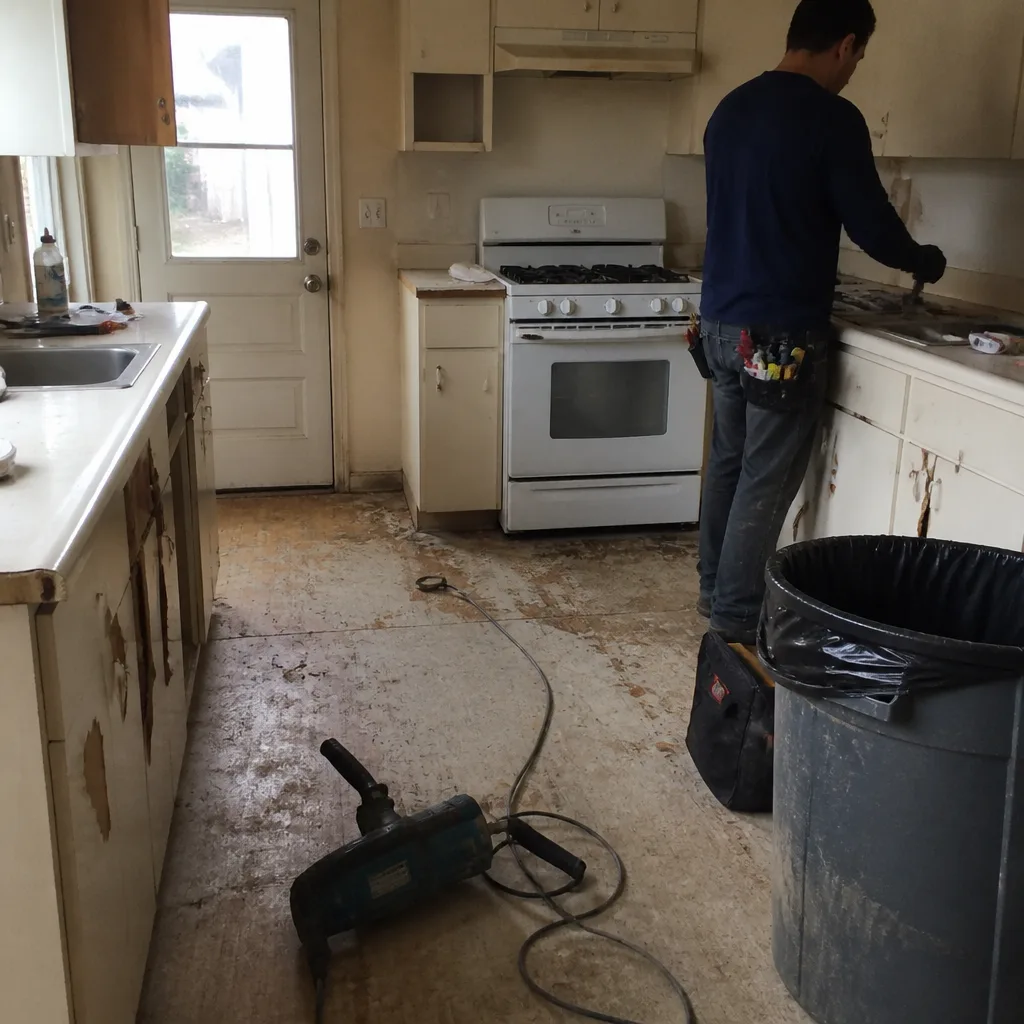 Before
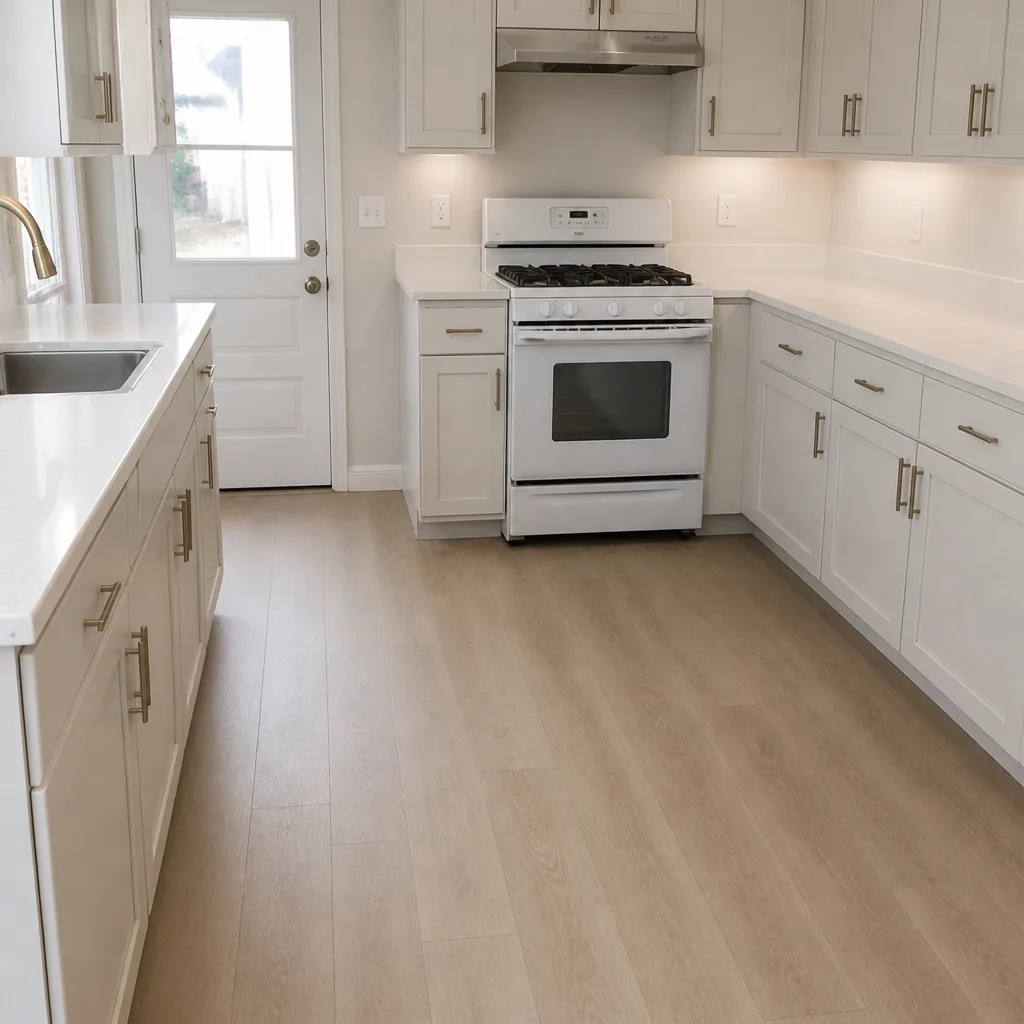 After
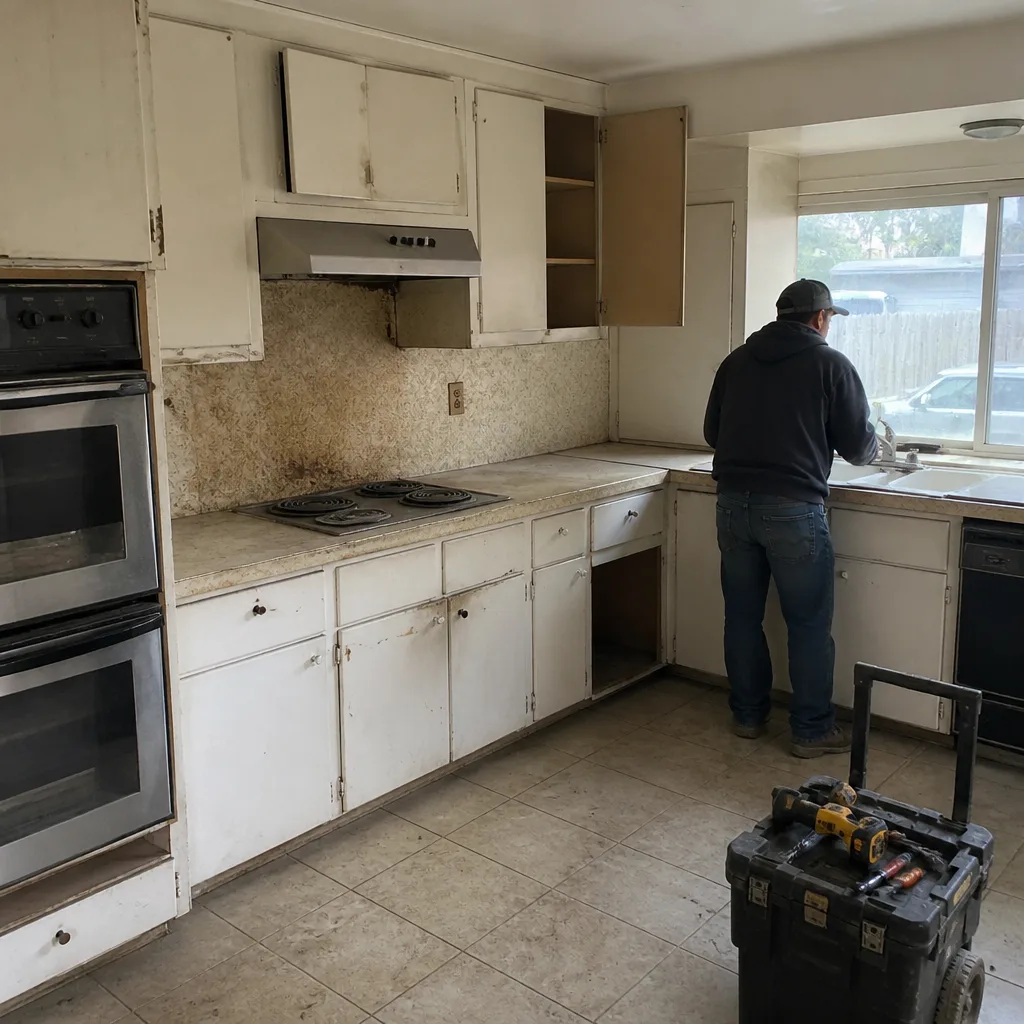 Before
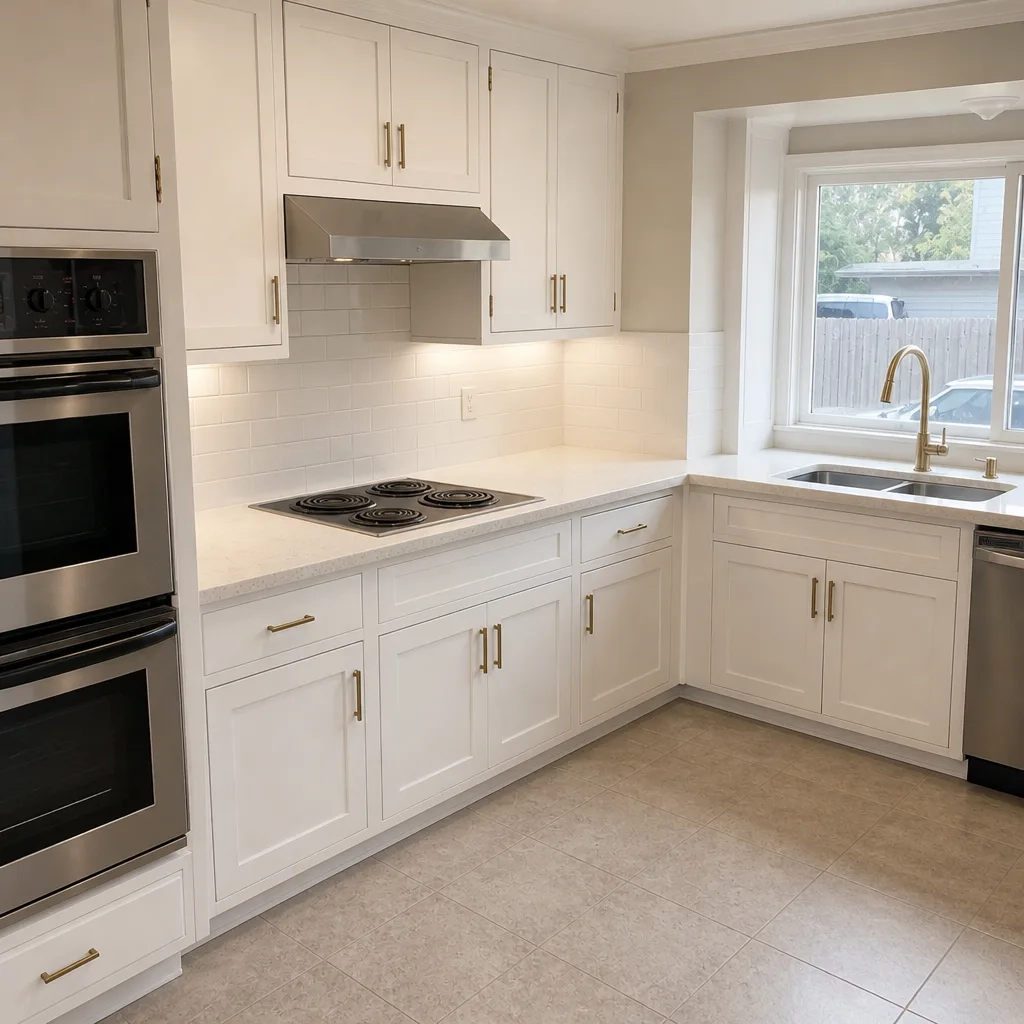 After
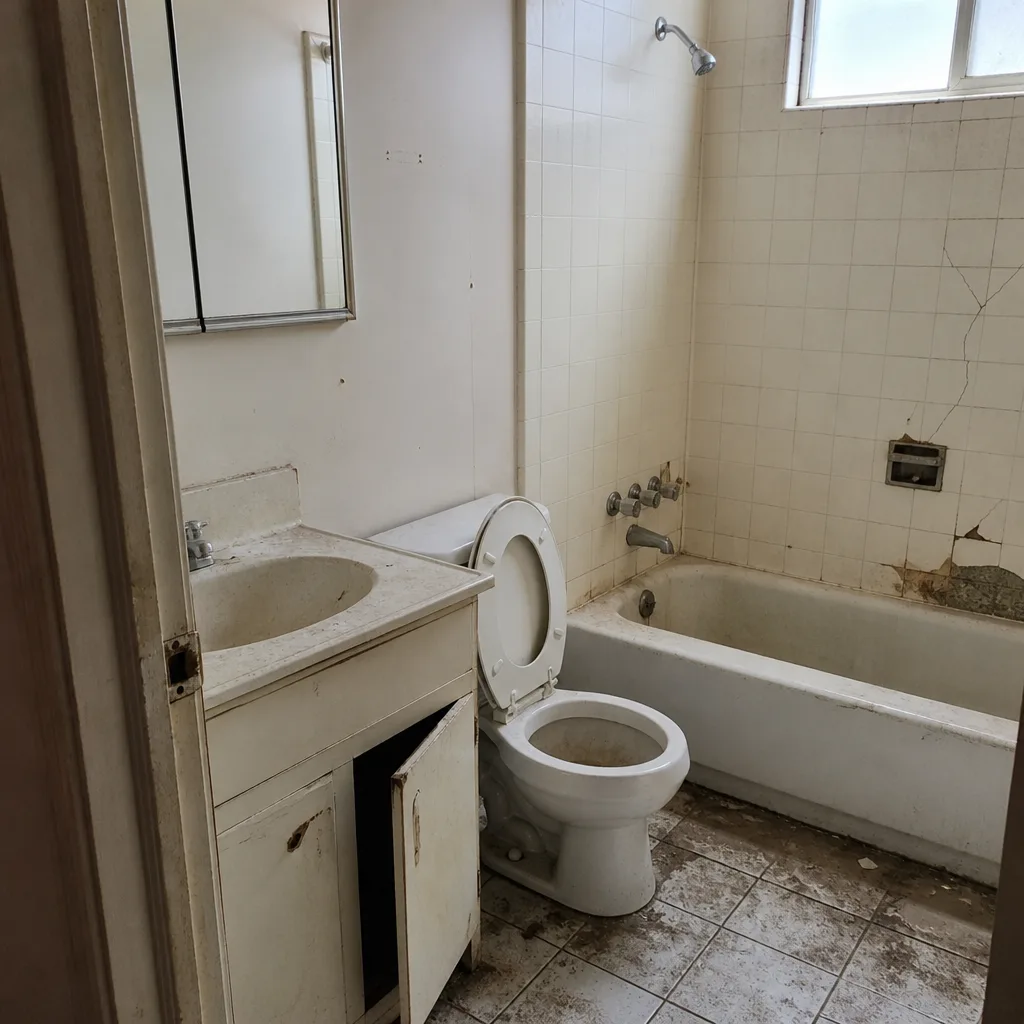 Before
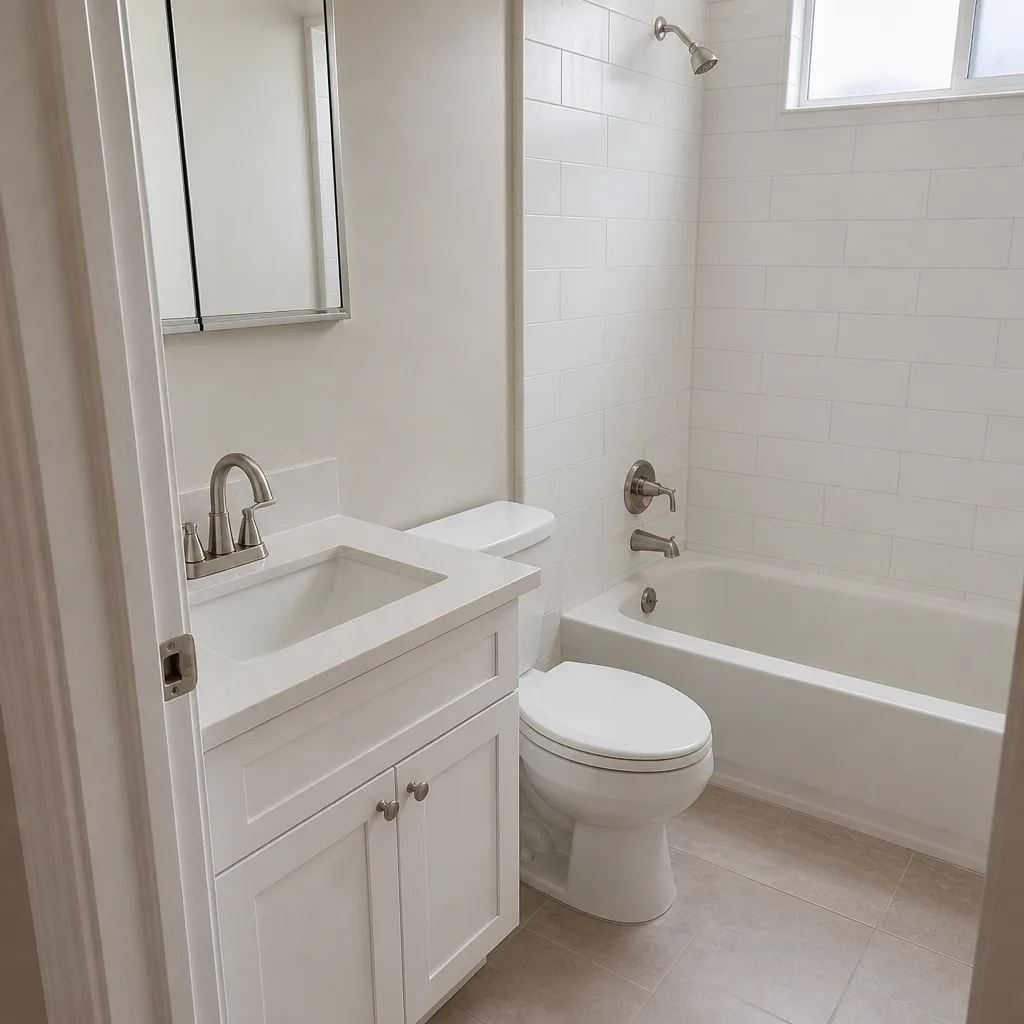 After
When to Call a Professional
Call a licensed contractor the moment your project involves any of these: a load-bearing wall or new structural framing, an electrical panel upgrade or new circuits, gas line work, a roof plane or steep-roof work, or a permit submission for an addition or ADU where a failed inspection would jeopardize your timeline. Also call when you’re weighing a very tight deadline, when the project needs to stay in one accountable pair of hands, or when your insurance coverage would be at risk if the work went unpermitted. An owner-builder permit is a tool for capable homeowners taking on finish work – it’s not a substitute for the licensed trades that make an addition safe and insurable. Groundwork Construction Co. of San Jose offers free estimates in San Jose – call (833) 988-3521.
Frequently Asked Questions
Yes, in limited form. A San Jose owner-builder permit lets you perform work on an ADU you own and occupy as your primary residence, provided you pull permits, meet all code requirements, and pass every inspection. You cannot use the exemption to build a rental you don’t live in, and you can’t hire unlicensed subcontractors to do the licensed work. Call (833) 988-3521 if you want a licensed contractor’s help on the parts you can’t legally or safely do yourself – the estimate is free.
Not as often as homeowners expect. DIY saves money on finish labor, landscaping, and fixtures, but the hidden costs of permit delays, failed inspections, material waste, and lost rental income often eat the savings on structural or MEP work. For a San Jose addition, the realistic savings range is meaningful on finish work and near zero on the structural and permit phases. Call (833) 988-3521 for a line-item estimate you can compare against a DIY budget – no hidden exclusions.
You carry the liability for years. The work can block a sale or force a price reduction, disqualify the square footage at your refinance appraisal, and – most seriously – void or exclude insurance coverage for the structure if a claim traces back to it. San Jose title and permitting records surface these discrepancies during transaction. Call (833) 988-3521 to talk through bringing unpermitted work into compliance before you’re forced to.
Yes. New circuits, panel upgrades, and subpanels require a licensed electrician and an inspection, regardless of your owner-builder status. Working inside a live panel is genuinely dangerous, and the inspector will require a licensed contractor’s sign-off on the panel and circuit work, so a DIY rough-in just means paying twice. Call (833) 988-3521 for a free estimate on the electrical scope of your ADU or addition.
Often yes, if you coordinate it in writing. Owner-supplied finish materials – tile, paint, fixtures, landscaping – typically save 10 to 20% versus contractor-marked-up packages, provided your contractor approves specifications and the delivery schedule up front. Owner-supplied structural materials are rarely worth the coordination cost and can complicate the workmanship warranty. Call (833) 988-3521 to talk through what fits the scope before you start shopping.
A San Jose ADU requires building, electrical, plumbing, and mechanical permits, plus planning approval and – depending on size and location – impact fee calculations and a construction and demolition debris recycling plan. Owner-builders can submit these themselves, but plan review rejection rates are higher for owner-drafted plans. Call (833) 988-3521 for a free estimate that includes the permit and inspection scope up front, so there are no budget surprises once construction starts.
The Bottom Line
The real DIY line on an addition or ADU is not about skill – it’s about jurisdiction and liability. San Jose’s owner-builder permit lets capable homeowners handle finish work, landscaping, fixture swaps, and site prep without creating exposure. It does not protect you from the insurance and resale consequences of unpermitted structural, electrical, plumbing, or gas work. The financially smart play for most homeowners is a hybrid: contractor-led permits and structure, owner-handled finishes and site work, all spelled out in writing before anyone picks up a tool. If you want a licensed, accountable partner for the parts that can’t safely be yours, Groundwork Construction Co. of San Jose exists for exactly that scope. For an honest read on any piece of your project, see our Groundwork Construction Co. of San Jose home page or call for a free estimate.
Call (833) 988-3521 today for your free estimate and design consult. A live person answers 24/7 – no voicemail, no waiting until Monday. Groundwork Construction Co. of San Jose backs every project with the 730-Day Done Right Promise, upfront pricing with no surprises, a curated brand-partner catalog across every trade, background-checked technicians who arrive in uniform, and 0% financing for 18 months plus $1,000 off projects over $10,000. From foundation to finish line, built to last and backed in writing.
Written by the team at Groundwork Construction Co. of San Jose.