Last updated November 18, 2026





Free written scope consultation - allowances, timeline, and change-order rules on paper before a single trade is scheduled
Fence Installation Maintenance Schedule: What to Do and When
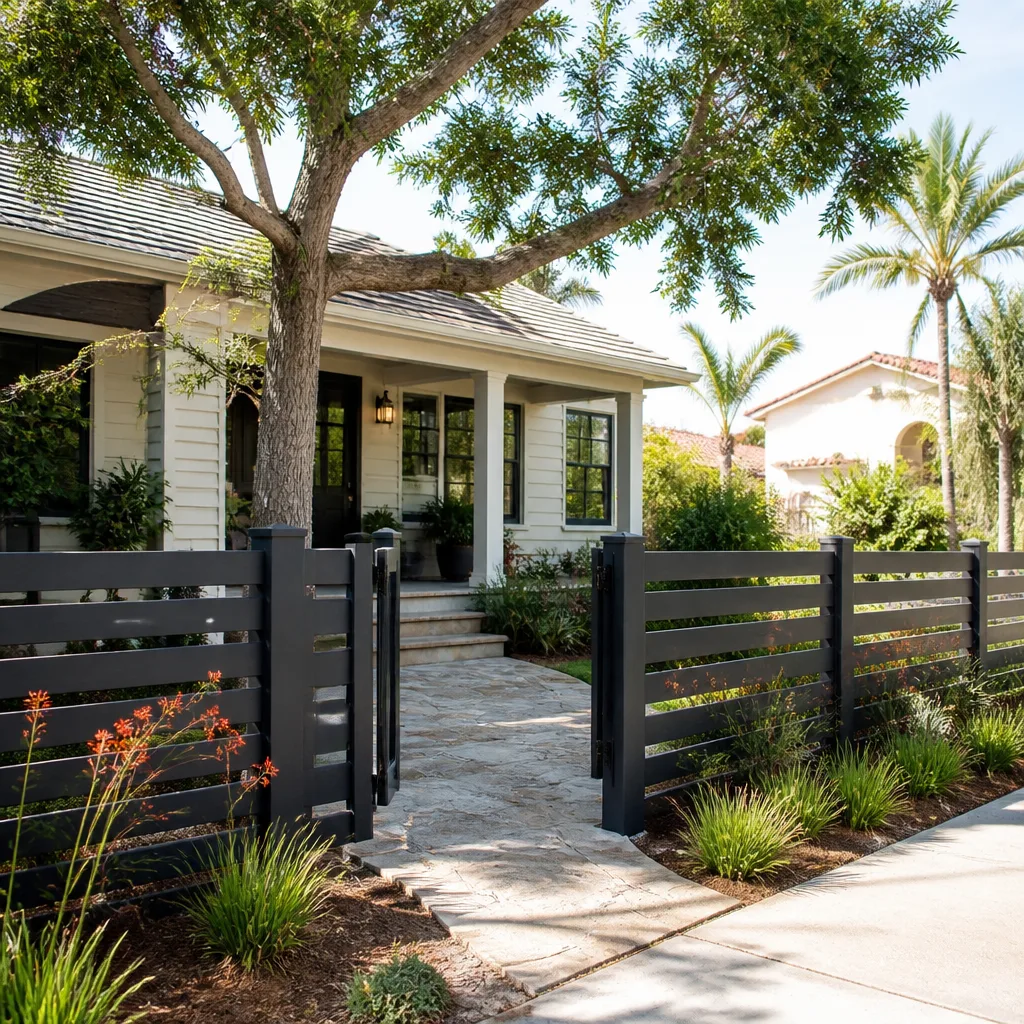
The bottom two inches of a wood fence post do more structural work than any other part of the fence. They’re also the only part that sits in wet soil year-round. That combination is why post-bottom rot ends more fences in San Jose than wind, termites, or even age. In our experience, most fence replacements we’re called out to inspect failed at the ground line first, then everything above it followed. This guide lays out a real maintenance calendar for Bay Area conditions: what to check in October before the rains, when to reseal in our UV and humidity mix, how to probe a post base without digging, and how vinyl and aluminum owners should stop over-maintaining their fences.
Quick Answer
A fence in San Jose needs a light inspection every season and two heavier maintenance passes a year: a pre-rainy-season check in October (seal, clear, tighten) and a spring check in April (clean, reseal, repair). Wood fences need resealing every 18 to 24 months in our climate. Vinyl and aluminum need far less: one annual wash and a hardware check. The single highest-value habit is a screwdriver probe of every post base twice a year, because wood rot starts below grade where you can’t see it.
Styles & brands we work with
- Kitchen remodeling
- Bathroom remodeling
- Home additions & ADU
- Roofing
- Windows & doors
- Driveway & pavers
- Fence
Table of Contents
- Why a Bay Area Fence Needs Its Own Schedule
- The October Pre-Rainy-Season Checklist
- How Often to Reseal or Refinish a Wood Fence in San Jose
- The Screwdriver Probe: Testing Post Bases Without Digging
- Gate Hardware and Alignment Schedule
- Vinyl and Aluminum: What to Do (and Stop Doing)
- The Full 12-Month Calendar at a Glance
- When a Repair Beats a Replacement
Why a Bay Area Fence Needs Its Own Schedule
National fence maintenance advice assumes four seasons. San Jose doesn’t really have them. What we have is a long dry stretch from roughly May through October, when UV pounds horizontal surfaces and wood grain opens up, followed by a wet window from November into March when moisture works its way into every crack the dry season created. That cycle, repeated year after year, is what breaks fences down here.
If you’ve priced fence work in San Jose lately, you know a full replacement on a typical suburban lot runs into the thousands. A maintenance schedule costs a fraction of that. The west-side neighborhoods and the foothills around Almaden get more sun exposure, so wood there dries and checks faster. Properties closer to the bay, in the Willow Glen and downtown corridors, sit in higher humidity through the wet months, which pushes rot along faster at the base. Same city, two different failure timelines.
We’ve seen fences in San Jose fail in seven to ten years that should have lasted twenty. Almost every one of those had skipped the October pass.
Our full guide to fence installation in San Jose covers how material choice and post-setting method affect lifespan from day one. This piece picks up after the fence is up and in service.
The October Pre-Rainy-Season Checklist
October is the most important month on the calendar here. The rains are coming, the wood is at its driest and most open, and anything you seal or tighten now will hold through the wet season. Anything you skip will get soaked, and that first big storm finds every gap.
Work through this list in order:
- Walk the whole line and look for gaps at ground level. Soil settles and pulls away from post bases. Where you find a low spot holding water against the post, regrade it or add soil so water drains away, not toward it.
- Clear vegetation and debris from the fence line. Ivy, shrubs, and piled leaves trap moisture against the boards and hide rot. Six inches of clear space along both sides goes a long way.
- Probe every post base (the method is below) and mark any that feel soft.
- Tighten loose fasteners. Run a driver along the rails and pickets. Loose screws let water in behind the board face.
- Seal or reseal bare and checked wood. Pay attention to end grain at the top of posts and the top edge of rails, where water enters most easily.
- Check the gate for swing, latch alignment, and hardware tightness before the wet season makes everything swell.
- Clear gutters and downspouts that discharge toward the fence. A downspout dumping at a post base is a rot machine.
Do this pass while the weather is still dry and warm. Sealer needs a dry surface and a dry window to cure properly.
How Often to Reseal or Refinish a Wood Fence in San Jose
Every 18 to 24 months is the honest answer for most wood fences in San Jose. The catch is that “18 to 24” splits depending on where you are. Fences on full-sun exposed lots, especially the hotter inland edges of the city, often need the shorter end of that range. Fences in more shaded, humid pockets can stretch toward 24 months, but they trade slower UV damage for faster moisture damage at the base.
How to tell without guessing: splash a cup of water on a clean board. If it beads and rolls off, the sealer is still working. If it soaks in and darkens the wood within a minute, it’s time.
On the product side, penetrating oil-based sealers tend to work better than film-forming surface sealers in our climate. Film coatings crack under our UV load and then trap water behind the crack, which is worse than no coating at all.
Material quality matters here too. We work with James Hardie and other brand partners across our projects for the simple reason that a well-made board takes a sealer and holds it, while a thin board drinks it and checks anyway. If you want a fence where the maintenance schedule actually pays off, starting with quality material is half the battle.
The Screwdriver Probe: Testing Post Bases Without Digging
This is the one technique worth memorizing. Post-bottom rot is the number one killer of wood fences, and you can’t see it from the surface because the paint or stain hides it and the damage is happening at and below grade. Digging out every post is not realistic. A screwdriver probe is.
Here’s the method, twice a year:
- Take a standard flathead screwdriver.
- At each post, push the tip firmly into the wood about an inch or two above the soil line, on all four faces.
- Push with steady, moderate pressure, not a stab.
- Sound wood resists. If the tip sinks in easily, or the wood feels spongy or crumbles, you’ve found active rot.
- Mark the post with tape or a dab of paint so you can track it. Re-probe in three months.
- Any post that’s soft more than an inch deep or across most of its cross-section is a structural concern and needs a pro’s eye.
We’ve probed fences in San Jose where the pickets and rails looked fine from the street but three posts were gone at the base. The fence was one strong wind from a section going down. Catching that in October is a repair. Catching it after a storm is a replacement.
Gate Hardware and Alignment Schedule
Gates fail slowly, then all at once. The hinges carry the full weight of the gate every single time it opens, and the wood swells and shrinks across our wet and dry seasons. That constant movement loosens fasteners and fatigues hinges long before you notice a sag.
The schedule that prevents most gate problems:
- Monthly: a quick visual check of the latch and a listen for squeaks. A squeak is metal telling you it needs lubricant.
- Quarterly: lubricate hinges and the latch mechanism with a dry silicone or lithium lubricant. Avoid heavy grease that collects grit.
- Twice a year (October and April): tighten every hinge screw and check the gate for square. Open it halfway and let it sit. If it swings on its own, the post or frame is out of alignment.
- Annually: check the hinge side post for movement. If the whole post rocks, the problem is below grade, not the hinge.
Hinge fatigue before visible sag is the thing worth catching. Once a gate sags, the frame is already taking stress it wasn’t designed for, and the fix gets bigger.
Vinyl and Aluminum: What to Do (and Stop Doing)
Vinyl and aluminum fences get a bad rap for being “maintenance-free,” which is not quite true. They’re low-maintenance. The bigger problem we see is homeowners over-maintaining them: pressure-washing vinyl at close range, scrubbing aluminum with abrasive pads, and generally treating them like wood.
Vinyl fences, like the Bufftech and ActiveYards lines we install, need one wash a year with a garden hose and mild soap. Skip the pressure washer or keep it on a wide fan at low pressure. High pressure drives water into the seams and joints that are designed to stay dry, and it can dull the finish. Check the post caps and rails for any that have worked loose, and reseat them.
Aluminum fences need even less: a yearly rinse, a check of the post anchors, and a look at the coating for scratches. A small touch-up on a scratch now prevents a corrosion spot later.
For both, the one item people ignore is the gate hardware. Lube it on the same quarterly schedule as a wood gate. The wear points are the same.
If you’re deciding between materials, our team can walk you through what each one really asks of you over ten years, not just on install day.
The Full 12-Month Calendar at a Glance
Here’s the whole year in one place. Post it on the fridge if it helps.
- October (most important): the full pre-rainy-season pass: probe post bases, clear vegetation, tighten fasteners, seal bare wood, check gates, clear gutters. This is the pass that saves you money.
- November through March: light monthly walk-around. Look for standing water at post bases, check that gates still latch as things swell, and clear debris after storms.
- April: spring pass. Clean boards, re-probe any posts you marked in October, reseal if it’s been 18 to 24 months, and do the full gate alignment check.
- May through September: light seasonal checks. Watch for UV fading on south- and west-facing boards, and keep vegetation off the fence line.
The dry months are when damage happens quietly. The wet months are when you find out. The October and April passes are where you intervene.
When a Repair Beats a Replacement
Not every soft post means a new fence. If most of the structure is sound and you’ve got one or two bad posts, replacing those posts and the boards they carry is far cheaper than a full rebuild. The same goes for a single storm-damaged section or a gate that’s out of alignment from a settled post.
Replacement becomes the better call when the rot is widespread, when several posts are soft across the line, or when the rails and pickets have gone too. At that point you’re patching a failing structure piece by piece, and the money adds up faster than a clean replacement would have.
If you’re already planning other exterior work, it’s worth thinking about the fence in context. Grading and drainage changes near a new driveway and pavers installation in San Jose can affect how water moves along your fence line, and it pays to plan both together. Larger site changes, like the kind that come with a home addition or ADU in San Jose, often mean rethinking fence lines and gates entirely. Doing it in one plan beats doing it in three.
Common Mistakes to Avoid
- Sealing after the rains start. Sealer traps moisture if it goes on wet wood. In San Jose, get it done in the dry October window, not in November after the first storm.
- Pressure-washing vinyl at close range. It forces water into seams and dulls the finish. A hose and mild soap do the job.
- Ignoring the post base because the boards look fine. Post-bottom rot hides under paint and stain. Probe it; don’t trust your eyes.
- Letting sprinklers and downspouts hit the fence. One downspout aimed at a post base can rot it out years ahead of schedule. Redirect the water.
- Greasing gate hinges with heavy grease. It collects grit and grinds the hinge down faster. Use dry silicone or lithium.
- Piling soil or mulch against the fence. It holds moisture against the boards and posts, exactly where you don’t want it.
- Assuming “maintenance-free” means no maintenance. Vinyl and aluminum need one wash and a hardware check a year, minimum.
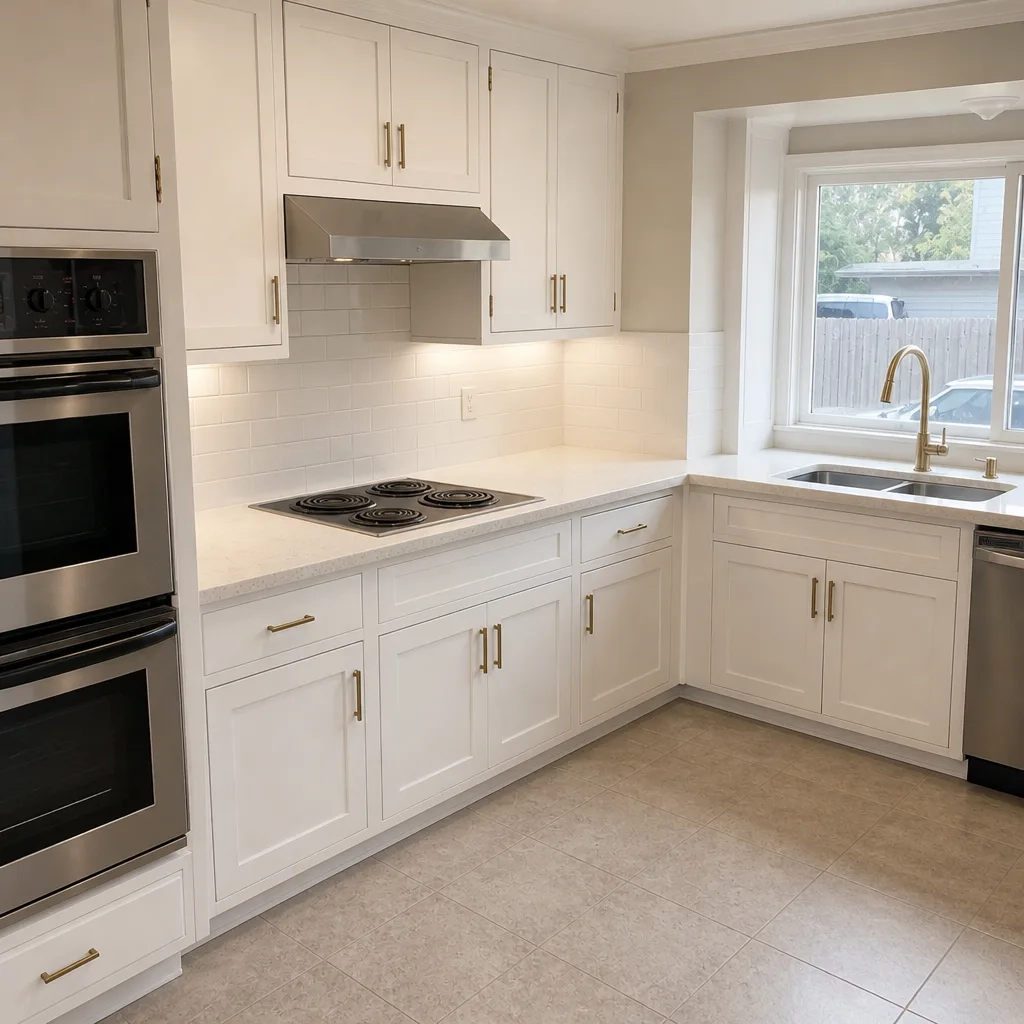
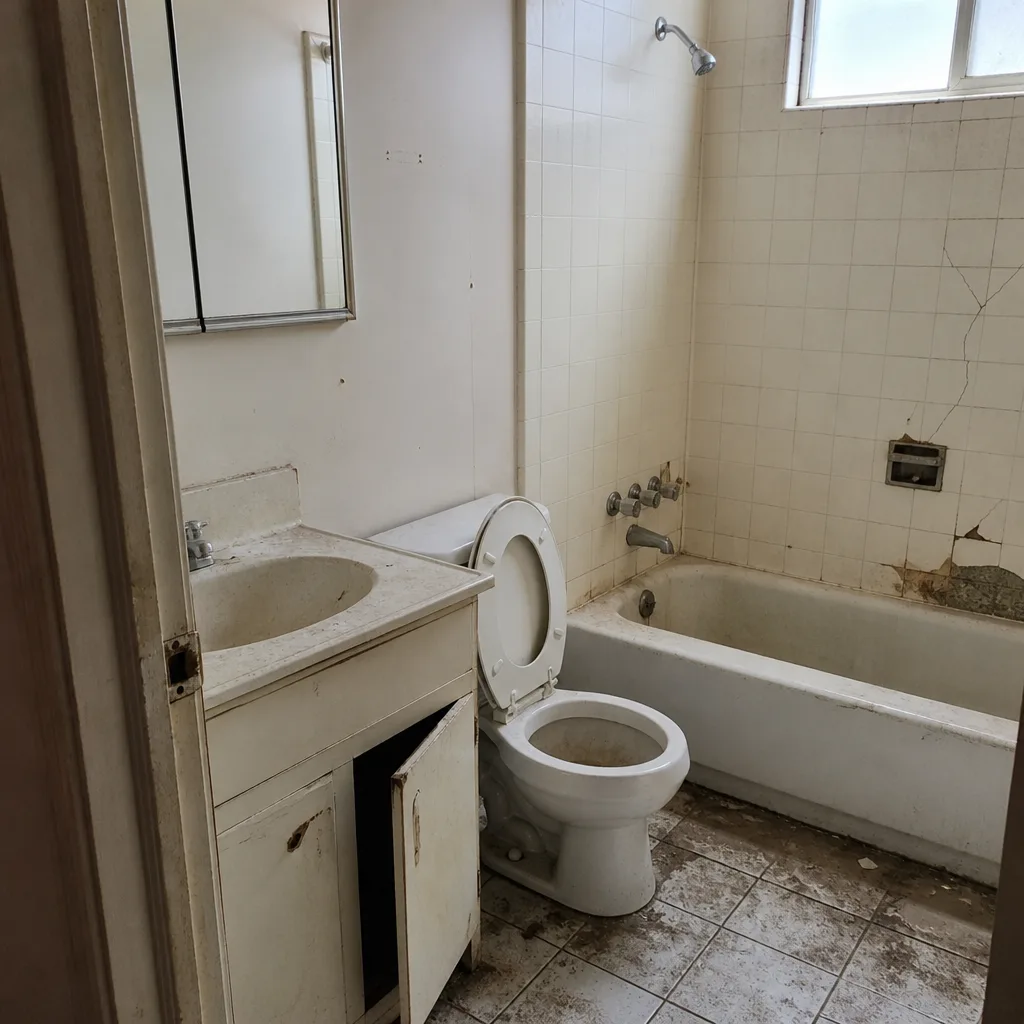
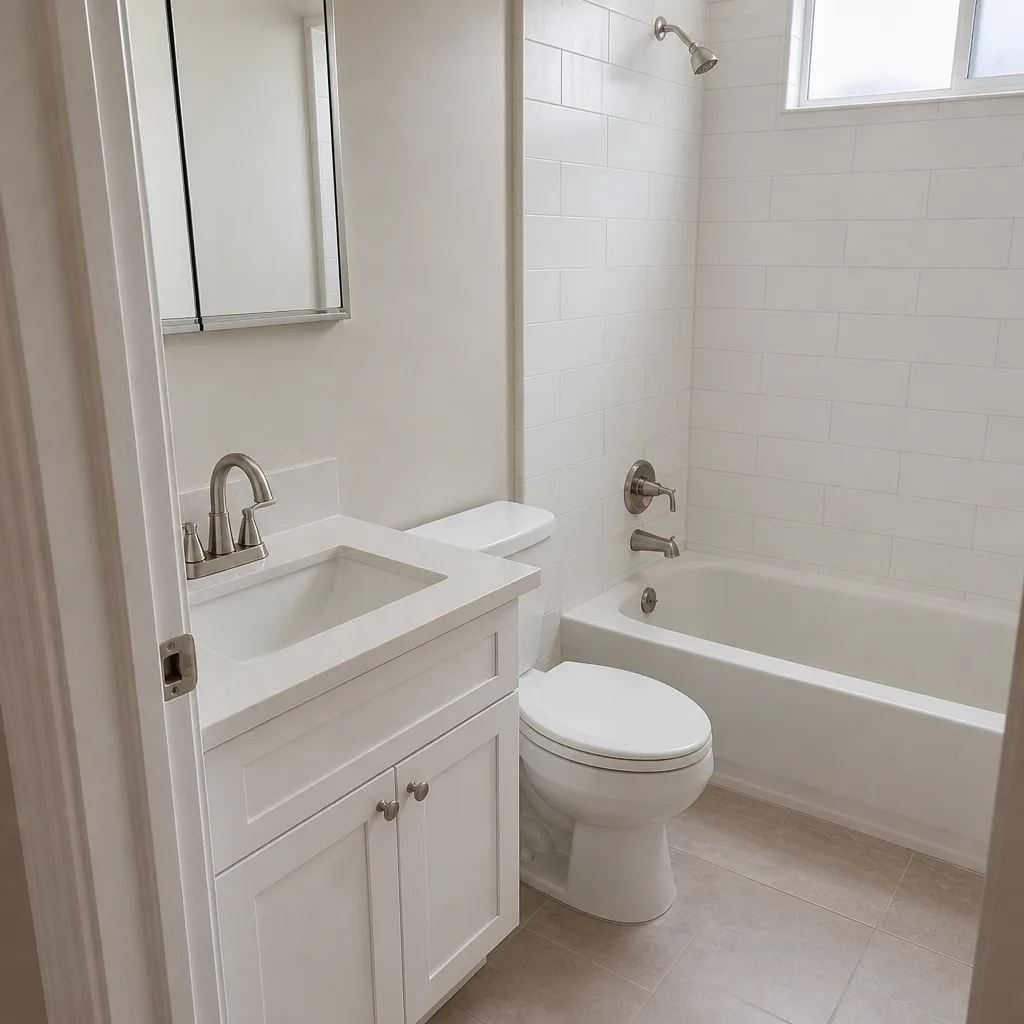
See the difference
 Before
 After
 Before
 After
 Before
 After
When to Call a Professional
Handle the inspection, cleaning, sealing, and hardware tightening yourself. Call a pro when the probe finds a post that’s soft more than an inch deep, when a gate has gone out of square or its post rocks, when a whole section of fence leans because posts below grade have failed, or when storm damage has left boards or rails broken and unstable. Those are structural issues, not upkeep. If you’re not sure whether the probe found real rot or just weathered surface wood, a pro can tell you in a few minutes.
Groundwork Construction Co. of San Jose offers free estimates in San Jose for fence repair and replacement. Our technicians have up to 12 years of experience, every project is covered by our 730-Day Done Right Promise, and every job starts with no-hassle upfront pricing: the number you see is the number you pay. Call (833) 988-3521 to schedule yours.
Frequently Asked Questions
Twice a year for inspection and once every 18 to 24 months for resealing. The October pre-rainy-season pass and the April spring pass are the two anchors. Skip the October pass and the wet season finds every gap in the wood.
Use a screwdriver probe. Push a flathead screwdriver firmly into each post about an inch or two above the soil line on all four faces. Sound wood resists; soft, spongy wood that lets the tip sink in easily is rotting. Probe every post twice a year.
No. A garden hose and mild soap are all a vinyl fence needs. Pressure-washing at close range forces water into seams that are meant to stay dry and can dull the finish. Once a year is plenty.
Repair costs vary with how many posts and boards are involved and what material you’re matching, so we quote each job on its own. A single post replacement is far cheaper than a full rebuild. Call (833) 988-3521 for a free estimate – we put the price in writing before any work starts.
Yes, and the post base is the reason. Post-bottom rot is the number one failure point, and a twice-yearly probe plus keeping water away from the base is what prevents it. A well-maintained wood fence can last twice as long as a neglected one.
They need less than wood, not none. One wash a year, a check on post caps and anchors, and quarterly gate hardware lubrication. The most common mistake is over-maintaining them with pressure washers and abrasive cleaners.
The Bottom Line
Your fence in San Jose doesn’t fail from age. It fails from moisture finding the same weak spots year after year, and the weak spot that matters most is the post base. Two inspection passes a year, October and April, plus a screwdriver probe of every post, catch most of the problems before they turn into structural repairs. Reseal wood every 18 to 24 months, lube gate hardware quarterly, and go easy on vinyl and aluminum. Take care of the schedule and the fence takes care of the rest.
If the probe turns up rot, or you’re ready to plan a new fence with quality material behind it, Groundwork Construction Co. of San Jose is here. Our technicians have up to 12 years of experience, calls are answered by a live person 24/7, and every project carries our 730-Day Done Right Promise. Call (833) 988-3521 to schedule your free estimate. From foundation to finish line, we’ll make sure the job is done right.
Written by the team at Groundwork Construction Co. of San Jose.