Last updated November 18, 2026







Free written scope consultation - allowances, timeline, and change-order rules on paper before a single trade is scheduled
Construction Warning Signs: A San Jose Homeowner’s Reference Guide
A diagonal crack running from a door corner isn’t always a foundation problem. But in San Jose’s expansive clay soil zones, it can be the first visible evidence of differential settlement that’s been progressing underground for two years. That distinction matters. Most warning-sign guides hand you a checklist of symptoms and leave you to guess. This one explains the failure mechanisms behind the symptoms, so you can tell a cosmetic issue worth monitoring from a structural problem that needs eyes on it now. We’re writing this from San Jose, for San Jose homeowners, because the soil, climate, and building stock here produce failure patterns the national guides simply don’t cover.
Styles & brands we work with
- Kitchen remodeling
- Bathroom remodeling
- Home additions & ADU
- Roofing
- Windows & doors
- Driveway & pavers
- Fence
Quick Answer
The fastest way to read your home: a warning sign is serious when it’s moving (getting wider, longer, or more frequent), when it’s paired with another symptom (a crack plus a sticking door plus a slope), or when it appeared after construction work. A cosmetic stucco crack that’s stayed the same width for three years is usually just stucco doing what stucco does in San Jose’s seasonal wet-dry cycle. A fresh crack that’s grown a quarter inch in a season, near a corner where two walls meet, needs a professional assessment. The pattern and the pace tell you more than the crack itself.
Table of Contents
- Why Warning Signs Matter More Than the Symptom
- Cosmetic Stucco Cracking vs. Moisture Intrusion in Bay Area Walls
- Foundation Warnings in San Jose’s Clay Soil
- Concrete Flatwork: The Wet-Season Stress Test
- How to Spot Unpermitted Work After Purchase
- Contractor Behavior That Predicts Post-Completion Disputes
- Roof and Window Warning Signs Specific to San Jose
- Common Mistakes to Avoid
- When to Call a Professional
- Frequently Asked Questions
Why Warning Signs Matter More Than the Symptom
Most homeowners read their house backward. They see a crack, a stain, a sticking door, and they ask “is this bad?” The better question is “what’s making this happen, and is the thing making it happen still active?” That’s the difference between monitoring and repairing. A symptom is a message. The mechanism underneath it is the actual problem, and the mechanism is what determines whether you can wait or whether you call someone this week.
Three mechanisms account for the majority of what San Jose homeowners bring us to look at:
- Moisture movement. Water gets in, water can’t get out, and the material between the two points degrades seasonally. San Jose’s wet winters and bone-dry summers drive this cycle hard.
- Differential movement. One part of the structure settles, heaves, or shifts faster than another. The gap between them is where you see the cracks. Expansive clay makes this the signature San Jose failure mode.
- Workmanship and sequencing. Something was installed wrong, or installed right but in the wrong order, or installed by someone who skipped a step. These show up later, often under load or weather stress.
Here’s the skill no one teaches you at closing: read the house as a system. A crack in the stucco is information about the framing behind it. A puddle at the base of a wall is information about grading, drainage, and the foundation under both. When we walk a San Jose property, we’re not just cataloging damage. We’re tracing each symptom back to its mechanism, because that’s the only way to tell a $400 cosmetic fix from a $40,000 structural issue.
Cosmetic Stucco Cracking vs. Moisture Intrusion in Bay Area Walls
Stucco cracks. It’s a cement-based material applied over a lath and a weather-resistive barrier, and it expands and contracts with temperature and moisture. San Jose’s dry summers pull moisture out of stucco and its wet winters push it back in, and over a few seasons a hairline crack is almost guaranteed somewhere on an exterior wall. Most of these are cosmetic.
The ones that matter share specific characteristics, and they’re tied to how a Bay Area exterior wall assembly is built. Behind the stucco you have the weather-resistive barrier (the “house wrap” or building paper), then sheathing, then framing, then insulation. If stucco cracks and water reaches the barrier, the barrier does its job. If the barrier is missing, lapped wrong, or torn, water reaches the sheathing and framing, and you have moisture intrusion. That’s a very different problem.
What cosmetic cracking looks like
- Hairline and vertical. Cracks under 1/16 inch, often at corners of windows and doors, running with gravity.
- Stable over time. You’ve measured it and it hasn’t widened across two wet seasons.
- Shallow. You can see the surface of the stucco but not the lath or the paper behind it.
- No staining. No efflorescence, no rust streaks, no soft spots when you press.
What moisture intrusion looks like
- Horizontal or stair-stepped. Cracks that run sideways or zigzag indicate shear movement, not just shrinkage.
- Wider than a credit card edge and growing. A 1/8-inch crack that’s widening is opening a path to the barrier.
- Discoloration around the crack. Efflorescence (white mineral deposits) means water is traveling through the stucco. Rust streaks mean water has reached the lath or fasteners.
- Soft, hollow, or drummy stucco. Tap it with a screwdriver handle. Dead-sounding areas indicate the stucco has separated from the substrate.
- Interior clues. A stain, musty smell, or peeling paint on the inside of an exterior wall directly opposite an exterior crack is a strong signal water is getting through.
In San Jose, stucco failure around window and door openings is common, and the windows themselves are often the entry point. When we replace windows in San Jose, we’re not just setting glass. We’re rebuilding the flash and the barrier connection at the opening so the stucco has a fighting chance. Brands like ECO Window Systems and Therma-Tru have assemblies designed around that connection. If you’re seeing persistent moisture at a window reveal, the window installation is worth a look as much as the stucco.
Foundation Warnings in San Jose’s Clay Soil
National foundation guides are written for average soil conditions. San Jose isn’t average. Much of the city sits on expansive clay, and that clay does something specific: it swells when it soaks up winter rain and shrinks as it dries out in summer. The house above it moves with the soil, and if one part of the foundation sits on clay that holds water better than another part, the difference between them becomes a crack.
This is the mechanism behind differential settlement, and it’s why a diagonal crack in San Jose deserves a second look more often than the same crack in a sandy-soil region. In a sandy or loam soil area, a diagonal crack at a door corner is often just framing shrinkage or stucco stress. In San Jose clay, it can be the visible tip of foundation movement that started a year or two earlier.
Foundation signs that carry more weight in San Jose
- Diagonal cracks at corners of doors and windows that appear on multiple walls, especially opposite walls. Symmetry matters. One crack is intriguing; two mirrored cracks tell you the building is moving.
- Sticking doors and windows that were fine a year ago. Racking from uneven foundation movement pinches the frame. If a door sticks in one season and frees up in another, the foundation is moving with the soil moisture.
- Slopes and dips in the floor. Set a marble on the floor in a few rooms and see if it consistently rolls in one direction. A hall floor that’s off by an inch across its length is a red flag.
- Gaps at exterior corners. A gap opening between two exterior walls at a corner is a classic sign of differential settlement.
- Cracks in interior drywall that run longer than a foot and reappear after patching.
- Chimneys or additions that pull away from the main house. Additions often have different foundation depths and soil contact than the original house, and that difference can show up as separation at the joint.
If you’re seeing two or more of these together, it’s worth a professional assessment. The good news is that San Jose foundation issues are often addressable with underpinning, drainage work, or re-grading, and the earlier they’re identified, the less expensive they tend to be. The mistake is waiting for the crack to “get bad enough,” because by then you’re often dealing with damage that was preventable.
Concrete Flatwork: The Wet-Season Stress Test
Driveways, walkways, patios, and stoops look fine the day the crew leaves. The defects show up after the first real winter rain and the first summer dry-out that follows. That’s the stress test, and San Jose’s wet-dry cycle puts every slab through it once a year. If the flatwork was installed correctly, it passes. If it wasn’t, the failure modes are specific and predictable.
What goes wrong under a San Jose wet season
- Poor subgrade prep. Concrete poured over uncompacted or improperly graded soil will settle unevenly. Look for a slab that’s developed low spots or “birdbaths” where water pools after a rain.
- Missing or misaligned control joints. Control joints are supposed to guide shrinkage cracking. If they’re too far apart, too shallow, or in the wrong place, the slab cracks randomly instead of in the joint.
- Inadequate thickness. Driveway slabs need to be thicker than walkway slabs because they carry a vehicle. A driveway that’s been poured too thin will crack at the edges and spall (chip at the surface) under vehicle load.
- No vapor barrier or improper drainage. Water trapped under a slab will find a way to the surface, often through the joints, and it can cause the slab to heave.
- Poor finish. A surface troweled too smooth or too wet will develop a dusting, scaling, or delamination problem in the first wet season.
The general pattern: flatwork that fails does so in the first one to two wet seasons. If a slab has survived three San Jose winters without new cracks or settlement, it’s probably a sound job. If it’s showing birdbaths, edge spalling, or a crack that’s opened more than 1/8 inch in its first year, the installation is worth investigating. Every slab on a properly prepared base follows the same rules, so a slab that’s failing is usually telling you something the installer missed. Our Driveway & Pavers in San Jose work is where we see this most often, because driveway slabs are the ones that take vehicle loads and driveway grading is the one that controls where the water goes.
How to Spot Unpermitted Work After Purchase
Unpermitted work is common in San Jose, and it’s not always obvious. Some of it is fine structurally and just needs a permit retroactively pulled. Some of it is dangerous. The visual patterns that predict unpermitted work are consistent enough that a careful walk-through will usually flag it before you close.
Visual patterns that often mean “no permit”
- Additions on a different foundation. A garage conversion, a bump-out, or a second-story addition that doesn’t match the original home’s foundation and framing depth is a frequent sign of unpermitted work, because the permit process is where the structural requirements get specified and inspected.
- Electrical work that looks improvised. Panel openings with uncovered breakers, wires running through unprotected paths, or junction boxes in closets and garages without a permit sticker on the panel door. San Jose requires a permit for most electrical work, and panel doors are usually where the inspection record lives.
- Bathroom and kitchen remodels with no record. If a kitchen has a new gas line or a bathroom has been moved, and the county has no record of the permit, that work was likely done without one. Gas lines in particular are a safety issue, not just a paperwork issue.
- Roofs with no permit history. A full re-roof requires a permit in San Jose, and a missing permit record is one of the first things a future buyer’s inspector will flag.
- Decks, fences over the height limit, and accessory structures. These are frequently done without permits because the homeowner thinks of them as landscaping. A fence over 6 feet, a deck over 30 inches, or an ADU needs permits, and the paperwork is what proves the structure was built to code.
If you’re shopping for a San Jose home and want to check, call the city’s permit records department directly. Ask for the permit history on the property and see if there are open permits or unpermitted structures. The seller may be motivated to resolve it, or you can use it as a negotiating point. When you’re ready to make it legit, our Home Additions & ADU in San Jose work is built around getting permits pulled, inspections scheduled, and the job closed out correctly.
Contractor Behavior That Predicts Post-Completion Disputes
The most reliable predictors of a bad construction outcome are visible during the project, not after it. If you’re paying attention to how the contractor behaves, you’ll often see a dispute coming a month before the punch list. Here’s what we watch for, and what we tell homeowners to watch for when they’re vetting someone else.
Red flags during the project
- Changed scope without a written change order. Any change to the work, whether it’s a material upgrade or a “we found something behind the wall,” should be documented and priced in writing before work continues. Verbal changes are the number one source of disputes after completion.
- Payment requests front-loaded before demolition. A large deposit before any work starts, or a request for the next payment before the prior phase is complete, is a warning sign. Payment should follow progress.
- Vague or missing schedule. A contractor who can’t tell you what happens this week and next week, in writing, is going to be hard to hold to a finish date.
- The crew changes. A different crew every week, or a crew that can’t tell you who their supervisor is, is a warning sign about how the job is being managed.
- No one answers the phone. Calls that go to voicemail during a project and don’t get returned the same day are a sign the contractor is either overextended or not planning to be around at punch-list time.
- Punch-list avoidance. The way a contractor handles the small stuff after the big check is the clearest signal of how they’ll handle a future warranty claim. A contractor who disappears on paint touch-ups will disappear on a leak.
These behaviors show up before the finished product tells you anything. If you’re seeing two or three of them on a job you’re already running, it’s worth putting your concerns in writing and asking for a schedule. That’s the moment to be direct.
How Groundwork is built around this
We put the fixes into the contract, not the brochure. Our pricing is upfront, so the number you see is the number you pay. We pull the permits and get the inspections, so the work is documented at the county level. Our technicians are background-checked and arrive in uniform, so you know who’s on your property. And every job is covered by our 730-Day Done Right Promise: if it’s not done right, we make it right, for two full years after handover.
When we say calls are answered by a live person 24/7, that’s a commitment, not a slogan. If you’re mid-project with someone else and getting voicemail, you know what that feels like. If you want to see the difference, our Groundwork Construction Co. of San Jose home page is the place to start. And if you’re ready to talk about how a job gets scoped and priced, the Fence Installation in San Jose page is a good example of how we break a project down before anyone swings a hammer.
Roof and Window Warning Signs Specific to San Jose
San Jose’s climate is gentle on roofs compared to coastal or mountain markets, but it’s not free of problems. The combination of dry summers and wet winters stresses roof assemblies in a specific way, and the signs are worth understanding as a homeowner.
Roof warning signs
- Curling or lifting shingles especially near the ridge and the perimeter. This is often the first visible sign of an asphalt roof nearing the end of its service life.
- Granule loss in the gutters. A handful of granules after a storm is normal. A layer of granules coating the gutter after every rain means the shingles are shedding their protective surface.
- Stains on the ceiling or walls. In San Jose, these usually show up after the first big rain of the season, which is when a small leak becomes visible all at once.
- Sagging deck or soffit. A dip in the roofline or a soft spot in the soffit is a sign of water intrusion or framing damage.
- Daylight in the attic. Go up during the day with the lights off and look for pinholes of daylight. Any visible light means the roof has a gap.
On the roof, the material matters less than the installation, but material still sets the ceiling. Brands like GAF and CertainTeed make shingle systems designed for the climate here, with warranties that stay valid longer when the installation is done to spec.
Window warning signs
- Condensation between the panes of a double-pane window. That’s a failed seal, and it’s not fixable without replacing the unit.
- Drafts at the frame or at the sill. Run your hand around the edge of the window on a windy day. Any air movement is a weather-stripping or installation issue.
- Sticking or difficult-to-operate windows. Like doors, this can indicate settling, but it can also be a failed hinge or balance.
- Visible moisture staining around the interior trim. That’s the moisture-intrusion clue we covered earlier, and on a window, it’s usually the flashing or the barrier connection at the opening.
Windows and doors are often the first place San Jose homeowners see the effects of a changing home, because they’re the tightest openings in the envelope. When we install windows, we use brands like Mr-Glass and ViewLux alongside the higher-end options, because a replacement window is only as good as the installation around it.
Common Mistakes to Avoid
- Painting over a water stain. A fresh coat of primer hides the evidence but doesn’t fix the moisture. The next rain brings the stain right back, and in the meantime the framing behind the drywall keeps absorbing water. Trace the stain to its source before you paint anything.
- Assuming a small crack is fine because it’s small. In San Jose’s clay soil, a small crack that’s moving is more serious than a wide crack that’s stable. Measure cracks at the same point each month and compare.
- Waiting for the “right time” on flatwork. Concrete doesn’t heal. A slab that’s showing early settlement or edge spalling gets more expensive to fix every season, and a driveway that starts taking on water can undermine the foundation next to it.
- Missing the permit check before you buy. Call the San Jose permit office before you close on a house with recent work. It’s a free phone call, and it’s saved buyers we know tens of thousands of dollars in retroactive permitting and repairs.
- Hiring on the spot without a written scope. A verbal bid is a bid for someone else’s project. Get the scope, the materials, and the timeline in writing before any money changes hands.
- Assuming a warranty is a warranty. A one-year workmanship warranty is essentially a “we hope nothing goes wrong” clause. Read what’s actually covered and for how long, because that’s the number that matters two winters from now.
- Letting the contractor set the change-order terms. The change-order rules should be in the contract. If they’re not, ask for them in writing before work starts, so a “small discovery” mid-project doesn’t turn into a surprise bill.
When to Call a Professional
Most of what this guide describes is monitorable. A stable hairline crack in stucco doesn’t need a contractor visit. But there’s a set of scenarios where the cost of waiting far exceeds the cost of a professional assessment, and those are worth calling on promptly. Call us if you see any of these:
- A diagonal crack at a door or window corner that has widened across two wet seasons, or that appears on two opposite walls of the same room.
- A door or window that started sticking within the last year, especially if the sticking changes with the seasons.
- Any new sagging, dipping, or sloping in the floor.
- Moisture staining, efflorescence, or rust streaks around any stucco crack.
- Concrete flatwork that cracked, settled, or started pooling water in its first wet season.
- Any work done to your home that has no permit history, especially additions, electrical work, or gas lines.
- A contractor mid-project who won’t return calls, has changed the scope verbally, or has moved the schedule without explanation.
- Roof leaks or ceiling stains that appear after the first major rain of the season.
Groundwork Construction Co. of San Jose offers free estimates in San Jose. Call (833) 988-3521 and we’ll walk the property with you, explain what we see, and put our recommendations in writing. No pressure, no pitch, just a clear read on what you’re looking at.
Frequently Asked Questions
No. In San Jose, a diagonal crack above a door is a foundation concern when it’s paired with other signs: a sticking door, a floor that’s out of level, or matching cracks on opposite walls. A single diagonal crack with no other symptoms is worth monitoring and measuring, but it doesn’t always mean the foundation is moving. The pattern and the pace tell you the answer.
Fresh cracks have sharp, clean edges and often show up as a darker line against the material around them. Older cracks have rounded or weathered edges and may show dirt, efflorescence, or paint that’s been pulled away. Mark the ends of any crack you’re monitoring with a pencil and note the date, so you can tell if it’s growing over the next wet season. If it’s widening, call (833) 988-3521 for a free assessment.
A crack wider than 1/8 inch that opened in the first wet season after installation is worth investigating, because it usually means the subgrade, control joints, or slab thickness weren’t right. A hairline crack in a driveway that’s several years old is normal for concrete and typically just needs cleaning and sealing so water doesn’t get into it and freeze inside the joint.
Call the city of San Jose permit records department and ask for the permit history on your address. You’ll get a list of issued permits, open permits, and final inspections. Any work that shows up in the structure but doesn’t show up in the record was likely done without a permit. If the seller has a permit history, request the documentation before you close on the home.
Efflorescence is the white chalky deposit you sometimes see on stucco, and it means water is traveling through the wall and leaving mineral deposits behind as it evaporates. It’s a moisture-intrusion clue, not just a cosmetic stain. If the efflorescence comes back after you clean it, water is still getting in, and you should have someone check the wall assembly and the flashing around windows and doors.
A properly repaired stucco patch, with the right lath, barrier, and finish coat, typically lasts as long as the surrounding stucco. The key is that the repair reconnects the moisture barrier at the edges of the patch. A patch that’s filled and painted but doesn’t restore the barrier can fail again in the next wet season, which is why we always check the underlying assembly before we patch on a Bay Area wall.
Yes, especially if you’re seeing one or more of the warning signs we’ve listed. A free estimate gives you a written, itemized read on what’s cosmetic, what’s structural, and what needs to be scheduled. Call (833) 988-3521 and we’ll come look at it. The consultation is free, and the assessment is yours to keep whether or not you hire us.
The Bottom Line
Reading warning signs is a skill, and most homeowners learn it the hard way after something fails. The mechanics we’ve covered here give you a better approach: read the mechanism, not just the symptom. A stable stucco crack in San Jose is cosmetic. A crack that’s widening under the wet-dry cycle, paired with a sticking door or a sloping floor, is a foundation conversation. Flatwork that fails in the first wet season is a workmanship problem. Unpermitted work shows up in the pattern of the addition, the panel, or the kitchen, and contractor behavior during a job predicts the post-completion dispute. When in doubt, get a professional read before the next wet season. The free estimate is the cheapest professional assessment you’ll ever get.
We’ve seen what a proper assessment can save a San Jose homeowner, and we’ve also seen what waiting costs, and the numbers are very different. When you’re ready for a professional assessment, call Groundwork Construction Co. of San Jose at (833) 988-3521 for your free estimate. We pull the permits, we put the scope in writing, and every job is covered by our 730-Day Done Right Promise: if it’s not done right, we make it right. Financing is available at 0% for 18 months, and new projects over $10,000 get $1,000 off. From foundation to finish line, we’re here to help you read your home correctly and fix the right things.
Written by the team at Groundwork Construction Co. of San Jose.
See the difference
 Before
 After
 Before
 After
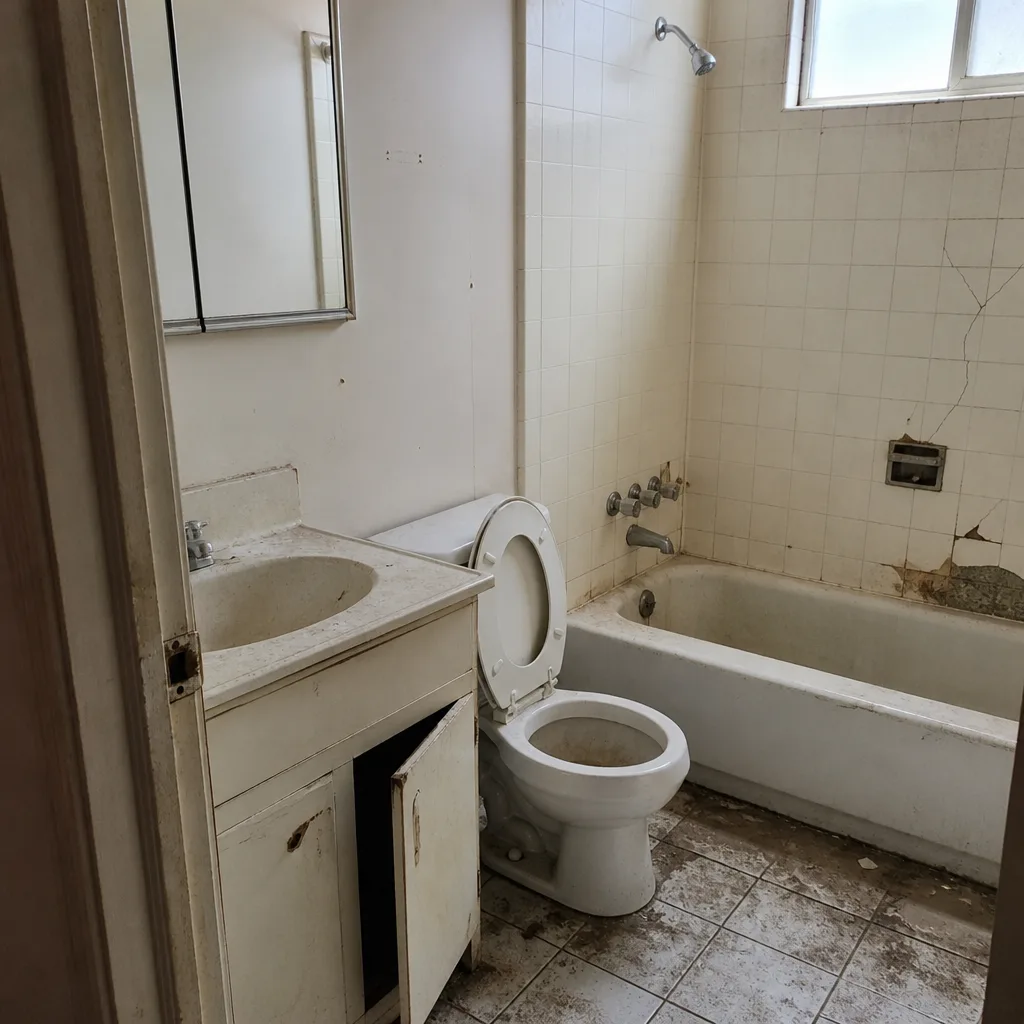 Before
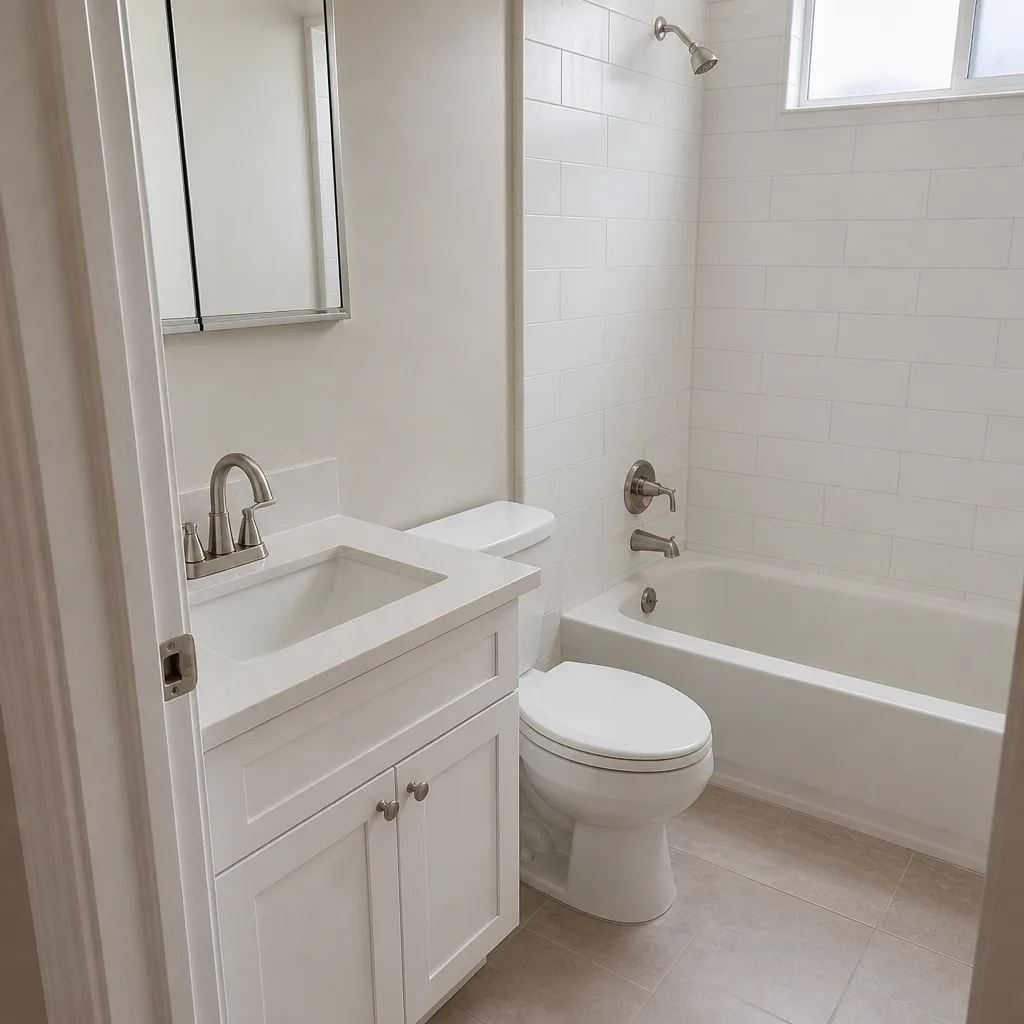 After