Last updated November 18, 2026




Free written scope consultation - allowances, timeline, and change-order rules on paper before a single trade is scheduled
Seasonal Construction Care for San Jose: Year-Round Homeowner’s Guide
San Jose averages roughly 300 days of sunshine a year. That sounds like a maintenance holiday, but it’s closer to 300 days of ultraviolet radiation quietly breaking down every sealant, bead of caulk, and exterior coating on your house, most of which you won’t notice until the failure is already underway. The rain that arrives in winter does its own slow work on soil, drainage, and wood. This guide is built around what San Jose’s climate actually does to homes rather than what the “mild weather” reputation leads people to assume. You’ll get a month-by-month care calendar, the specific surfaces that degrade fastest here, the October prep window that pays for itself, and how three years of deferred maintenance compounds into real money.
Quick Answer
The highest-return construction maintenance window in San Jose is October through November, just before the rainy season starts, when clearing drainage, sealing exterior joints, and inspecting roofs and flatwork costs the least and prevents the most damage. During the dry summer, the biggest hidden risk is foundation soil shrinkage in clay-heavy areas like South San Jose, which stresses slabs, walkways, and driveways. A structured annual care schedule on a San Jose home typically costs a fraction of what repairing three years of ignored problems runs.
Styles & brands we work with
- Kitchen remodeling
- Bathroom remodeling
- Home additions & ADU
- Roofing
- Windows & doors
- Driveway & pavers
- Fence
Table of Contents
- Why “Mild” Climate Is a Maintenance Trap in San Jose
- The San Jose Seasonal Care Calendar
- October – November: The Highest-ROI Window of the Year
- Summer Dry Season and Foundation Soil in South San Jose
- Surfaces That Degrade Faster Under Bay Area UV
- Post-Rain Drainage Inspection: What to Check First
- What Deferred Maintenance Really Costs Over Three Years
Why “Mild” Climate Is a Maintenance Trap in San Jose
San Jose sits in a valley that runs on a wide swing between bone-dry summers and short, punchy rainy seasons. The valley floor holds heat, and the surrounding hills funnel moisture and wind during storms. That pattern doesn’t stress homes with deep freezes the way a Midwest climate does, but it does something just as corrosive in a quieter way: it dries soil until it shrinks, bakes exterior surfaces in unfiltered sun for months, then delivers a concentrated dose of rain that finds every gap the dry season opened.
The trap is psychological. Because nothing freezes and nothing visibly rots overnight, San Jose homeowners reasonably conclude the house is fine. Meanwhile:
- Caulk joints on windows and trim lose elasticity after a single hot season and crack by the next.
- Concrete flatwork develops hairline checks from thermal movement that widen once water gets in and cycles a few times.
- Deck and fence ledger connections that felt solid in June loosen as the supporting soil contracts in late summer.
- Roof flashing seals, especially around vents and chimneys, fail without the freeze-thaw drama that would otherwise announce the problem.
What we’ve learned working on San Jose homes is that the failure rate is normal; it’s the diagnosis that’s late. The house does telegraph these issues, but only to someone actively looking. The rest of this guide is about looking at the right time in the right place. If you want the full picture of what Groundwork Construction Co. does across the region, start at our Groundwork Construction Co. of San Jose home page.
The San Jose Seasonal Care Calendar
A workable care schedule for a San Jose home doesn’t require constant attention. It requires being on the property at the right two or three moments in the year. Here’s the calendar we recommend to homeowners, built around how the valley actually behaves:
- March – April (post-rain transition). Walk the perimeter after the last soaking rain. Check for soil erosion at downspout outlets, soft spots in lawn near foundations, and any new cracks in stucco or flatwork.
- May – June (pre-summer sealing). Inspect and refresh exterior caulk and sealant on window frames, doors, and trim before peak UV. This is the single most cost-effective exterior job of the year.
- July – August (dry season monitoring). Watch for soil pulling away from the foundation in clay-heavy neighborhoods. Irrigation should be consistent, not zero-then-flood.
- September (pre-storm sweep). Clear roof gutters, check downspout flow, and inspect the drainage path from the roof to the street.
- October – November (the big window). Full exterior inspection: roof, flashing, flatwork, deck and fence connections, drainage. This is when repairs are cheapest and most effective.
- December – February (storm watch). After each significant rain, check where water pooled, where it ran, and whether it reached wall bases or slab edges.
That’s six touchpoints, most of them short. The October – November window is the one that carries the most weight, and the next section explains why.
October – November: The Highest-ROI Window of the Year
If you do only one structured maintenance push per year on a San Jose home, make it October through November. Here’s the reasoning. The dry season has just closed every wood joint, opened every caulk bead, and baked the soil under your slab. The rainy season is about to deliver concentrated water to whatever gaps are left. Between those two events is a narrow window where sealing a $40 tube of caulk or clearing a clogged downspout prevents damage that runs into the thousands.
The work that belongs in this window, in priority order:
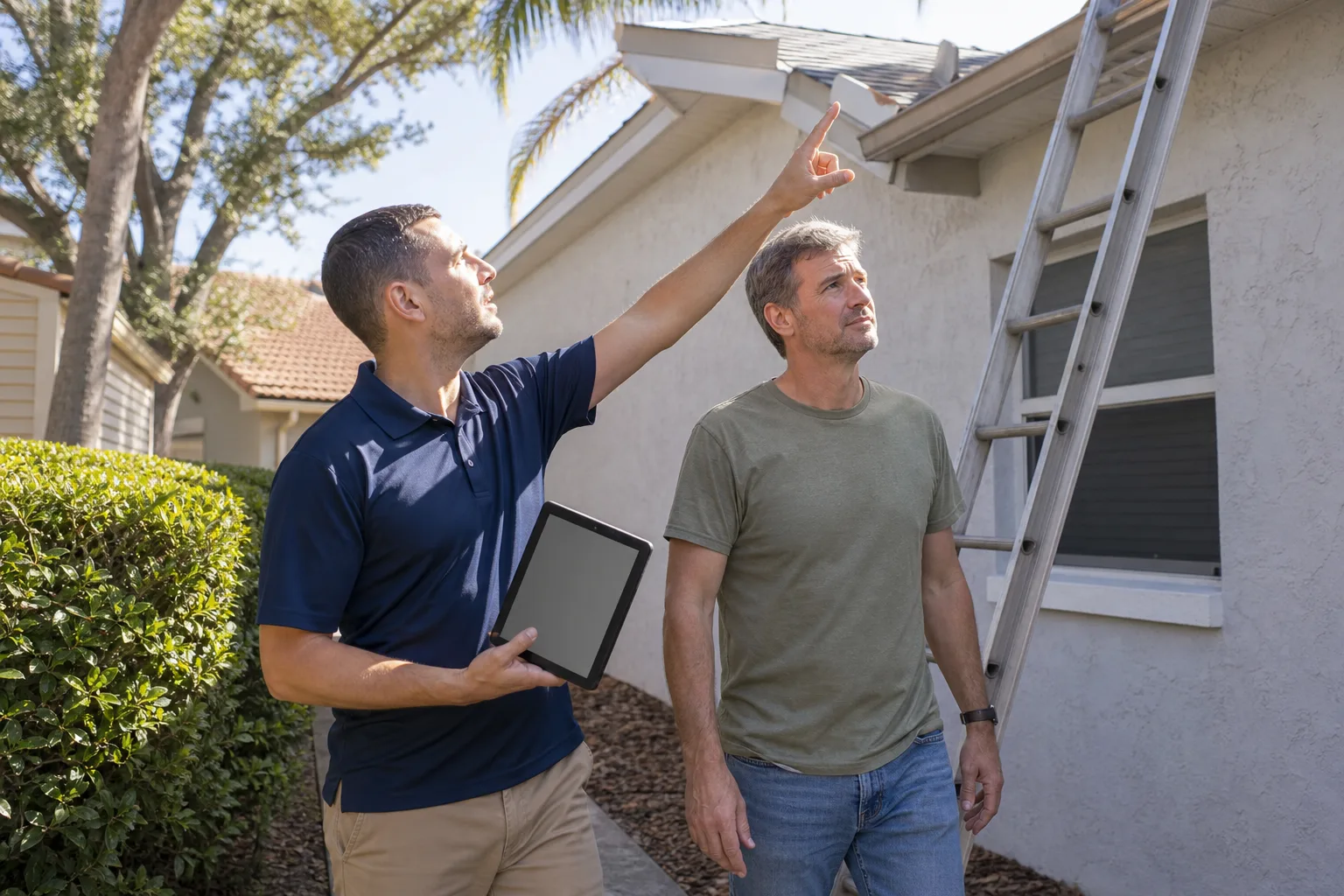
- Roof inspection and flashing check. Loose or lifted shingles, worn pipe boots, and separated flashing around chimneys and skylights. These are the most common points where water enters a San Jose home, and they’re visible from the ground with good binoculars or from a safe roof inspection.
- Gutter and downspout clearing. Fallen leaves and debris from the late dry season, plus the first leaves of autumn, choke the drainage path. Clear it before the first storm, not after.
- Exterior caulk and sealant refresh. Windows, doors, corners, and trim. Use a high-quality exterior sealant rated for UV exposure.
- Deck and fence hardware check. Ledger bolts, post bases, and rail connections. Wood shrinks in the dry season, so anything that was tight in spring may need re-torquing now.
- Flatwork and driveway sealing. A fresh sealer on concrete driveways and walkways applied in fall holds up better than one applied in June, because it cures without baking.
- Drainage path inspection. Confirm that water leaving your roof and yard can reach the street without pooling against the foundation or running under a fence line.
If your driveway or pavers are part of the fall to-do list, our guide to Driveway & Pavers in San Jose covers the surface materials and sealing timelines that actually hold up here.
Summer Dry Season and Foundation Soil in South San Jose
South San Jose neighborhoods sit on some of the more clay-heavy soils in the valley, and clay does one thing with moisture: it holds it, then releases it slowly, then shrinks noticeably when it dries. Through a normal San Jose summer, the top layer of clay can lose significant volume. The result shows up as slab cracking, uneven walkways, sticking doors, and gaps opening around the base of the house where the soil pulls away.
This isn’t a structural emergency on most San Jose homes, but it’s a maintenance factor that national guides rarely account for. The practical responses:
- Keep soil moisture stable. Consistent, moderate irrigation along the foundation perimeter during the dry season is more effective than drying out all summer and flooding in October. Aim for even moisture, not saturation.
- Watch the first cracks, not the last. Hairline checks in concrete are normal. Cracks that widen, offset vertically, or show water staining after rain deserve a closer look.
- Photograph and date your observations. A photo from July and another from November tells a professional far more than a description.
- Don’t fill foundation gaps with expanding foam. It traps moisture in the gap and causes more trouble than it solves. A proper sealant rated for masonry is the better tool.
If a South San Jose home is showing doors that stick through the dry season and release in winter, that pattern is worth a professional assessment before it becomes a foundation repair. The cost of looking is low; the cost of ignoring is not.
Surfaces That Degrade Faster Under Bay Area UV
Bay Area UV isn’t the harshest on the planet, but it’s sustained, and it hits the same surfaces day after day with very little cloud relief between May and October. Three construction surfaces in particular age faster in San Jose than typical service-life estimates suggest:
- Exterior sealants and caulk. Elastomeric caulk rated for 10 years often fails in five or six under San Jose sun. Inspect spring and fall; refresh on a shorter cycle than the label promises.
- Stucco. The surface itself holds up well, but hairline cracks from thermal expansion admit moisture, and painted stucco fades and chalks faster than in cooler climates. A flexible acrylic coating every 7 – 10 years is closer to true here than the 12 – 15 years often quoted.
- Concrete flatwork. Driveways, walkways, and patios take UV plus thermal cycling. They chip and spall faster than in a mild coastal climate, and a quality sealer applied every 2 – 3 years adds meaningful life. Products from Oldcastle and Quikrete are among the ones we spec regularly because they handle the temperature swings.
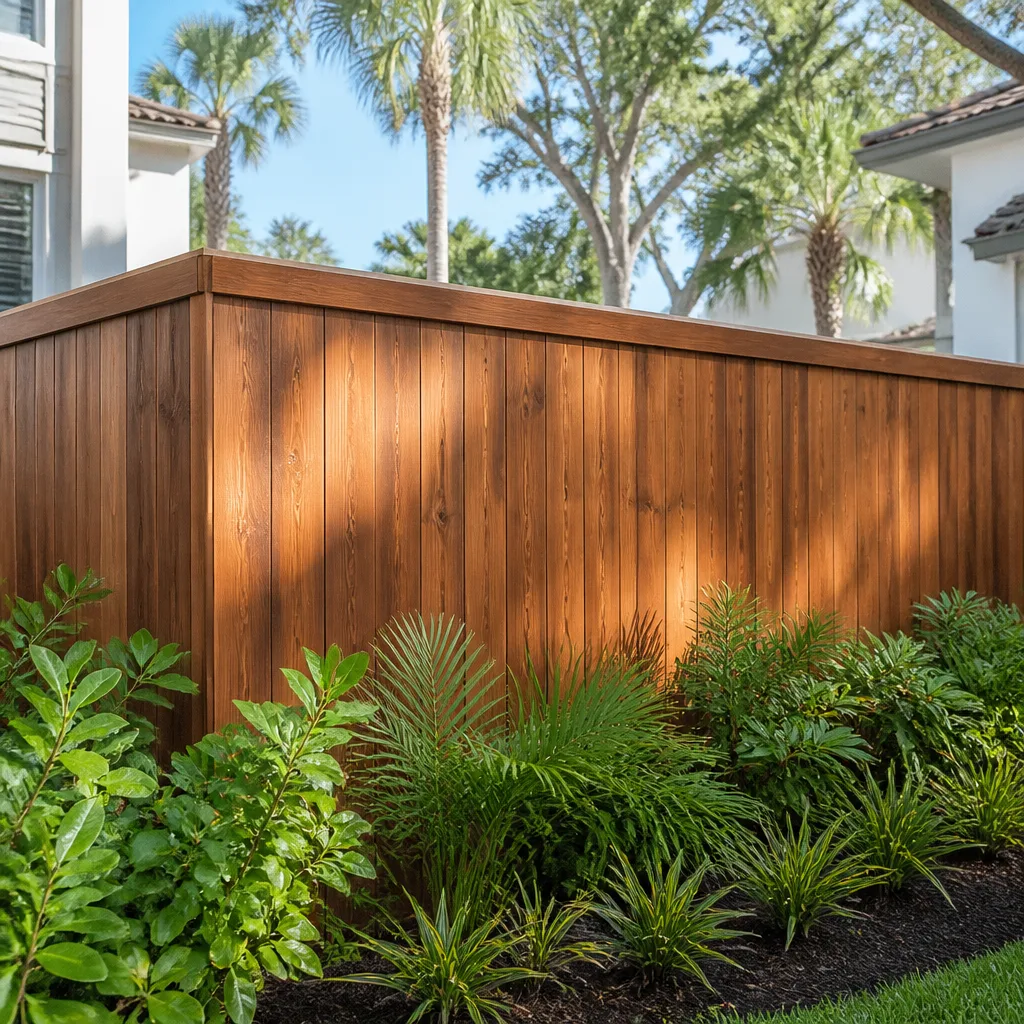
The deck ledger connection is a specific case worth calling out. Under UV and dry-season shrinkage, the wood moves differently than the metal fasteners holding it, and a ledger that felt solid in March can develop a gap by September. Check it visually at minimum once a year, and have it assessed by a professional if anything looks uncertain. If your fall project list includes fencing, our Fence Installation in San Jose page covers materials and hardware that hold up to the same sun.
Post-Rain Drainage Inspection: What to Check First
The first significant rain of the season in San Jose is a diagnostic event, and it’s the one most homeowners miss because they’re busy being relieved it’s finally raining. The right approach is to walk the property during and immediately after the first storm, when the evidence is fresh. Here’s the priority order:
- Roof runoff path. Are downspouts discharging where they should, or have they clogged or disconnected? Water dumping at the foundation base is the most common cause of minor water intrusion.
- Yard slope and pooling. Identify any low spots that hold water for 24 hours or more. Standing water near a foundation or fence line is a signal, not a nuisance.
- Wall base moisture. Walk the exterior perimeter. Look for dark staining on stucco, efflorescence (white mineral deposits) on concrete, or soft soil right at the base of the wall.
- Driveway and paver joints. Water that flows through joints instead of off the surface is a sign the joints need re-sanding or the sealer needs refresh. Detailed guidance is on our Driveway & Pavers in San Jose page.
- Fence post bases. Wood posts that sit in soil or planters soak up water. Look for softness, rust on post-base hardware (Sakrete and similar concrete mixes are commonly used in post bases), and leaning.
- Interior clues. Cracks in interior wall corners, doors that suddenly stick, or new staining on ceilings after the first storm are worth a professional assessment within days.
The goal of this walk is documentation, not repair. You’re building a list of things to fix in the next dry window. If the walk turns up anything structural, get a professional opinion rather than a patch. That’s the whole point of catching it in the first storm rather than the third.
What Deferred Maintenance Really Costs Over Three Years
Deferred maintenance can look like a reasonable budget decision for a year or two. What that view misses is compounding. Here’s a realistic comparison for a typical San Jose home on a typical mix of exterior surfaces:
- Year 1: A structured care schedule runs across the year, mostly caulk, sealants, gutter cleaning, a roof inspection, and a driveway sealer refresh. Individual line items are small.
- Year 2 (care): Same routine, with a few touch-ups as wear appears. Year 2 (deferred): A window that’s been leaking behind the trim since year 1 now needs trim and drywall repair. The caulk job you skipped has become a water intrusion job.
- Year 3 (care): Steady, predictable cost. Year 3 (deferred): Roof flashing failure causes interior ceiling damage; deck ledger looseness becomes a structural repair; driveway joint failure becomes a flatwork replacement. The deferred path frequently costs several times the annual investment, partly because emergency work is priced for urgency.
The math isn’t close. A structured annual care schedule pays for itself the first time it prevents a single water intrusion event. The compounding point is what makes the difference visible over a three-year horizon rather than a single season. If your home has additions or an ADU, the exterior envelope area is larger and the inspection list is longer; our Home Additions & ADU in San Jose page covers how additions age differently. The brand partners we specify across trades, including Oldcastle for hardscape materials and Abodu for ADU structures, are chosen partly because they hold up to the same sun and dry-season cycling as the rest of your home.
Common Mistakes to Avoid
- Treating “mild climate” as “no maintenance.” The absence of snow and hard frost in San Jose removes one failure mode but not the UV-and-dry-cycle failure mode. Both degrade exterior surfaces year-round.
- Sealing the exterior in summer. Caulk and coatings applied during the hottest dry weeks cure too fast, lose adhesion, and fail sooner. October – November is the right window in San Jose.
- Waiving off the first-storm walk. The first significant rain of the season is your best diagnostic. Walking the property the day after tells you what to fix, and where. Skipping it leaves the issues to grow silently.
- Ignoring dry-season soil movement. Doors that stick in July and release in January are telling you something. So are foundation gaps. Neither is a “wait and see.”
- Cleaning gutters after the third storm. By then, the first two storms have already found their way into walls. Clear gutters in September, before the season opens.
- Using the wrong sealant for masonry. Expanding foam against foundation gaps is a common mistake that traps moisture and accelerates damage. Use a masonry sealant rated for exterior UV.
- Patching a structural symptom instead of diagnosing the cause. A new crack in interior corners after rain is rarely a cosmetic problem. It’s a drainage or moisture path issue that a professional should look at before it becomes more expensive.
See the difference
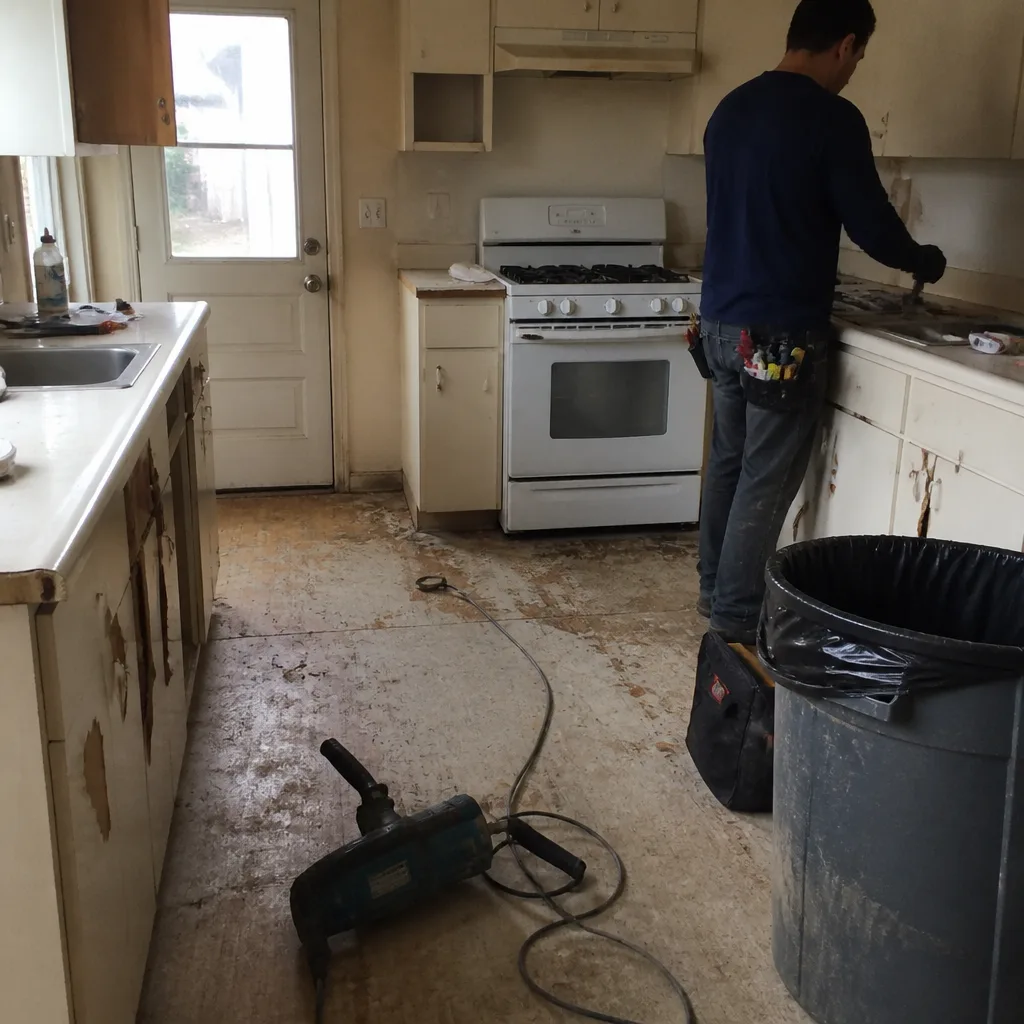 Before
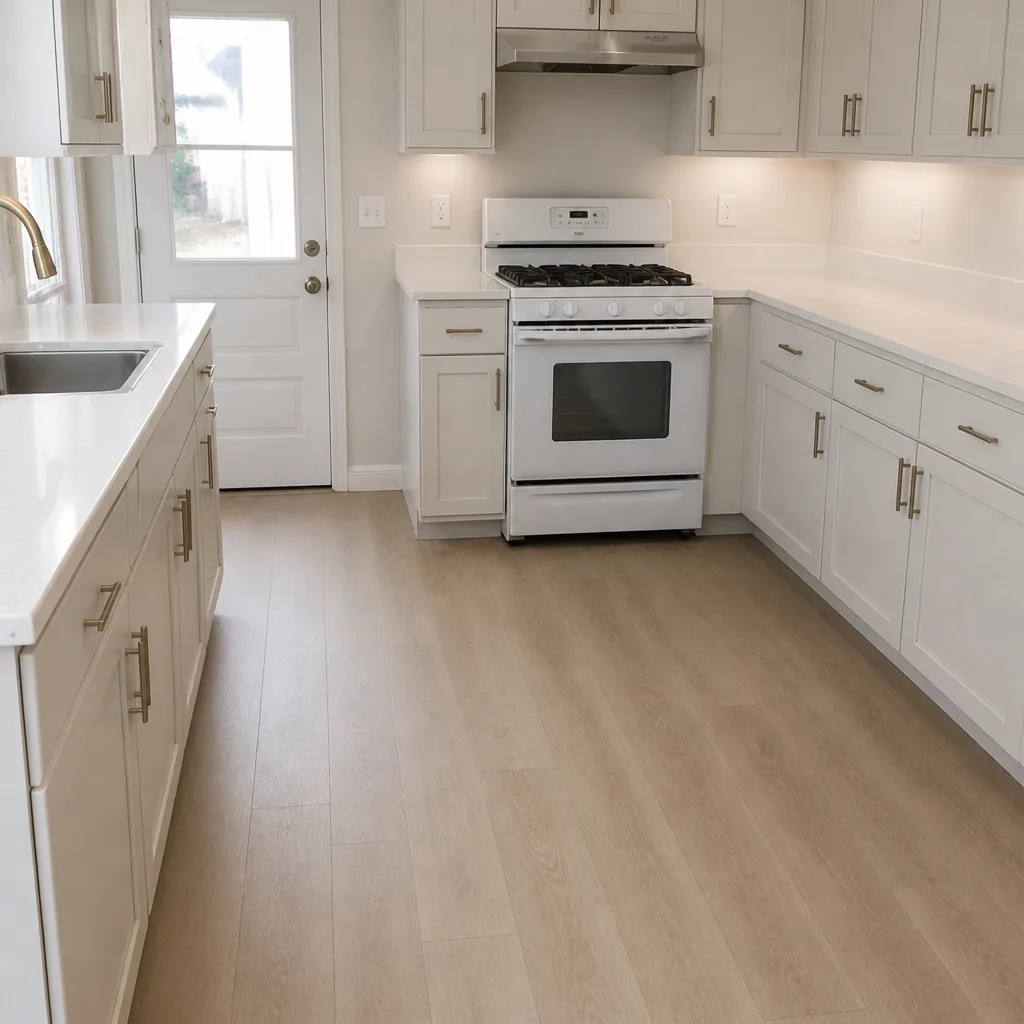 After
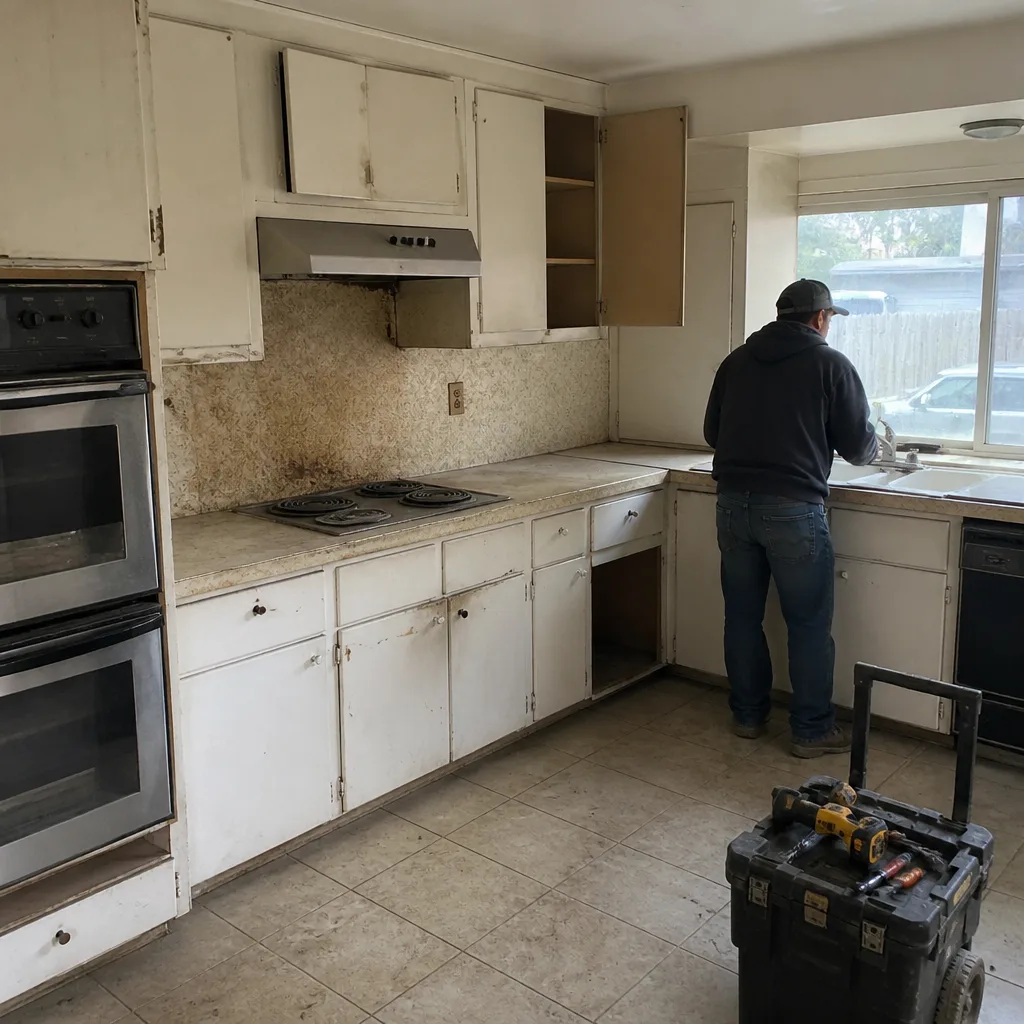 Before
 After
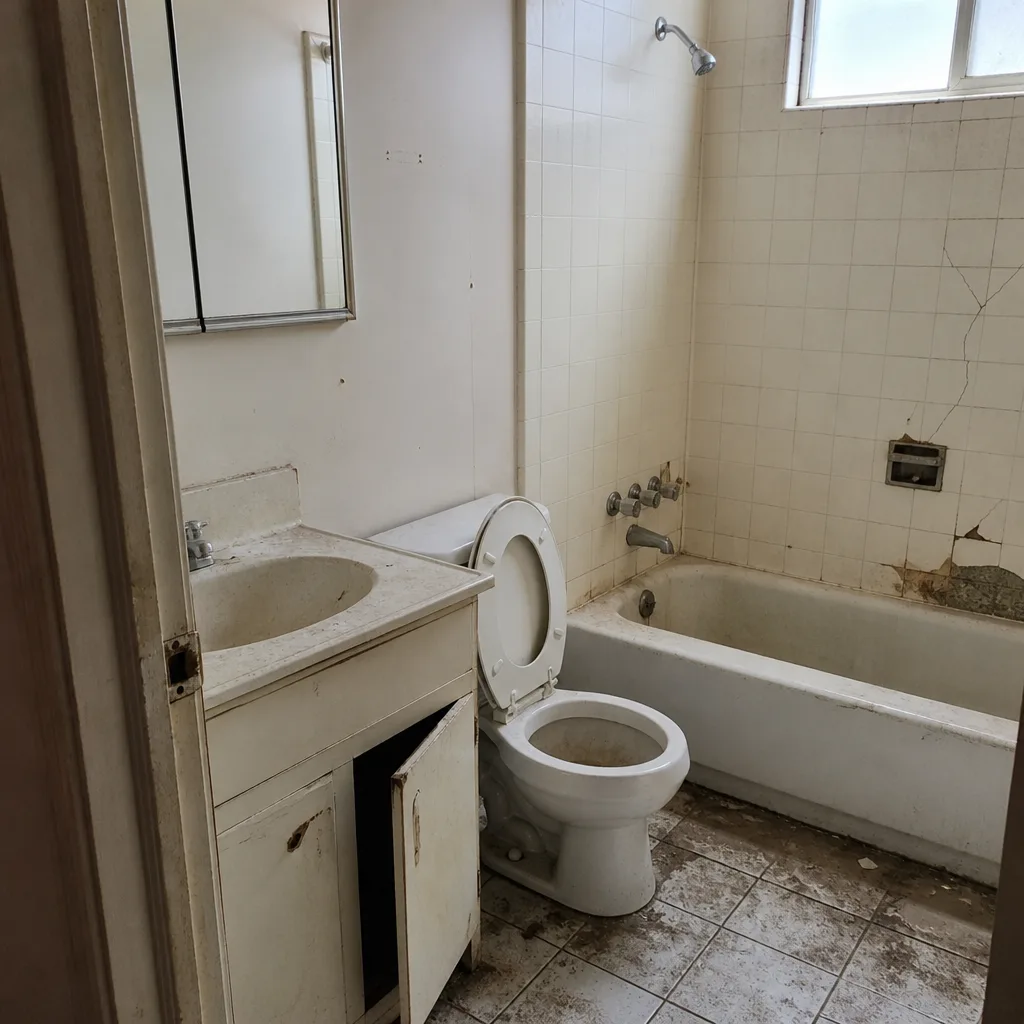 Before
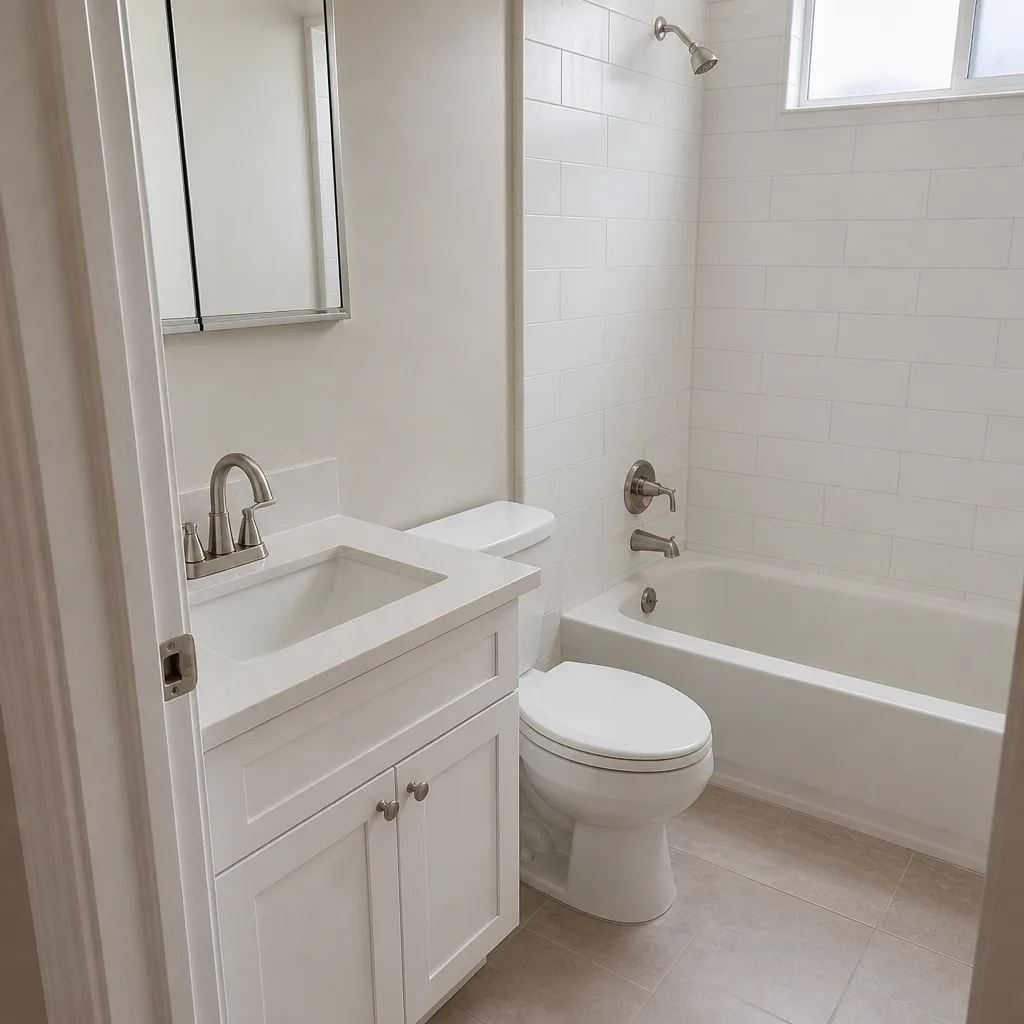 After
When to Call a Professional
Most of the maintenance in this guide is within reach for a careful homeowner. Some of it is not. Water intrusion at a roof or wall, cracking that’s widening rather than holding steady, a deck ledger that shows any sign of movement, doors that stick and stay stuck, or foundation gaps that reappear after sealing all warrant a trained professional’s assessment. Same goes for anything that would involve stepping onto a roof with any pitch, or working near exterior heights. Those risks aren’t worth a saved service call.
Groundwork Construction Co. of San Jose offers free estimates in San Jose, with no-hassle upfront pricing so the number you see is the number you pay. Our technicians have up to 12 years of experience, are background-checked, and show up in uniform. Every project is covered by the 730-Day Done Right Promise: if it’s not done right, we make it right. Call (833) 988-3521 to schedule your free estimate.
Frequently Asked Questions
October is the highest-value month for exterior construction maintenance in San Jose, because it sits between the end of the dry season and the start of the rainy season. Roof inspections, flashing checks, caulk refresh, gutter clearing, and driveway sealing all do their best work when applied in October or early November. Call (833) 988-3521 for a free estimate if you want the fall inspection done professionally.
Yes, layered awareness is worth it, particularly in clay-heavy neighborhoods where soil moisture swings noticeably between summer and winter. You don’t need to panic over hairline concrete checks, but you do want to watch for widening cracks, doors that stick and release with the season, and gaps that reopen after sealing. A professional assessment in the fall, before the rainy season, is the most useful diagnostic window. Call (833) 988-3521 to schedule one – estimates are free.
UV exposure is the main driver. San Jose’s summer sun hits exterior sealants day after day with very few cloudy gaps, which degrades elasticity faster than the product’s rated life suggests. Elastomeric caulk rated for 10 years often needs refresh in five to six here. Inspecting in spring and again in early fall catches the failure before water gets behind the joint. Call (833) 988-3521 for a free exterior inspection estimate.
A professional exterior maintenance inspection in San Jose is typically part of a free estimate for any resulting work. Line items vary by what’s found: a caulk refresh, a roof flashing repair, a driveway sealer application, or drainage correction each carry their own cost. The important thing is to get a written, line-item quote before work starts – that’s the standard we hold ourselves to with our no-hassle upfront pricing. Call (833) 988-3521 to schedule.
Walk the perimeter after the first significant rain and check the roof runoff path, neighborhood low spots where water pools, the wall base for staining or efflorescence, driveway and paver joints, and fence post bases. The goal is documentation of where water wants to go, not immediate repair. Anything structural goes on the professional list. Call (833) 988-3521 for a free estimate if the walk turns up something that needs attention.
Not with our no-hassle upfront pricing. The number on the written estimate is the number you pay, with no change orders added after the fact. That’s the standard that makes a large remodel or repair workable to plan around. We also offer 0% financing for 18 months and $1,000 off projects over $10,000, which helps spread the cost of a bigger seasonal project without hidden surprises. Call (833) 988-3521 to talk through your project and get an exact quote – estimates are free.
The Bottom Line
San Jose’s “mild” climate is a maintenance trap, not a vacation from it. The valley runs on 300 days of UV, a dry season that shrinks the soil under your slab, and a rainy season that concentrates damage into a few weeks. The fix is not more work – it’s the right work at the right moment. The October – November window is the highest-return push. Spring sealing, summer soil monitoring, and a first-rain walk complete a schedule a homeowner can actually keep. Over three years, the difference between a structured care schedule and deferred maintenance is the difference between a routine budget line and a series of surprise repairs. The brands you choose matter too, which is why we specify partners like Oldcastle and Quikrete on the hardscape where they matter most. Every project we do is backed by the 730-Day Done Right Promise: if it’s not done right, we make it right. From foundation to finish line, built to last and backed in writing.
Ready to get your San Jose home on a care schedule before the next rainy season? Call Groundwork Construction Co. of San Jose at (833) 988-3521 for a free project estimate and design consult. Calls are answered by a live person, 24/7 – no voicemail, no delays.
Written by the team at Groundwork Construction Co. of San Jose.