Free written scope consultation - allowances, timeline, and change-order rules on paper before a single trade is scheduled
ADU Design & Permitting in Livermore, CA: What It Takes and What It Costs
ADU design and permitting in Livermore typically runs $45,000 – $130,000 for the design, engineering and permit stages of a detached or attached accessory dwelling unit, with the full build often landing between $90,000 and $220,000. Design and permit approval alone usually takes 4 to 8 months before the first shovel hits dirt, depending on lot constraints. Call (833) 988-3521 to schedule a free on-site estimate and design consult.
Styles & brands we work with
- Kitchen remodeling
- Bathroom remodeling
- Home additions & ADU
- Roofing
- Windows & doors
- Driveway & pavers
- Fence
How the Design and Permit Process Actually Moves, Stage by Stage
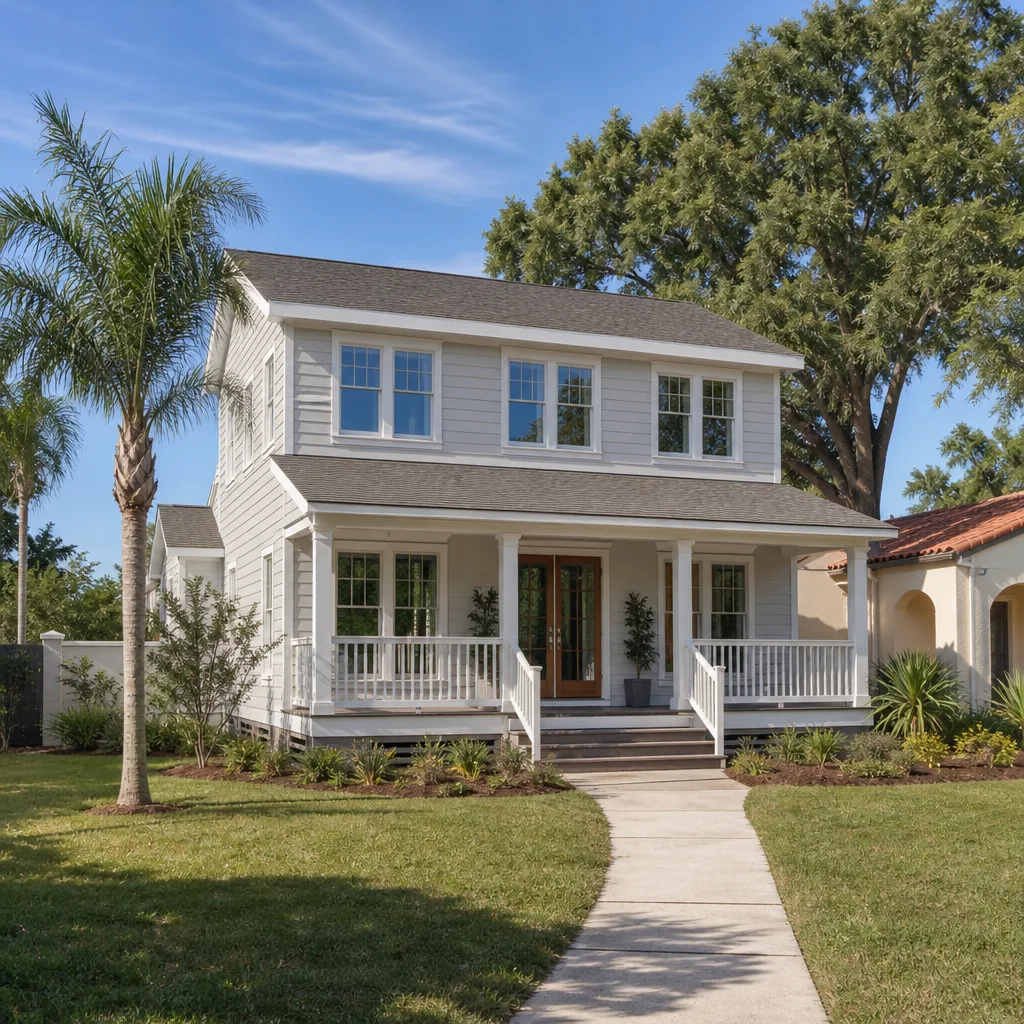
Most homeowners assume the hard part is construction. On an ADU in Livermore, the hard part is the paper. Here’s the real sequence we walk you through.
Stage 1: Site visit and feasibility check (week 1)
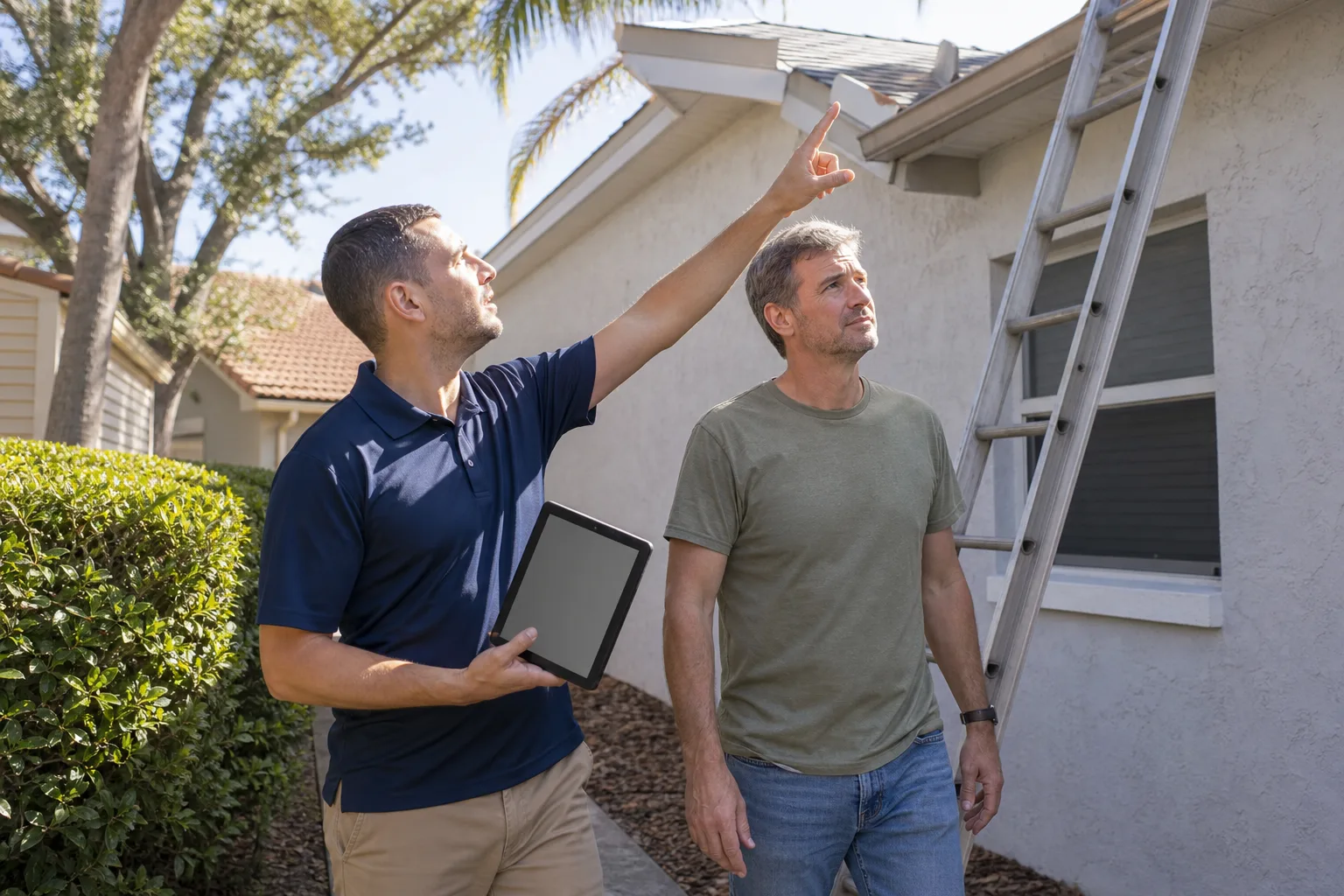
We walk the lot, confirm setbacks against the current Livermore development standards, and check whether your parcel sits in a mapped fault zone or has well and septic constraints. You decide here whether you’re pursuing a detached unit or an attached one, and roughly how large. Nothing gets drawn until that call is made.
Stage 2: Schematic design and budgeting (weeks 2 – 5)
We produce the floor plan and elevation set and put a preliminary budget against it. You’ll decide on square footage, bedroom count, and whether the unit gets its own kitchen and laundry. This is the stage where most project scope is won or lost, so we pressure-test the number before anything gets submitted.
Stage 3: Engineering and permit set (weeks 5 – 10)
A structural engineer stamps the foundation and lateral design, which matters more in Livermore than in most Bay Area cities given the fault traces running through the valley. Title 24 energy calcs get completed here. You review and sign the final drawing set before submittal.
Stage 4: Submittal and plan check (months 3 – 6, sometimes longer)
The city reviews for zoning, building, fire and seismic compliance. Plan check comments come back in rounds, and we respond to each one. You don’t have much to decide in this phase except how you want to handle any comment that changes scope, such as a required fire-rated separation or a drainage correction.
Stage 5: Permit issuance and construction handoff (months 6 – 8)
Once the permit is issued, we move into build scheduling and inspection sequencing. You’ll get a written line-item scope before day one. This stage is where the wider project scope comes into play, and where we often recommend you look at our Home Additions & ADU in Livermore page for the construction side of the same job.
Serving Livermore, CA – Our Local Coverage Area
We serve Livermore and nearby communities. Use the map below to see the area we cover. If you’re nearby, we can almost certainly help.
The Design and Spec Choices You’ll Make Along the Way
Almost every Livermore ADU project comes down to a handful of forks in the road. Here’s what they cost in real terms and who each one suits.
- Detached vs. attached. A detached unit gives you privacy and rental flexibility but runs $90,000 – $220,000 to build. An attached or garage-conversion route is cheaper on paper but often triggers more structural work in older homes.
- Foundation type. Slab-on-grade is fastest and cheapest on flat, stable soil. Pier-and-beam or a raised foundation costs more but handles the expansive clay and winter soil movement we see across the Livermore valley better.
- Roof assembly. Asphalt shingle is the value play and holds up fine in a hot inland valley. Metal costs two to three times more but reflects heat and lasts decades longer, which matters when summer temps push past 100°F.
- HVAC and energy. A ducted split system is standard and predictable. A ductless mini-split costs a bit more upfront but suits small footprints and cuts run costs. Your Title 24 calcs will steer this.
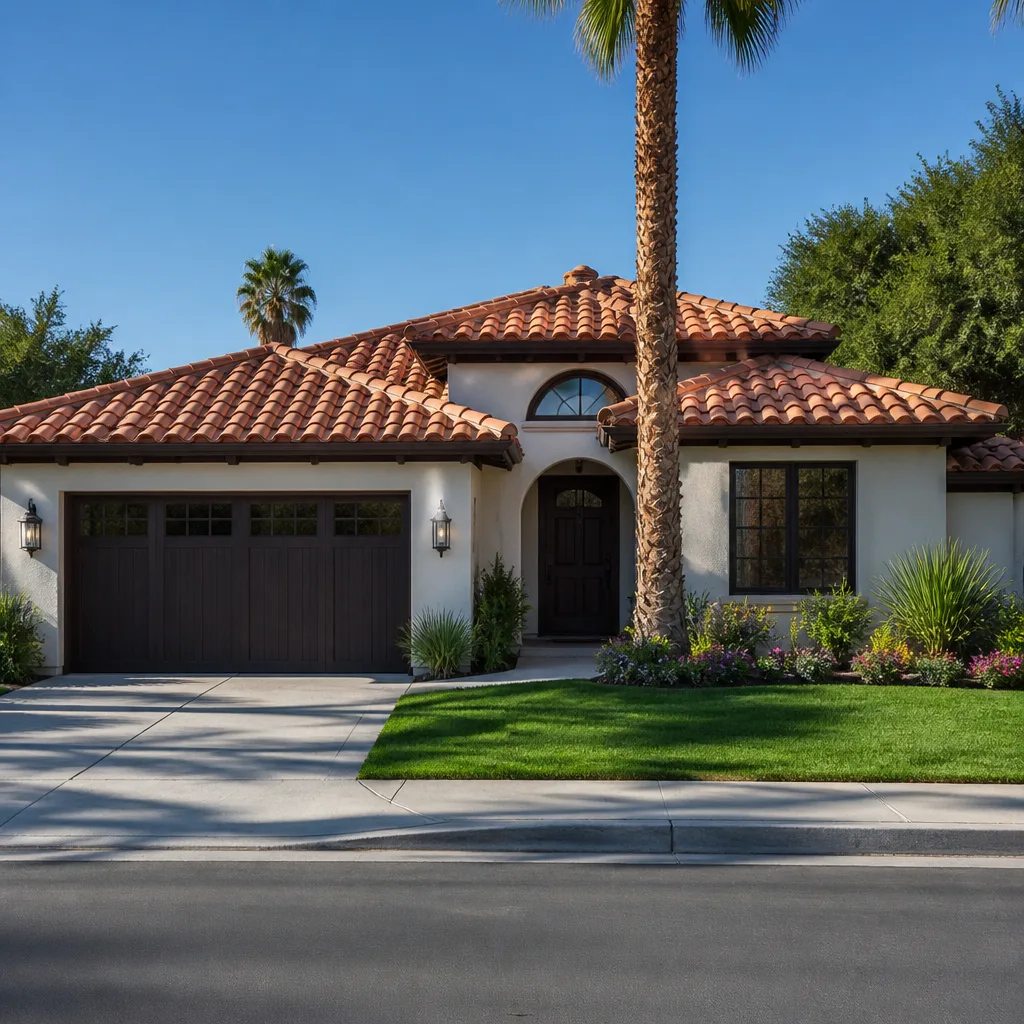
- Exterior finish. Stucco blends with the surrounding Livermore housing stock. James Hardie fiber cement costs more and handles the sun and dry cycles without the cracking that older stucco shows.
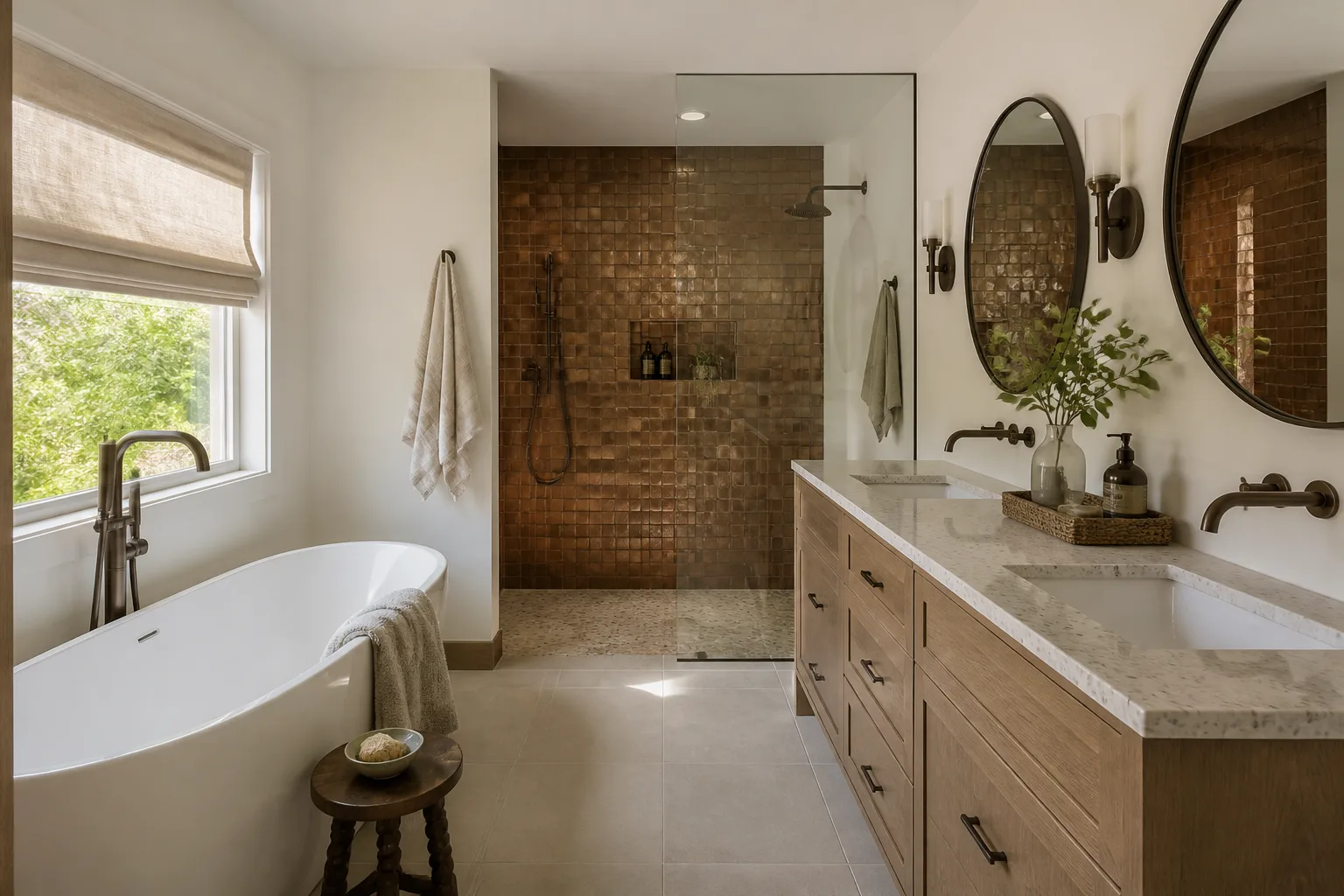
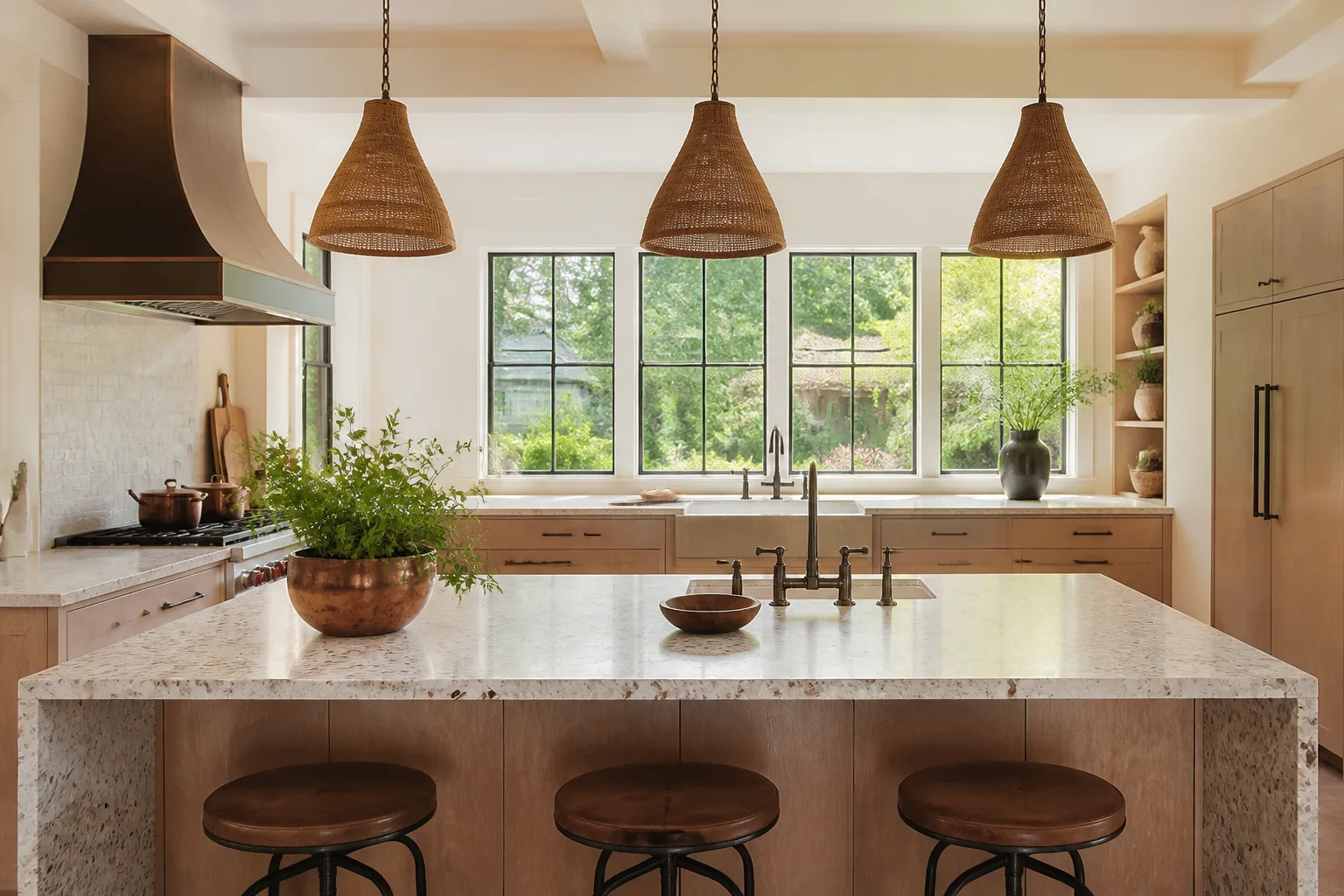
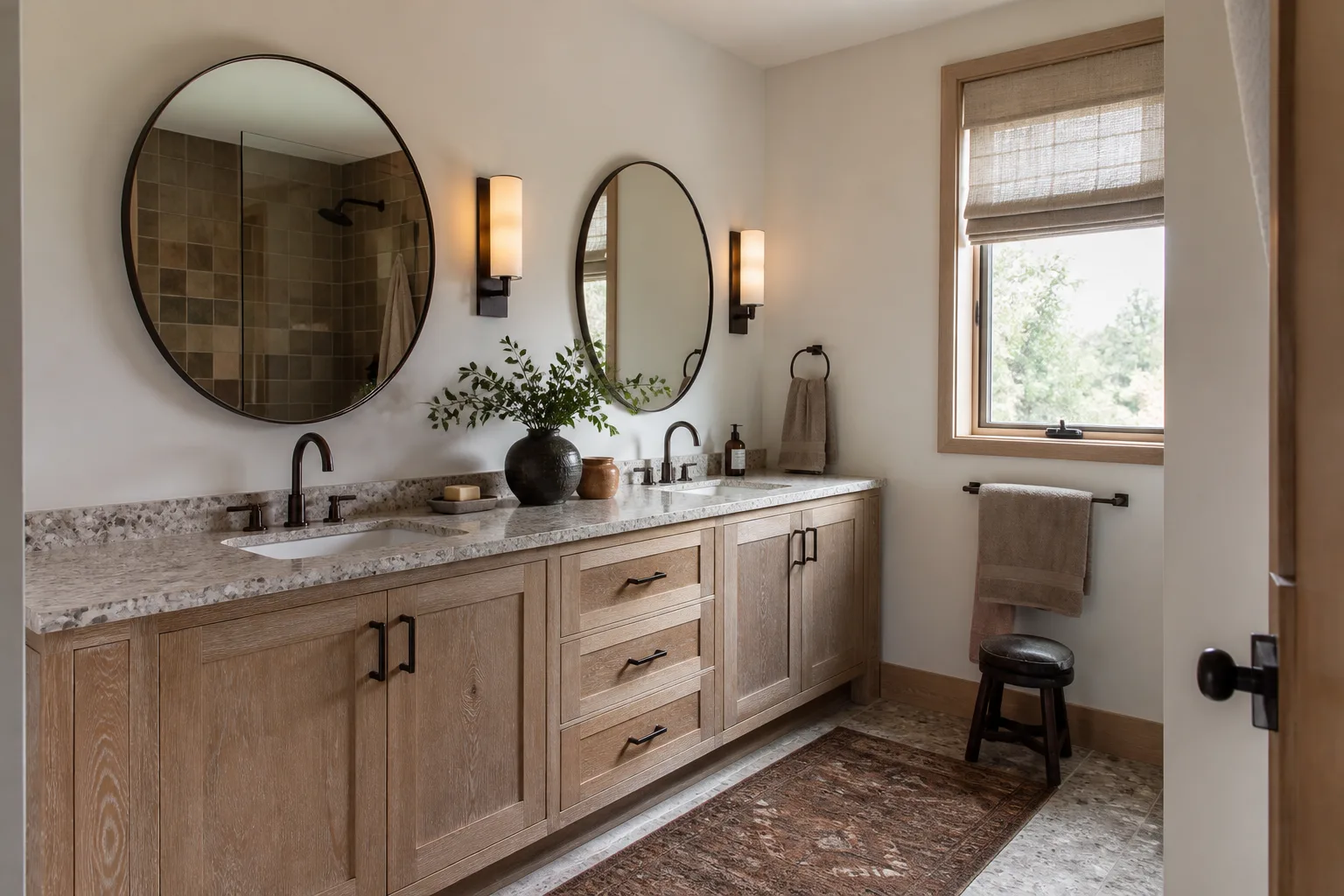
- Fixtures and finishes. A builder-grade package keeps costs at the low end. Mid-tier fixtures (think Kohler or comparable) add real durability and resale value for a modest premium.
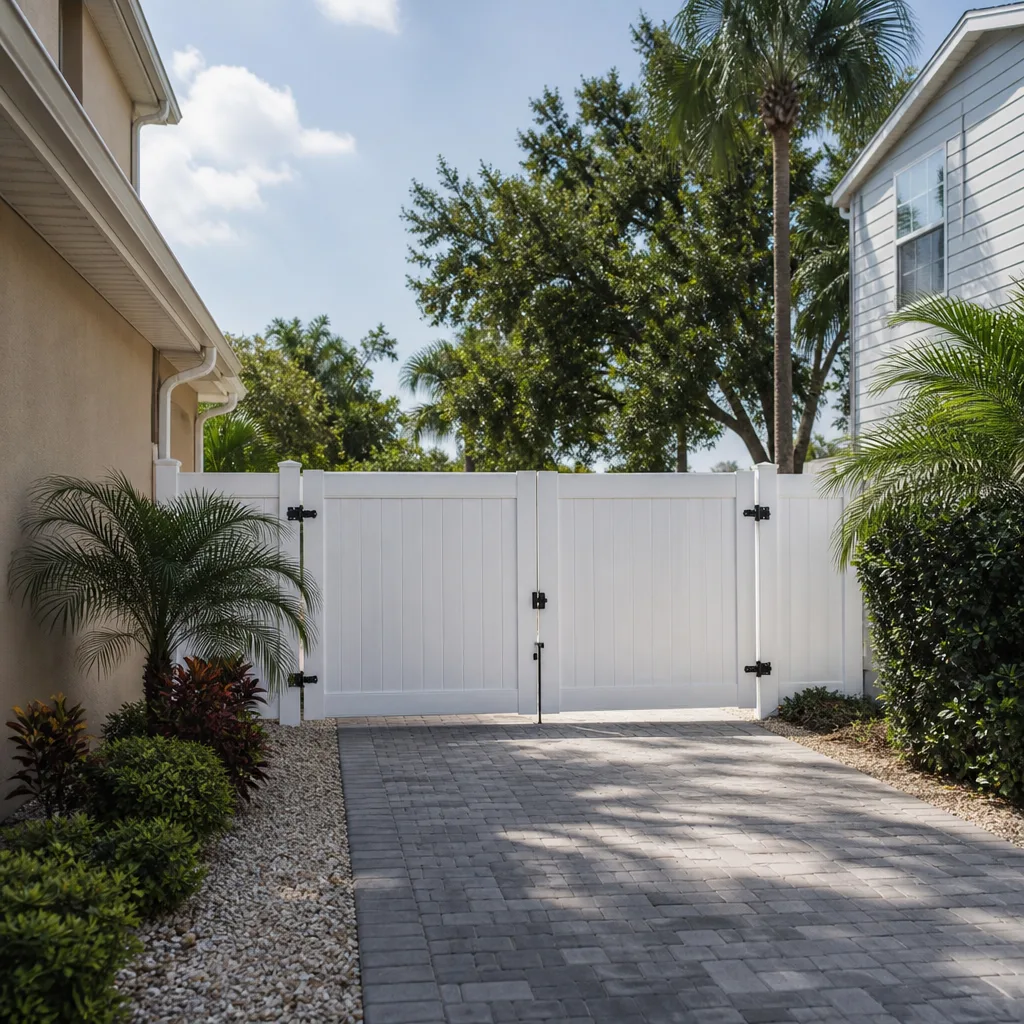
If the unit needs its own driveway or turnaround, homeowners often pair this with Paver Driveways in Livermore to tie the new structure into the existing property.
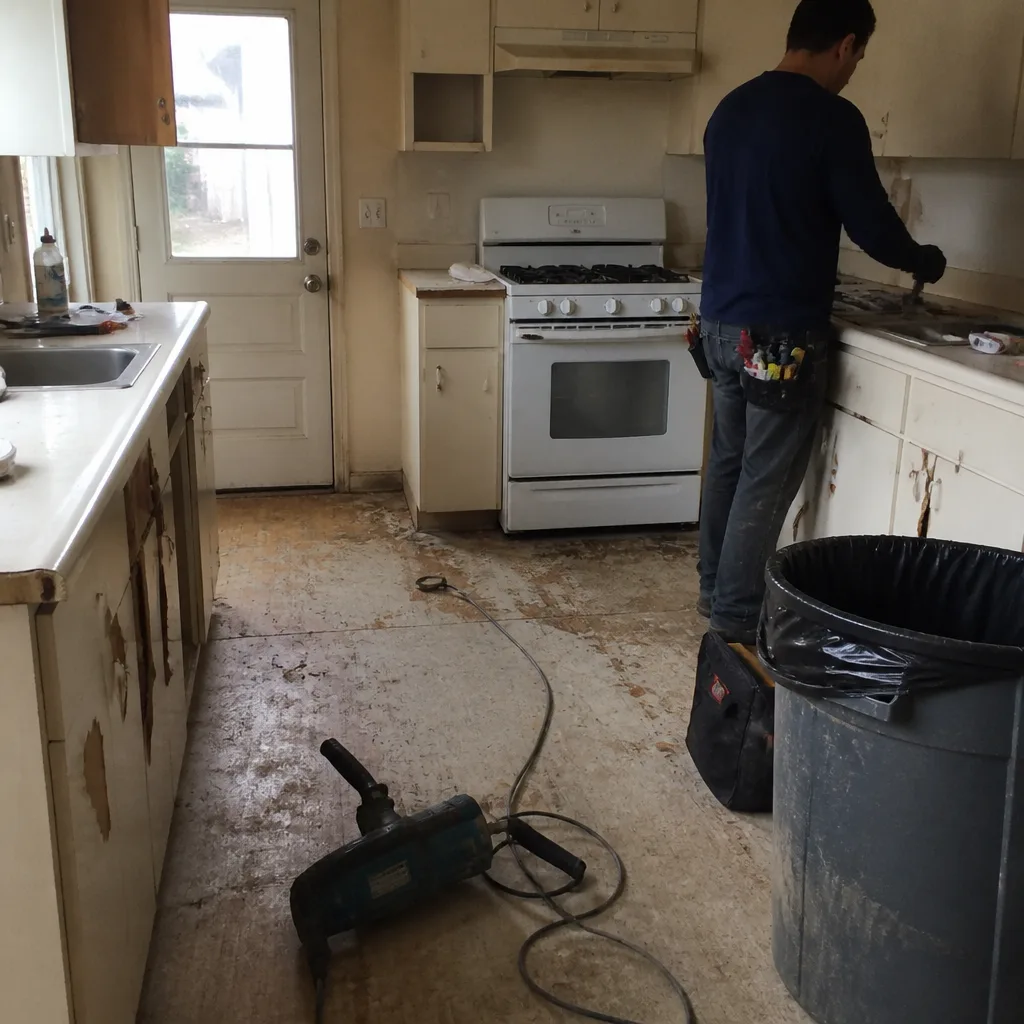 Before
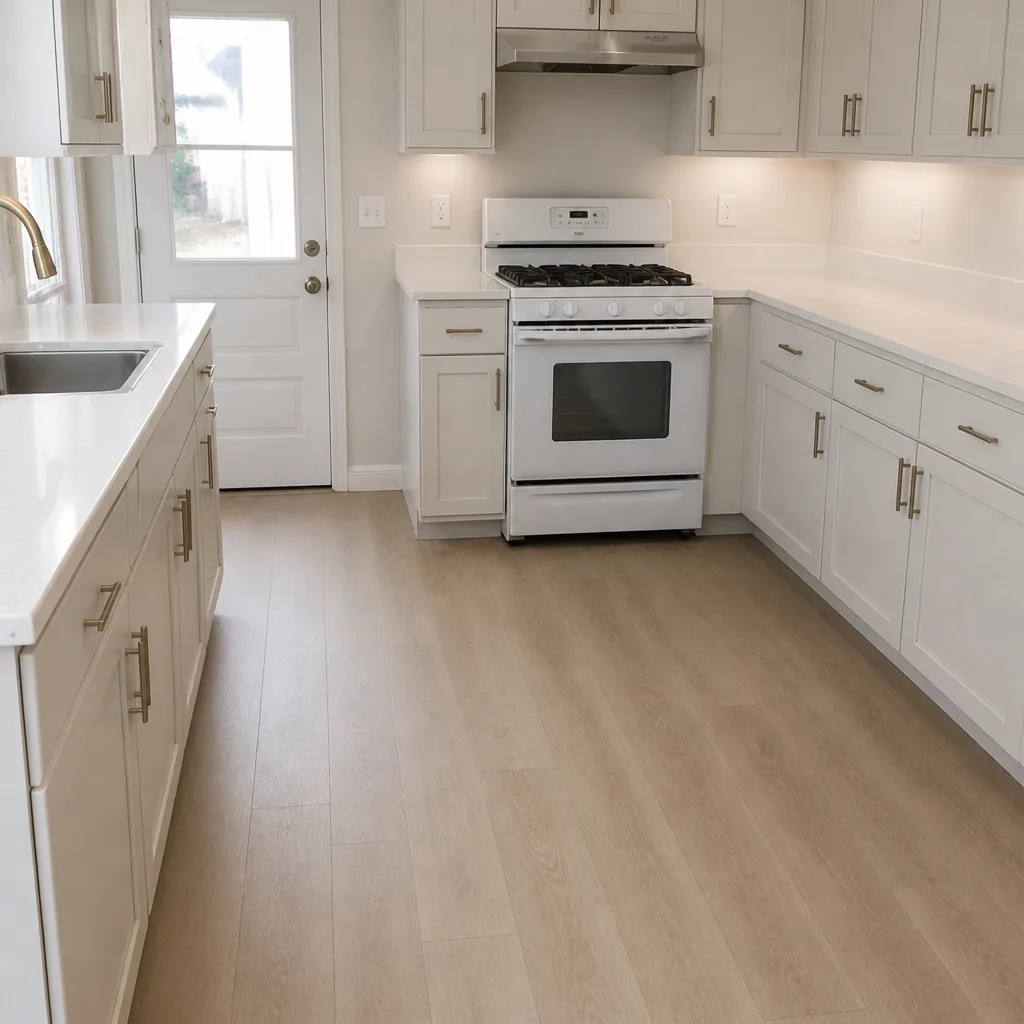 After
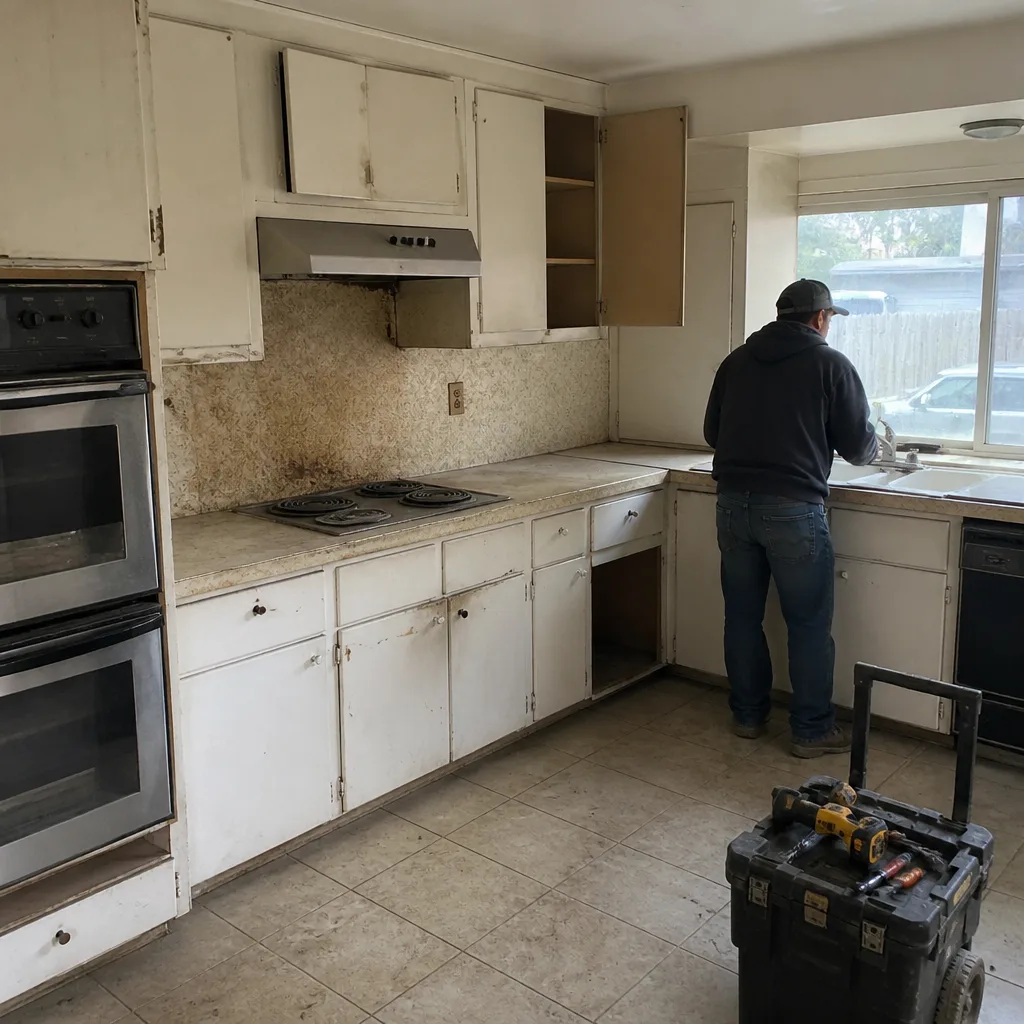 Before
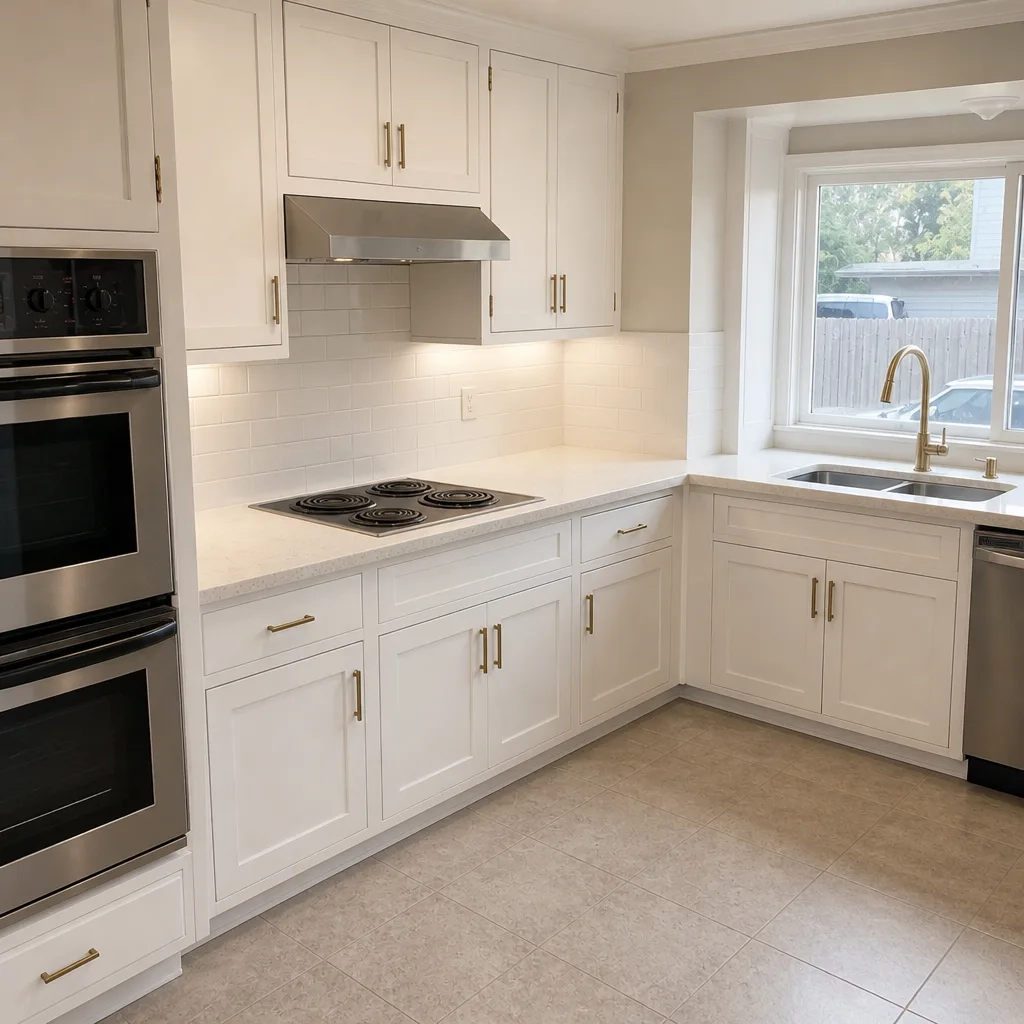 After
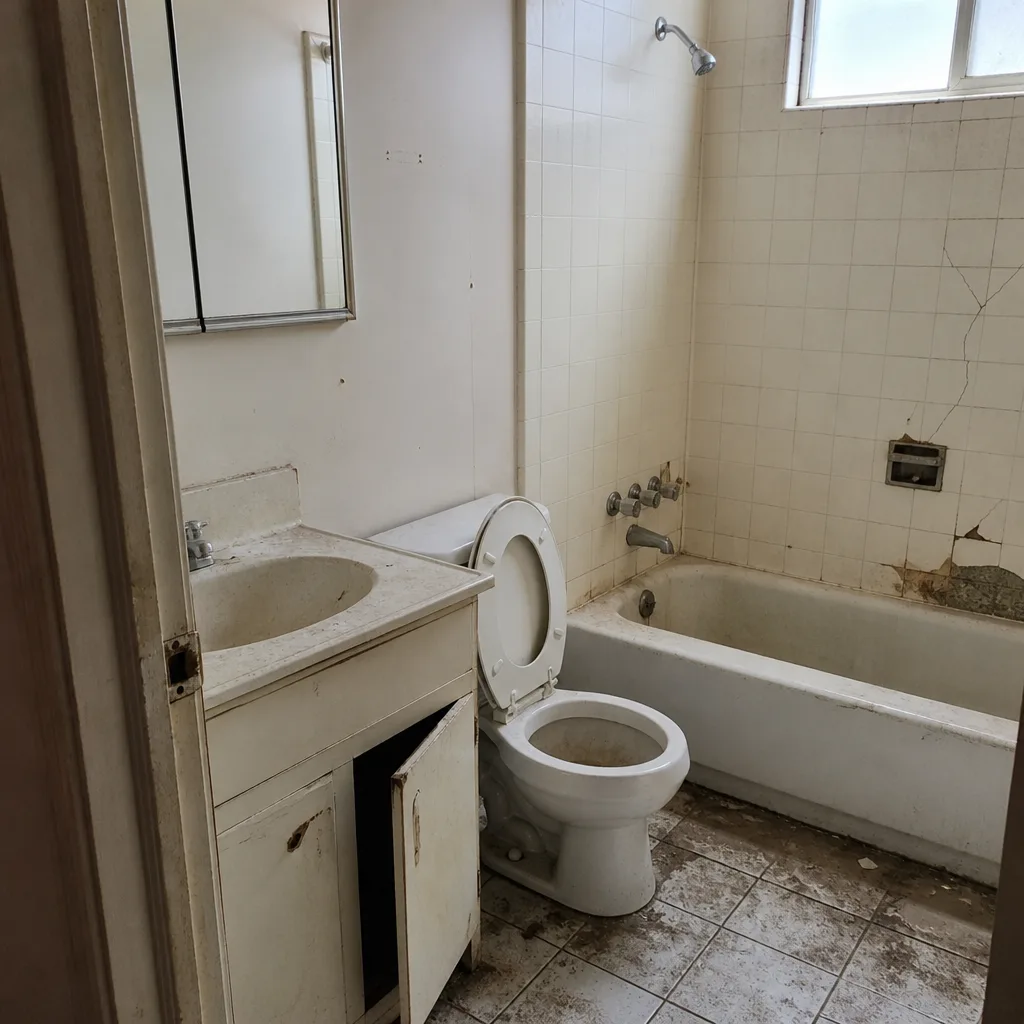 Before
 After