
Free written scope consultation - allowances, timeline, and change-order rules on paper before a single trade is scheduled
Styles & brands we work with
- Kitchen remodeling
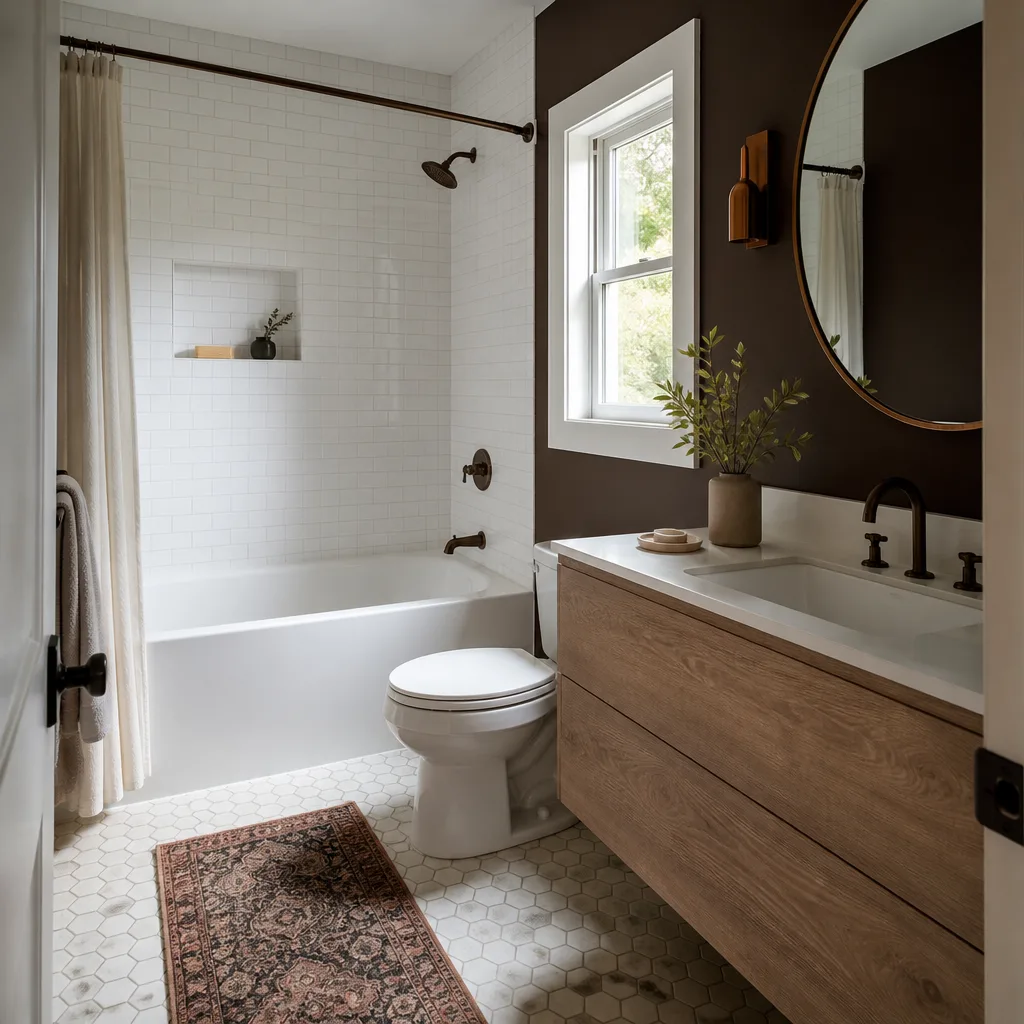
- Bathroom remodeling
- Home additions & ADU
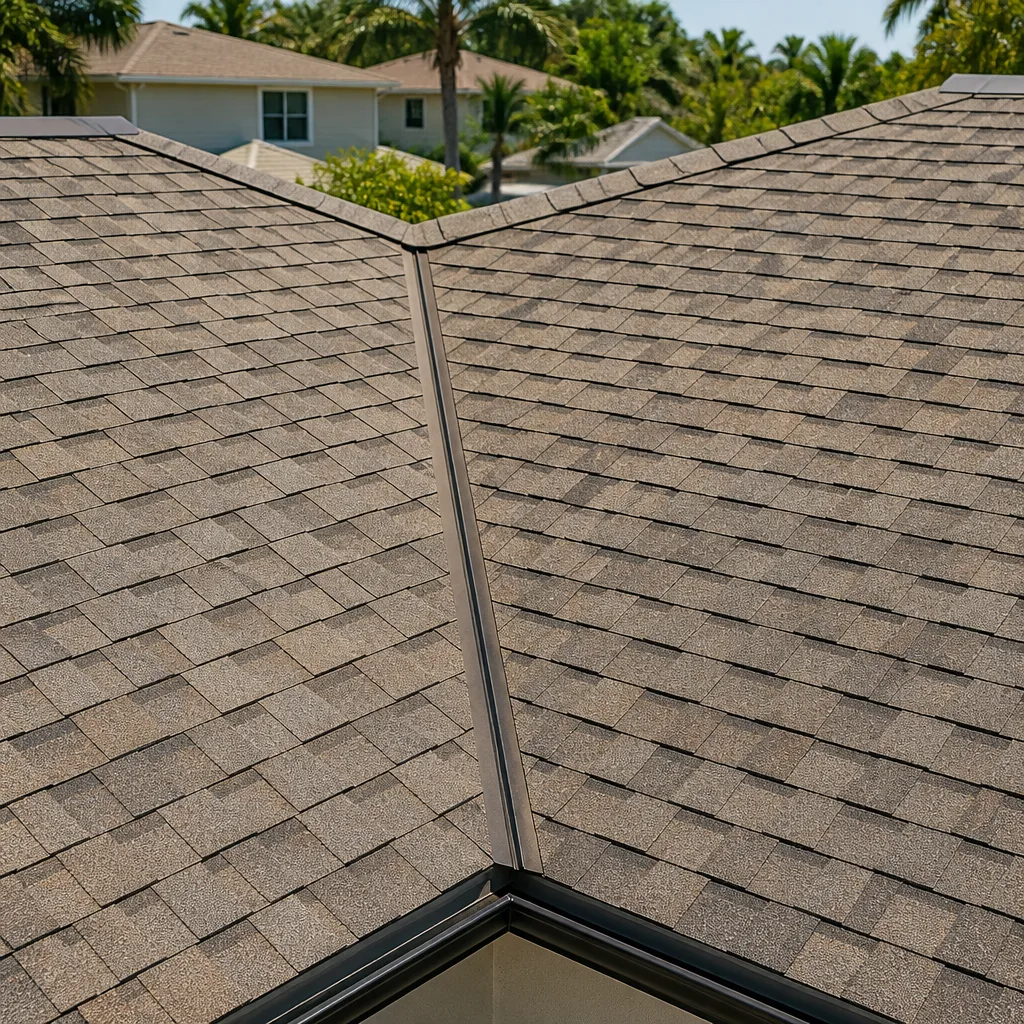
- Roofing
- Windows & doors
- Driveway & pavers
- Fence
See the difference
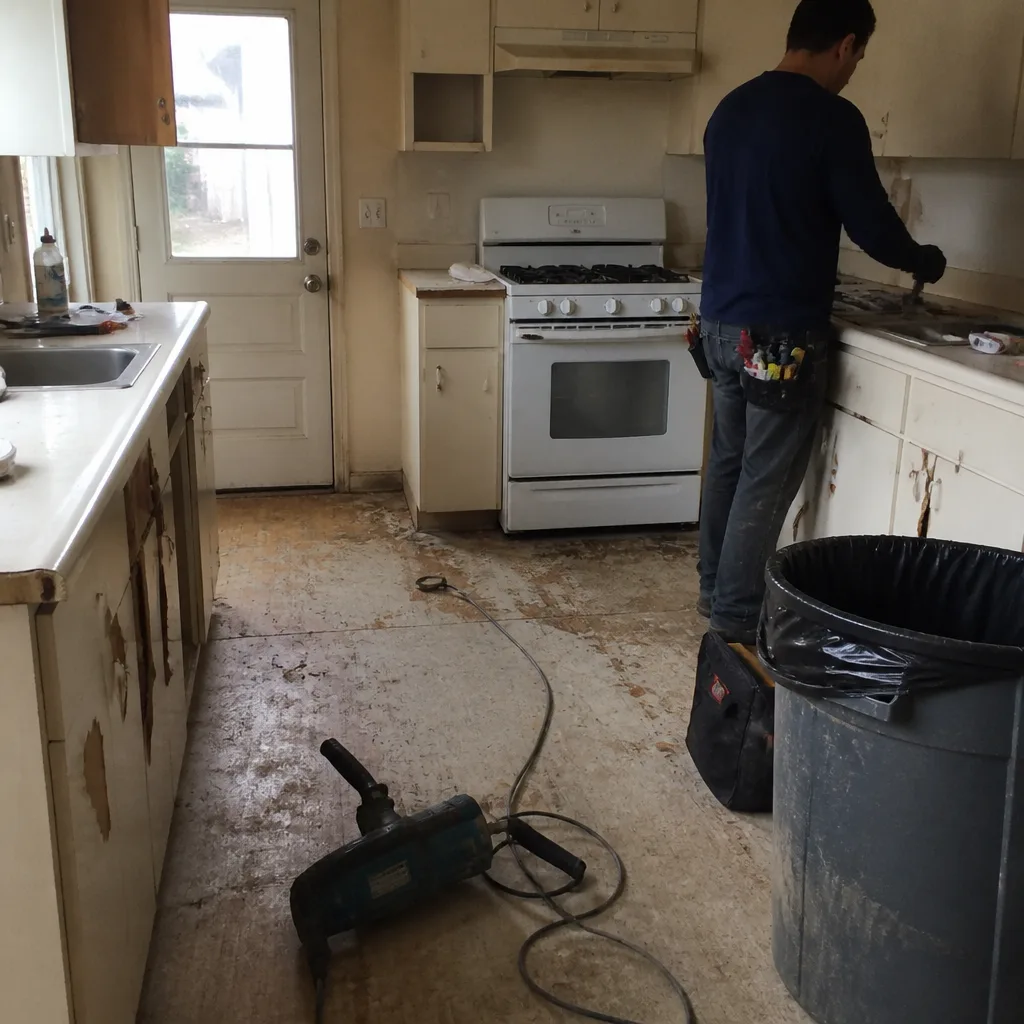 Before
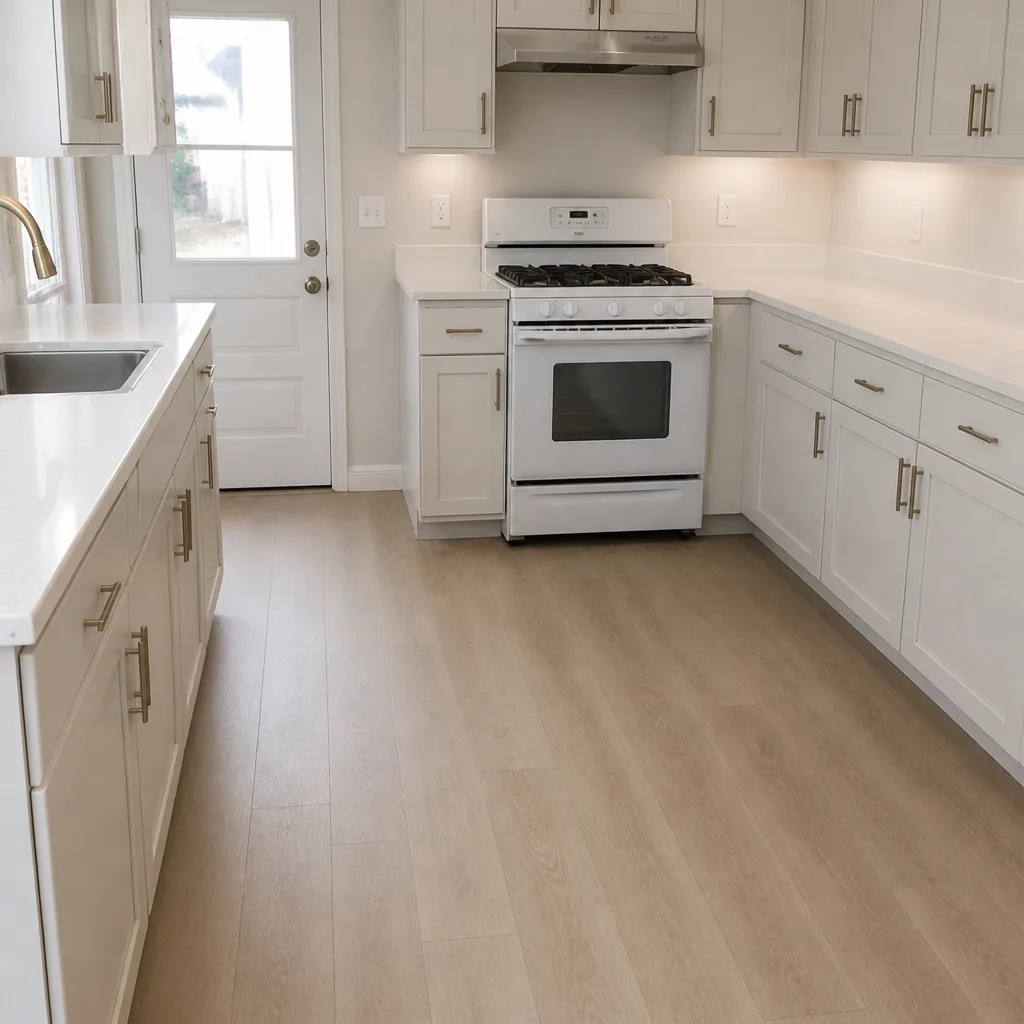 After
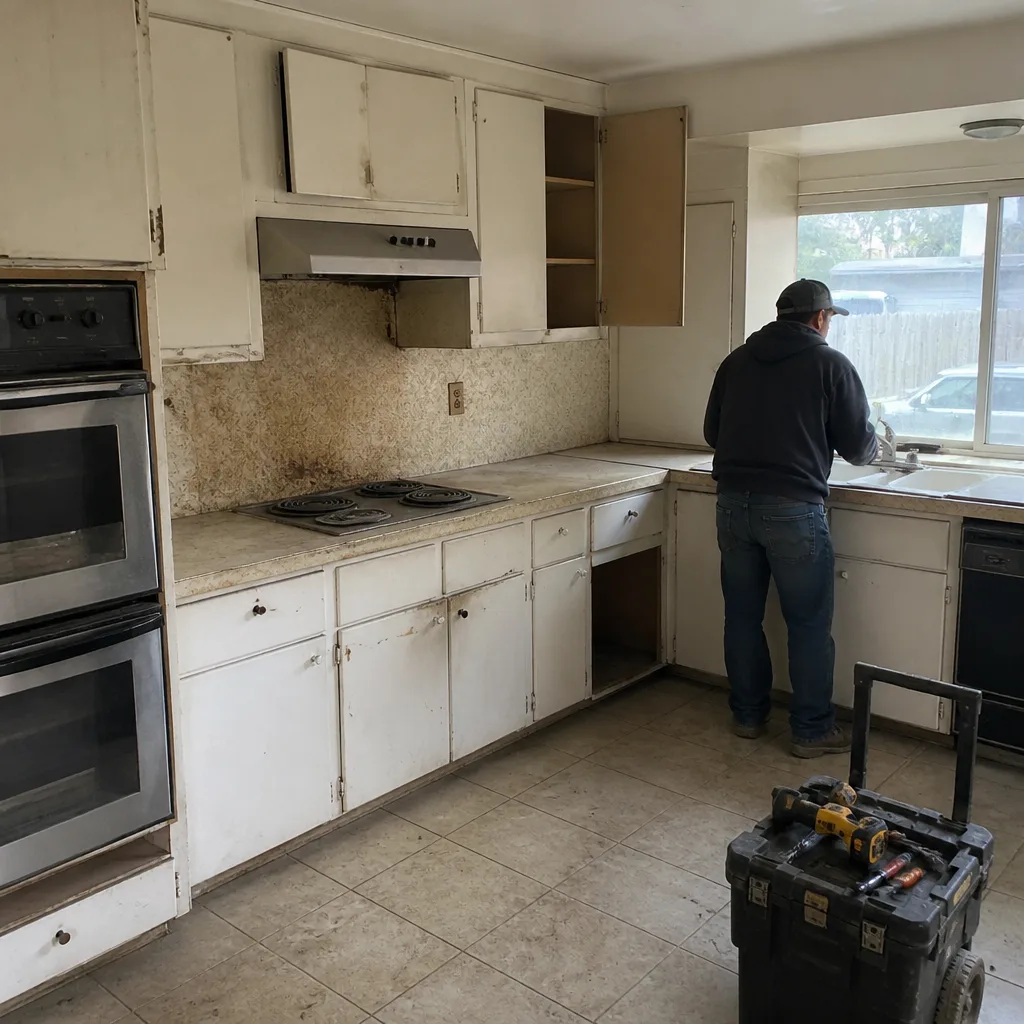 Before
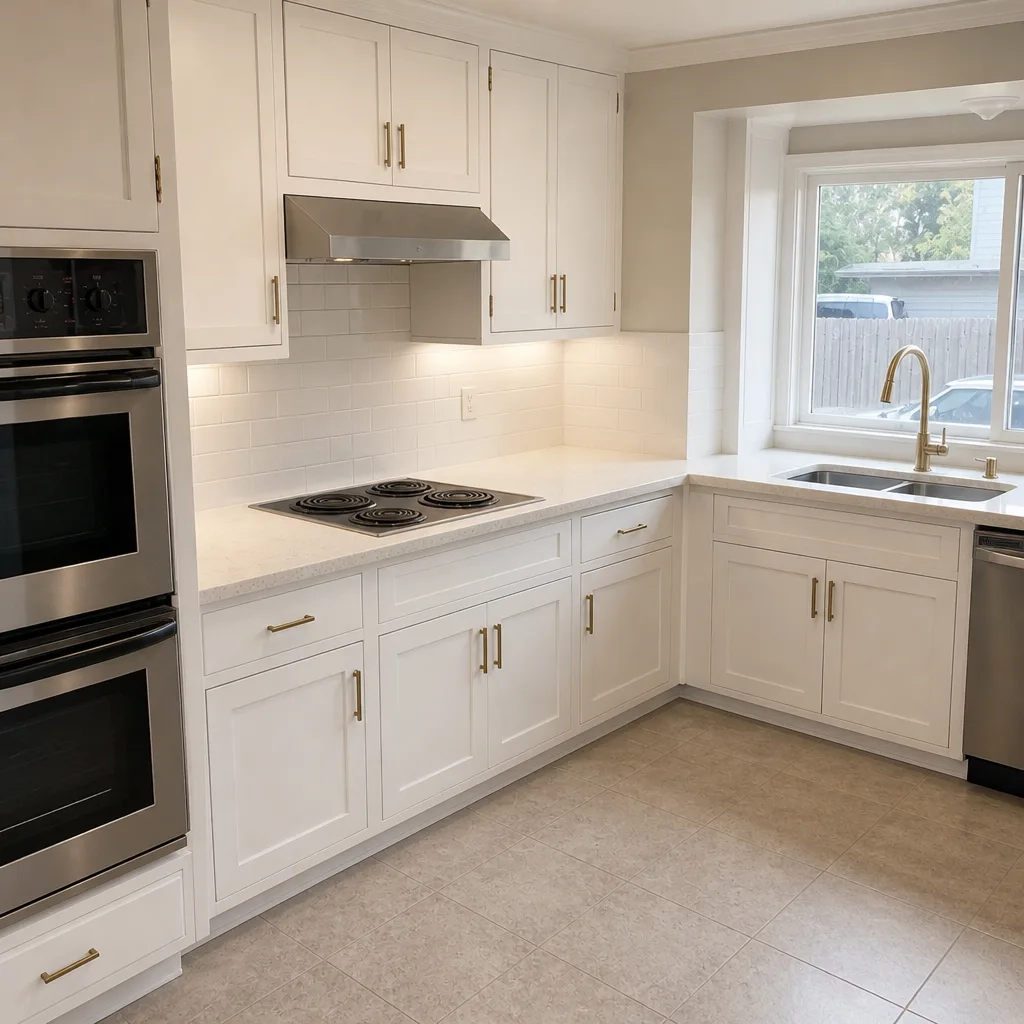 After
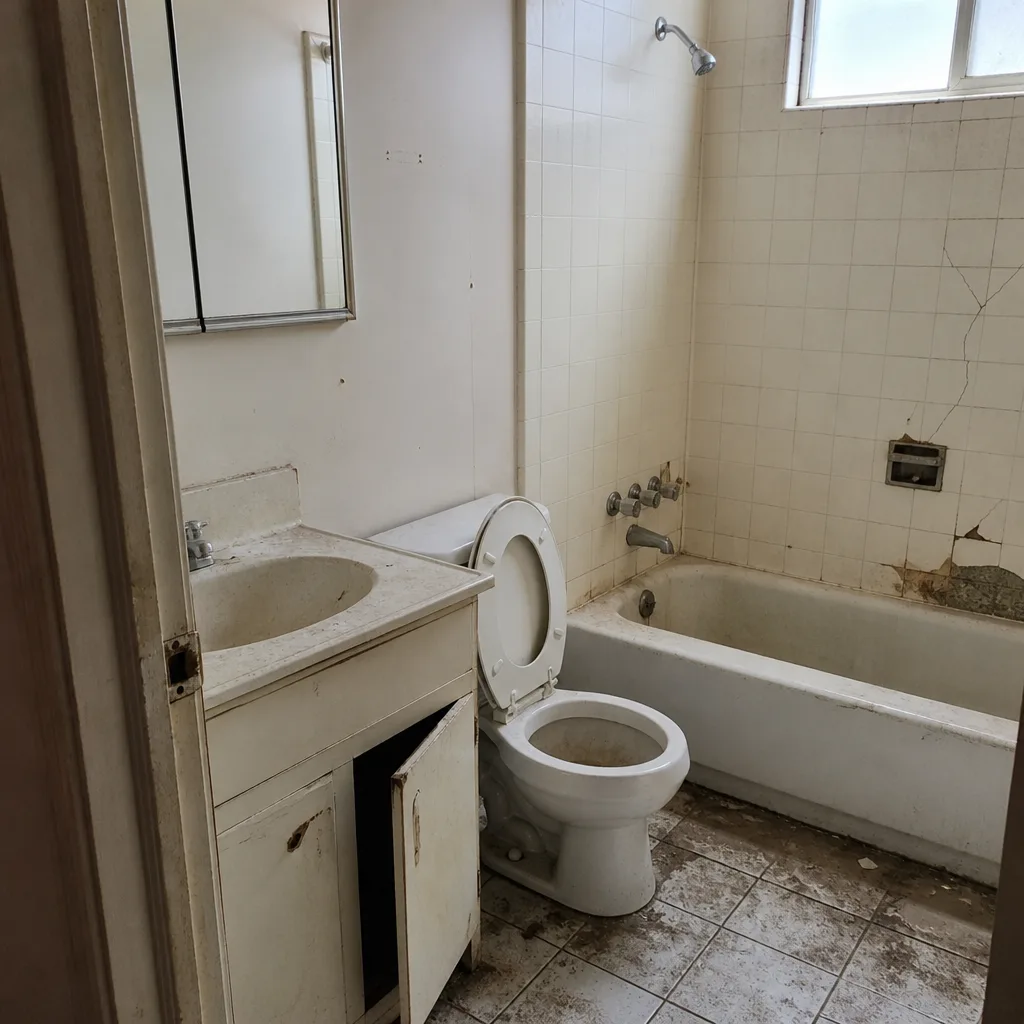 Before
 After
Vinyl vs Aluminum Fence in San Jose: Which One Belongs on Your Property?
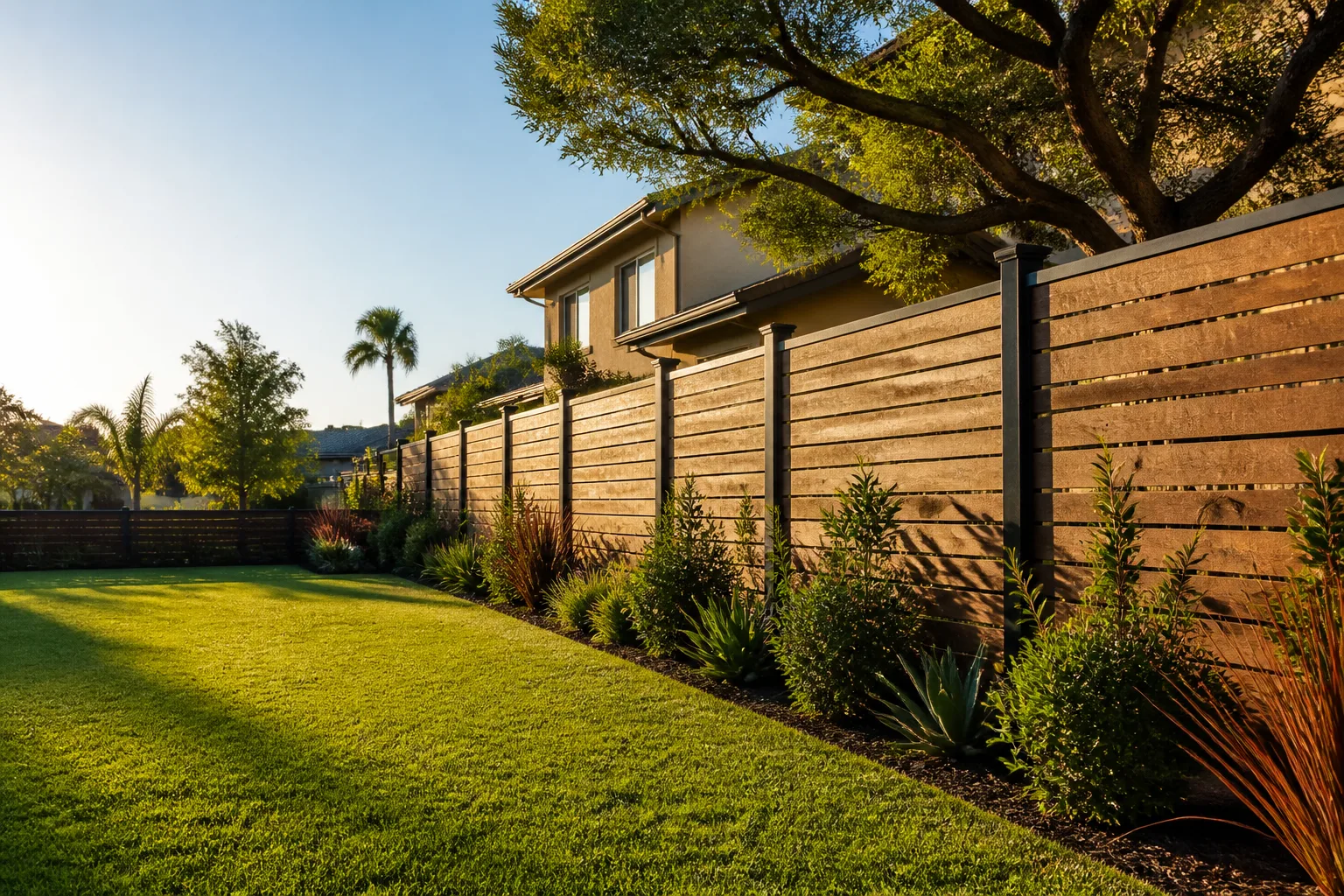
Choose vinyl if you need a solid privacy wall around a backyard, a side yard, or a pool area where neighbors and sightlines are the concern. Choose aluminum if your fence faces the street, sits inside an HOA with design rules, or wraps a pool where you want a barrier that reads as decorative rather than defensive. In San Jose, that choice is often made for you by CC&Rs and city design guidelines before budget ever enters the conversation. Both materials are low-maintenance. They’re not interchangeable.
If you’d rather have someone walk the property line with you and read your HOA documents before you commit, call (833) 988-3521. A live person answers around the clock, and the estimate is free.
The real difference is a use case, not a price tag
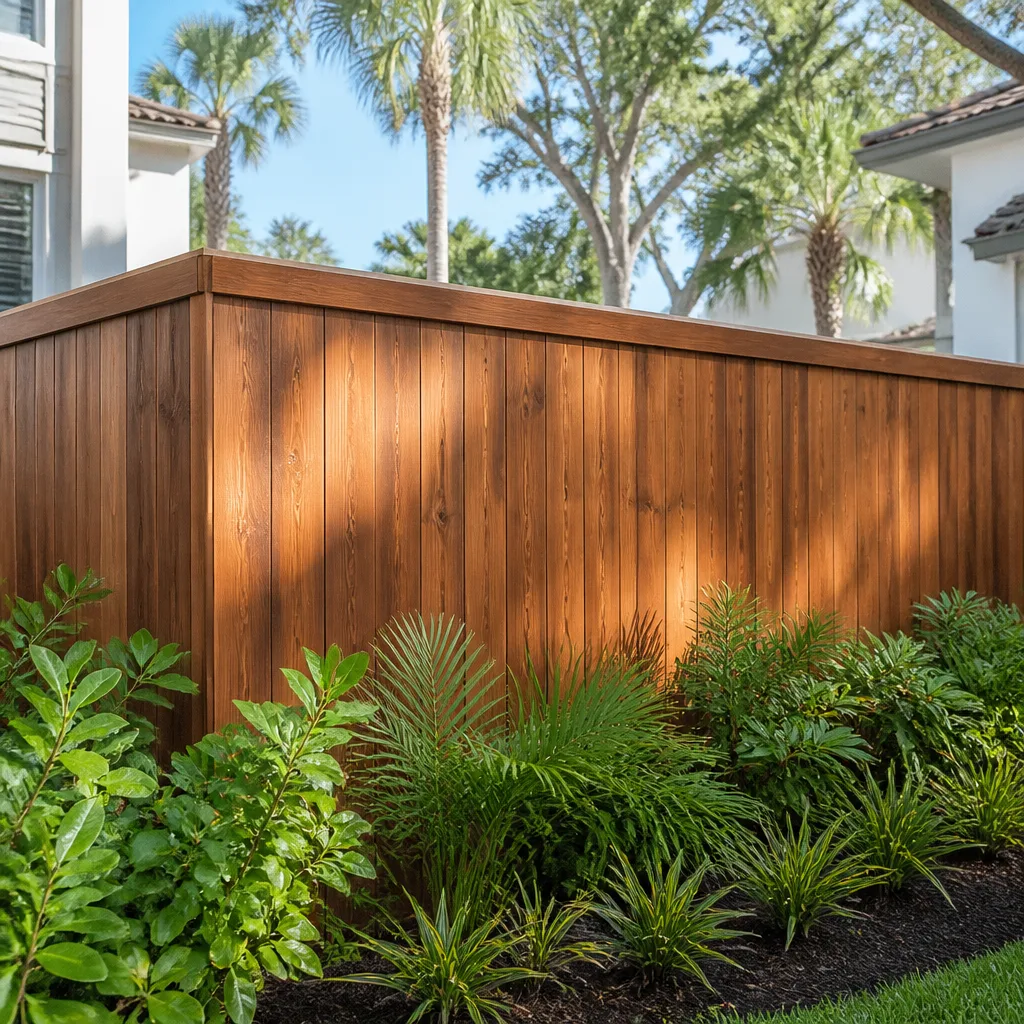
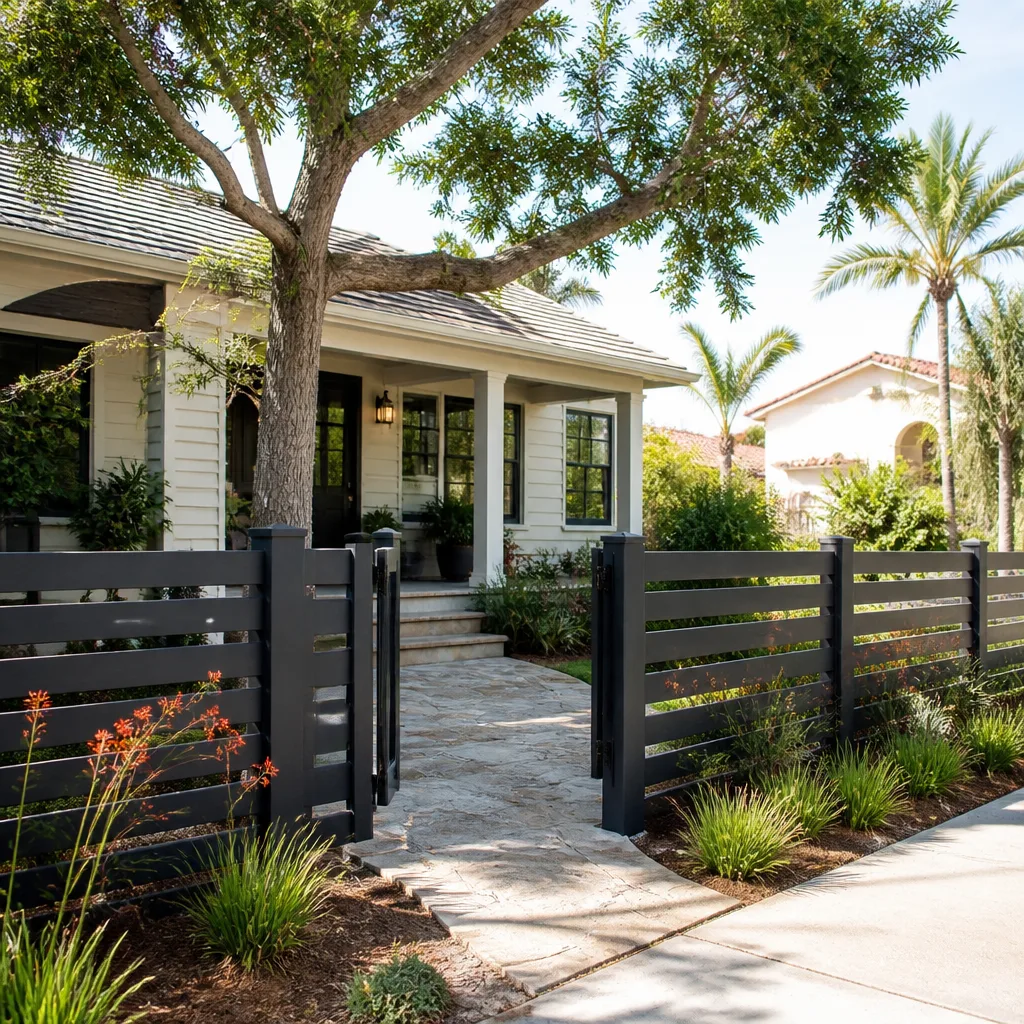
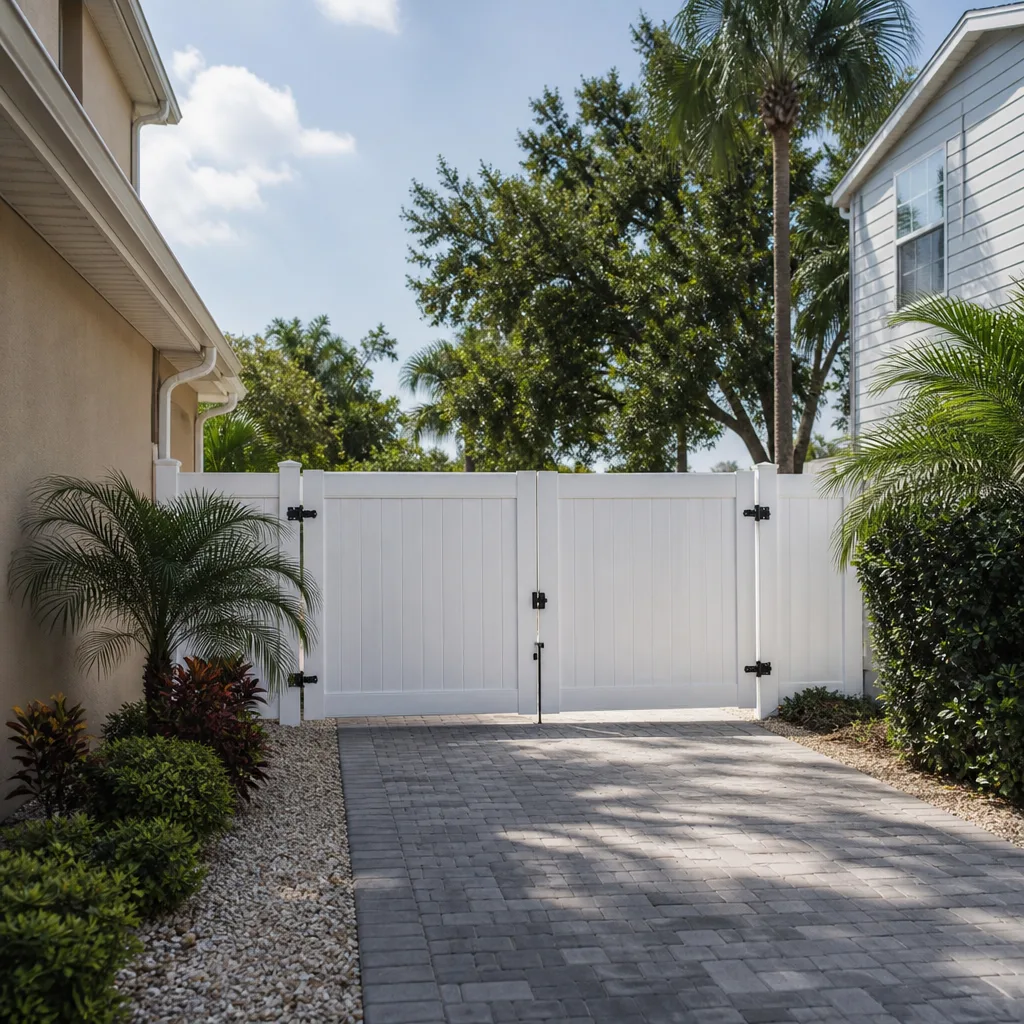
Most comparison pages treat vinyl and aluminum as two flavors of the same product. That framing gets homeowners into trouble. Vinyl is a privacy material: solid extruded panels, tongue-and-groove or shadowbox profiles, minimal light transfer, designed to block a view. Aluminum is a decorative or semi-open material: pickets and rails, visible gaps, designed to define a boundary without walling anything off.
Put aluminum where you wanted privacy and you’ll spend the next decade looking at your neighbor’s patio. Put solid vinyl where the street-facing design guidelines call for open fencing and you’ll be pulling it out at your own expense. That second mistake happens constantly in San Jose, where master-planned communities in Evergreen, Almaden Valley, and North San Jose carry CC&Rs that prohibit solid vinyl in front and side yards visible from the street. In those neighborhoods, aluminum is frequently the only compliant option, and it’s the reason we ask for HOA documents before we quote a single linear foot.
Side-by-side, the way it actually plays out
| Factor | Vinyl | Aluminum |
|---|---|---|
| Best use | Backyard privacy, pool enclosures, side yards | Front yards, pool barriers, HOA-restricted zones |
| Sightlines | Solid, blocks view | Open picket or rail, semi-transparent |
| Impact in Diablo winds | Can crack or shatter when brittle from UV exposure | Flexes and springs back |
| Pool code fit | Compliant with correct post spacing and self-closing hardware | Compliant in standard self-closing gate configuration |
| Typical San Jose cost | $4,130-$10,620 | $4,720-$11,800 |
Why San Jose’s wind and sun change the material conversation
San Jose’s Mediterranean climate is mild on paper, but UV exposure here is intense and relentless through the dry months. Vinyl that spends years in that sun loses plasticizers and turns brittle. It doesn’t fail gradually with a warning – it cracks on impact. During Diablo wind events, when debris is moving sideways through a neighborhood, a sun-aged vinyl panel is the first thing on the property to break.
Aluminum powder-coated in a quality finish handles the same conditions differently. It flexes. A branch or a flying piece of fence board glances off a rail instead of punching through it. That resilience is why we lean aluminum for any run that sits along a wind-exposed ridgeline or faces an open lot, and it’s part of why both materials are quoted with the finish and gauge spelled out rather than bundled into one number.
What the pool code requires, and where each material lands
San Jose pools require a minimum 60-inch barrier, and the barrier has to work as a safety system, not just a fence. Aluminum meets that requirement cleanly in a self-closing, self-latching gate configuration with standard post spacing. Vinyl can meet it too, but the post spacing and gate hardware have to be specified correctly from the start – a vinyl gate that sags after two summers stops latching, and a barrier that doesn’t latch isn’t a barrier. We spec gate hardware as a line item for exactly that reason.
This is also where we hand off the specialty work rather than improvise. The independent local professionals we connect homeowners with are licensed and insured as their state requires, and the ones who handle pool barriers deal with this code every week. Groundwork’s role is to scope the job accurately, quote it transparently, and back the workmanship with our 730-Day Done Right Promise – if it’s not done right, we make it right, and that’s in writing.
What transparent pricing on a fence actually looks like
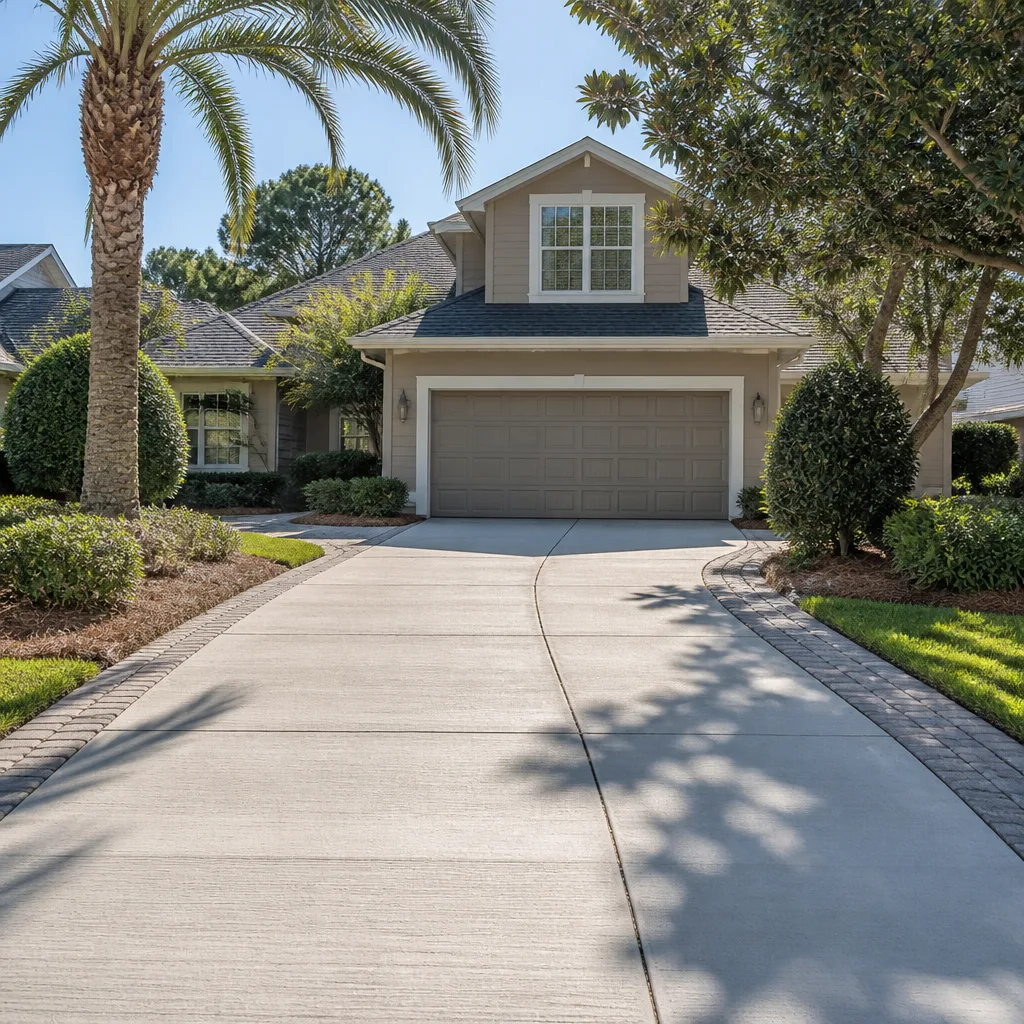
A fence quote should break out rail profile, picket spacing, post depth, gate hardware, and any permit fees. Ours do. The number you see is the number you pay, and if your project clears $10,000 you’re looking at $1,000 off, with 0% financing for 18 months available so the work doesn’t have to wait on a savings goal. That’s the same standard we hold across every trade, whether we’re pouring a paver driveway in San Jose or specifying a fence run.
Here’s what that looks like on paper for a typical San Jose backyard project:
- Vinyl fence installation: $4,130-$10,620 for a standard residential run
- Aluminum fence installation: $4,720-$11,800, with profile and gauge driving the spread
- What moves the number: linear footage, gate count, post depth on sloped lots, and whether a permit is required
- What shouldn’t be a mystery: the cost of the gate hardware, because that’s the part that determines whether your barrier passes code
For the full scope of what a fence project involves from grading to final walkthrough, see our main Fence Installation page. Our team has worked alongside technicians with up to 12 years of experience, and that shows up in the details – like knowing which lots in Willow Glen need deeper posts because the soil isn’t what it looks like.
Common local scenarios we see in San Jose
An Evergreen HOA that forbids solid fencing out front. This is the most common call we get. The homeowner wants vinyl because vinyl seems cheaper and more private. The CC&Rs say otherwise for anything street-visible. We read the documents with you, then quote aluminum for the front run and vinyl for the rear, which is a completely legitimate split – and one a lot-based quote rarely reflects unless someone actually checks.
A 1950s tract home with a sloped, uneven property line. Postwar lots across San Jose were graded fast, and a fence that looks level on the plan can sit six inches off true along the run. Vinyl handles that poorly because the panels are rigid; aluminum gives you more tolerance in the rails. Post depth has to be scoped per lot, not per average.
A pool in Almaden Valley that needs to pass inspection the first time. Aluminum barrier with self-closing gates, hardware specified up front, permit pulled before installation. The homeowner gets a code-compliant barrier and a fence that looks intentional from the patio.
A property with an older addition or unpermitted structure near the fence line. San Jose’s strict code enforcement means a fence project can surface problems nobody planned for – a setback issue, an old structure that was never signed off. We’d rather flag it during the estimate than after posts are in the ground.
The same principle holds across the trades. San Jose combines sprawling single-family fabric with dense new infill, so compliance requirements can shift from one block to the next, and a contractor who doesn’t ask questions before quoting is guessing.
FAQs
Vinyl is usually the lower upfront cost, with San Jose installations running $4,130-$10,620 compared to $4,720-$11,800 for aluminum. The gap is narrow enough that lifetime cost matters more than sticker price – aluminum resists UV brittleness and impact damage better in our climate, so it often wins on cost per year of service. Call (833) 988-3521 for a line-by-line quote on your actual footage.
Sometimes, but not in most master-planned communities. Many HOAs in Evergreen, Almaden Valley, and North San Jose explicitly prohibit solid vinyl fencing in front or side yards visible from the street, making aluminum the only compliant option. Check your CC&Rs first – or let us read them with you before quoting. Call (833) 988-3521 and we’ll go through it together.
Yes, in the right configuration. San Jose pools require a minimum 60-inch barrier, and aluminum meets that in a code-compliant self-closing, self-latching gate setup. Vinyl can comply too, but it depends on correct post spacing and gate hardware specified from the start. A free estimate will tell you exactly which configuration your pool needs – call (833) 988-3521.
Aluminum handles San Jose’s UV and Diablo wind conditions better because it flexes instead of cracking, while sun-aged vinyl turns brittle and can shatter on impact from debris. Vinyl is still a fine choice for a shaded backyard privacy run. For exposed ridgelines and open lots, aluminum is the safer specification. Call (833) 988-3521 for a no-pressure assessment of your lot.
Let’s walk the property line before you commit
If you’d rather have it looked at, Groundwork Construction Co. of San Jose offers a no-pressure assessment in San Jose – call (833) 988-3521. Free estimate and design consult, live person on the line 24/7, and a written quote that shows you exactly where every dollar goes.
Written by the team at Groundwork Construction Co. of San Jose, serving San Jose, CA.