Free written scope consultation - allowances, timeline, and change-order rules on paper before a single trade is scheduled
Paver Driveways in Santa Clara: What the Job Actually Takes
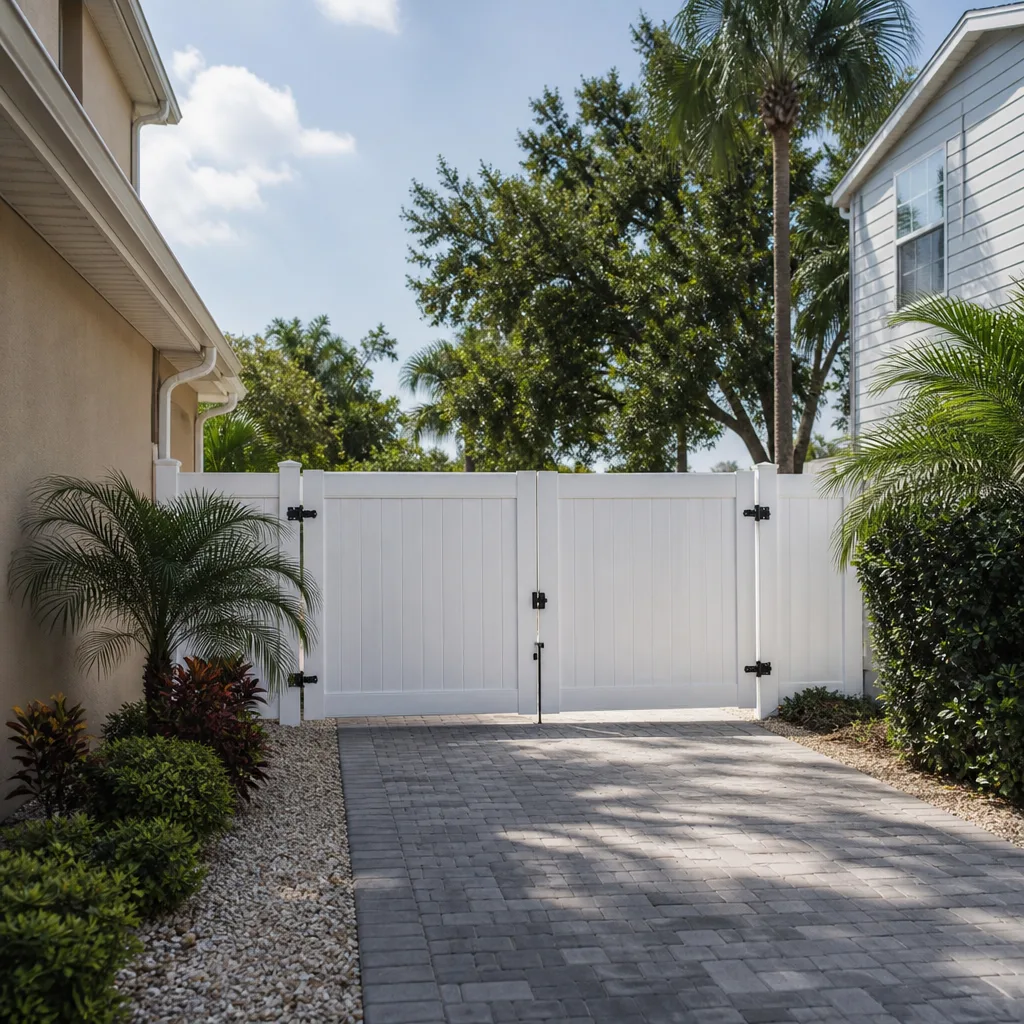
A paver driveway in Santa Clara typically runs $7,000 to $18,000 for a standard two-car apron, and most of that number is base prep, not the pavers themselves. The job usually takes four to six working days: one to two days of demolition and excavation, two days of compacted base and edge restraint, then a day or two setting pavers and cutting in the borders. Call (833) 988-3521 for a free on-site estimate with a line-item written quote before anything gets torn out.
That range covers the work as most Santa Clara homeowners actually buy it: remove the old slab or gravel, haul it off, rebuild the sub-base, install a paver field with a soldier-course border, and sand-joint the finish. What it doesn’t cover is what we find under the old driveway, and in this city that’s the part that decides the final number.
How a Paver Driveway Goes In, Stage by Stage
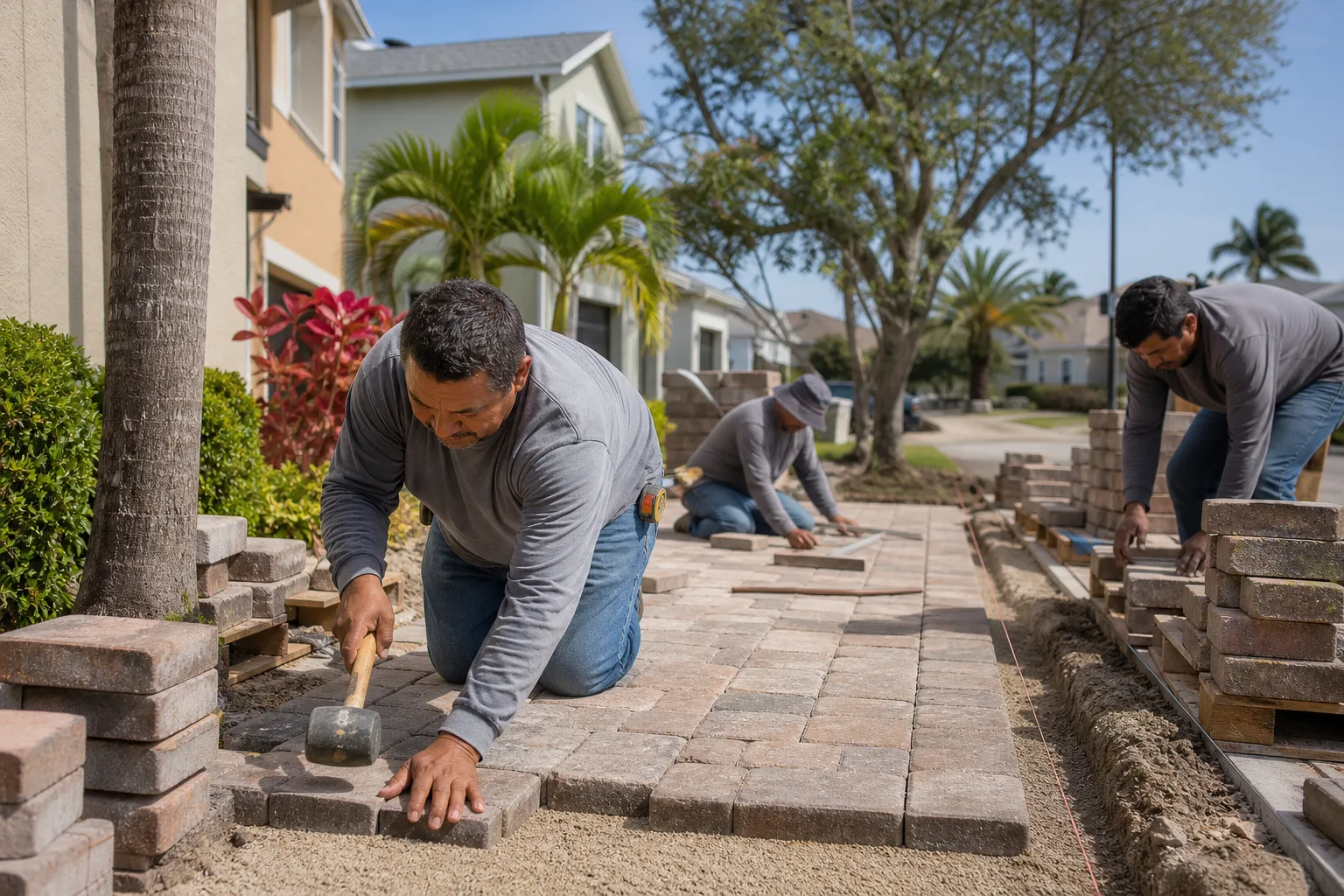
Paver work is a base-building job wearing a hard hat of pretty blocks. Skip a stage and the driveway telegraphs every shortcut within two winters. Here’s how we sequence it, and what you decide along the way.
Day 1: Demolition and haul-off
We break out the existing concrete, asphalt, or gravel and load it out. On a 1950s ranch near the old orchard core, that often means discovering a shallow pour over tree roots or a second layer of older driveway underneath. A typical two-car driveway takes six to eight hours to remove and clear. You’ll know by end of day whether the disposal bill is a single dumpster or two.
Day 2: Excavation and subgrade
We dig down to the depth the base needs, which for a residential driveway carrying cars and the occasional delivery truck is roughly 8 to 10 inches below finished grade. That’s where we check soil conditions and drainage slope. Santa Clara’s clay-heavy soils under the older tracts hold water, so we grade for positive drainage away from the garage slab and foundation. You’ll confirm the driveway slope and where water should exit before we bring in base rock.
Day 3: Base rock and compaction
Class II base rock goes in lifts of about 3 to 4 inches and gets compacted between each one, usually with a plate compactor and then a roller. This is the stage most driveway failures trace back to, and it’s the one you can’t see when we’re done. Your decision here: whether to add a geotextile separation fabric, which adds cost but keeps fine soil from pumping up into the base over the years.
Day 4: Edge restraint and bedding sand
We set a rigid edge restraint, pinned into the base, then screed a thin layer of bedding sand to the final grade. The edge is what stops pavers from spreading under turning tires; a driveway without proper restraint walks apart at the apron. You’ll pick the border style here if you haven’t already. Belgard makes a solid paver line for this, and their structural grid systems are worth pricing against a traditional base.
Days 5-6: Setting, cutting, and joint sand
Pavers go down in the pattern you chose, cuts get made at the borders and garage apron, then polymeric joint sand goes in and gets compacted into the joints. We run a final plate compaction over the finished field, blow off the dust, and walk the job with you. Curing is quick – you can drive on it the same day the joint sand goes in, though we ask you to keep heavy loads off for a few days.
Styles & brands we work with
- Kitchen remodeling
- Bathroom remodeling
- Home additions & ADU
- Roofing
- Windows & doors
- Driveway & pavers
- Fence
The Choices You’ll Actually Make
Most of the decisions on a paver driveway come down to four or five calls. Here’s the honest trade-off on each.
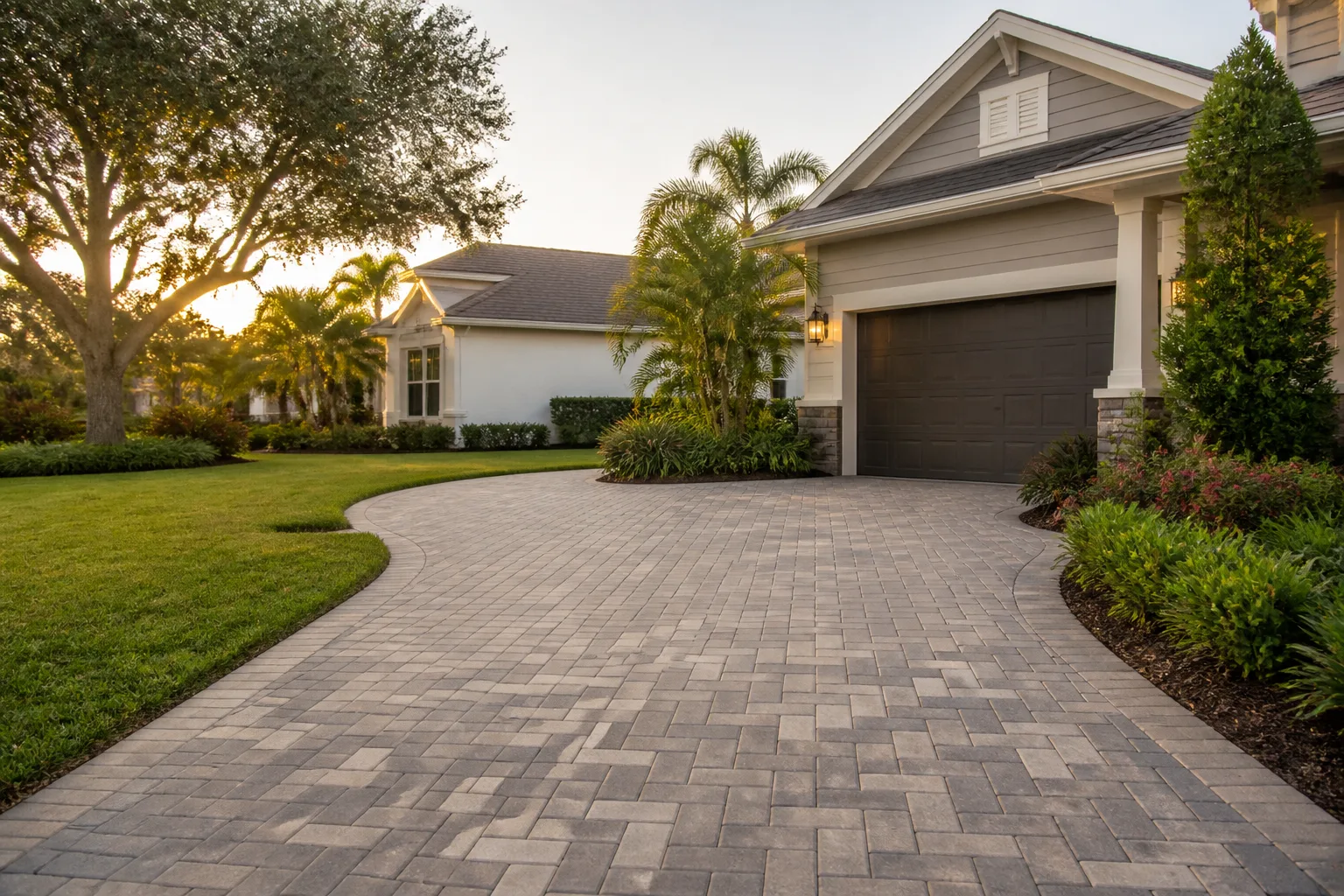
- Paver material and grade: Concrete pavers are the everyday, cost-effective choice and hold up well to Santa Clara’s sun-and-rain cycle. Clay brick pavers cost more upfront, fade less, and suit the older ranch architecture near the 95050 core. Travertine and natural stone look great but move more with moisture and need more maintenance.
- Pattern: Running bond is the standard, cheapest, and fastest to lay. Herringbone and basketweave hold together better under turning tires but cost more in labor and cutting. Bigger jobs can handle a fan or circular inlay at the apron if you want a feature.
- Color and border: A contrasting soldier-course border frames the driveway and hides cut joints at the edges. Two-tone fields read well against the mid-century stucco and wood siding that dominate this city’s tract homes.
- Base depth and fabric: Softer or clay-heavy soil calls for deeper base and sometimes a separation fabric. Firm, well-drained ground can run shallower. This is the difference between a driveway that lasts 20 years and one that ruts in five.
- Permeable vs. standard: Permeable pavers with open joints and a drainage bed handle runoff better and can reduce impervious-surface concerns on larger lots. They cost more and need occasional vacuuming of the joints, but they suit homeowners who want to manage stormwater on site.
What Paver Driveways Cost in Santa Clara, CA
For a standard two-car driveway, expect $7,000 to $18,000 for a full paver installation, with most Santa Clara jobs landing in the $10,000 to $14,000 range. The spread comes down to a handful of variables, and each one has a real dollar effect.
| Cost factor | Effect on the total |
|---|---|
| Driveway size (two-car apron vs. long drive to a detached garage) | Adds roughly $8 to $15 per square foot on the larger footprint |
| Existing surface and haul-off | $800 to $2,500 for concrete demo and disposal on a typical apron |
| Base depth and soil correction | $1,000 to $3,500 when soft or clay-heavy subgrade needs deeper rock |
| Paver material (concrete vs. clay brick vs. natural stone) | The single biggest swing, from budget concrete to premium stone |
| Pattern and border complexity | Herringbone and inlays add labor and cutting time |
| Drainage, swales, or a channel drain at the garage | $500 to $2,000 depending on how much water you need to move |
A written estimate from us itemizes demo, haul-off, base rock, compaction, pavers, edge restraint, joint sand, and cleanup, plus any drainage work. What it won’t quietly include: unforeseen soil correction, root removal, or a second layer of old driveway. We flag those the moment they turn up, and you approve before we touch them – the number you see is the number you pay on the scope we agreed.
See the difference
 Before
 After
 Before
 After
 Before
 After
What Santa Clara Homes Do to This Job
Santa Clara is a city of extremes on one block. A 1950s ranch on a 6,000-square-foot lot near the old orchard core can sit minutes from a multi-story tech campus or a new infill townhome project, and the city enforces its own design review and local ordinances on exterior work. For a paver driveway, that means two realities collide. In the older single-family neighborhoods, we’re often working around a shallow slab-on-grade foundation, mature tree roots, and a driveway that’s settled toward the garage over decades – all of which need correcting before base goes down. Near the high-density infill, driveway aprons are tighter, turnarounds are constrained, and staging must respect neighboring properties and any HOA or CC&R rules that apply.
Permits usually aren’t required for a like-for-like paver driveway replacement on a single-family lot, but if you’re widening the apron, changing the curb cut, or altering drainage to the street, expect the city to want a look. The winter rainy season, roughly November through April, is when we schedule around weather – paver installation itself is fine in light rain, but excavation on saturated clay turns into a mud pit and pushes the schedule. That’s why most Santa Clara paver driveways get booked for the long dry season, when the base dries hard and compaction actually works. If this is part of a full Driveway & Pavers in Santa Clara project, we’ll sequence the pavers against the rest of the exterior work so nothing gets torn up twice.
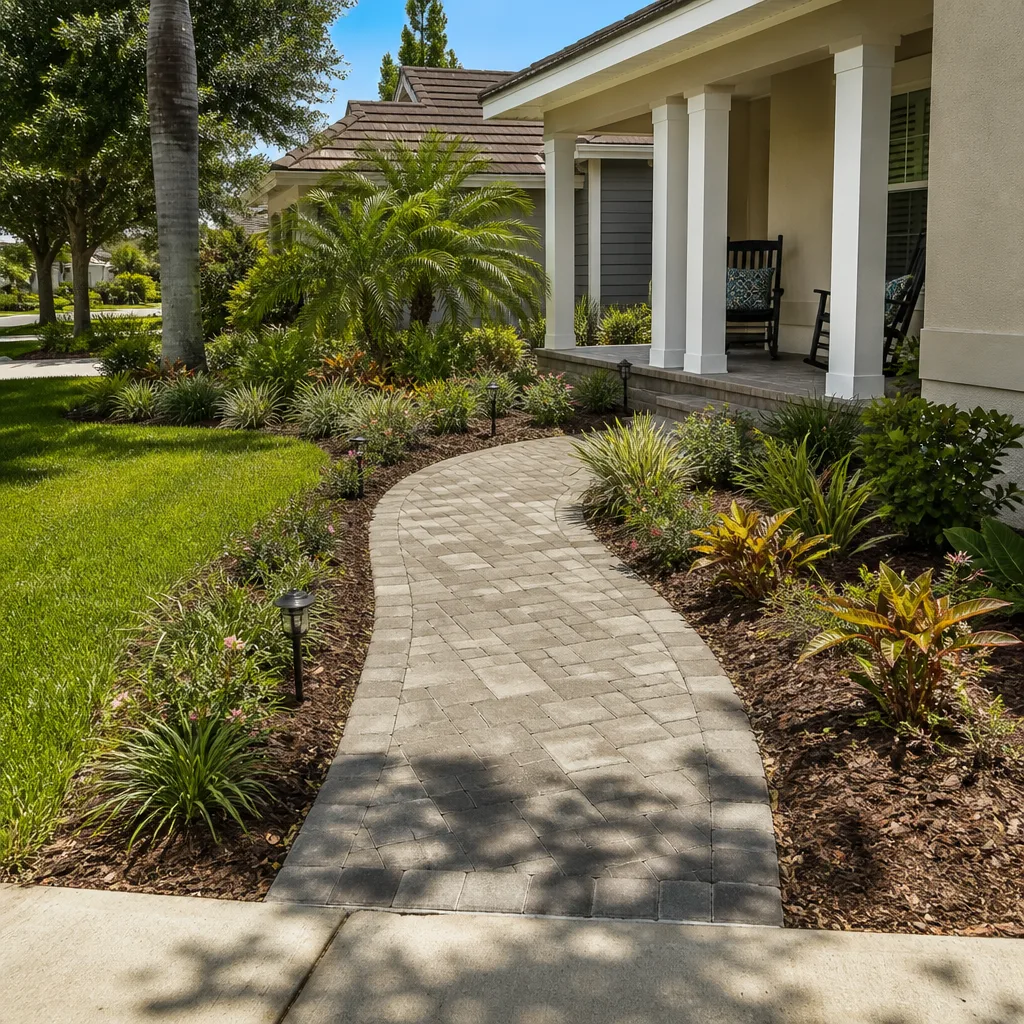
Two other local realities shape the job. First, our technicians have up to 12 years of experience, and the ones who work here know the difference between a 95054 townhome apron and a deep-lot ranch drive near the 95052 edge of town. Second, homeowners in Santa Clara often pair this with other work once the front of the house is torn up – we regularly get asked to add a matching walkway or, when the garage is open and the driveway is fresh, to schedule Door Installation in Santa Clara and Cabinets & Countertops in Santa Clara while the crew is already on site. If you’re doing a wider Driveway & Pavers scope or planning any exterior work across Santa Clara, we quote the whole thing in one written estimate so nothing surprises you later.
Serving Santa Clara, CA – Our Local Coverage Area
We serve Santa Clara and nearby communities. Use the map below to see the area we cover. If you’re nearby, we can almost certainly help.
Frequently Asked Questions: Paver Driveways in Santa Clara
Most paver driveways in Santa Clara take four to six working days from demo to walk-through. A small two-car apron can finish in four; a long drive to a detached garage or a complex herringbone field runs closer to six. Weather during the rainy season can add days. Call (833) 988-3521 for a schedule based on your actual footprint.
Usually not for a like-for-like replacement on a single-family lot, but widening the apron, altering the curb cut, or changing drainage to the street can trigger city review. Because Santa Clara actively enforces its own local ordinances and design review, we check the specifics for your address before we quote. Call (833) 988-3521 and we’ll walk through what applies.
Rarely, and we don’t recommend it. Paver driveways need a properly compacted base and positive slope, and laying over an old slab locks in whatever settling or drainage problems already exist. For a driveway that lasts, excavation and a fresh base are non-negotiable. Call us at (833) 988-3521 and we’ll tell you honestly whether your existing surface is a candidate.
A full paver driveway installation in Santa Clara typically runs $7,000 to $18,000, with most standard two-car jobs falling between $10,000 and $14,000. Size, material, base correction, and drainage complexity drive the final number. Call (833) 988-3521 for an exact quote – estimates are free and come in writing, line by line.
Every paver driveway we install is backed by our 730-Day Done Right Promise – if it’s not done right, we make it right. That covers workmanship for two full years, and paver manufacturers back their materials separately. If a border walks out or a joint won’t hold, we come back. Call (833) 988-3521 to get the details for your project.
Get a Free Paver Driveway Estimate in Santa Clara
If you’re pricing a paver driveway in Santa Clara, the fastest way to a real number is an on-site visit. We’ll measure the footprint, check the base and drainage, and hand you a written, line-item estimate – free, no obligation. Calls are answered by a live person, and the local pro we connect you with is licensed and insured as California requires. Call (833) 988-3521 to schedule your estimate.
Written by the team at Groundwork Construction Co.