Free written scope consultation - allowances, timeline, and change-order rules on paper before a single trade is scheduled
Styles & brands we work with
- Kitchen remodeling
- Bathroom remodeling
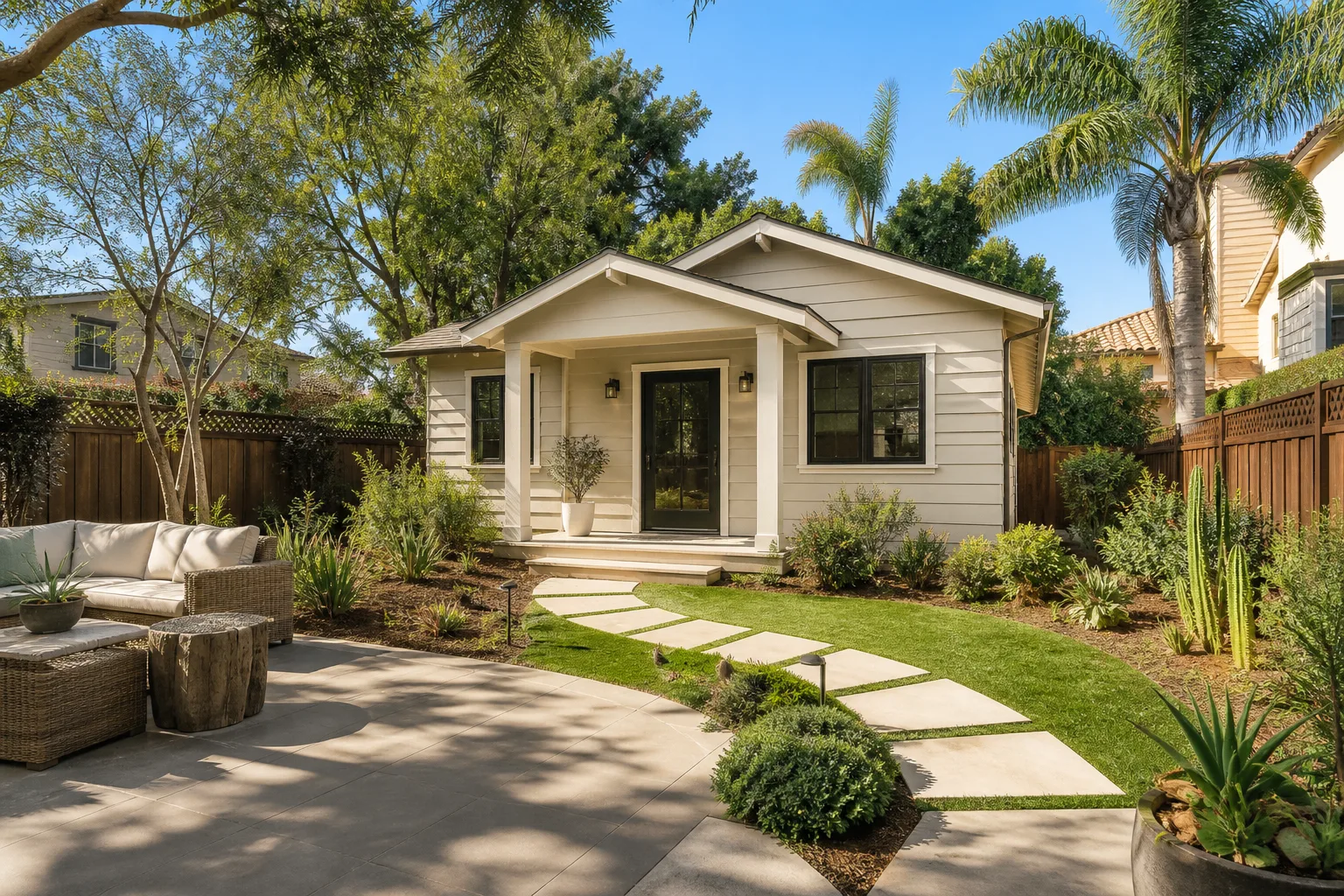
- Home additions & ADU
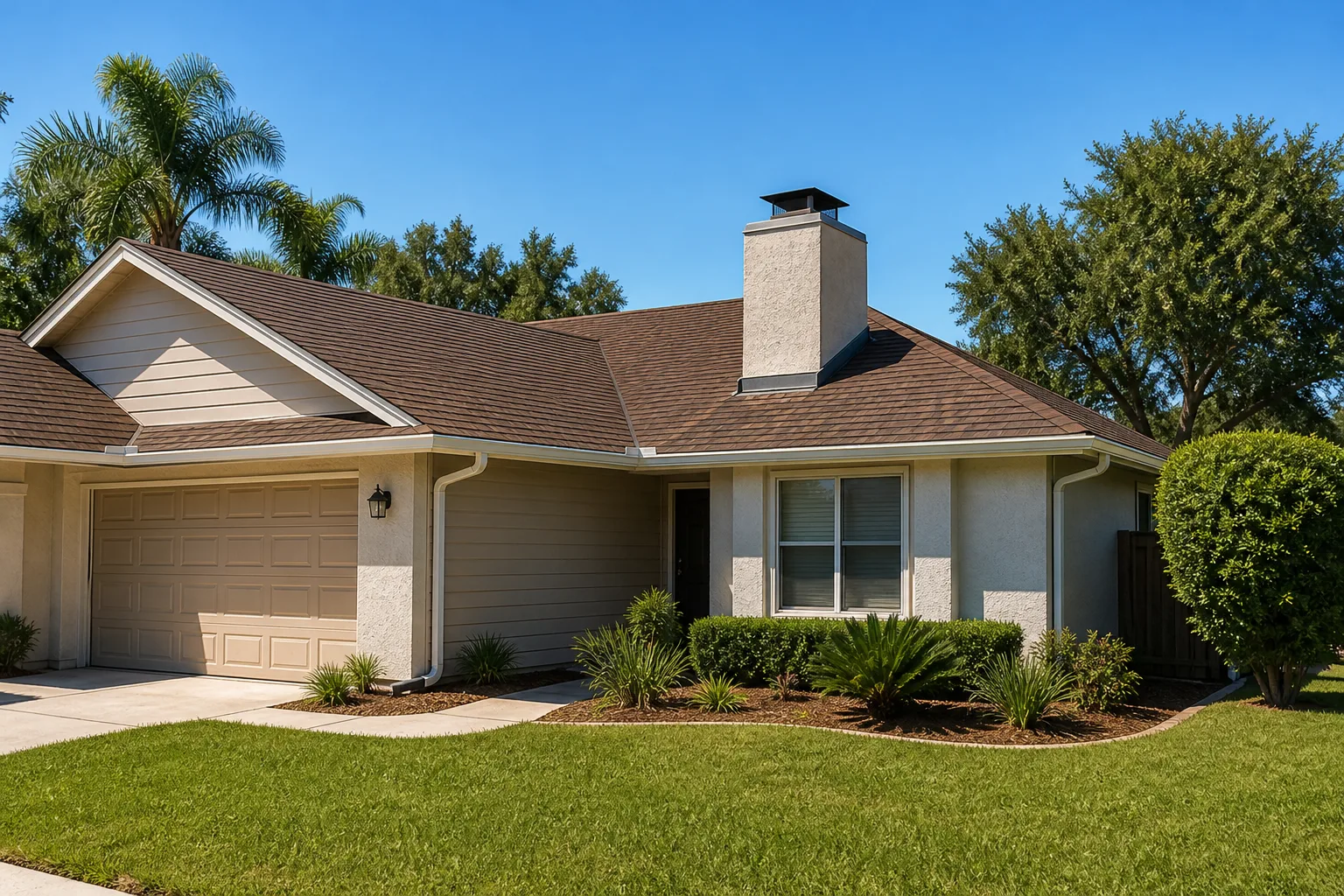
- Roofing
- Windows & doors
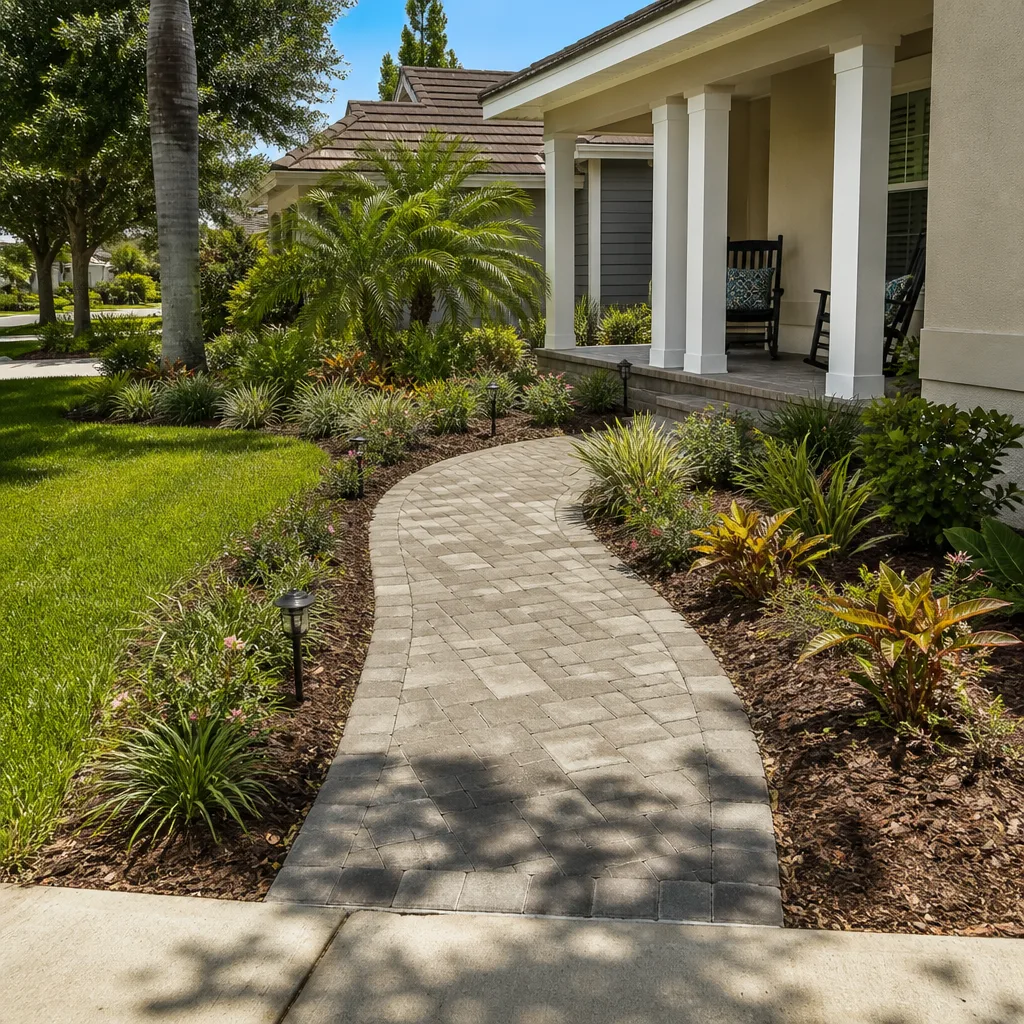
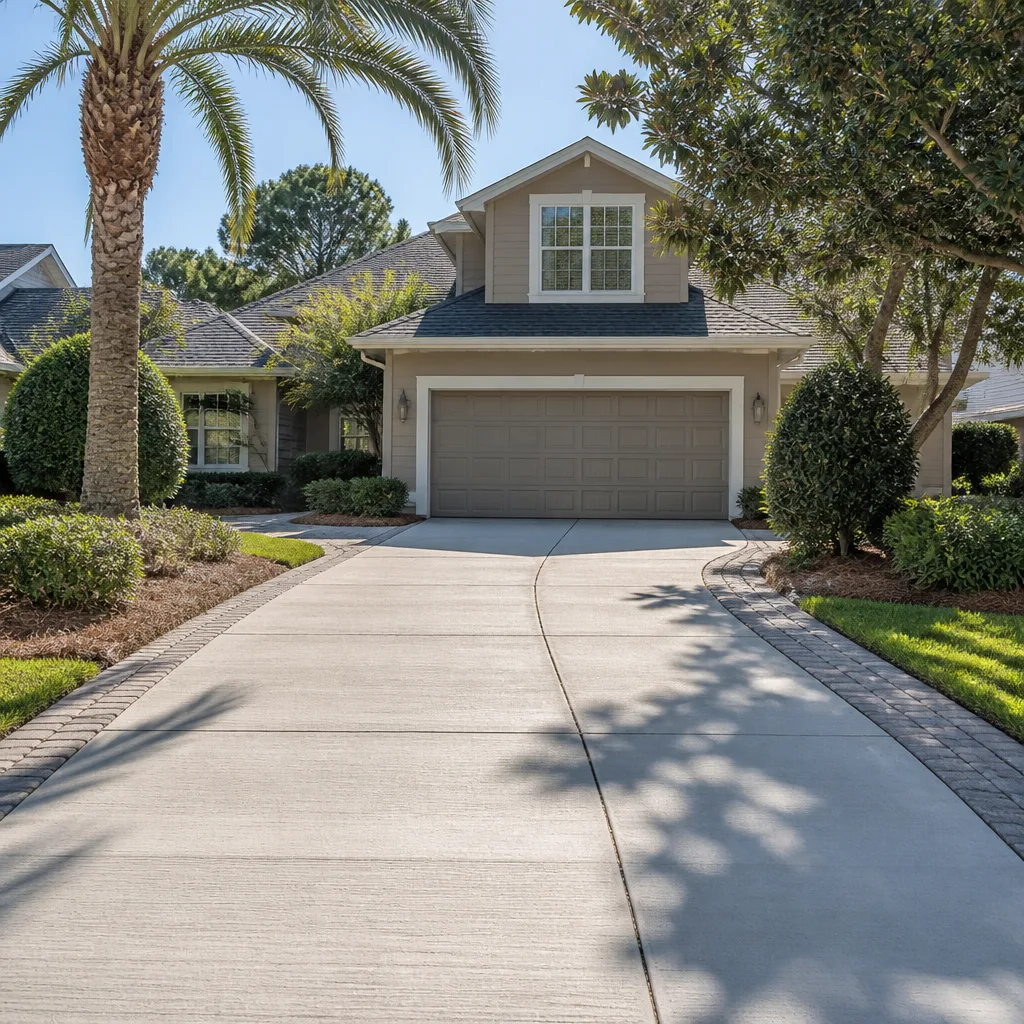
- Driveway & pavers
- Fence
See the difference
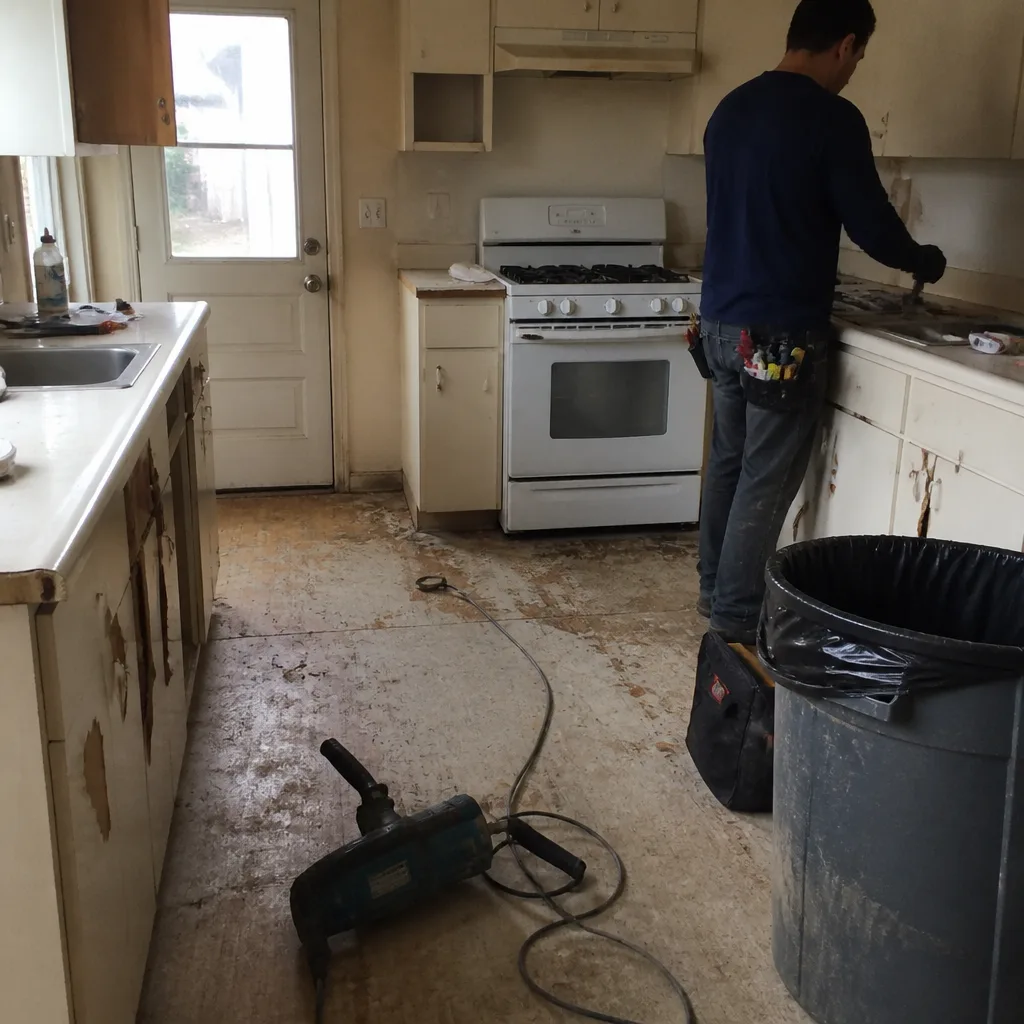 Before
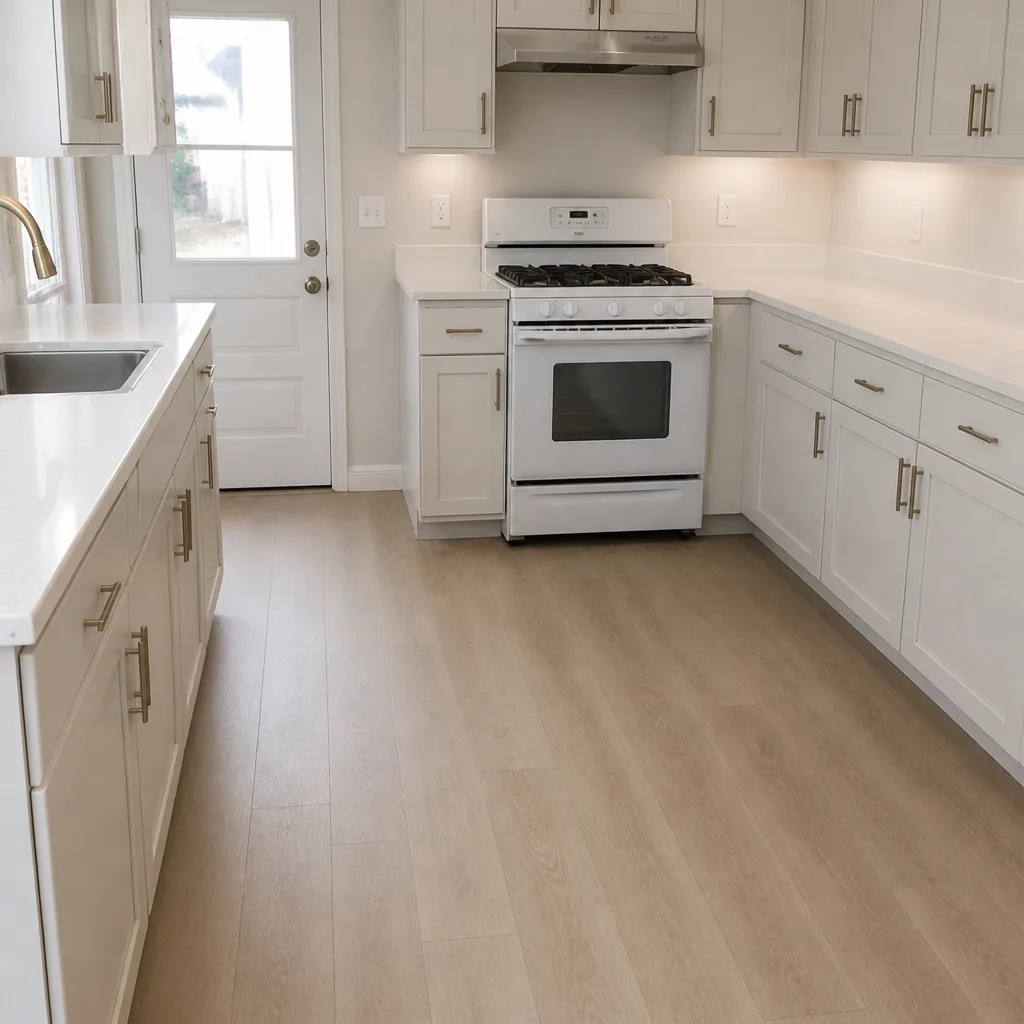 After
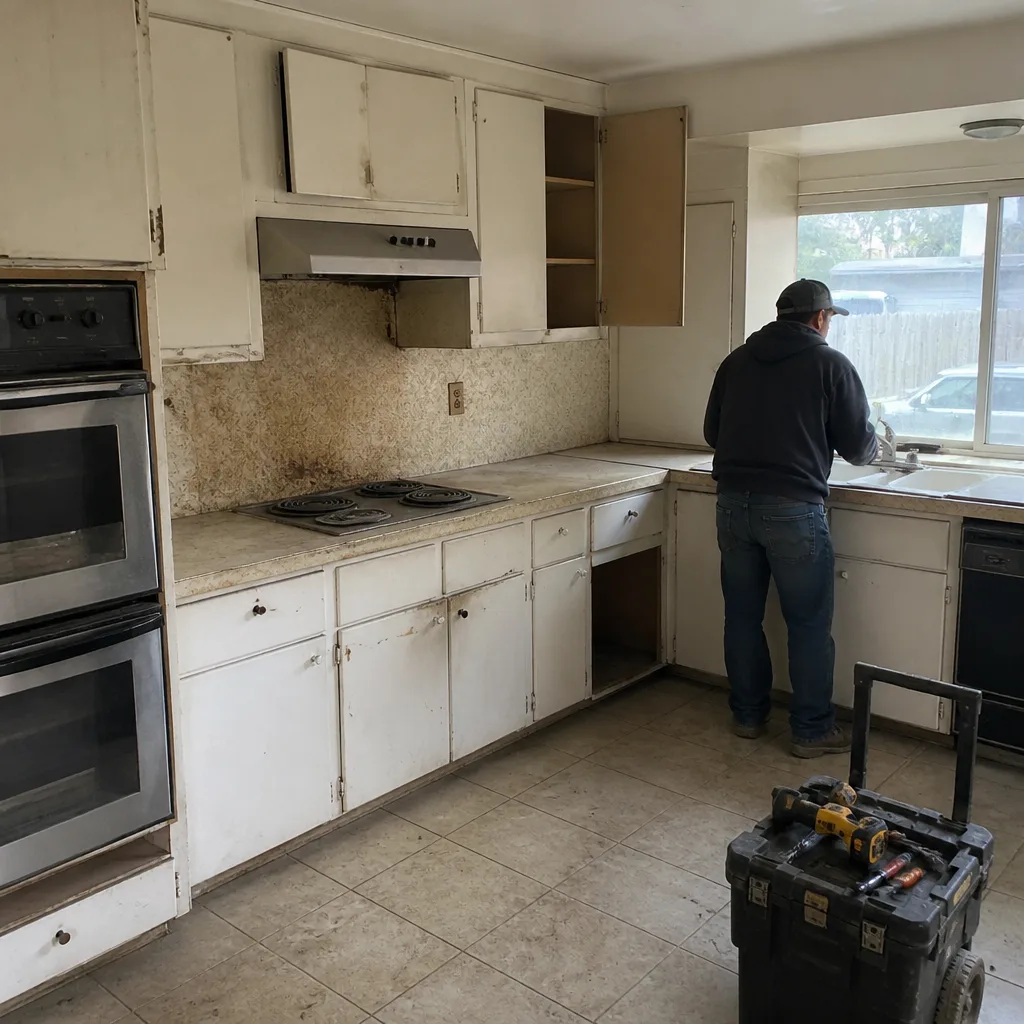 Before
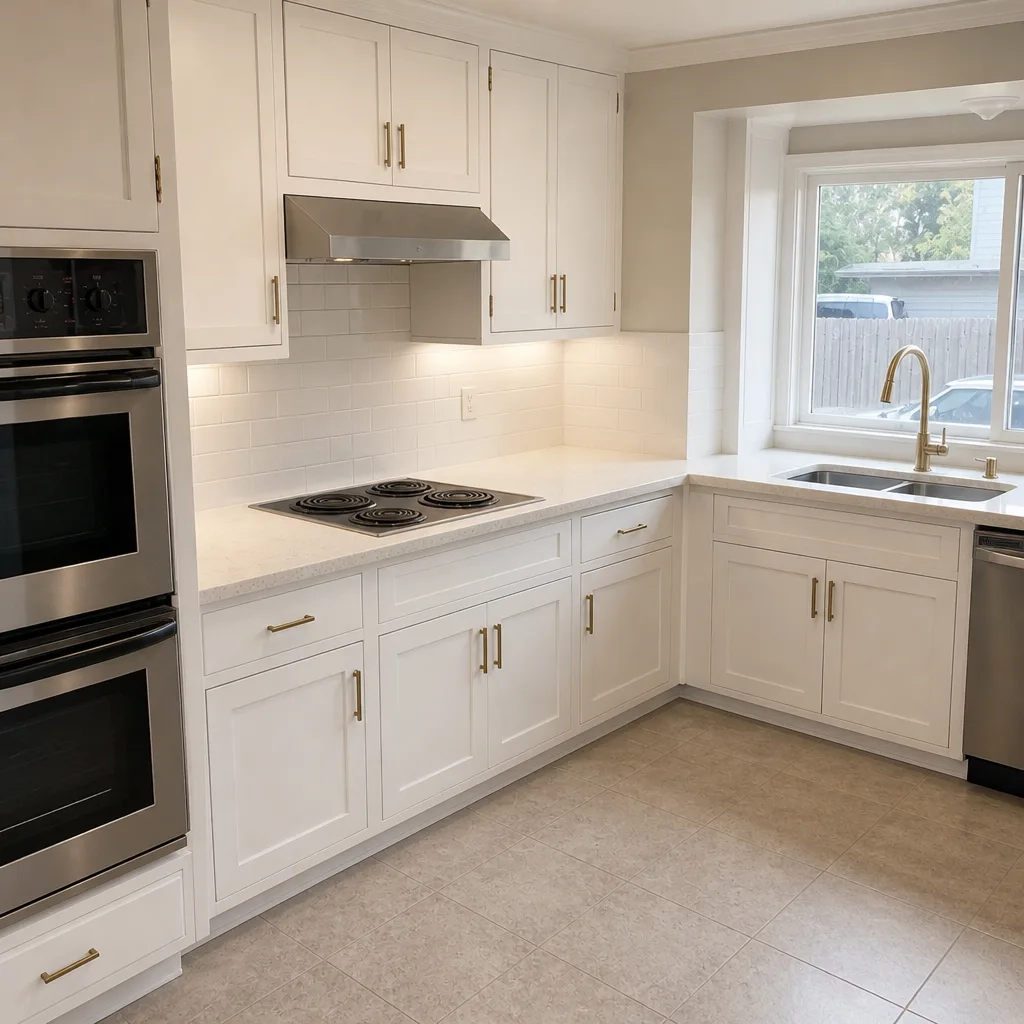 After
 Before
 After
How Long Does a Paver Driveway Last in San Jose, CA?
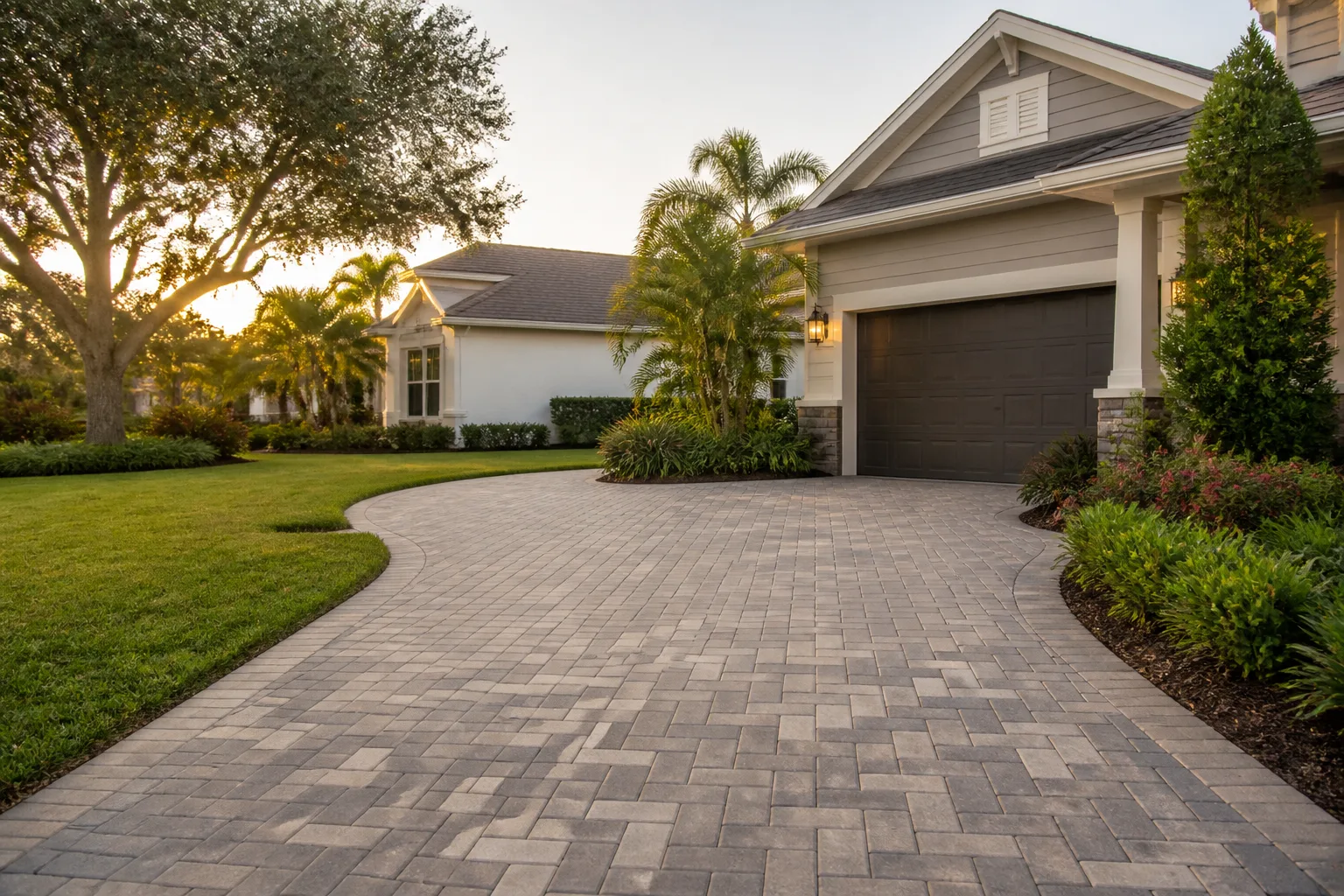
A paver driveway in San Jose should last 25 to 50 years on a properly engineered base, but most start failing in 5 to 8 years when the sub-base is under-built for clay soil. The pavers themselves are the durable part. The compacted base, drainage, and edge restraint beneath them decide whether you get decades or a lumpy surface that shifts every rainy season.
Groundwork Construction Co. of San Jose builds and repairs paver driveways across the South Bay, and we’ve walked plenty of driveways where premium Belgard pavers were laid over a four-inch base that couldn’t handle the soil underneath. Estimates are free, and you can reach us at (833) 988-3521.
Why the Base Matters More Than the Paver in San Jose
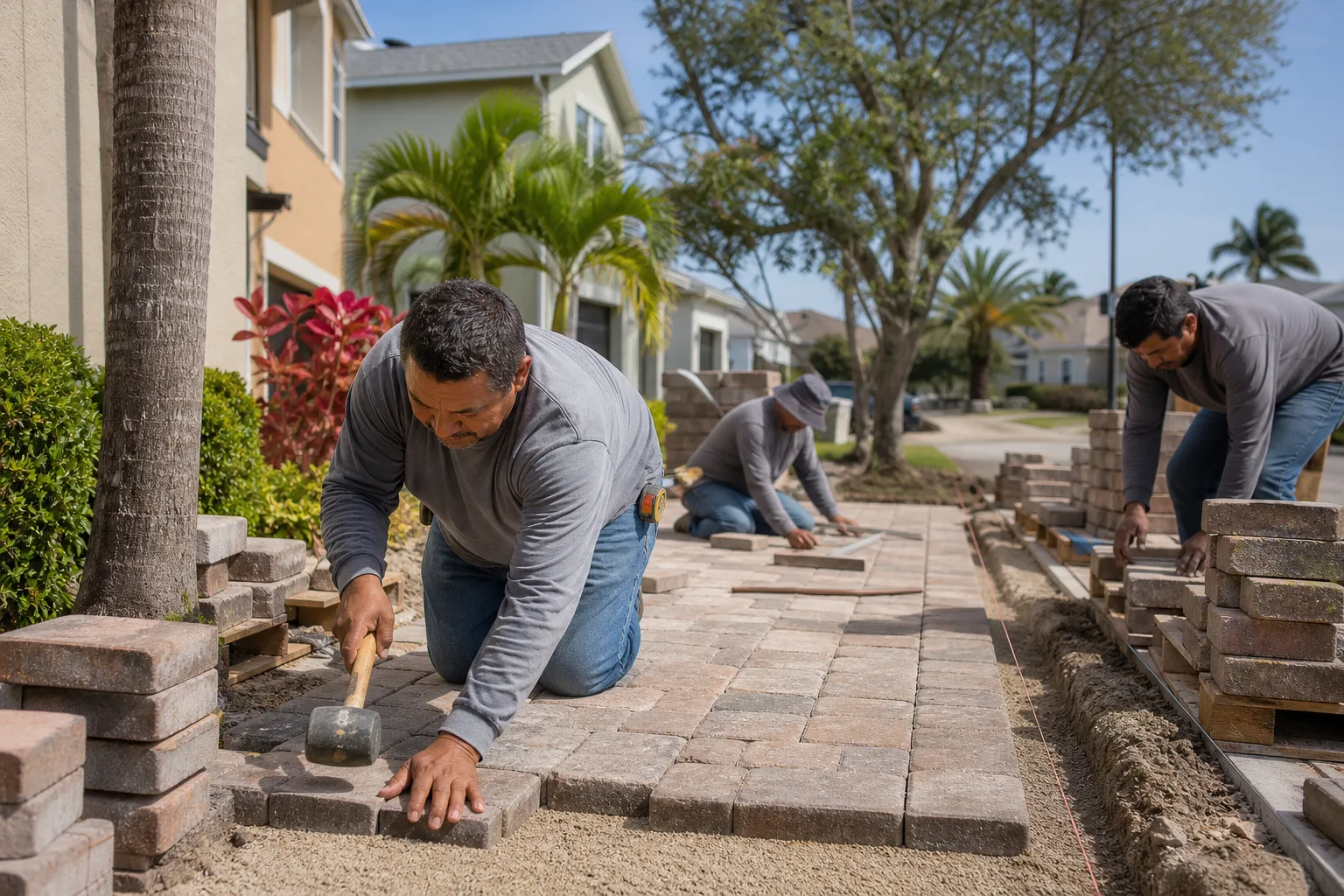
Paver manufacturers will tell you their product lasts 50 years. That’s true, if the base beneath it lasts 50 years. In San Jose’s clay-heavy soils, the base is the variable.
San Jose’s mild, wet winters and dry summers create a specific problem for driveways: the soil under a driveway swells when it soaks up winter rain, then shrinks as summer dries it out. A base that isn’t thick enough or properly compacted can’t hold its shape through those cycles. The pavers on top go along for the ride.
Two failure modes show up over and over:
- Sub-base saturation. Water reaches the soil layer under the base, the soil softens, and pavers sink or rock when you drive on them. You’ll notice low spots, rocking pavers, and water pooling in the same place every storm.
- Edge restraint failure. The perimeter of a paver driveway needs a rigid, anchored edging to hold it. When that restraint fails or was never installed correctly, the outer pavers fan outward and the joints open up. Once joints open, sand washes out and the whole pattern loosens.
Neither of these has anything to do with the paver’s quality. Both come from the part of the job you can’t see once it’s finished, which is exactly why a bid that only quotes the paver brand and the square footage is telling you almost nothing.
What Actually Specs a Paver Driveway for San Jose Soil?
Standard passenger cars put roughly 40 psi on a paver surface. SUVs and trucks in the 6,000 to 8,000 lb range push considerably more, and that’s before you add a loaded trailer or a contractor’s van. In clay-soil conditions, a driveway that carries vehicles in that weight range needs a minimum 6-inch compacted base. A large share of the bids you’ll get in San Jose spec 4 inches, which is under-built for the soil type even though it looks fine on paper.
Here’s a rough way to compare scope on a typical San Jose paver driveway project:
| Item | What to Look For | Typical San Jose Range |
|---|---|---|
| Paver driveway installation | 6″ compacted base for clay soil, rigid edge restraint, polymeric sand joints | $8,260-$21,240 |
| Driveway replacement | Full demo, haul-off, new base and drainage | $5,900-$16,520 |
| Concrete driveway (comparison) | Common alternative, shorter joint life in clay | $5,310-$14,160 |
| Driveway sealing | Maintenance only; not a base repair | $295-$825 |
Those are installed ranges for a standard two-car driveway, not a luxury custom job. A short paver approach or a widened single-car pad lands at the low end. A sidewalk-width driveway with a slope to manage lands higher. Upfront pricing means we give you the number before the work starts and it doesn’t move afterward. If you want the full scope breakdown, our Driveway & Pavers page walks through materials and edge conditions.
The Real Reason San Jose Pavers Outlast Cold-Climate Installations
San Jose doesn’t freeze, and that’s a bigger longevity advantage than most homeowners realize. In cold climates, the number one killer of paver driveways is freeze-thaw heaving: water gets into the joints, freezes, expands, and lifts the pavers, then the thaw leaves them slightly out of place. Repeat that for a dozen winters and the surface is a mess no matter how well it was built.
That cycle doesn’t happen in the South Bay. A properly base-engineered paver driveway here genuinely can outlast the same installation in Seattle or Chicago. What San Jose gets instead is a concentrated wet season, and that’s where joint maintenance becomes the deciding factor.
Polymeric sand is what ties it all together
Polymeric sand locks the pavers together and keeps joint sand from washing out. It adds years of service life to a paver driveway, but it’s not a one-time installation. Plan on re-applying every 3 to 5 years. In San Jose, timing matters: the sand needs to cure during a dry stretch, so the window runs from late spring through early fall. Apply it in the wet season and it won’t cure properly, which leaves you paying for the same job twice.
If a driveway is already sinking or the edge pavers are fanning outward, polymeric sand won’t fix it. That’s a base and restraint repair, and it should be assessed before any resanding is quoted.
How San Jose’s Housing Stock Affects Paver Work
San Jose’s driveways sit in front of a lot of 1950s-1970s single-family homes, and in older neighborhoods like Willow Glen or the Rose Garden, the ground under the driveway has a history. Homes expanded piecemeal over decades often have an old walkway, an abandoned footer, or a former garden bed buried where the driveway now sits, and the base has to account for whatever’s under the pour. We’ve dug into driveways where an old concrete pad was buried six inches down, and no bid that skips a site check will catch that before work begins.
Drainage is the other issue. San Jose’s wet winters expose bad grading fast, and a paver driveway that slopes toward the garage rather than away from it will send water where you don’t want it. The base, the slope, and the edge restraint have to be designed together. That’s why our crews are uniformed and background-checked, and it’s why the person explaining the sub-base spec to you can also explain the drainage plan.
What Does Our 730-Day Done Right Promise Cover on Pavers?
Every paver installation we complete is backed by our 730-Day Done Right Promise. On a paver driveway, that covers joint failure, edge movement, and sinking within the warranty period. If the work isn’t right, we make it right. That’s one of the longest workmanship guarantees in residential construction, and it applies to the part of the job you can’t see: the base.
We use verified brand partners like Belgard on paver projects, and we pair the materials with 0% financing for 18 months plus $1,000 off projects over $10,000, so a full driveway rebuild doesn’t have to wait for a cash-on-hand moment.
If you’d like to compare our scope against another bid, our home page is the place to start, and our team answers the phone 24/7 with a live person, not a voicemail box.
FAQs
Yes, for most San Jose homeowners it’s worth the higher upfront cost because a paver driveway on a proper base lasts decades and lets you repair one settled section instead of replacing the whole slab. Concrete driveway installation runs $5,310-$14,160, and pavers run $8,260-$21,240, but concrete cracks and can’t be patched invisibly in the way pavers can. Call (833) 988-3521 for a free estimate on either.
Every 3 to 5 years under normal use, and sooner if you notice sand washing out of the joints. In San Jose, schedule the resanding during the dry season so the polymeric sand cures fully. If pavers are rocking or the edge is spreading, that’s a base issue and resanding won’t solve it. Call (833) 988-3521 to have it assessed before you pay for sand.
Same-day assessments are often possible since our phones are answered by a live person 24/7, and estimates are free. Sinking pavers usually mean a sub-base or drainage problem rather than a paver problem, so the inspection starts with what’s under the surface. Call (833) 988-3521 and we’ll get a time on the calendar.
It’s almost always cheaper to repair when the failure is localized, like one settled section or a failed edge restraint, and replacing the whole driveway only makes sense when the base is failing across the entire surface. A repair in a single section typically runs a fraction of the $8,260-$21,240 full-installation range. Call (833) 988-3521 for a free assessment that tells you which one you’re dealing with.
If you’d rather have it looked at, Groundwork Construction Co. of San Jose offers a no-pressure assessment in San Jose. Call (833) 988-3521 and we’ll tell you straight whether you’re looking at a repair or a rebuild.
Written by the team at Groundwork Construction Co. of San Jose, serving San Jose, CA.