Free written scope consultation - allowances, timeline, and change-order rules on paper before a single trade is scheduled
Styles & brands we work with
- Kitchen remodeling
- Bathroom remodeling
- Home additions & ADU
- Roofing
- Windows & doors
- Driveway & pavers
- Fence
See the difference
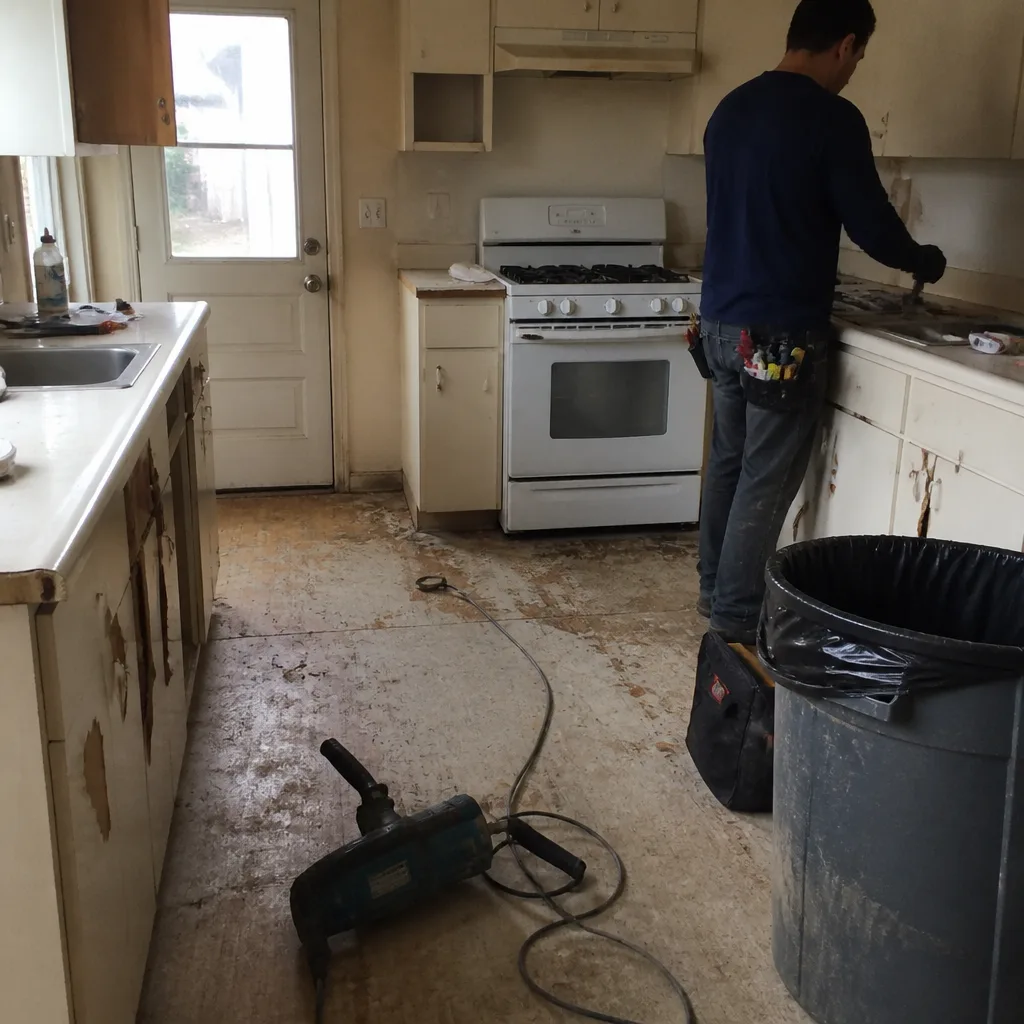 Before
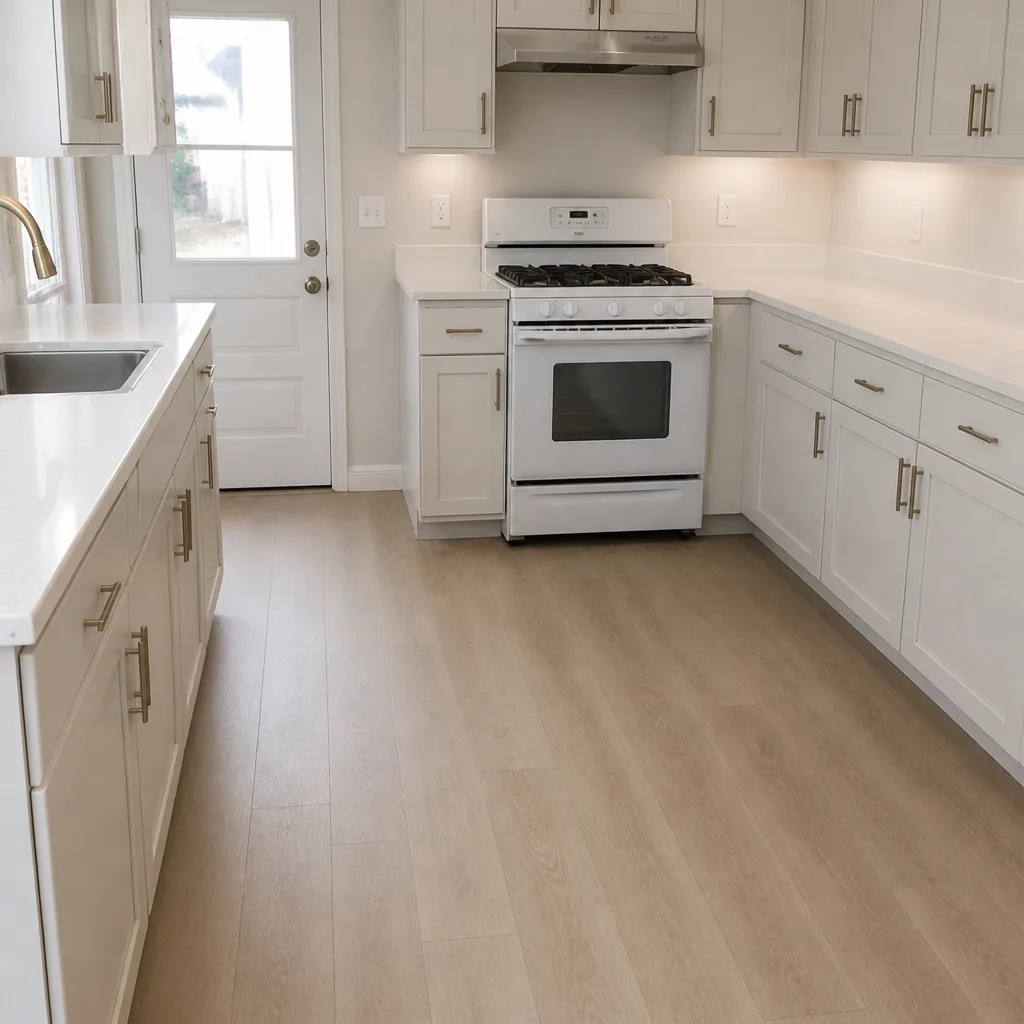 After
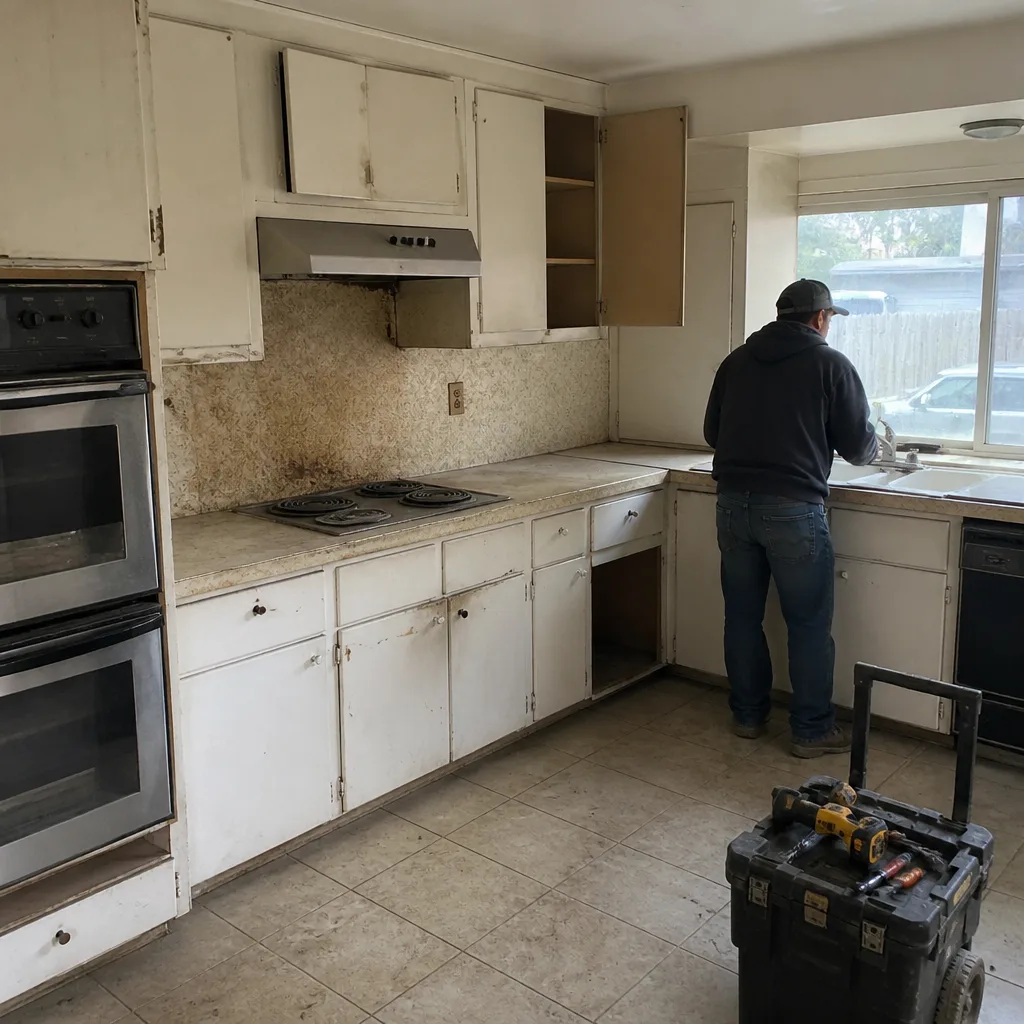 Before
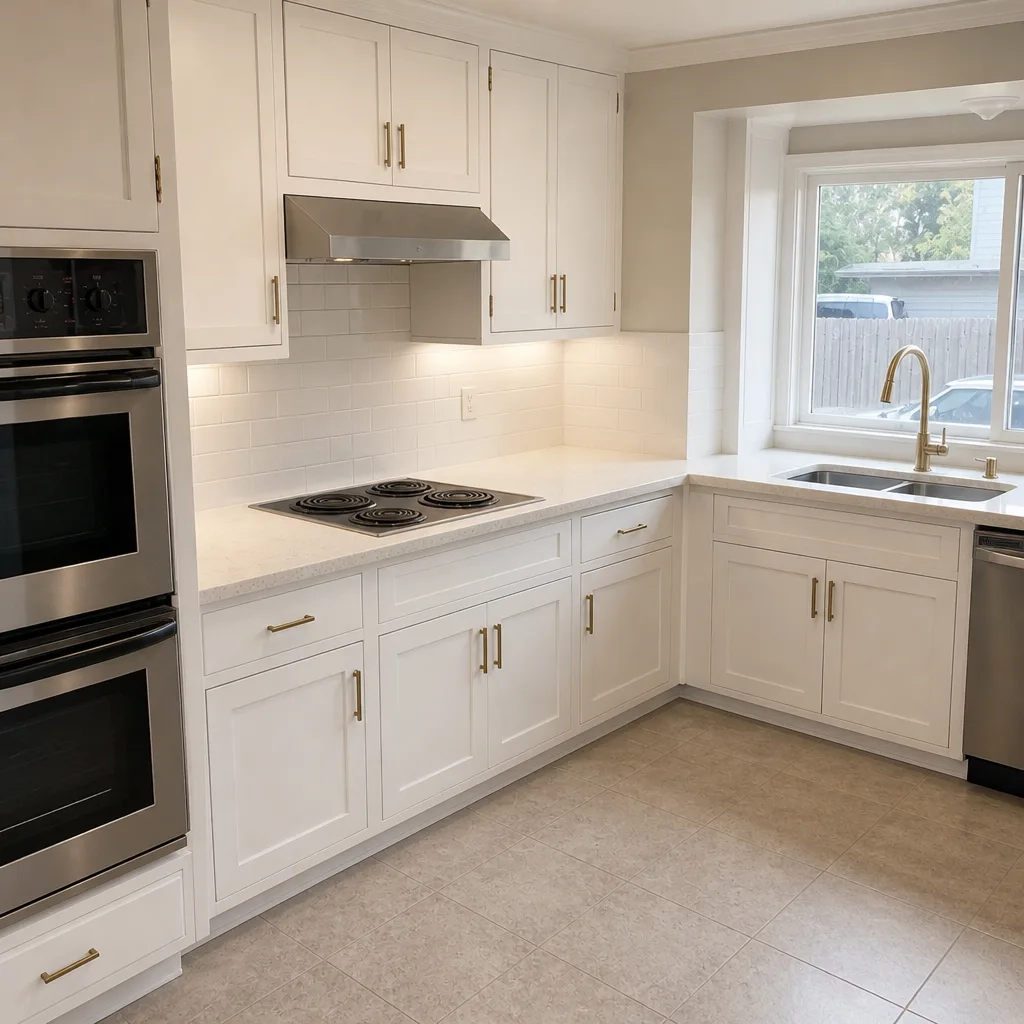 After
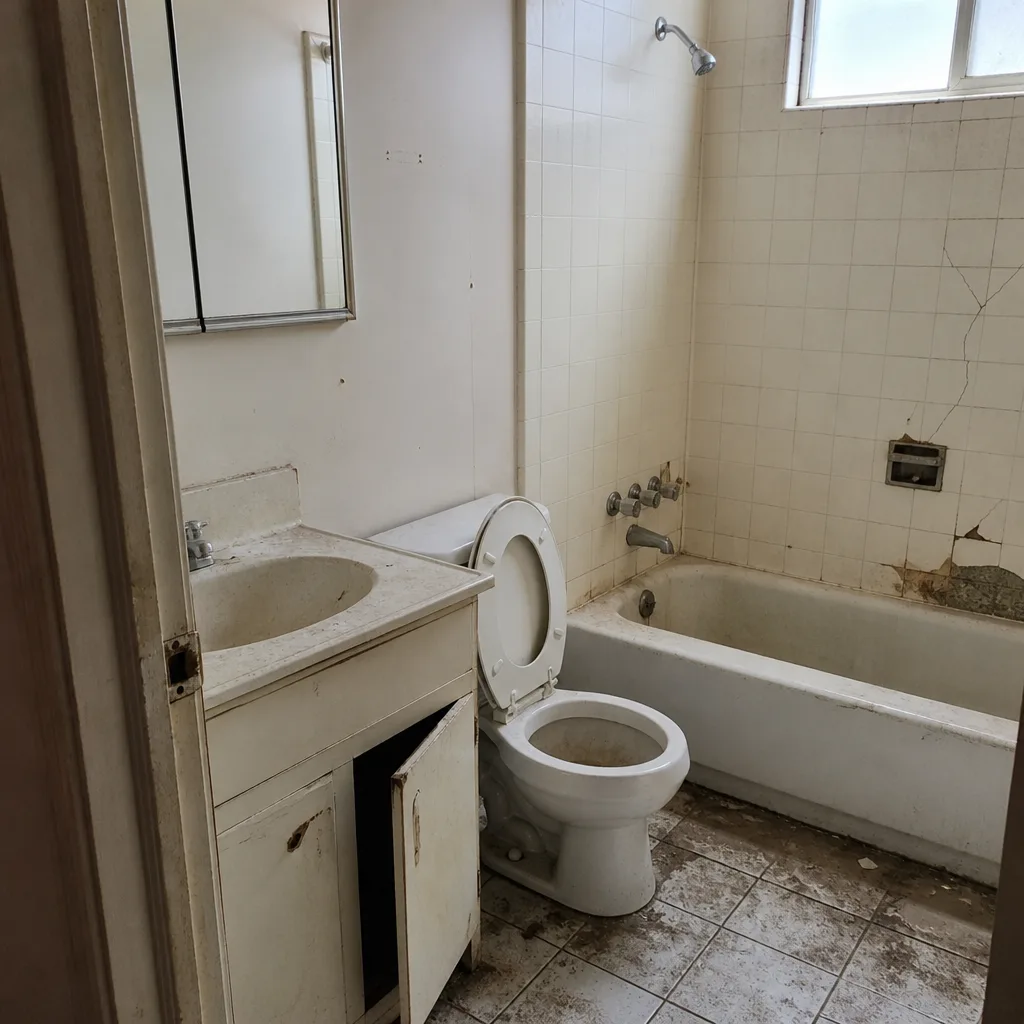 Before
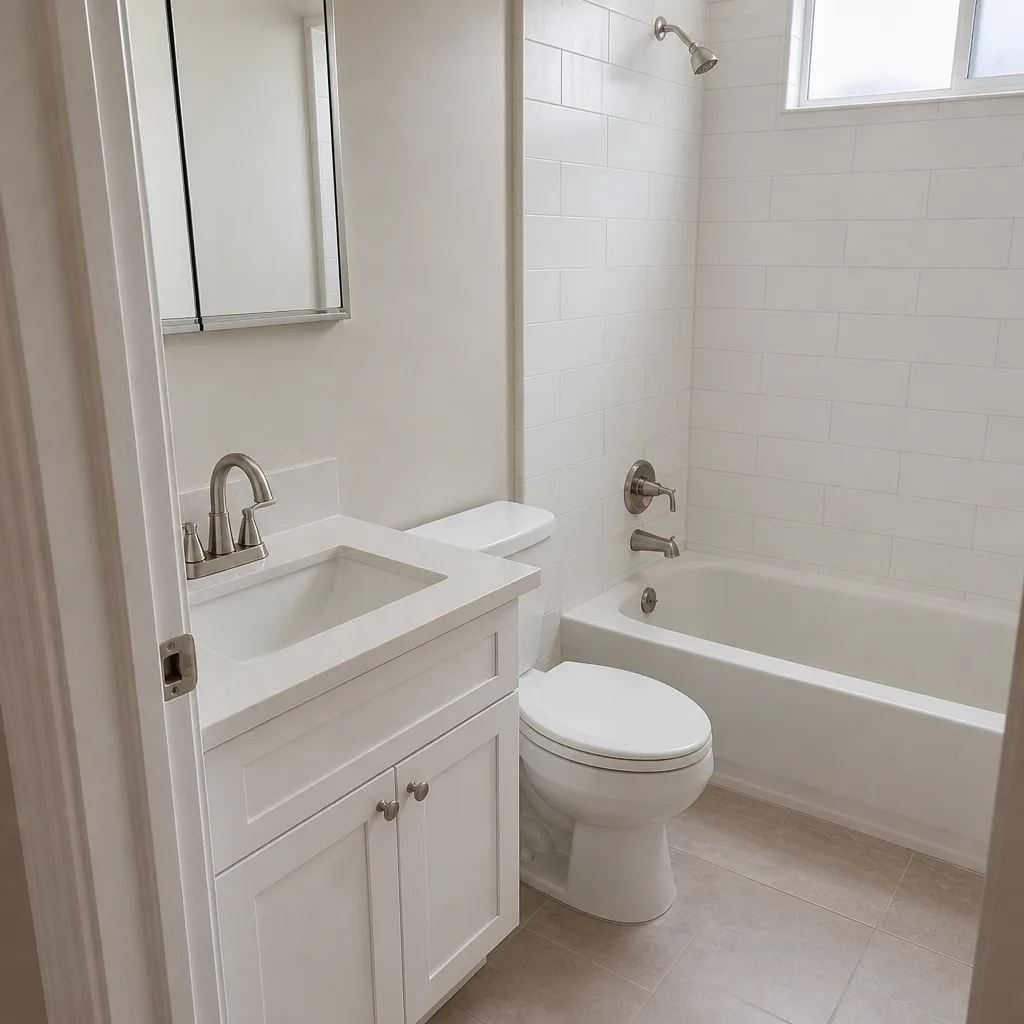 After
Home Addition vs ADU in San Jose: Which One Actually Pays You Back?
If your San Jose lot can fit a detached ADU, choose the ADU – the rental income ($2,000-$3,500/month in most San Jose neighborhoods) and the SB 9 lot-split path almost always beat the resale bump from extra square footage. Choose the home addition instead if your lot is tight, your setbacks leave you squeezing 400 square feet of rental unit, and your real goal is a bigger primary home for resale. Those are the two honest answers, and everything below explains how to tell which one is yours. Call (833) 988-3521 and we’ll scope both side-by-side before you commit to a design.
Why San Jose Makes This Harder Than It Looks
San Jose’s housing stock is dominated by single-family homes from the 1950s through the 1970s, with lots commonly between 6,000 and 8,000 square feet. That matters because setback compliance eats into those lots fast. After you clear the required rear and side setbacks, a detached ADU on a typical postwar San Jose lot often lands at 400-600 square feet. A home addition on the same lot can usually deliver more livable square footage because it’s attached and doesn’t fight the same setback math.
Then there’s the neighborhood wrinkle. In older parts of Willow Glen and the Rose Garden, we routinely find that original homes have been expanded piecemeal over decades without permits. Before any new addition gets approved, those unpermitted additions and outdated wiring have to be reconciled with the city. San Jose’s code enforcement is strict, and bringing a non-compliant structure up to current seismic and energy standards adds real scope before your project even starts. If you’re weighing a home addition against a second unit, that hidden reconciliation work is the number most homeowners never budget for. Our Home Additions & ADU team builds that into the first conversation, not the third invoice.
How the Money Actually Works: Three Paths, Three Outcomes
The tax and equity difference is where the real decision lives – not in raw square footage.
- Home addition: Adds to your primary residence’s square footage and assessed value. In California, that triggers a property tax reassessment on the added area only – but the square footage is now locked into your primary home. It raises your base value for resale but produces no monthly income.
- Detached ADU: Reassessed separately in California, often at a lower incremental rate, and it generates rent that offsets its own construction cost. The cash flows while you own it.
- SB 9 lot split (the one most people miss): Under SB 9, eligible San Jose homeowners may be able to split the lot and eventually sell the ADU portion as a separate parcel. A home addition cannot create that path. That’s a structurally different wealth-building outcome, not a lifestyle preference.
What each path costs in San Jose
These are the ranges we build to across San Jose. Actual numbers depend on your lot, soil, and whether we’re reconciling any unpermitted work.
| Option | Typical San Jose range | Income potential | Future optionality |
|---|---|---|---|
| Home addition | $53,100-$153,400 | None | Raises primary home value |
| Detached ADU | $106,200-$259,600 | $2,000-$3,500/mo | Can qualify for SB 9 lot split |
| Garage conversion | $35,400-$94,400 | $1,500-$2,500/mo | Lower cost, smaller footprint |
Notice the gap: a detached ADU costs roughly double an addition upfront, but rents at $2,000-$3,500 a month. Run that against ten years and the ADU frequently catches up or overtakes. A garage conversion is the middle road – cheaper than a ground-up ADU, less rental income, and it usually doesn’t create the SB 9 split option.
What Should You Look For Before Choosing?
Answer these three questions in order. They sort almost every San Jose homeowner into the right path.
1. Does your lot clear setbacks for a detached unit?
Measure the usable rear and side yard against San Jose’s setback rules. If you’re left with under 400 square feet, a detached ADU is a tight squeeze and the addition wins on usable space. If you have room to spare, keep the ADU on the table.
2. What does your neighborhood rent for?
A $120,000-$180,000 ADU only pencils out if the surrounding rental market supports $2,000+ a month. In parts of San Jose near transit and the urban villages, it does. On quieter streets with low rental demand, the income case weakens and the addition’s resale value becomes the safer bet.
3. What’s your exit strategy?
If you plan to hold the property and use it as income, the ADU wins. If you plan to sell in five to ten years and want the highest base-home value, the addition wins. If you want the option to split and sell separately, only the ADU creates that path.
How Long Does Each Take to Permit in San Jose?
The ADU usually permits faster than a full home addition in San Jose, especially if you use the city’s streamlined pre-approved plan route. That streamlined path cuts review time compared to a structural addition, which needs architectural drawings, structural calcs, and a full plan check. If you need the space inside a year, timeline alone can decide it. Winter rains and dry summer heat both shape the schedule on the exterior work – we plan around San Jose’s wet winters so framing and rough-in don’t sit exposed.
Why Compare Both With One Contractor?
Because the numbers only make sense side-by-side. Groundwork Construction Co. of San Jose scopes both paths during discovery with upfront pricing on each option, so you compare total cost, timeline, and ten-year financial return before choosing – not after a design is locked. Our technicians have up to 12 years of experience, every project is covered by our 730-Day Done Right Promise, and we build with brands like James Hardie and Andersen so the structure and envelope hold up over that horizon. Calls are answered by a live person 24/7, and we offer 0% financing for 18 months plus $1,000 off projects over $10,000 to make a larger build easier to absorb. You’ll find more on our home page about how we work.
FAQs
An ADU is usually the better investment in San Jose if your lot clears setbacks for a detached unit, because it generates $2,000-$3,500 a month and can qualify for an SB 9 lot split. A home addition wins when your lot is tight or your goal is raising primary-home resale value. Call (833) 988-3521 for a side-by-side estimate.
In San Jose, a home addition typically runs $53,100-$153,400, while a detached ADU ranges from $106,200-$259,600. The ADU costs more upfront but produces rental income that offsets its cost. Call (833) 988-3521 and we’ll price both for your lot – estimates are free.
Possibly – SB 9 can let eligible San Jose homeowners split their lot and eventually sell the ADU portion as a separate parcel, though eligibility depends on your lot and zoning. A home addition can never create that option. Call (833) 988-3521 to review whether your property qualifies.
An ADU is often faster to permit in San Jose, especially through the city’s streamlined pre-approved plan path, while a structural home addition needs architectural drawings and a full plan check. If your timeline is tight, that gap can decide the project. Call (833) 988-3521 to talk through your schedule.
If you’d rather have it looked at, Groundwork Construction Co. of San Jose offers a no-pressure assessment in San Jose – we’ll scope an addition and an ADU for your lot and lay the numbers side-by-side. Call (833) 988-3521 for a free estimate and design consult.
Written by the team at Groundwork Construction Co. of San Jose, serving San Jose, CA.