

Free written scope consultation - allowances, timeline, and change-order rules on paper before a single trade is scheduled
Chain Link Fence in Saratoga, CA: What It Costs and What the Job Involves
A chain link fence in Saratoga typically runs $3,500 to $9,000 installed, and most residential runs are finished in one to three days once the layout is set and the permit clears. The number climbs when you’re fencing acreage, correcting a slope, or adding gates on a long driveway. Call (833) 988-3521 and we’ll walk your property line with you, then put the scope and the price in writing before anyone digs. Estimates are free.
How the job actually runs, stage by stage
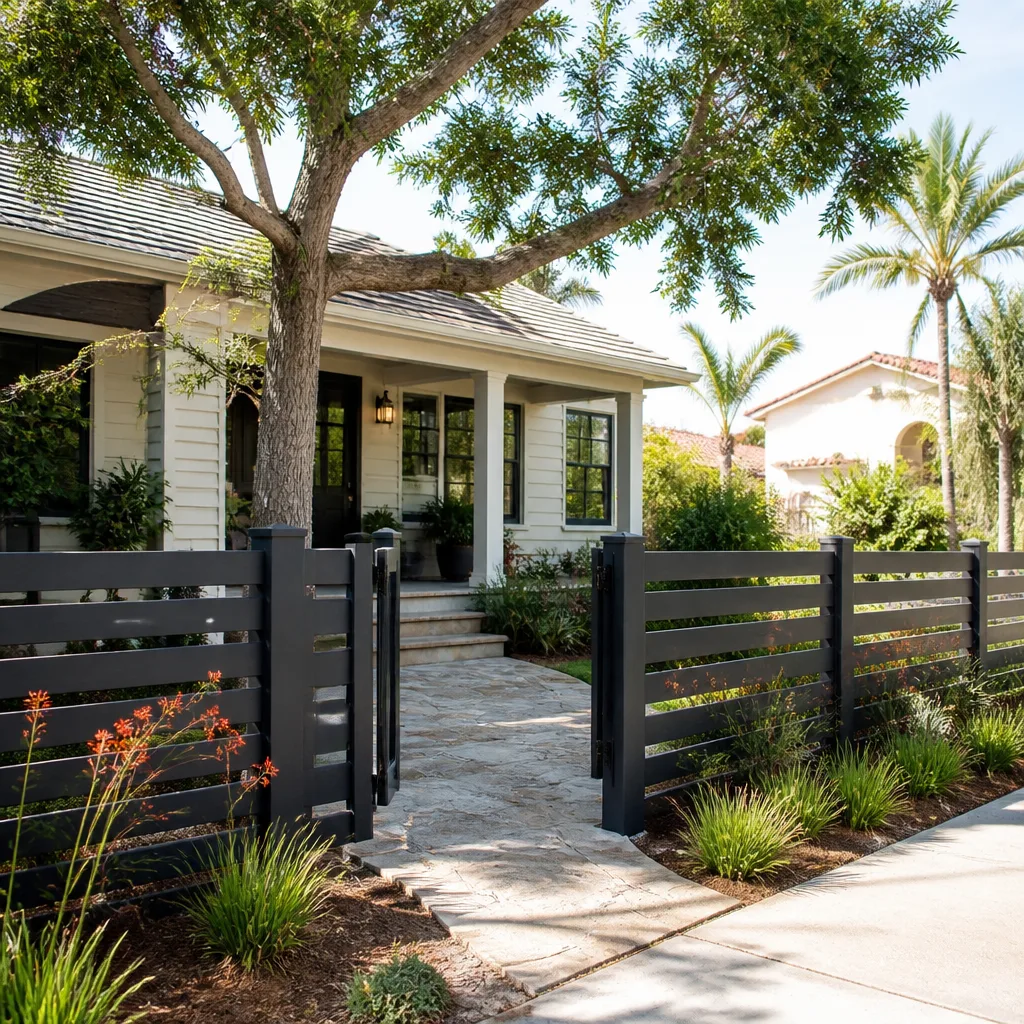
Chain link goes in fast, but the order of operations is what separates a fence that stays tight for twenty years from one that sags by the third winter. Here’s what we do, and when you make decisions along the way.
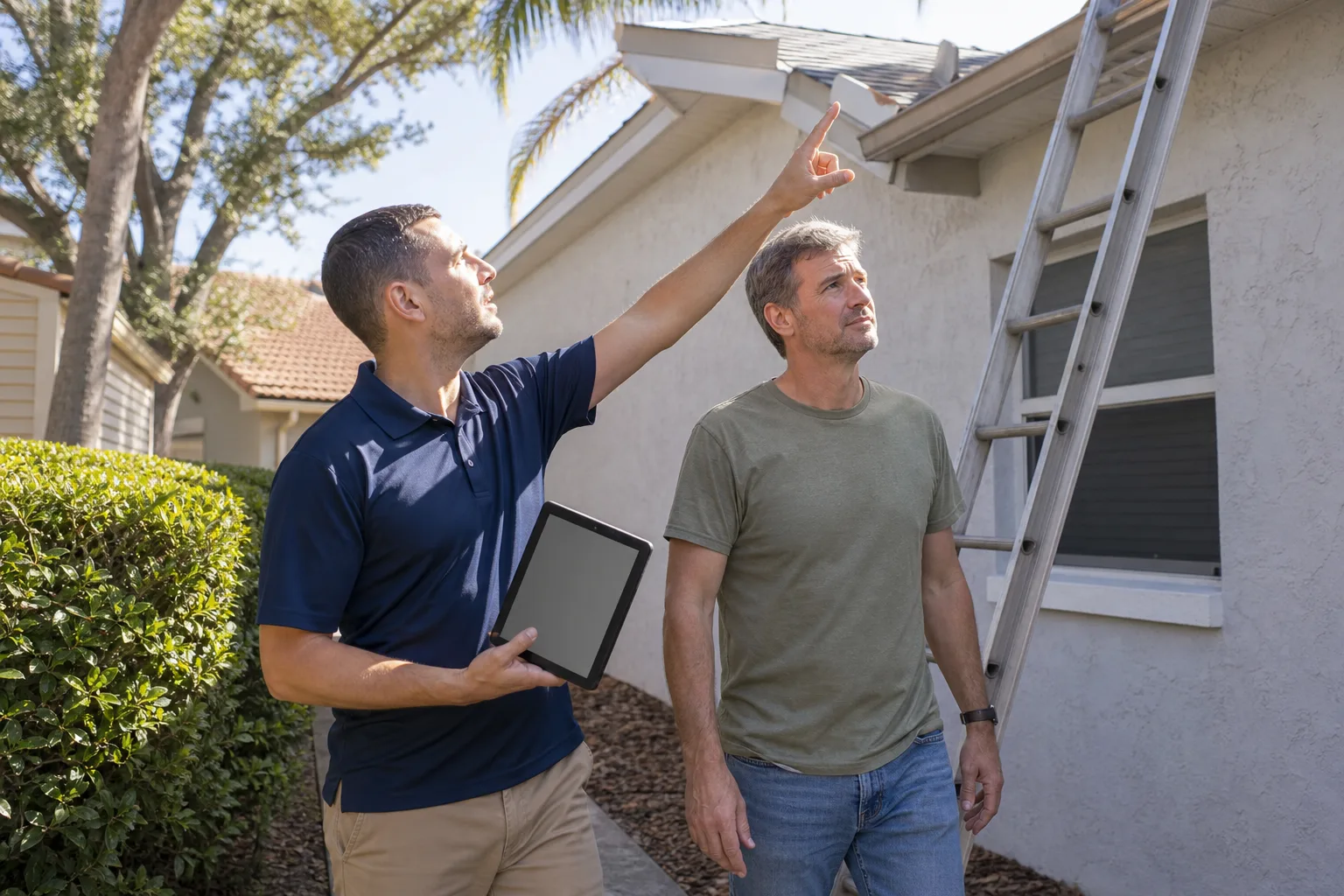
Stage 1: Site walk and layout (day 1, about an hour)
We trace the line you want, check property corners against your plat, and flag anything in the path: irrigation heads, the root protection zone of a mature oak, a shared fence you’re replacing or tying into. You decide right then whether you’re fencing all four sides or just the back and one flank. This is the hour where a corner set twenty feet one way or the other changes the material count, so it matters.
Stage 2: Utility locating and permit (day 1 to day 3)
Before a single hole is dug, underground utilities get marked. In Saratoga that’s non-negotiable on multi-acre parcels where a septic line or an old irrigation main sits somewhere nobody’s quite sure about. If the run needs a permit, the application goes in now; simpler residential runs often move without one, and we tell you which is which on the walk rather than after. You decide whether to wait for the stamped set or start on the unpermitted portion.
Stage 3: Demo and prep (day 2, half to one full day)
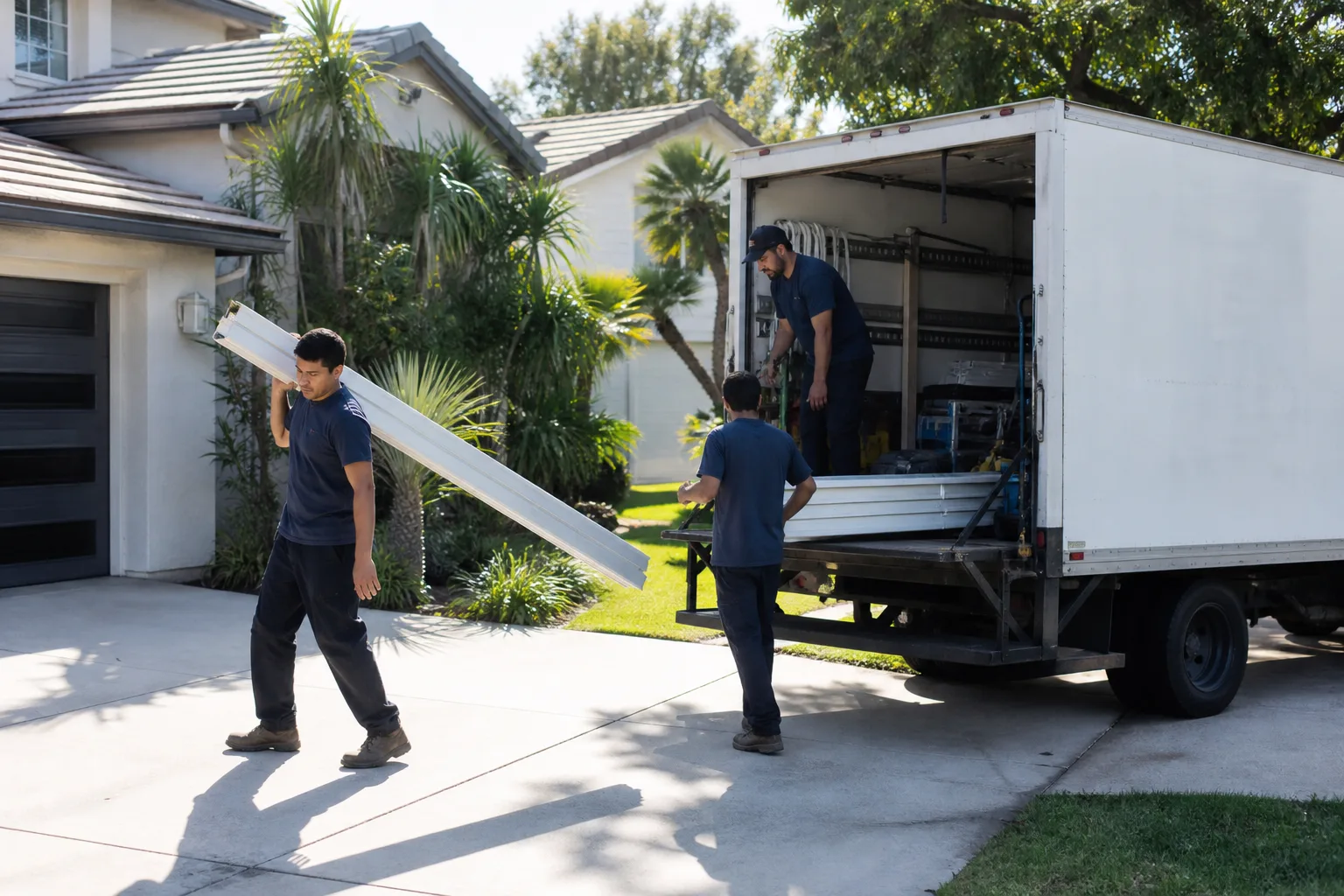
Old fencing comes out, posts are pulled, and the line gets cleared. On a long estate driveway this is a bigger day than people expect, because hauling out a couple hundred feet of rusted chain link and old concrete post footings takes a trailer or two. If the existing fence sits on a shared boundary, we handle it carefully and document the condition so there’s no argument later.
Stage 4: Setting posts and framing (day 2 into day 3)
Terminal posts get set in concrete and cured before anything hangs from them; line posts follow. The top rail and tension wire go on, then the fabric gets stretched from a fixed end with a come-along and tied off. Stretch tension is the whole game with chain link. A fence pulled hand-tight by eye will look fine on install day and loose in two seasons. You choose post depth and gauge here, and the choice has real consequences on a hill.
Stage 5: Gates, hardware, and walkthrough (day 3)
Gate posts get braced, hinges and latches set, and we swing every gate to check for drag. Then we walk the line with you. Anything off – a gate that needs adjusting, a tie that’s not sitting right – gets corrected before we leave. Final payment happens after that walk, not before.
Styles & brands we work with
- Kitchen remodeling
- Bathroom remodeling
- Home additions & ADU
- Roofing
- Windows & doors
- Driveway & pavers
- Fence
The options you’ll actually choose between
Chain link isn’t one product. The spec decisions below move both the price and how long the fence lasts in Saratoga’s heat and winter storms.
- Fabric gauge and mesh size. Standard residential is 11.5-gauge; 9-gauge is heavier and holds up better on long runs and windy ridge lines. 2-inch mesh is the norm; 2¼-inch is common on economy jobs. On hilltop parcels with sustained wind, the heavier gauge is worth the upcharge.
- Post gauge and wall thickness. This is where cheap bids hide. A thin-wall post will bend when a deer hits it and lean after a few wet winters. Ask what the wall thickness is in thousandths, not just “heavy duty.”
- Galvanized vs. vinyl-coated. Bare galvanized is the budget choice and holds up fine; vinyl-coated (usually black or green) costs more and blends into planting, which matters on estate lots where the fence line runs past the house. Coatings add years in a valley that gets both summer UV and freeze cycles.
- Height and top rail. Four-foot is standard residential; five and six foot show up on acreage and where a homeowner wants a visual barrier. Top rail vs. tension wire at the bottom changes cost modestly and stiffness noticeably.
- Gates and configuration. Drive gates, walk gates, double-leaf openings for equipment access. Each gate is its own small build, and the bracing is what keeps it from sagging.
- Privacy slats. Optional inserts that cut sightlines. Worth knowing they trap debris and add wind load, so they’re a poor fit on an exposed hill.
On a chain link run, the materials don’t overlap with the finish brands we typically bring up on interior jobs – the Wellborn and Cambria names belong to kitchens, not fence lines. Here it’s gauge, coating, and hardware quality that carry the day.
What Chain Link Fence costs in Saratoga, CA

For a typical residential run in Saratoga, plan on $3,500 to $9,000 installed. That spread is wide because the variables below are wide. Here’s where the number lands.
| Line item | Typical range |
|---|---|
| Standard 4-ft galvanized run, 100 – 150 linear ft | $3,500 – $6,000 |
| Heavier gauge / vinyl-coated, longer or hilly run | $6,000 – $9,000 |
| Each walk gate | $300 – $700 |
| Each drive gate | $700 – $1,600 |
| Old fence removal and haul-off | $400 – $1,200 |
What moves a job to the low end: a flat, short run, easy access, no removal, standard galvanized. To the high end: acreage footage, a slope requiring stepped panels and deeper posts, rocky soil, a long removal, multiple gates, or a run that has to be redrawn around a protected tree.
A written estimate from us itemizes posts, fabric, rail, gates, concrete, removal, and any permit cost as separate lines. The number you see is the number you pay. What typically isn’t included and should be asked about on any bid: moving irrigation or buried lines, cutting through concrete or asphalt, and tree work.
See the difference
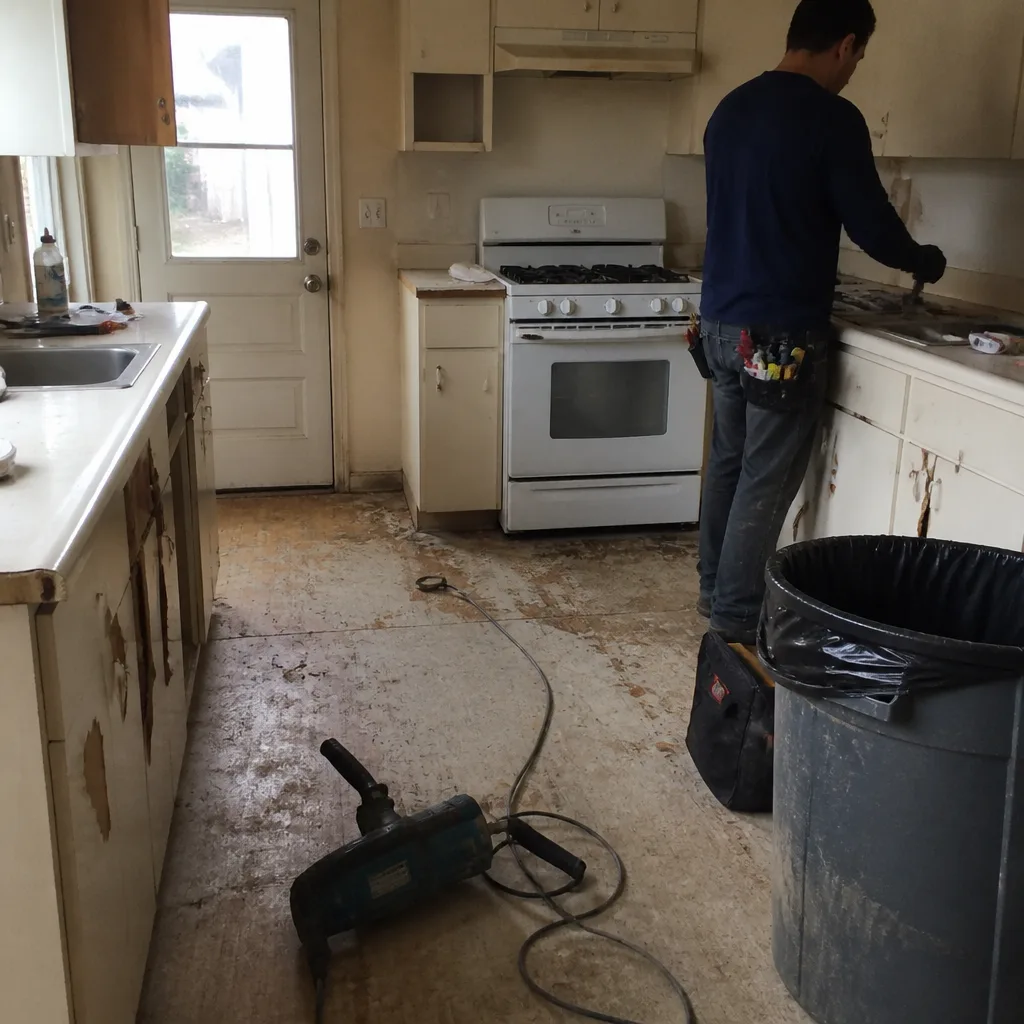 Before
 After
 Before
 After
 Before
 After
What Saratoga homes specifically do to this job
Most chain link we install here isn’t the front-yard boundary – it’s the working fence out back on a multi-acre lot, the one that keeps the dog in and the deer out, or a run along a long driveway where the line has to jump a grade or two. In the 95070 hills parcels, that means stepping the panels and going deeper on posts, and stretching heavier fabric because there’s nothing up there to break the wind. The old orchard-cottage properties near downtown present a different problem: tight lots, existing fencing tied into old masonry or a shared line with a neighbor, and the occasional mature oak sitting right where the fence wants to go. Saratoga’s heritage tree ordinance means that tree isn’t getting pruned for the fence, so the line gets redrawn around the root zone – and we’re used to building within that constraint without harming the tree.
Fire clearance is part of the conversation on the wooded western slopes too: a chain link fence line through defensible space is a low-fuel barrier compared to a wood privacy run, which is one reason some hilllot owners prefer it. If the fence work is tied to a bigger project, homeowners often pair this with Fence Installation in Saratoga scope, or with ADU Site Prep & Utilities in Saratoga when a new accessory unit is going in and the property line needs securing first. Our broader Fence Installation service covers the other fence types. We cover all of Saratoga.
Serving Saratoga, CA – Our Local Coverage Area
We serve Saratoga and nearby communities. Use the map below to see the area we cover. If you’re nearby, we can almost certainly help.
Frequently asked – Chain Link Fence in Saratoga
Most residential runs are finished in one to three working days after the layout is set, with gate work and a walkthrough on the final day. Larger acreage jobs, rocky dig, or a run that’s tied to a permit can stretch to four or five days. Call (833) 988-3521 for a firm timeline on your specific property.
Short residential runs often go in without one, but a fence tied to an estate, a grade change, or an oak-protected line may need review. We check the requirement on the site walk and tell you what applies before we start. If you have a question about your lot, call (833) 988-3521 – estimates are free.
Yes, in almost every case. Utility locating comes before any digging, and post placement adjusts around septic lines, irrigation, and protected tree roots. The one thing we won’t do is cut a root in a protection zone to make the fence line straighter. Call for a site walk to plan the line.
Depending on gauge, coating, and site conditions, expect roughly $18 to $35 per linear foot installed on a standard residential run, within the $3,500 to $9,000 whole-job range. Gates, removal, and sloped ground sit on top of that. Call (833) 988-3521 for a line-item quote on your exact footage.
Workmanship is covered by the 730-Day Done Right Promise – if it’s not done right, we make it right. That covers installation quality: tension, post setting, gate alignment. Material coverage runs per the manufacturer. The local pro is licensed and insured as the state requires. Call (833) 988-3521 to start.
Get your Saratoga chain link fence sized and priced
Call (833) 988-3521 to schedule a free on-site estimate. We’ll walk the line with you, measure the footage, note anything that moves the price, and hand you an itemized written quote. No pressure, no change orders after the fact – just a straight number from a crew that shows up in uniform and answers the phone when you call.
Written by the team at Groundwork Construction Co.