Free written scope consultation - allowances, timeline, and change-order rules on paper before a single trade is scheduled
Chain Link Fence in Fremont, CA: What It Costs and How Fast It Goes In
A chain link fence in Fremont typically runs $3,500 to $9,000 for a standard residential yard, and most jobs are built in two to four working days once materials are on site. You’re usually fencing 100 to 200 linear feet of property line or enclosing a side yard, driveway, or pool area. Call (833) 988-3521 for a free on-site estimate with a written, line-item quote before anything gets ordered.
How a Chain Link Fence Goes In, Stage by Stage
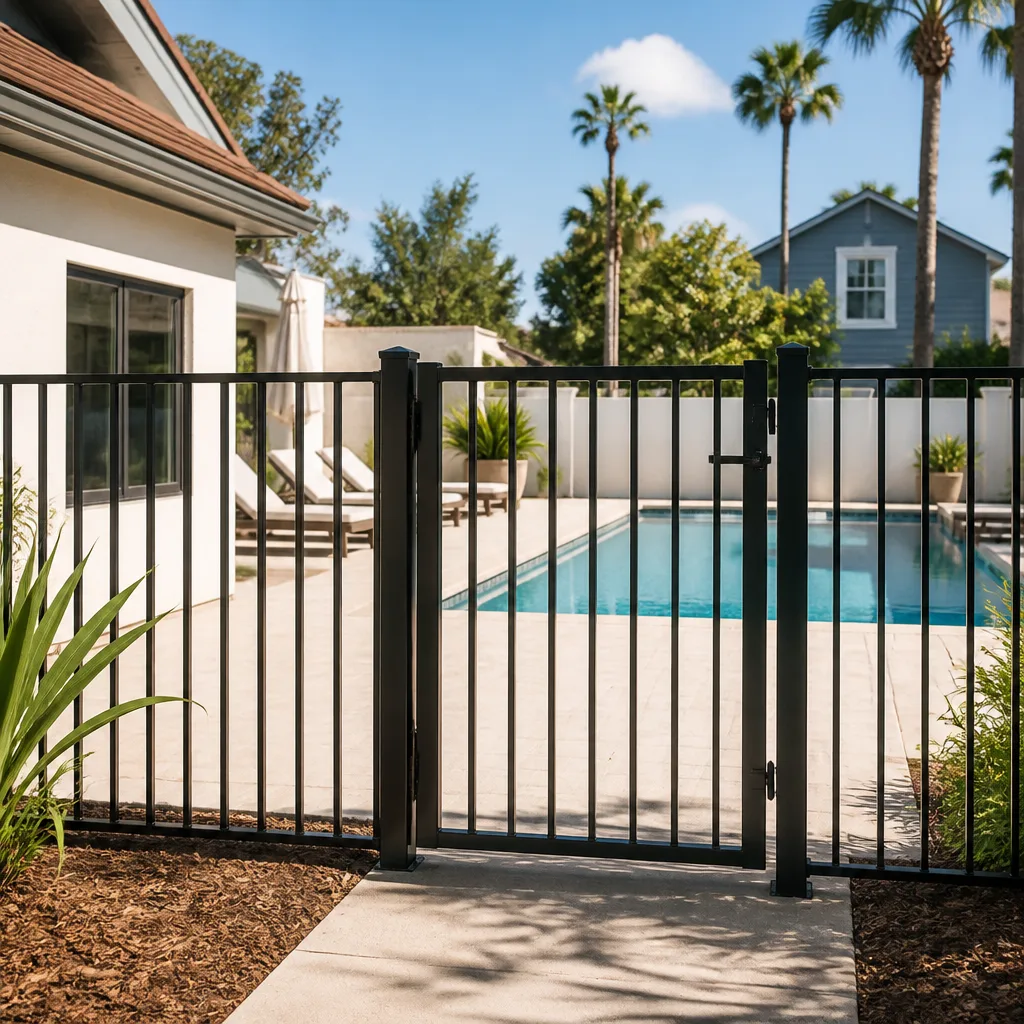
Chain link is one of the few exterior projects where the sequence is genuinely predictable. Here’s what actually happens, and where you’ll be asked to make a call.
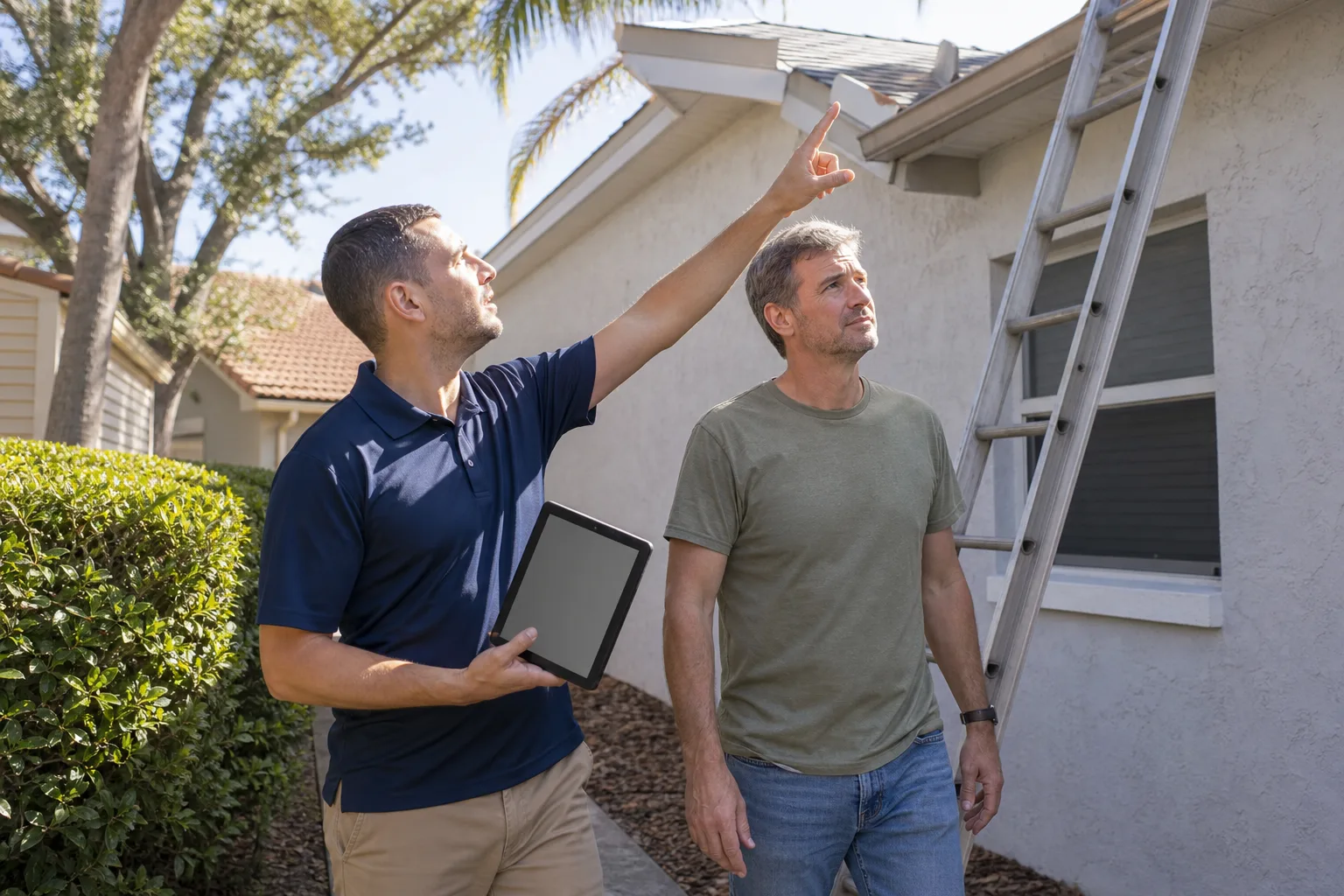
Stage 1: Site walk and layout (day 1, about an hour)
We walk the property line with you, confirm where the fence should sit relative to the actual deed line, and flag anything that changes the plan: a shared fence with a neighbor, a slope, a sewer cleanout, an irrigation line. This is where you decide fence height and whether the fence returns to the house or runs the full perimeter. On older Fremont lots, we also check for the property corner markers, because a fence built a foot onto a neighbor’s land is a problem nobody wants to unwind later.
Stage 2: Utility locating and permit check (day 1 to day 3)
Before a single post hole is dug, underground utilities get marked. If the run crosses a gas, water, or electrical line, the layout shifts. Separately, we confirm whether your fence needs a permit. Most residential chain link under six feet on a single-family lot in Fremont doesn’t require one, but corner lots and anything over six feet usually do. You decide whether to keep the fence under the permit threshold or go taller and pull the paperwork.
Stage 3: Demo and post setting (day 2)
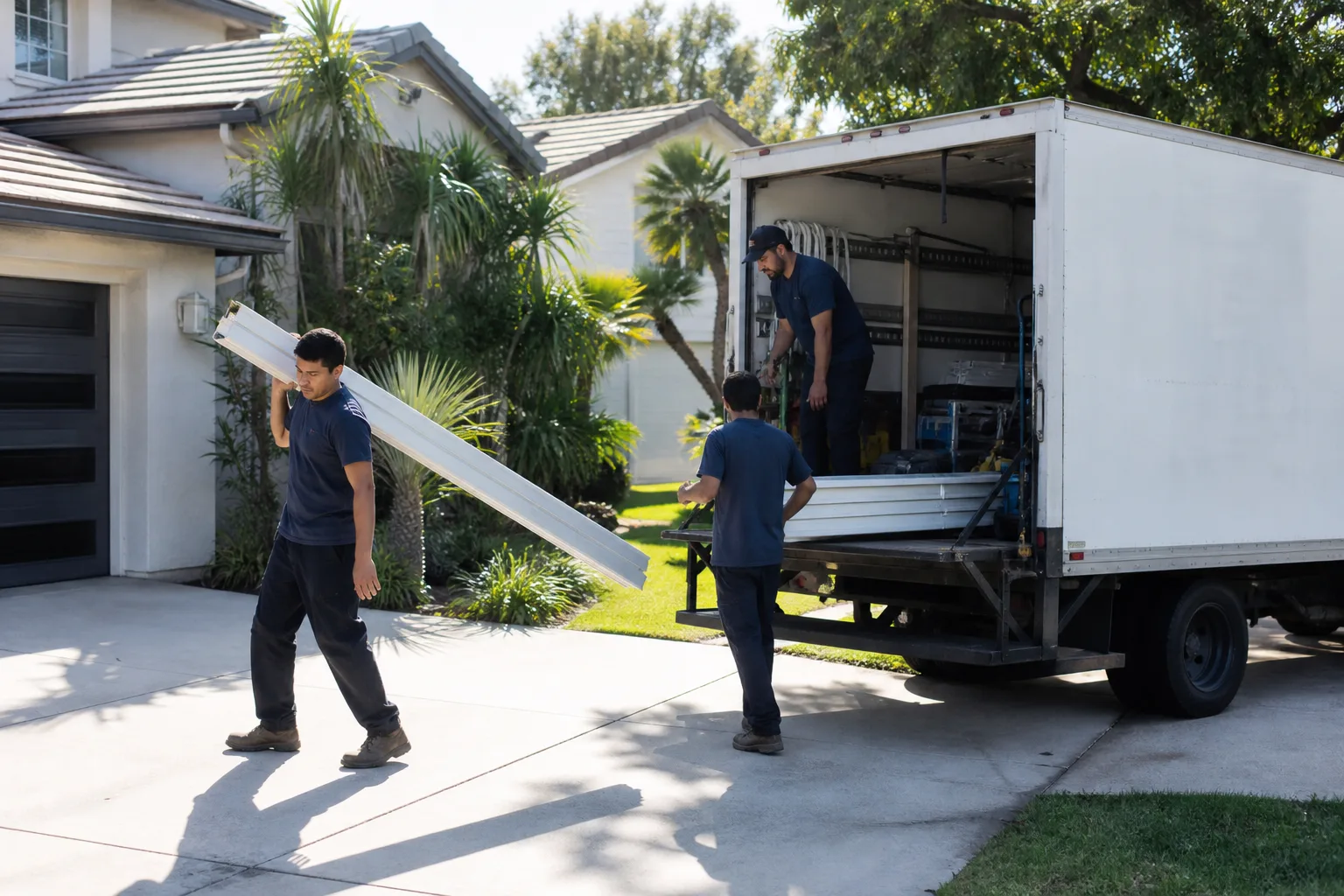
Old fencing comes out and goes to the dumpster. Posts go in at eight-foot spacing (six-foot on heavier commercial runs), set in concrete and plumbed. This is the day that sets the whole job. On Fremont’s expansive clay, we dig deeper and bell the concrete footings so seasonal soil movement doesn’t push posts out of line two winters from now. Concrete needs to cure before tension goes on, so you won’t see finished fence the same day.
Stage 4: Framework, mesh, and gates (day 3 to day 4)
Top rail, tension bands, and the mesh itself get installed and stretched. Gates get hung and adjusted so they swing clean and latch without dragging. You’ll decide gate placement and swing direction here if you haven’t already, plus whether you want a walk gate, a double drive gate, or both.
Stage 5: Walkthrough and tension check (end of day 4)
We walk the whole run with you, check post plumb, confirm gates latch, and show you how the tension bars work so you can tighten things yourself down the road if you ever need to. That’s the full job. Most homeowners are surprised at how little disruption there is compared to, say, a full Fence Installation in Fremont project that combines materials and hardscape.
Styles & brands we work with
- Kitchen remodeling
- Bathroom remodeling
- Home additions & ADU
- Roofing
- Windows & doors
- Driveway & pavers
- Fence
The Options You’ll Actually Choose Between
Chain link isn’t one product. The choices below are where the price lives, and each one has a real trade-off.
- Gauge of wire (11.5 vs. 9 vs. 6): 11.5-gauge is the light residential standard and the cheapest; 9-gauge is heavier and resists dogs and ball impacts; 6-gauge is the commercial grade you’d want on a driveway gate that gets hit. Heavier wire costs more per foot but survives a decade of kids and weather.
- Coating (galvanized vs. vinyl-coated): Galvanized is the value choice and holds up well inland. Vinyl-coated (usually in black or green) adds a few hundred dollars but blends into landscaping and adds a corrosion barrier, which matters near the bayfront. Standard chain link silver reads as utilitarian; black vinyl-coated reads as almost invisible against hedges.
- Height: Four feet is the code-minimum pool barrier in most cases and the cheapest run. Five feet is the most common residential choice. Six feet and above is where you cross into permit territory and where privacy starts to matter.
- Posts and framework: Line posts, terminal posts, and top rail all come in wall-thickness grades. Thicker posts resist the wind load on an exposed corner lot; thinner posts save money on a short interior run.
- Gates: A walk gate is simple and cheap; a double drive gate needs heavier posts and hinges so it doesn’t sag. If you want an automated gate, that’s a separate electrical scope.
Nothing here requires a designer. A quick conversation about how the yard actually gets used usually settles the spec in ten minutes.
What a Chain Link Fence Costs in Fremont, CA
For a typical residential yard, plan on $3,500 to $9,000. The low end is a short four-foot galvanized run on flat ground; the high end is a large perimeter with six-foot vinyl-coated mesh and a drive gate. Five things move that number.
- Linear footage: The single biggest driver. A 100-foot run and a 250-foot run are different jobs with different material loads.
- Terraced or sloped ground: Fremont’s hillside lots in the 94539 ZIP need stepped panels or racked mesh, which slows installation and adds hardware.
- Old fence removal: Tearing out a rusted or concrete-set fence and hauling it adds labor and dump fees.
- Material grade: Upgrading from 11.5-gauge galvanized to 9-gauge vinyl-coated moves the price meaningfully per foot.
- Permits and gates: A permit and a drive gate both add cost on top of a plain perimeter run.
A written estimate from us lists posts, mesh, gates, concrete, demo, and disposal line by line, so there’s no mystery line item later. What it won’t include: landscaping repair after the fact, irrigation rerouting, or a survey if the property corners are genuinely missing. We’ll tell you upfront if any of those come into play. If the fence is part of a wider yard rebuild, some homeowners pair this with ADU Site Prep & Utilities in Fremont so trenching and grading happen in one pass.
See the difference
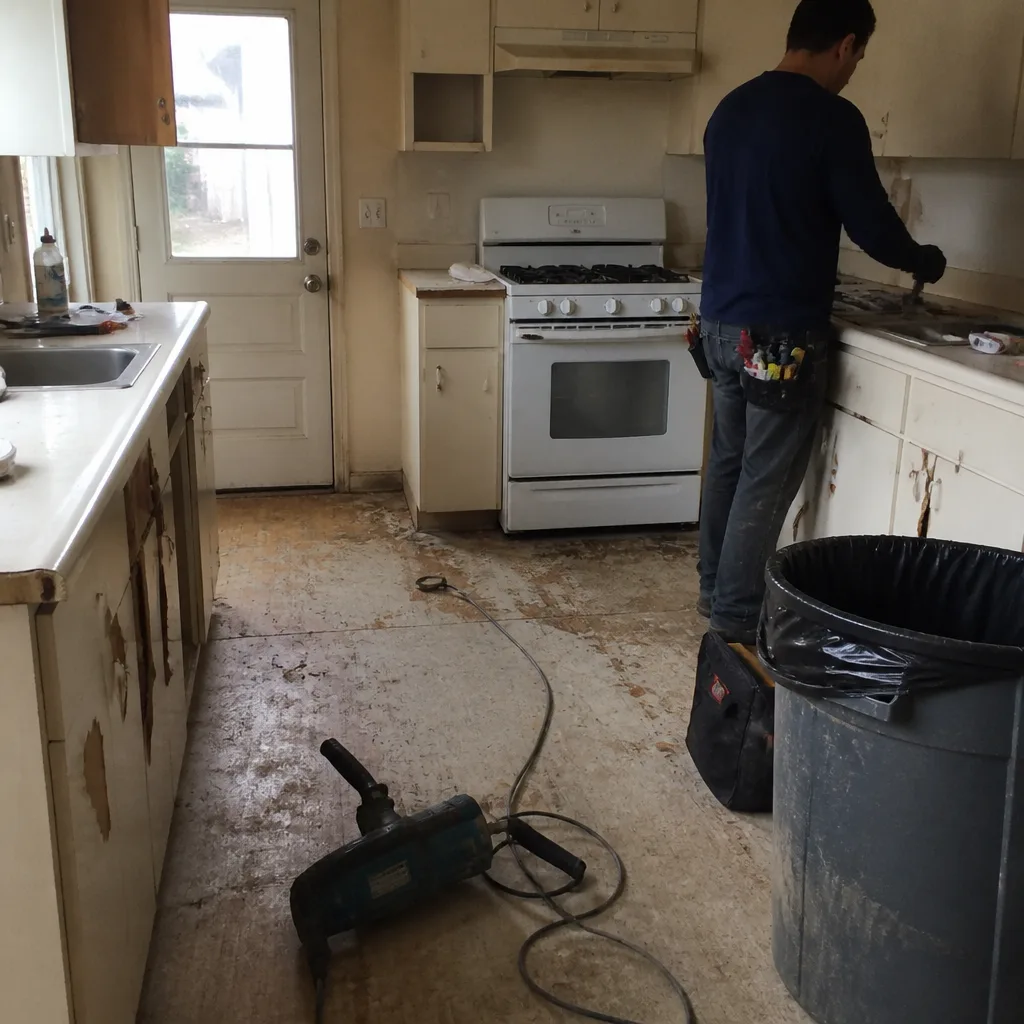 Before
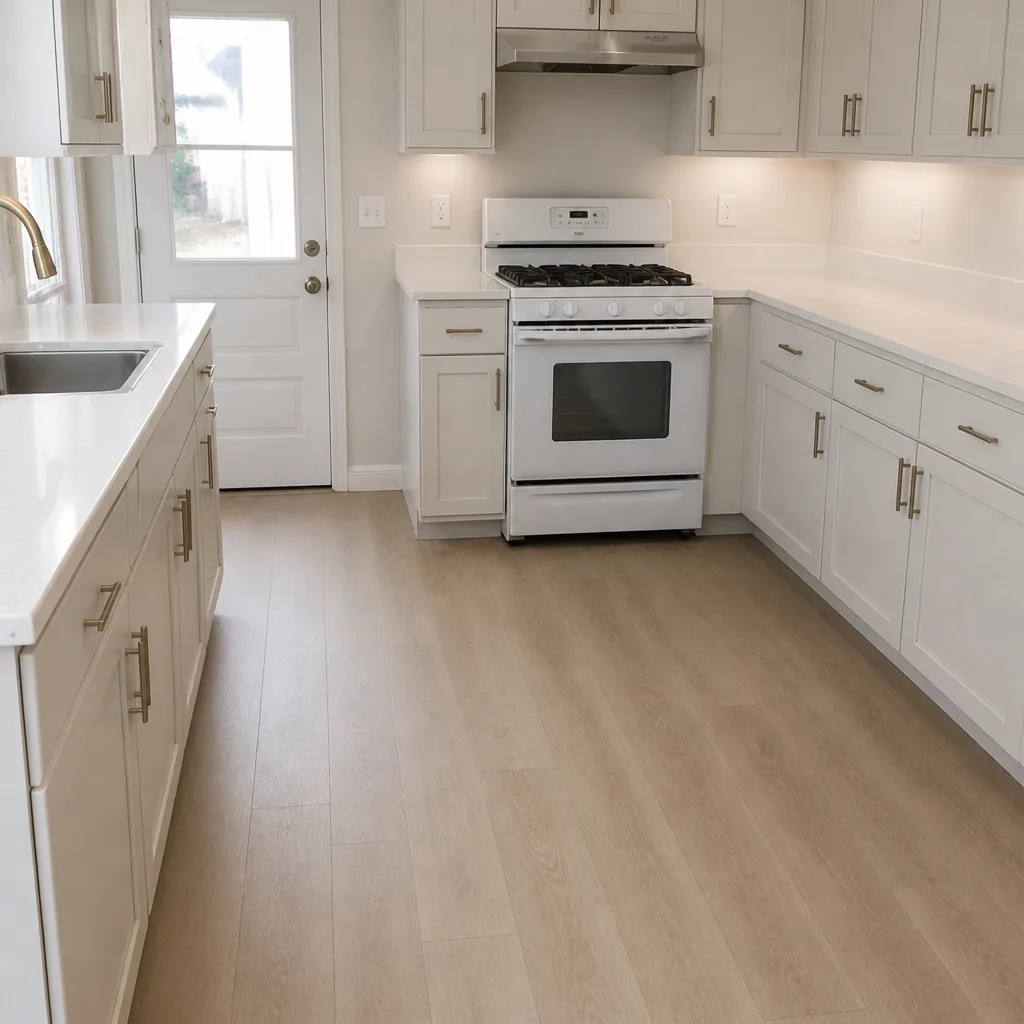 After
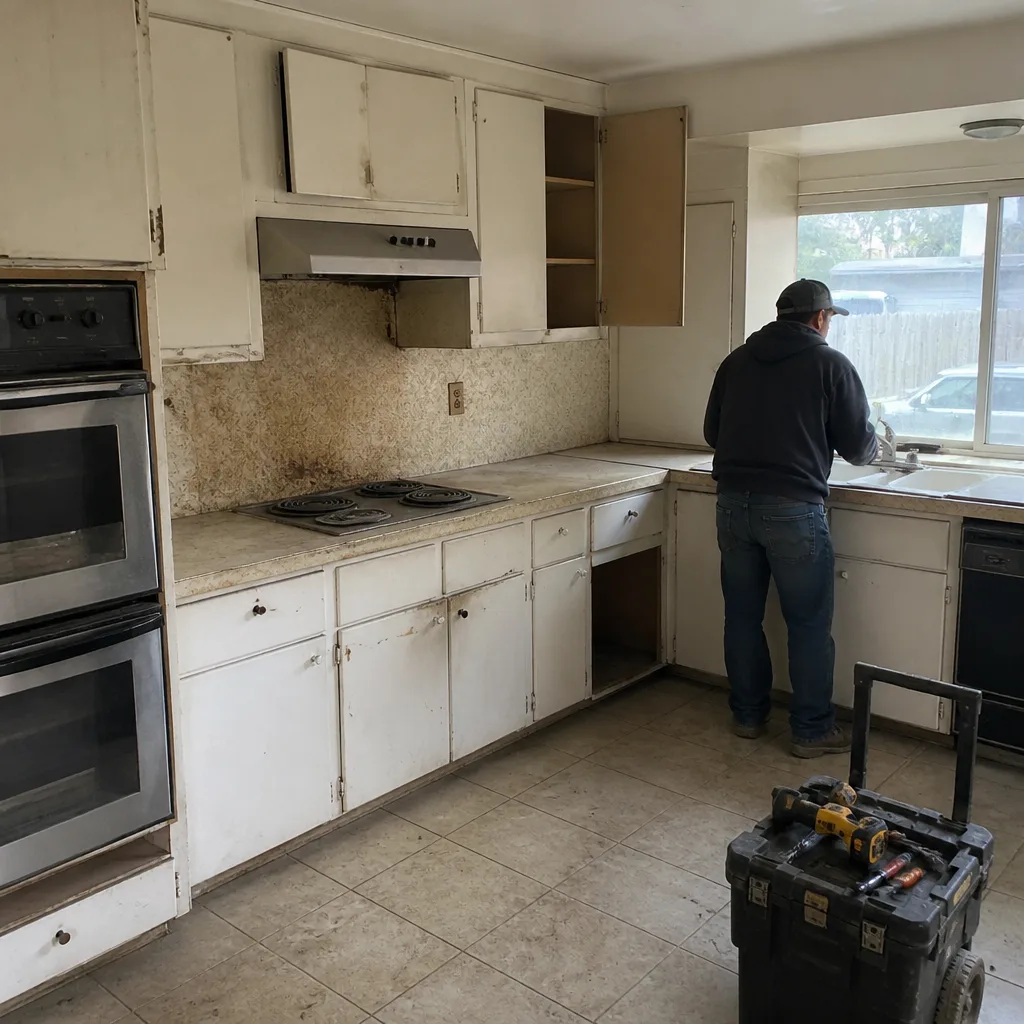 Before
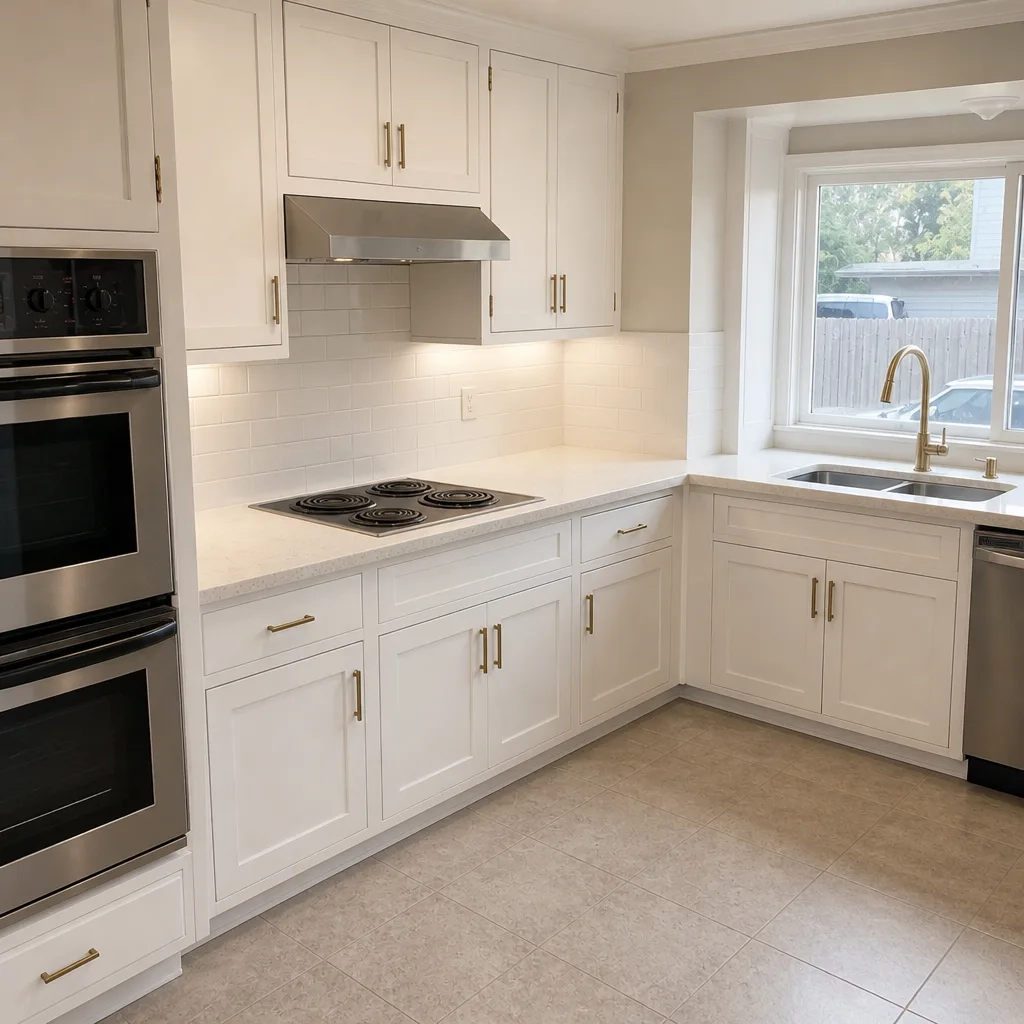 After
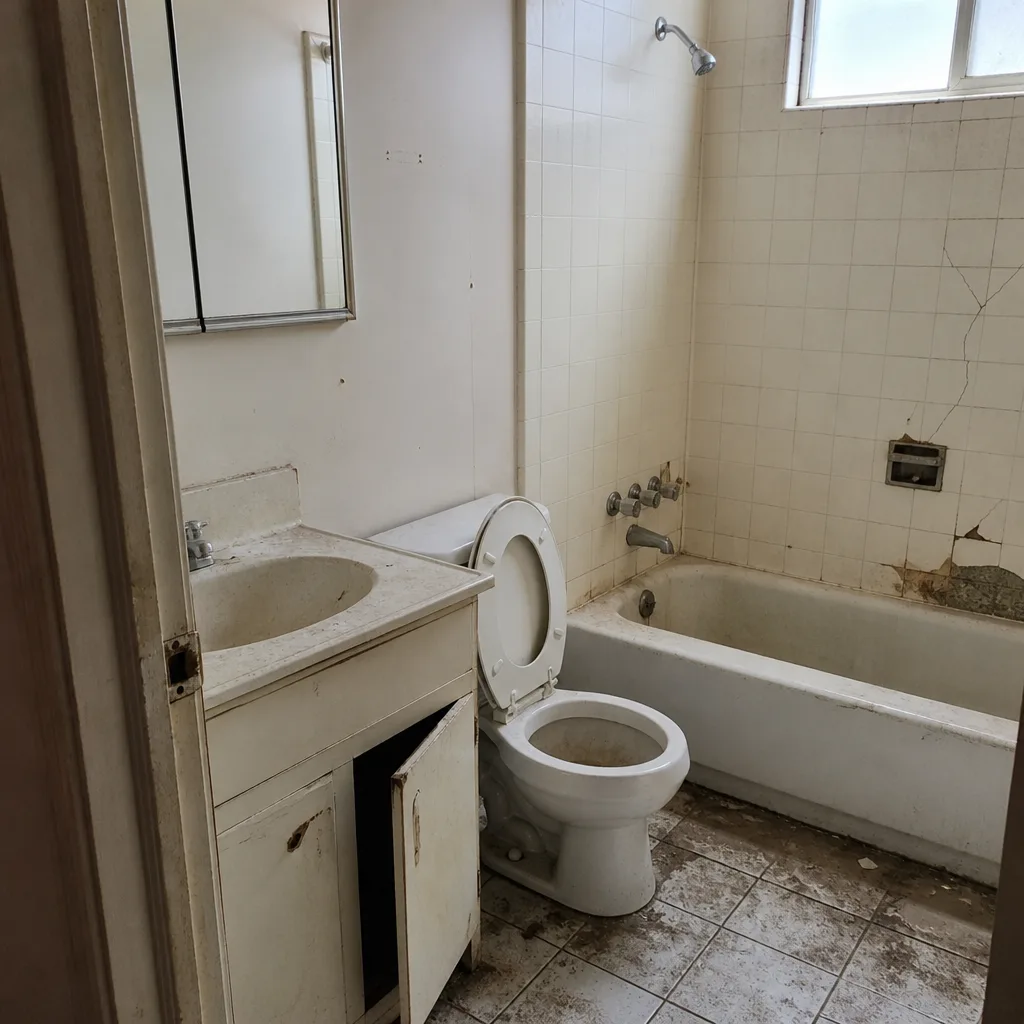 Before
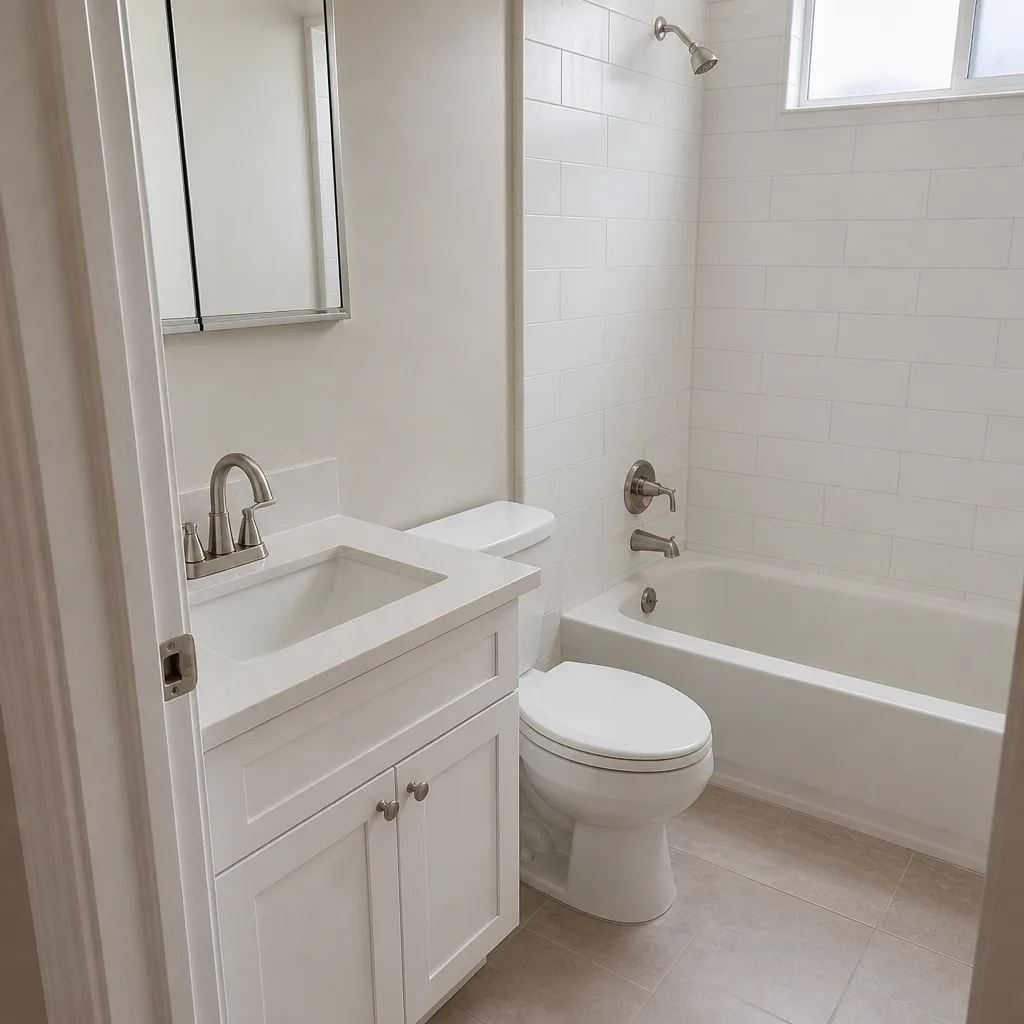 After
What Fremont Homes Specifically Do to This Job
Most of the housing here dates from the 1950s through the 1970s, when the auto plant drove a building boom: single-story three-bedroom ranches on 6,000 to 8,000 square foot lots, with 1970s and 1980s two-story tracts mixed in. That matters for fencing because chain link almost always goes on a property line shared with a neighbor, and on these older lots the original fence is often at the end of its life, leaning, or sitting a few inches off the true line.
The local climate is the other factor. Fremont gets wet winters from roughly November through March and long dry summers, and the clay soils expand and contract seasonally. Concrete-set posts on a shallow footing will creep out of plumb within a couple of seasons. We bell the footings and set them deeper as a default here, not an upgrade. If your lot sits near the Hayward Fault corridor along the base of the East Bay Hills in the older 94536 and 94539 neighborhoods, we also account for the fact that a future seismic retrofit or rebuild may change where fence lines need to land, so we don’t concrete in a run that’s likely to be torn out.
We regularly work across the 94536, 94538, 94539, and 94555 ZIPs and know how the permitting desk and inspection timelines behave. If your run is part of a larger yard or exterior plan, it’s worth reading up on our broader Fence Installation work, and if you’re reworking exterior entries at the same time, homeowners often pair this with Door Installation in Fremont. We cover the whole of Fremont and the surrounding area, including Milpitas, Sunnyvale, Mountain View, and Santa Clara.
Serving Fremont, CA – Our Local Coverage Area
We serve Fremont and nearby communities. Use the map below to see the area we cover. If you’re nearby, we can almost certainly help.
Frequently Asked – Chain Link Fence in Fremont
Most residential chain link fences in Fremont are built in two to four working days once materials are on site, with the concrete pour needing a cure day before tension goes on. Larger runs, sloped lots, and jobs that need a permit can stretch to a week. Call (833) 988-3521 for a schedule based on your specific property.
Most single-family residential chain link under six feet doesn’t require a permit, but corner lots and fences six feet or taller usually do. The safe move is to ask before you build, and we handle that check as part of the estimate. Call (833) 988-3521 and we’ll confirm what applies to your lot.
Yes, in most cases a chain link fence installs with minimal disturbance because posts are small and concrete-set locally, not trenched. Utility locating before digging keeps gas, water, and electrical lines safe, and we route around irrigation where we can. Call (833) 988-3521 to walk your lot with us.
Expect $3,500 to $9,000 for a standard residential chain link fence in Fremont, with the exact number depending on linear footage, height, mesh grade, and whether old fencing needs removal. Every quote is written and line-item. Call (833) 988-3521 for an exact figure – estimates are free.
Workmanship on a chain link fence in Fremont is covered by our 730-Day Done Right Promise: if it’s not done right, we make it right, for two full years. Material warranties come from the manufacturers on top of that. Call (833) 988-3521 to talk through the details before you commit.
Get a Free Chain Link Fence Estimate in Fremont
We’ll walk your property line, confirm what the ground and the utility locates will allow, and hand you a written line-item estimate with no surprises and no pressure. That’s the whole call. Reach us at (833) 988-3521 to set up a free on-site estimate for a chain link fence in Fremont, and we’ll tell you straight what the job needs and what it costs.
Written by the team at Groundwork Construction Co.