Last updated November 18, 2026

Free written scope consultation - allowances, timeline, and change-order rules on paper before a single trade is scheduled
Driveway & Pavers Warning Signs Every Homeowner Should Know
Rocking pavers aren’t just a trip hazard – they’re evidence that your bedding layer has lost compaction, and every car tire that crosses them is grinding that layer further into the base beneath it. That’s the hard lesson we’ve learned walking driveways across San Jose: the surface almost always tells you what’s happening underneath, but only if you can read it. Most homeowners replace a driveway a year or two after a cheap fix would’ve saved it, because nobody taught them what the small stuff means. This guide decodes the visual patterns that predict failure, names the specific crack and stain and weed signatures to watch for, and gives you a baseline for what a healthy paver driveway should look and sound like. Read it once and you’ll spot trouble months before it costs you.
Quick Answer
The most reliable paver driveway warning signs are pavers that rock underfoot, standing water that lingers in the same spot more than a day after rain, joint sand that washes out or grows weeds, and stair-step cracks that follow a straight line across the field. Surface issues like faded color or a little loose sand in the joints are cosmetic and cheap to address; movement, sunken patches, and repeated water pooling mean a base or drainage problem underneath, and those are the ones that turn a $900 correction into a full replacement if you wait. Learn to tell the two apart and you’ll know exactly when to call for a look.
Styles & brands we work with
- Kitchen remodeling
- Bathroom remodeling
- Home additions & ADU
- Roofing
- Windows & doors
- Driveway & pavers
- Fence
Table of Contents
- 1. Rocking and Shifting Pavers: What Movement Actually Means
- 2. Standing Water and Drainage Failure
- 3. The Three Crack Patterns and What Each One Reveals
- 4. Weed Growth and Polymeric Sand Breakdown
- 5. What a Healthy Paver Driveway Looks and Sounds Like
- 6. San Jose Climate and Soil: Why Local Driveways Fail Differently
- 7. Repair or Replace? The Decision Timeline
- Common Mistakes to Avoid
1. Rocking and Shifting Pavers: What Movement Actually Means
A paver that flexes when you step on it has lost the sand layer that holds it captive. That’s the simple version. The useful skill is noticing the pattern of which stones move, because the pattern tells you how deep the problem runs. If one or two pavers in the middle of the field rock and the rest are solid, you’re usually looking at a localized bedding issue – a spot where the sand washed out or a paver was set slightly high, throwing the interlock off. That’s a small fix.
When a whole row rocks, or a wheel-path channel runs the length of the driveway because both tire lines have dropped, the base itself is the problem. The pavers are just following it down. Each car pass compresses that failed base further, and the edge restraint starts pulling loose. In our experience across San Jose, edge restraint failure is the quiet accelerant – once the border pavers drift outward, the whole field spreads and the joints open up. Watch for:
- Individual rocks: usually 1-3 pavers, often near a downspout or the apron.
- Wheel-path settling: two parallel depressions where the tires run – base failure, not surface wear.
- Edge drift: border pavers separating from the field, or the restraint lifting.
- Lip in the walkway: one paver sitting visibly proud, a catch hazard and an early sign the bed is uneven.
When you find movement, don’t ignore the trip risk while you decide. Note where it is and whether it’s spreading, and get it looked at before the next rainy season amplifies it. For a closer look at how a properly built driveway should hold together from base to finish, see our Driveway & Pavers in San Jose service page.
2. Standing Water and Drainage Failure
Water is the most honest inspector on your property. After rain, walk your driveway within a day and note every place water is still sitting. A wide, shallow puddle that drains within a few hours is usually harmless. Water that lingers in the same low spot more than 24 hours, or pools against the house or garage door, is telling you the grading and slope were built wrong or have shifted. That matters because a driveway should always shed water away from the structure, not deliver it to the foundation.
In San Jose, our rain comes in concentrated storms rather than steady drizzle, and that changes the failure math. A wet winter sends a lot of water at once, so a drainage defect that hides in a dry summer can carve out a base in a single storm season. Watch for these:
- Puddling at the garage door threshold: the apron has settled or the slope runs the wrong way.
- Recurring pools in the same two or three paver joints: those stones sit low; the field isn’t draining.
- Water tracking toward the house: a grading problem, and the most urgent of the water signs.
- Sand washing out at the bottom of the slope: the joints are flushing, which empties the interlock.
Left alone, persistent pooling under the pavers softens the base, and softened base means movement, and movement means water reaches the foundation. That’s the line where a driveway problem becomes a structural one. If your water is pooling next to the structure, it’s worth connecting your driveway fix to the broader drainage picture, and our Home Additions & ADU in San Jose team can size the adjacent work when a project is larger than the driveway itself.
3. The Three Crack Patterns and What Each One Reveals
Not all cracks mean the same thing. Reading the shape and location of a crack is one of the sharpest diagnostic skills a homeowner can build, because each pattern points at a different cause. Here’s how to separate them.
Tree root intrusion lifts. Roots push upward as they grow, so you’ll see pavers heaved or a crack line that bulges with a root visible at the joint, often running toward a mature tree within 20 or 30 feet. The crack meanders rather than running straight. Removing the root and resetting the affected pavers usually solves it; ignoring it and the heave spreads.
Soil settlement is the opposite: the ground gives way, so those pavers drop rather than lift, and cracks appear with a slight depression alongside them. It’s common where a utility trench was backfilled and never recompacted, or where a soil type shifts under the field. You’ll see sunken dips and a crack that opens gradually.
Improper base depth produces long, straight, repeated cracks across the whole driveway that follow the same line year after year. That pattern means the compacted base was too thin to carry the load and the pavers are cracking under flex. It’s the one that usually pushes a full rebuild, because a crack that returns to the same line is the base telling you it’s not going to hold.
Also watch the “stair-step” crack where pavers are laid in a running bond. It can be anything from minor traffic flex to washout under the field, so have it inspected before assuming it’s cosmetic. If a crack sits near the edge of the driveway where it meets your fence line, check our Fence Installation in San Jose page, since footing and drainage problems in that seam often involve both surfaces.
4. Weed Growth and Polymeric Sand Breakdown
Weeds in your driveway joints aren’t a landscaping annoyance. They’re a symptom. Polymeric sand is the stabilizer that locks pavers together and keeps them from spreading; when it’s intact and properly seated, weeds don’t have room to start. When you see weeds coming up in lines along the joints, the sand has eroded, usually because water was running over it, the seal was never topped off, or the installer used plain sand instead of the polymer product. A common mistake in San Jose is a cheap install that skips the polymer entirely to save cost.
The escalation is predictable, and it moves faster than most homeowners expect:
- Stage 1: a few weeds in the widest joints; the sand is thinning.
- Stage 2: weeds along the full joint lines and sand noticeable in the street after a rain.
- Stage 3: the joints open enough for water to get under the pavers, and weeds fill the gap as the interlock loosens.
- Stage 4: open joints let erosion wash the base away, and you’re back to movement and settling.
Left to stage 3 and 4, you’re no longer fixing weeds. You’re rebuilding the base. The productive move is to have the joints re-sanded with a proper polymer product early, which is a fraction of the cost of the repair it prevents. Take a photo of the weedy straight lines now so you can compare next season, and note whether the volume is growing.
5. What a Healthy Paver Driveway Looks and Sounds Like
You can’t judge a repair without a baseline, and most homeowners have never been taught what “good” looks and sounds like. Here’s how to set one after the first rain, when every paver is seated and settled.
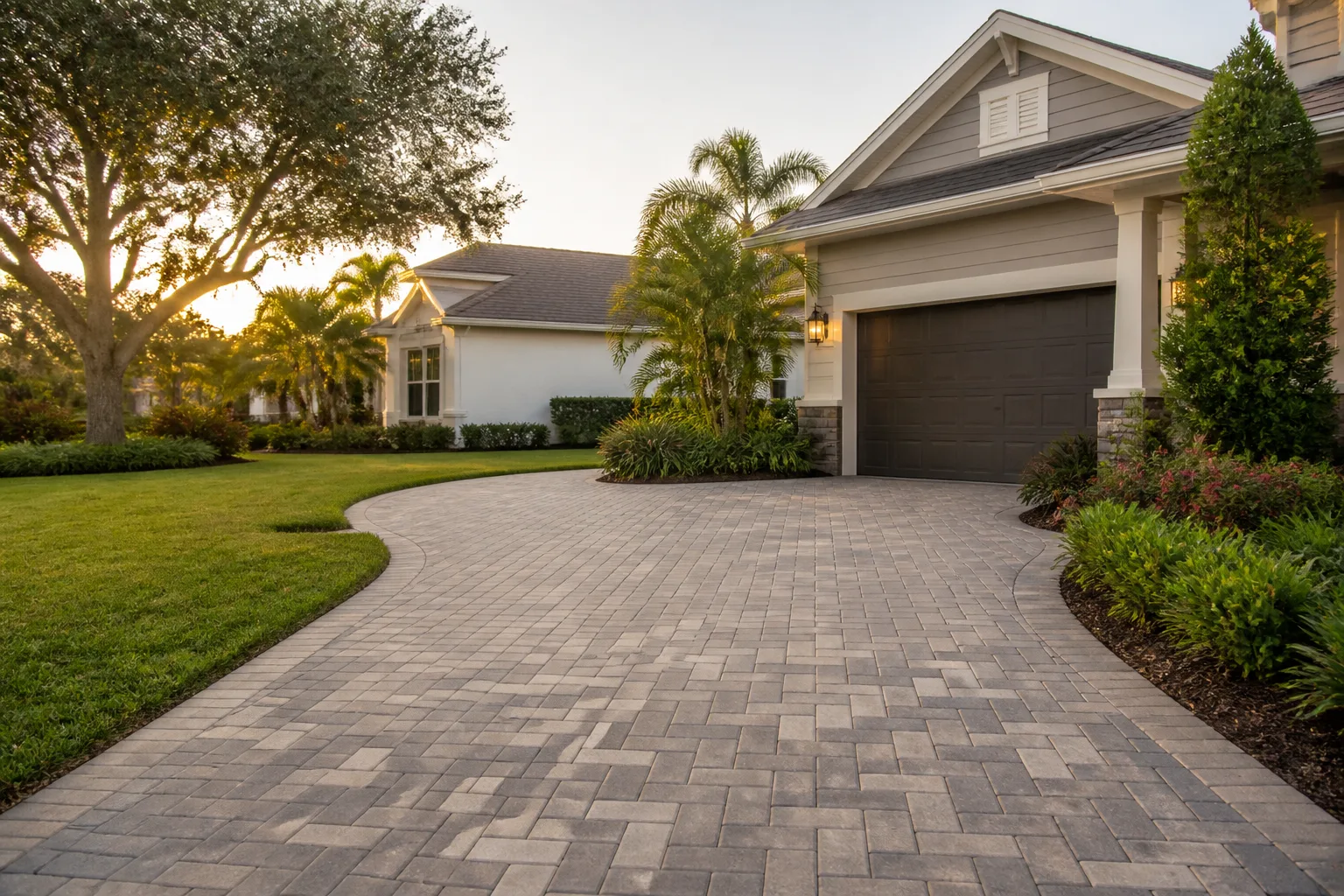
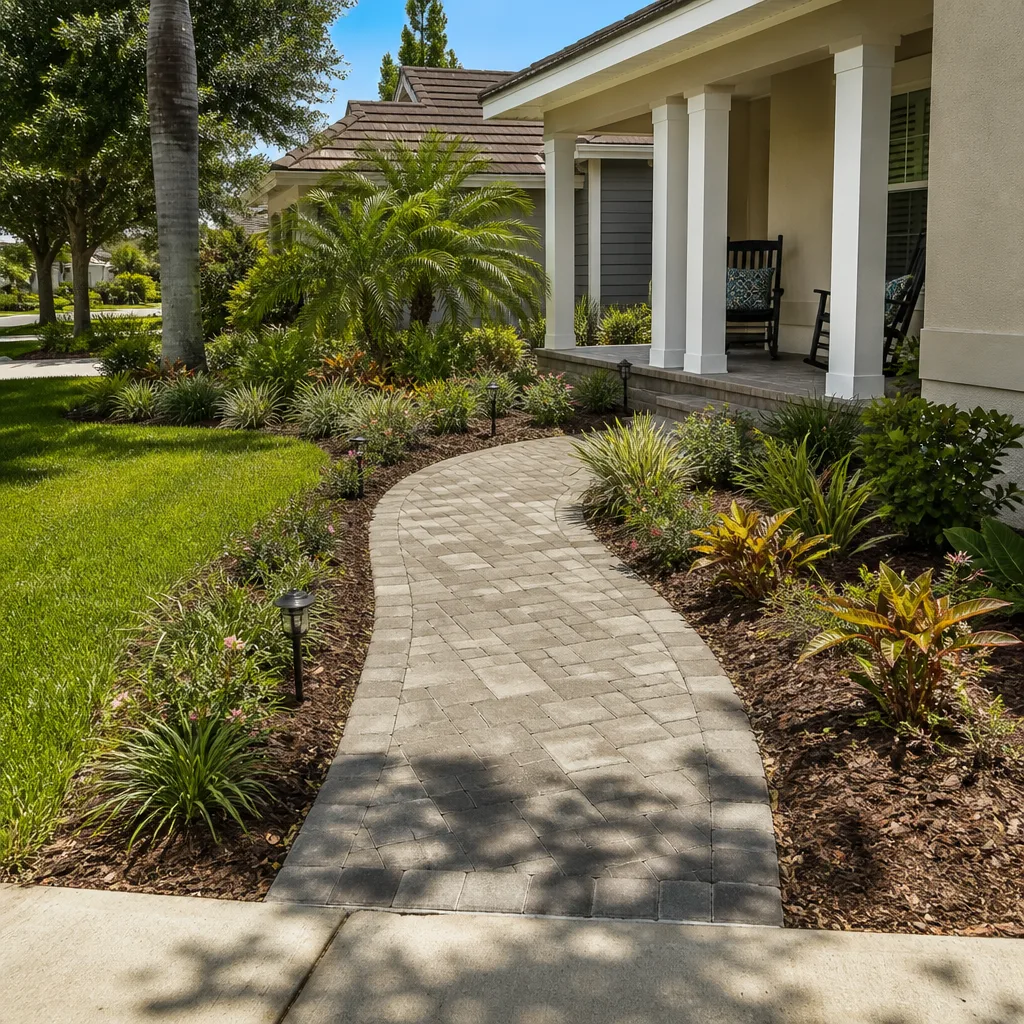
Look: the field should be flat and consistent across its whole width, no wheel-path dips, no proud stones, joints uniform in width. Water should sheet off the surface and drain to the street, not collect. The border edges should be tight and flush, with no gap between the paver field and the restraint; the border holds the pavement together. A fine, even haze of sand in the joints is fine. Heavy sand buildup in the bottom corner of any downhill joint is sand moving.
Sound: a healthy paver, struck with a shoe, gives a short, dull, “solid” sound, like tapping packed earth. A hollow or ringing sound means air under the paver, i.e., a candidate for movement. Walk the whole driveway in dry weather and listen; the hollow ones announce themselves. For a reliable check, do a walk-and-tap at the same time each year. Then note which sections sound solid and which don’t, so you can compare over time. Our technicians, with up to 12 years of experience, use this same method on jobs across San Jose before recommending any repair.
Finally, note the color and texture year to year. Pavers age gracefully but should fade evenly. If a section looks noticeably darker or has a different texture, moisture is being trapped there – the earliest detectable sign of a drainage problem. Also confirm placement against a San Jose code reality: driveway widths and the placement of pavers next to the public way need to meet local requirements, so a good install begins with a look at the site, not the catalog.
6. San Jose Climate and Soil: Why Local Driveways Fail Differently
Not every paver driveway fails the same way, and location matters more than most guides admit. San Jose’s climate is one of long dry summers followed by a concentrated storm season. That cycle is hard on a base. The dry season shrinks clay soil and the wet season swells it again, so a base that wasn’t compacted correctly will move every year, and each year the paver joints work themselves looser. A flat lot on San Jose’s alluvial soils can hold up for years while the same pavers on a sloped site develop problems within a season or two.
The other geography to know is the groundwater table. Driveways installed close to natural drainage or in the low spots near creeks and flood-prone areas need extra attention to base depth and underdrain. In those locations, water rises from below, not just from rain above, so surface patching won’t last.
All of this means the same crack pattern can have a different cause depending on where you live in San Jose: a settlement dip on the east side of town may be soil movement, while the same dip on sloped ground is more likely a base compaction or drainage issue. Being specific about your own site is how you avoid buying a repair that doesn’t fix the cause. And it’s why a proper look is so valuable: two driveways on the same street can need completely different answers.
7. Repair or Replace? The Decision Timeline
Once you’ve read the warning signs, the practical question is whether to correct the surface or rebuild the base. Here’s the framework we use, laid out so you can apply it to your own driveway.
- Is the problem in the joints or the bed? Weeds, loose sand, faded color: joint repair or re-sanding. Still cheap.
- Is one to three pavers moving on a stable field? Local reset: low cost, high return.
- Are the wheel paths or a whole section settling? The base is involved. A partial rebuild of the affected area is the honest scope.
- Are long, repeated, straight cracks returning to the same line? The base depth was wrong and needs a full rebuild. Patches will keep failing.
- Is water pooling against the house or foundation? Treat it as urgent regardless of the other answers. Drainage and grading first, then the pavers.
- Are you planning a larger project in San Jose and need the driveway to serve it? Build the driveway and drainage together rather than twice.
The cost of getting this right the first time is real, and the cost of a base rebuild after a cheap patch is larger. Put differently: address the structural signs early and a paver driveway can serve a San Jose home for its full design life. Wait on a failing base and you’re paying for the base twice. Whichever way the timeline lands, we give you the scope behind it in writing, so there’s a fixed number before any work begins.
Common Mistakes to Avoid
- Sealing a wet or moving driveway. Sealer locks moisture in and hides the movement you need to see. Fix the cause before the seal.
- Treating weeds with weed killer and calling it done. The weeds come back because the sand is gone. Re-sand the joints to remove their room to take root.
- Skipping the base to save money. In San Jose, that usually means the driveway fails in the first wet season. The base is the part you don’t see and the part that must be right.
- Using plain sand in the joints. It washes out as fast as it goes in. A proper polymer product locks the pavers and holds.
- Ignoring a single rocking paver for a season. One moving stone spreads the gap to its neighbors. Catch it while it’s still one stone.
- Repointing without recompacting. If the base is soft, resetting pavers just puts them back on the same failing bed. The base comes first.
- Hiring for price alone. A bare quote that skips base prep, edge restraint, and joint stabilizer is the most expensive line item you can accept. Compare scope, not just cost.
See the difference
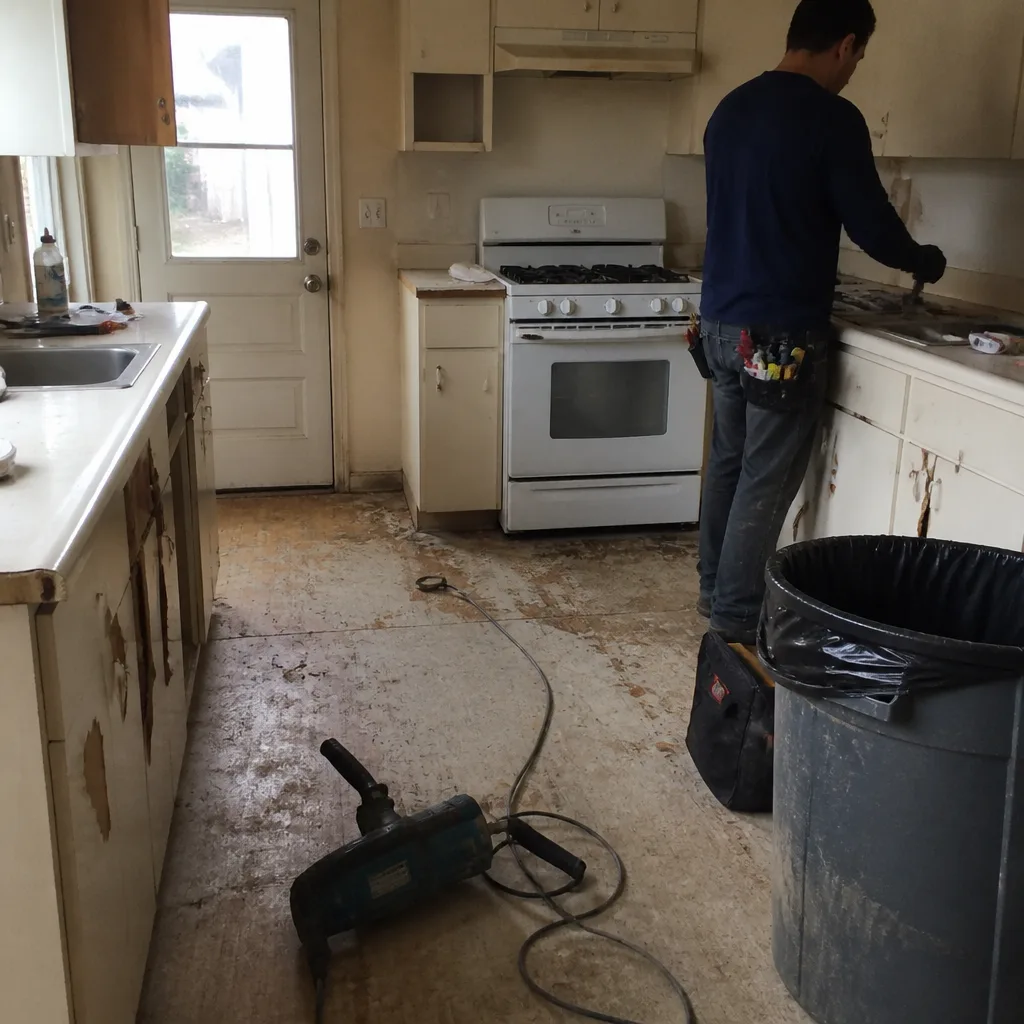 Before
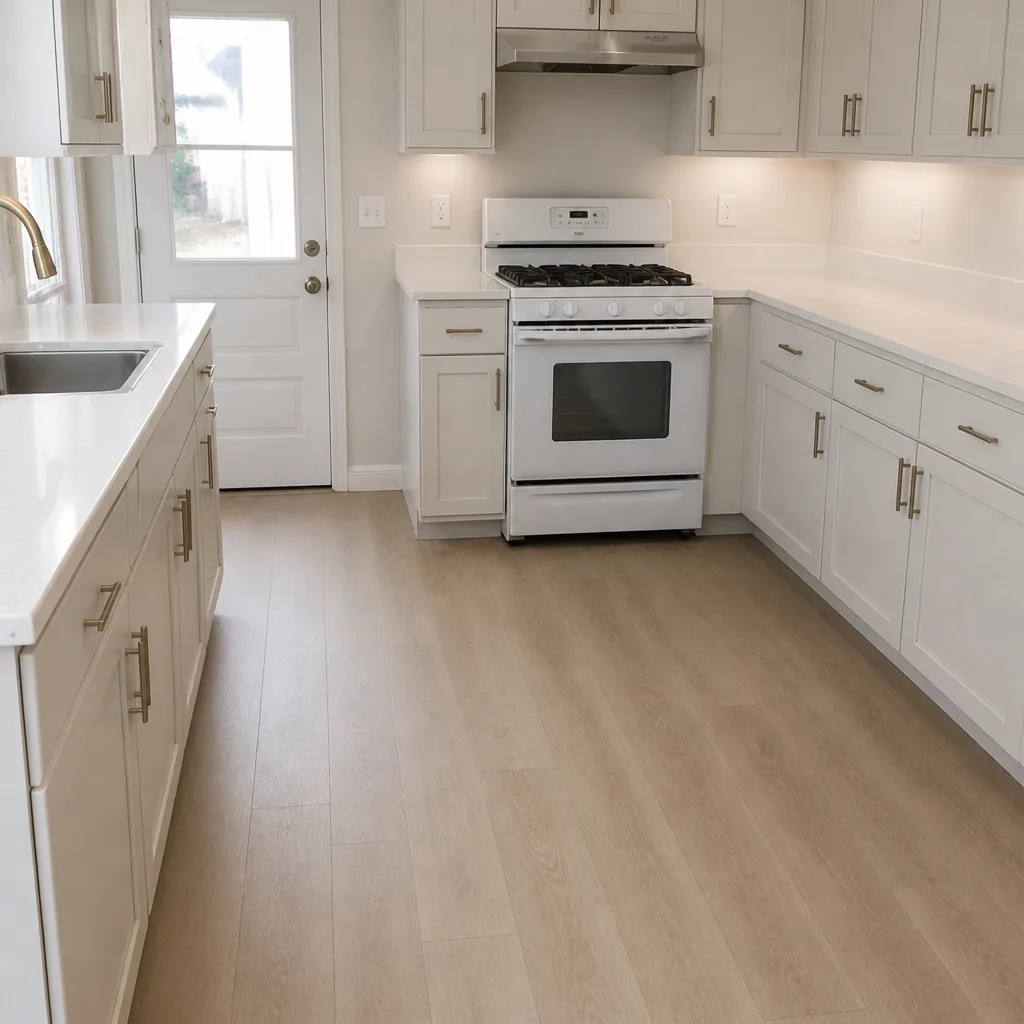 After
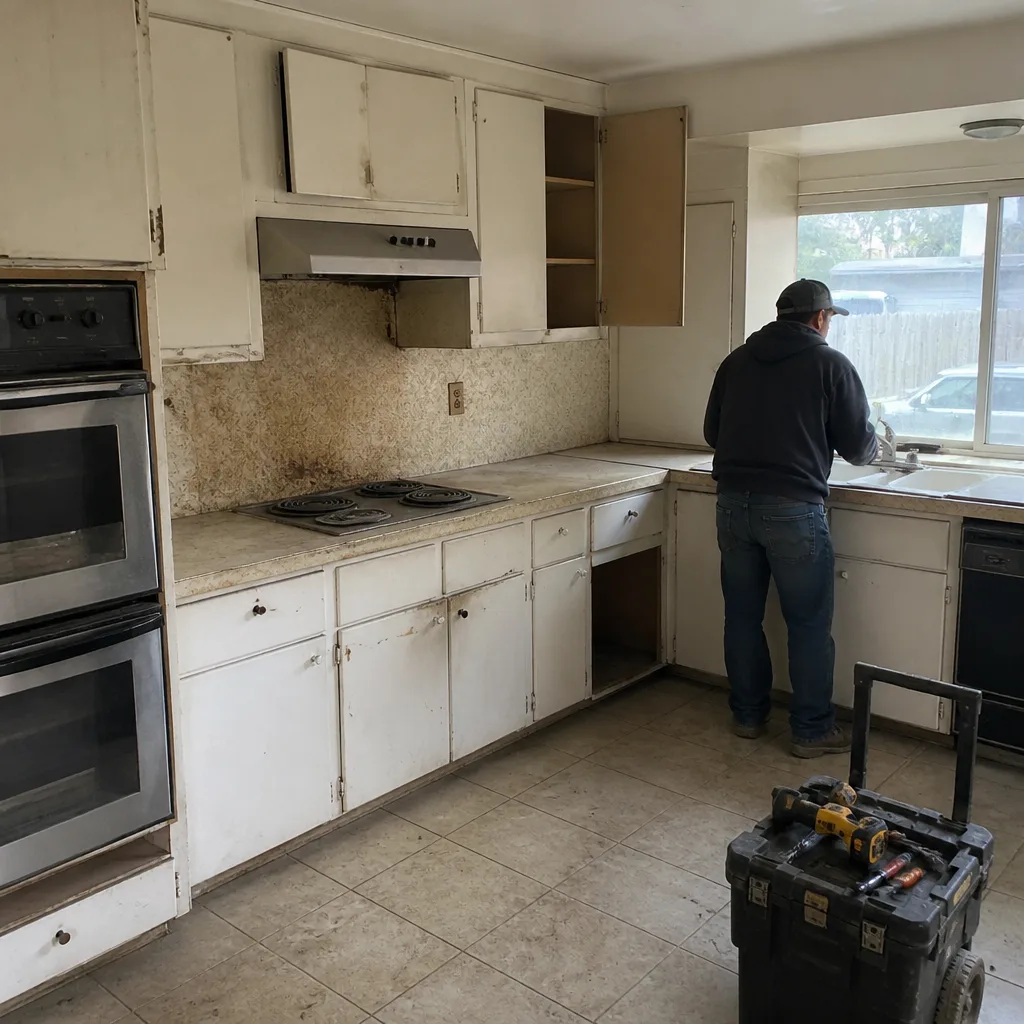 Before
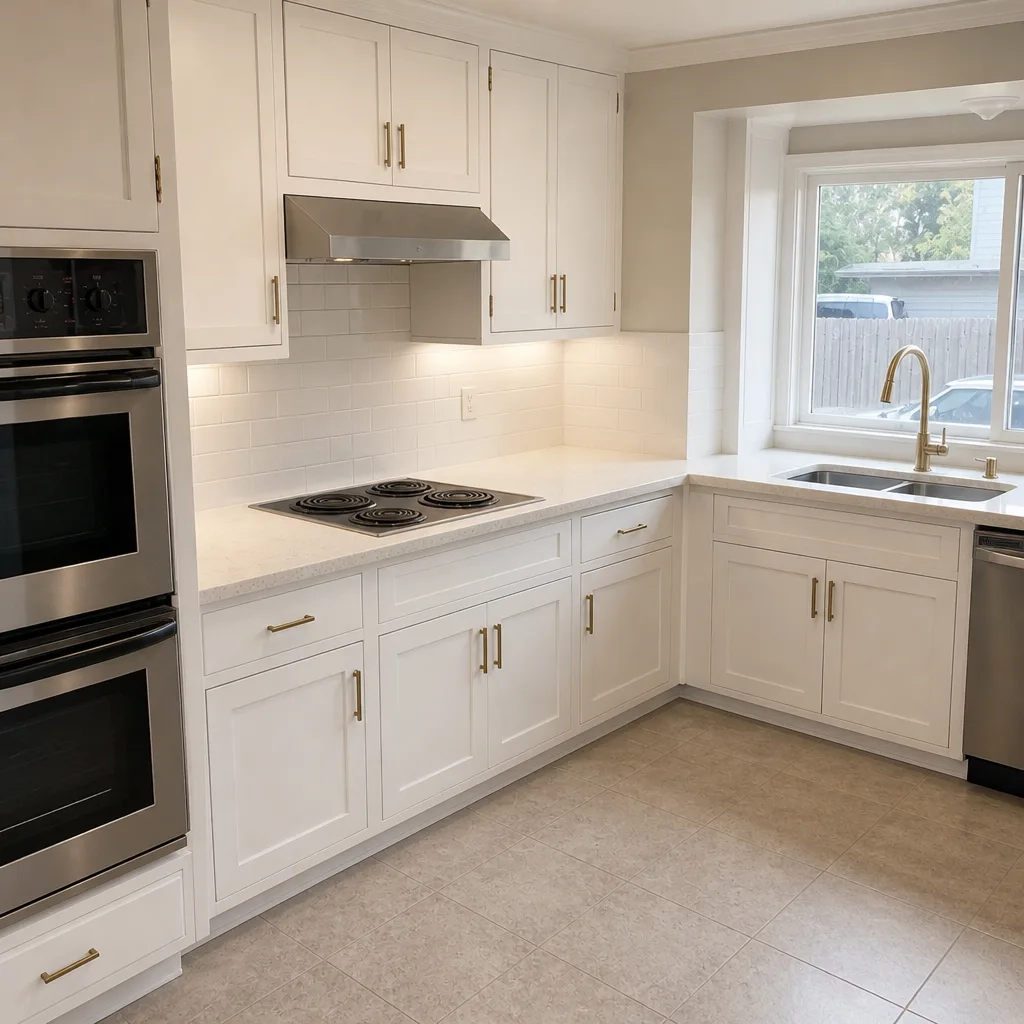 After
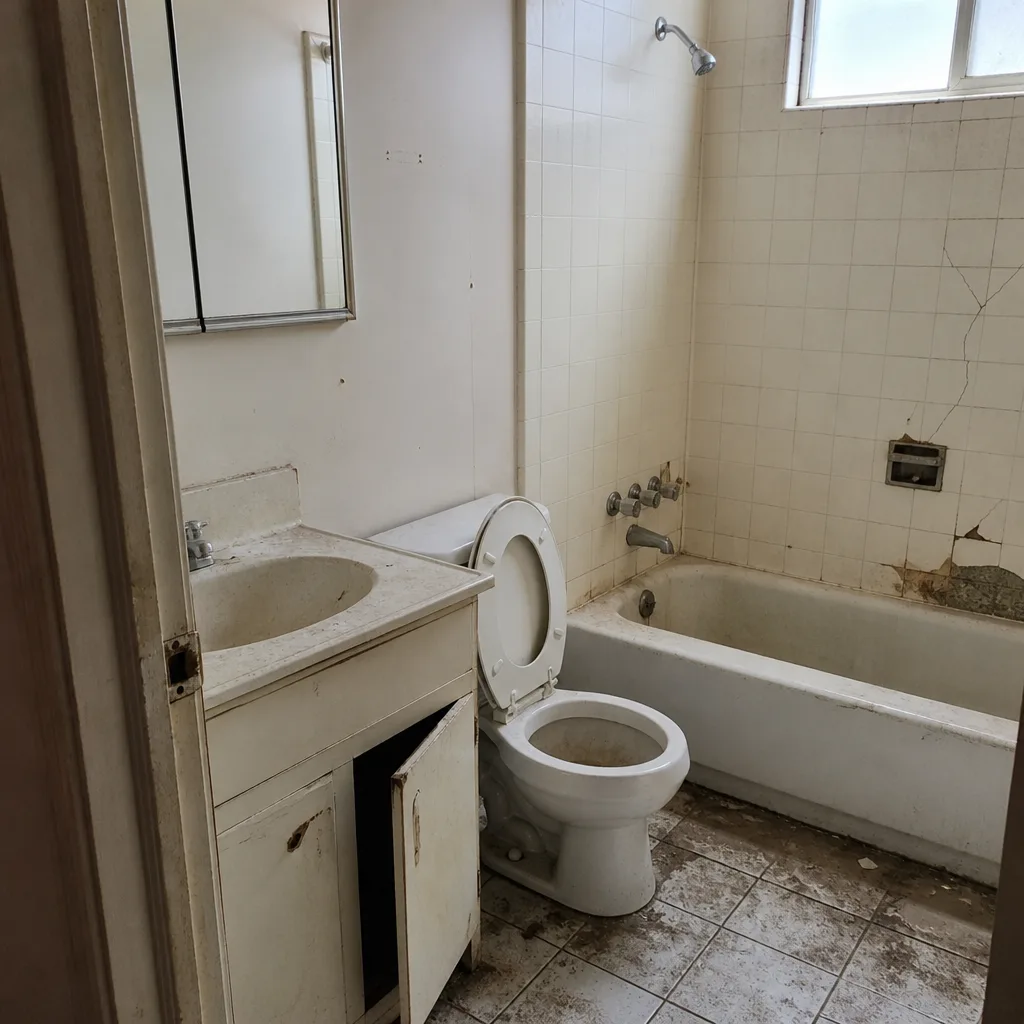 Before
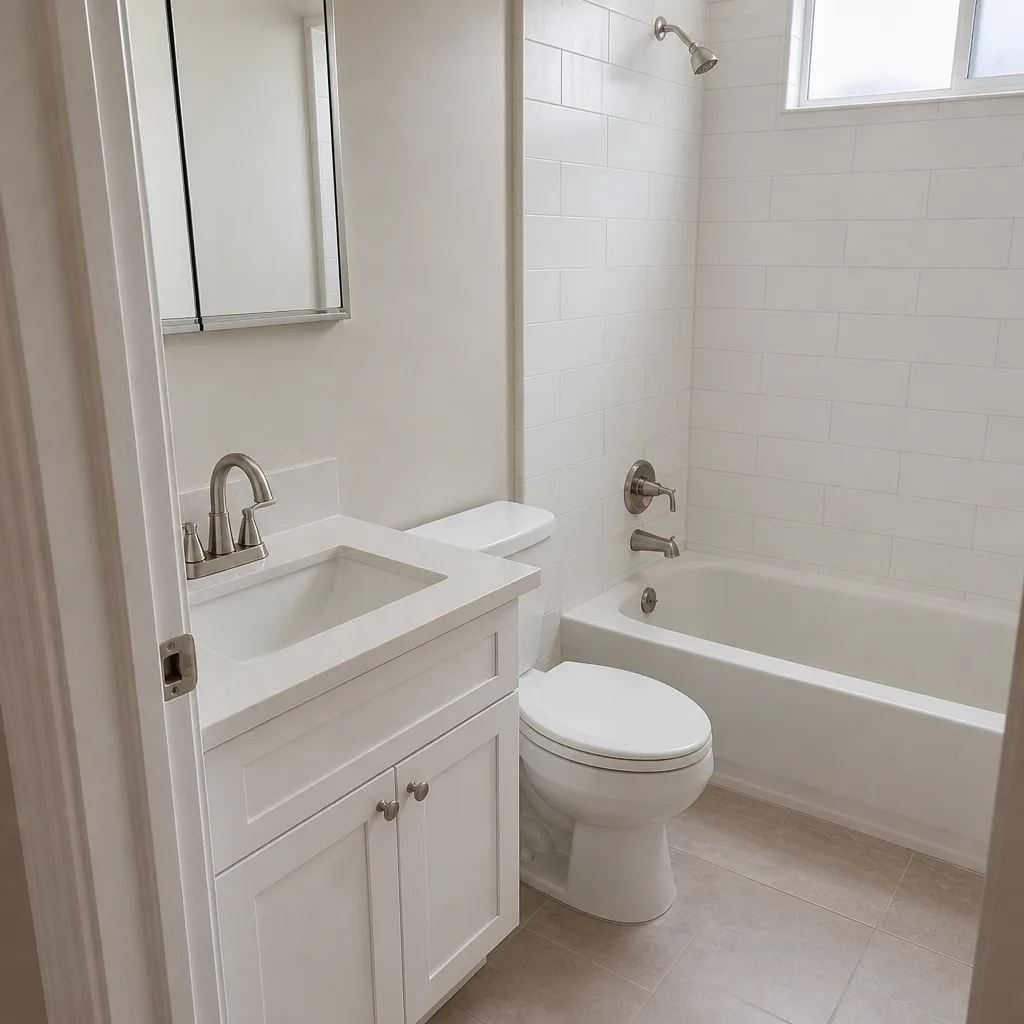 After
When to Call a Professional
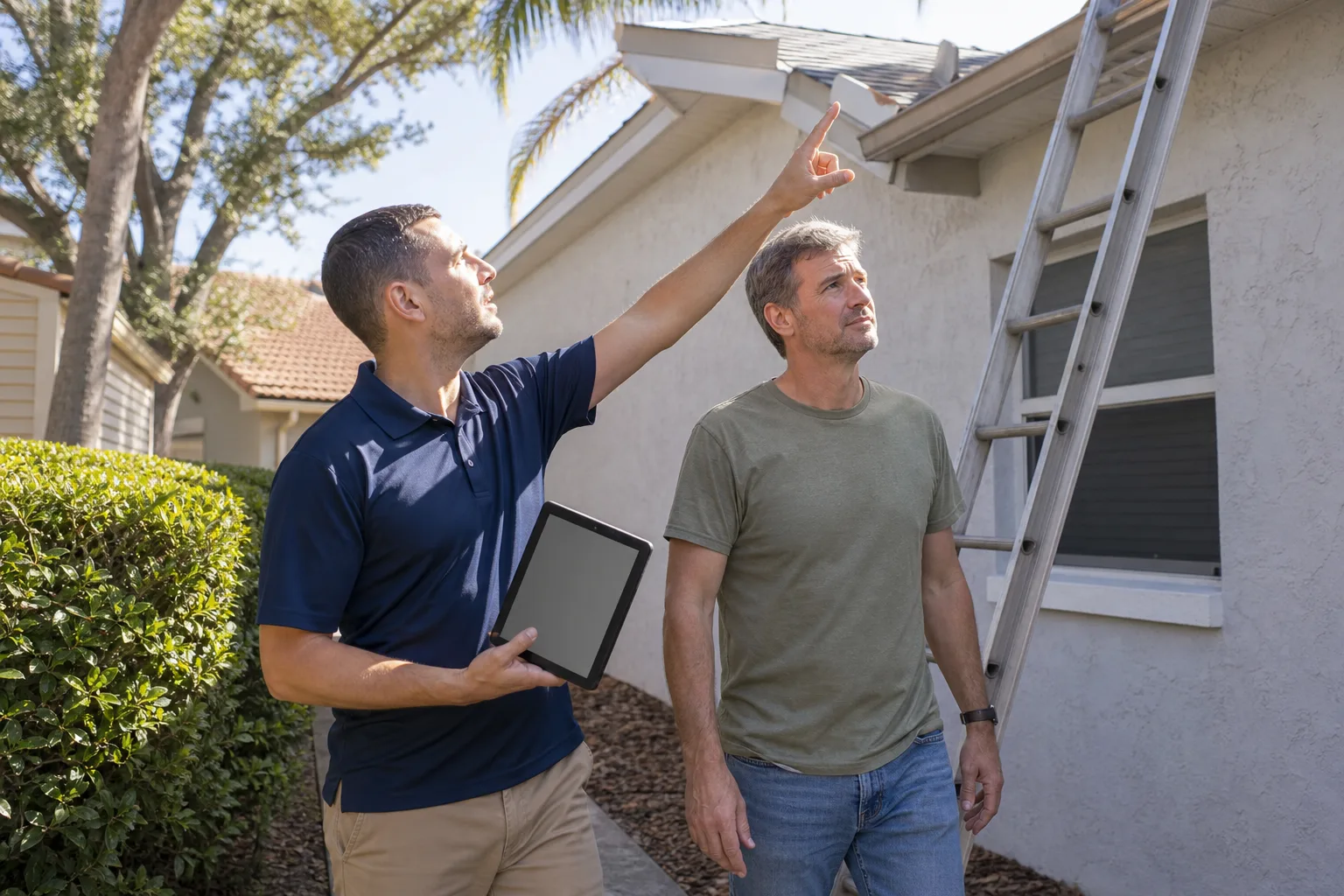
Some warning signs are a weekend project. A few weeds, faded color, a bit of loose sand: fix them yourself. But if a whole row is rocking, water is pooling against the house, long straight cracks are returning to the same line, or the corners of the driveway are heaving and you see roots at the joint, the scope is structural. That’s when a hands-on assessment is worth the call. A trained eye can tell in a short walk-through whether the base is losing and whether a partial fix will hold, and that’s the difference between a small correction and a full rebuild you didn’t need. Groundwork Construction Co. of San Jose offers free estimates in San Jose. Call (833) 988-3521 to schedule yours, get a written line-item scope, and know exactly what you’re buying before anyone lifts a paver. Our 730-Day Done Right Promise backs the work, and that promise is in writing.
Frequently Asked Questions
Normal movement is a single paver or a couple of pavers that can be reset, usually near a downspout or the driveway apron, while the field around them stays solid. Base failure is a pattern: a whole row rocking, wheel paths running the length of the driveway, edge pavers drifting, or a crack returning to the same line. If the movement has a shape and keeps spreading, the base is involved. For an exact read on your San Jose driveway, call (833) 988-3521 and ask for a free estimate.
It depends on the cause, but in San Jose, a wet season is usually the accelerator. A straight crack following a thin base can turn into a field-wide problem within one or two rainy seasons because each storm lets water into the joints and softens more of the bed. A settlement crack on a stable base can hold for years with a proper reset. The first rainy season after you find a crack is the time to have it looked at. Call (833) 988-3521 for an exact quote; estimates are free.
Because the polymeric sand is gone and the joint is open enough for seeds to take. Killing the weeds leaves the gap, and the next seed fills it. The fix is to re-sand those joints with a proper polymer product, which restores the interlock and closes the gap. Ask whoever you hire whether they re-sand the full joint, not just spot-fill. For a scope you can compare, call (833) 988-3521.
It’s a real problem if it pools in the same low spot more than about 24 hours or collects against the house or garage door. Water that lingers means the grading or slope is wrong or shifting, and in San Jose our storm-season bursts push a lot of water at it at once. Persistent pooling softens the base, which brings movement and eventually foundation contact. Treat the drainage as the headline repair, not the pavers. Call (833) 988-3521 to get it assessed.
Sometimes, and it depends on the work and the location. Driveway widths that touch the public way and drainage that ties into public infrastructure can require a permit, and requirements change. The safe answer is to have the contractor confirm what your specific scope needs before work begins. Reputable local crews pull the permits and inspections where they’re required, and we’ll tell you in writing what applies to your San Jose address. Call (833) 988-3521 to talk it through.
A driveway built with a correctly compacted base, proper edge restraint, and polymer-sand joints can serve a San Jose home for its full design life, measured in decades, provided the joints are topped off and the drainage keeps working. The failure modes we see are almost always base, drainage, or joint-sand related, not the pavers themselves. Built to last, backed in writing, is the standard to hold any contractor to. Call (833) 988-3521 for a free estimate and a scope that shows how the base will be built.
The Bottom Line
Your driveway is giving you a status report, and now you can read it. Rocking pavers mean lost compaction. Recurring standing water means a grading or drainage defect that will spread to the base. Straight repeated cracks mean a base too thin to carry the load. Weeds in straight joint lines mean the polymer sand has failed and the interlock is loosening. Get a baseline of what good looks and sounds like after the first rain, then compare each year. Address the structural signs early, before one wet San Jose season turns a small correction into a full rebuild, and hold any contractor to a base built correctly, joints properly sanded, and a guarantee in writing.
Get a Free Estimate on Your Driveway

If your driveway is showing any of the patterns in this guide, the smart move is a hands-on look before the next rainy season, not after. Groundwork Construction Co. of San Jose offers no-hassle upfront pricing and a written line-item scope so the number you see is the number you pay, backed by our 730-Day Done Right Promise. For larger options around your driveway, from a new border to a wider apron, see our Driveway & Pavers in San Jose service page, or start from the Groundwork Construction Co. of San Jose home page to find the full range of work we do. Call (833) 988-3521 for a free estimate and a written scope you can compare line by line.
Written by the team at Groundwork Construction Co. of San Jose.