Free written scope consultation - allowances, timeline, and change-order rules on paper before a single trade is scheduled
ADU Site Prep & Utilities in Livermore: What It Costs and How Long It Takes
ADU Site Prep & Utilities in Livermore typically runs $45,000 – $130,000 for the site work package, and the prep-and-utility phase usually takes 4 – 9 weeks before a foundation is poured. That scope covers grading, trenching, the utility runs from your main service to the new unit, and the inspections that have to pass along the way. Call (833) 988-3521 to schedule a free on-site estimate with a written line-item quote.
How We Run Prep and Utilities, Stage by Stage
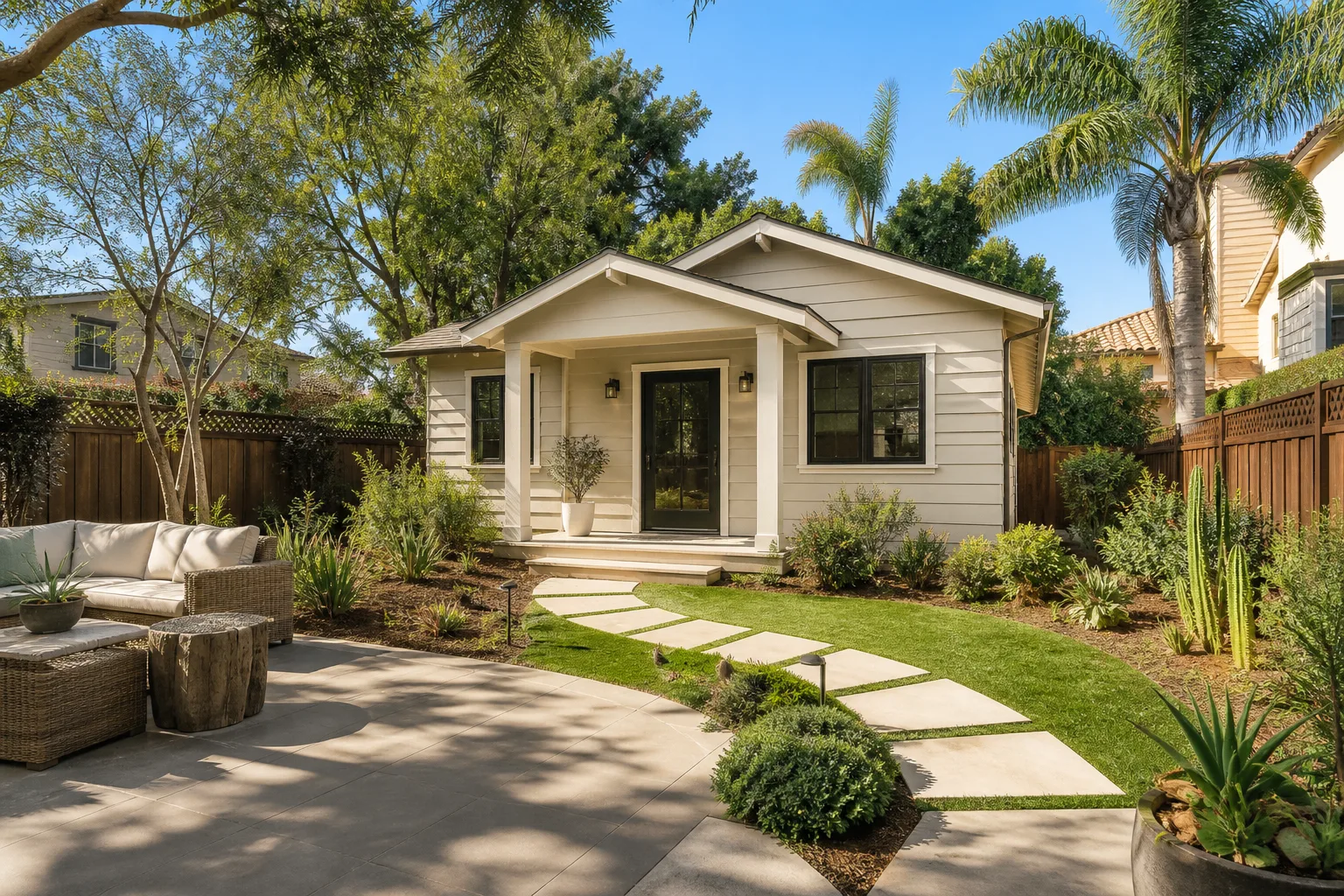
Site prep for an accessory unit is where the schedule either holds or falls apart. On a Livermore lot, most of the risk sits underground, so we front-load the discovery work and don’t pour anything until the numbers are confirmed. Here’s the sequence we follow, with what you decide at each stage.
Stage 1: Site walk and utility locate (day 1)
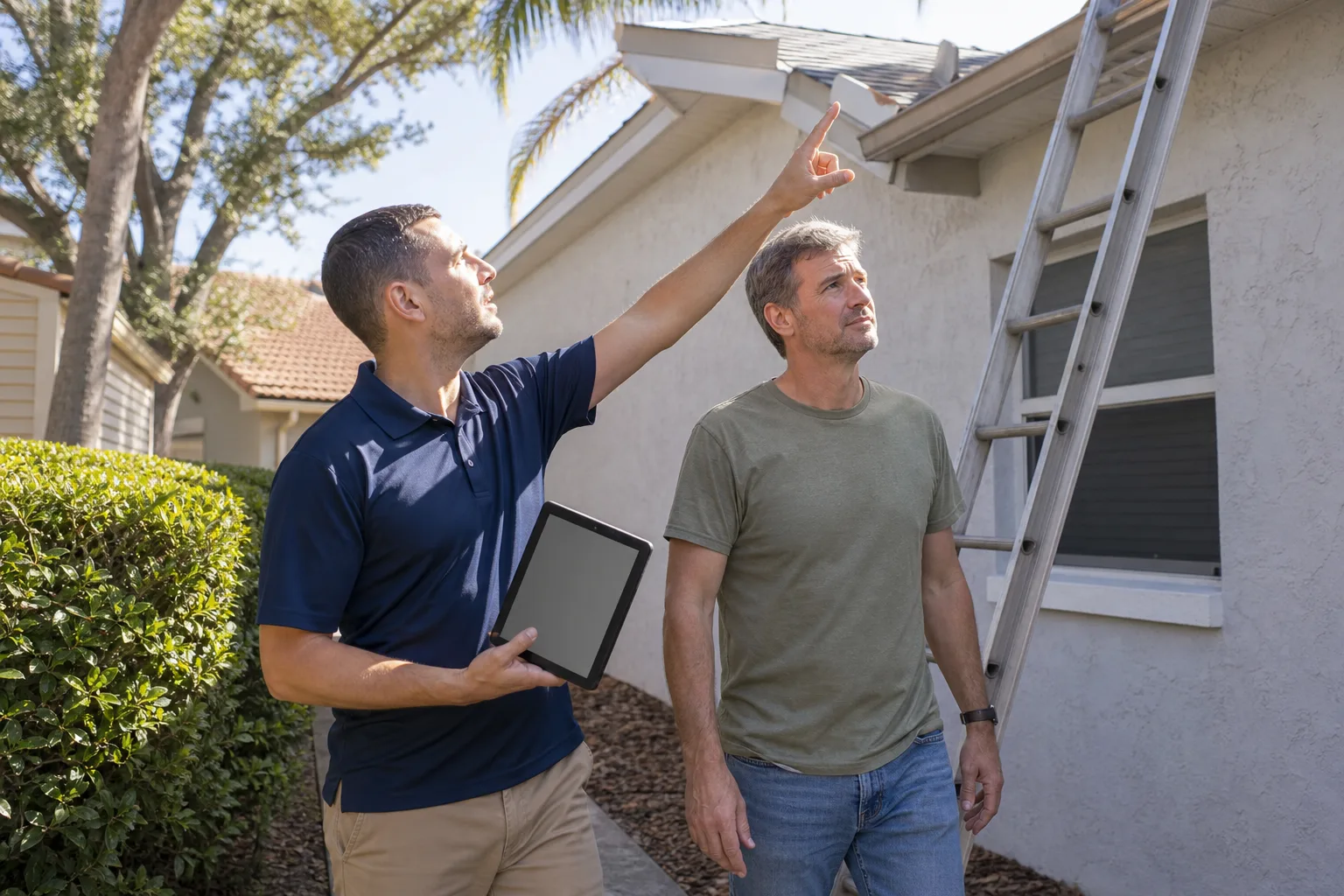
We mark the proposed footprint, pull the utility locates, and confirm where your water main, sewer lateral, and electrical service actually sit. On older downtown parcels, the as-built drawings are often wrong or missing, so we probe by hand rather than trust a plan from 1955. You decide at this stage which side of the lot the unit goes on, and we flag anything that makes one corner cheaper than another.
Stage 2: Demolition, clearing, and grading (days 2 – 6)
Out comes the old shed, the dead lawn, the cracked patio slab. We cut to grade and establish the pad elevation so the unit drains away from the house, not into it. You’ll see a laser level and a soil report here, not guesswork. If the lot slopes, this is where retaining walls enter the budget, and we tell you the number before we build one.
Stage 3: Trenching and utility runs (days 6 – 18)
This is the heart of the job. Water, sewer, gas, and electrical all get trenched from the existing service to the new pad, at the depth your inspector requires and with the slope the sewer line needs to drain. We handle the coordination with the utility company on the electrical side. You choose here whether the unit gets its own meter (simpler to rent later) or taps off the house (cheaper up front). That single decision moves the price by a meaningful amount, and we walk you through both.
Stage 4: Rough inspections (days 18 – 28)
The trench stays open until the inspector signs off on the underground work. Plumbing, electrical, and gas all get looked at before anything is buried. This is the stage where a bad locate turns into a re-dig, which is exactly why we did the probing on day 1. You don’t have to be present, but we send you the inspection results the same day.
Stage 5: Backfill, pad prep, and handoff to the build (days 28 – 45+)
We backfill, compact in lifts, and build the pad to the foundation plan. Then the site-prep package hands off to the vertical construction crew. If the unit is part of a full Home Additions & ADU in Livermore, the utility stubs get capped and marked for the framing crew so nothing has to be re-dug later.
Styles & brands we work with
- Kitchen remodeling
- Bathroom remodeling
- Home additions & ADU
- Roofing
- Windows & doors
- Driveway & pavers
- Fence
The Choices That Shape Your Utility Package
Nothing on this list is decoration. Each one is a real fork in the road, and the choice you make here is hard to undo once the trench is backfilled.
- Separate meter vs. tap-off. A dedicated meter costs more up front but makes the unit rentable and billable on its own. Tapping the house is cheaper today and messier when you rent it out. Most homeowners who plan to rent choose the separate meter.
- Copper vs. PEX for the water run. Copper holds up for decades and costs more per foot. PEX is faster to run, cheaper, and handles Livermore’s hard water fine when it’s spec’d right. The trade-off is longevity versus budget.
- Cast iron vs. PVC sewer. PVC is the practical choice for new runs and won’t corrode. Cast iron shows up in older stock and is quieter, but it’s not what we put in new trench.
- Gas line size and routing. If the unit has a range or tankless water heater, the line has to be sized for the load. Undersizing it is a common and expensive mistake we catch at the sizing stage.
- Electrical service capacity. An all-electric unit with a heat pump and EV charger may need a service upgrade at the main panel. That’s a real line item, not a rounding error, and it has to be decided before the trench closes.
- Drainage and grading. French drains, swales, or a dry well. On a flat lot, the cheap answer usually works. On a sloping eastern Livermore parcel, the drainage budget is what keeps the pad dry through winter rain.
What ADU Site Prep & Utilities Costs in Livermore, CA
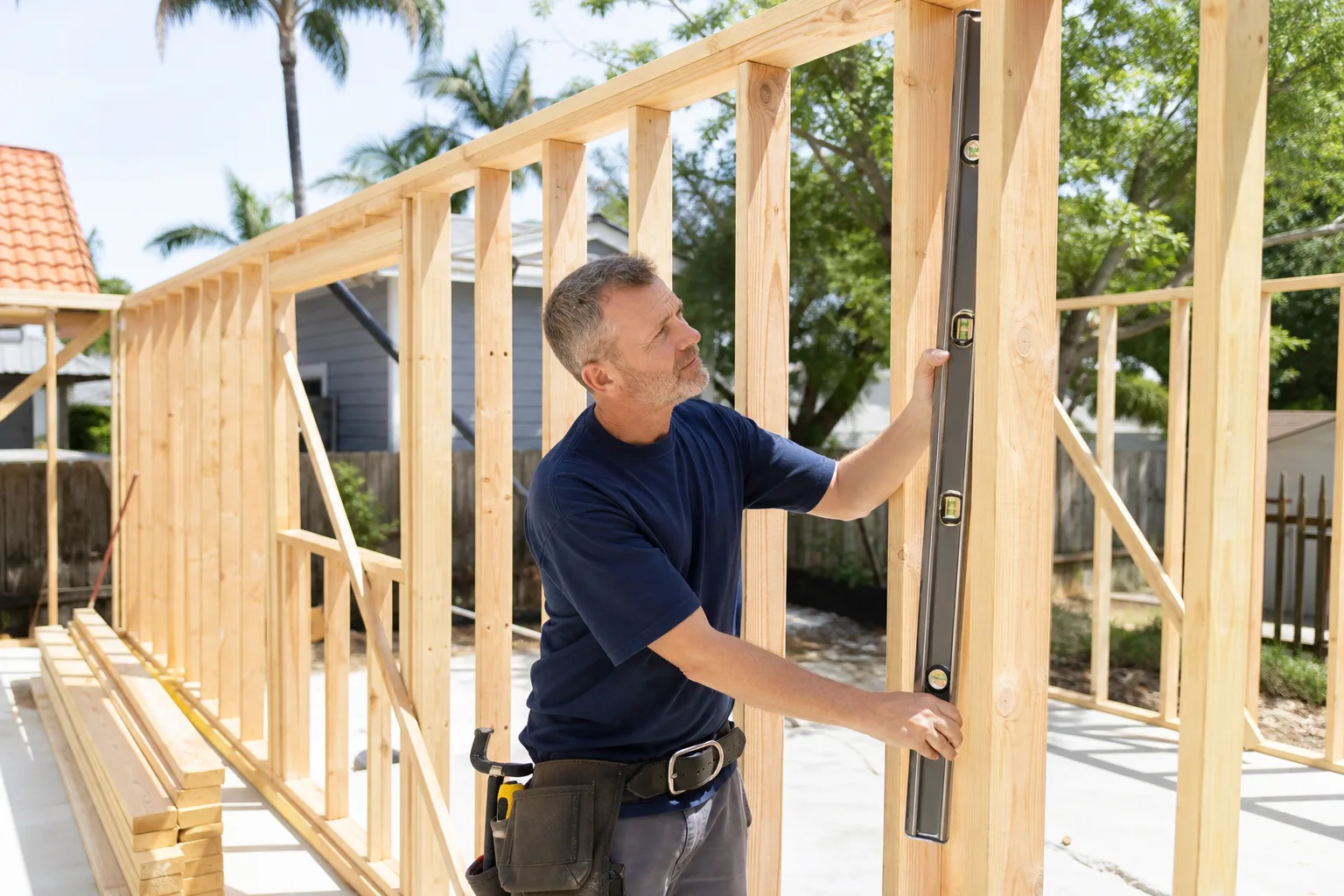
The site-prep and utility package in Livermore runs $45,000 – $130,000 as part of the wider ADU build. The spread is wide because the dirt and the distance from your existing service do most of the driving. When we quote, we quote line items, and the number you see is the number you pay.
Five things push a job toward the low or high end:
- Distance from the existing service. A unit 15 feet from the back of the house is a cheap trench. One 120 feet out on a ranch parcel is not.
- Existing condition. Old clay sewer laterals, undersized panels, and unmapped lines all add discovery and rework.
- Slope and soil. Retaining walls, import fill, and deeper footings on a hillside lot add real cost.
- Utility upgrades. A main panel upgrade or a new water service tap is a discrete line item with its own price.
- Permit and inspection scope. Fault-zone and seismic review adds engineering and time before a shovel hits the ground.
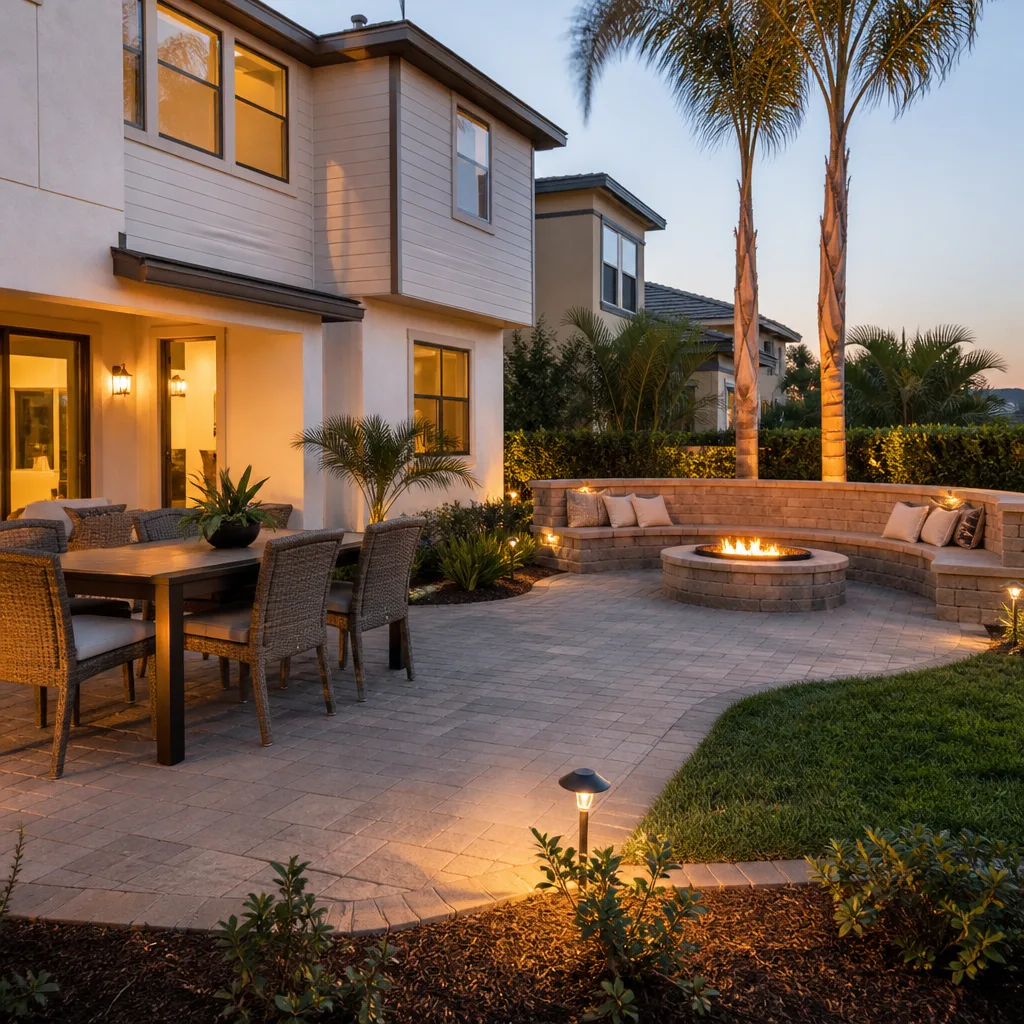
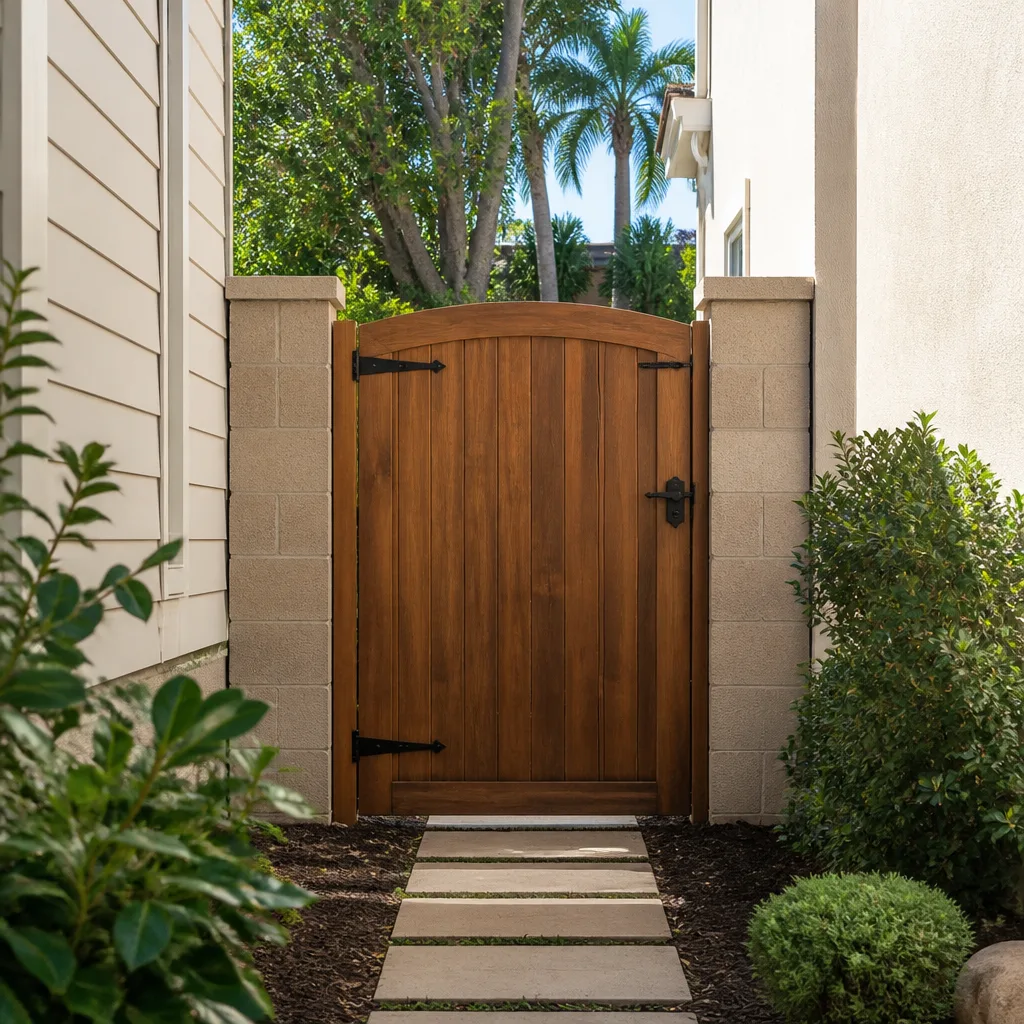
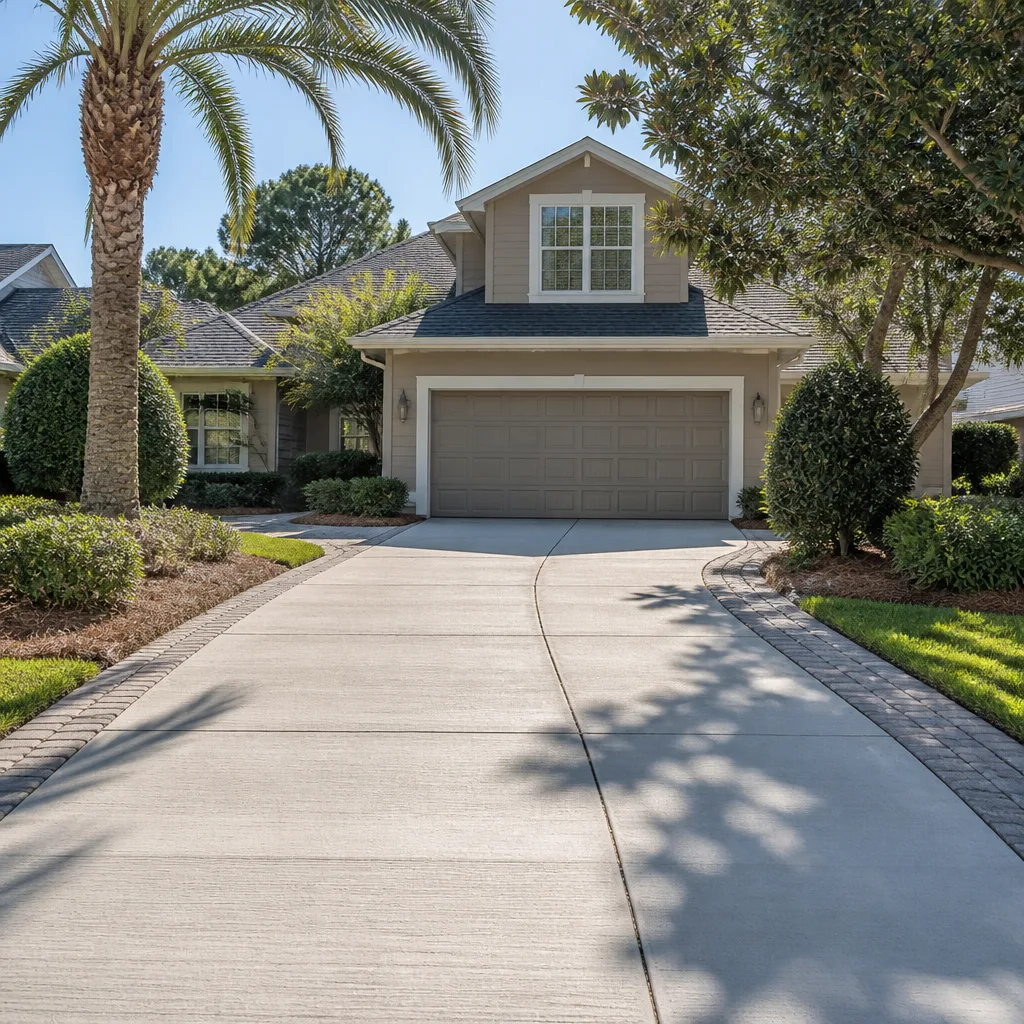
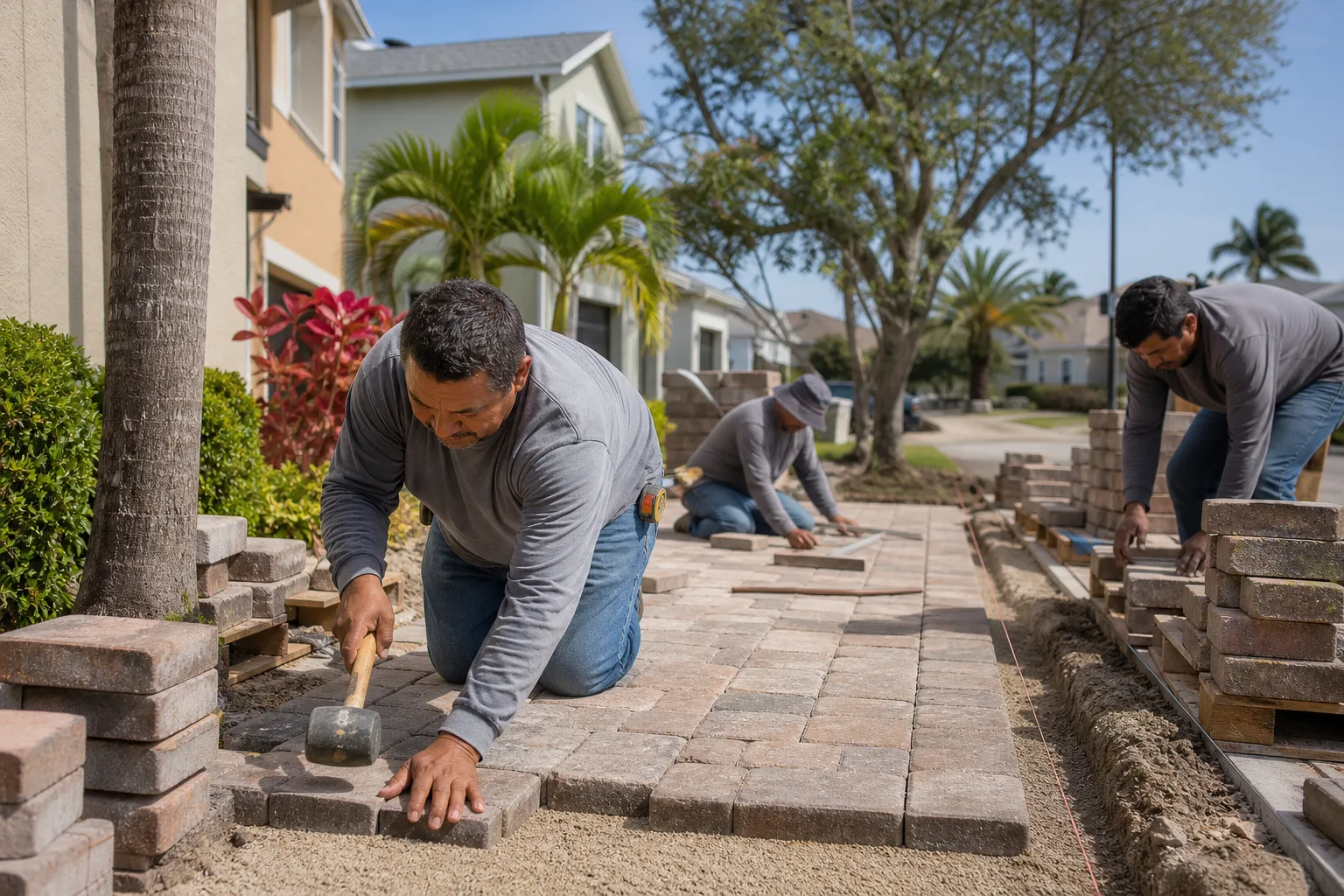
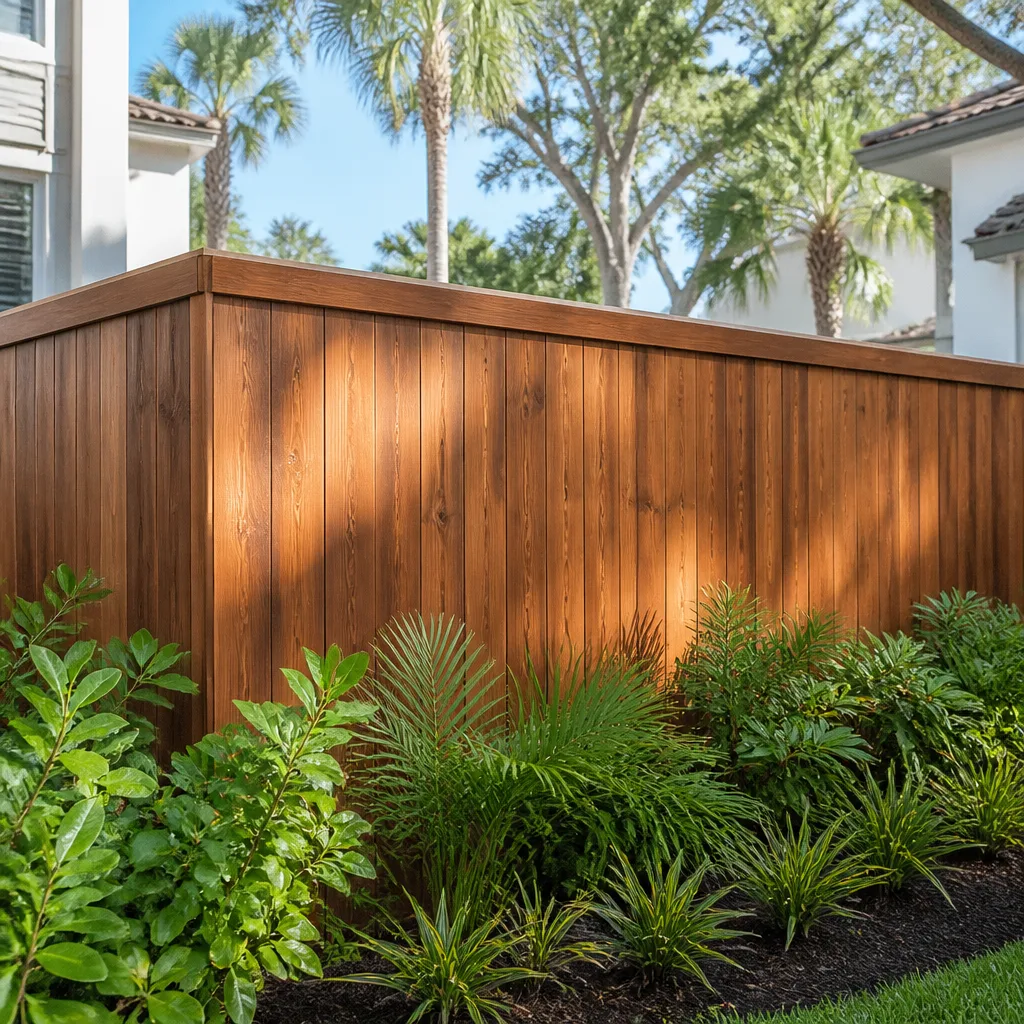
A written estimate includes grading, trenching, utility runs, backfill, compaction, and the inspection coordination. It usually doesn’t include the foundation pour, the structure itself, or utility company connection fees, which we itemize separately so there’s no surprise later. Pair this work with Concrete Driveways & Concrete Work in Livermore if the unit needs its own access, and many homeowners pair this with Paver Driveways in Livermore when they want the approach to match the house.
See the difference
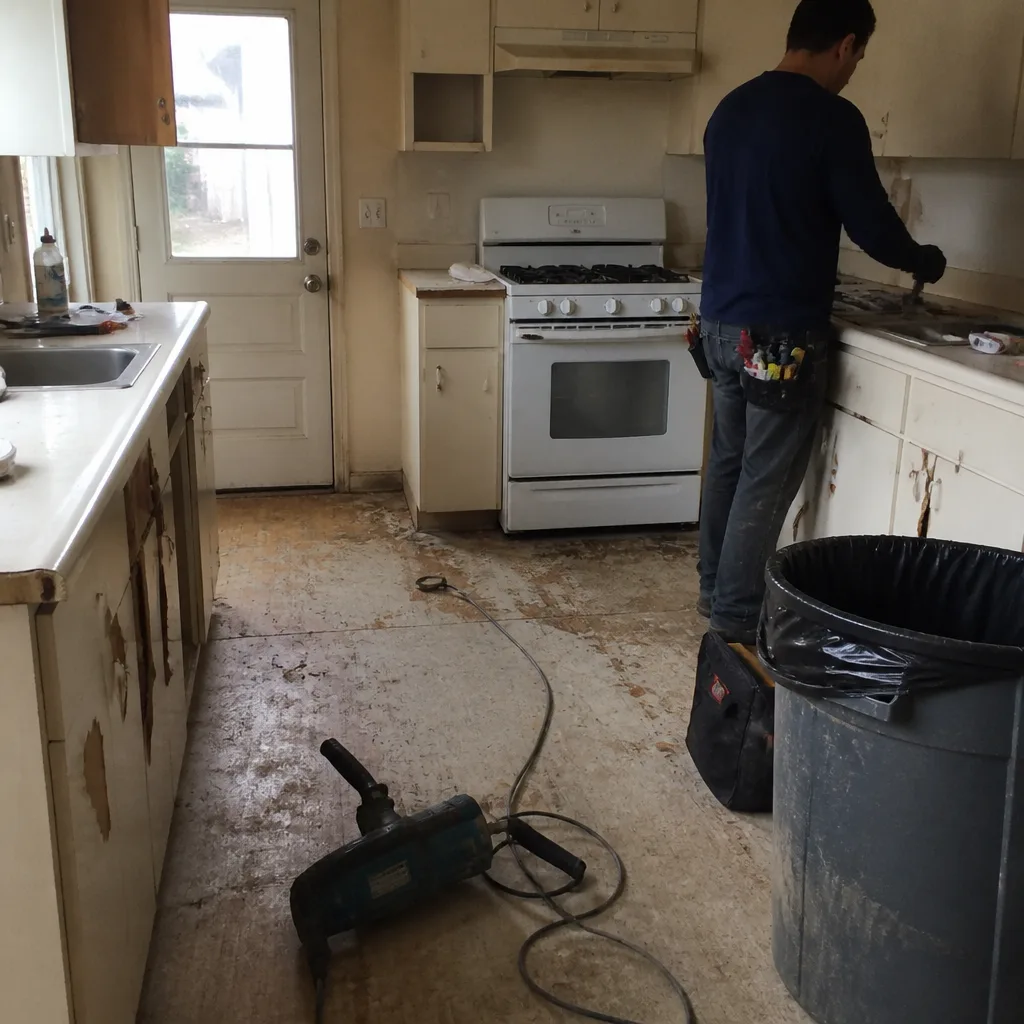 Before
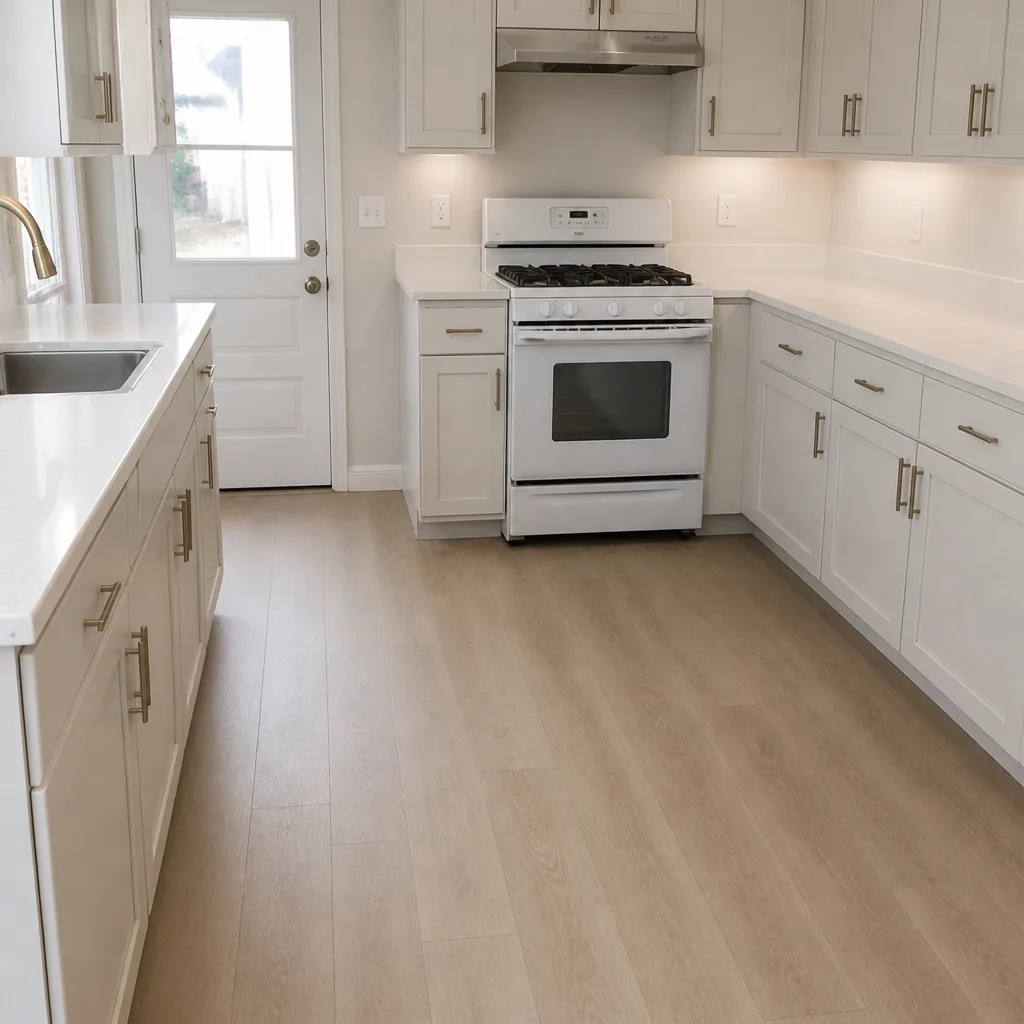 After
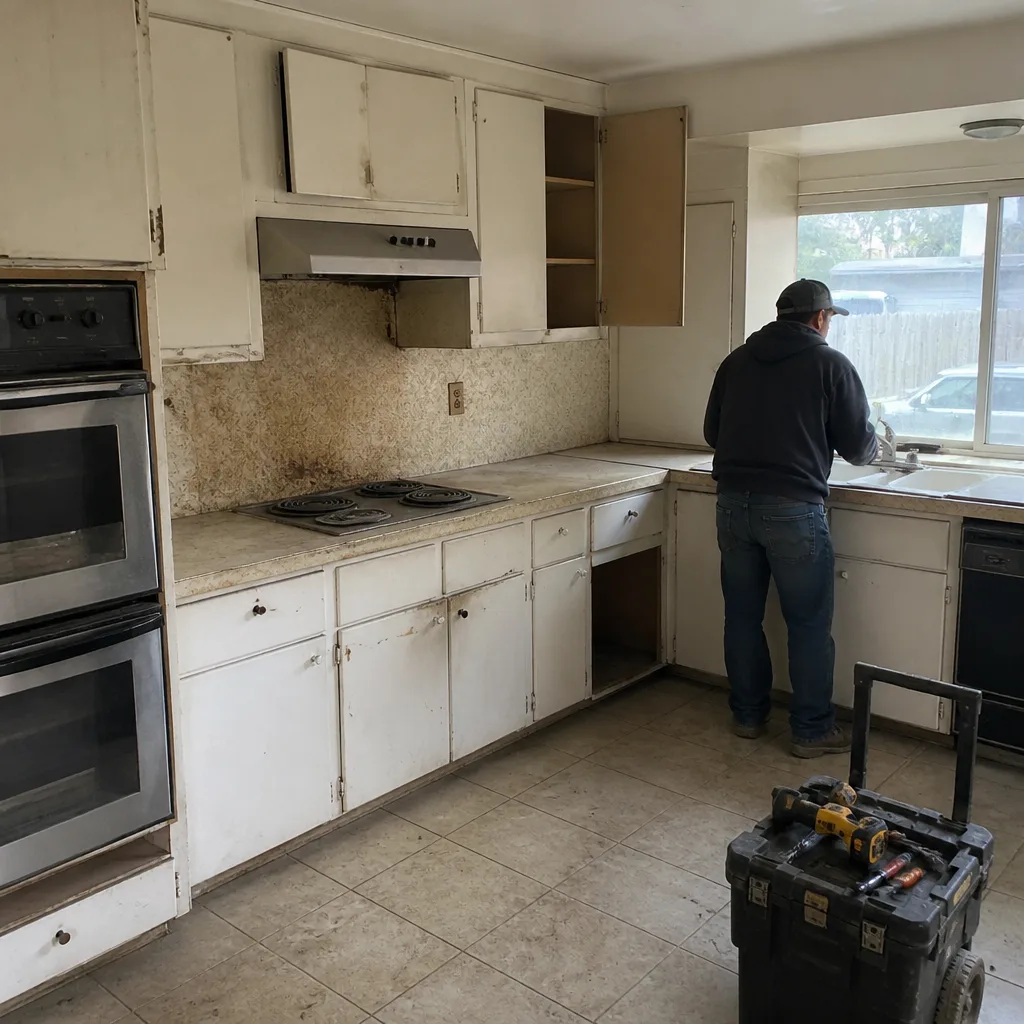 Before
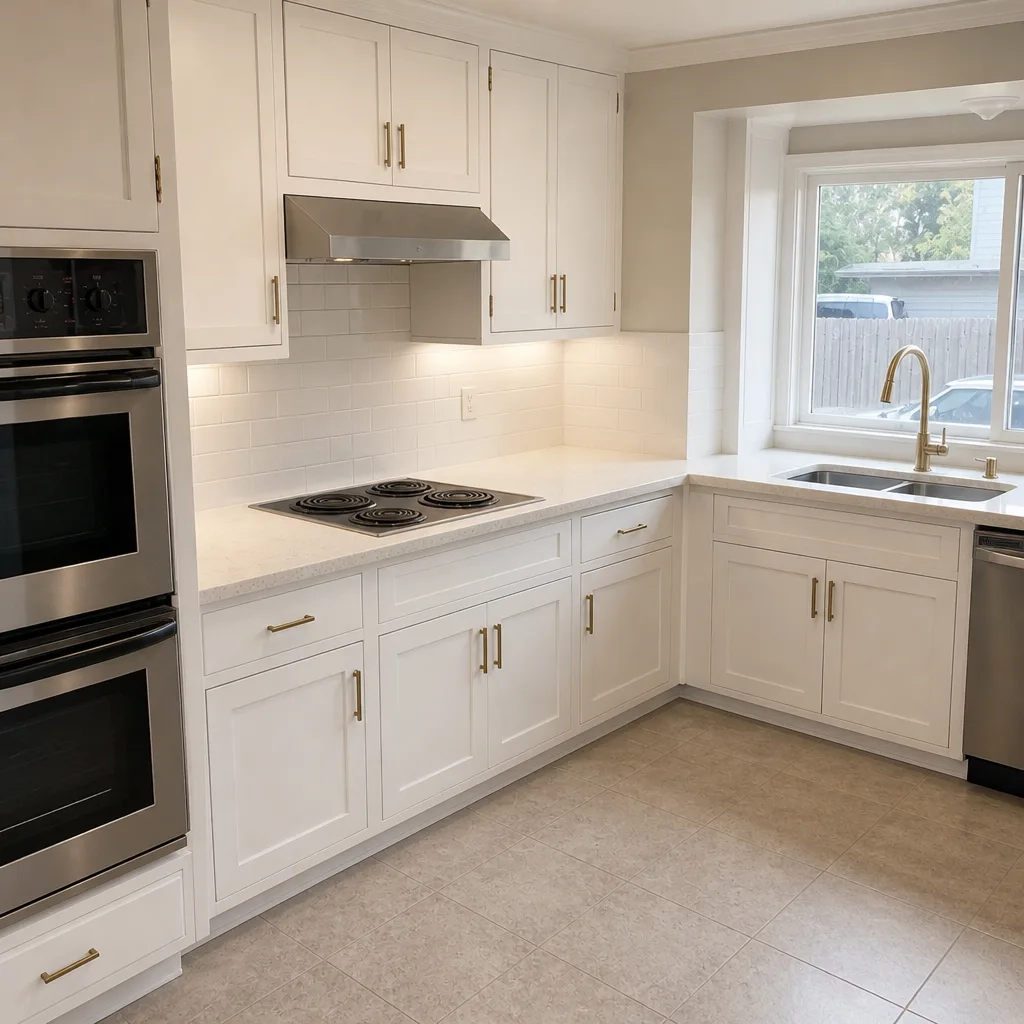 After
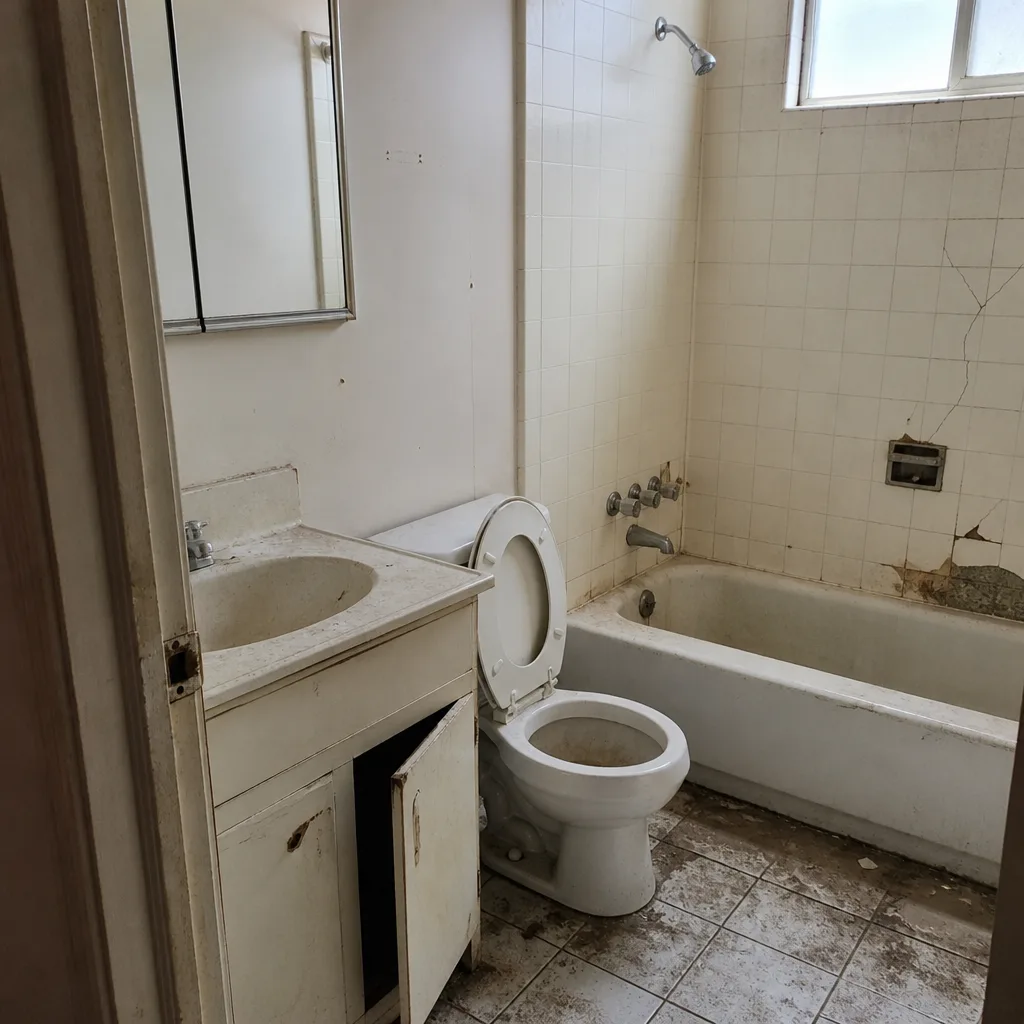 Before
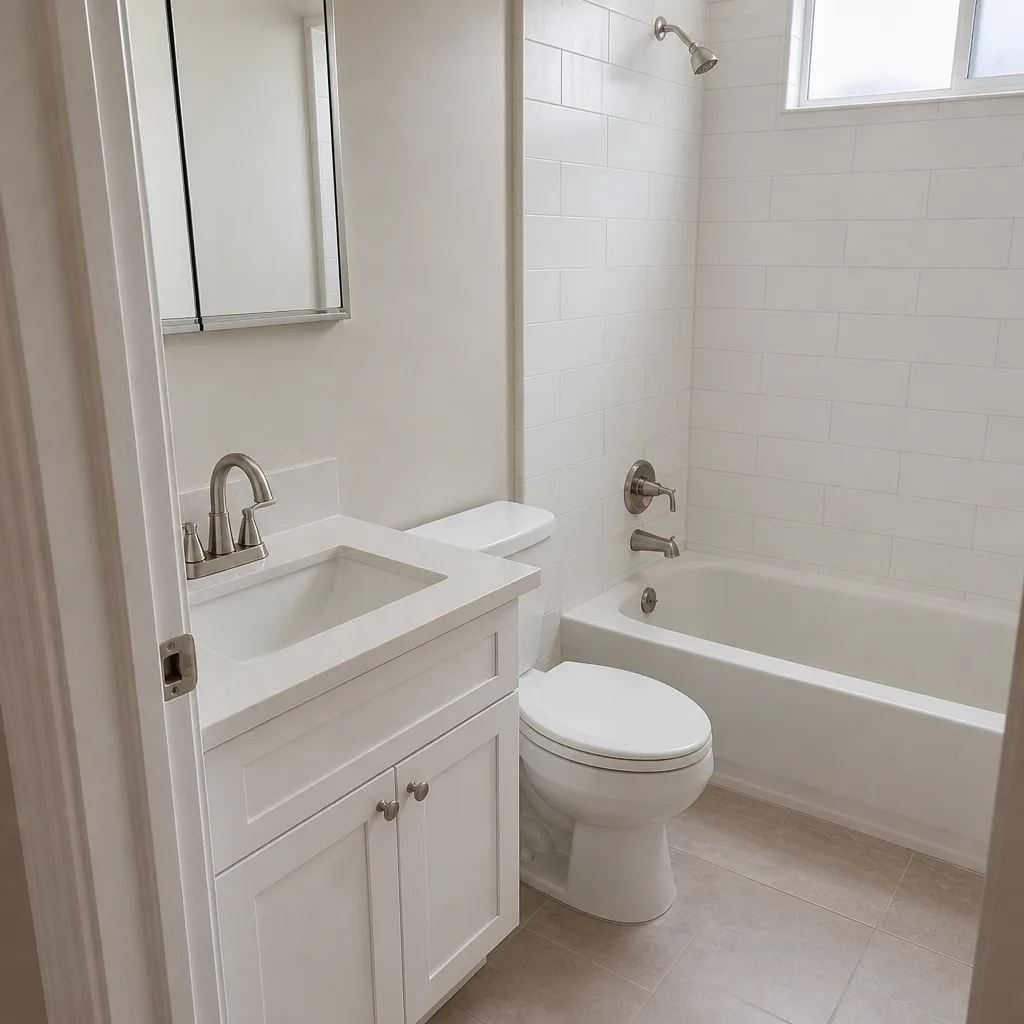 After
What Livermore Sites Specifically Do to This Job
Livermore is one of the last Bay Area cities still turning vineyard and ranch land into subdivisions on its eastern edges while the downtown core holds pre-war homes, so a site-prep job here can look like two completely different projects depending on which side of town you’re on. Off East Avenue and around the older downtown blocks in 94550, we regularly hit original clay sewer laterals and knob-and-tube-era service that has to be upgraded before it can carry a second unit. On the larger ranch and vineyard parcels out toward the eastern edges, the run to the existing service is long, the water may come off a well, and the unit may need its own septic or a connection plan that’s nothing like a tract-home tap.
Two other Livermore realities shape the work. First, the seismic setting near the Greenville and Calaveras fault traces means foundation design and fault-zone review come into play even on a modest accessory building, and that engineering has to happen before we trench. Second, the valley’s hot, dry summers routinely push past 100°F, so we schedule grading and concrete work early in the day and plan around long dry spells followed by winter rain, which moves soil and cracks slabs if the pad isn’t graded to shed water. That’s why we don’t skip the drainage line item on a Livermore job. We cover Livermore and the surrounding communities, and our Home Additions & ADU service handles the build once the site is ready.
Serving Livermore, CA – Our Local Coverage Area
We serve Livermore and nearby communities. Use the map below to see the area we cover. If you’re nearby, we can almost certainly help.
Frequently Asked: ADU Site Prep & Utilities in Livermore
Plan on 4 – 9 weeks from site walk to a finished pad, depending on how far the utility runs go and how quickly inspections clear. A straightforward backyard unit close to existing service sits near the short end; a long ranch-parcel run with a panel upgrade sits at the long end. Call (833) 988-3521 for a timeline based on your actual lot.
Yes. Grading, trenching, and utility connections for an accessory unit require permits, and the trench can’t be backfilled until the underground inspections pass. Fault-zone and seismic review can add engineering time before work starts. We pull the permits and manage the inspections so you’re not chasing the building department. Call (833) 988-3521 to talk through what your parcel needs.
Often yes, if your existing service has the capacity and the run isn’t too long. A tap-off keeps the cost down; a separate meter or a service upgrade costs more but makes the unit independent. We confirm capacity during the day-1 walk so you know which path you’re on before you commit. Call (833) 988-3521 for a free estimate.
The package runs $45,000 – $130,000, with distance from service, existing condition, slope, and utility upgrades doing most of the moving. A written line-item quote tells you exactly what’s in and what’s out. Call (833) 988-3521 for an exact quote, estimates are free.
All site and utility work is covered by our 730-Day Done Right Promise. If it’s not done right, we make it right. Our technicians have up to 12 years of experience, and every crew is background-checked and arrives in uniform. Call (833) 988-3521 to get your free on-site estimate scheduled.
Get a Free On-Site Estimate for Your Livermore ADU Site Work
Every lot is different, and the only honest quote is one we build after walking your property. Call (833) 988-3521 to schedule a free on-site estimate for ADU Site Prep & Utilities in Livermore. A live person answers 24/7. We’ll locate your utilities, talk through the meter decision, itemize the trench and grading by line, and hand you a written quote with upfront pricing. If you want to talk through the wider project, we can cover that too.
Written by the team at Groundwork Construction Co.