Free written scope consultation - allowances, timeline, and change-order rules on paper before a single trade is scheduled
Styles & brands we work with
- Kitchen remodeling
- Bathroom remodeling
- Home additions & ADU
- Roofing
- Windows & doors
- Driveway & pavers
- Fence
See the difference
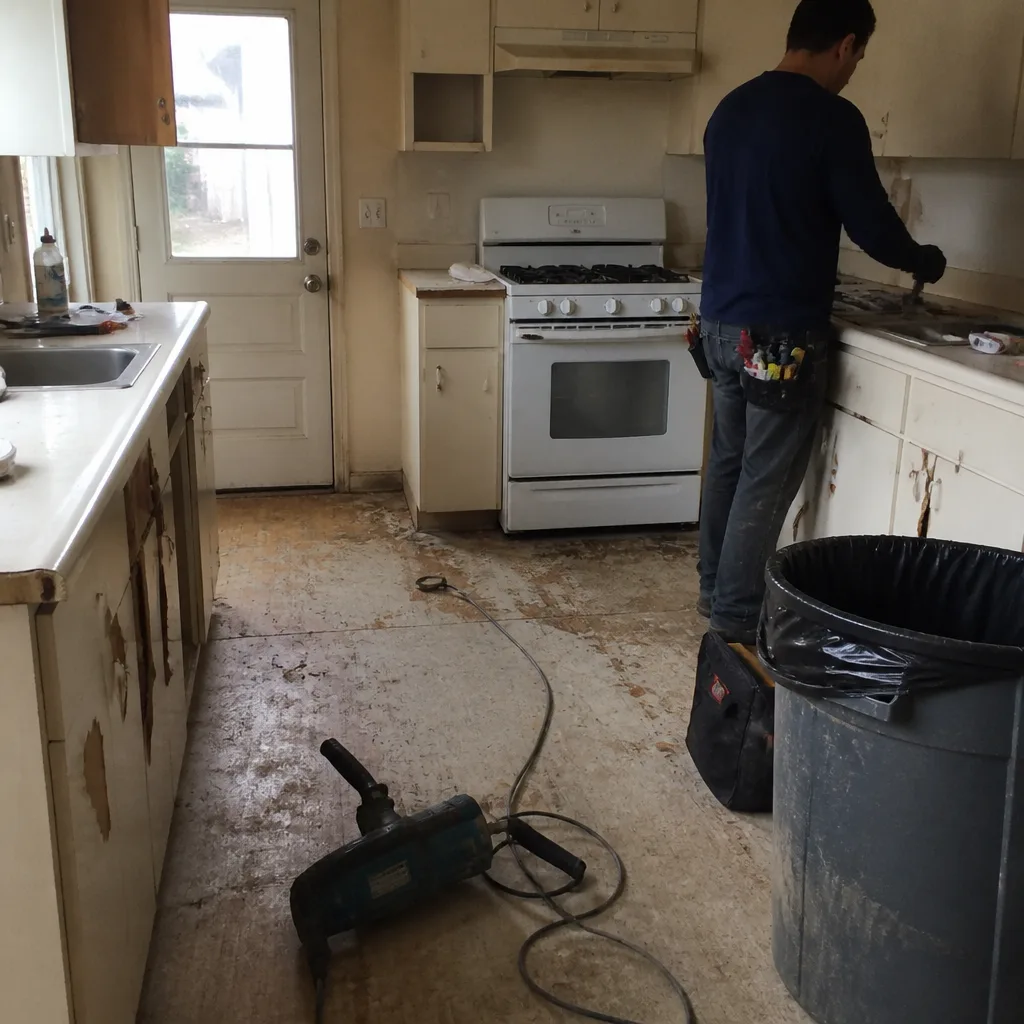 Before
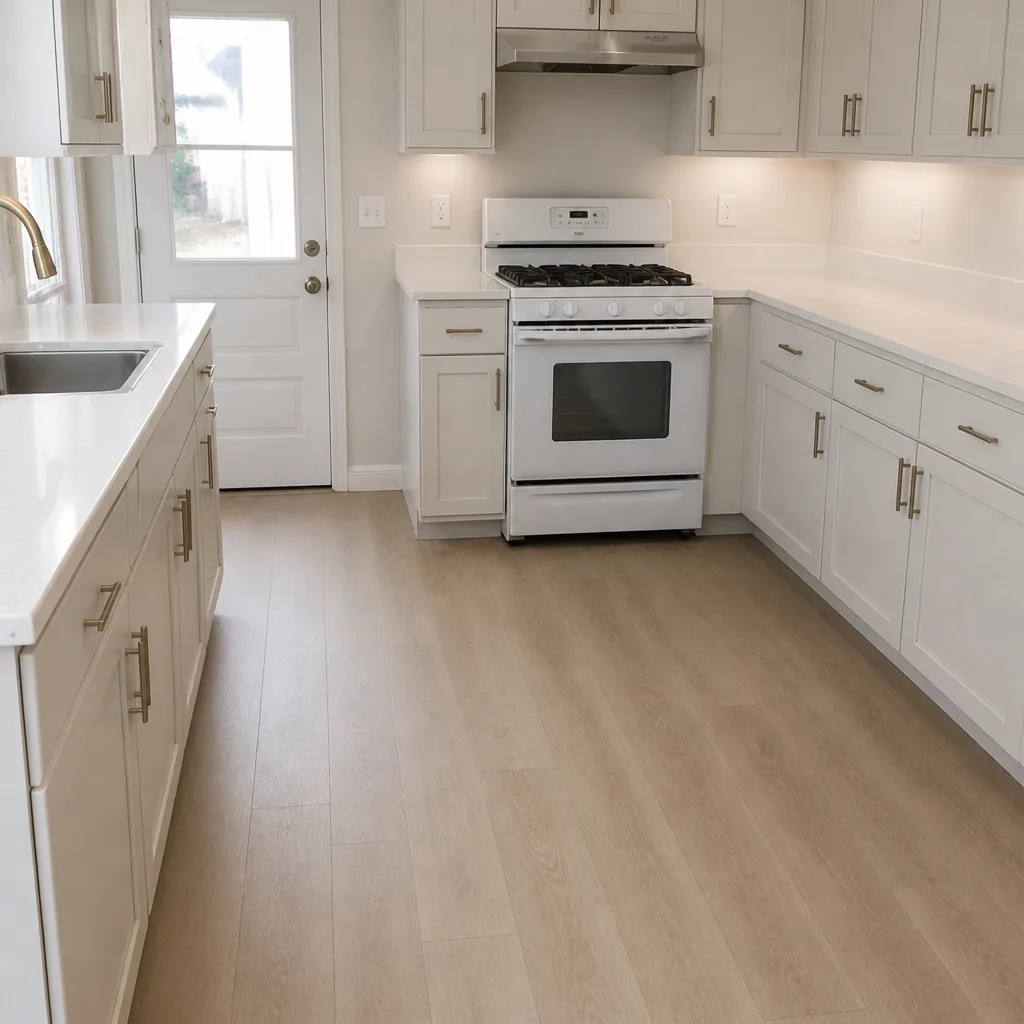 After
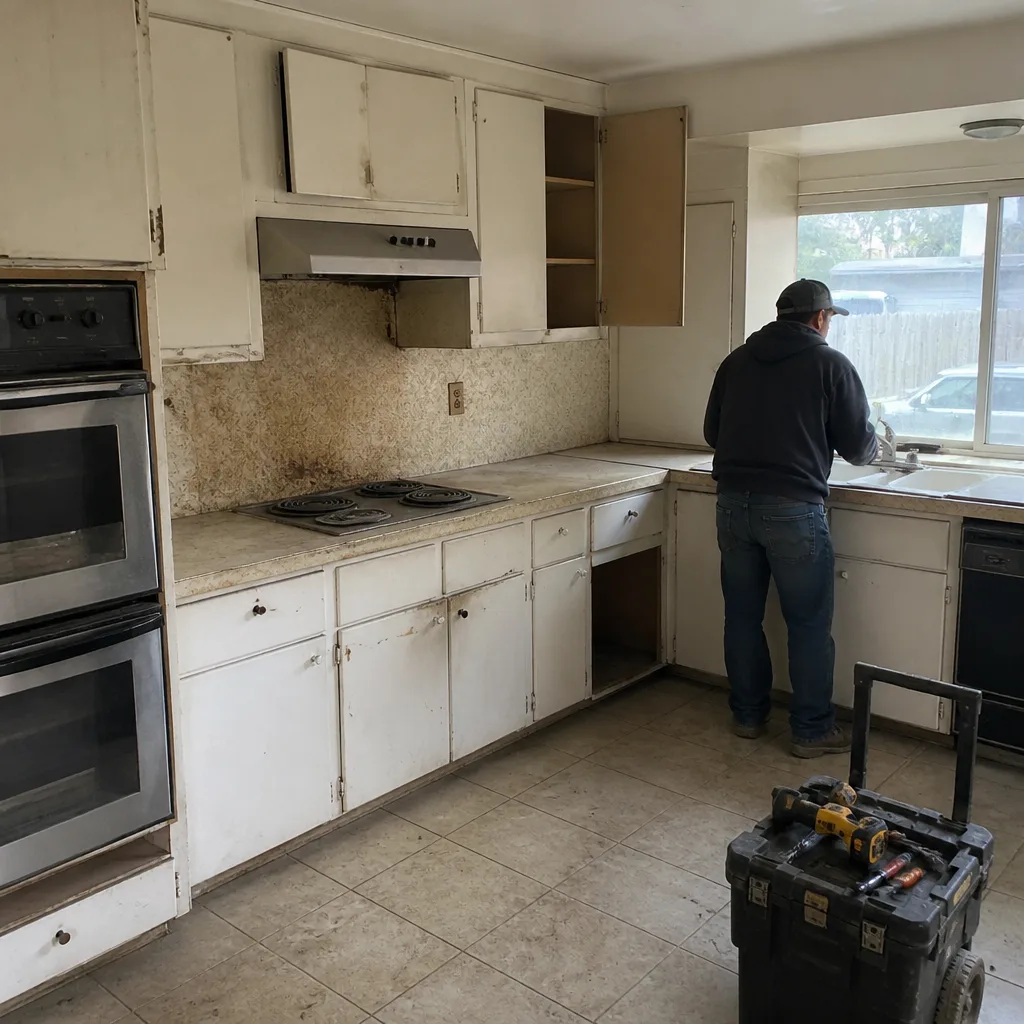 Before
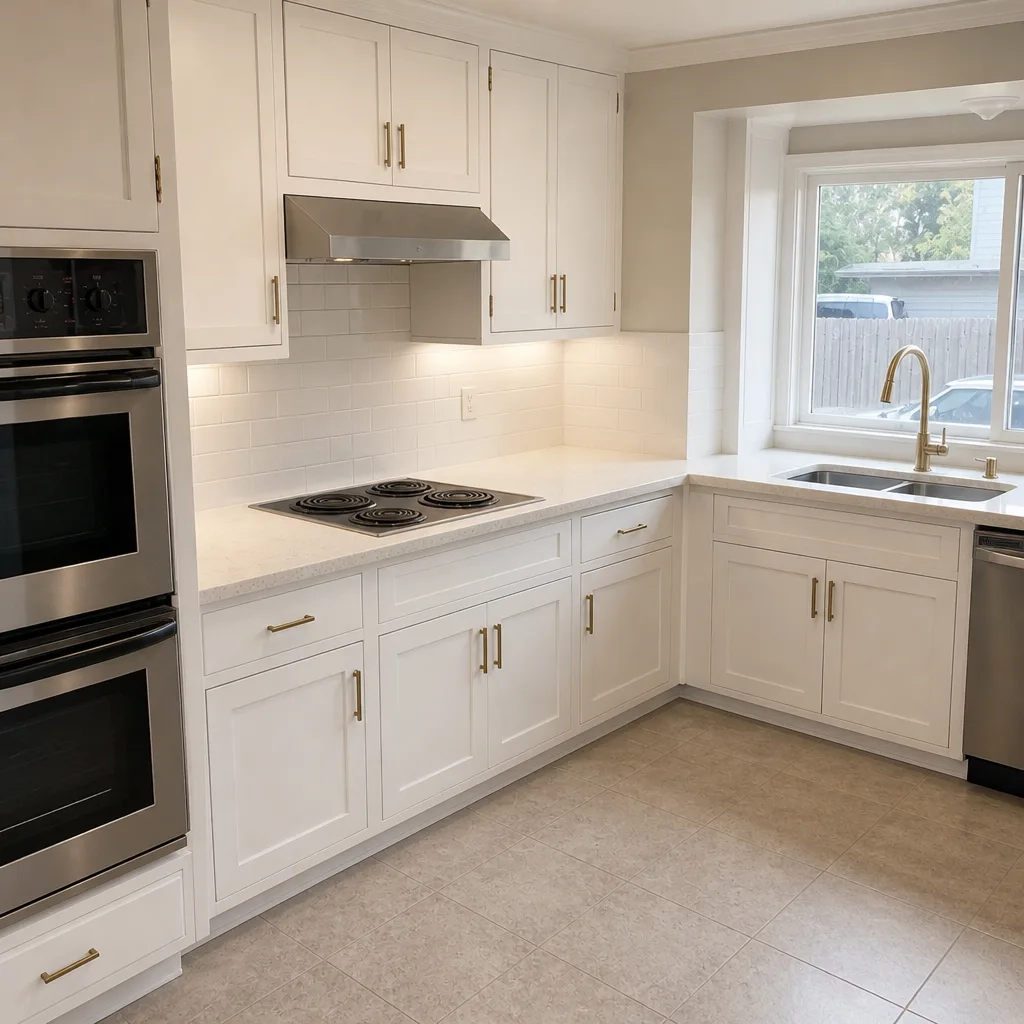 After
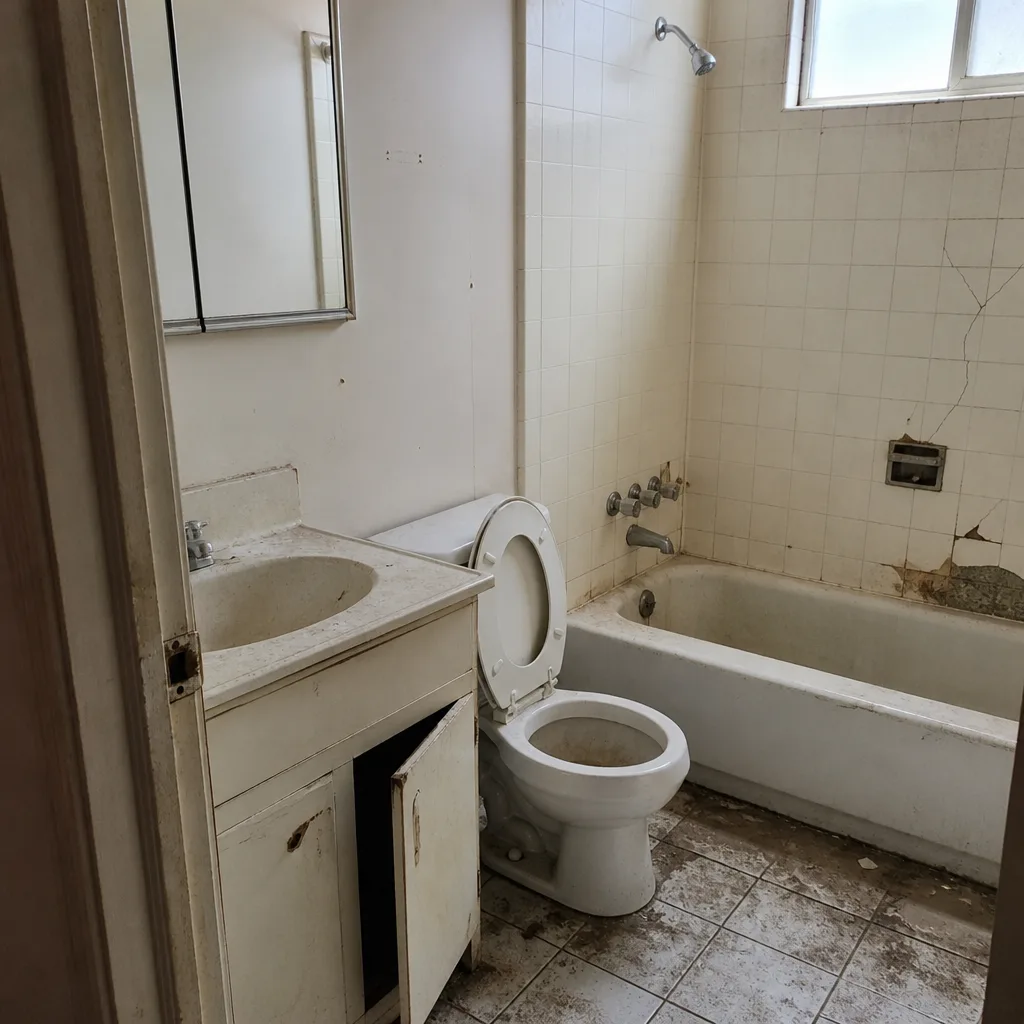 Before
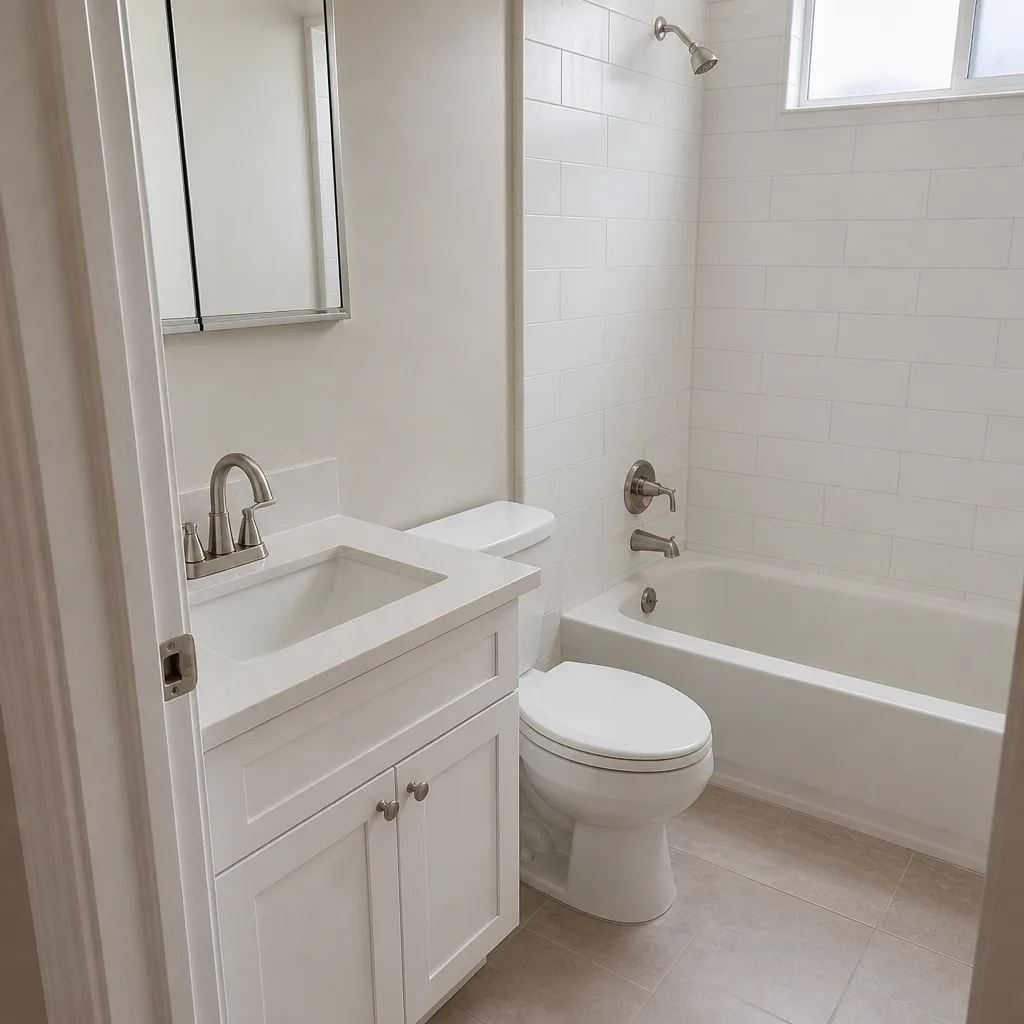 After
Junior ADU vs Standard ADU in San Jose, CA: Which One Fits Your Property?
Choose a JADU if you want rental income or family housing with the smallest possible outlay and you’re prepared to live on-site, because California ties a JADU to an owner-occupancy requirement. Choose a standard ADU if long-term flexibility, higher rent, and resale value matter more than saving $30,000-$60,000 upfront. That’s the short answer. Everything else in San Jose comes down to your lot, your existing floor plan, and how long you plan to hold the property. Call (833) 988-3521 and we’ll tell you which track your address actually qualifies for.
Why San Jose Makes This Decision Harder Than It Looks
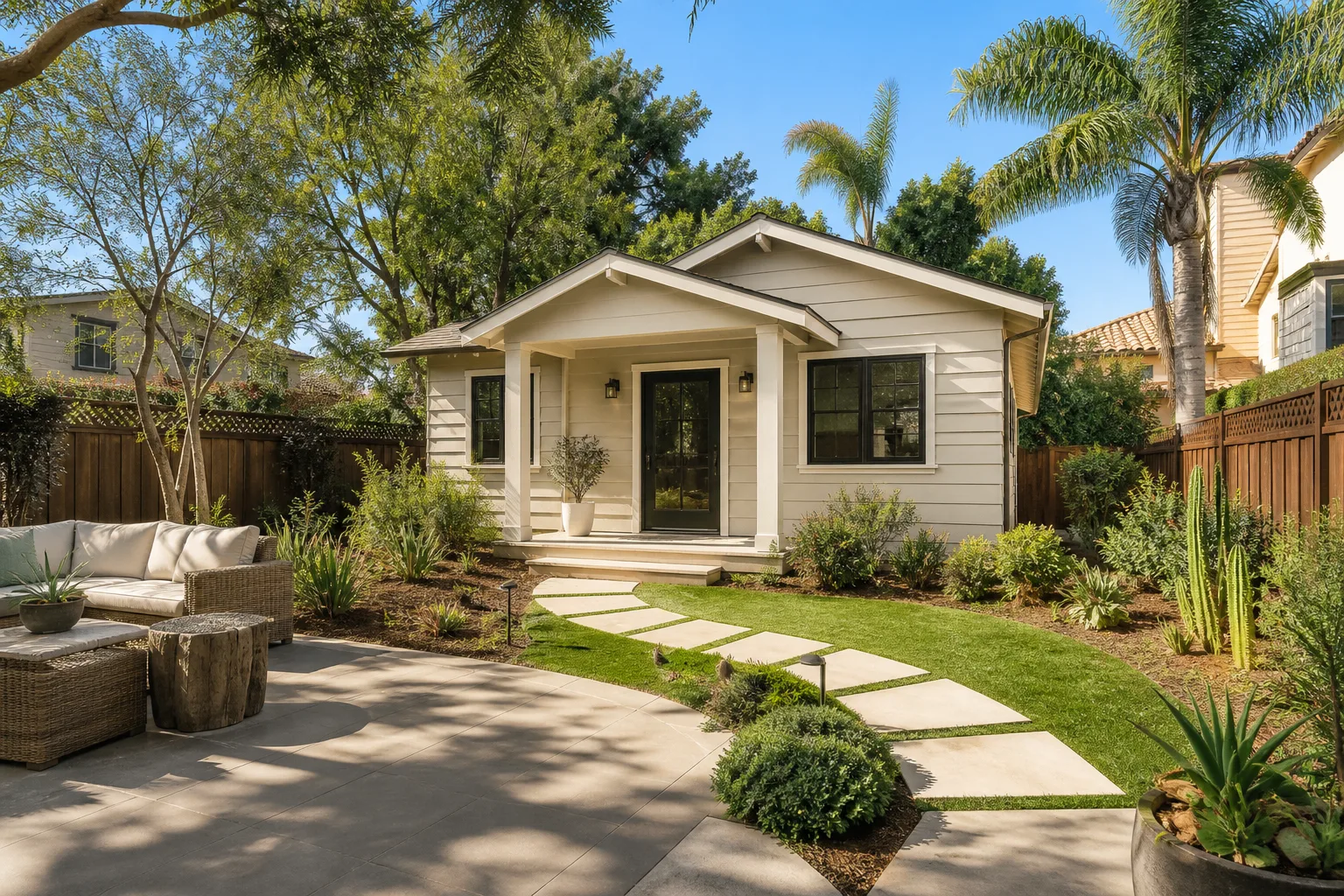
San Jose’s housing stock is dominated by single-family homes built between the 1950s and 1970s, sitting alongside a fast-growing wave of mid-rise infill. That mix matters here because a JADU is carved out of existing space, so the bones of your house decide whether the cheap path is even available. A 1962 ranch home in Cambrian with a large rear bedroom and a side door is a natural JADU candidate. A heavily remodeled Willow Glen house with a reconfigured interior may have no compliant space to convert at all.
We routinely find in older San Jose neighborhoods that original 1940s and 1950s homes were expanded piecemeal over decades without permits. Before any ADU work gets approved, those unpermitted additions and outdated wiring have to be reconciled with current seismic and energy standards. That’s a real cost, and it’s the single most common surprise we see when a homeowner budgets a JADU from a national calculator instead of from their own address.
San Jose also sits in a genuinely unusual regulatory position. The city balances intense redevelopment pressure against strict preservation of single-family neighborhood character, so a permitted addition on one block can face different review than the same square footage four streets over. Planning and permitting here are among the most neighborhood-specific in the country. Knowing which track your property qualifies for before you design anything is the difference between a smooth project and a stalled one. If you’re still weighing an addition instead, our Home Additions & ADU in San Jose page covers the broader project scope.
The Legal Difference That Changes Everything: Owner-Occupancy
This is the part most comparison articles skip. A JADU has a hard 500 square foot maximum, must be carved from existing structure (or a new attached space within the existing footprint), and can share a bathroom with the main home. In exchange, California attaches an owner-occupancy requirement: one unit on the parcel must be owner-occupied. Under most circumstances a standard ADU does not carry that restriction.
What that means practically: if you build a JADU and later want to move out and rent both units, you’re constrained in a way a standard ADU owner isn’t. In a market like San Jose, where homeowners frequently relocate and hold property as an investment, that constraint is worth pricing before you break ground. It can affect your financing, your rental strategy, and eventually your sale.
Here’s the side-by-side on the factors that actually drive the decision:
| Factor | JADU | Standard ADU |
|---|---|---|
| Maximum size | 500 sq ft | Larger footprint; detached, attached, or conversion |
| Bathroom | May share with main home | Full bath, typically full kitchen |
| Owner-occupancy | Required (one unit on parcel) | Generally not required |
| Typical San Jose all-in cost | $40,000-$90,000 conversion | $150,000-$350,000+ |
| Typical monthly rent | $1,400-$2,000 | $2,200-$3,200+ |
| Best fit | Ranch homes with convertible rear bedroom and side door | Lots with coverage and setback clearance |
The Money: Upfront Savings vs. Rental Ceiling
A JADU conversion in a compliant San Jose home typically runs $40,000-$90,000 all-in. A detached standard ADU starts around $150,000 and climbs past $350,000 depending on size and finish. Those are fundamentally different capital commitments, and the gap is real. But the monthly gap matters too.
A JADU’s 500 square foot ceiling and shared-bathroom option typically commands $1,400-$2,000 per month in San Jose. A standard 600-800 square foot ADU with a full bath and kitchen rents at $2,200-$3,200 or more. Run that over ten years:
- JADU: roughly $40K-$90K in, $168K-$240K in rent over a decade
- Standard ADU: roughly $150K-$350K in, $264K-$384K+ in rent over the same decade
The standard ADU usually wins on ten-year ROI despite the higher entry cost, and it adds more to resale value. The JADU wins when capital is tight, the layout already works, and you genuinely intend to stay. Neither answer is wrong. They solve different problems.
What to Look For Before You Pick a Track
Ask these questions of your own property before you ask a contractor for a bid, because the answers determine which instrument you’re even eligible for:
- Is there convertible existing space? A large rear bedroom, an attached garage, a side entry door. No compliant space, no JADU.
- Does the lot have coverage and setback clearance? Detached standard ADUs need room to place a structure. Small San Jose lots with deep existing footprints may not have it.
- Are there unpermitted additions? Common in older San Jose homes and a mandatory fix before approval.
- Will you owner-occupy for the life of the loan? If the honest answer is no, the JADU’s savings come with a constraint you’ll feel later.
- What’s your ten-year plan? Rent, family housing, resale, or some combination. The right unit follows from that, not from the sticker price.
San Jose’s Mediterranean climate also shapes scheduling. Mild, wet winters can delay exterior work and expose open sites to drainage problems, while warm, dry summers demand dust control and water conservation on active jobs. A detached standard ADU carries more exterior exposure than an interior JADU conversion, so timing your start matters. Exterior hardscape and site work around either unit, from pool decks to walkways, hold up well with pavers from our home page-linked partners like Belgard, Unilock, or Tremron.
How Groundwork Construction Co. of San Jose Approaches Both Paths
Our technicians have up to 12 years of experience, and that experience gets applied to one question first: which track does your property actually qualify for? We’d rather tell you upfront that a JADU won’t pencil out on your lot than design one and find out at permitting. Every project, JADU or standard ADU, carries the 730-Day Done Right Promise. If it’s not done right, we make it right, and that guarantee applies equally to a $45,000 conversion and a $300,000 detached build.
Pricing is upfront. The number you see is the number you pay. Calls are answered by a live person 24/7, technicians are background-checked and arrive in uniform, and we offer 0% financing for 18 months plus $1,000 off projects over $10,000 to make the larger standard ADU commitment easier to carry. You can explore the full scope of what we build on our Home Additions & ADU service page.
FAQs
Yes, substantially. A JADU conversion in a compliant San Jose home typically runs $40,000-$90,000 all-in, while a detached standard ADU starts around $150,000 and can exceed $350,000. The savings are real, but they come with the owner-occupancy requirement, so the cheaper unit is not automatically the better financial choice over ten years. Call (833) 988-3521 for an exact quote on your address; estimates are free.
Yes, in most cases. California’s JADU rules attach an owner-occupancy requirement, meaning one unit on the parcel must be owner-occupied. A standard ADU generally does not carry that restriction, which is the main reason homeowners planning to move out and rent both units choose the standard ADU instead. Call (833) 988-3521 and we’ll walk through how that applies to your specific property.
Possibly, and a JADU is often the answer. A JADU is carved from existing structure and doesn’t require new lot coverage or setback clearance the way a detached standard ADU does. Small-lot homes in Cambrian, Almaden, and Blossom Hill frequently qualify for a JADU conversion when a detached unit won’t fit. Call (833) 988-3521 for a no-pressure lot assessment; estimates are free.
A JADU typically rents for $1,400-$2,000 per month in San Jose due to its 500 square foot maximum and shared-bathroom option, while a standard 600-800 square foot ADU with a full bath and kitchen brings $2,200-$3,200 or more. Over ten years the standard ADU usually pays back its higher upfront cost. Call (833) 988-3521 for a rental projection on your property.
If you’d rather have it looked at, Groundwork Construction Co. of San Jose offers a no-pressure assessment in San Jose: call (833) 988-3521. We’ll tell you which unit your property qualifies for, what it will actually cost at your address, and where the money goes. One call, straight answers, and a written number before you commit to either path.
Written by the team at Groundwork Construction Co. of San Jose, serving San Jose, CA.