Free written scope consultation - allowances, timeline, and change-order rules on paper before a single trade is scheduled
Styles & brands we work with
- Kitchen remodeling
- Bathroom remodeling
- Home additions & ADU
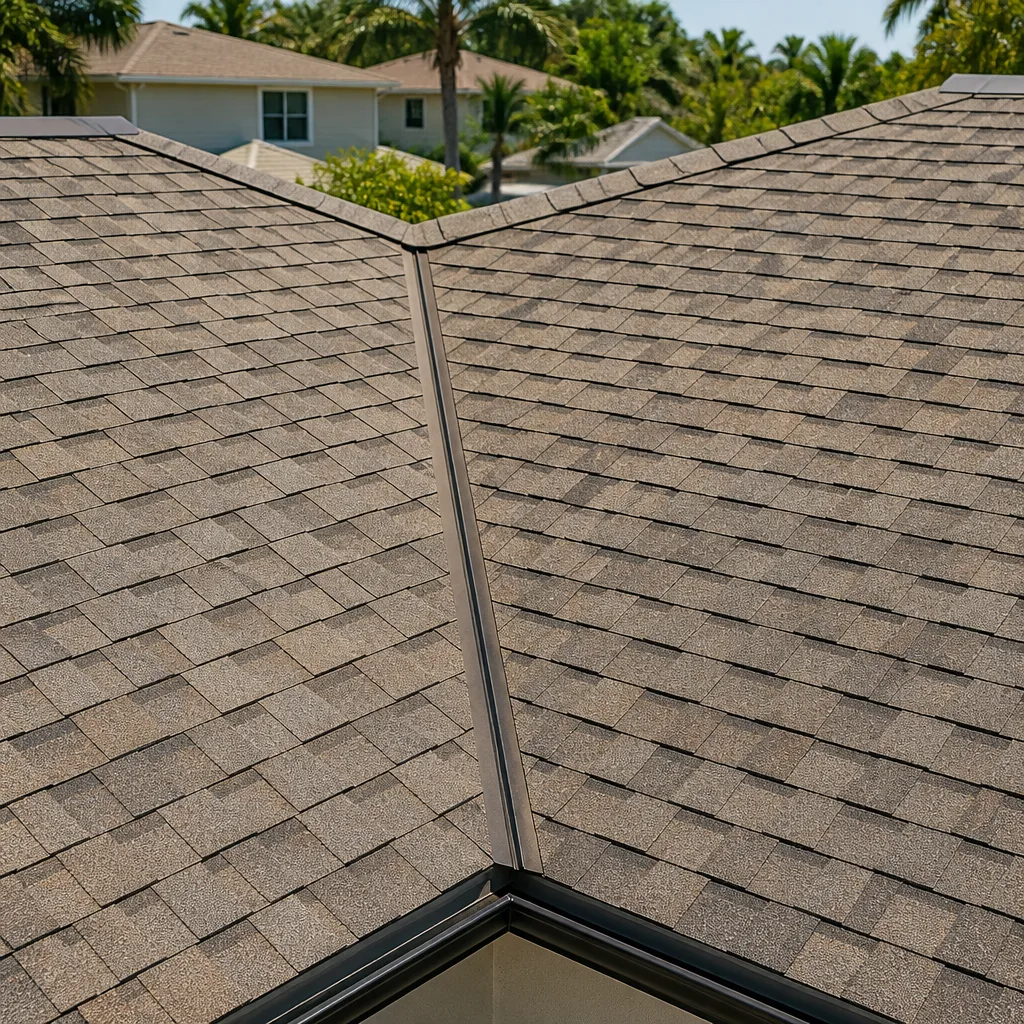
- Roofing
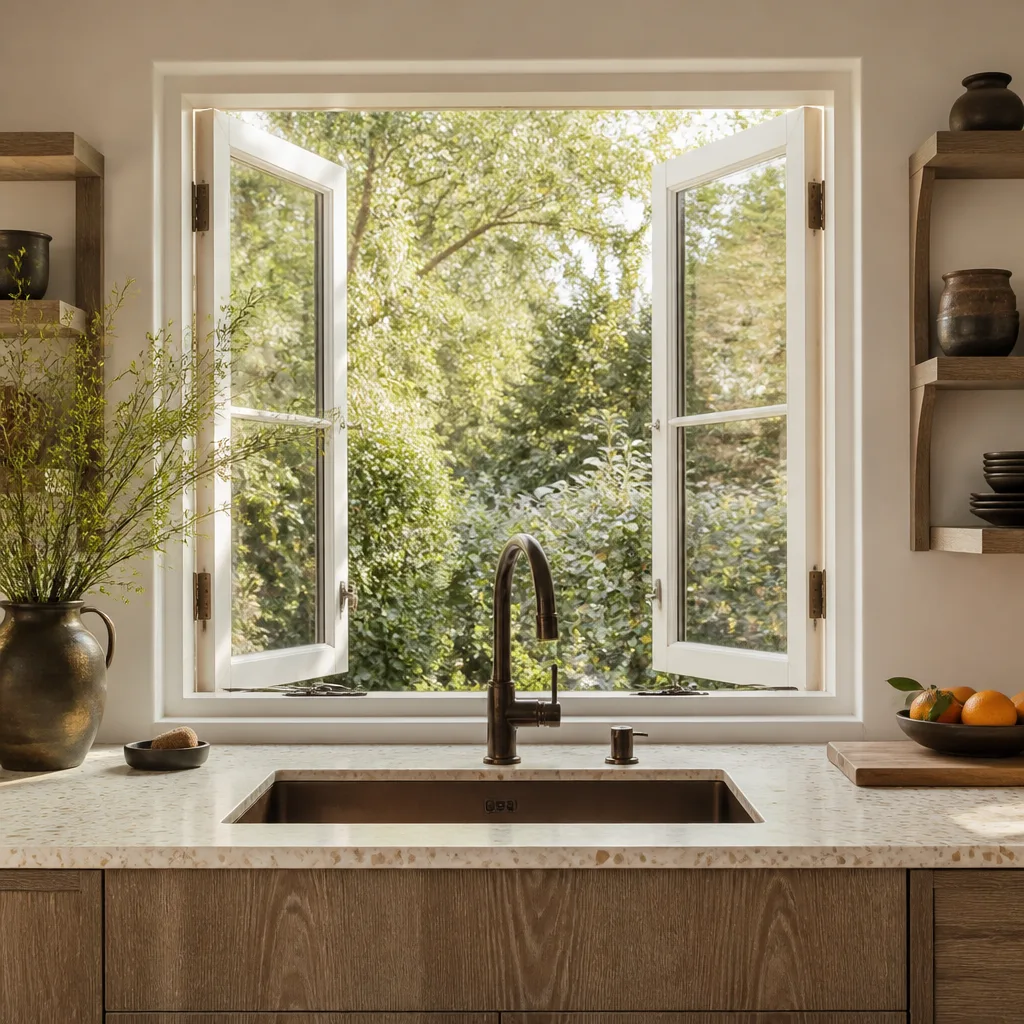
- Windows & doors
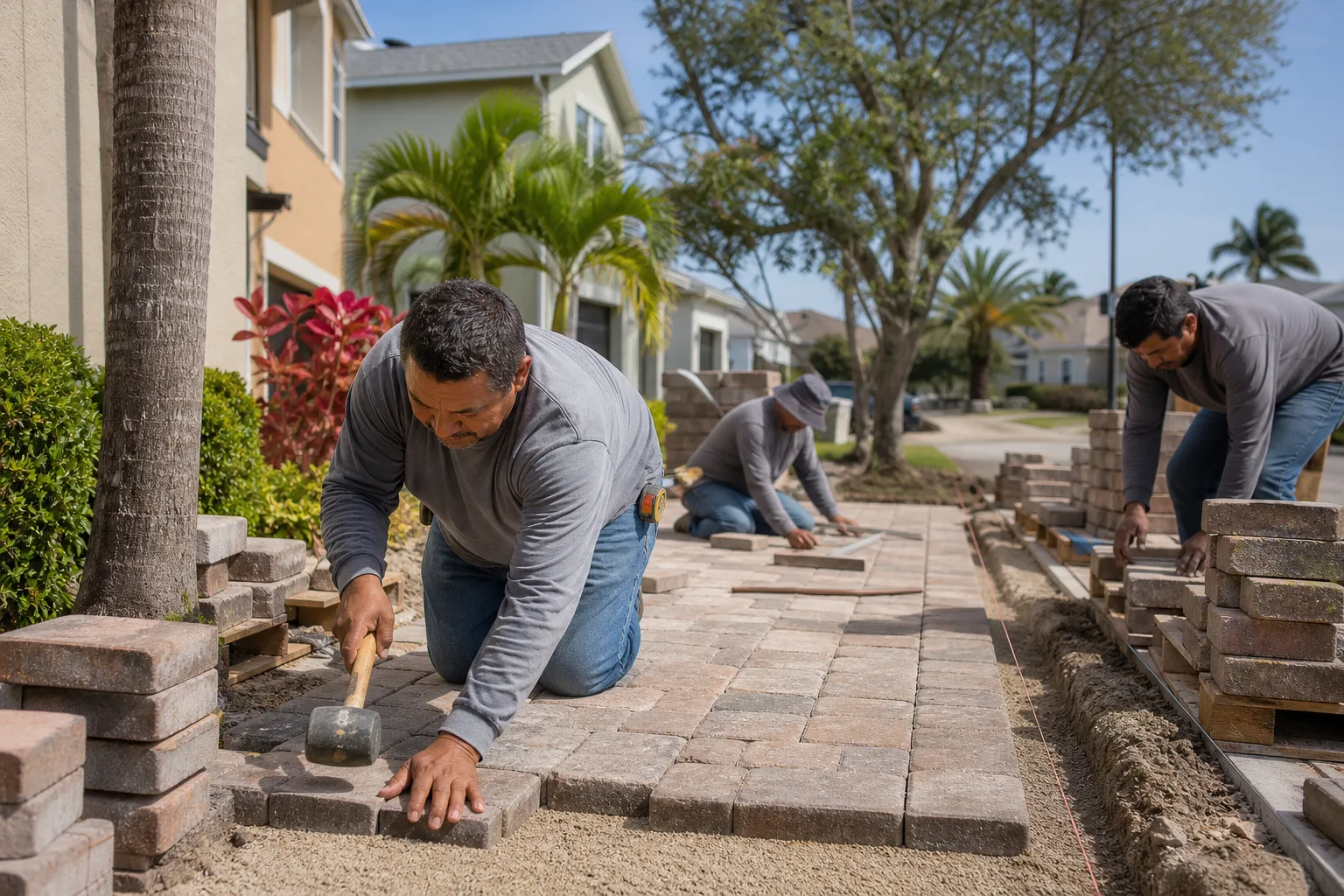
- Driveway & pavers
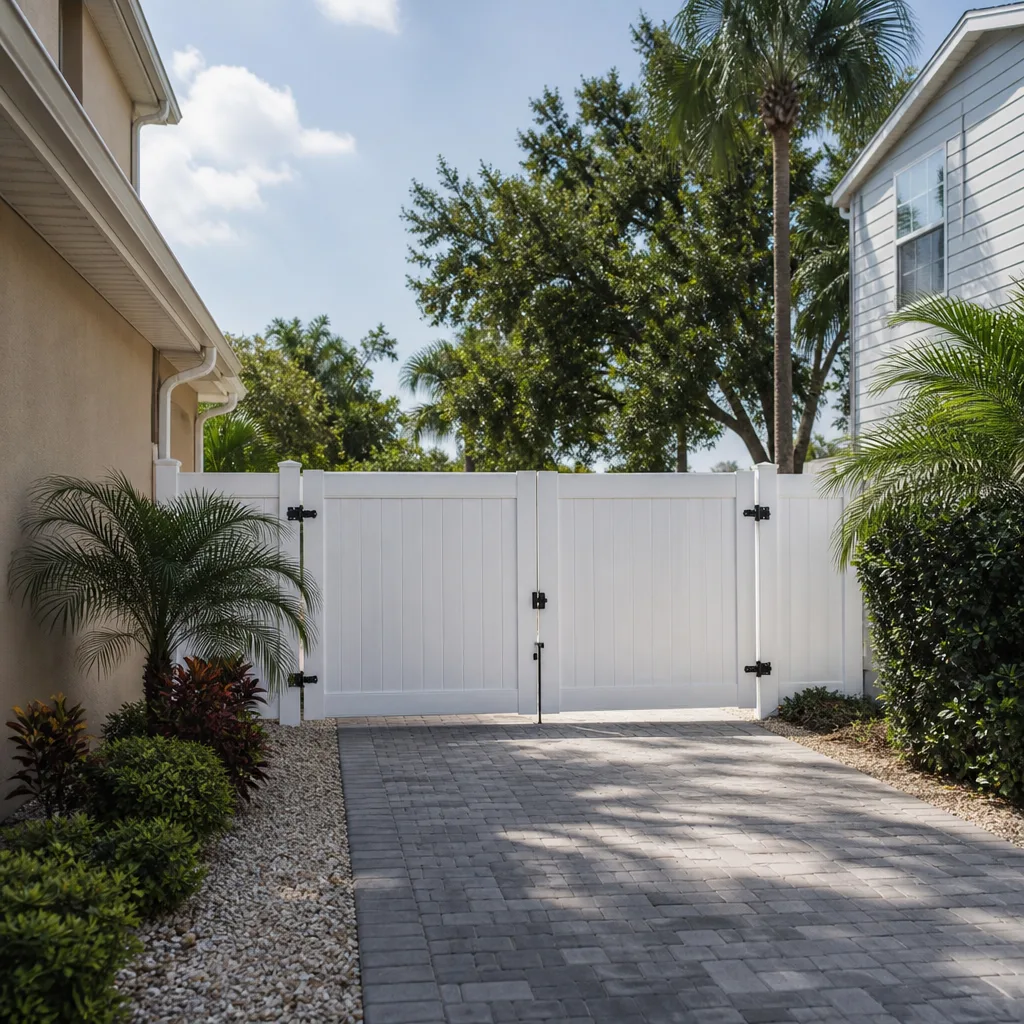
- Fence
See the difference
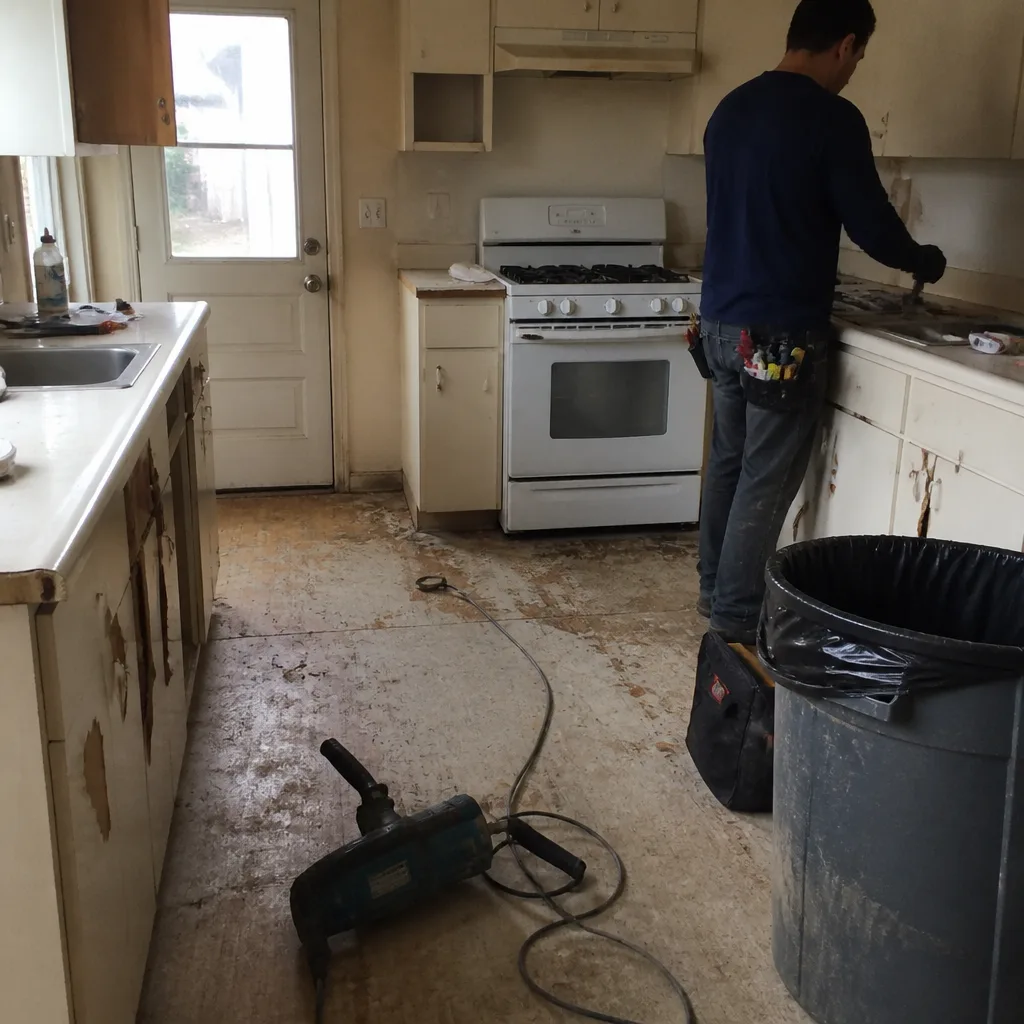 Before
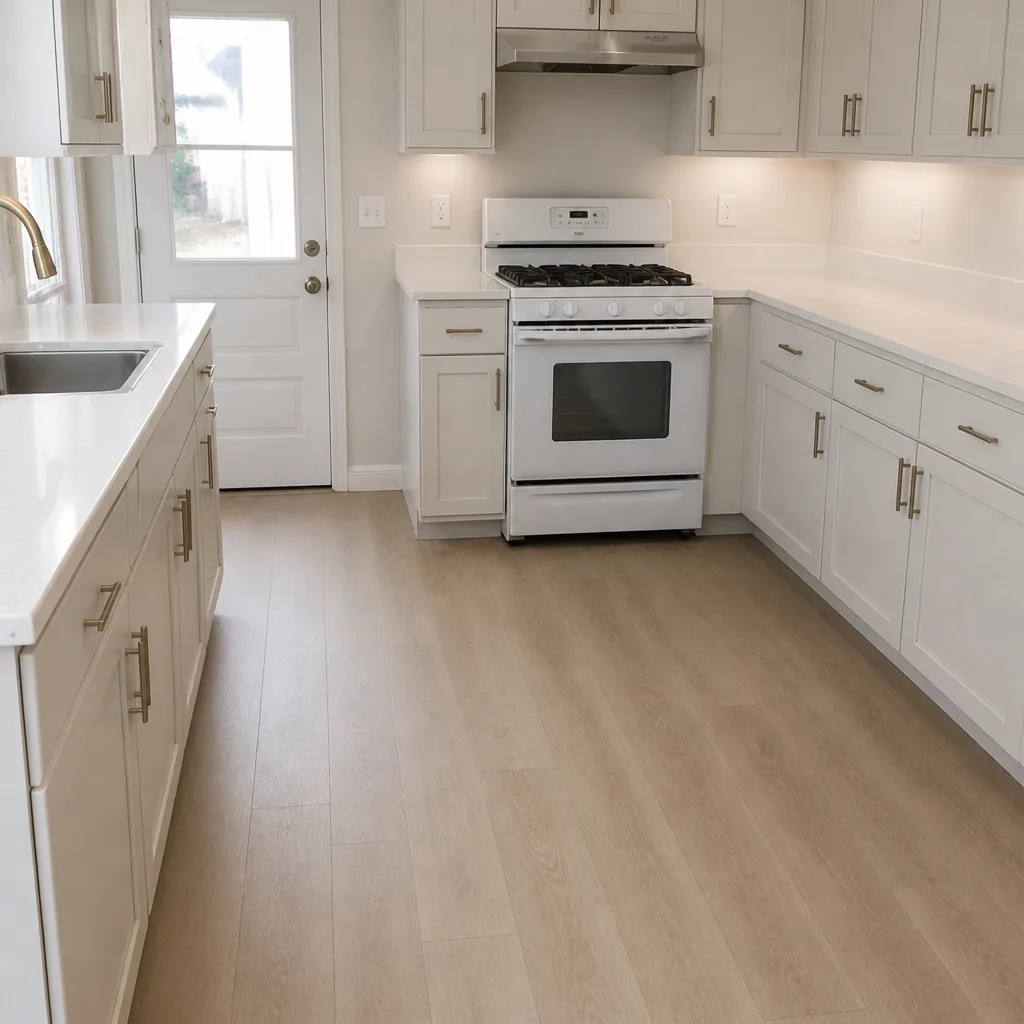 After
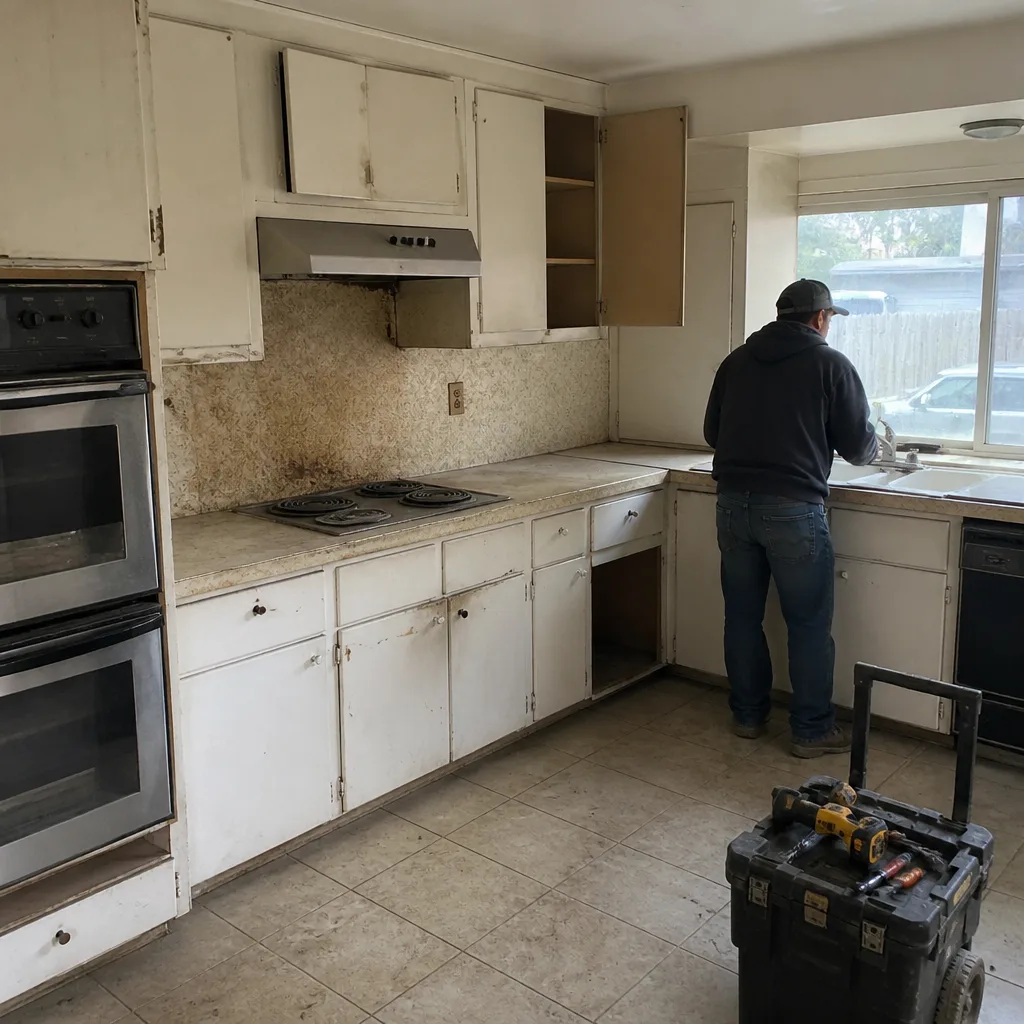 Before
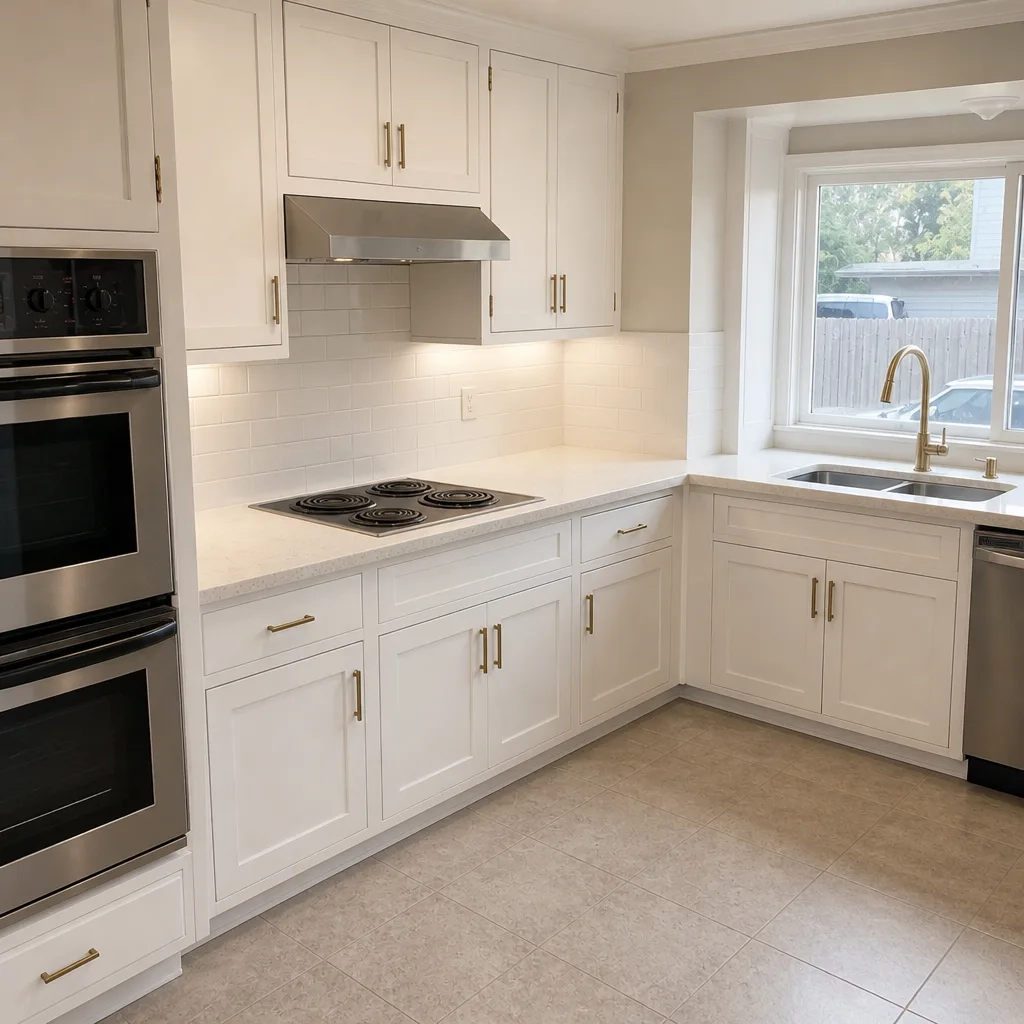 After
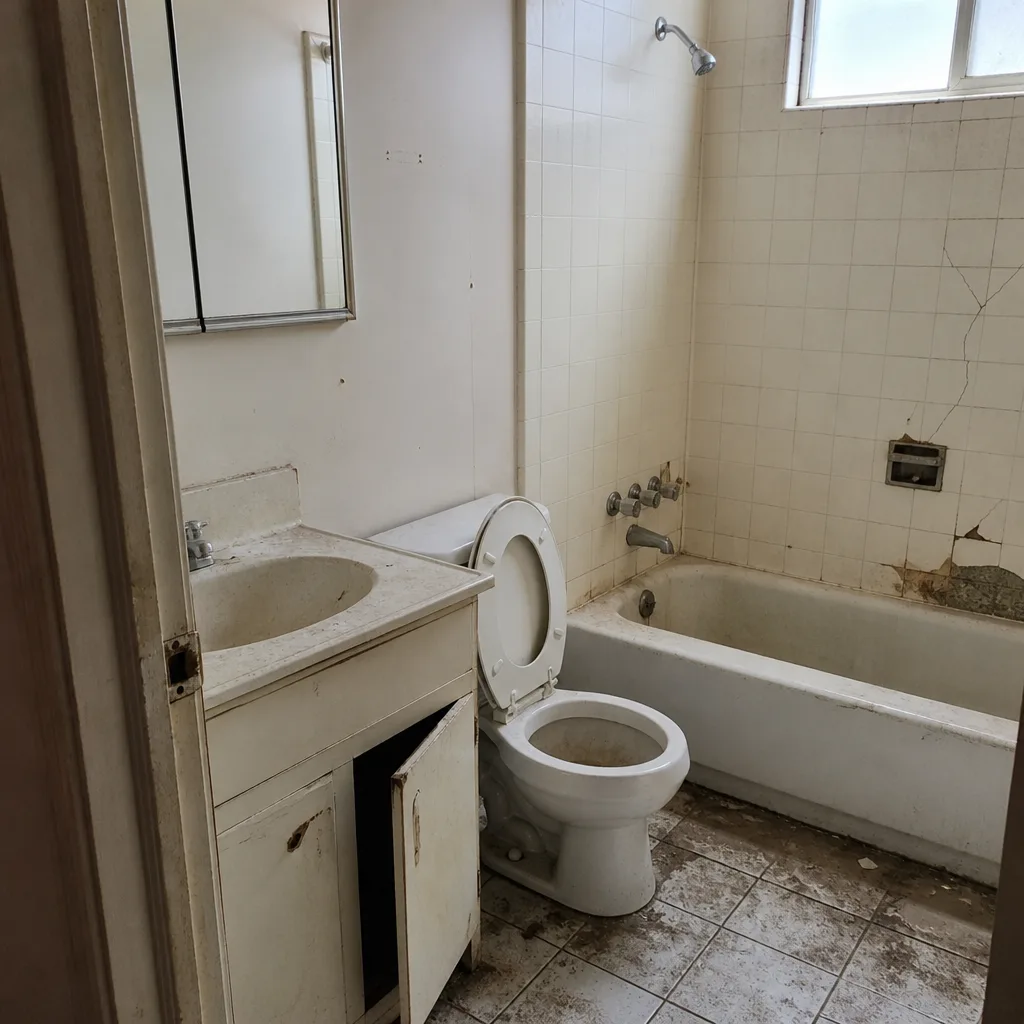 Before
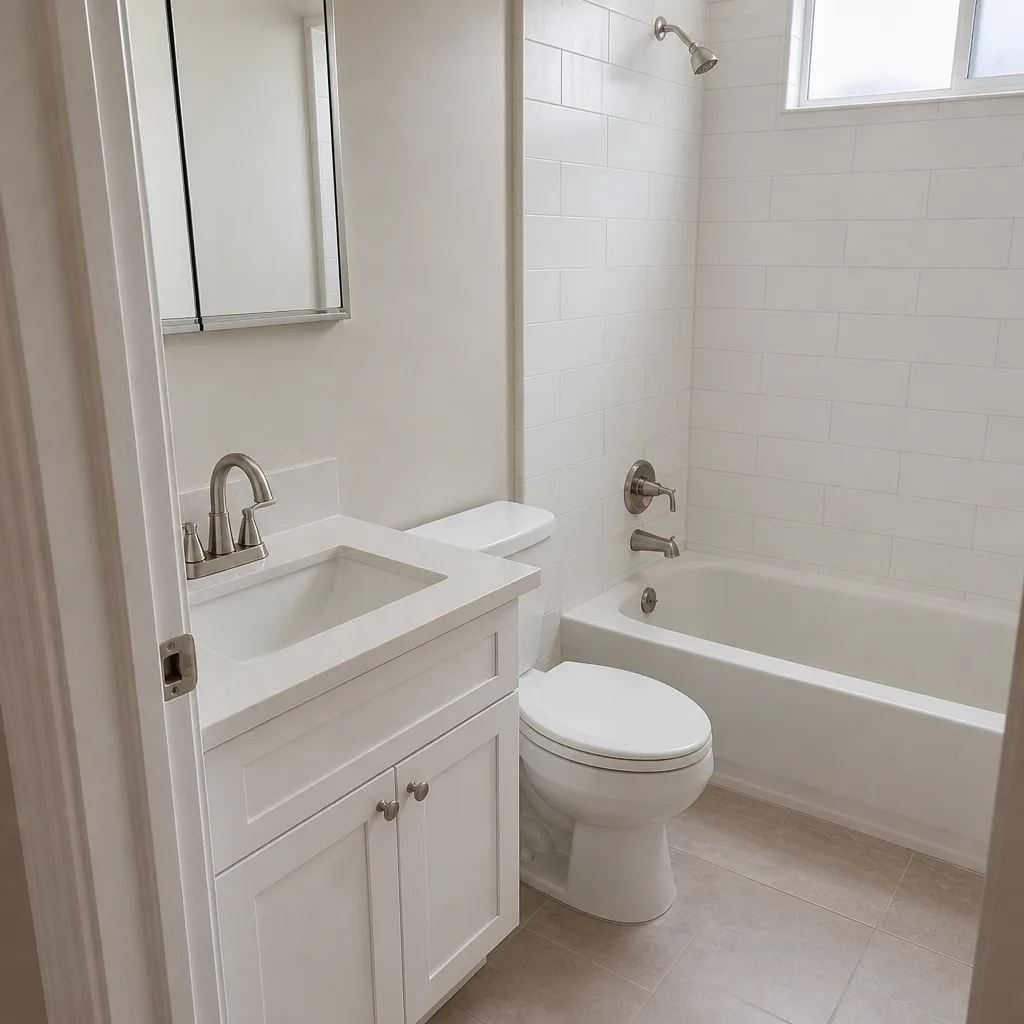 After
ADU Construction Cost Per Square Foot in San Jose, CA
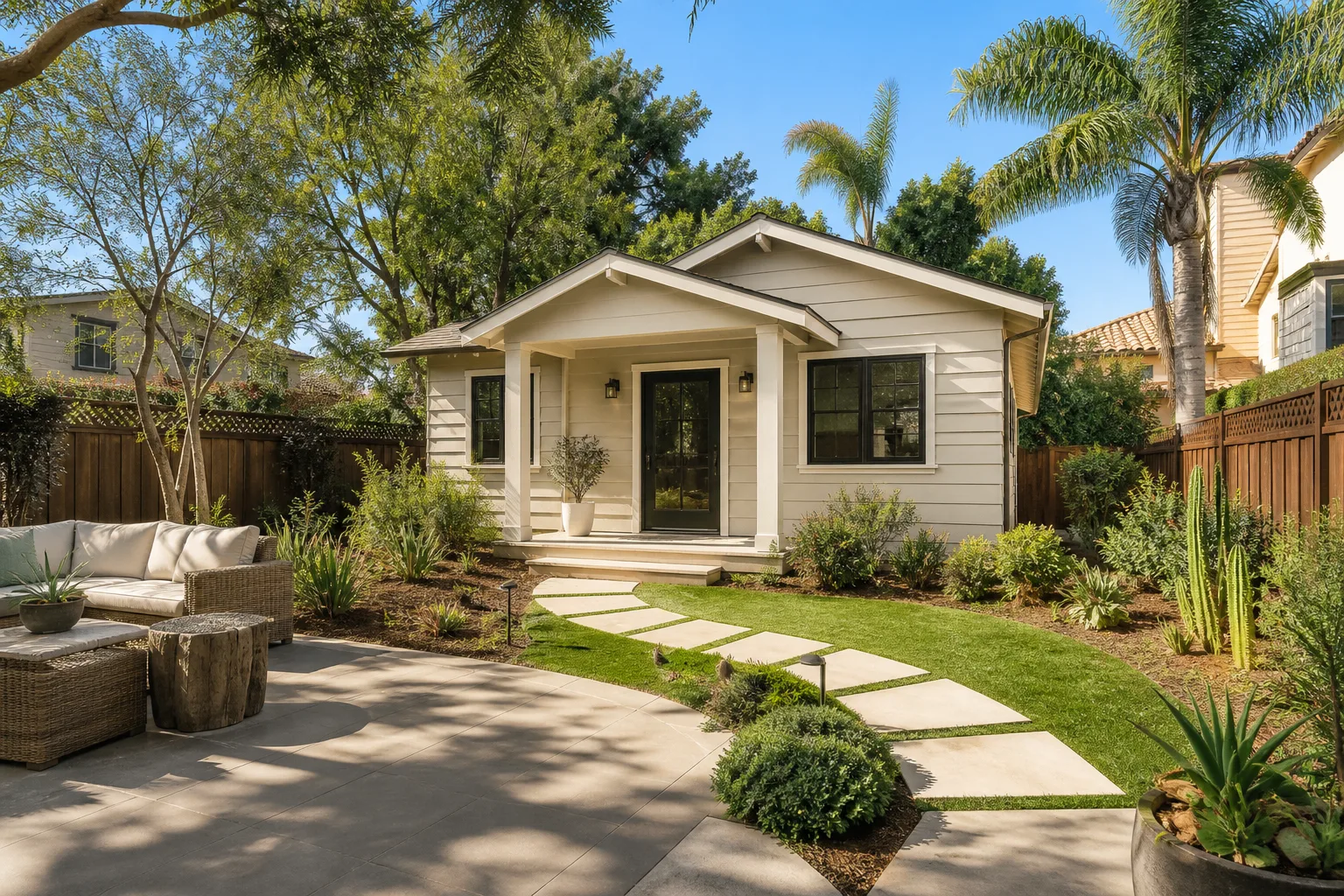
In San Jose, ADU construction cost per square foot runs about $280-$350 per square foot for a detached 1,000 sq ft unit, but a 400 sq ft unit on the same lot can hit $400-$600 per square foot. The gap isn’t a pricing error – fixed costs like seismic engineering, Title 24 energy compliance, and San Jose permit fees barely change with size. Call Groundwork Construction Co. of San Jose at (833) 988-3521 for an upfront, line-item estimate that shows exactly where your dollars go.
Here’s the number that surprises most San Jose homeowners: a small ADU is not a cheaper ADU per foot. It’s often a more expensive one. Understanding why is the difference between a realistic budget and a project that stalls at the permit counter.
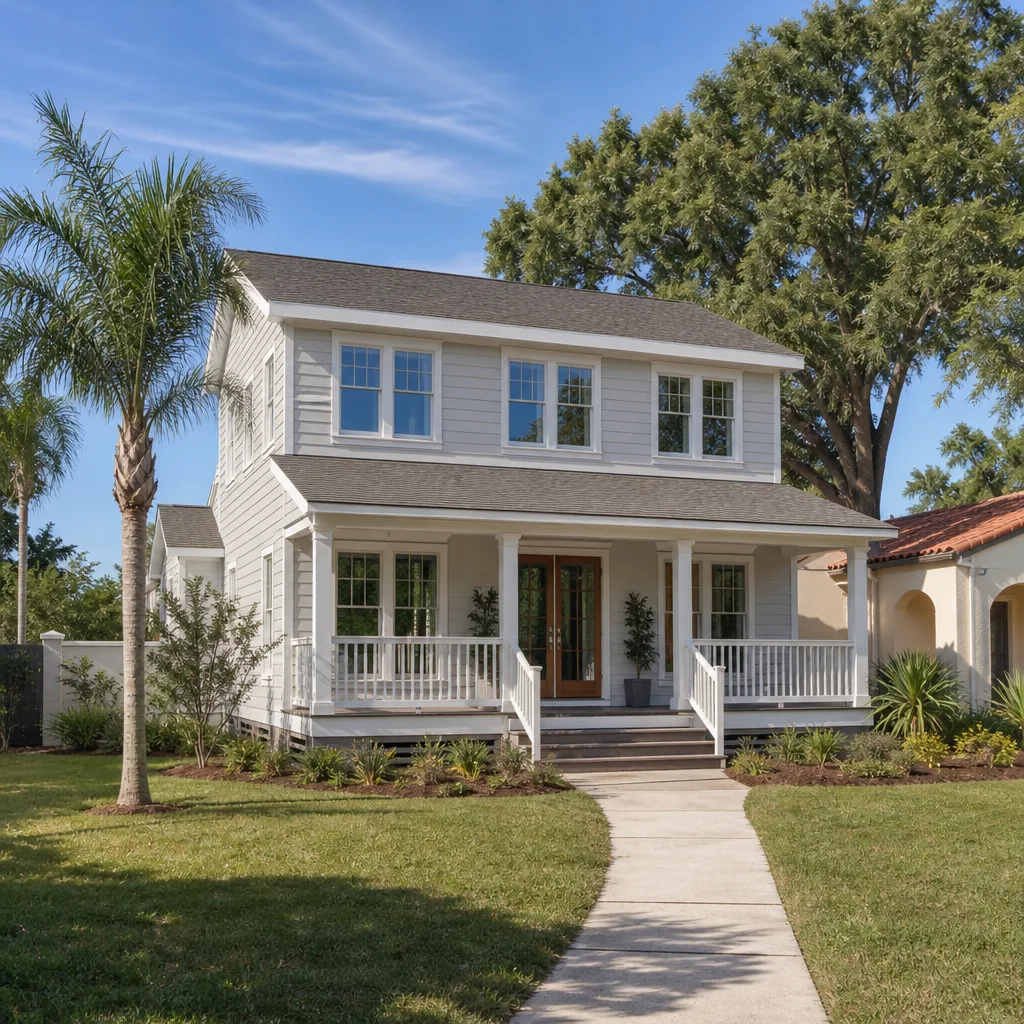
Why Small ADUs Cost More Per Square Foot in San Jose
San Jose sits on Bay Area soil that demands real seismic engineering, and the city enforces Title 24 energy requirements plus CalGreen scoring on every new dwelling unit. Those costs are largely fixed. A geotechnical report, structural calcs, utility connections, and plan review don’t shrink because you build 400 square feet instead of 1,000. Spread $60,000-$90,000 of fixed compliance and site work across a smaller footprint, and the per-foot number climbs.
This is where the city’s development pressure meets its preservation rules. A Willow Glen lot zoned for single-family character and a downtown infill parcel fall under the same municipal roof but face very different review paths. Our technicians have up to 12 years of experience reading those paths, and it shows in how we build a per-line budget instead of a single black-box number.
ADU Cost Per Square Foot by Type in San Jose
The type of unit you build drives the per-foot cost more than the finishes do. Detached new construction carries the highest per-foot seismic engineering load because it’s a standalone structure on Bay Area soil. A garage conversion reuses an existing foundation and shell, so the fixed costs drop. A JADU is the leanest path, and an attached addition sits in between.
| ADU Type | Typical $ per Sq Ft | Project Range (San Jose) |
|---|---|---|
| Detached new construction | $400-$600 (small) / $280-$350 (1,000 sq ft) | $106,200-$259,600 |
| Garage conversion | $250-$400 | $35,400-$94,400 |
| Attached addition | $300-$450 | $53,100-$153,400 |
| JADU | $200-$325 | Varies with existing layout |
Those project ranges match our broader Home Additions & ADU in San Jose pricing, so you’re not comparing two different sets of numbers. Whether your goal is rental income, a home office, or space for aging parents, the type you choose sets the floor before a single finish is picked.
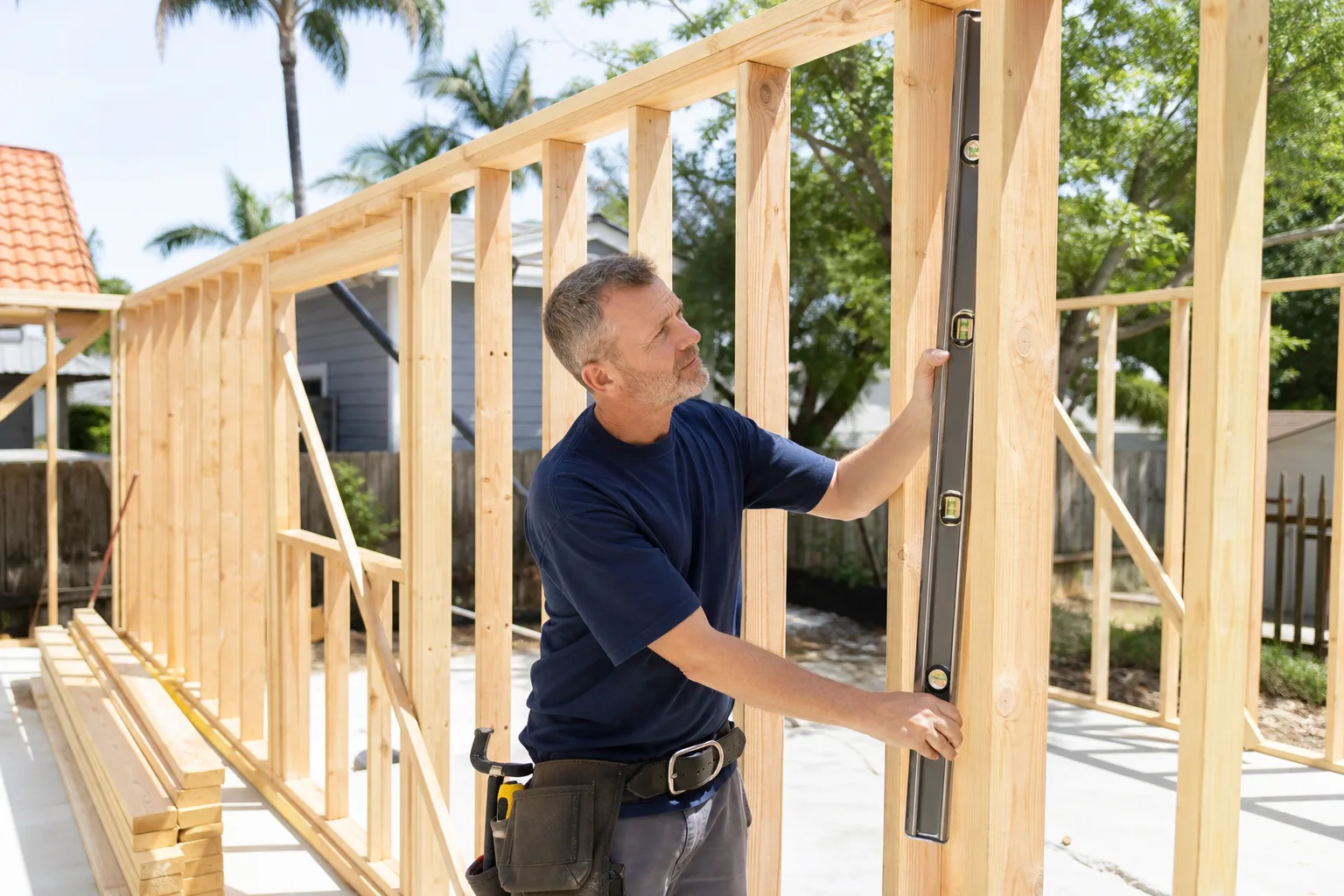
What Actually Drives the Per-Foot Number
Fixed costs explain the small-unit premium. Variable costs are where you have real control, and seeing them line by line is how you make trade-offs with data instead of guesswork.
- Permit fees and plan review: Roughly the same for a 400 sq ft and a 1,000 sq ft unit, so they weigh far heavier on the smaller build.
- Geotechnical report: Required on many San Jose lots before structural design can start – a fixed line item.
- Utility connections: Water, sewer, and electrical runs cost what they cost regardless of interior square footage.
- Seismic engineering: The heaviest fixed cost on detached new construction, and the reason two identical-looking units on different soil can price apart.
- Title 24 and CalGreen compliance: Energy modeling, high-performance glazing, and water-conservation measures are scored and required – not optional upgrades.
- Material quality: Swapping builder-grade windows for Andersen or Marvin moves the number $15-$40 per foot on window-heavy elevations. In San Jose’s Mediterranean climate, that upgrade also helps your CalGreen energy score, so the performance payback is real.
Why “Get Three Bids and Average Them” Fails on ADUs
Low ADU bids in San Jose routinely leave out the expensive parts: permit coordination, Title 24 compliance reports, and seismic design. Average a stripped bid with a complete one and you get a number that belongs to neither project. Apples-to-apples means a scope-normalized bid where every line is defined the same way.
That’s the practical reason we price per line. You see the geotech report, the structural package, the permit fees, and the window allowance as separate figures, so a low bid’s missing seismic line is obvious instead of buried. In older San Jose neighborhoods like Willow Glen or the Rose Garden, we also reconcile unpermitted past additions and outdated wiring before new work can be approved – a cost that has to be forecast, not discovered mid-build. Full-scope work from foundation to finish line keeps one contractor accountable, and our home page lays out every service line under one roof.
How Material and Site Choices Shift the Math
Finish upgrades are the visible lever, but site conditions usually move the number more. San Jose’s 1950s-70s tract homes often hide galvanized pipes and undersized electrical panels that need upgrading before an ADU ties in. Add the piecemeal, sometimes unpermitted expansions common in older pockets and the pre-construction scope grows.
Weather plays a role too. Mild, wet winters delay exterior work and expose sites to drainage problems, while dry summers call for dust control and water conservation on active jobs. We schedule around that reality rather than pretending it away. Where fixtures matter, we work with trusted names like Sterling and Grohe so the per-foot premium buys something you can feel and service for years.
What Groundwork Brings to a San Jose ADU
Upfront pricing, no surprises, backed by the 730-Day Done Right Promise – if it isn’t done right, we make it right. Calls are answered by a live person, 24/7, and every technician is background-checked and arrives in uniform. We offer 0% financing for 18 months and $1,000 off projects over $10,000, which helps when a detached unit lands near the top of the range.
FAQs
Expect roughly $280-$350 per square foot for a detached 1,000 sq ft unit, while a 400 sq ft unit often runs $400-$600 per square foot because fixed compliance costs don’t scale down. Garage conversions land lower, around $250-$400 per foot. Call (833) 988-3521 for an exact line-item quote – estimates are free.
A garage conversion is almost always cheaper per square foot because it reuses the existing foundation and shell, typically $35,400-$94,400 versus $106,200-$259,600 for detached new construction. The trade-off is usable space and layout flexibility. Call (833) 988-3521 and we’ll price both paths against your lot.
Because permit fees, the geotechnical report, utility connections, and seismic engineering cost nearly the same at 400 sq ft as at 1,000 sq ft, so the smaller footprint absorbs a heavier fixed load per foot. It’s structural, not padding. Call (833) 988-3521 to see the fixed lines spelled out on your project.
Yes. We coordinate permit submissions, Title 24 energy reports, and seismic design as part of the scope, so those costs appear on the bid instead of surfacing later. That’s what makes an apples-to-apples comparison possible. Call (833) 988-3521 for a free estimate and design consult.
Start With a Real Number, Not a Guess
Before you commit to a square footage, get a bid that separates fixed from variable costs so you can see what a smaller or larger unit actually does to your bottom line. Groundwork Construction Co. of San Jose gives you transparent per-line pricing, the 730-Day Done Right Promise, and a free project estimate and design consult. Call (833) 988-3521 today.
Written by the team at Groundwork Construction Co. of San Jose, serving San Jose, CA.
What Our Customers Say
"Change orders were written down and priced before the work happened, every single time. No surprise at the end."
- Keisha Robinson"He told me one part of what I wanted was a bad idea structurally and offered an alternative instead of just taking the money."
- Angela Wong"The schedule he gave me at the start was accurate to within four days on a three month job. Anyone who has done a renovation knows how unusual that is."
- Laura Bennett