Free written scope consultation - allowances, timeline, and change-order rules on paper before a single trade is scheduled
Styles & brands we work with
- Kitchen remodeling
- Bathroom remodeling
- Home additions & ADU
- Roofing
- Windows & doors
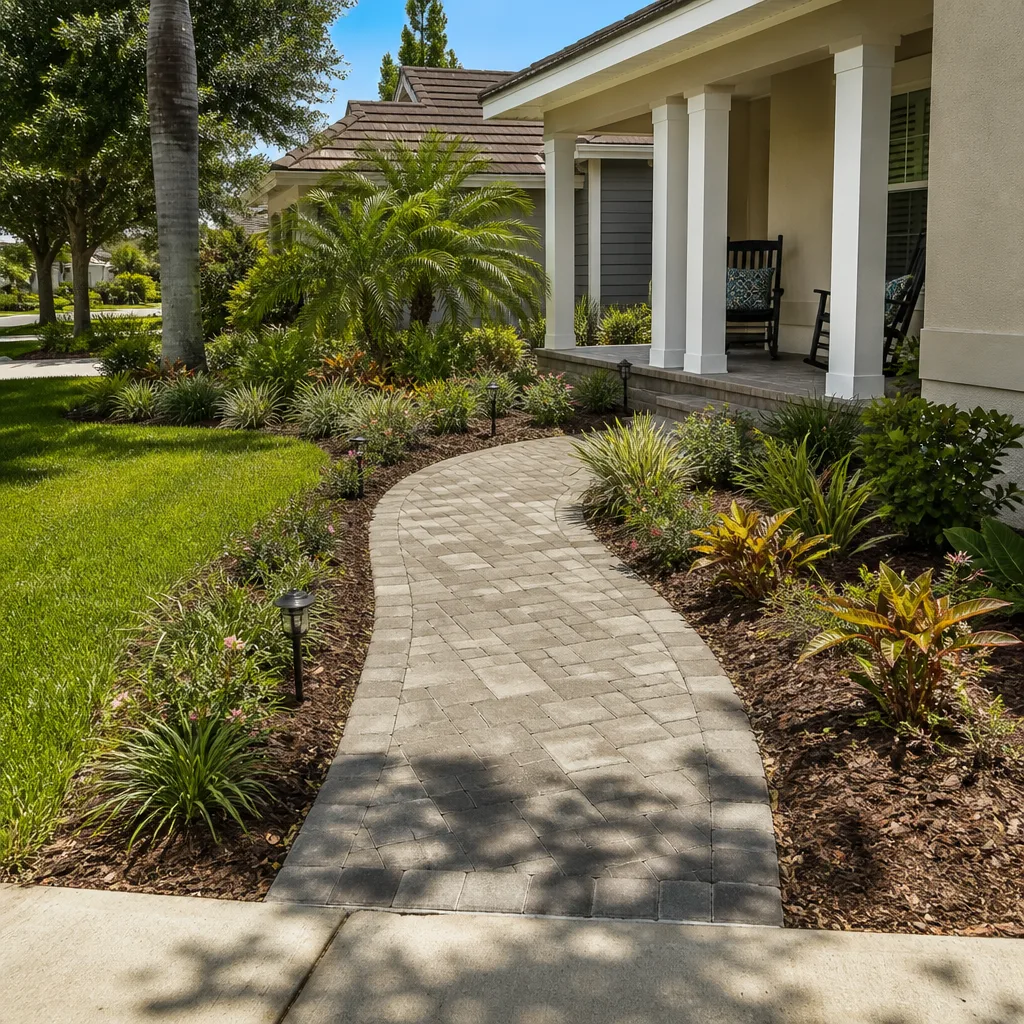
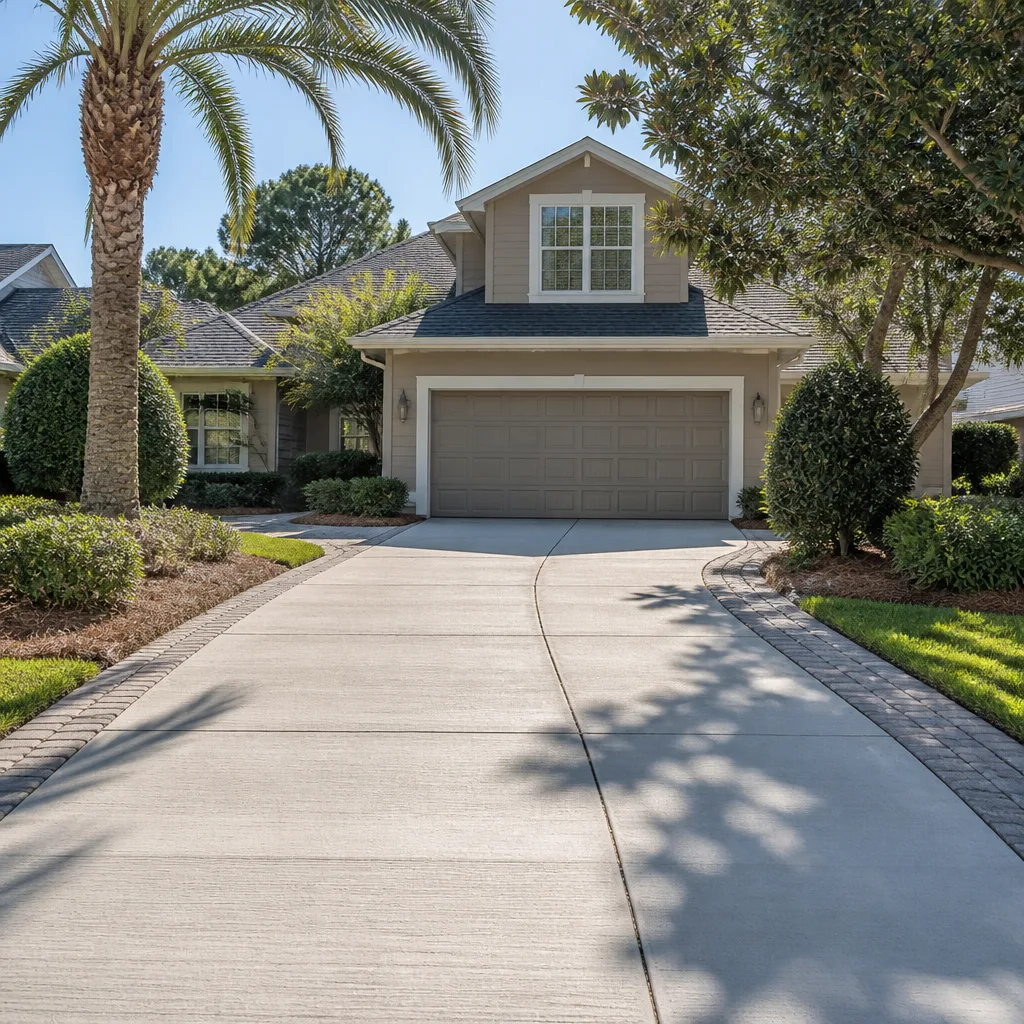
- Driveway & pavers
- Fence
See the difference
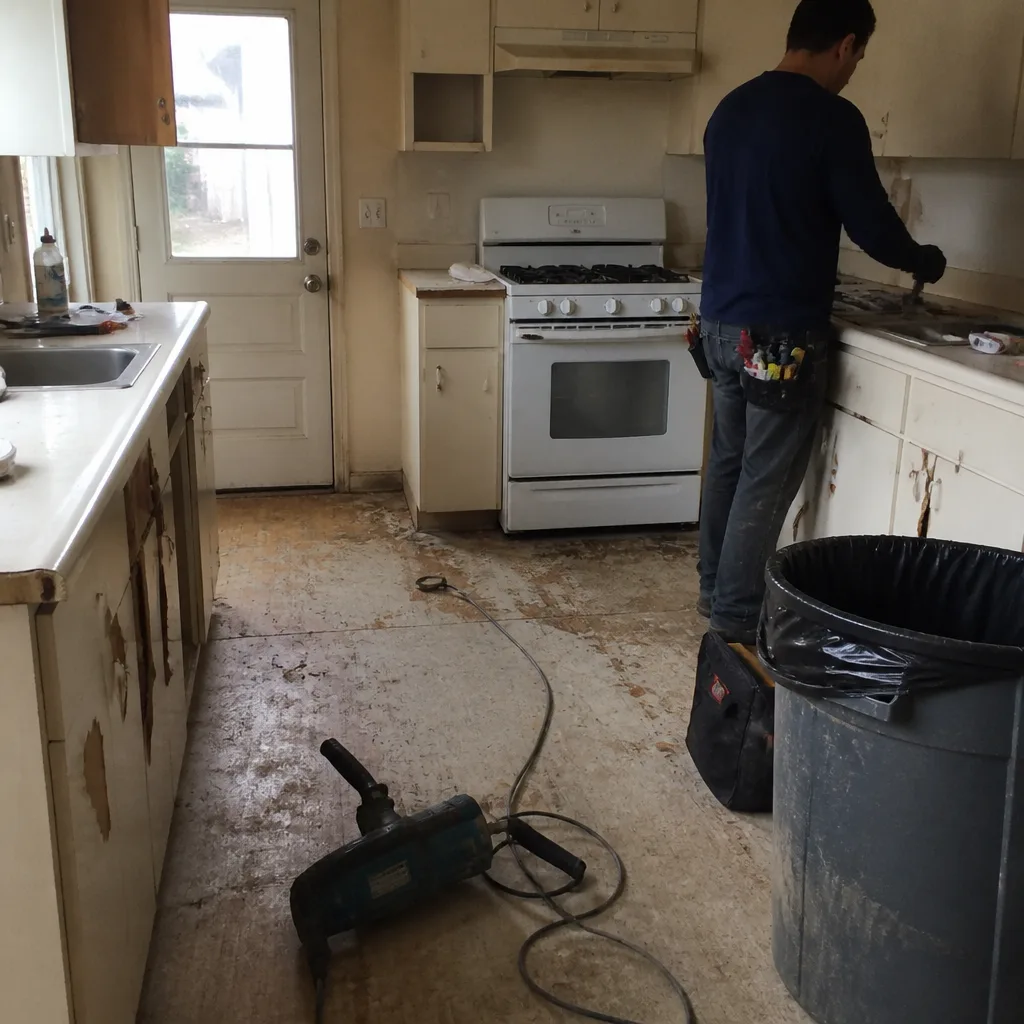 Before
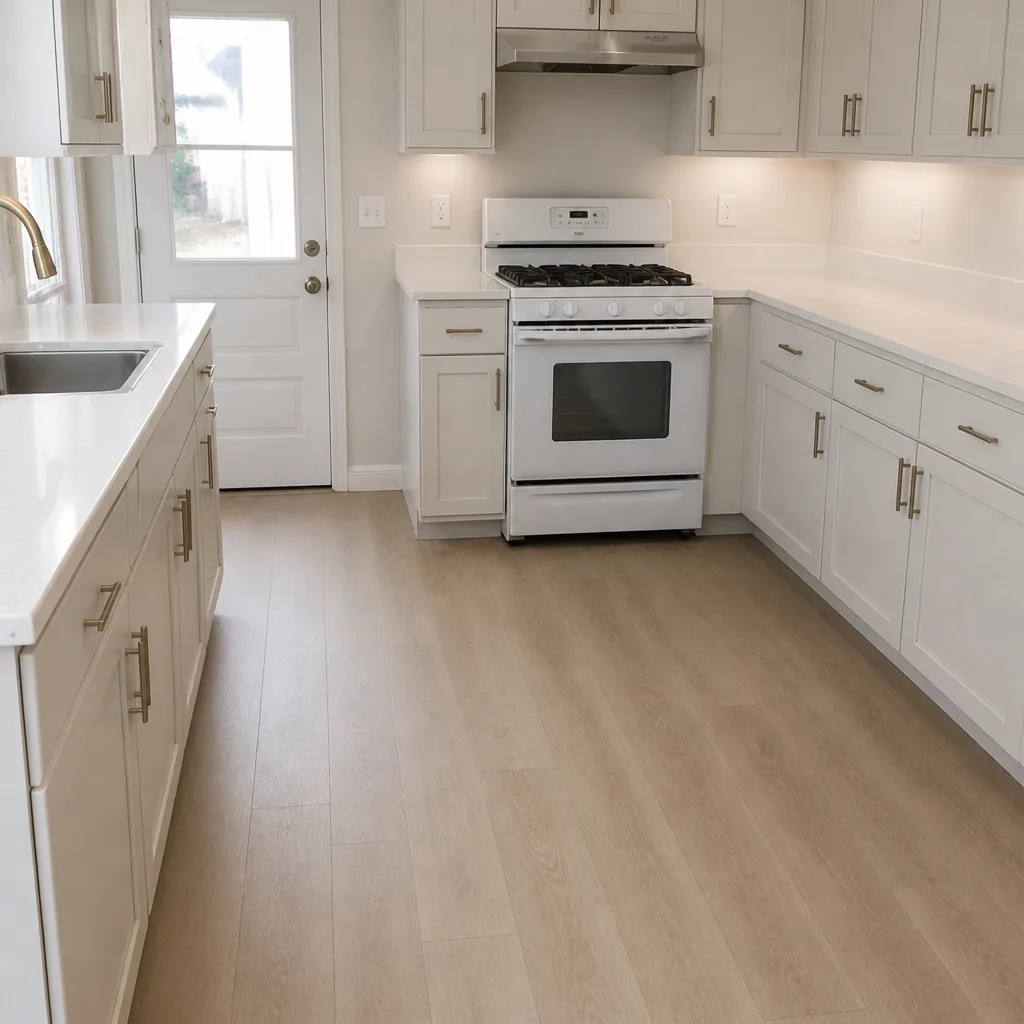 After
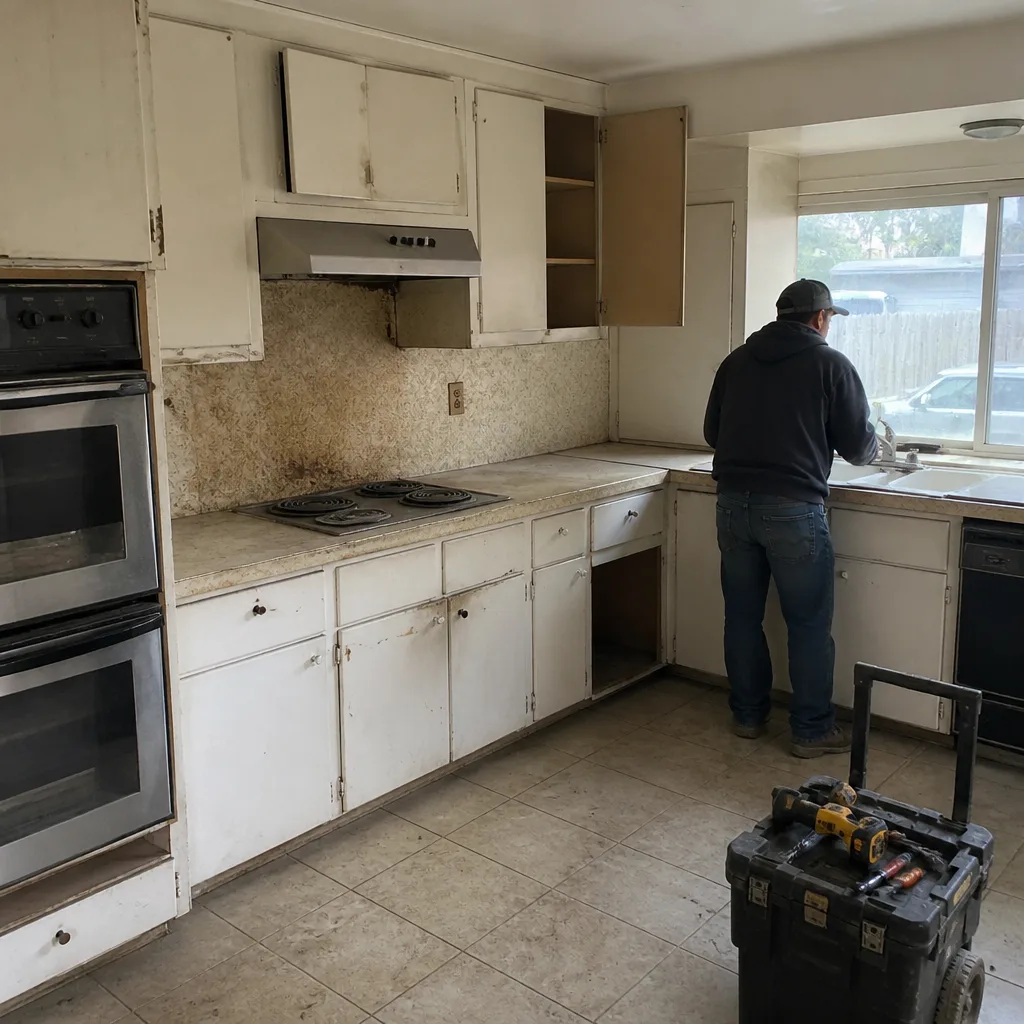 Before
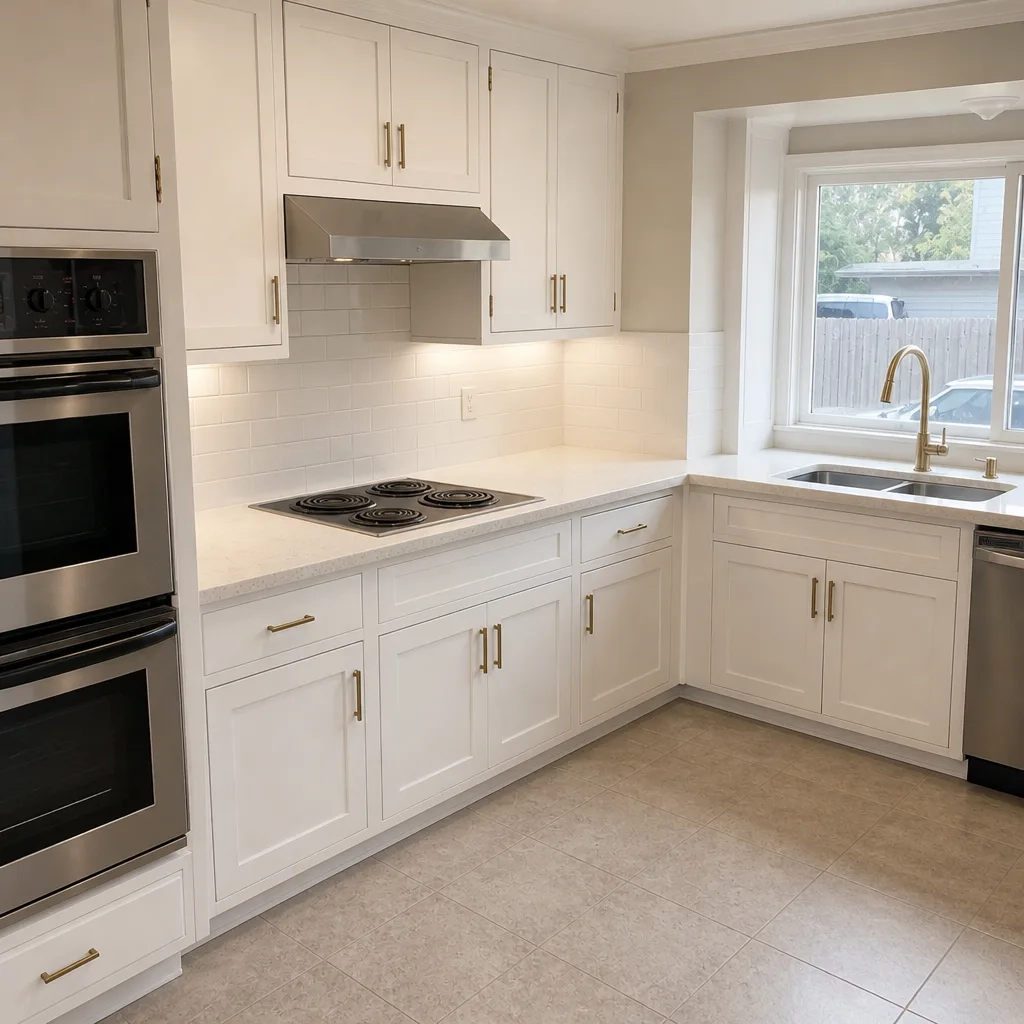 After
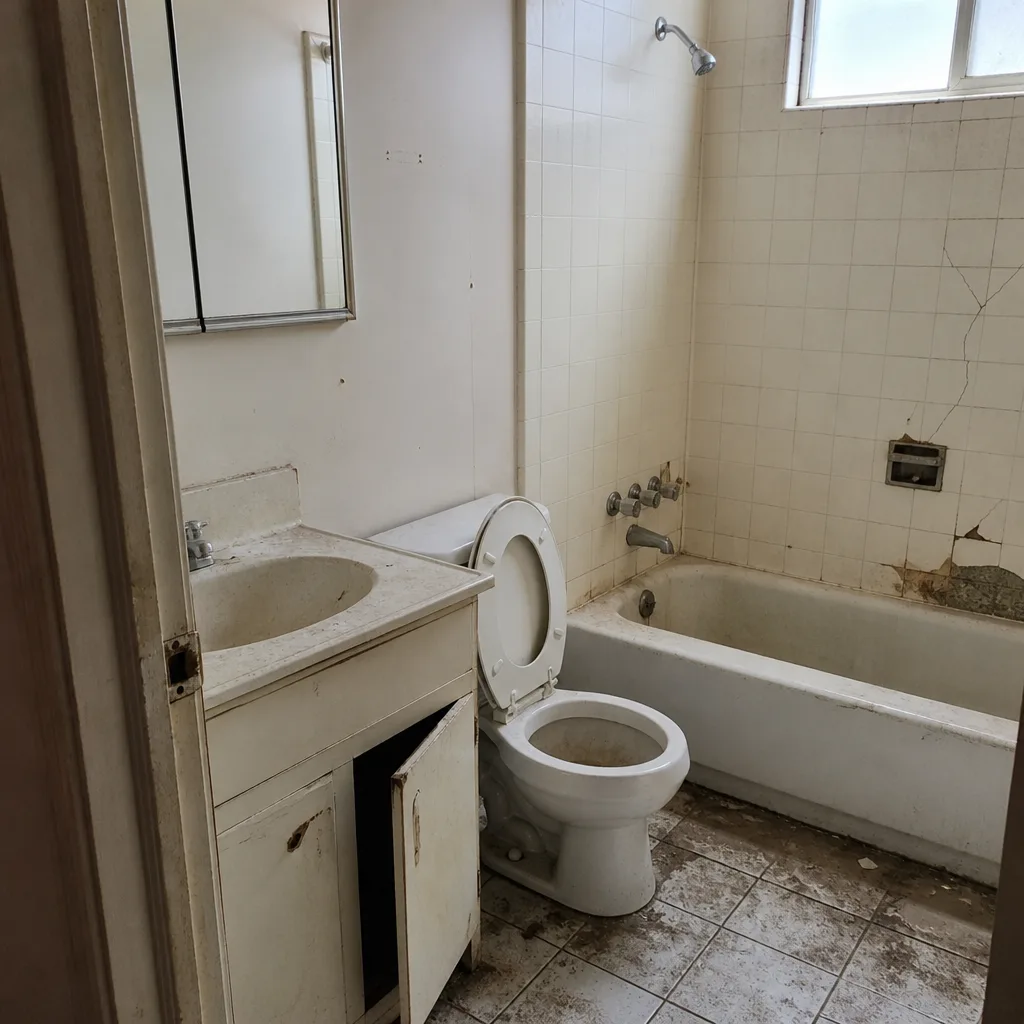 Before
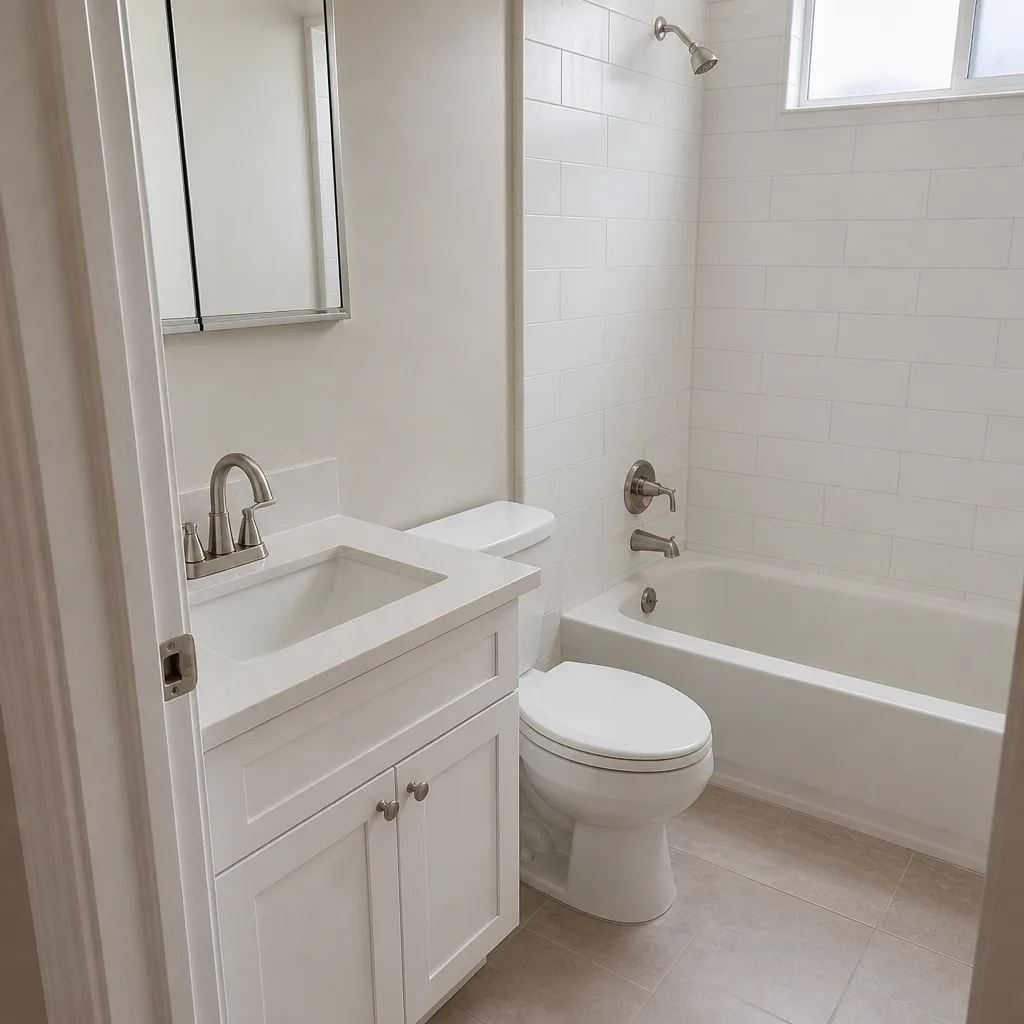 After
Stamped Concrete vs Pavers in San Jose: Choose Pavers Unless Your Slab Is Already Poured
For most San Jose driveways and patios, pavers win. Choose stamped concrete only if you want the lowest upfront square-foot price and your subgrade is already stable and well-drained. In this city, where the clay under your driveway expands and contracts with every wet-dry cycle, the real question isn’t which surface looks better on day one. It’s which one you can fix without tearing out the entire slab. Call (833) 988-3521 and we’ll walk your actual grade before you spend a dollar.
Both options photograph beautifully. Both can mimic stone, brick, or slate. The split shows up around year eight, when the ground moves and one surface forgives it while the other doesn’t.
Why San Jose’s Ground Makes This a Different Comparison
The soil around San Jose does not sit still. Expansive clay swells through the wet winter and shrinks back hard in the dry summer, and that cycle repeats every single year. A driveway poured as one continuous slab has nowhere to relieve that movement. So it cracks. The crack may be hairline or it may be a quarter inch wide, but it runs straight across your stamped pattern, and there’s no way to disguise it. You can fill it, and you’ll see the fill. You can overlay it, and you’ll pay for the whole surface again.
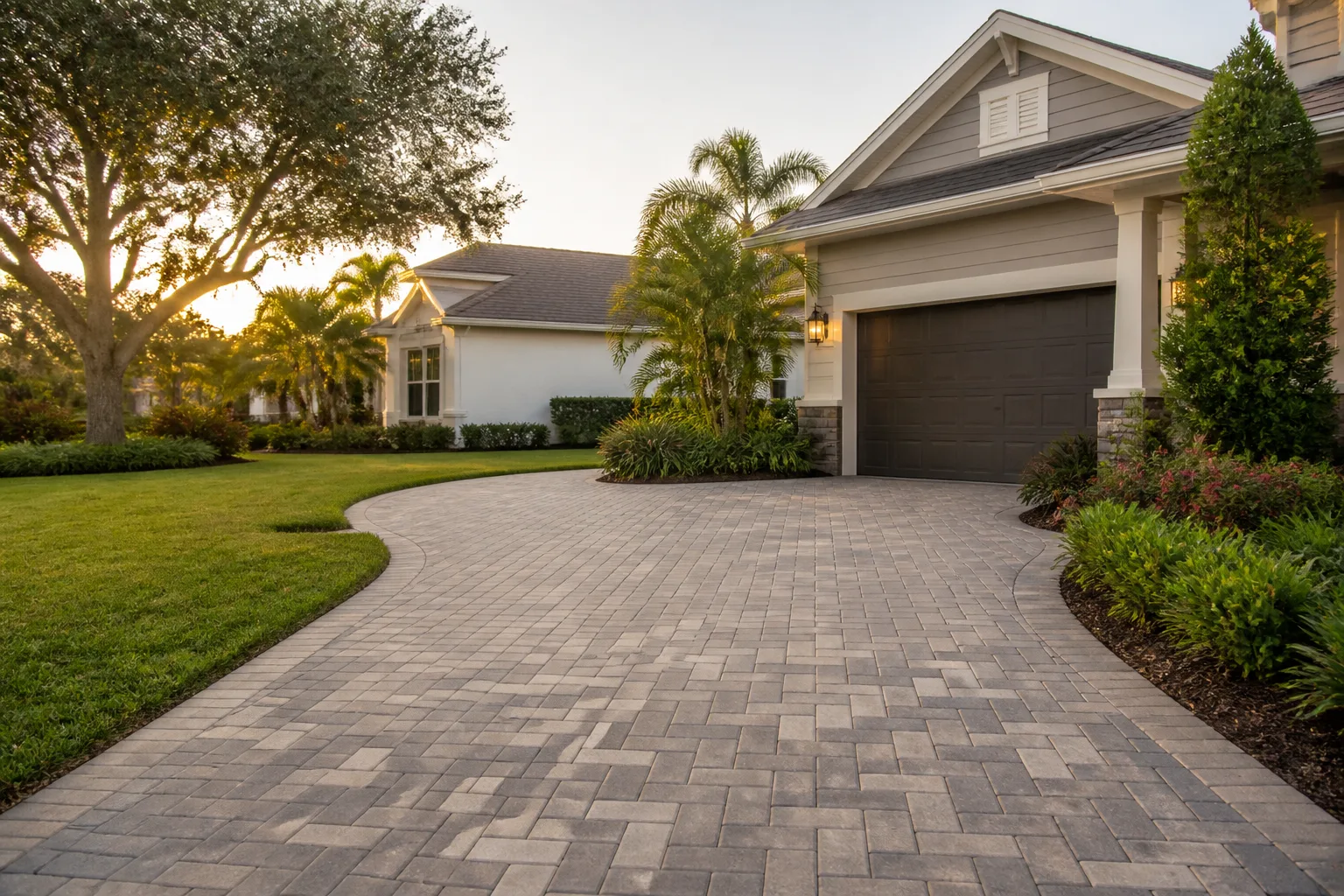
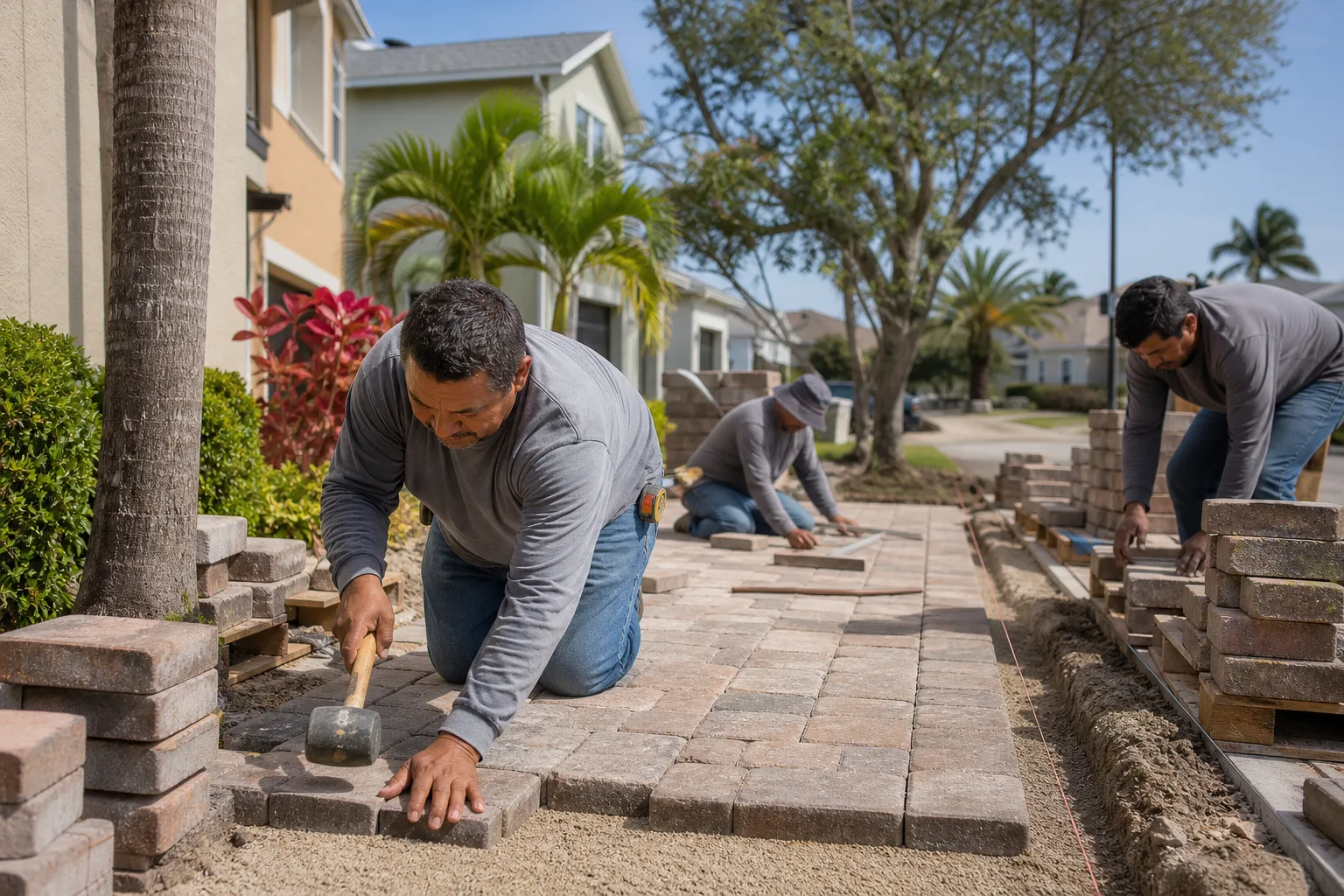
Pavers are a segmented system. Each unit floats on a compacted base, so when the ground shifts, individual pavers lift, tip, or settle. Ten years from now, a crew can pull the affected pieces, relevel the base, and set them back with no visible repair seam. That’s the whole argument in one sentence: when movement is a known variable, a surface you can take apart and rebuild beats a surface you can only patch.
There’s a color story too. Stamped concrete gets its look from a surface release agent or integral pigment, and under San Jose’s strong summer UV that coloring fades unevenly. Traffic lanes lighten first, shaded edges last, and the result looks tired rather than aged. Pavers carry full-body color through the thickness of the unit. They hold their tone for the life of the product, which is exactly what you want on a street-facing surface.
What to Look For Before You Choose Either Surface
Ask these questions before you sign anything. The answers separate a surface that lasts from one you’ll resent.
- Drainage and slope. San Jose winters are mild but wet, and a driveway that ponds water against the garage or the foundation is a problem no material choice can fix. Get the grade right first.
- Base preparation. For pavers, the compacted aggregate base and edge restraint carry the load. A beautiful paver laid on a thin or wet base will fail faster than concrete.
- Joint pattern and control cuts. If you do go with stamped concrete, control joints must be placed deliberately, not wherever the pour ends. Ask where they’ll go and why.
- Sealing schedule. Stamped concrete needs resealing every few years to hold color and resist staining. Budget for it or the upfront savings evaporate.
- Freeze-thaw and seismic reality. Older San Jose homes built in the 1950s through 1970s were not detailed for today’s standards, and hardscape sitting against aging foundations deserves a closer look before you add weight or redirect water.
Stamped Concrete vs Pavers: Side-by-Side in the South Bay
Here’s how the two actually compare on the things that matter over a long horizon.
| Factor | Stamped Concrete | Pavers |
|---|---|---|
| Installed cost | $12-$18 per sq ft | $15-$25 per sq ft (premium) |
| Crack behavior | Monolithic; cracks run through the pattern | Segmented; movement shows as slight unevenness |
| Repair method | Patch, overlay, or full replacement | Lift, relevel, reset individual units |
| Color durability | Surface-applied; fades unevenly in UV | Full-body color through the unit |
| Ongoing cost | Resealing every few years | Occasional re-sanding of joints |
| 20-year view | Likely resurfacing or replacement | Original units, spot repairs |
The price gap is real but smaller than most homeowners expect, and over 20 years the total cost of ownership often tips toward pavers once you price in resealing cycles and the odds of a resurfacing. For current line-item ranges on the full job, see our Driveway & Pavers in San Jose page, and treat this article as the “which material and why” companion to it.
How We Spec the Materials
Groundwork Construction Co. of San Jose works from a curated list of manufacturers with demonstrated performance in West Coast soil conditions, not whatever happens to be on the distributor’s truck that week. For pavers that means brands like Cambridge Pavers and Oldcastle, with bedding and joint sand from Quikrete, chosen because they hold up to clay movement and UV rather than because they were on sale. Our technicians have up to 12 years of experience setting hardscape on this kind of ground, and every hardscape project is covered by the 730-Day Done Right Promise: if it’s not done right, we make it right.
A few scheduling notes unique to this market. Summer heat and drought conditions mean active job sites need dust control and water discipline, so plan paver cutting and base prep accordingly. Winter rains can delay exterior pours and expose drainage problems you’d rather discover before the concrete sets. And in older neighborhoods like Willow Glen or the Rose Garden, we routinely find that a 1940s or 1950s home has been expanded piecemeal over the decades without permits, which means drainage and grade near an old foundation get reconciled before any new hardscape goes down. If your project touches more than the driveway, our team handles the full scope from foundation to finish line, and you can start from our home base to see the seven service lines.
FAQs
Pavers are the better long-term choice for most San Jose driveways because the city’s expansive clay causes seasonal movement that a monolithic slab can’t relieve, and pavers can be lifted and reset without a repair scar. Stamped concrete can work on a well-drained, stable subgrade where you want the lowest upfront cost and accept a resealing schedule. Call (833) 988-3521 for a free look at your specific grade before you commit.
Stamped concrete typically runs $12-$18 per square foot installed in the South Bay market, while premium concrete pavers run $15-$25 per square foot. The gap is smaller than most homeowners expect, and the 20-year view often favors pavers once resealing and resurfacing on stamped concrete are factored in. Call (833) 988-3521 for an exact quote on your square footage; estimates are free.
You can fill or overlay a cracked slab, but the repair will be visible because the crack runs through the stamped pattern and the color never matches perfectly. That visual compromise is the core drawback of a monolithic surface. If the crack is structural or the slab has settled, call (833) 988-3521 and we’ll tell you honestly whether a patch or a replacement is the smarter spend.
Pavers hold their color far better than stamped concrete because the pigment runs through the full body of each unit rather than sitting on the surface. You’ll see normal surface wear, but not the uneven, traffic-lane fading that plagues surface-colored concrete. Call (833) 988-3521 to see sample units in person before you choose a color.
Get a Straight Answer on Your Own Driveway
Photos won’t tell you how your ground will behave. An onsite look will. If you’d rather have it looked at, Groundwork Construction Co. of San Jose offers a no-pressure assessment in San Jose, with upfront pricing and no surprises. Call (833) 988-3521 for a free estimate. Live person, 24/7, and 0% financing for 18 months is available on approved projects over $10,000.
Written by the team at Groundwork Construction Co. of San Jose, serving San Jose, CA.