Free written scope consultation - allowances, timeline, and change-order rules on paper before a single trade is scheduled
Styles & brands we work with
- Kitchen remodeling
- Bathroom remodeling
- Home additions & ADU
- Roofing
- Windows & doors
- Driveway & pavers
- Fence
See the difference
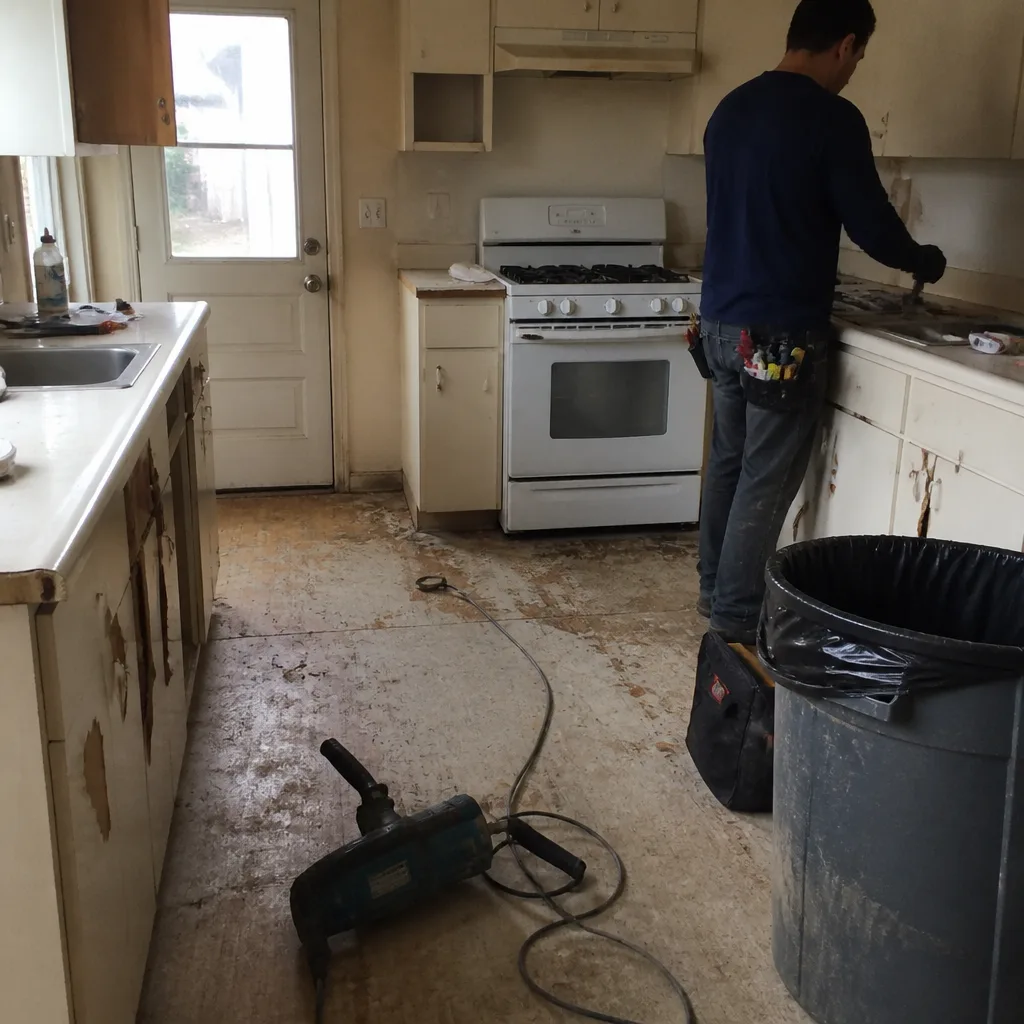 Before
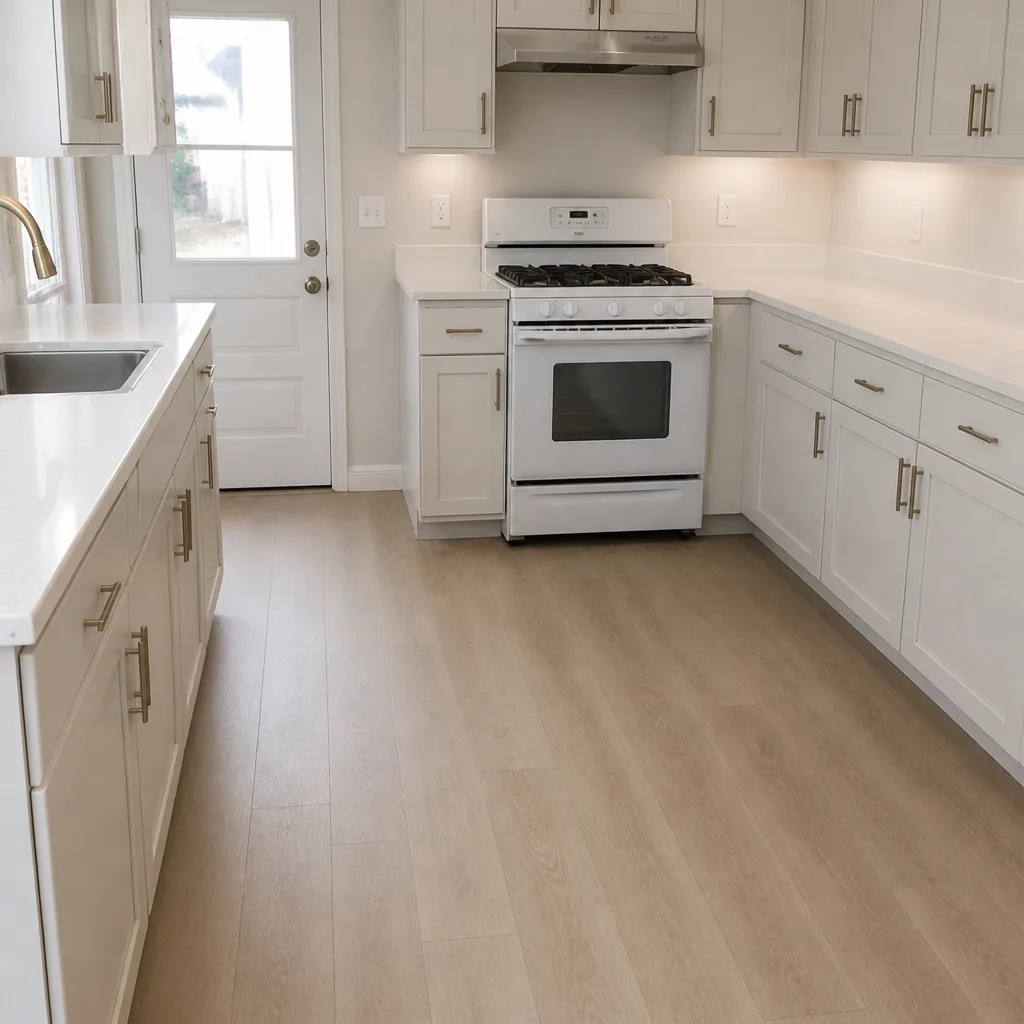 After
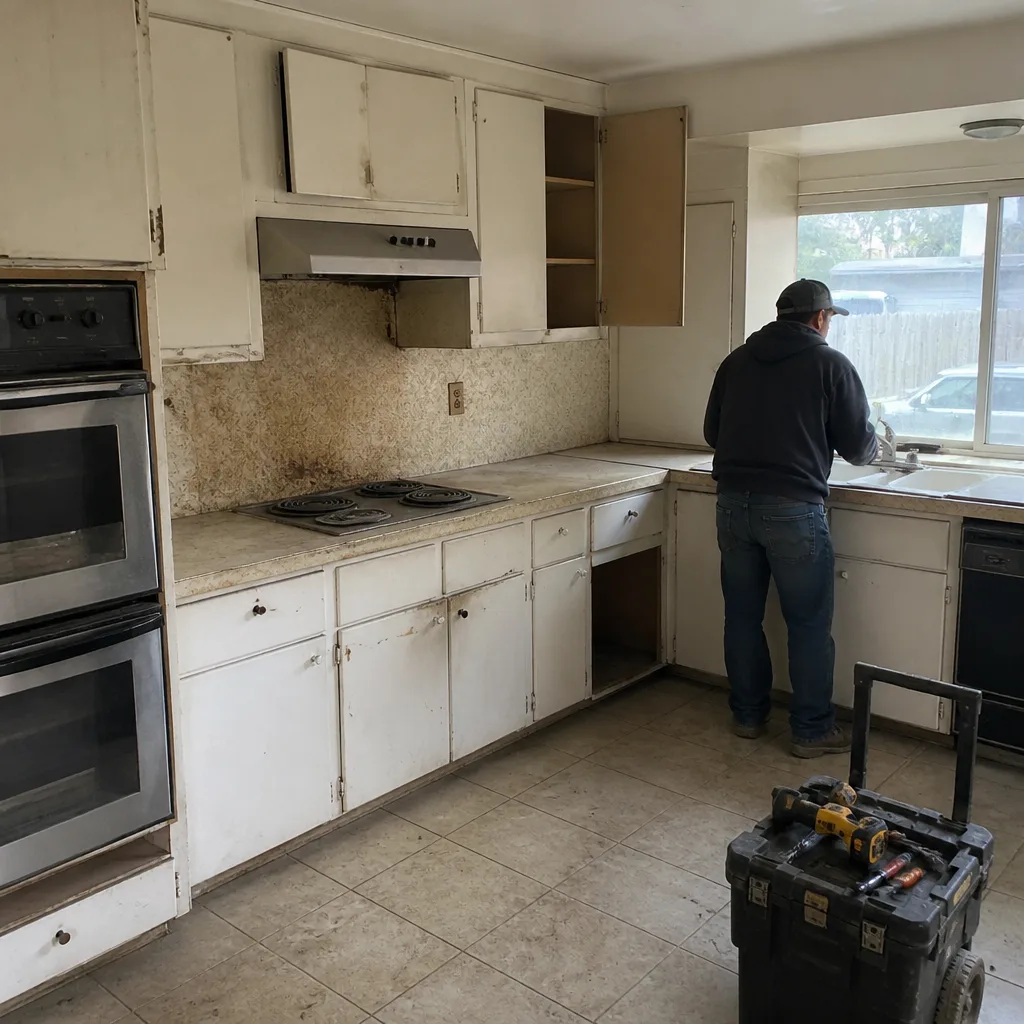 Before
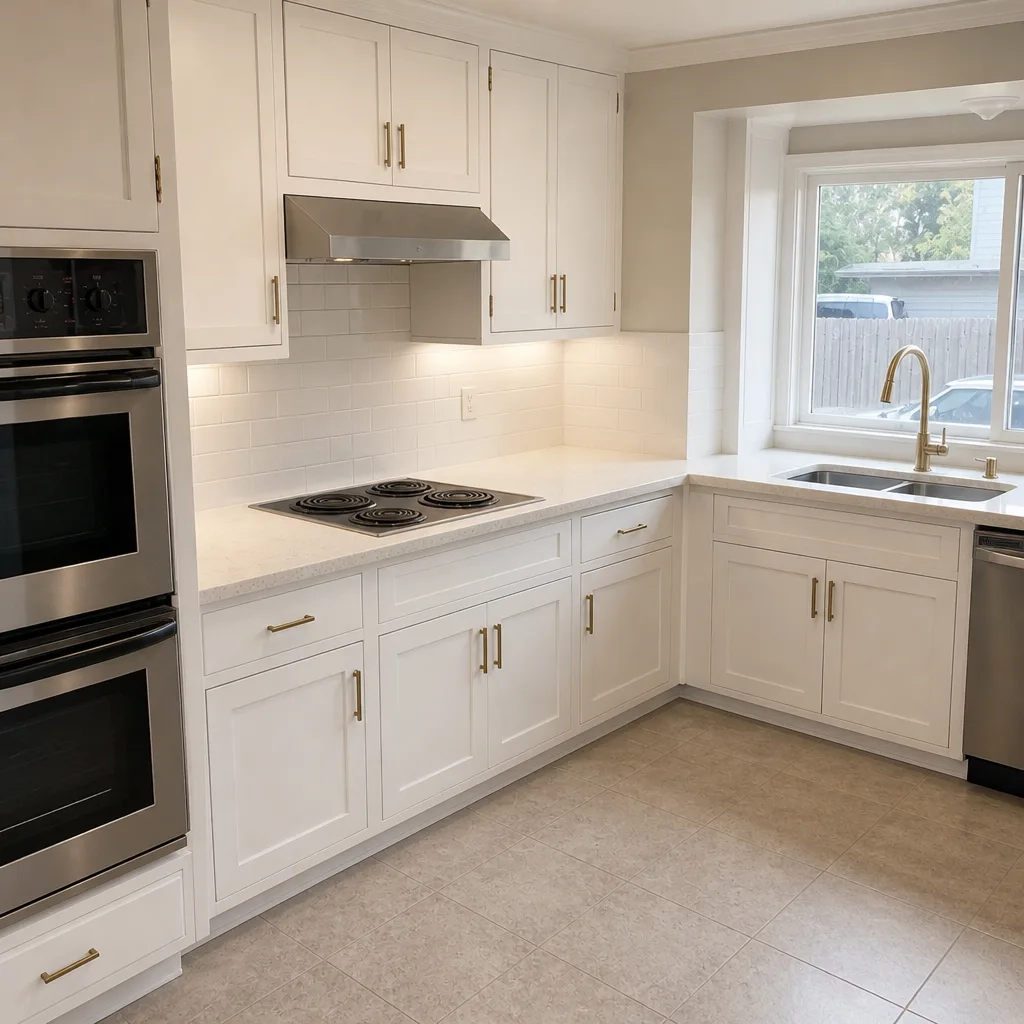 After
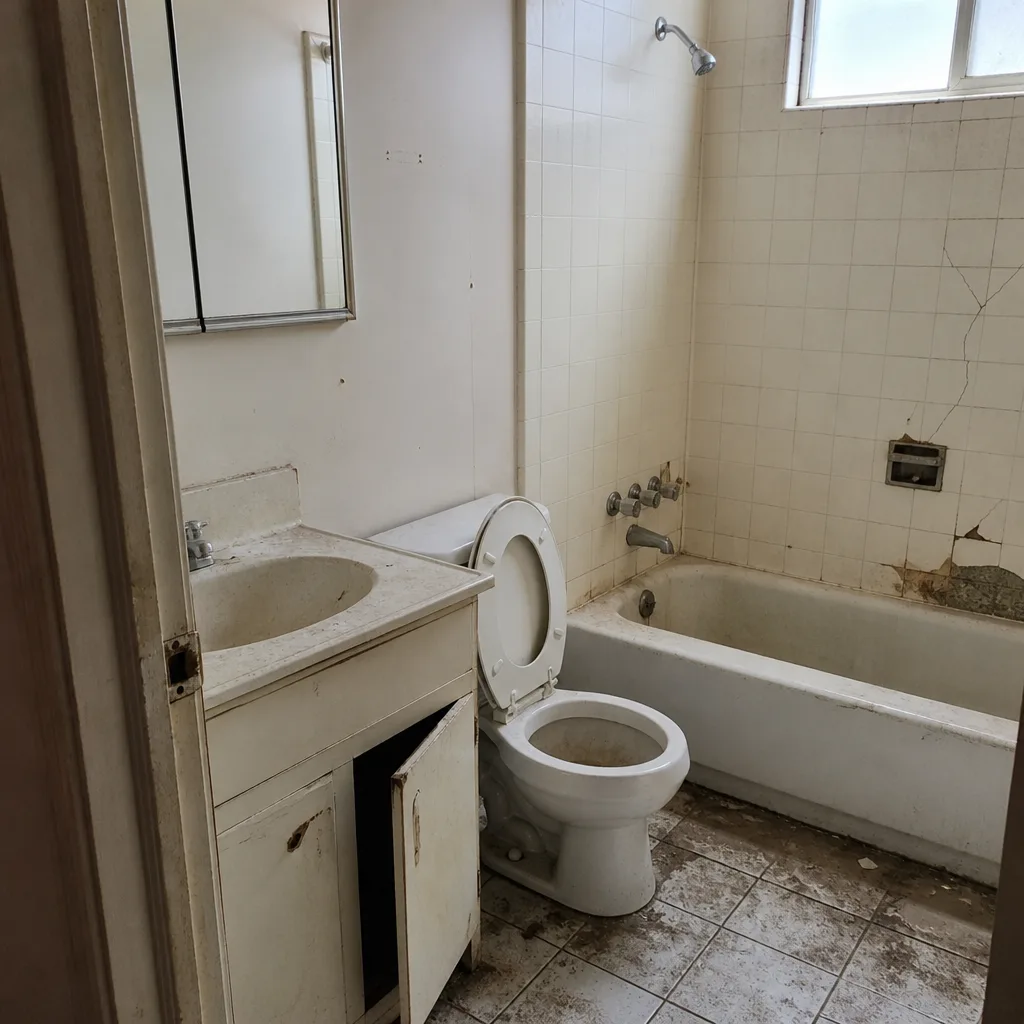 Before
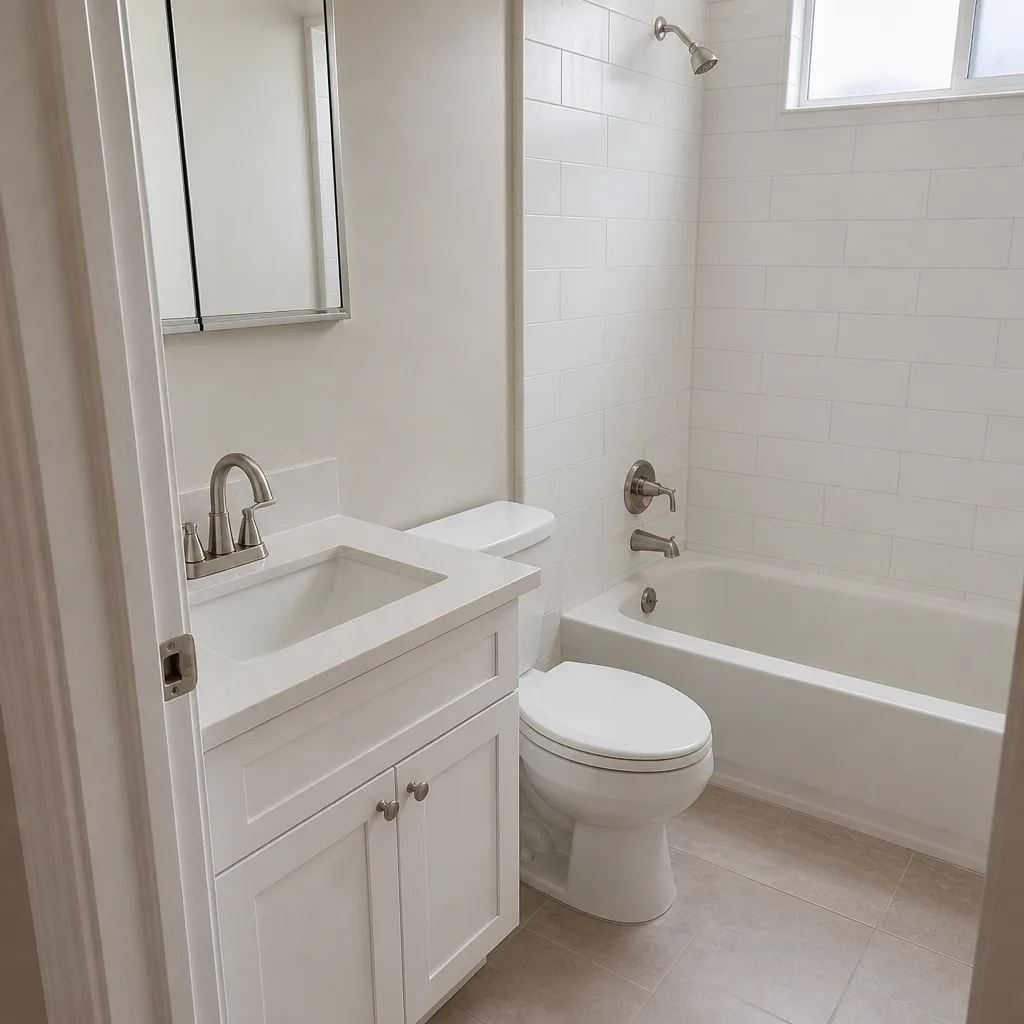 After
How Thick Should a Concrete Driveway Be in San Jose, CA?
For most San Jose driveways, the right slab is 5 to 6 inches thick with #3 rebar on 18-inch centers or fiber reinforcement, not the 4 inches the national guides recommend. Four inches works in stable, sandy soils, but the Santa Clara Valley’s expansive clay subgrade and the heavy pickups and SUVs parked in San Jose neighborhoods push the load past what an unreinforced 4-inch slab tolerates. Our technicians have up to 12 years of experience pouring in this valley, and we’ll tell you plainly: a contractor quoting you 4 inches without reinforcement is cutting engineering out of the slab. For a free estimate, call (833) 988-3521.
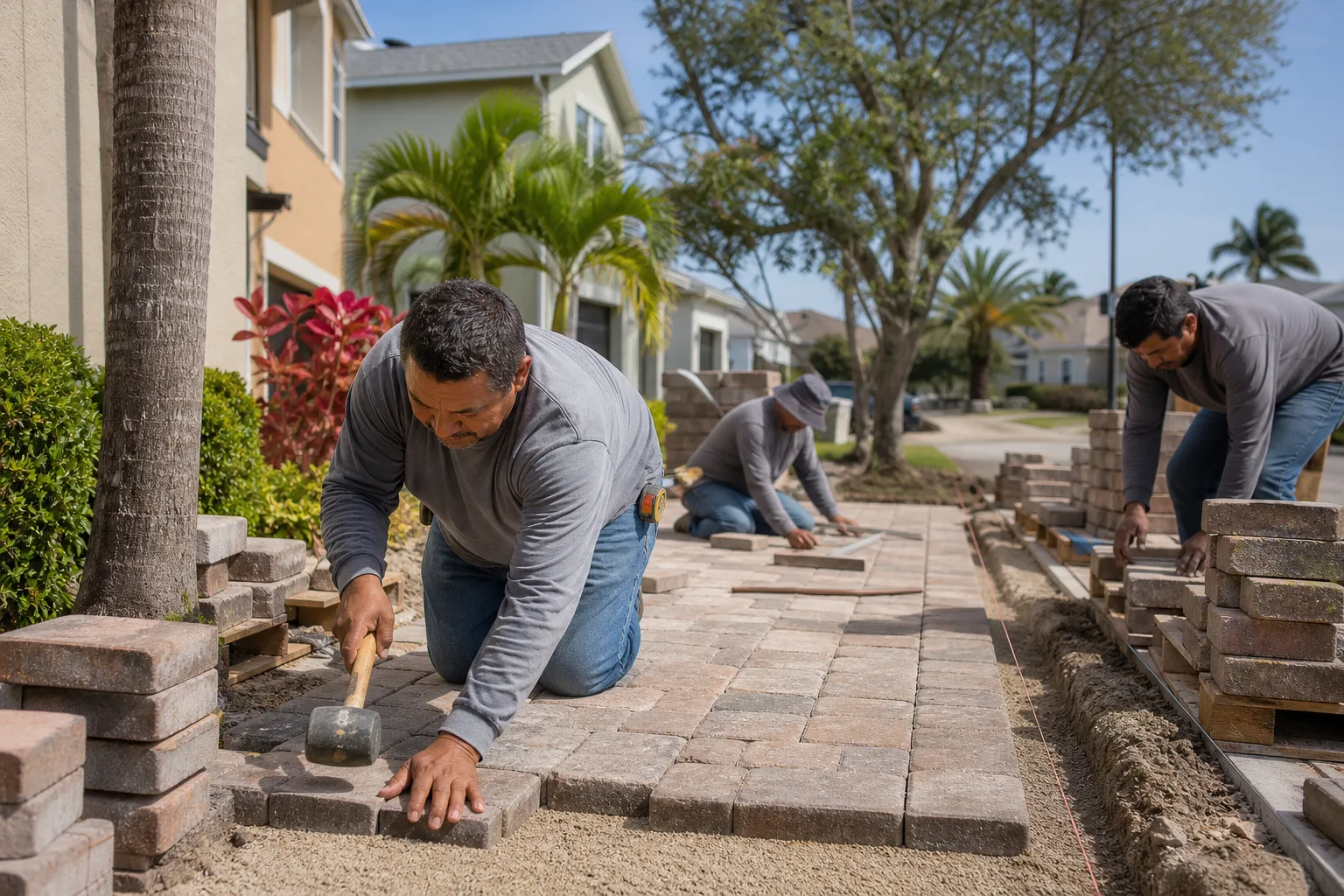
Why 4 Inches Is Usually the Wrong Answer in San Jose
San Jose’s Mediterranean climate swings between wet winters and dry summers, and that cycle moves clay soil up and down more than a stable climate does. During a wet January, saturated clay under a driveway swells and pushes upward. A 4-inch slab with no reinforcement has limited ability to span a soft spot, so it cracks. Neighbors in Willow Glen and the Rose Garden see this every spring: hairline cracks threading out from the center of the driveway, often on homes where postwar tract construction left thin slabs behind.
The vehicle side of the equation matters just as much. San Jose residential driveways carry a lot of full-size pickups, three-row SUVs, and the occasional work van, and a loaded 6,000-lb truck on four tires concentrates weight in four small contact patches. Thickness and reinforcement together are what spread that load. Bumping a slab from 4 to 6 inches roughly doubles its flexural capacity when you add rebar on 18-inch centers, and that’s the difference between a driveway that lasts 30 years and one that needs replacement in 10.
What the Load Calculation Actually Looks Like
- 4 inches, unreinforced: fine for passenger cars on sandy or gravelly subgrade. Marginal on clay.
- 5 inches with fiber reinforcement: the practical minimum for San Jose clay when vehicles are light and traffic is low.
- 6 inches with #3 rebar at 18-inch centers: the recommendation for full-size trucks, RVs, or driveways widened to a double bay.
- 6 inches with rebar plus a 4-inch compacted aggregate base: the specification we put in writing for most San Jose slab-on-grade driveways.
Control Joints Matter as Much as Thickness
A thick slab still cracks if the control joints are placed wrong. Concrete shrinks as it cures, and the joints are where that shrinkage is allowed to crack instead of the field. In San Jose’s wet-dry cycles, slabs move seasonally, so joints need to be spaced at no more than 10 feet in each direction and cut to about a quarter of the slab depth. A 6-inch slab wants joints cut roughly 1.5 inches deep. Get the thickness right and skip the joints, and you’ll get random cracking across the surface within two seasons.
Fiber reinforcement earns its place here, too. Polypropylene or steel fibers mixed into the concrete improve crack resistance while the concrete is still plastic, and they add a bit of residual strength after a crack forms. On clay subgrade a slab that holds together after a small crack keeps water out, and keeping water out of clay is half the battle. Quikrete fiber-reinforced mixes are a common upgrade in San Jose’s residential market for exactly this reason.
How San Jose’s Summer Heat Changes the Pour
Concrete cures by hydration, not by drying, and San Jose summer afternoons above 85°F pull moisture out of a fresh slab faster than the cement can use it. That’s how you get surface scaling and dusting, a chalky top layer that never hardens properly. A qualified contractor pours early in the morning before the heat builds, uses a water-reducing admixture so the mix needs less water, and sprays curing compound on as soon as finishing is done. If a bid doesn’t mention pour timing or curing, ask about it before you sign.
Winter rains bring the opposite problem. San Jose’s wet season can stall an exterior pour for a week, and a crew that rushes a pour into wet subgrade traps moisture under the slab. We check subgrade moisture and drainage before we form anything.
How Much Does a Concrete Driveway Cost in San Jose?
Concrete driveway installation in San Jose typically runs $5,310 to $14,160 depending on square footage, thickness, and reinforcement. A driveway replacement, which includes demolition and haul-away of the old slab, runs $5,900 to $16,520. Upgrading from a 4-inch unreinforced slab to 6 inches with rebar adds material cost, but it’s a fraction of what a premature replacement costs. Here’s how the numbers break down across the driveway options we handle:
| Driveway Project | Typical San Jose Range |
|---|---|
| Concrete Driveway Installation | $5,310-$14,160 |
| Concrete Driveway Replacement | $5,900-$16,520 |
| Paver Driveway Installation | $8,260-$21,240 |
| Asphalt Driveway Paving | $4,130-$10,620 |
| Driveway Sealing | $295-$825 |
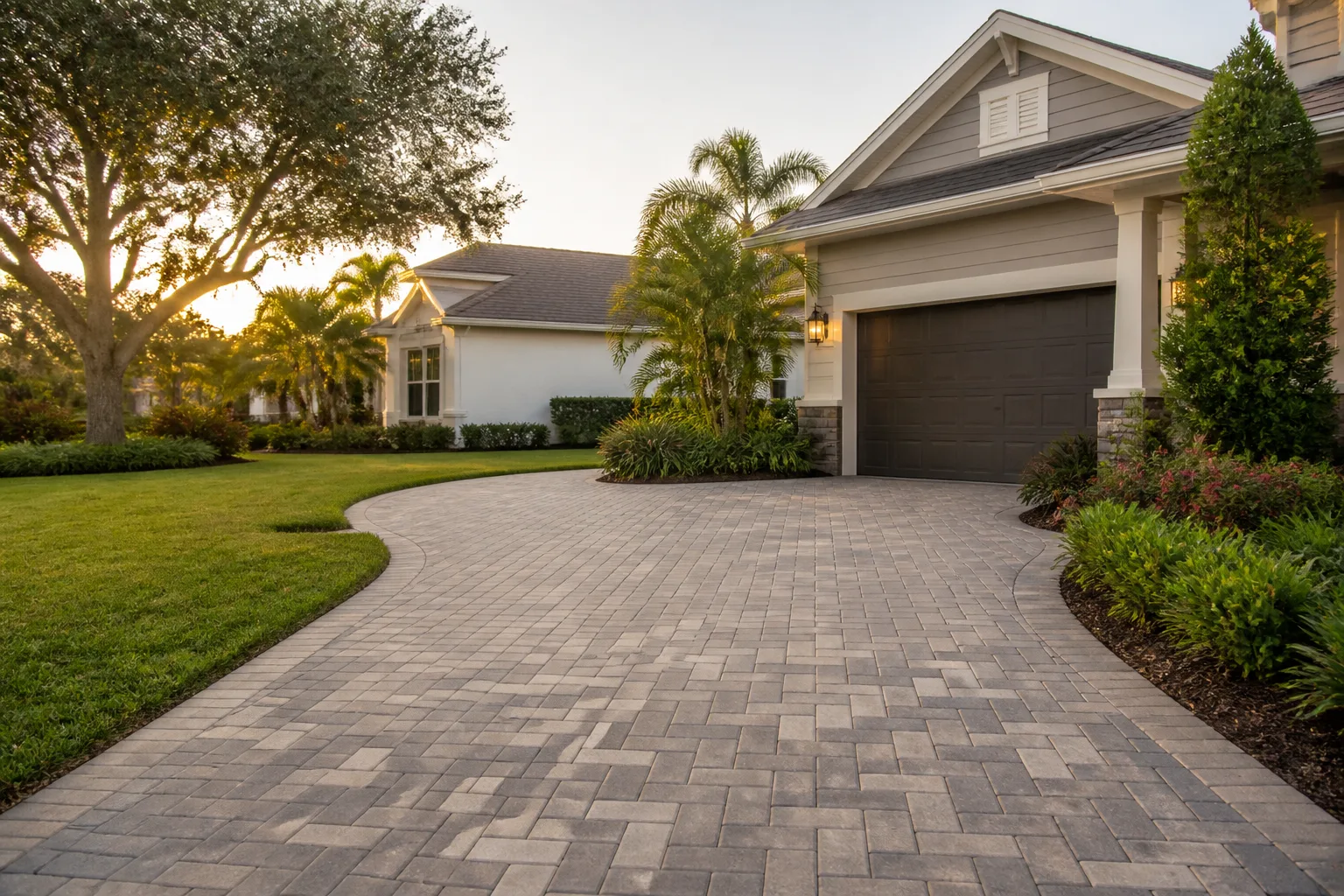
Pavers come up in almost every conversation about driveways, and they’re worth considering if you want a surface that handles seasonal soil movement with more give. Techo-Bloc and Cambridge Pavers both make systems that flex on a compacted base instead of resisting the clay the way a rigid slab does. They cost more up front and require a properly built base, but repair on a single cracked unit is a Saturday project instead of a full replacement. Our team handles both approaches, and you can see the full scope on our Driveway & Pavers in San Jose page.
What to Look for in a San Jose Concrete Bid
A bid that lists a square-foot price and nothing else tells you nothing about what’s under the surface. Demand the engineering specs in writing. At Groundwork Construction Co. of San Jose, our upfront pricing specifies slab thickness, reinforcement type, base depth, and control joint spacing before you sign, so you can compare two bids on actual specs instead of just the bottom line. That’s also how our 730-Day Done Right Promise works: if a slab we poured fails within two years on the specs we wrote, we make it right. Calls are answered by a live person around the clock, and every project is backed by our 0% financing for 18 months and $1,000 off projects over $10,000.
One more thing specific to this city. San Jose’s building department pairs sprawling single-family neighborhoods with dense infill, and every driveway permit gets reviewed against neighborhood-specific standards. A driveway widening or a new approach that crosses the sidewalk needs the right permit and often the right drainage plan, and a crew that hasn’t pulled one in San Jose recently will slow you down. Ask who’s pulling the permit and what they expect.
What a Complete Spec Sheet Should Include
- Slab thickness in inches and total square footage
- Reinforcement: rebar size and spacing, or fiber type and dosage
- Compacted aggregate base depth and material
- Control joint layout and spacing
- Pour time, admixture, and curing method
- Demo and haul-away line items if it’s a replacement
FAQs About Concrete Driveway Thickness in San Jose
Six inches with #3 rebar on 18-inch centers is the spec we recommend for a driveway that parks a full-size pickup or a work van. The clay subgrade under much of San Jose can’t be counted on for uniform support, so the reinforcement does the load-spreading that stable soil would otherwise do. A 4-inch slab under a 6,000-lb truck is asking for cracks within a few seasons.
Yes, for most San Jose driveways you want either rebar or fiber reinforcement, and often both. Rebar on 18-inch centers handles the bending loads from vehicles, and fiber improves crack resistance while the concrete cures. Fiber alone is a reasonable choice for a light-use driveway on a well-compacted base; a driveway carrying trucks should have steel.
A 6-inch reinforced slab on a compacted base with correctly spaced control joints typically lasts 30 years or more in San Jose’s climate. A 4-inch unreinforced slab on clay often shows cracking in 5 to 10 years, and full replacement by 15 to 20. The gap comes down to thickness, reinforcement, base prep, and joints, not luck.
Yes. We’ll walk the site, check subgrade and drainage, and put the thickness, reinforcement, and joint spacing in writing with a transparent price. Estimates are free and there’s no pressure, so call (833) 988-3521 and we’ll set a time. Someone answers the phone 24/7.
Get a Spec You Can Actually Compare
If you’d rather have it looked at, Groundwork Construction Co. of San Jose offers a no-pressure assessment in San Jose. We’ll tell you what thickness your driveway needs, write the reinforcement and joint specs into the quote, and back the work with our 730-Day Done Right Promise. From foundation to finish line, the number you see is the number you pay. Call (833) 988-3521 for a free estimate, and you can also start on our Driveway & Pavers page.
Written by the team at Groundwork Construction Co. of San Jose, serving San Jose, CA.