



Free written scope consultation - allowances, timeline, and change-order rules on paper before a single trade is scheduled
Styles & brands we work with
- Kitchen remodeling
- Bathroom remodeling
- Home additions & ADU
- Roofing
- Windows & doors
- Driveway & pavers
- Fence
See the difference
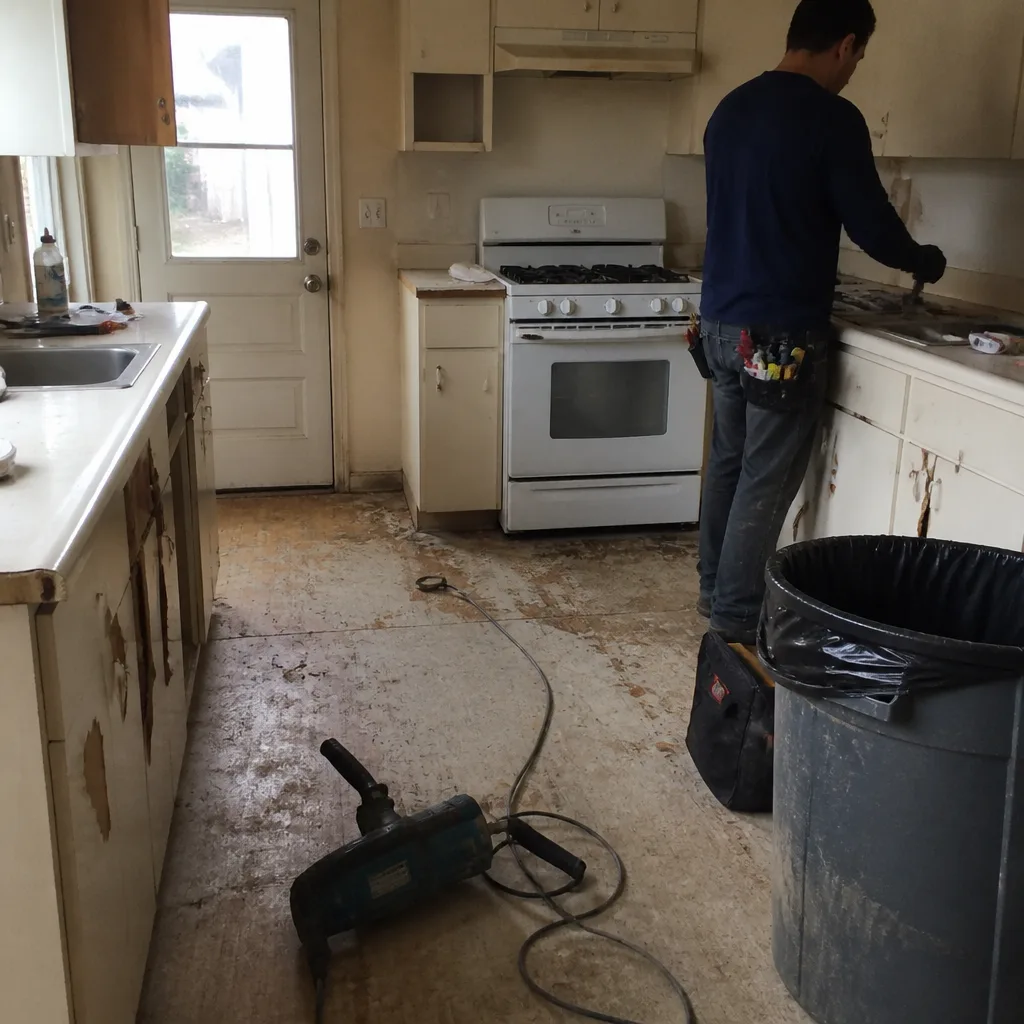 Before
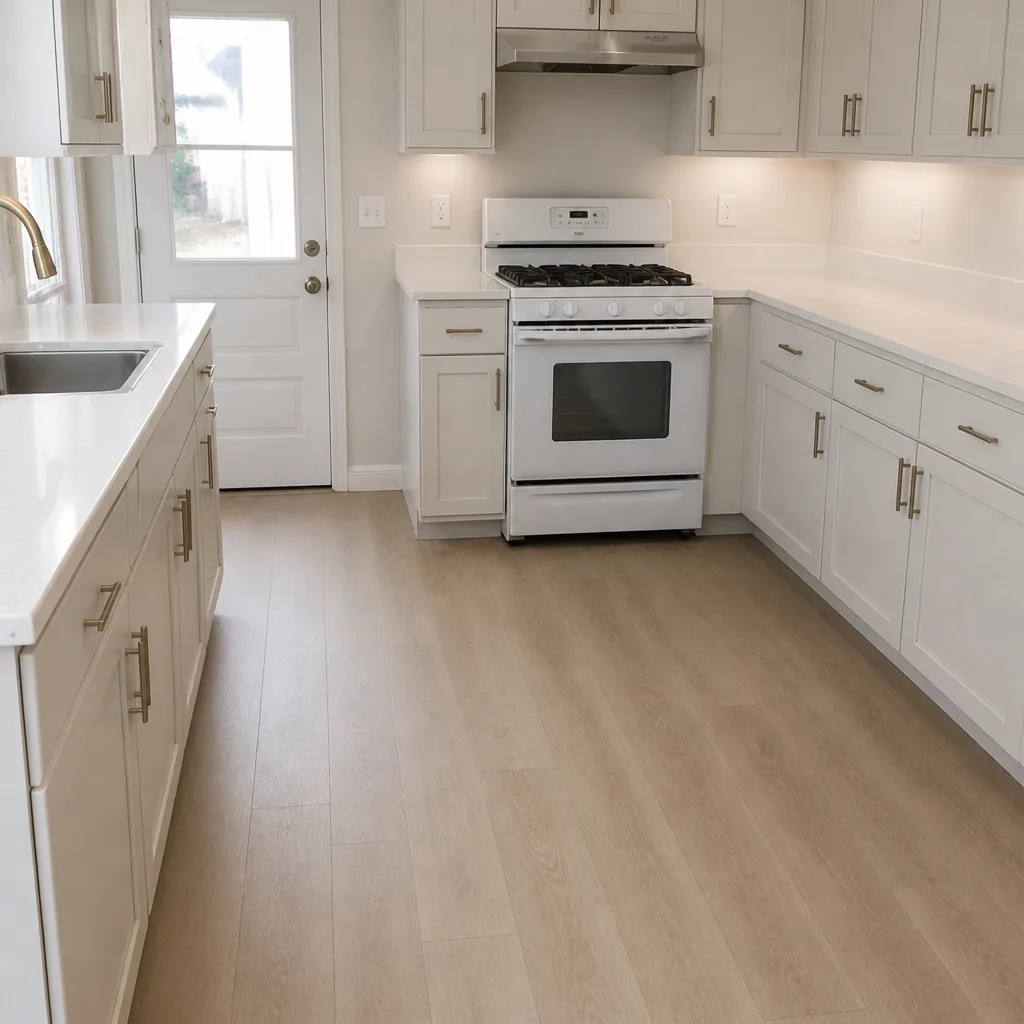 After
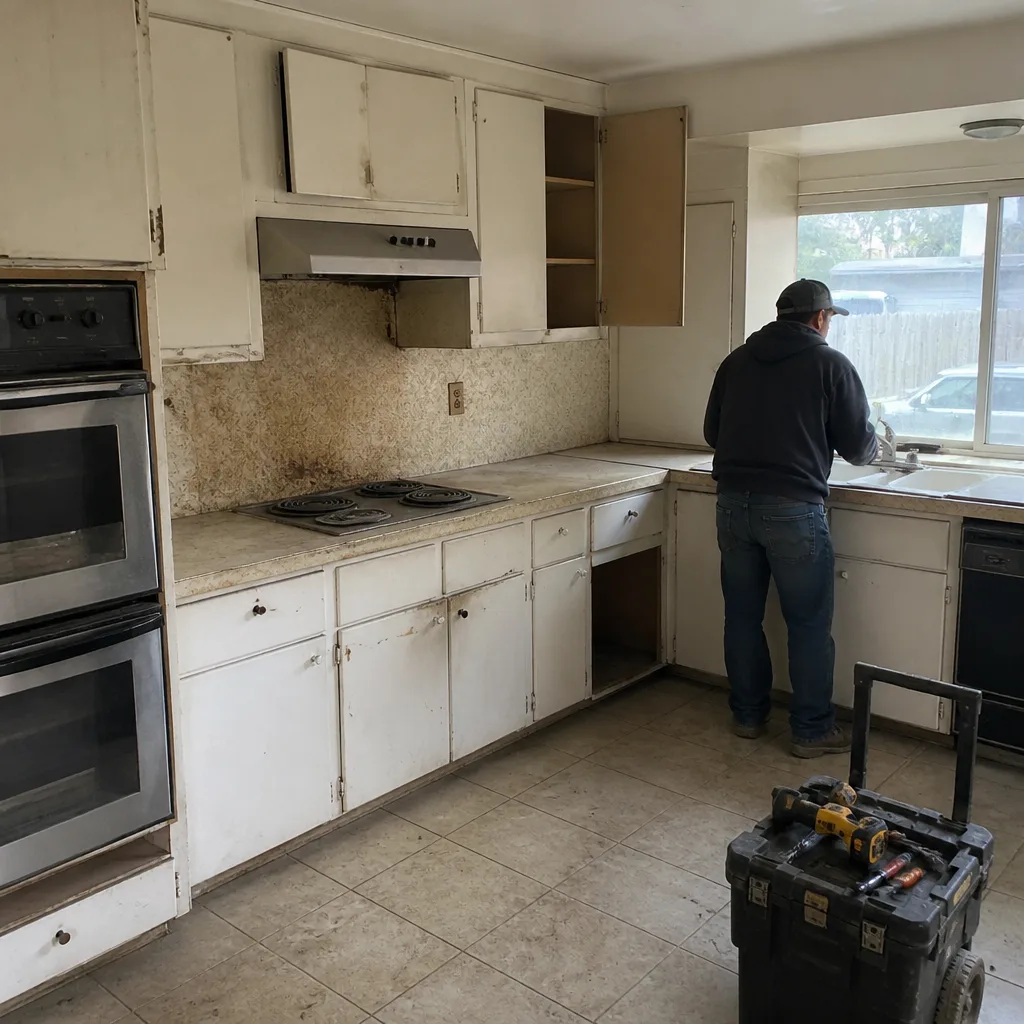 Before
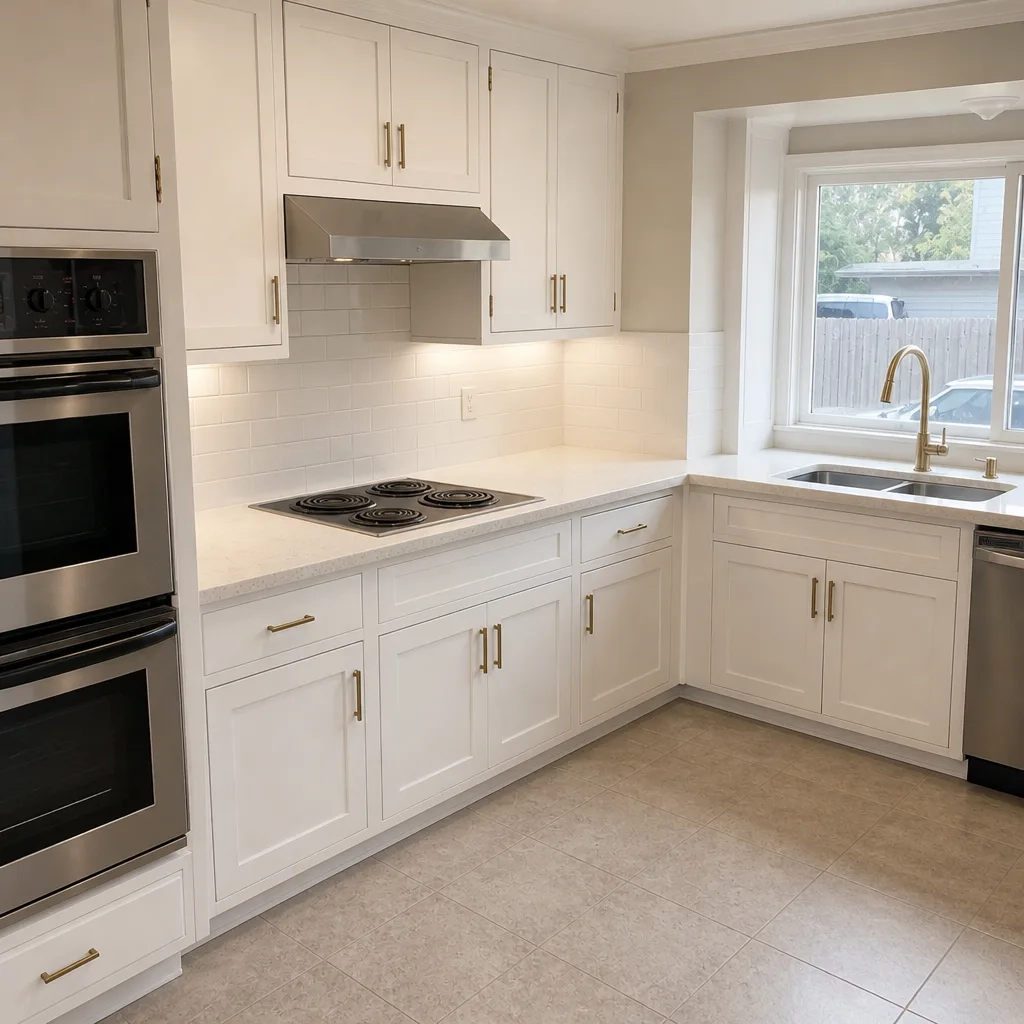 After
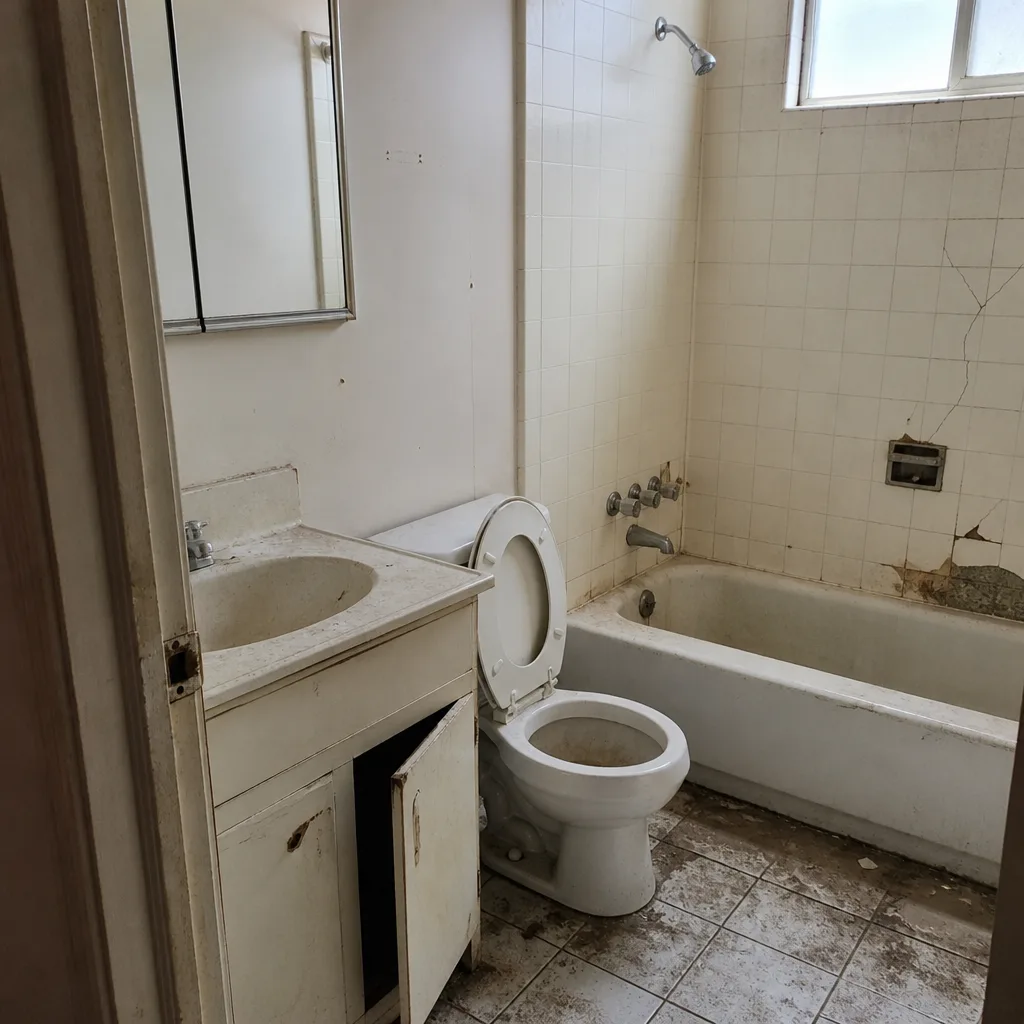 Before
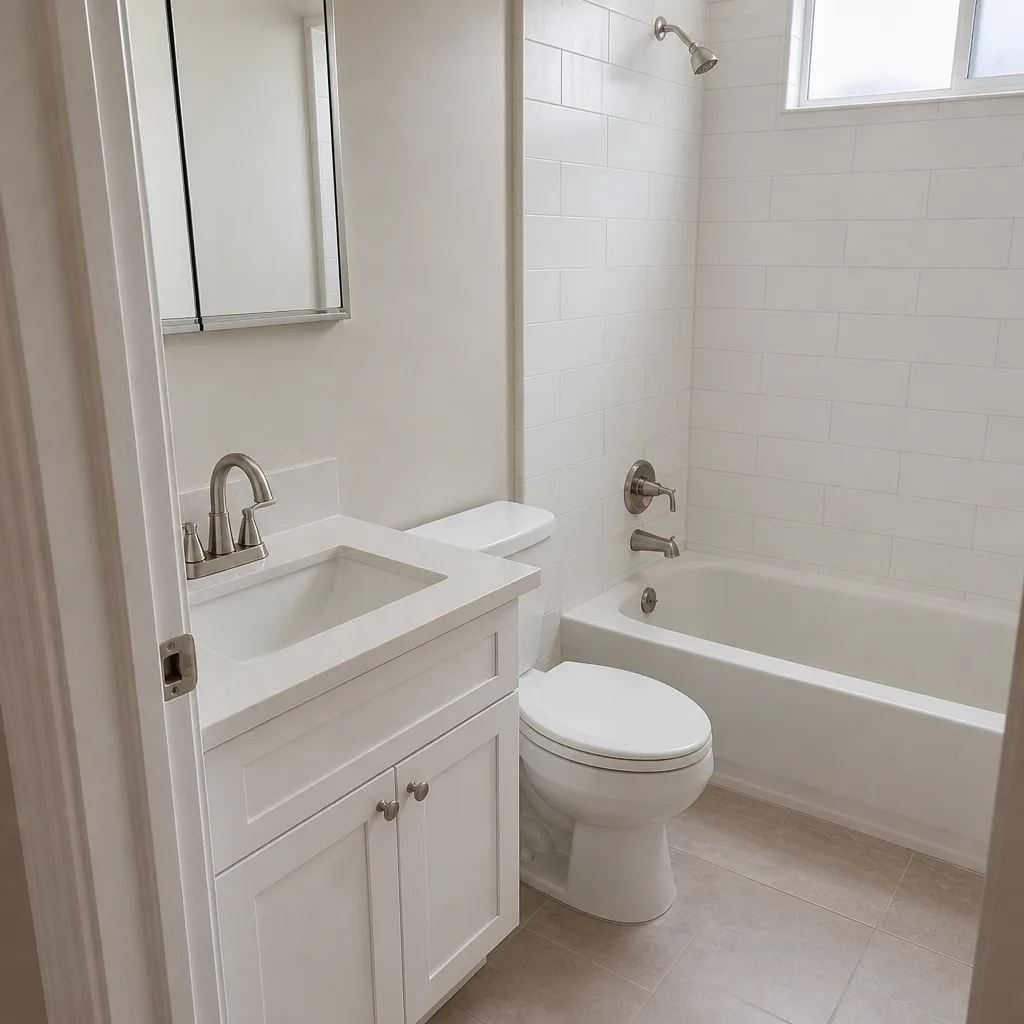 After
What Causes Roof Leaks in San Jose? Three Failures on One 60-Year Clock
In San Jose, the most common cause of a roof leak is not a single missing shingle. It’s the convergence of three systems failing at once on the same aging postwar home: expired felt underlayment, oxidized original flashing, and an attic with no real ventilation. When a 1960s ranch has never had a full re-roof, those three failures tend to hit the same wall within the same decade, and the first heavy rain of the season finds every weak point at once. If you’re already chasing a water stain, call (833) 988-3521 and we’ll get a live person on the line, day or night.
We’re Groundwork Construction Co. of San Jose, and we’ve walked enough attics and torn off enough old decking in this valley to know that the “usual suspects” articles list are only part of the story here.
Key Takeaways
- On unrestored San Jose homes, underlayment, flashing, and ventilation usually fail on the same 50-60 year timeline.
- Unpermitted room additions are the highest-probability leak point on an older house, and they’re hidden from the exterior.
- The first big storm of late October or early November is when dried-out seals and mortar give way.
- Tree canopy in Rose Garden and Willow Glen creates debris dams and persistent damp that lifts shingle granules.
Why the “Usual Causes” List Shortchanges San Jose Homeowners
You can read a hundred articles that name flashing failure, missing shingles, and clogged gutters, and none of them explain why the same house fails in three places at once. That’s the piece worth understanding before you pay anyone.
San Jose’s housing stock is dominated by single-family homes built between the 1950s and 1970s, plus a newer wave of mid-rise and high-rise infill. That means the roofs we’re called out to look at are almost always postwar tract homes carrying original or second replacement layers. The Mediterranean climate here is mild and wet in winter, warm and dry in summer, which sounds forgiving. It isn’t. Six months of dry heat desiccates sealants and mortar, then the wet season arrives all at once.
Failure #1: The underlayment quietly became the roof
Original 15-lb felt underlayment was never meant to last 60 years. It reaches the end of its rated life well before the shingles do, and once the shingles start to age and lose granules, that degraded felt becomes your primary water barrier. There’s no visible sign from the ground. You find it when the decking is wet and the felt crumbles in your hand.
Failure #2: Original aluminum flashing has oxidized away from the house
Step flashing, counter-flashing, and valley metal that went on in 1962 has spent six decades expanding, contracting, and oxidizing. Aluminum pulls away from masonry and wood at every course. Each of those hairline separations is a door for wind-driven rain.
Failure #3: The attic has no ventilation to speak of
Homes built before modern ventilation codes often have little more than a couple of gable vents. Attic temperatures push well past 140°F in August, and trapped moisture from the house below cooks roofing materials from the underside. Heat and humidity accelerate the decay of everything above and below the decking.
Any one of those causes a leak. All three together guarantee it, and they fail on the same 50 to 60-year schedule because they were installed the same month.
The Hidden Leak Point Nobody Talks About: Piecemeal Additions
Here’s the one that catches homeowners off guard. In older San Jose neighborhoods, rooms got added between the 1960s and 1980s, and plenty of those additions went in without permits. When the new roof went on, it was often simply lapped over the old roof at the transition, with no proper counter-flashing where the two planes meet.
Those lap joints are the highest-probability leak points on any multi-addition home, and you can’t see them from the driveway. This is where San Jose’s construction reality comes in. The city pairs a sprawling low-rise suburban fabric with dense new urban villages, which means permits and code enforcement can be neighborhood-specific and exacting. Bringing a non-compliant addition up to current seismic and energy standards is its own project, and we’d rather you know that before demolition starts.
When Do Roof Leaks Actually Show Up in San Jose?
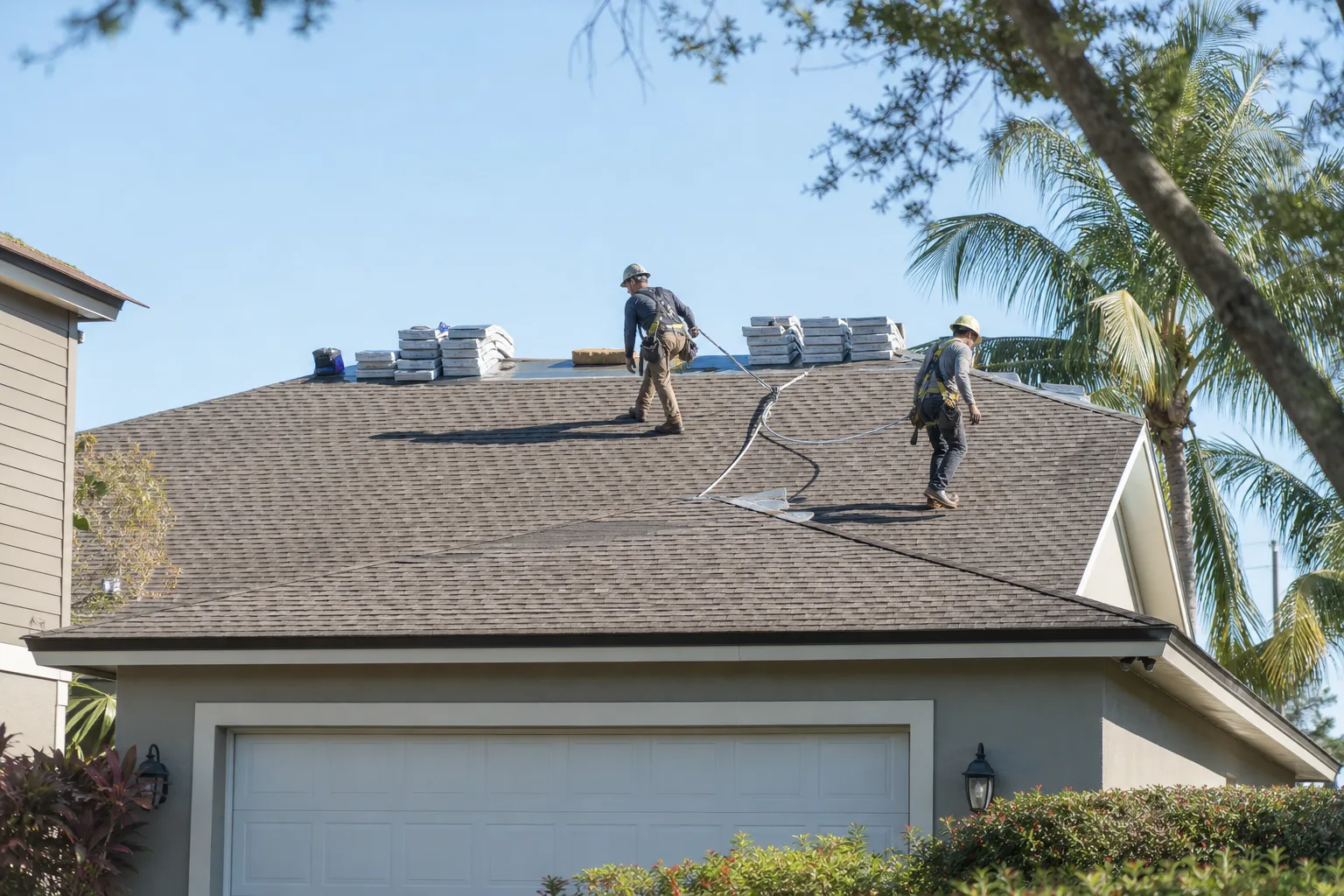
The first heavy rain of the season. After six months of dry summer, that storm hits desiccated sealants and dried-out flashing mortar simultaneously, and late October into early November is statistically the highest leak-report window in the Bay Area. A roof that looked fine in September can be dripping into a bedroom ceiling by the first week of November.
Tree canopy makes it worse. In Rose Garden, Willow Glen, and other mature neighborhoods, leaf debris dams up in valleys and creates standing water that finds its way under shingles that are otherwise perfectly intact. Constant shade keeps sections damp, which feeds moss and lichen. Those growths lift granules and carve channels where water runs straight down to the deck.
How We Find the Actual Cause (Not the Symptom)
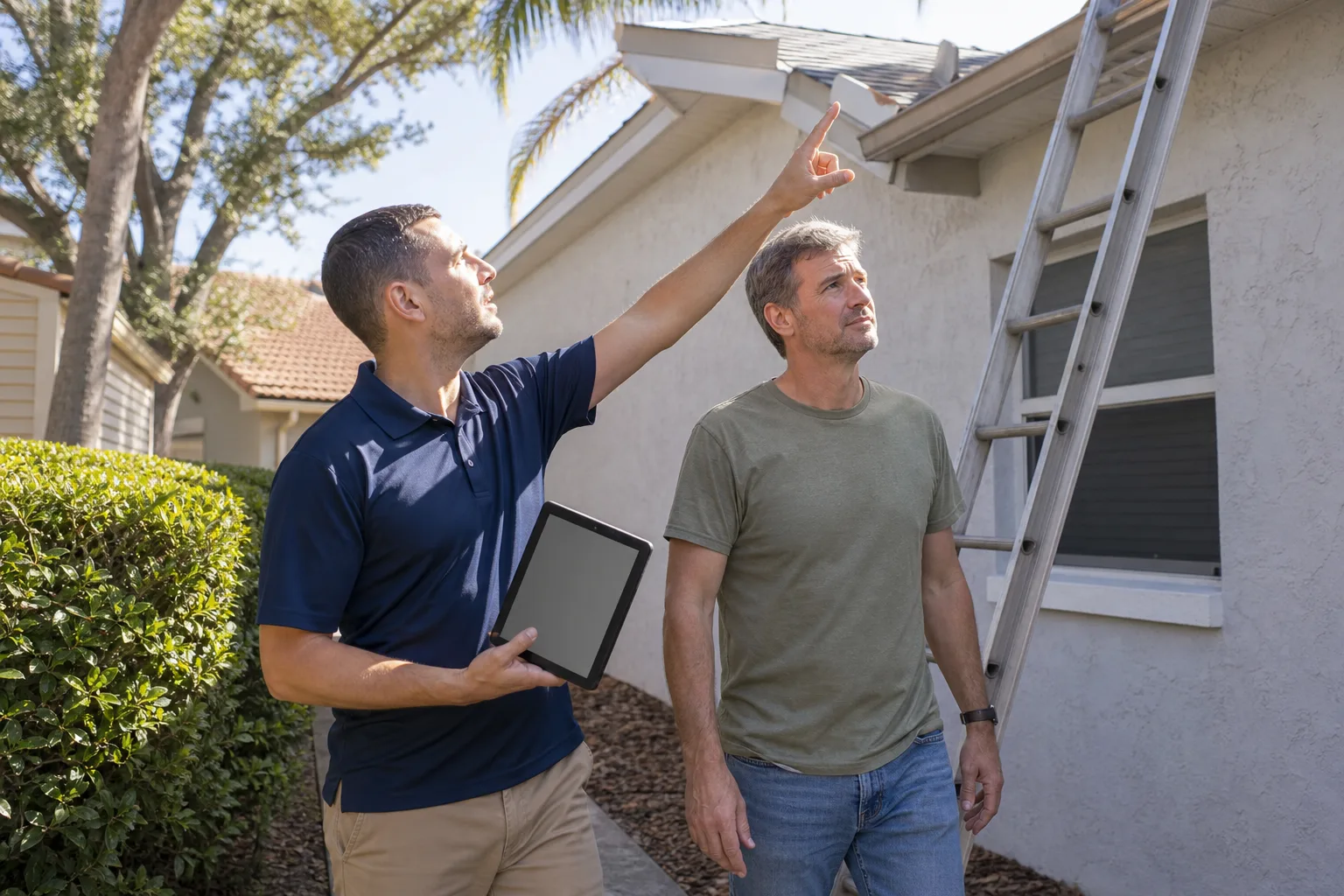
A leak over the kitchen doesn’t always start over the kitchen. Water travels along framing and decking before it drops, so the stain is the exit, not the entrance. During a leak-cause inspection, Groundwork Construction Co. of San Jose documents the following:
- A written root-cause report with photographs of every failure point we find, not just the one that’s dripping.
- A scope recommendation that addresses the cause rather than patching the symptom.
- Pricing in writing before any work begins, so the invoice matches the quote.
That’s the difference between “upfront pricing, no surprises” and a verbal assessment followed by a bill that doesn’t line up. Our technicians have up to 12 years of experience, and every one is background-checked and arrives in uniform. When a repair escalates to a full replacement, we install systems backed by partners like GAF and CertainTeed and stand behind the work with our 730-Day Done Right Promise: if it’s not done right, we make it right. You can see the full scope of what we handle on our Roofing page.
What Does Roof Repair Cost in San Jose?
Most leak repairs in San Jose land between $470 and $2,125, depending on whether we’re resealing flashing, replacing a section of decking, or rebuilding a valley. Tile roofs skew a little higher because matching and resetting tile takes time and care. Here’s how the ranges tend to break down.
| Scope | Typical San Jose Range |
|---|---|
| Roof repair (leak diagnosis and fix) | $470-$2,125 |
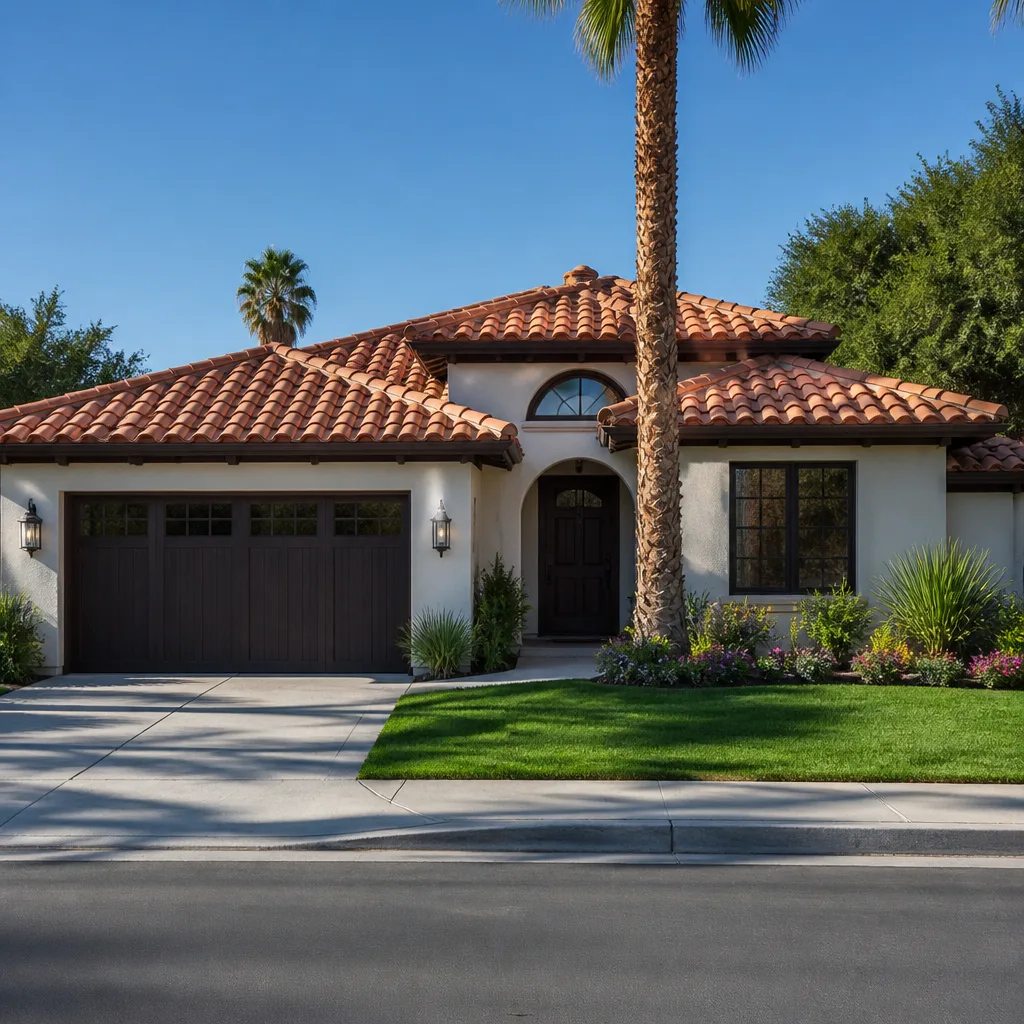
| Tile roof repair | $710-$2,950 |
| Full roof replacement | $9,440-$23,600 |
| Metal roof installation | $17,700-$47,200 |
If the inspection shows the triple-failure pattern is already underway, a repair buys time but won’t fix the underlying problem. If you’d rather not guess, ask us for the written version. Estimates are free. And if a full replacement is the honest answer, we pair no-hassle upfront pricing with 0% financing for 18 months and $1,000 off projects over $10,000.
Frequently Asked Questions
The most common cause is failed flashing at roof penetrations and transitions, followed by worn underlayment once shingles age. In San Jose specifically, the two usually happen together on older homes, and neither is visible from the ground. A proper inspection reads the attic and the decking, not just the shingle surface. Call (833) 988-3521 and we’ll tell you what we actually see.
Because light rain doesn’t have the force to push water into failed flashing and lap joints, and it doesn’t pool in debris-filled valleys. Wind-driven heavy rain finds the gaps that a drizzle never touches. That’s also why the first big storm of the season exposes so many San Jose roofs at once. Call (833) 988-3521 for a same-day look before the next front rolls in.
No, and we’d steer you away from it. Roof work means heights, and on older homes it often means corroded flashing, soft decking, and wiring run through the attic that you can’t safely assess from a ladder. A cosmetic patch over a wet stain hides a problem that keeps growing. Call us; the diagnosis is the part that saves you money.
Repair is cheaper short-term, and the right call when one flashing point has failed. Replace when the underlayment, flashing, and ventilation are all in decline, because you’ll pay for the same tear-off access twice. We put the reasoning and the numbers in writing so you can decide with the facts in front of you. Call (833) 988-3521 for a free estimate.
Where to Start
If you’d rather have it looked at, Groundwork Construction Co. of San Jose offers a no-pressure assessment across our San Jose service area. We’ll photograph each failure point, explain what we found, and quote it before we touch a shingle. Call (833) 988-3521 for a free estimate.
Written by the team at Groundwork Construction Co. of San Jose, serving San Jose, CA.