





Free written scope consultation - allowances, timeline, and change-order rules on paper before a single trade is scheduled
Styles & brands we work with
- Kitchen remodeling
- Bathroom remodeling
- Home additions & ADU
- Roofing
- Windows & doors
- Driveway & pavers
- Fence
See the difference
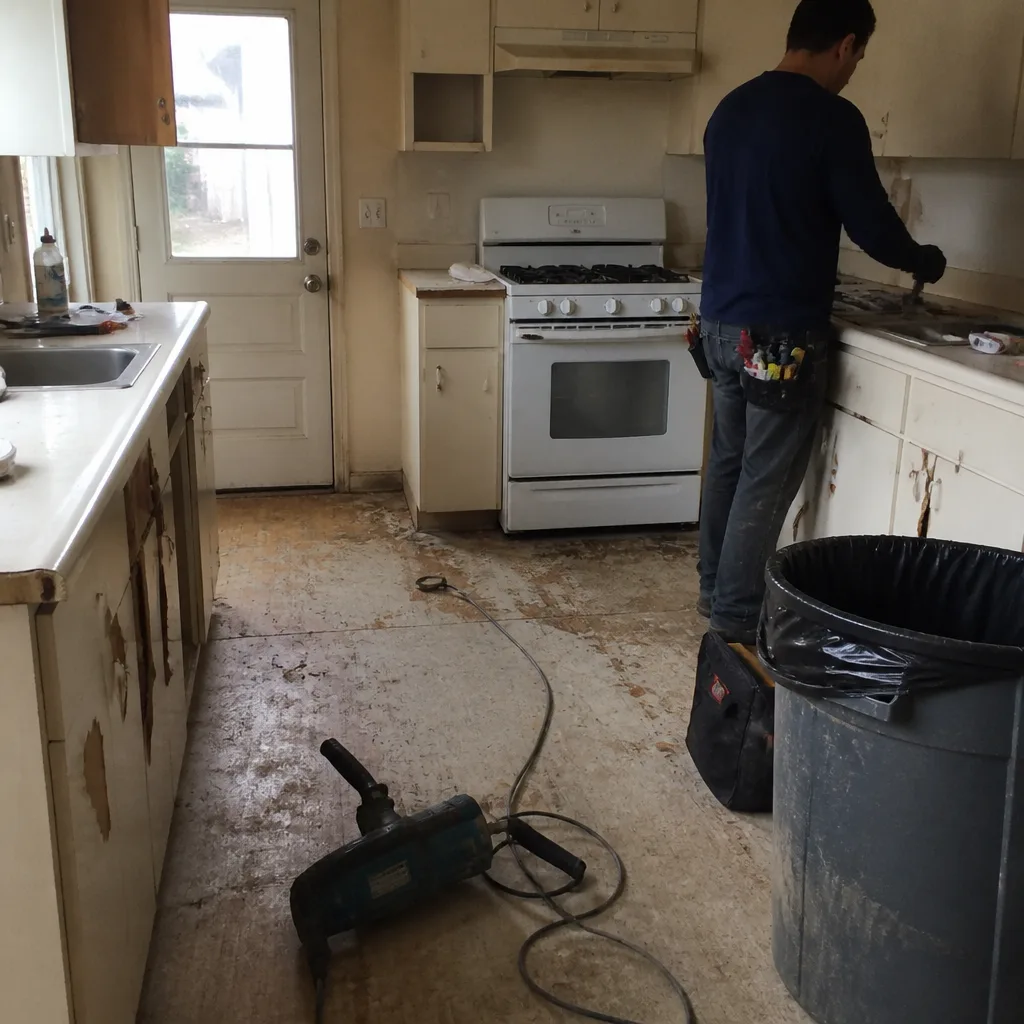 Before
 After
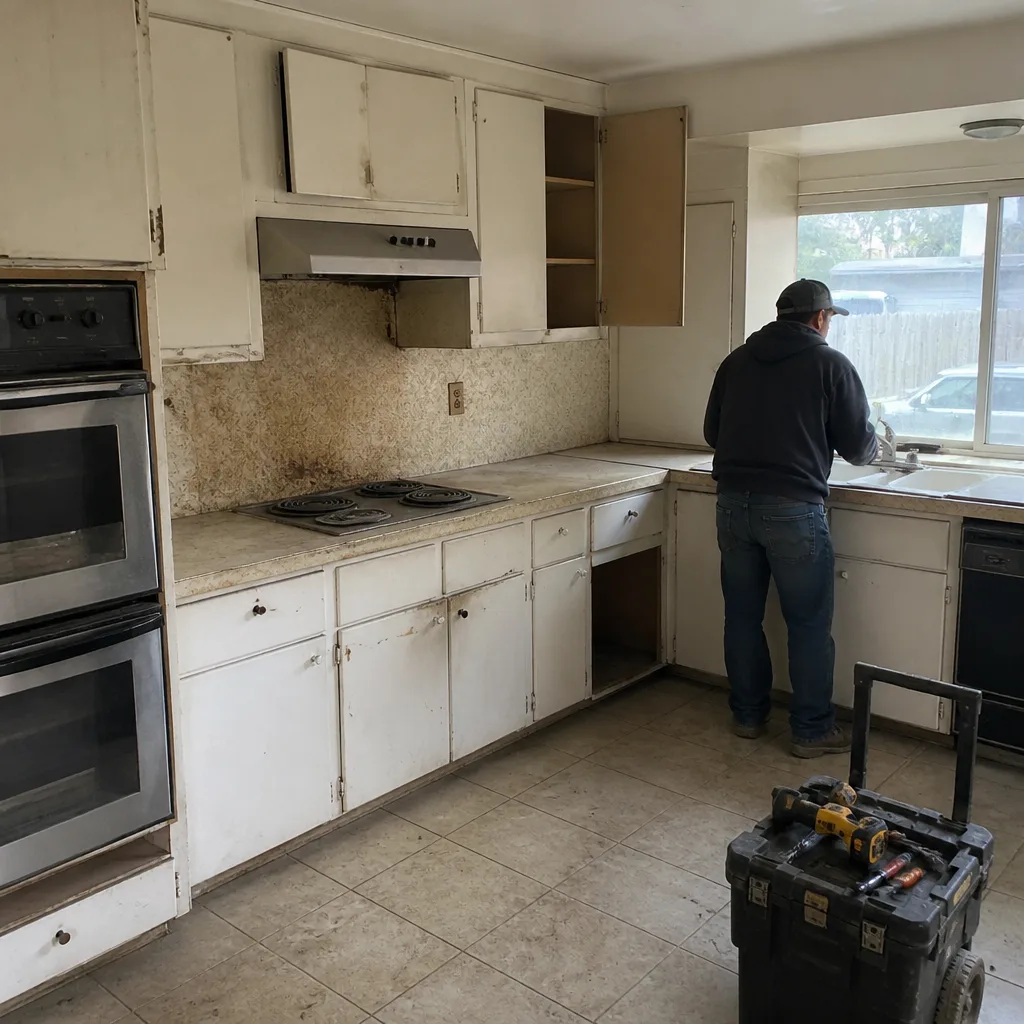 Before
 After
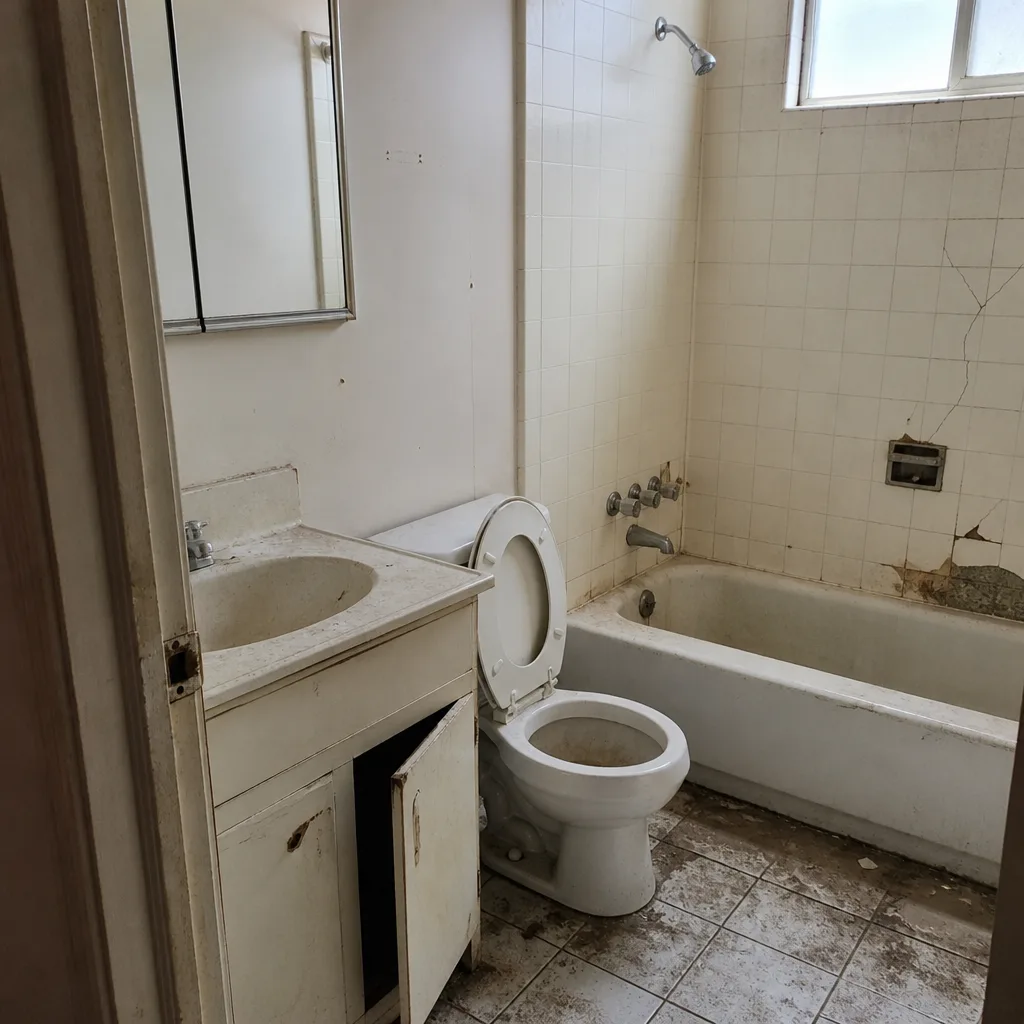 Before
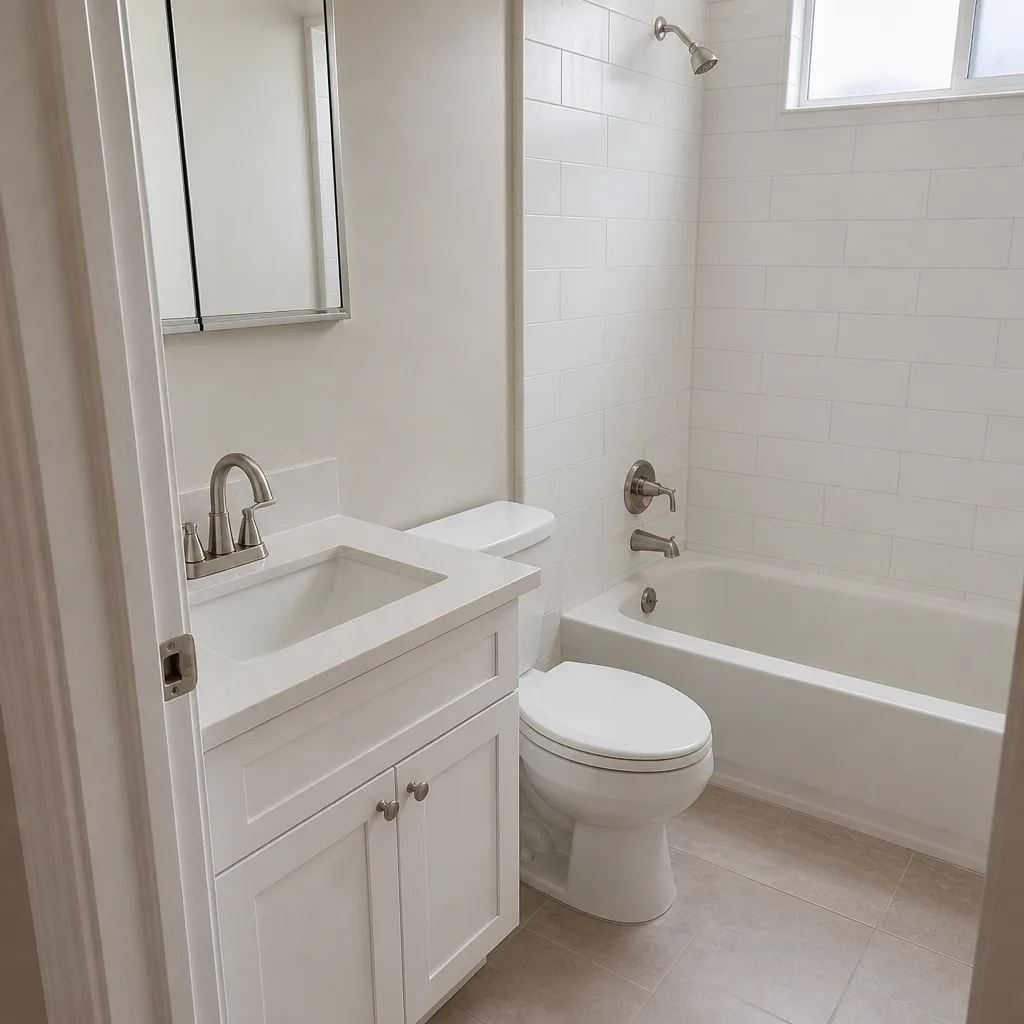 After
Roof Hail Damage Signs in San Jose, CA: What Pea-Sized Hail Actually Leaves Behind
Hail damage on a San Jose roof rarely looks like damage. The most common sign is accelerated granule loss on the slopes that face the weather, showing up as bald patches, heavy grit in your downspouts, and exposed fiberglass mat in diffuse, scattered patterns rather than the circular bruises you’d see after a Denver hailstorm. If your asphalt shingles are past the ten-year mark, that “normal aging” you’re seeing could be small-hail micro-impact from a late-spring storm. If you want a trained eye on it, Groundwork Construction Co. of San Jose handles roofing assessments at (833) 988-3521.
Most of what you’ll find online about hail damage was written for Texas and Colorado. Those guides describe golf-ball hail that dents shingles and cracks tile. San Jose doesn’t get that. What we get is occasional pea-sized hail moving fast through spring storms, and it damages roofs in a way that’s easy to miss.
Why Bay Area Hail Damage Doesn’t Match the Playbook You’ll Find Online
Our Mediterranean climate gives us mild, wet winters and warm, dry summers, with hail events arriving as short bursts inside fast-moving spring storms rather than as the sustained severe weather that dominates the central U.S. A San Jose homeowner reading a Texas roofing guide will be told to look for bruising, cracked tiles, and displaced granules arranged in circular patterns. None of that applies here.
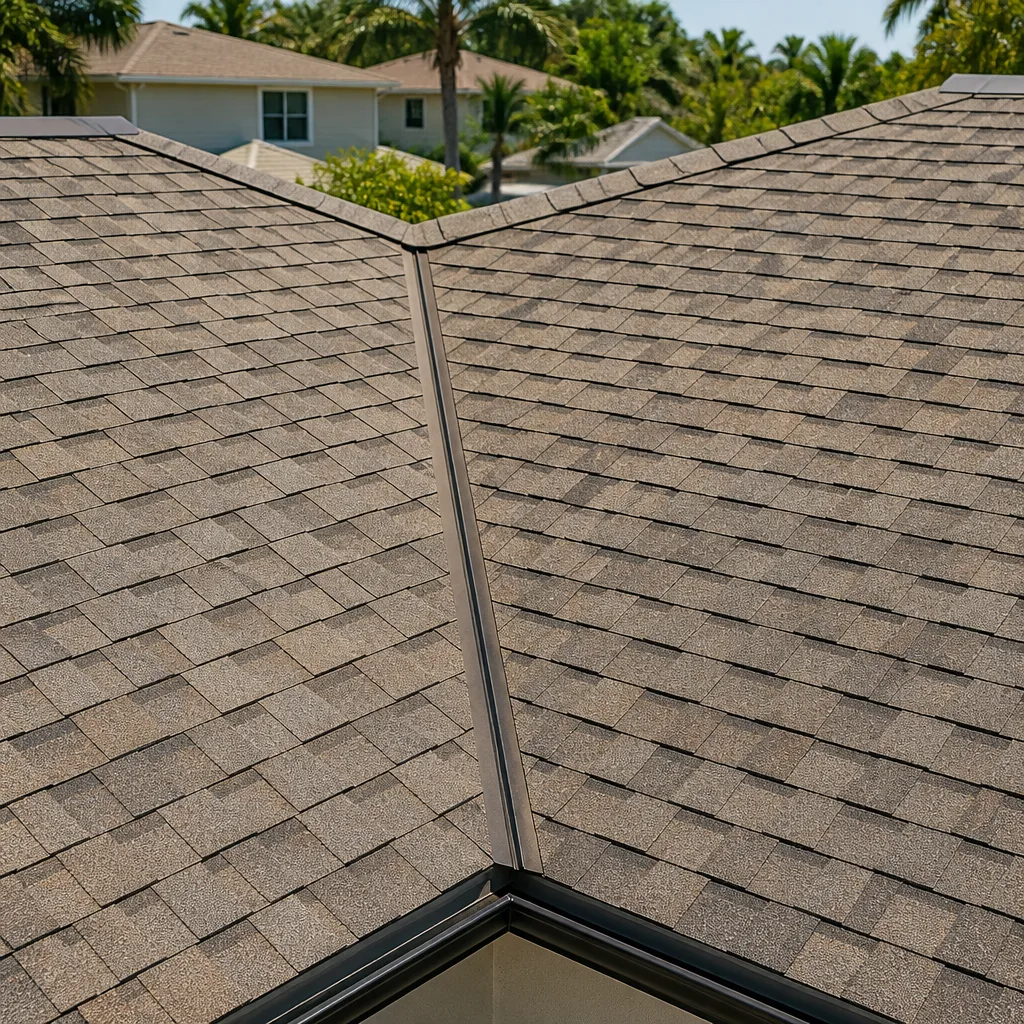
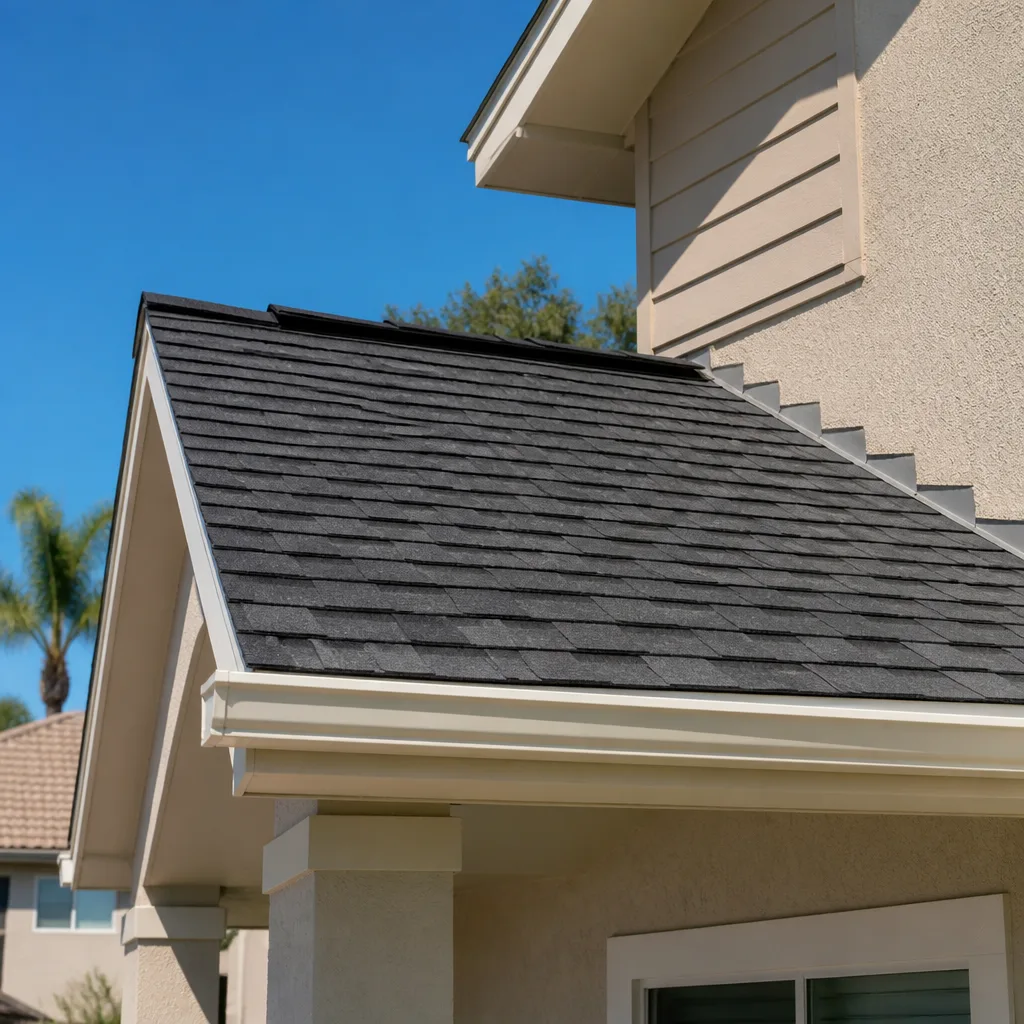
The damage pattern that actually matters in San Jose is granular micro-impact. Small hail hitting at high velocity knocks loose granules off the shingle surface without obviously denting anything. The shingle face looks scuffed or thin. The adhesive strip that holds the shingle tabs down can be disrupted, which makes the roof more vulnerable to wind later. And because the impact is spread across square feet rather than concentrated in visible dents, it reads as ordinary wear.
Here’s the comparison that matters:
- Large-hail damage (Texas, Colorado): visible circular bruising, cracked or broken tile, clearly displaced granules, soft spots you can feel underfoot. Easy to spot, easy to photograph for insurance.
- Small-hail micro-impact (San Jose): diffuse granule loss, “bald” patches rather than dents, exposed fiberglass mat in scattered areas, disrupted adhesive strips, granule accumulation in gutters and valleys. Looks like aging.
That distinction drives everything else on this page, including how we inspect and what the finding means for your timeline. Groundwork is the full-scope home construction partner for San Jose homeowners who want straight answers; when it comes to roofing, GAF and Owens Corning shingles are what we typically specify because they hold up well under this kind of granular wear.
Naturally, our Roofing service is where the assessment and repair work happens. If you want the broader picture of what we handle across the property, our San Jose service area page covers the full scope.
How to Inspect for Small-Hail Granule Loss on a San Jose Roof
You don’t need to climb up there. Three ground-level checks catch most of what small-hail micro-impact leaves behind on a San Jose roof.
- Check your downspouts after any storm. Granules in the gutter splash are normal after a roof is installed. A sudden heavy accumulation in downspouts on a roof that’s already a few years old tells you something knocked them loose. That’s your first clue.
- Look at the south-facing slope in late afternoon. The afternoon sun catches the south slope at a raking angle, and that’s when bald patches show up. Smooth, shiny areas where granules are gone look very different from the textured look of intact shingle. Check after the sun has moved across the roofline.
- Look at the valleys. Water accelerates in valleys, and so does the hail moving across them. Small-hail damage concentrates there. Granule loss in the valley bottom is more significant than the same amount elsewhere on the roof.
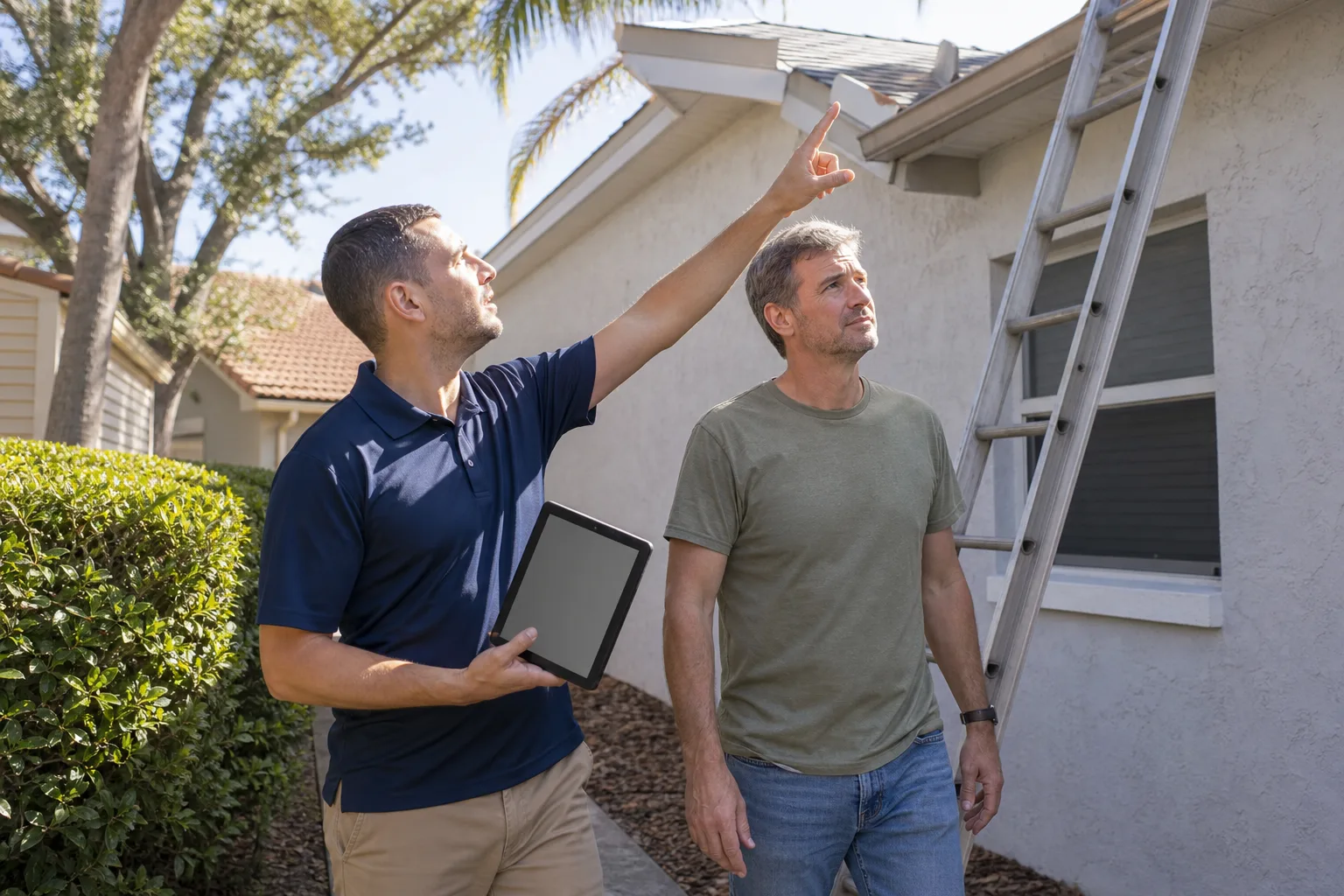
We also inspect the adhesive strip on the shingle tabs, since disruption there isn’t visible from the ground and it changes how the roof will handle the next wind event. If you’d rather not guess, an assessment from a trained set of eyes costs you nothing but a phone call: (833) 988-3521. Our technicians have up to 12 years of experience on roofs just like yours.
What Small-Hail Damage Costs You When It Goes Unnoticed
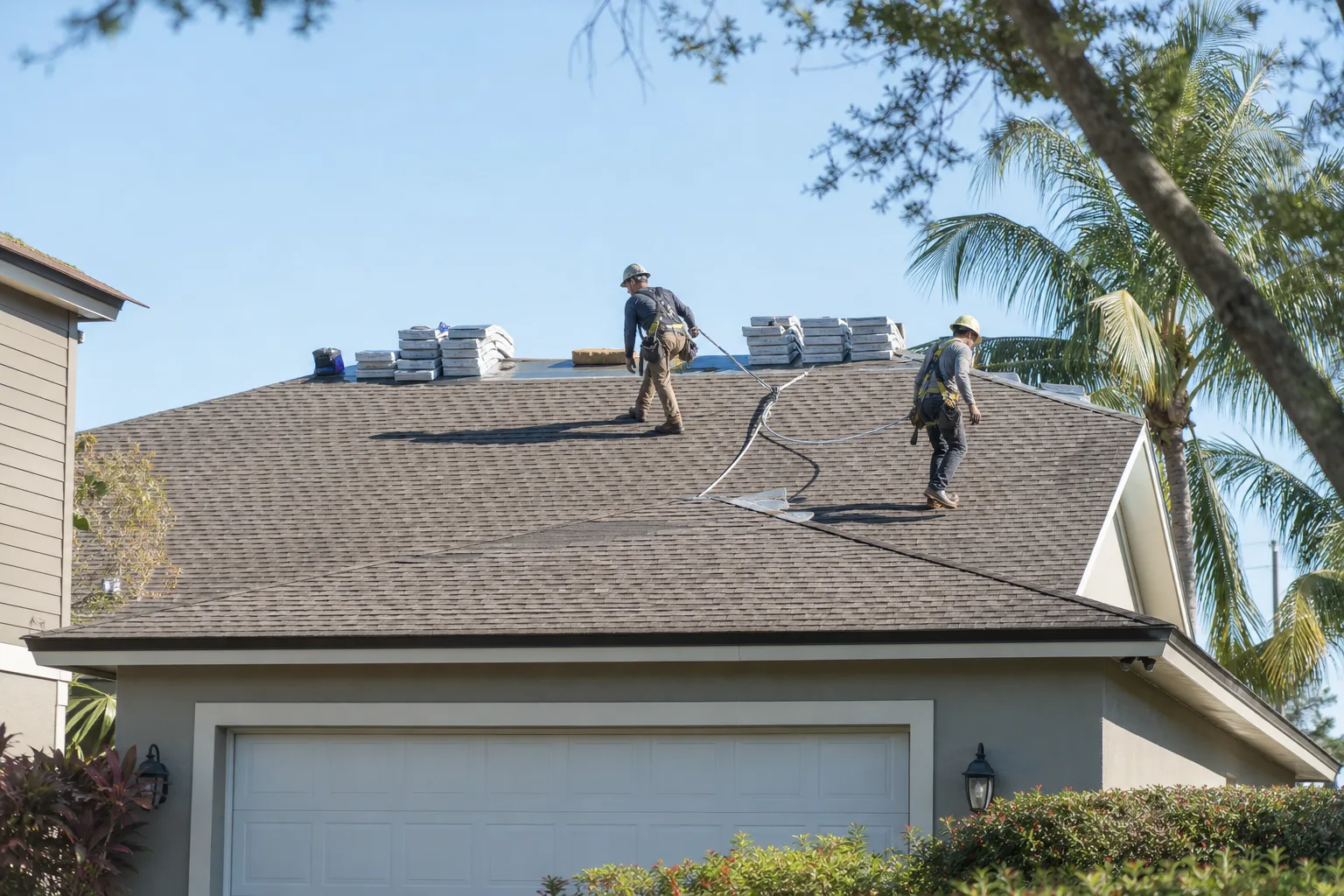
Small-hail granule loss rarely meets the visible-impact threshold that triggers an automatic insurance claim in California. That means you’re usually bearing the cost yourself, which makes documenting the condition now more important than filing a claim today. A written inspection report establishes a timeline. If larger damage shows up later, you have proof of the roof’s prior condition.
Here’s the age problem. On a five-year-old architectural shingle roof, small-hail micro-impact is largely cosmetic. On a San Jose home with twenty-year-old shingles, the granule adhesive is already degraded, and that same event can push your roof’s failure date forward by three to five years. Same storm, very different consequence based on the roof’s age. And much of San Jose’s housing stock was built in the 1950s through the 1970s, which means plenty of roofs here are already in that vulnerable window.
Replacement vs. repair pricing for the San Jose market:
| Work | Typical San Jose range |
|---|---|
| Roof repair (granule loss, localized) | $470-$2,125 |
| Roof replacement (asphalt shingle) | $9,440-$23,600 |
| Metal roof installation | $17,700-$47,200 |
| Tile roof repair | $710-$2,950 |
Upfront pricing, no surprises – that’s the number we hold to. Roofing work is covered by our 730-Day Done Right Promise: if it’s not done right, we make it right. For projects over $10,000, $1,000 off applies, and 0% financing for 18 months is available if you’d rather spread the cost. Our window partners like Mr-Glass handle the glass-and-frame side if a storm takes out a skylight or an adjacent pane at the same time.
Why Post-Storm Timing Matters in San Jose
Spring hail in San Jose arrives with fast-moving storms that may last an afternoon. The damage pattern from a small-hail event is fragile evidence. Granule trails redistribute. Windblown debris settles over the bald patches. Adhesive strip disruption that’s clearly visible the day after a storm becomes harder to document a week later.
Calling immediately gets you an inspection the next day, with the pattern captured before it’s obscured. Waiting until the following Monday puts you in a compromised evidentiary position, whether for insurance or for your own records. Groundwork answers calls with a live person 24 hours a day, 7 days a week. No voicemail, no waiting until business hours. That matters most in the first 24 hours after a storm.
All Groundwork technicians are background-checked and arrive in uniform, so you know exactly who is on your roof.
FAQs
The main signs are granule accumulation in gutters and downspouts, smooth “bald” patches on south-facing slopes, exposed fiberglass mat in diffuse patterns, and disrupted adhesive strips. In San Jose this pattern differs from large-hail damage because our hail is typically pea-sized, producing micro-impact rather than visible dents. Call (833) 988-3521 for an inspection – estimates are free.
Yes, especially on roofs past the ten-year mark. Small hail moving at high velocity removes the protective granules that shield the asphalt underneath, and on older shingles where the adhesive has already degraded, that removal accelerates failure by three to five years. If your San Jose roof is more than a decade old, an assessment after any hail event is worth the call.
Usually not, because California policies typically require visible-impact damage – the kind of dents and bruises that larger hail leaves – and small-hail granule loss rarely meets that threshold. The practical move is to document the condition now with a written inspection report, so you have a baseline on file if larger damage occurs later. Call (833) 988-3521 to schedule an inspection.
Localized damage on a roof under ten years old is usually a repair, running $470-$2,125. Once granule loss is widespread or the roof is past fifteen years, full replacement in the $9,440-$23,600 range is typically the better financial decision than repeated patches. Call (833) 988-3521 and we’ll give you a straight answer on which makes sense for your roof – the estimate is free.
If you’d rather have it looked at, Groundwork Construction Co. of San Jose offers a no-pressure assessment in San Jose. We’ll walk the roof, document the condition, and tell you honestly whether you’re looking at repair or replacement – no sales pressure, no surprise numbers. Call (833) 988-3521 for a free estimate, day or night.
Written by the team at Groundwork Construction Co. of San Jose, serving San Jose, CA.