
Free written scope consultation - allowances, timeline, and change-order rules on paper before a single trade is scheduled
Styles & brands we work with
- Kitchen remodeling
- Bathroom remodeling
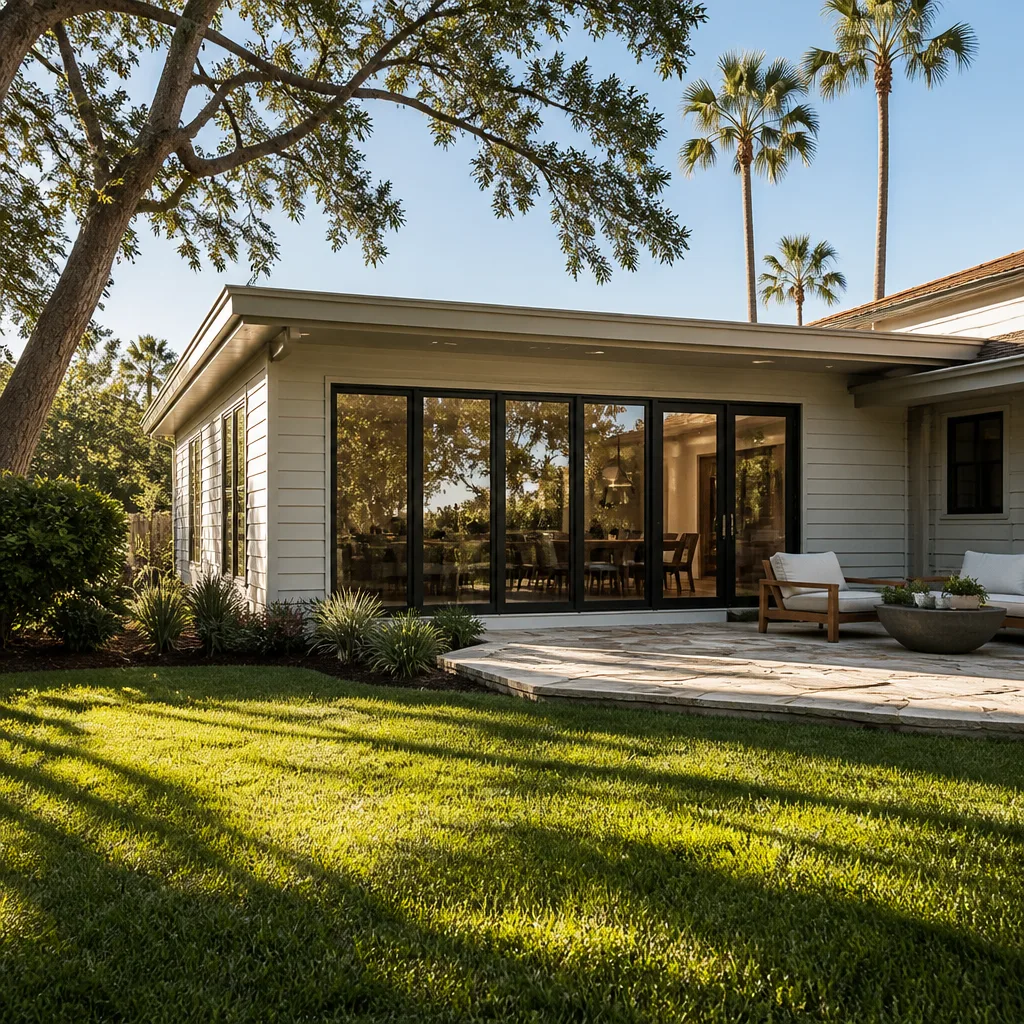
- Home additions & ADU
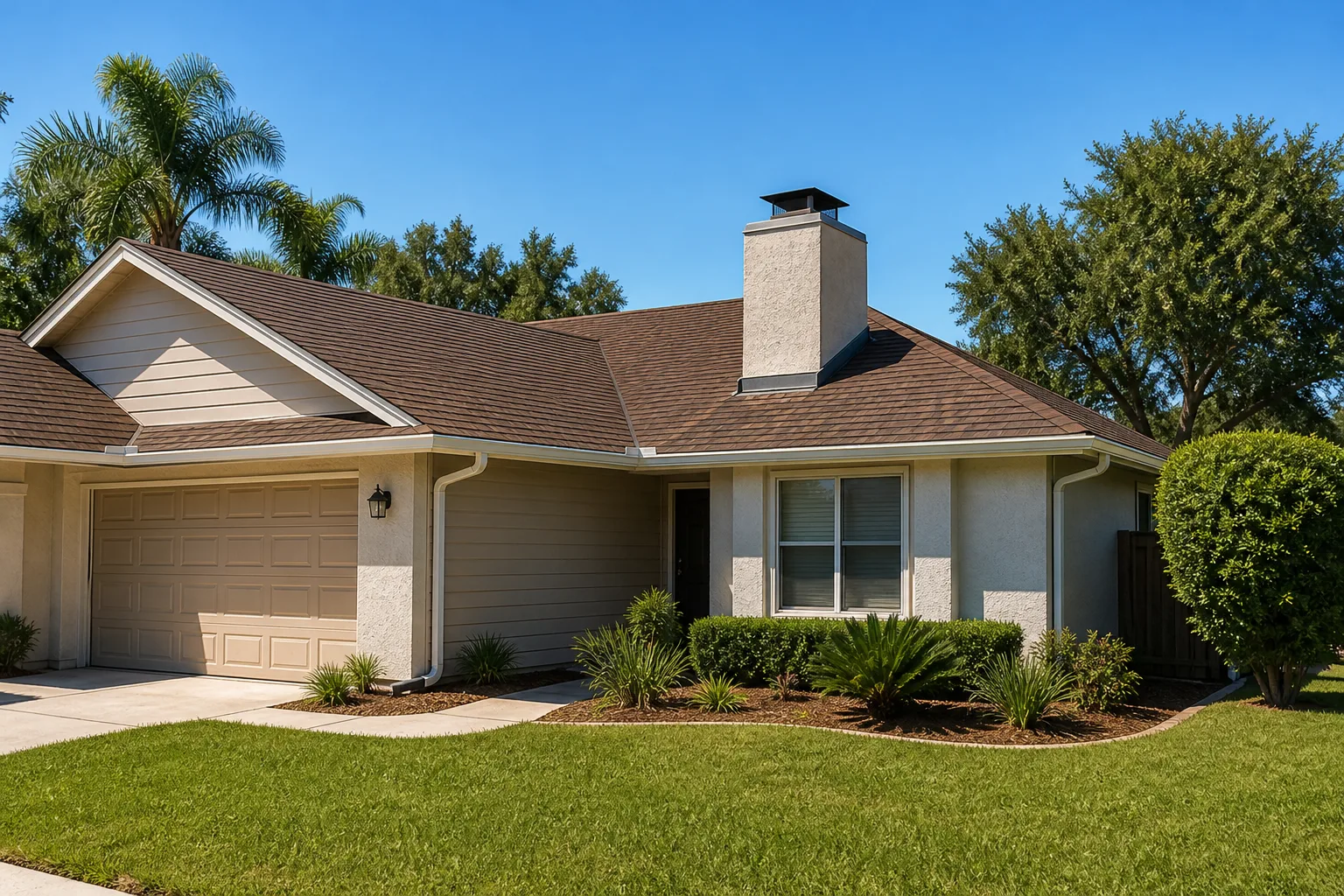
- Roofing
- Windows & doors
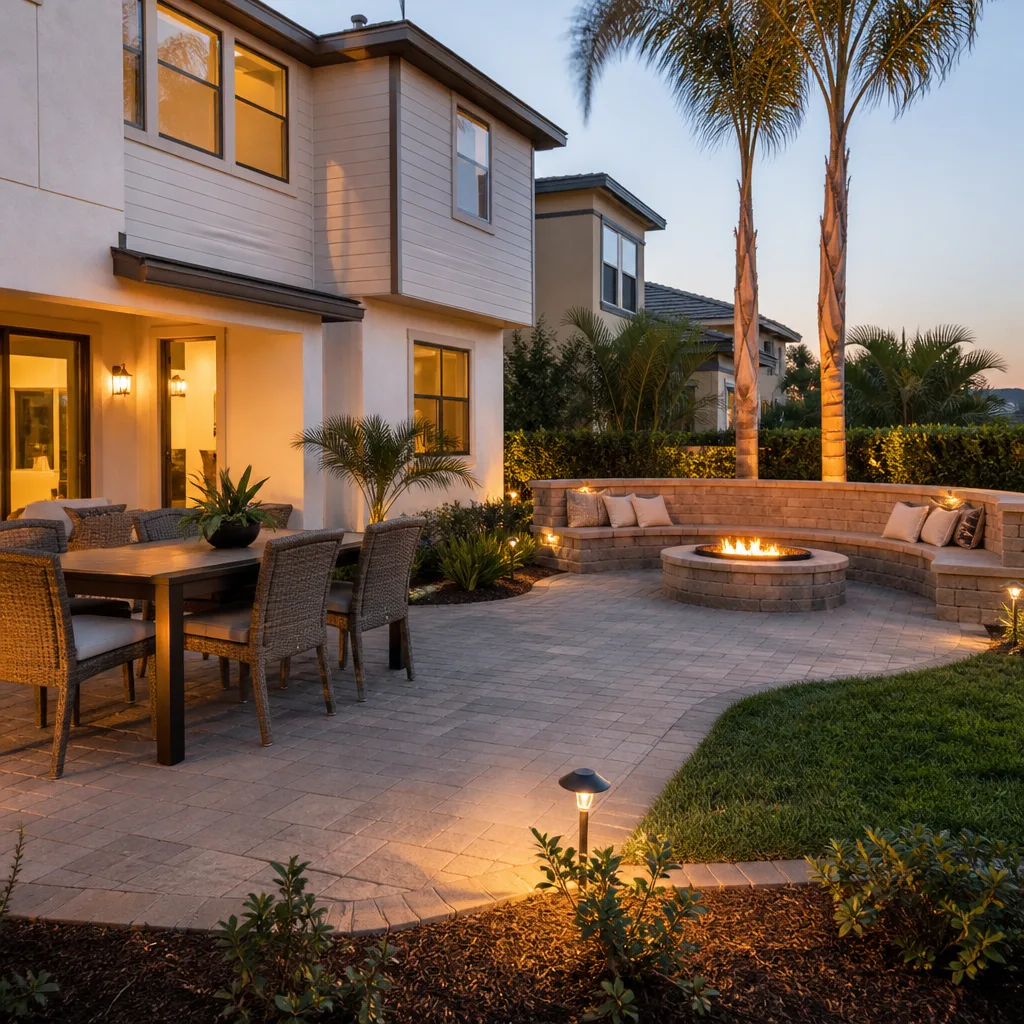
- Driveway & pavers
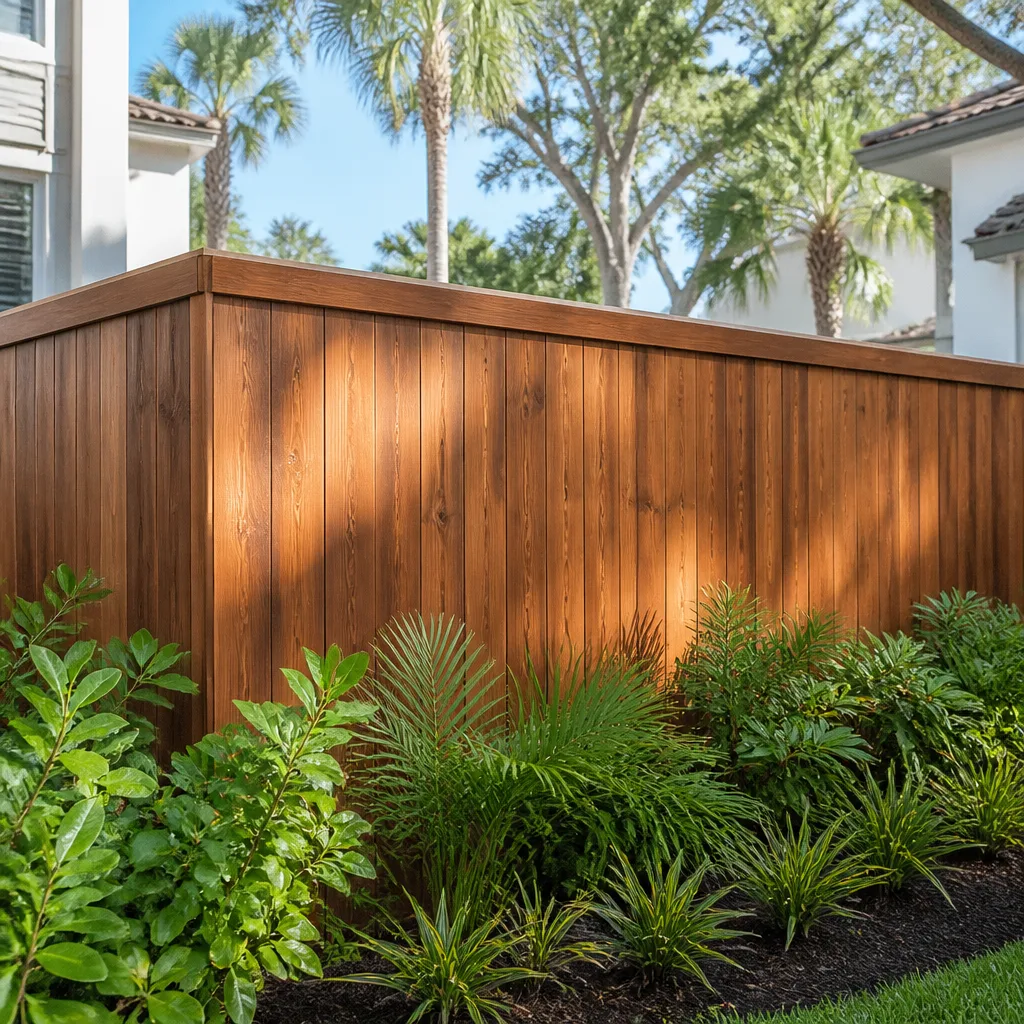
- Fence
See the difference
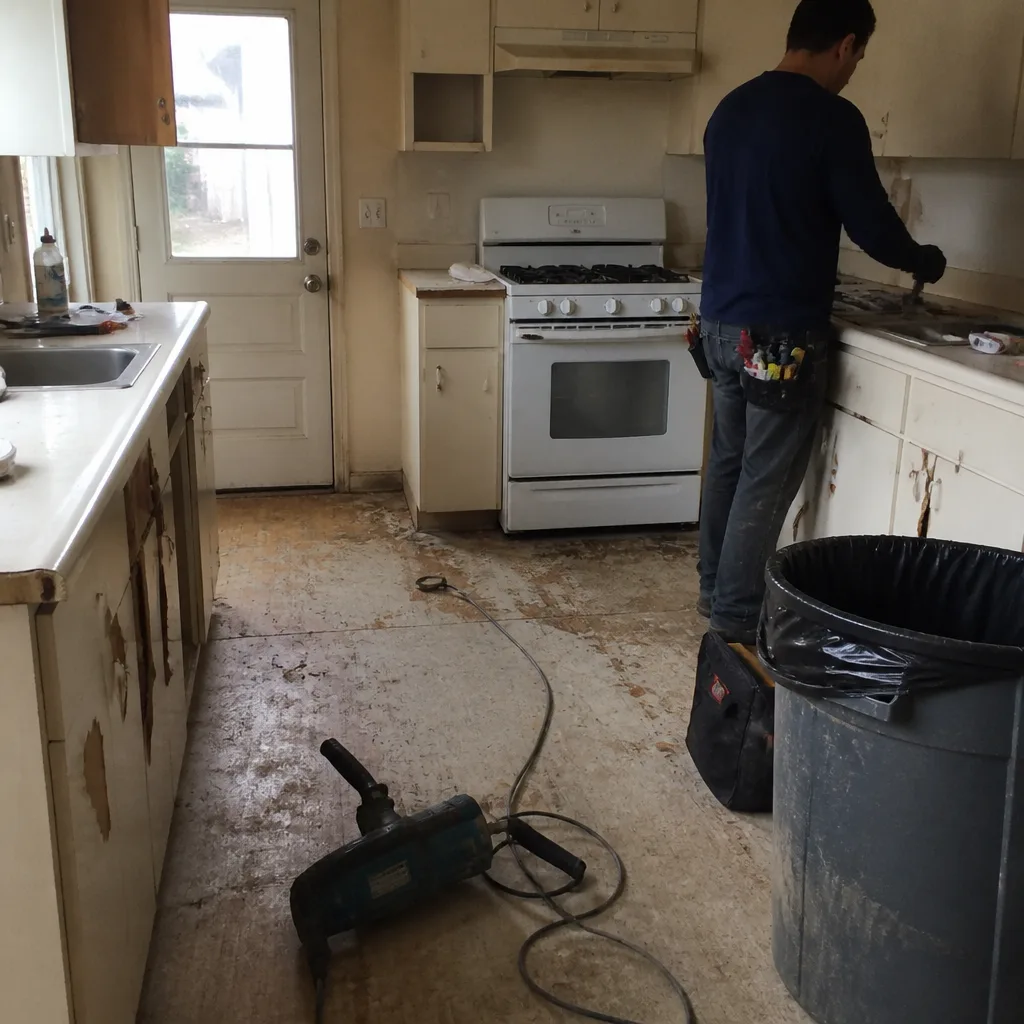 Before
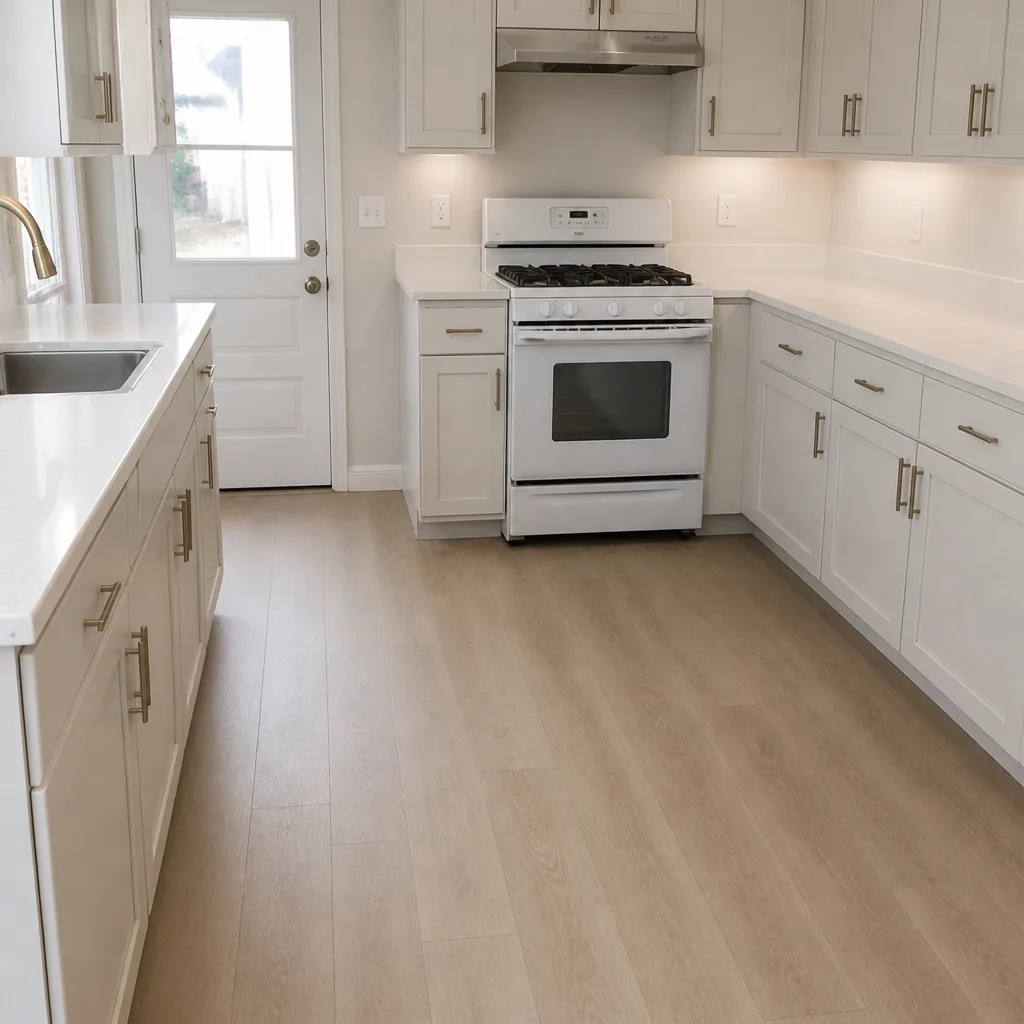 After
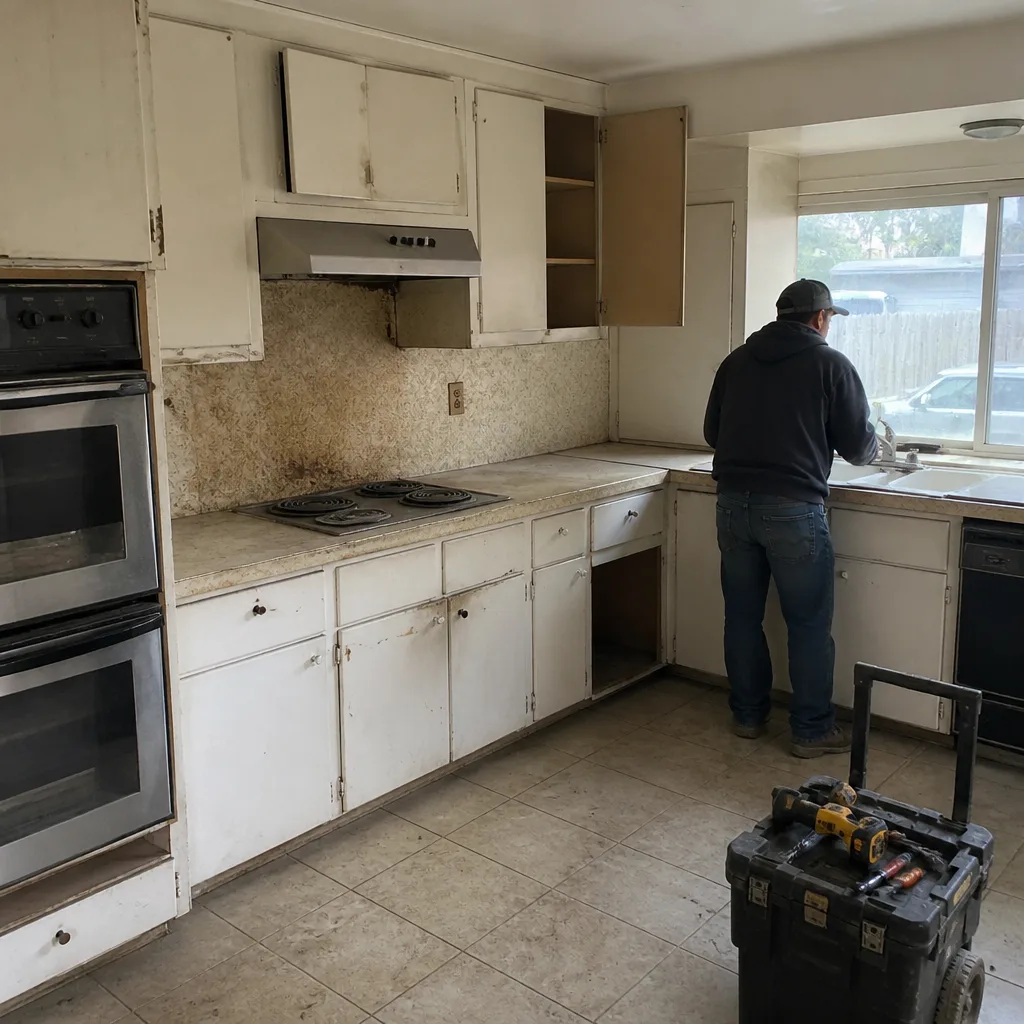 Before
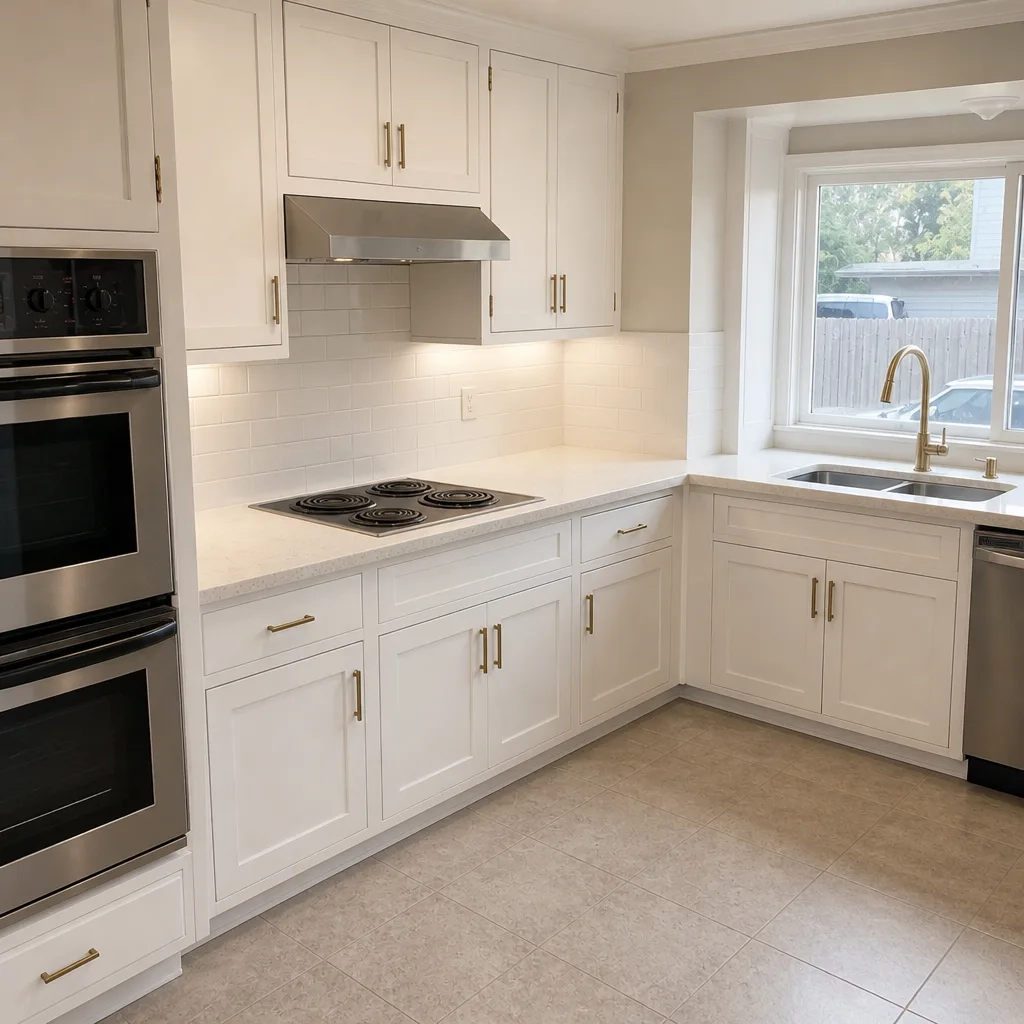 After
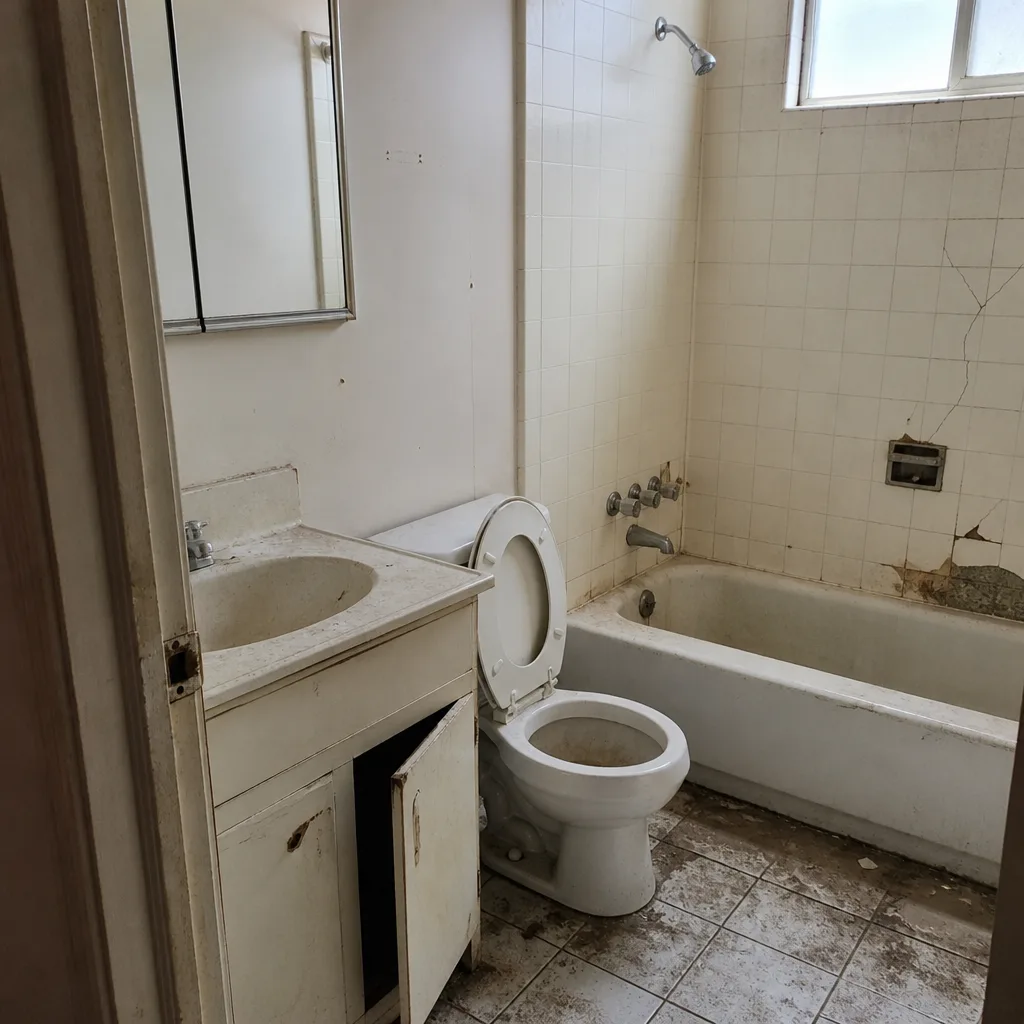 Before
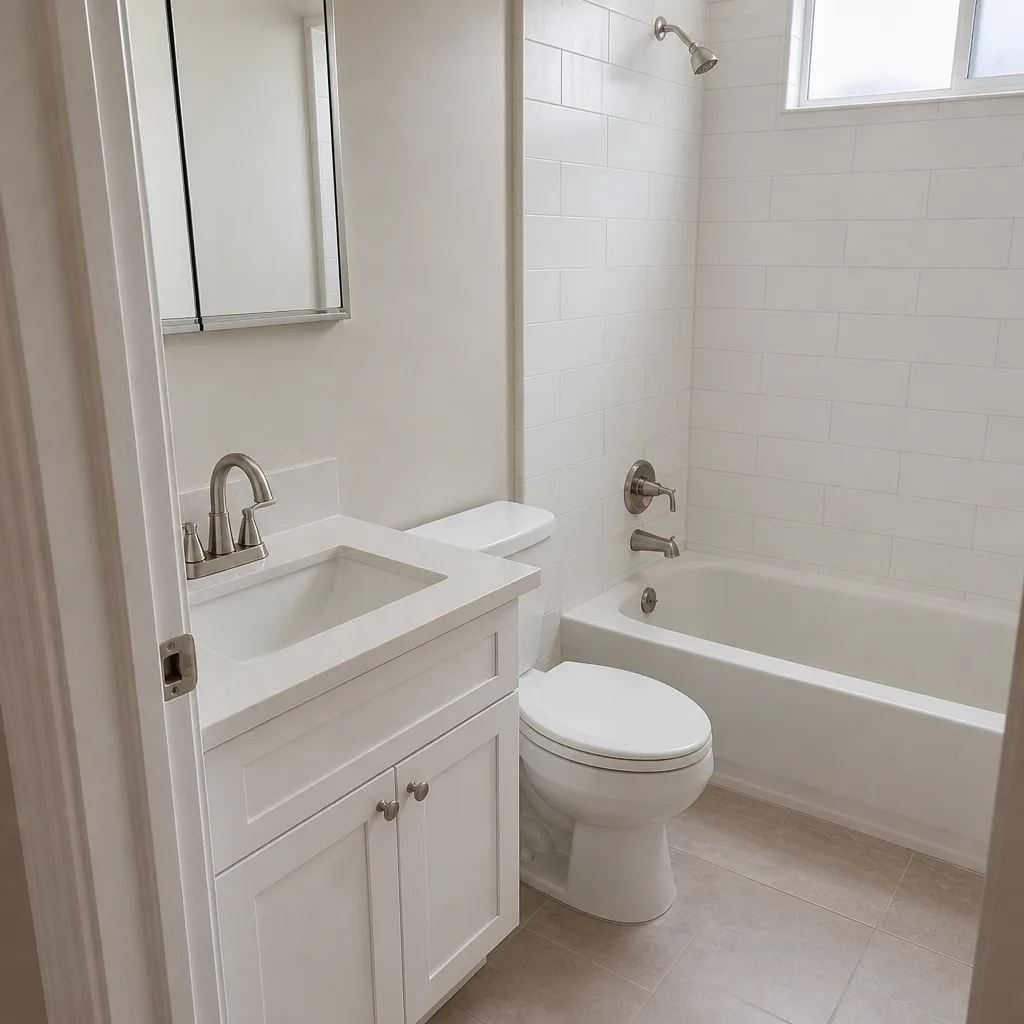 After
Signs You Need a New Roof in San Jose, CA: The Structural Warnings Most Lists Miss
The signs that actually predict a roof failure in San Jose are structural, not cosmetic: ridge sag, roof plane waviness, and door or window frame racking are the three warnings that matter most here. In older Willow Glen and Rose Garden homes that have absorbed decades of seismic micro-movement, fastener connections between the roof deck and framing quietly loosen long before you’d ever see a granule-loss problem. Granules in the gutter are a surface signal - a sagging ridge is a load signal. If you’re seeing any of the three, call (833) 988-3521; a live person answers 24/7.
Groundwork Construction Co. of San Jose has spent years doing roof work in this exact climate, and we’ve learned that most “signs you need a new roof” articles were written for midwest asphalt shingle installations. They aren’t wrong, exactly, but they miss what actually fails first here.
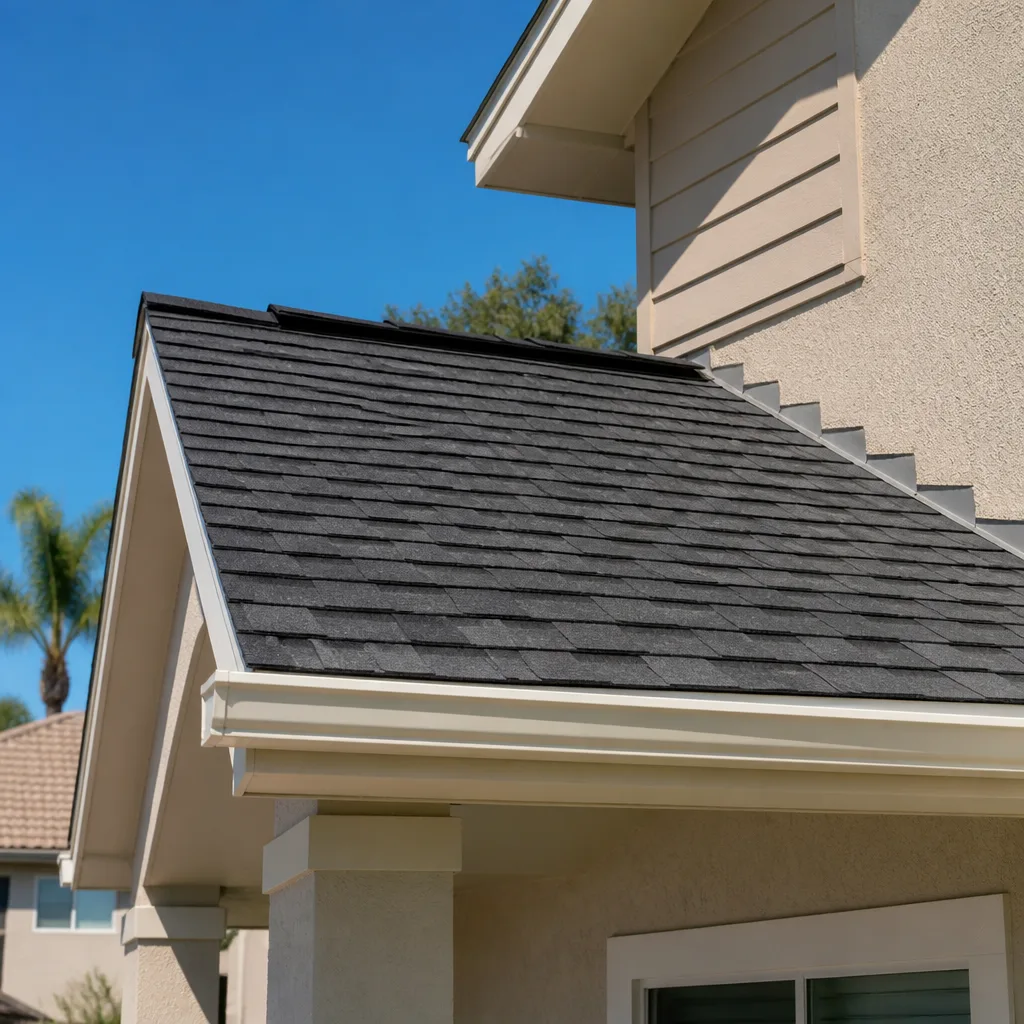
Why San Jose Roofs Age Differently Than the Standard Checklist Assumes
Consider the rooftop you’re looking at. San Jose’s Mediterranean climate delivers mild, wet winters and warm, dry summers - a cycle that expands and contracts wood, shingles, and fasteners once a year. We’ve measured nail pops on 20-plus-year-old sheathing where the seasonal movement had pulled the deck loose from the rafters long before any interior leak appeared. Upward of 20 wet-dry cycles is enough to turn a tight deck into a slightly loose one.
Add decades of minor seismic activity to that thermal cycling, and the connections between the roof deck and the framing below take on a different kind of load. The roof diaphragm - the structural surface that helps tie your home together laterally - relies on solid fasteners between sheathing, rafters, and ridge board. Once they loosen, sagging and waviness show up on the outside before they show up in the attic.
What you’re looking at matters: most of San Jose’s housing stock - the postwar tract homes built from the 1950s through the 1970s - went up long before the seismic provisions modern roofs carry were standard. When we assess a roof here, we’re also assessing how much of that original framing has stayed connected.
What to Look For: A Comparison Between the Cosmetic Checklist and the Structural One
Here’s the practical difference between the list you’ll read on most roofing sites and the signs that should actually prompt a call in San Jose.
- Granule loss vs. ridge sag. Worn asphalt (visible granule piles in gutters and downspouts) is real but slow. A sagging ridge you can see from the sidewalk - even a little - points to rafter-to-ridge-board connection failure and needs attention now.
- Cracked shingles vs. roof plane waviness. Cracked shingles can be patched. Waviness across the plane of the roof often means deck fastener pullout - the sheathing is trying to lift, and new shingles won’t fix that.
- Daylight in the attic vs. door and window racking. Daylight is late-stage. Racking that wasn’t there before - a bedroom door that no longer latches, a window that started sticking on one side - can track back to roof diaphragm weakness before any interior leak shows up.
- Missing shingles vs. bubbling or uneven planes. Bubbling looks like surface wear but often traces to sheathing separation and moisture expansion after a wet winter, which is why we always check the deck, not just the top layer.
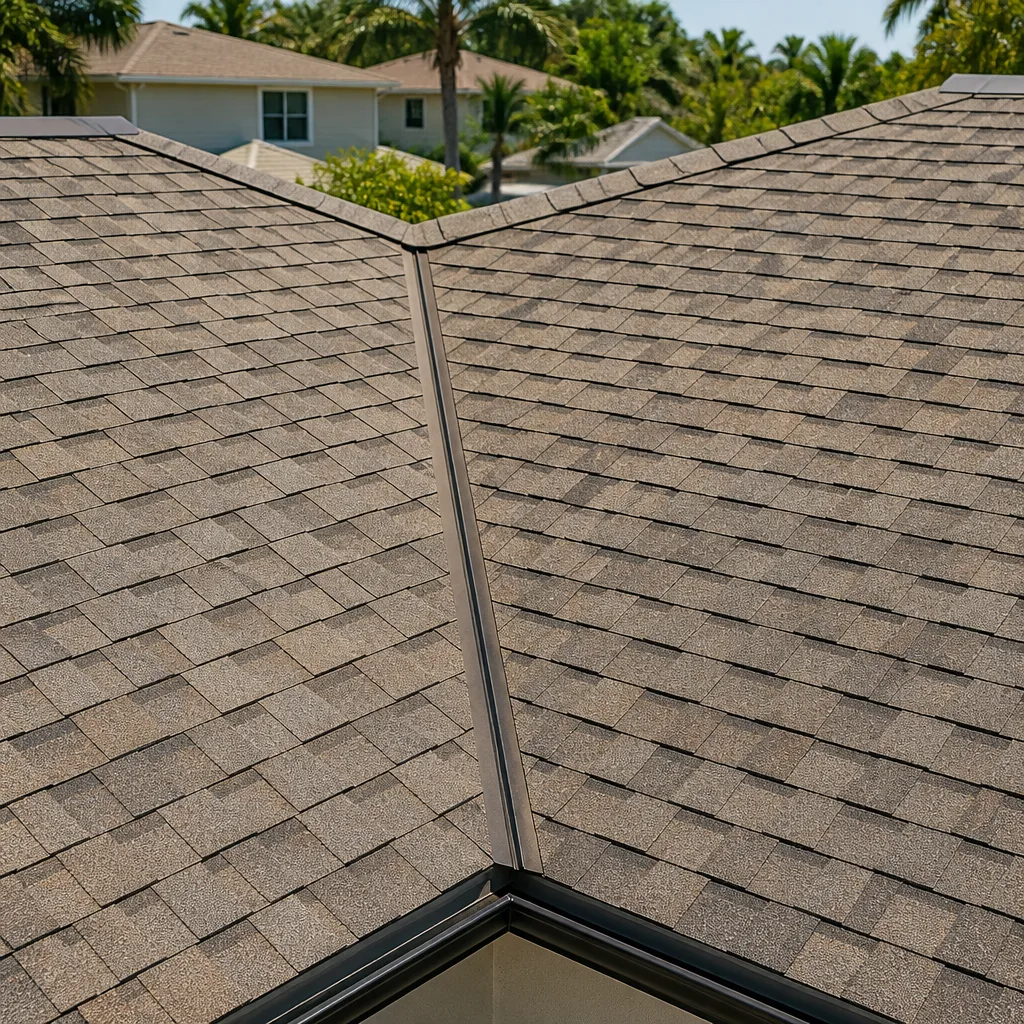
None of the structural signs above appear on the national “signs you need a new roof” lists, and that’s exactly why we want homeowners here to know them. When we quote a Roofing job in San Jose, we use a GAF or Atlas shingle system because both hold their rated performance through the seasonal expansion cycle better than the cheapest systems we’ve torn off. Tamko and Boral show up in the mix too on neighboring formats. But the material only does its job if the deck under it is solid.
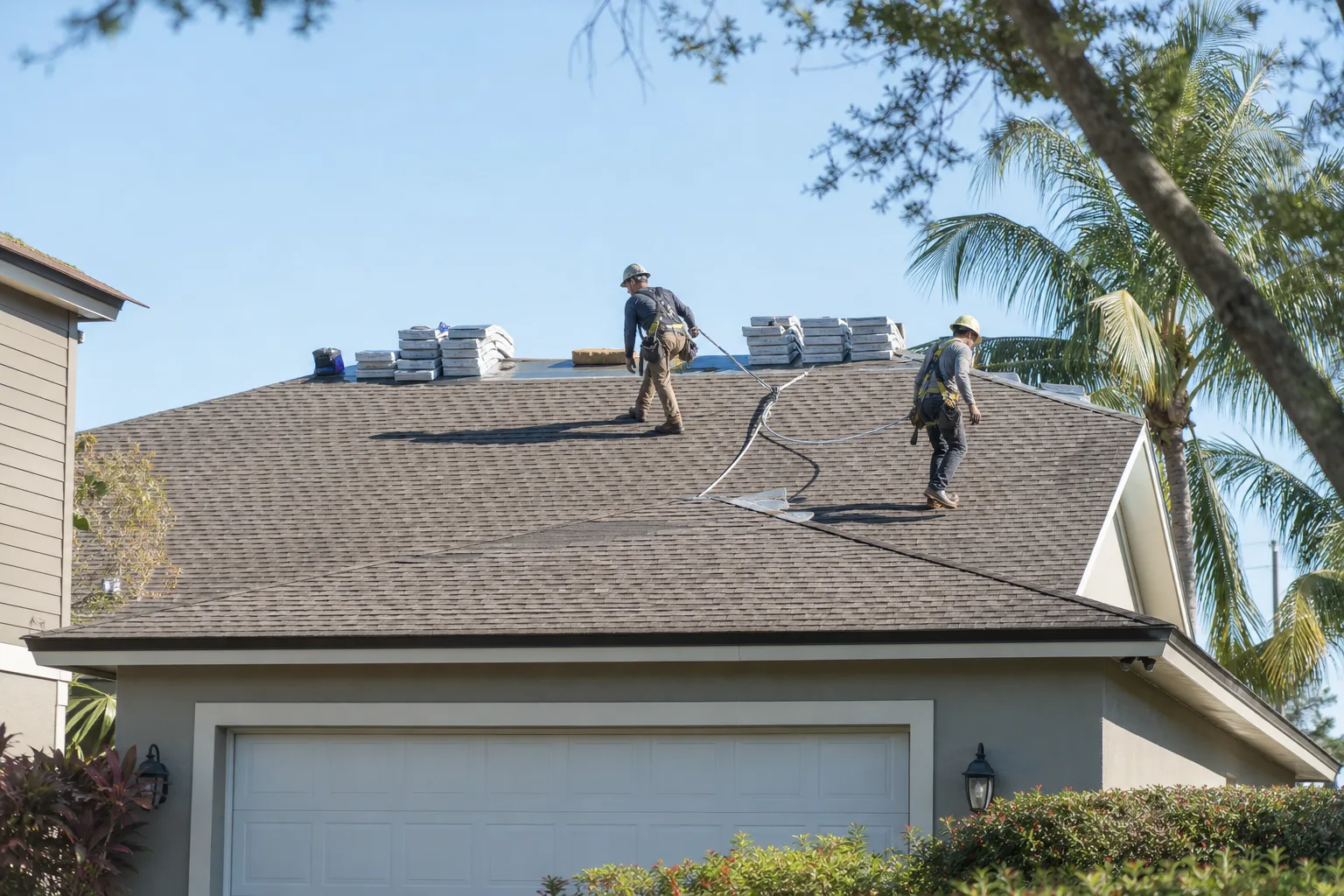
The Aging-Roof-in-Place Reality in San Jose’s Older Neighborhoods
In Willow Glen, the Rose Garden, and the older single-family pockets around Willow Glen and the Rose Garden, homes have often been expanded piecemeal over 30 or 40 years. That means the roof over the original house might be 40 years old and the section over a 1990s addition might be 12 or 15. Treating them as one roof leads to the same repair being repeated every spring for five years, until someone finally replaces the failing section properly.
Roof replacement in San Jose runs $9,440 to $23,600 for most standard homes. Roof repair runs $470 to $2,125; tile roof repair runs $710 to $2,950; metal roof installation runs $17,700 to $47,200. When a homeowner calls about a leak in a 10-year-old section they assumed matched the rest of the roof, the answer is often to replace just that section to match the failing original - not the whole roof. A contractor who skips that conversation is leaving you with a warranty that covers only half your house.
It’s also worth knowing San Jose’s permitting reality before you commit: complex, neighborhood-specific planning rules mean an older roof replacement on a non-permitted addition can pull the whole addition into the code conversation. Roof repair stays simple. Full replacement on a home that’s never been touched can be less simple, and we tell homeowners that before anyone signs.
How to Inspect Your Own Attic Before You Call
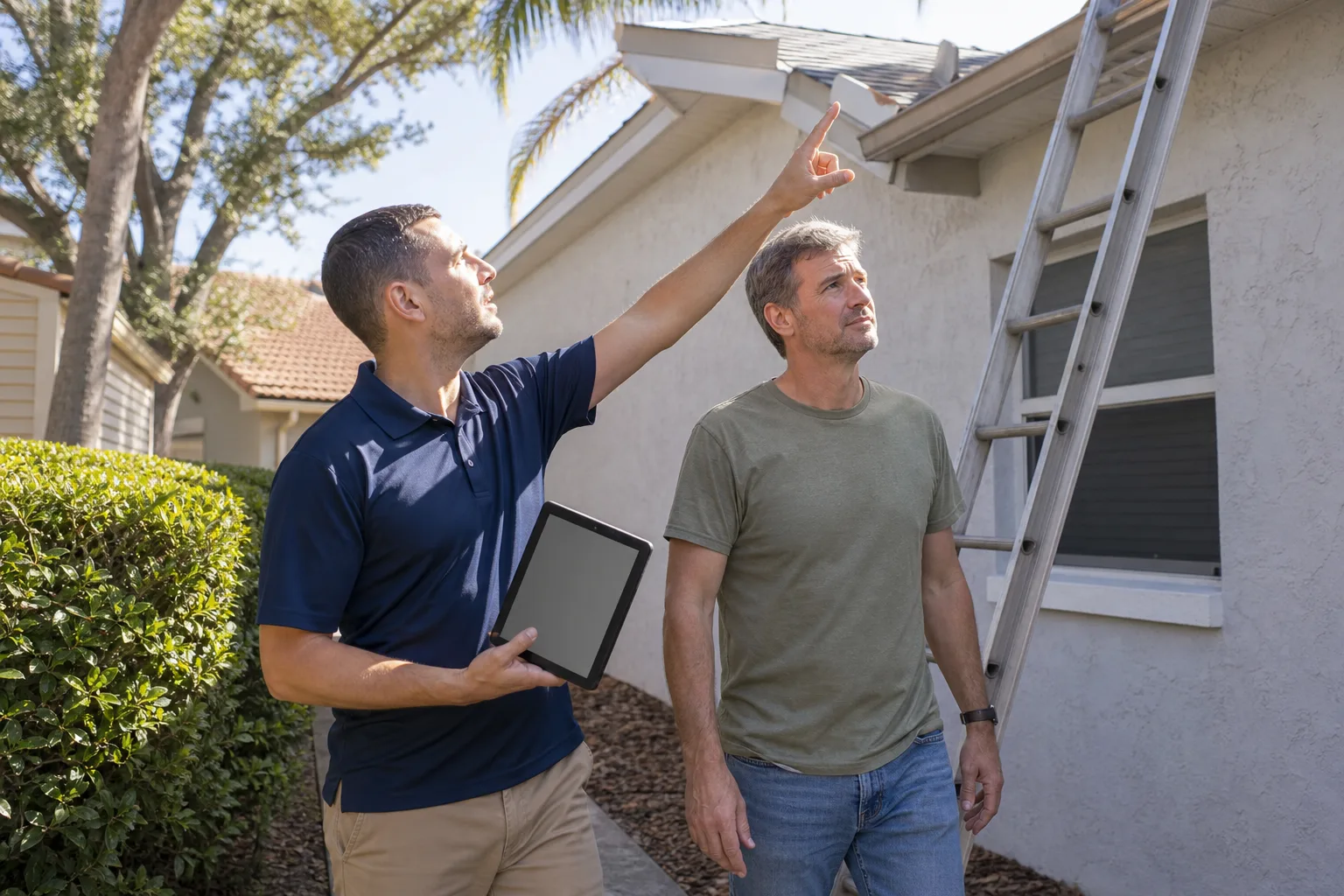
You don’t need to climb on the roof to check for the signs that matter most. Here’s the same list our technicians run in a San Jose attic:
- Daylight through the deck. Any visible pinhole light through sheathing means water can get in during the next wet winter. It’s already failing.
- Moisture staining on rafters and deck. Brown water lines, dark streaks, or a musty smell all point to a slow leak that’s been present across multiple seasons.
- Compressed or displaced insulation. Batts that have slipped or flattened tell you about air movement you can’t see - often a deck gap above.
- Cracks in rafters or separation at the ridge board. This is the structural sign most homeowners miss. A rafter that has pulled away from the ridge is telling you the connection is failing.
If you find any of these, calling a contractor isn’t a hard sell - it’s a diagnostic step. Groundwork Construction Co. of San Jose includes these findings in every roof assessment we do, and we put them in writing. Our technicians have up to 12 years of experience and they arrive background-checked and uniformed. Every roof we replace carries our 730-Day Done Right Promise - if it’s not done right, we make it right - and that’s one of the longest workmanship guarantees in this market.
When the Alarm Goes Off at 10 p.m. on a Sunday
Winter storms in San Jose typically arrive in the late evening. If you notice a new sag, a fresh water stain, or a piece of fascia hanging after a storm - that’s the moment you don’t want to leave a voicemail. Groundwork answers every call with a live person, 24/7. No callback-by-Wednesday promise. No recorded menu. A real person who can take the details and get someone scheduled.
Frequently Asked Questions
The first reliable sign is ridge sag - visible curvature along the top ridge of the roof when viewed from the curb or street. Surface warning signs like granule loss or a cracked shingle can be patched; ridge sag points to a connection problem between the rafters and the ridge board, which shingles won’t fix. If you see it, call (833) 988-3521 and we’ll come look at it at no charge.
A GAF or Atlas asphalt shingle roof in San Jose typically lasts 20 to 30 years, though the wet-winter/dry-summer cycle here can shorten that on homes that aren’t ventilated well. Homes built in the 1950s through the 1970s - the bulk of San Jose’s stock - often need a full replacement in that window, especially if a piecemeal addition left one section aging faster. Replacement ranges from $9,440 to $23,600 for most standard homes.
Repair is cheaper up front for isolated damage on a young roof - $470 to $2,125 for most repairs - but replacing is the better value once multiple structural signs appear at once. When ridge sag, waviness, and attic moisture show up together on a 25-plus-year-old roof, repairs become a repeating cost. Call (833) 988-3521 for an honest repair-or-replace answer on your roof.
Yes, most full roof replacements in San Jose require a permit, and the requirements can vary by neighborhood, especially on older homes that have non-permitted additions. We walk through that during the initial estimate so there are no surprises after the crew is on the roof. Estimates are free.
Have a Roof You’re Worried About? Let’s Take a Look.
If you’d rather have an experienced eye on it than guess from the sidewalk, Groundwork Construction Co. of San Jose offers a no-pressure assessment anywhere in San Jose - call (833) 988-3521 or visit our San Jose service area page to see coverage. Reach our home page for the full scope of what we handle from foundation to finish line. Large projects over $10,000 get $1,000 off, and every estimate comes with upfront pricing and no surprises. Live person, 24/7, every day of the year.
Written by the team at Groundwork Construction Co. of San Jose, serving San Jose, CA.