Free written scope consultation - allowances, timeline, and change-order rules on paper before a single trade is scheduled
Styles & brands we work with
- Kitchen remodeling
- Bathroom remodeling
- Home additions & ADU
- Roofing
- Windows & doors
- Driveway & pavers
- Fence
See the difference
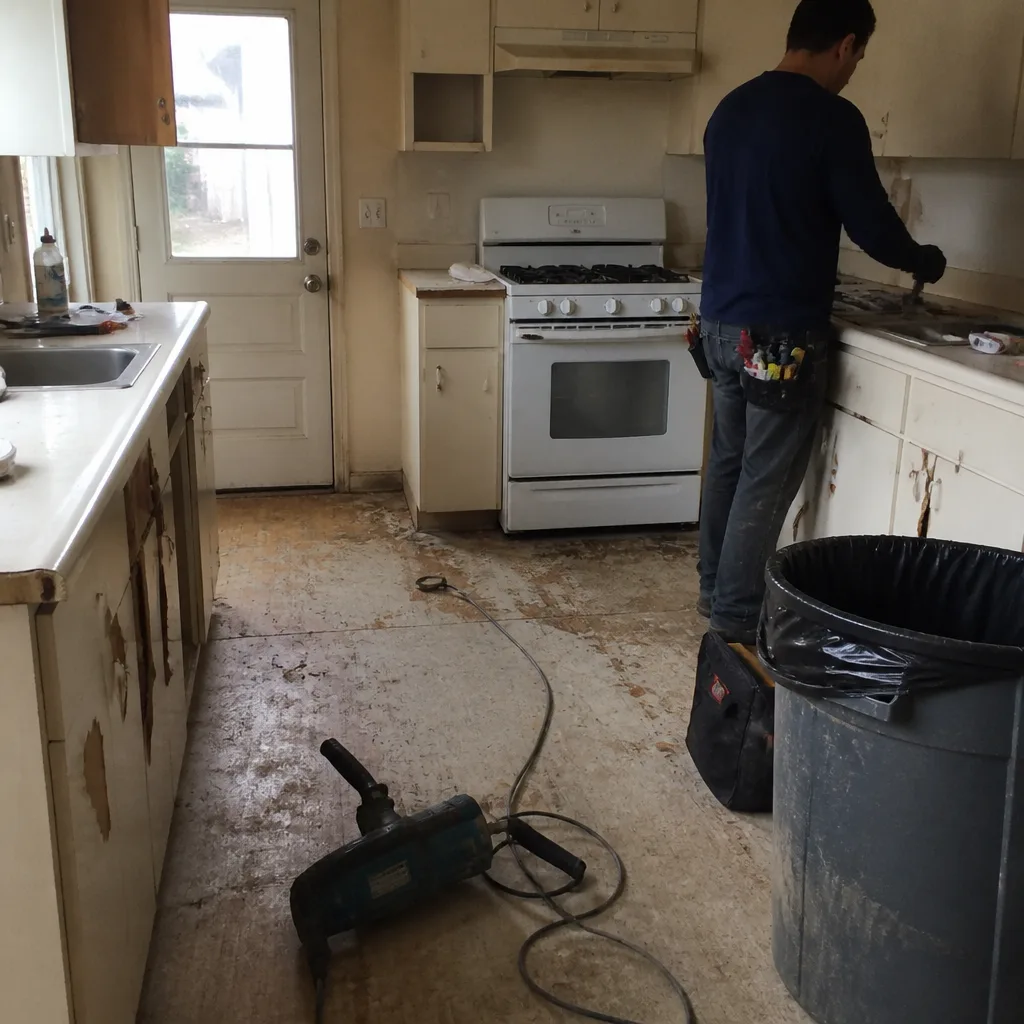 Before
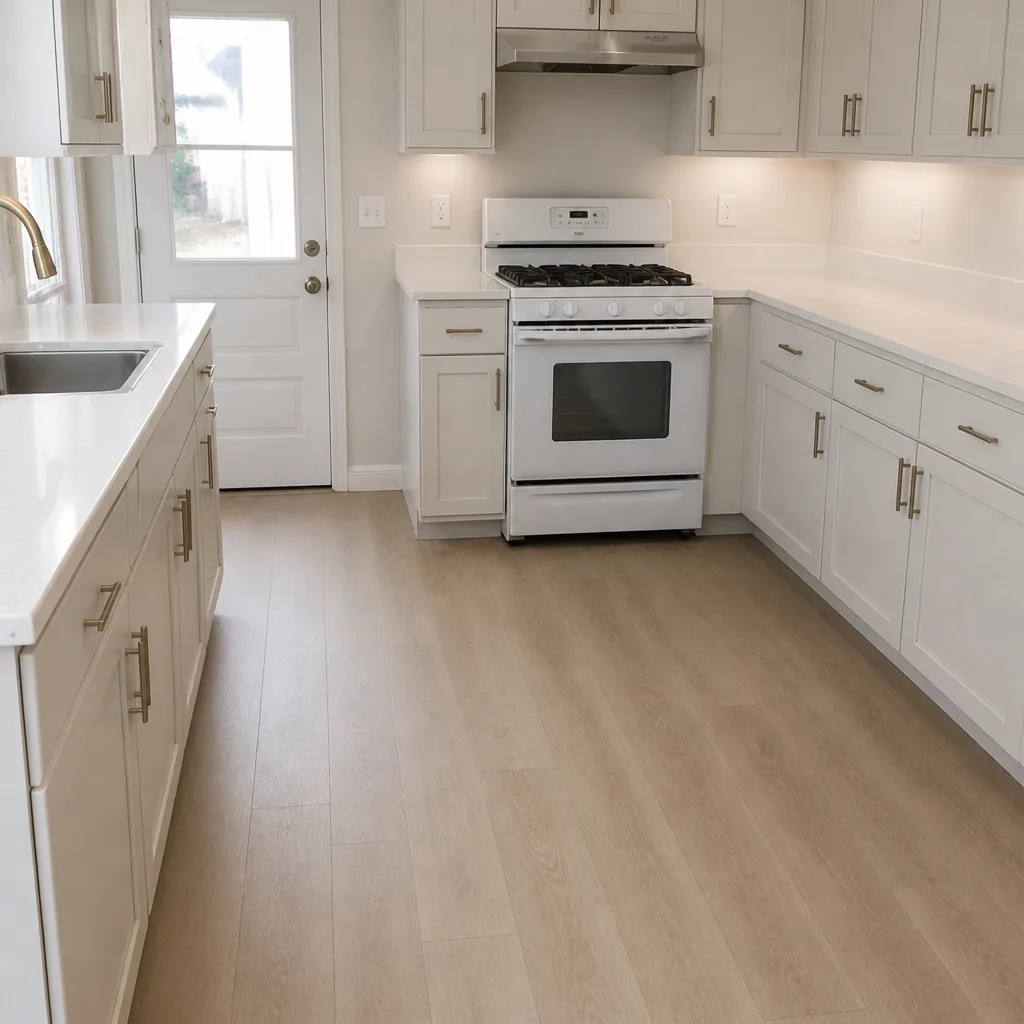 After
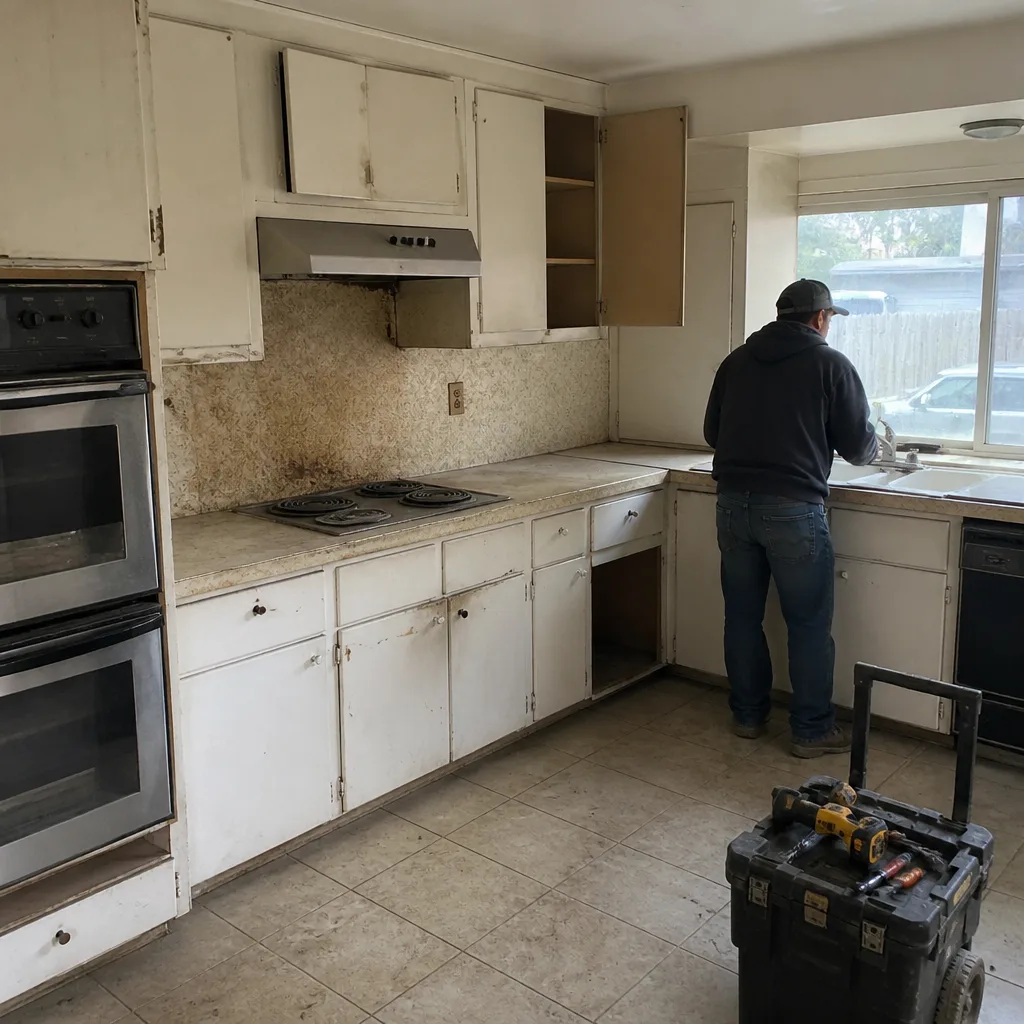 Before
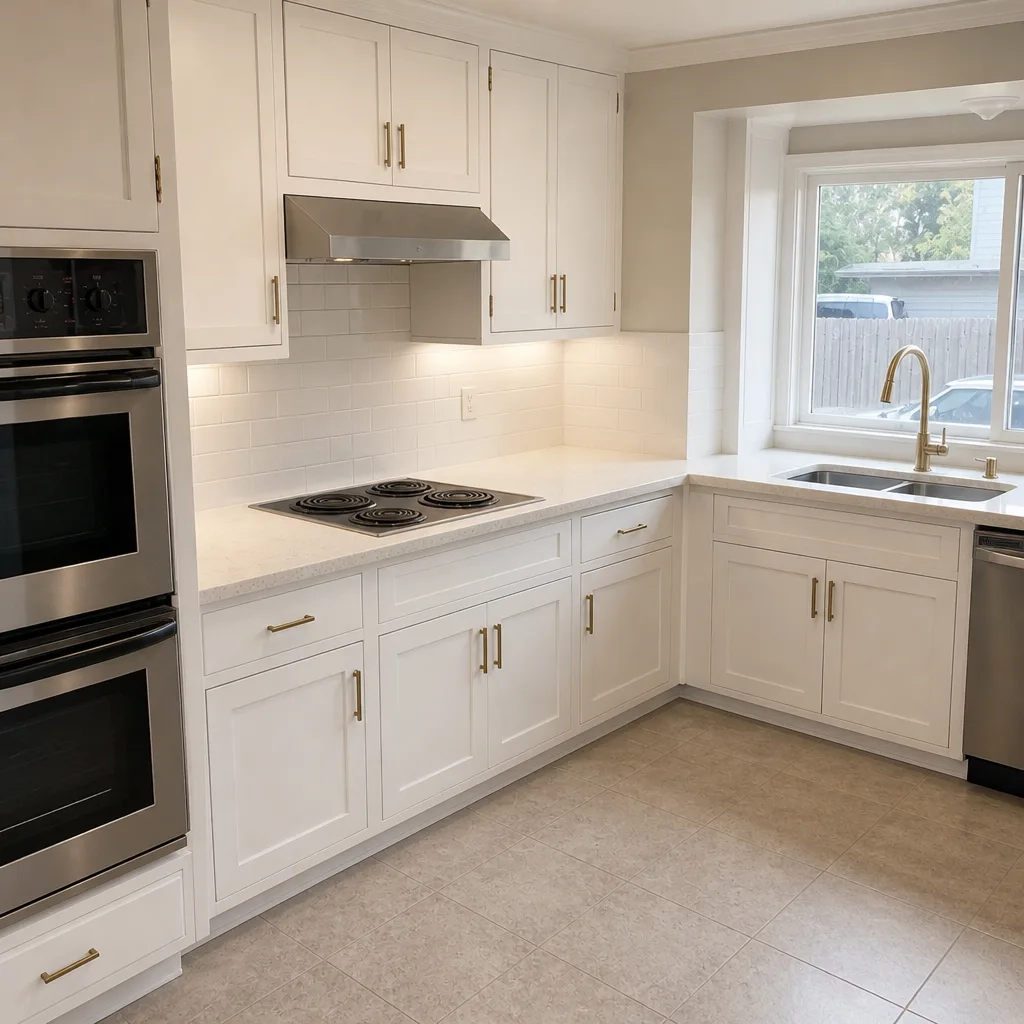 After
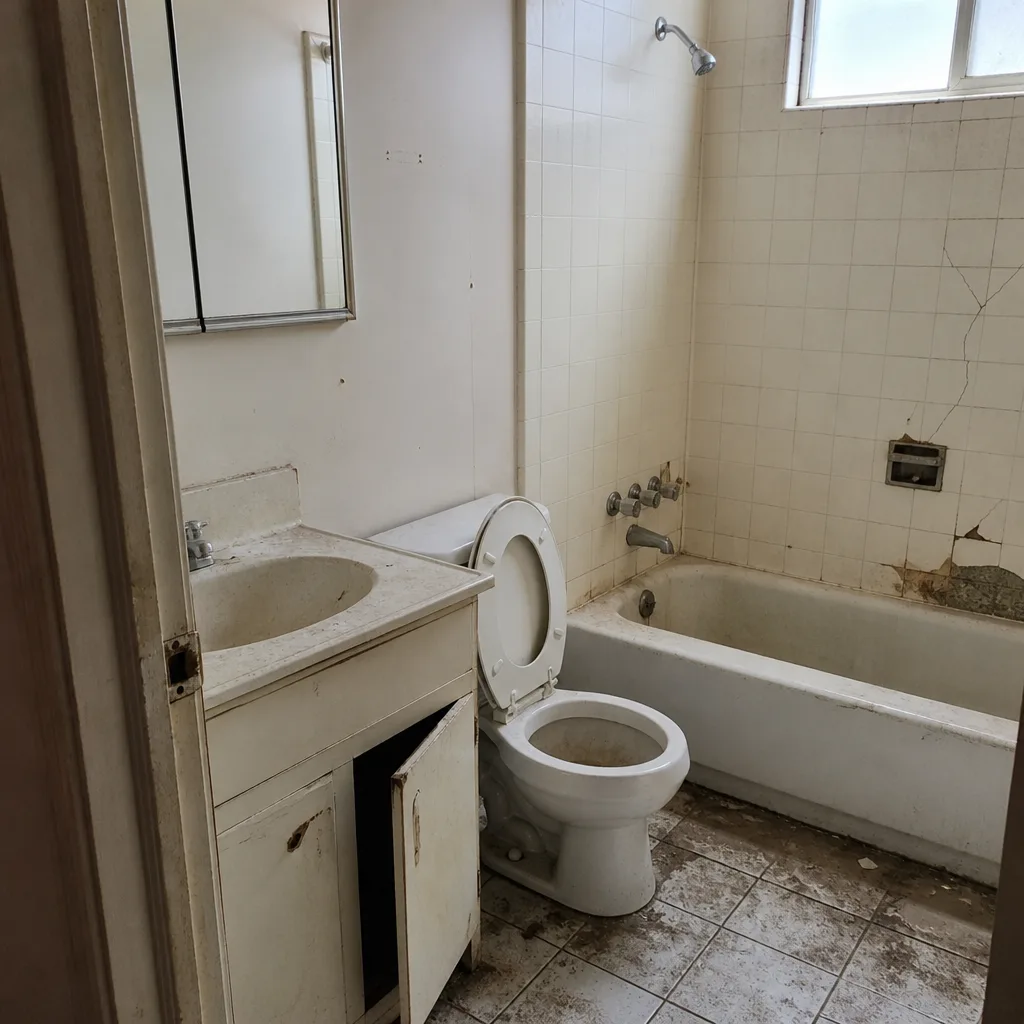 Before
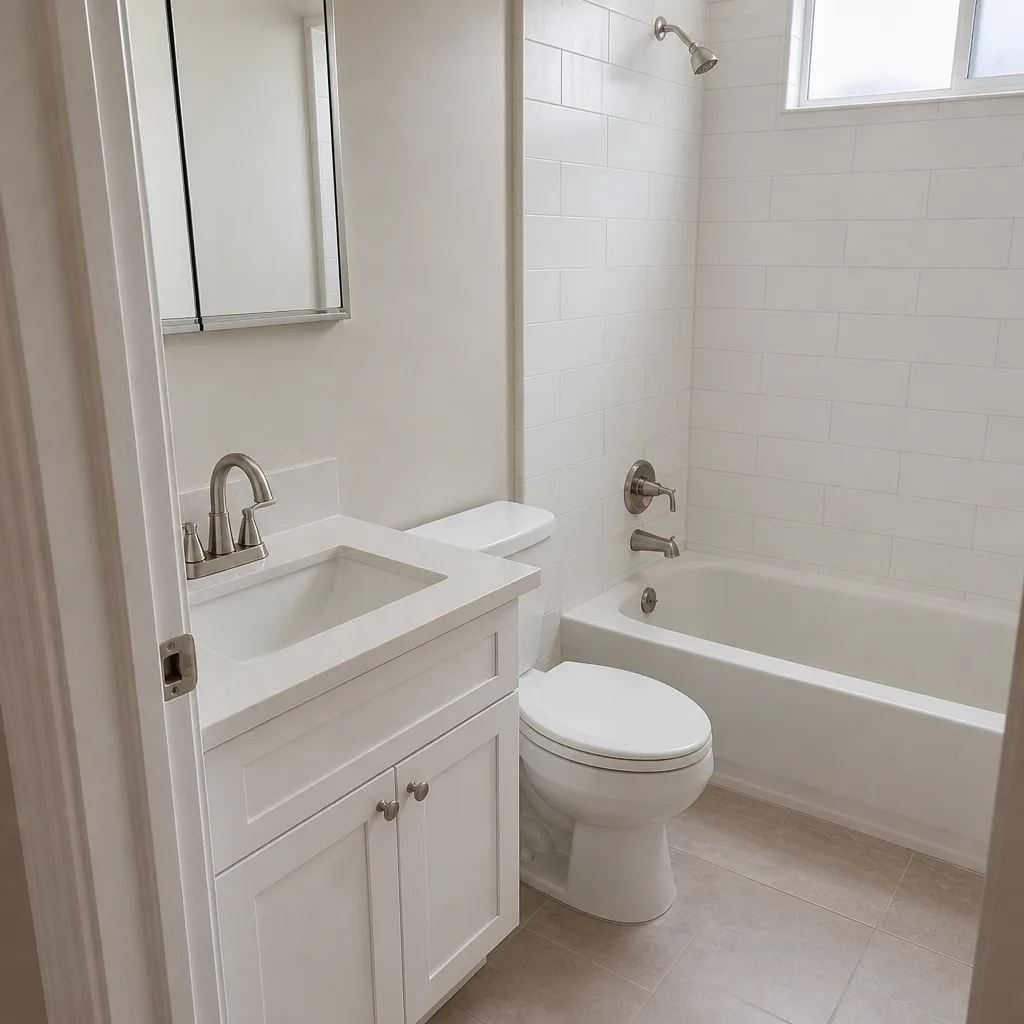 After
Tile vs Vinyl Plank Kitchen Flooring in San Jose: The Answer Depends on What’s Under Your Feet
Choose luxury vinyl plank unless your heart is set on porcelain or ceramic tile for a busy, wet, high-traffic kitchen and you’re willing to pay for a proper substrate prep. For most San Jose kitchens, LVP wins on cost, warmth, and slab forgiveness. But here’s the wrinkle that changes everything: what’s under your existing floor matters more than the surface you pick. If your home was built before 1980, find out whether that old vinyl tile contains asbestos before anyone lays a new floor over it. Call (833) 988-3521 and we’ll help you sort out the sequence.
The Pre-1980 Question That Should Come First
San Jose’s housing stock runs heavily to single-family homes built between the 1950s and 1970s. Many of those kitchens still have their original 9×9-inch vinyl or asphalt tile, and a good share were manufactured with asbestos-reinforced backing. You can’t legally disturb that material without testing it first. Breaking it up with a chisel and a shop vac is exactly the wrong move.
The good news is you usually don’t have to. Under California rules, you can often encapsulate the old tile – leave it intact and install directly over it – rather than abate it. Testing runs a few hundred dollars through a certified lab. Abatement, if the material tests hot and has to come out, can add $500 to $2,500 to the job depending on square footage and access. That line item shifts the cost math for both flooring options, and it’s the part most online comparisons skip entirely.
Here’s where tile and LVP part ways on the encapsulation question. Vinyl plank floats or bonds over an encapsulated substrate fairly cleanly. Porcelain tile doesn’t, because the added tile height plus mortar plus backerboard can push the finished floor up an inch or more – enough to create a trip hazard at the kitchen threshold and force you to rework door clearances. In older Willow Glen and Rose Garden homes, where rooms were expanded piecemeal over the decades, we’ve seen threshold transitions get genuinely tricky. That’s a planning issue, not a dealbreaker, but it needs to be on the table before you buy material.
Slab-on-Grade Comfort: The Winter You Actually Feel
San Jose’s Mediterranean climate stays mild, but the wet winter months make an unheated slab feel colder than the thermometer suggests. A slab floor holds heat poorly in damp weather. Vinyl plank installed with a foam underlayment gives you measurably more warmth underfoot than bare porcelain, and that matters in households with toddlers crawling around or aging parents who feel the cold in their joints.
Summer flips the script. That cool slab becomes a genuine comfort benefit in July and August, and porcelain holds onto it. Tile also handles San Jose’s dry summer dust far better than grout-heavy surfaces generally do, because there’s simply less grout to stain. If you’ve got a young, active family and no strong feelings about underfloor heat, LVP with a quality underlayment is the pragmatic choice. If you want that summer-cool feel and don’t mind the winter chill, tile delivers it.
Seismic Micro-Movement and the Crack-Isolation Spec
This is the technical point that separates a tile floor that lasts from one that fails in three years. Slab-on-grade foundations here experience constant micro-movement from seismic activity. Tile and grout don’t flex. Install porcelain directly on a slab without a crack-isolation membrane and you’re rolling the dice on hairline cracks spreading across your grout lines after the next moderate tremor.
The fix is a crack-isolation membrane – an uncoupling layer that lets the tile float independently of the slab’s movement. It adds roughly $1 to $2 per square foot to the job. Budget tile installers skip it all the time because it’s invisible work and the failure doesn’t show up for a year or two. We won’t install tile on a San Jose slab without it. Vinyl plank doesn’t need it, which is one honest reason LVP comes in cheaper.
An Honest Side-by-Side for a Working Kitchen
Both materials have real strengths. Here’s how they actually compare for a kitchen that gets used hard.
| Factor | Porcelain / Ceramic Tile | Luxury Vinyl Plank |
|---|---|---|
| Durability under heavy traffic | Excellent – PEI rating 4+ outlasts LVP | Good, but wears faster in high traffic |
| Moisture resistance | Excellent (grout needs sealing) | Excellent (waterproof core) |
| Underfoot warmth (winter) | Cold on slab | Warmer with foam underlayment |
| Crack risk on slab | High without crack-isolation membrane | Low – flexes with the slab |
| Maintenance | Grout cleaning, periodic sealing | Damp mop, no grout |
| Refinishable if damaged | Individual tiles replaceable | Not refinishable – plank swap only |
The tradeoff is real in both directions. Porcelain outlasts LVP and shrugs off dropped pans and spilled dishwater without a second thought, but it chips at edges and demands grout maintenance. LVP handles San Jose’s temperature swings with zero grout upkeep, but a deep scratch can’t be sanded out – you replace the plank or live with it.
What This Means for Budget and Timing
Your floor is one piece of the larger kitchen picture. A full kitchen remodel in San Jose runs $16,520 to $53,100, and a small kitchen remodel lands at $10,620 to $23,600. If you’re weighing a broader scope – cabinet installation at $4,720 to $15,340, or a new countertop at $2,360 to $7,670 – it makes sense to plan the floor alongside those decisions rather than after them. Browse our Kitchen Remodeling services to see how flooring fits into the whole scope.
We’ve found that homeowners comparing options here usually benefit from a single coordinated plan rather than piecing it together. Our full Kitchen Remodeling in San Jose approach covers flooring, cabinets, and countertops under one schedule so nothing gets installed out of order.
Common Local Scenarios We Walk Into
- The 1962 ranch with original vinyl tile: Tests positive for asbestos, encapsulates instead of abates, LVP goes down over the encapsulated substrate. Cost stays predictable.
- The Willow Glen bungalow with three added-on rooms: Threshold heights differ room to room, which rules out a thick tile build-up without reworking doors.
- The family that wants tile but skips the membrane: Grout cracks within two years of the next tremor. We insist on the membrane and quote it upfront.
- The elderly-parent household: Winter warmth pushes them toward LVP with a foam underlayment over the summer-cool slab appeal of tile.
Where Groundwork Construction Co. of San Jose Stands
We install both, and we don’t have a horse in this race. Both options are available through our material partners, both are installed by background-checked, uniformed technicians who work slab substrates every week, and both are covered under our 730-Day Done Right Promise – if it isn’t done right, we make it right. Our technicians bring up to 12 years of experience on jobs like this. The choice comes down to how your household actually uses the kitchen and what your budget allows, not which material is easier for us to lay down. Upfront pricing means the number you see is the number you pay, and 0% financing for 18 months plus $1,000 off projects over $10,000 keeps a larger scope within reach.
FAQs
Installed, luxury vinyl plank typically runs less than porcelain or ceramic tile for the same square footage once you factor in substrate prep and the crack-isolation membrane tile requires on a San Jose slab. The bigger variable is asbestos testing and any encapsulation or abatement – a $500 to $2,500 line item that applies to both options equally. Call (833) 988-3521 for an exact quote – estimates are free.
Yes, if your home was built before roughly 1980 and the existing floor looks like original 9×9-inch vinyl or asphalt tile. Those tiles often contain asbestos-reinforced backing, and California rules require testing before any disturbance. Encapsulation is often the right path and lets most vinyl plank jobs proceed without abatement. Call (833) 988-3521 and we’ll help you sequence the testing.
Vinyl plank with a foam underlayment feels warmer on a slab during San Jose’s mild, damp winters. Porcelain tile stays colder in winter but gives you a genuinely cool floor in summer, which some homeowners prefer. For households with young kids or older family members, the winter warmth of LVP usually tips the decision.
Tile cracks because slab-on-grade foundations here experience constant micro-movement from seismic activity, and rigid tile can’t flex with it. A crack-isolation membrane – roughly $1 to $2 per square foot – lets the tile float independently and prevents most grout-line cracking. We won’t install tile without it. Call (833) 988-3521 for a free estimate.
Get a Straight Answer on Your Kitchen Floor
If you’d rather have it looked at than guess from a blog post, Groundwork Construction Co. of San Jose offers a no-pressure assessment in San Jose – we’ll test what needs testing, price both materials honestly, and tell you which one fits your household. Call (833) 988-3521 for a free estimate. Live person, 24/7.
Written by the team at Groundwork Construction Co. of San Jose, serving San Jose, CA.