Free written scope consultation - allowances, timeline, and change-order rules on paper before a single trade is scheduled
Styles & brands we work with
- Kitchen remodeling
- Bathroom remodeling
- Home additions & ADU
- Roofing
- Windows & doors
- Driveway & pavers
- Fence
See the difference
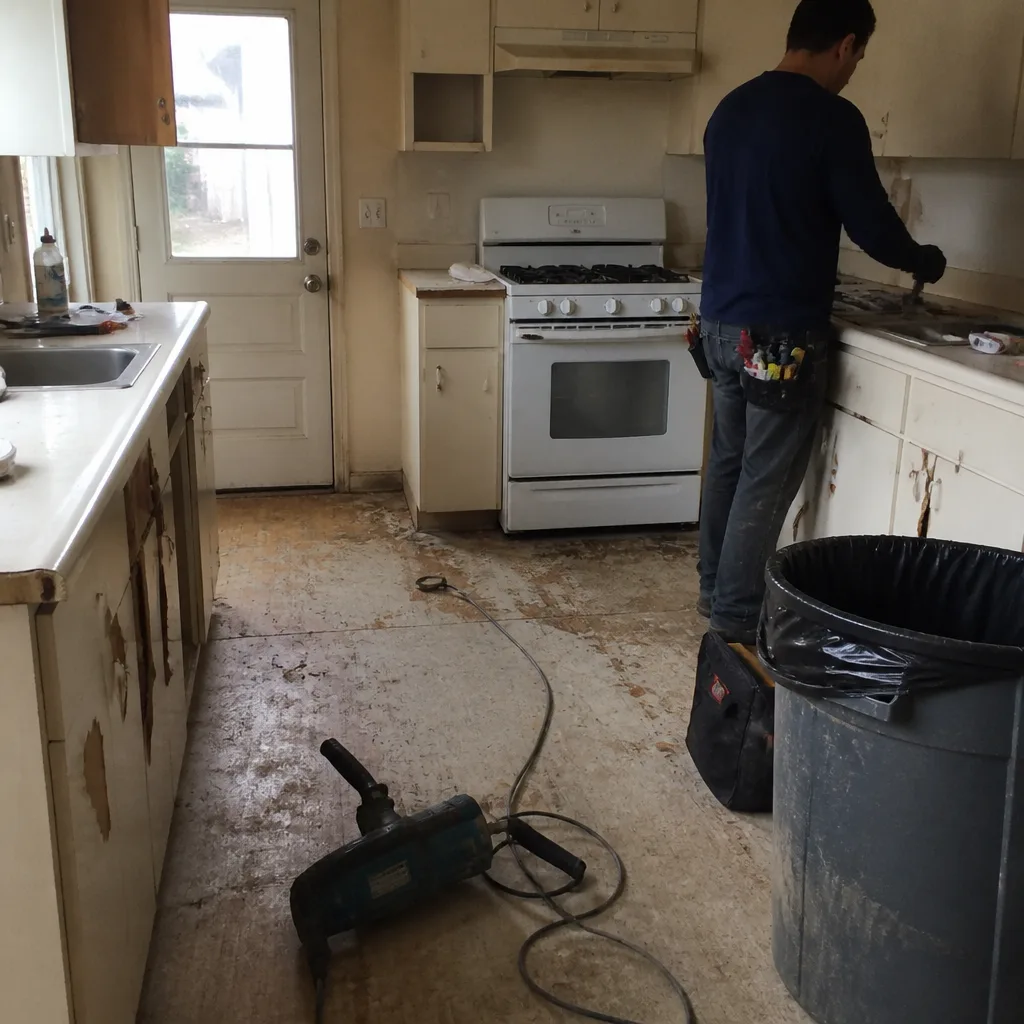 Before
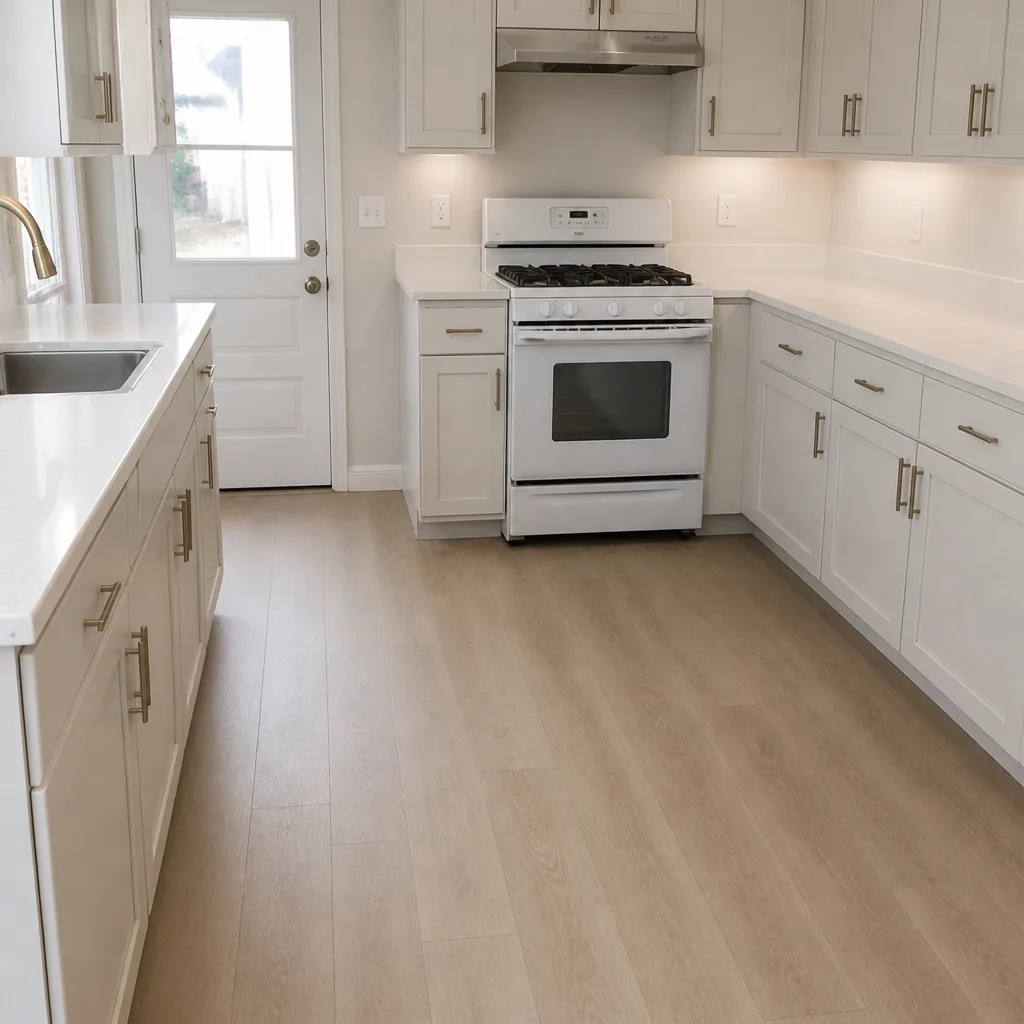 After
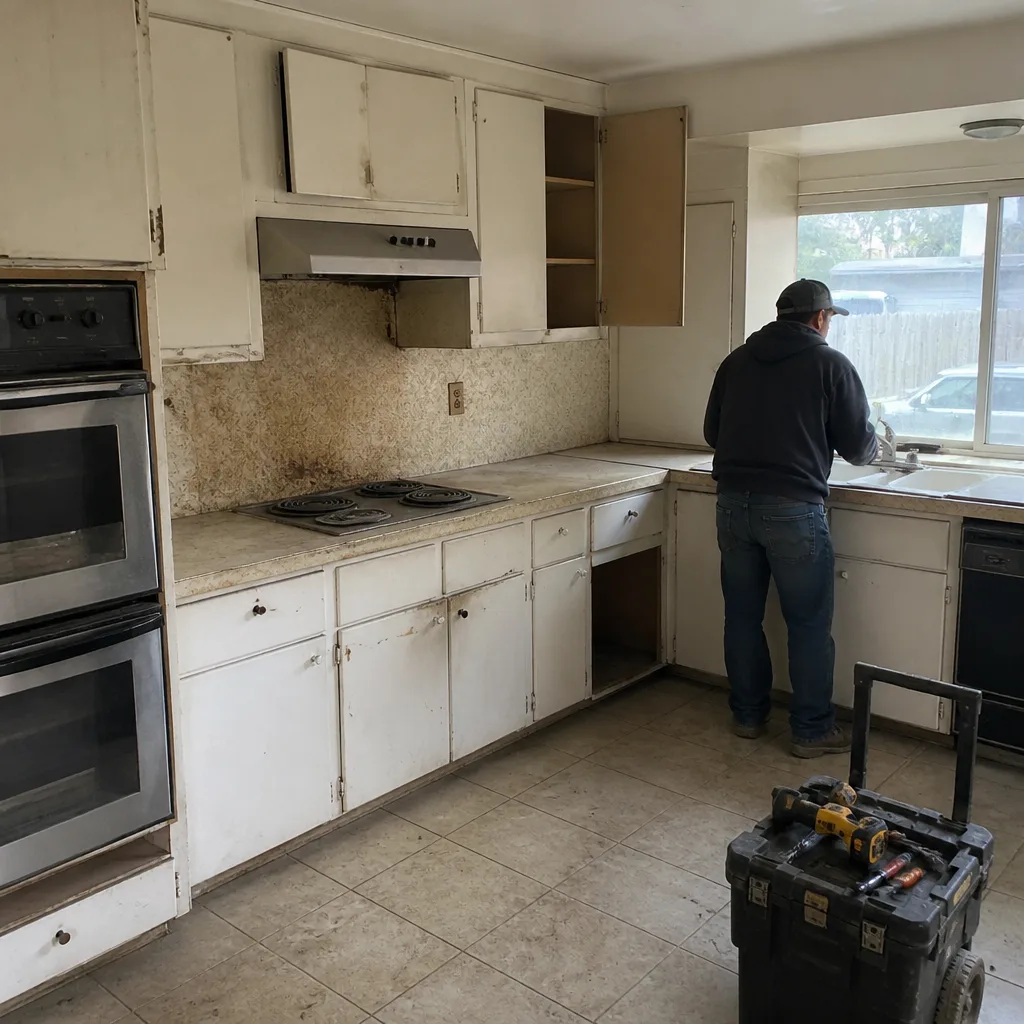 Before
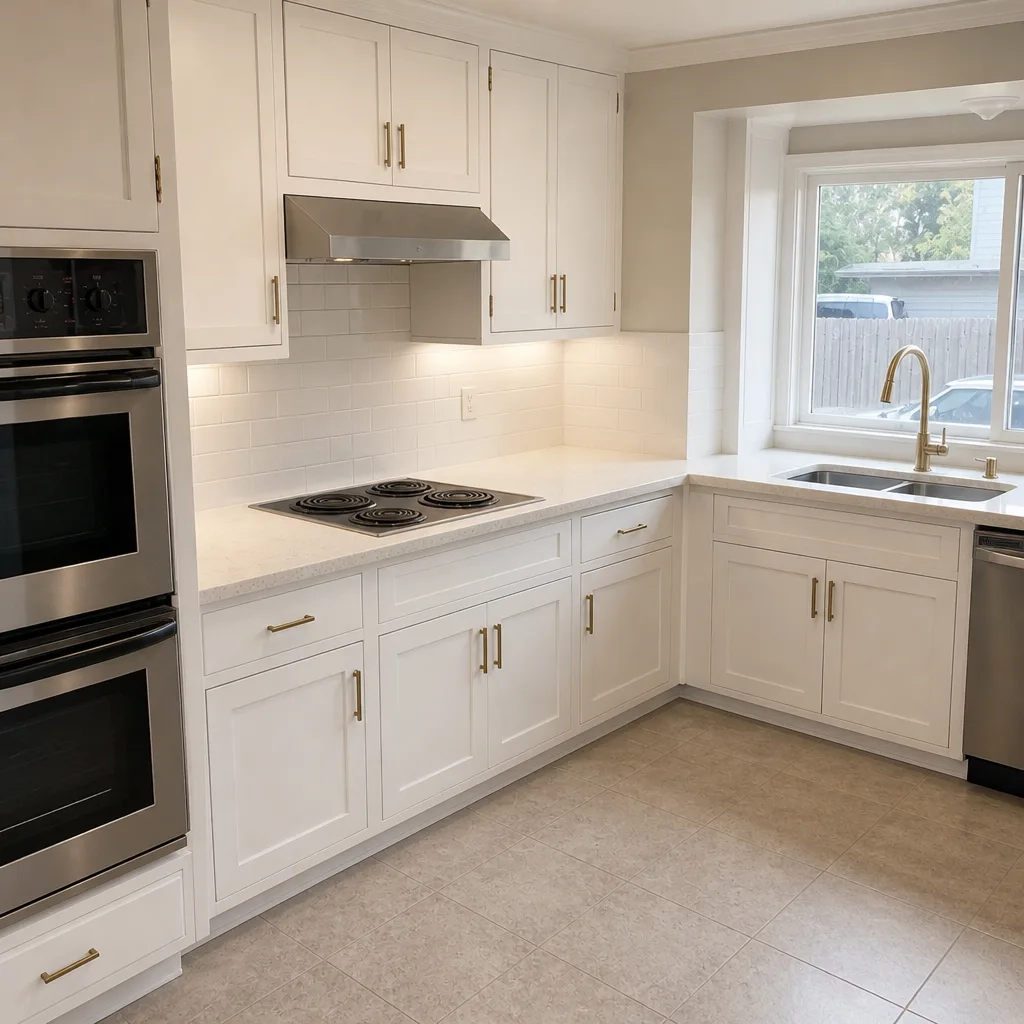 After
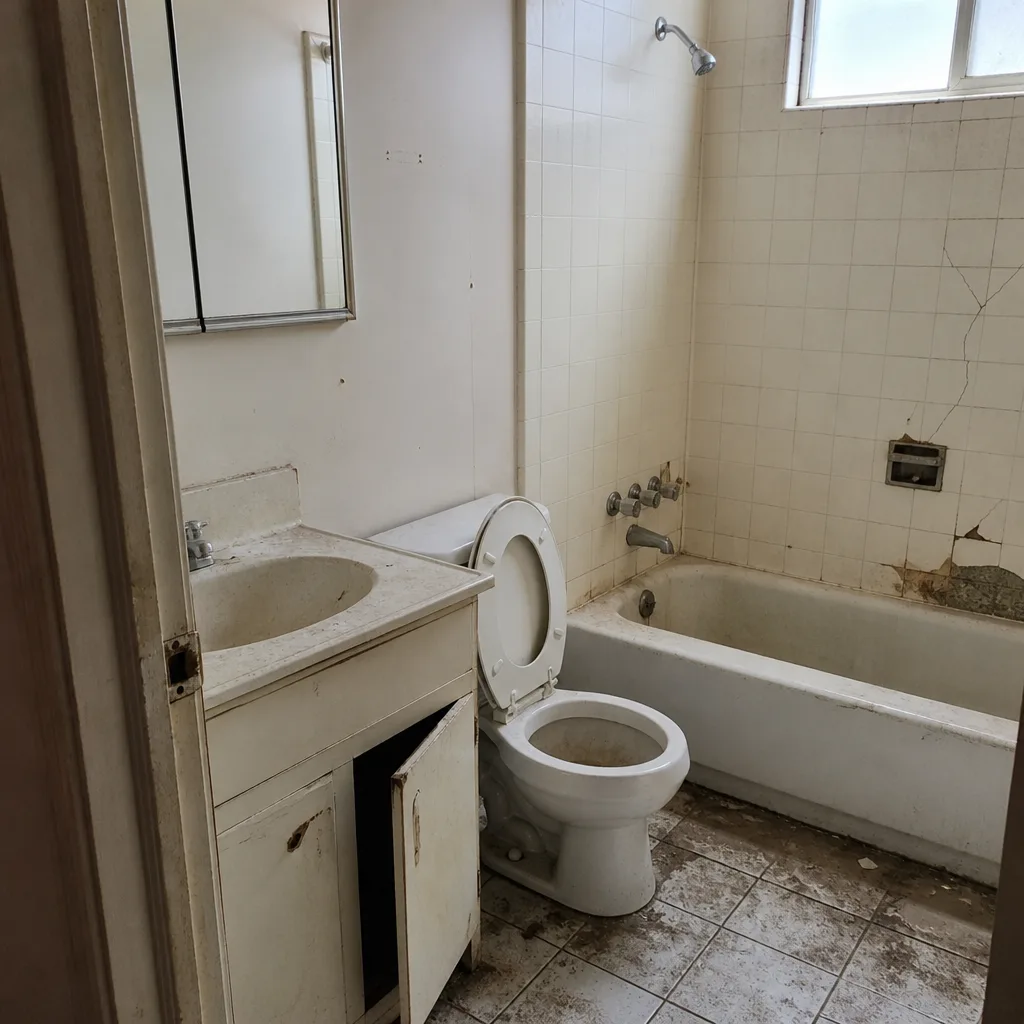 Before
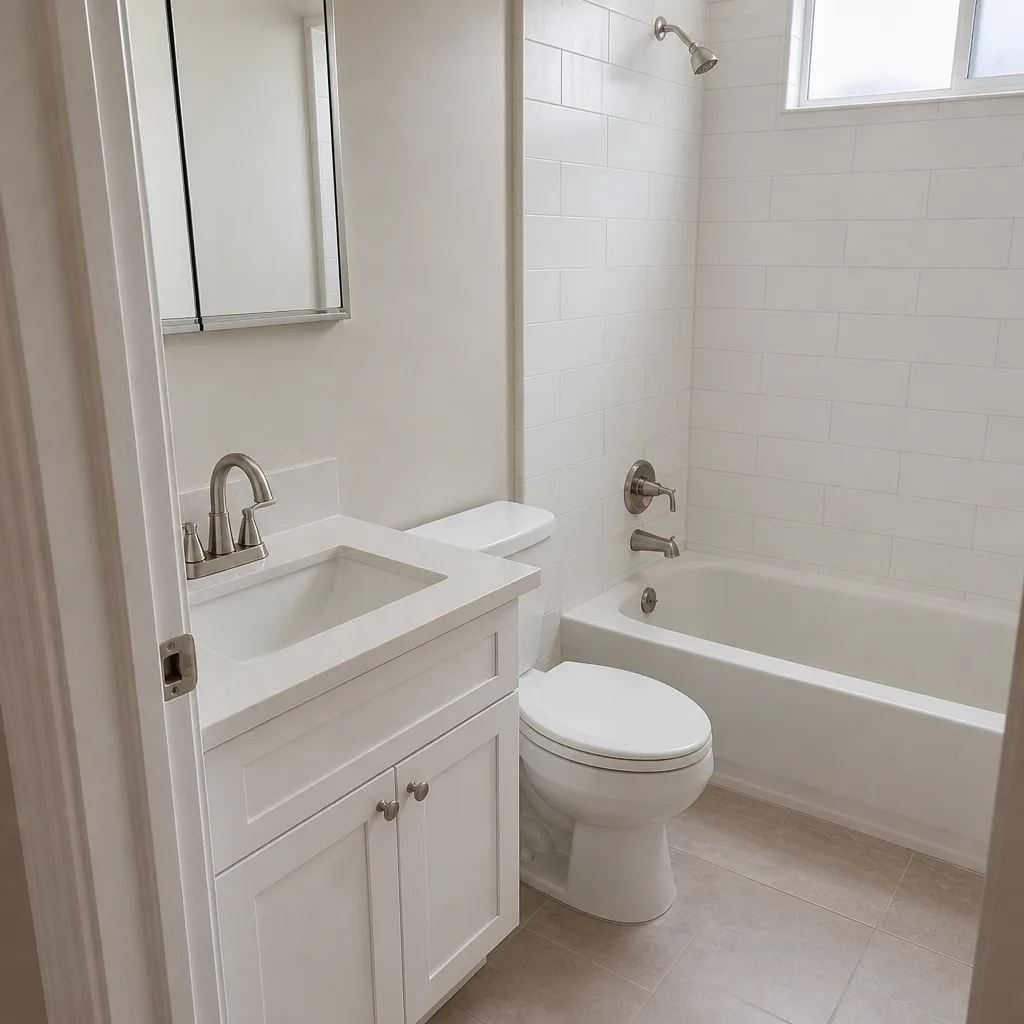 After
Quartz vs Granite Countertops in San Jose, CA: Which Should You Choose?
Choose quartz unless you specifically love the look of natural stone and don’t mind sealing it every year. For most San Jose homes, the Bay Area’s steady low-level seismic activity tips the decision toward quartz: engineered surfaces are resin-bonded and homogenous, while natural granite carries inherent fissures that can spread under repeated stress. You’ll pay more up front for quartz, but it comes with a manufacturer warranty that pairs cleanly with our 730-Day Done Right Promise. Call (833) 988-3521 and we’ll talk through your kitchen, your budget, and your earthquake exposure before you commit to anything.
We’re Groundwork Construction Co. of San Jose, and we’ve set enough countertops in this valley to know the generic online debate misses the two things that actually matter here. Let’s get into both.
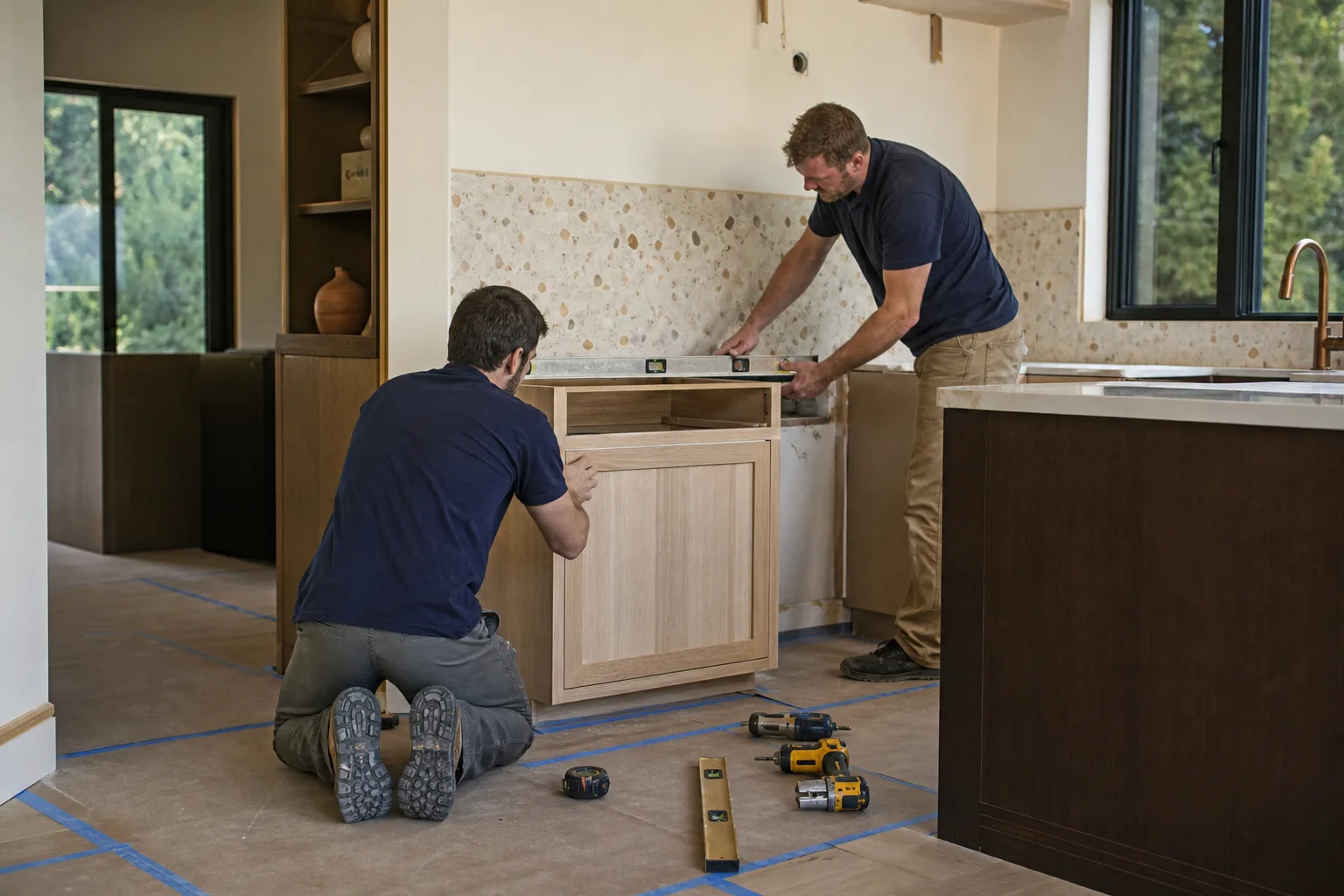
Why Seismic Behavior Matters More Than People Realize
San Jose averages several minor earthquakes a year, and most homeowners never feel them. That’s the point. It isn’t the one big shaker that quietly stresses a countertop – it’s the hundreds of small tremors and micro-movements that add up over a decade of ownership.
Here’s the structural difference in plain terms. Natural granite formed under enormous pressure and cooled with grain boundaries, mineral inclusions, and hairline fissures already baked into the slab. Those are the weakest lines in the material, and repeated low-level vibration can propagate a crack along one. Engineered quartz, by contrast, is ground stone bound in resin and pressed into a slab – it’s homogenous, so it has no natural weak lines to fail along. In a region that moves as often as ours does, that consistency is worth real money over the life of the kitchen.
Cambria, one of the quartz brands we work with, presses its slabs this way and warrants the surface accordingly. If you want the phrase for your own research, ask a fabricator how their slab handles repeated flex and thermal cycling before you sign.
San Jose’s Sun Is Hard on Countertops. Does It Matter Which One You Pick?
Yes – and this is the detail most comparison articles skip entirely. San Jose’s Mediterranean climate means long stretches of intense, dry afternoon sun. Kitchens with south- or west-facing windows get a lot of unfiltered UV through that glass, and prolonged UV exposure is one of the few things that can yellow or fade the resin in a lower-grade quartz product.
So the honest answer isn’t “quartz is immune to fading.” It’s “pick a quartz whose pigments are engineered and warranted against UV.” Cambria’s UV-stable pigments are warranted against sunlight fading, which is exactly the spec you want in a sunny San Jose kitchen. Granite, being stone all the way through, won’t fade – but it has the fissure problem on the other side of the ledger. Neither material is perfect; you’re choosing which failure mode you can live with, and in this climate, a UV-warranted quartz covers the gap.
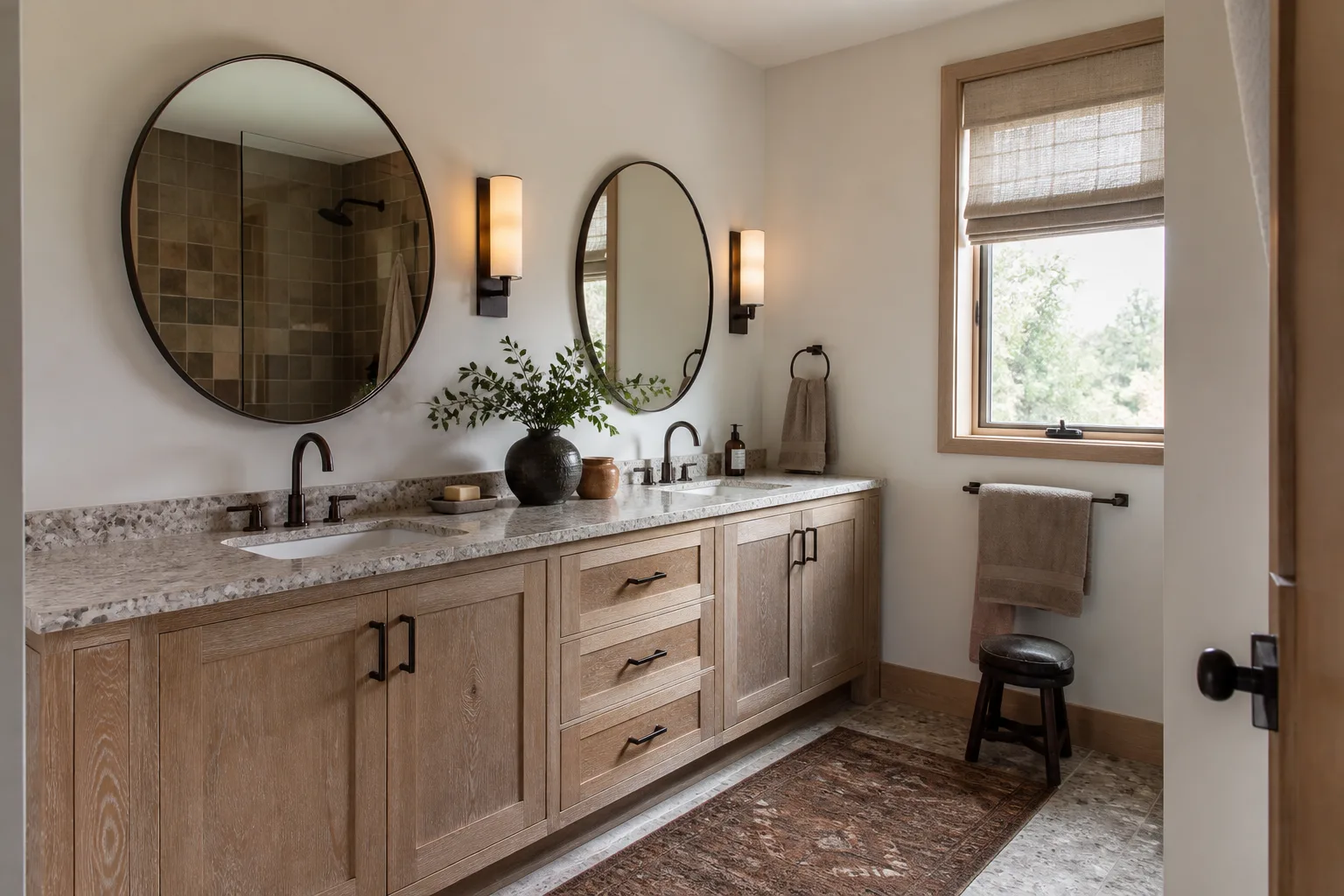
What Do Quartz and Granite Cost in San Jose?
Prices below are installed, so they include the slab, fabrication, and your countertop installation labor. Granite lands materially cheaper up front; quartz buys you the warranty and the structural consistency.
| Material | Installed cost per sq ft (San Jose) | Sealing needed | UV fading risk | Seismic fracture risk |
|---|---|---|---|---|
| Natural granite | $55-$110 | Annual | None (solid stone) | Higher (natural fissures) |
| Cambria quartz | $80-$130 | None | Low (UV-stable pigments, warranted) | Lower (homogenous slab) |
For a typical San Jose kitchen, that premium is real but bounded. If you’re budgeting a full kitchen remodel, our Kitchen Remodeling in San Jose work generally runs $16,520-$53,100 depending on scope, and a countertop swap alone sits at $2,360-$7,670. The difference between an $85 granite slab and a $115 quartz slab rarely breaks a budget – it’s a few hundred dollars on a mid-size kitchen, not thousands. And because quartz pairs a manufacturer warranty with our 730-Day Done Right Promise, you’re getting two layers of documented coverage instead of one.
The “Natural = Better for Resale” Argument Doesn’t Hold in the Bay Area
Listings data from Zillow and Redfin has consistently shown quartz countertops in Bay Area homes drawing equal or stronger buyer interest than granite. The reason is maintenance: buyers know quartz needs nothing beyond soap and water, while granite carries an annual sealing chore they inherit. When a buyer is comparing two otherwise similar Willow Glen kitchens, the quartz one reads as “nothing to fix” and the granite one reads as “add it to the list.”
That matters in a market as competitive as San Jose’s, where a single-family home is a serious investment and buyers scrutinize every maintenance item. Granite isn’t a resale penalty – it’s just not the differentiator some sellers assume it is.
What Does Maintenance Actually Look Like Over 10 Years?
Granite needs an annual penetrating sealer to resist staining, and it matters more here than in most cities. Bay Area home cooking leans on olive oil, red wine, and acidic ingredients – all of which etch or stain unsealed granite given enough time. Over a 10-year ownership window, that’s ten sealing sessions and ten chances for a stain that sets before you notice it.
Quartz needs nothing but a damp cloth. No sealing, no resealing, no special cleaners. Set a wine glass down, wipe it up, move on. For a household that cooks and entertains regularly, that’s the single biggest day-to-day difference between the two, and it’s the one nobody mentions in the showroom.
A Few San Jose Realities Before You Pick a Slab
- Older homes hide surprises. In Willow Glen and the Rose Garden, original 1940s-50s homes have often been expanded piecemeal over decades without permits. Before we set a new countertop, we reconcile what’s actually under the old one – illegal wiring, unpermitted cabinet runs – because the city’s code enforcement will flag it during a later remodel otherwise.
- Permitting shapes the timeline. San Jose pairs sprawling low-rise neighborhoods with dense new urban villages, and its planning review is among the more complex in the country. Countertop swaps usually don’t trigger permits; a full kitchen reconfigure often does, and that changes your schedule.
- Season sets the job. Every countertop install is interior work, so our mild wet winters won’t delay it the way they delay exterior projects. Summer heat still means dust control and careful site management on active job days.
- Housing stock varies block to block. A postwar tract home and a new mid-rise unit have wildly different cabinet dimensions, substrate conditions, and compliance needs. We measure each one on site rather than trusting a template.
For the full scope of what a countertop decision sits inside, our home services overview and the Kitchen Remodeling service walk through how cabinets, backsplash, and countertop choices tie together.
Frequently Asked Questions
Quartz is generally the better default for San Jose kitchens because its homogenous, resin-bonded slab handles the region’s regular minor seismic movement more predictably than granite’s natural fissures, and it needs no sealing. Granite is the right choice if you love the look of natural stone and don’t mind annual sealing. Call (833) 988-3521 for a free estimate on either.
Installed granite runs $55-$110 per sq ft in San Jose, while Cambria quartz runs $80-$130 per sq ft. The quartz premium is real but modest on a typical kitchen – a few hundred dollars for most homeowners. Call (833) 988-3521 for an exact quote, and remember we take $1,000 off projects over $10,000.
Lower-grade quartz can yellow or fade with prolonged UV exposure, and San Jose’s intense afternoon sun through south- and west-facing kitchen windows is exactly the condition that causes it. Cambria quartz uses UV-stable pigments and warrants against sunlight fading, so ask about the warranty before you buy. We’ll walk you through the spec on a no-pressure assessment.
Yes – granite needs an annual penetrating sealer to resist stains, and it matters in Bay Area kitchens where olive oil, wine, and acidic cooking are common. Quartz needs only soap and water, with no sealing at all. Call (833) 988-3521 if you’re deciding which trade-off fits your household.
Ready to Decide? Start With a Conversation, Not a Sales Pitch
If you’d rather have your kitchen looked at than google your way to a decision, Groundwork Construction Co. of San Jose offers a no-pressure assessment in San Jose. We’ll measure the space, show you real slab options, and quote a flat number up front – no surprises. Call (833) 988-3521 to book your free estimate and design consult.
Written by the team at Groundwork Construction Co. of San Jose, serving San Jose, CA.