Last updated November 18, 2026
Free written scope consultation - allowances, timeline, and change-order rules on paper before a single trade is scheduled
The Complete Windows & Doors Guide for San Jose Homeowners
Here’s a fact that surprises most San Jose homeowners: the window that wins awards in Minnesota is often the wrong window for your house. National window marketing is built around heating-dominated climates, where trapping heat is everything. San Jose isn’t that climate. Our challenge is the opposite – keeping afternoon sun out, cutting glare, and stopping heat gain in September, not February. Buy a window engineered for a Minneapolis winter and you can end up with a product that underperforms on the things that actually make a San Jose house comfortable.
This guide is calibrated to San Jose specifically: our microclimates, California Title 24, and the housing stock you actually find across Almaden Valley, Willow Glen, and the East Foothills. You’ll learn how to read efficiency numbers the right way, which brands have real track records here, how each housing era takes a different window, what pulls a permit, and where DIY ends and a licensed pro begins.
Quick Answer
The right window for a San Jose home is one chosen for heat gain and glare, not for a cold-climate winter. That means prioritizing a low Solar Heat Gain Coefficient (SHGC) on west- and south-facing glass, using Title 24’s climate-zone targets for San Jose, and matching the window configuration to your home’s structural era rather than to a national ad campaign. For most San Jose replacements, that points toward established Northern California performers over products optimized for other regions.
Table of Contents
- Why Cold-Climate Windows Fail in San Jose
- Title 24 Compliance: What Triggers a Review in San Jose
- Reading San Jose’s Microclimates: SHGC and U-Factor by Neighborhood
- Which Window and Door Brands Hold Up in Northern California
- Matching Windows to San Jose’s Housing Eras
- Permits for Windows and Doors in San Jose
- Doors: Entry, Patio, and the Foothill Wind Problem
- What to Check Before You Replace Anything
Why Cold-Climate Windows Fail in San Jose
Walk into a big-box window aisle and you’ll see the same products sold coast to coast. The marketing leans on U-factor and “winter efficiency,” because most of the country heats more than it cools. San Jose sits in a mild, cooling-dominated climate. Our design days swing from cool mornings in the 40s to afternoon highs in the 80s and 90s, and summer sun loads a west-facing window for hours. A window tuned only to trap heat does the opposite of what your house needs on a hot September afternoon.
The numbers that matter most for San Jose homes:
- Solar Heat Gain Coefficient (SHGC): How much solar heat passes through. Lower means less heat gain. For west- and south-facing glass in San Jose, this is your first priority.
- U-factor: How well the window resists heat flow. Still relevant for cool winter mornings, but less dominant here than in cold markets.
- Visible Transmittance (VT): How much daylight gets through. You want this high enough that low-SHGC glass doesn’t make rooms gloomy.
- Air leakage and frame material: Vinyl, fiberglass, wood-clad, and aluminum-clad frames behave differently through our hot-cold daily swings.
Where this really shows up in our experience is comfort complaints. Homeowners in San Jose call us because the west side of the house cooks all afternoon, or the front room is bright but unbearable by 4 p.m. That’s not a “bad window” in the abstract – it’s a window chosen for the wrong climate. The fix is calibration, not brand loyalty. And it starts with reading efficiency labels against our climate zone, not against a national brochure.
Title 24 Compliance: What Triggers a Review in San Jose
California’s Title 24 energy code governs window replacements, and how much paperwork you face depends entirely on the scope. A like-for-like swap of glass in the same opening is treated differently than a change in size, operability, or the total glazed area of the home. Understanding that line saves San Jose homeowners weeks of delay and surprise fees.
Here’s how a typical replacement flows, and where the compliance gate sits:
- Identify the scope. Same size, same location, same operation (a slider for a slider, a fixed pane for a fixed pane) is the simplest case.
- Check for size or operation changes. Widening an opening, adding a new window, converting a fixed window to an operable one, or changing a window to a door moves you into a scope that typically requires additional plan review.
- Determine the compliance path. San Jose projects are measured against the climate-zone targets for the area, with prescriptive or performance approaches available depending on the project.
- Confirm product ratings meet the targets. The window you buy must carry a certified label (National Fenestration Rating Council, or NFRC) showing its SHGC and U-factor, and those numbers have to satisfy the code path you’re using.
- Pull the permit and schedule inspection. Replacement windows require a permit in San Jose; the inspection confirms installation and ratings match what was submitted.
Two things trip people up. First, because San Jose reaches into more than one climate zone depending on where you are relative to the bay and the hills, a window that satisfies the code in one part of the city isn’t automatically the ticket in another – the compliance review keys off the address. Second, whole-house glazing limits apply when you replace a large share of windows at once, which can turn several “simple swaps” into a project that needs a performance calculation. This is exactly where a professional who works in San Jose regularly earns their keep. Getting the compliance path right the first time is the difference between a clean inspection and a re-submittal.
Reading San Jose’s Microclimates: SHGC and U-Factor by Neighborhood
San Jose isn’t one climate. It’s a patchwork, and the window that’s ideal on one block can be a compromise a few miles away. If a guide gives you one recommendation for “San Jose,” it’s guessing. Here’s how the major zones behave and what that means for your glass.
Almaden Valley
Warmer summer daytime highs and long sun exposure, especially on south- and west-facing walls. This is a zone where a lower SHGC is worth the money. Homeowners in Almaden Valley with big afternoon sun should favor strong heat-gain control on the exposed elevations and can accept a higher U-factor because winter cold is mild.
Willow Glen
Mature tree canopy moderates sun load, but west-facing glass on older homes still takes a beating late in the day. Willow Glen homes often balance low SHGC on exposed walls with more visible light on shaded sides, so rooms don’t turn cave-like under the trees.
East Foothills
More temperature swing, more wind exposure, and real sun. East Foothills homes benefit from a solid all-around window: heat-gain control plus better air-leakage performance and sturdier frames, because wind sneaks past cheap sashes and cheap seals.
Cambrian, Blossom Valley, and the Central City
More moderate, but urban heat and afternoon glare still argue for measured SHGC and good VT. Downtown and midtown condos often deal with street noise as much as heat, which points toward tighter frames and quality glazing assemblies.
The takeaway: bring your address and your orientation to the conversation. An east-facing window and a west-facing window in the same San Jose house can justify different glass. Sorting that out per elevation is how you avoid paying for performance you don’t need, or missing the performance you do.
Which Window and Door Brands Hold Up in Northern California
Brand matters, but not the way the ads imply. The question isn’t “who makes the best window in America” – it’s “whose window performs and lasts under Northern California conditions.” Our curated partners include Andersen and Pella because both have deep, established track records in this market, with product lines and service networks that hold up when something needs attention. That reputation-in-place matters as much as the spec sheet.
What separates a good Northern California performer from a national product optimized elsewhere:
- Frame stability through daily thermal swing. Mild mornings to hot afternoons stress frames and seals. Products engineered in and for mild Western climates handle that cycle better.
- Glazing options calibrated to cooling. The best brands offer a range of SHGC values and coatings so you can tune each elevation, rather than forcing one “efficient” glass on every window.
- Local parts and service reality. A brand with real Northern California support means hardware, screens, and replacement parts are actually obtainable years down the road.
- Door systems matched to exposure. Entry and patio doors in windy foothill exposures need hardware and weatherstripping that hold up to wind-driven rain and dust, not just cold.
We keep the brand conversation honest. You don’t need the most expensive line in the catalog to get a great San Jose window. You need the right glass for your elevation, a frame built for our climate, and a brand that will still support the product a decade from now. That’s the filter we apply before we ever talk price.
Windows are one piece of a bigger envelope. If you’re also addressing the outside of the house, our team handles Groundwork Construction Co. of San Jose home projects from foundation to finish line, so the window work ties into the rest of the plan instead of fighting it.
Matching Windows to San Jose’s Housing Eras
San Jose’s housing stock spans distinct eras, and each one wants a different window configuration. Replacing windows without understanding the wall they sit in is how you get drafts, leaks, and a product that never quite fits. Here’s the era-by-era breakdown.
1950s and 1960s Ranch Homes
Simple wall assemblies, often original single-pane aluminum or wood windows, and generous west- and south-facing glass in living rooms. These homes respond well to full-frame replacement with a properly flashed rough opening, low-SHGC glass on the exposed walls, and attention to the original framing, which can be uneven after decades of settling.
1970s Tract Homes
Built fast, often with thin stucco and aluminum sliders. The window openings can be inconsistent, so measuring matters more here than anywhere. These homes usually want careful like-for-like sizing, upgraded glazing for heat control, and better air sealing around the frame because the original installs weren’t always tight.
1990s Stucco Homes
Modern stucco with a weather-resistive barrier behind it. Window replacement here needs careful detailing around the stucco to keep the drainage plane intact. Get that wrong and you invite moisture problems into a wall assembly that can hide them. This is a job where experience with San Jose stucco pays for itself.
Newer and Infill Construction
Newer homes often already have decent dual-pane windows, so upgrades tend to be targeted: one hot west elevation, a failing slider, or a front door that leaks air. Here the smart move is often selective replacement rather than whole-house, tuned to where the comfort gaps actually are.
If your project grows into an addition or an ADU, the window decisions get layered into a larger envelope plan. We cover that in our Home Additions & ADU in San Jose guide, where glazing choices fold into the overall energy design.
Permits for Windows and Doors in San Jose
Window and door replacements require permits in San Jose, and the permit process is where a lot of well-meaning DIY projects stall. The scope of your project determines how much review you face. Understanding the triggers up front keeps the job moving.
What generally drives the permit and review path:
- Like-for-like replacement: Same size, same location, same operation. The most straightforward path, but still requires a permit and NFRC-labeled product that meets code.
- Size or location changes: A larger opening, a new window, or a moved opening typically requires plan review and may involve structural or framing considerations.
- Operation changes: Fixed-to-operable conversions and window-to-door conversions get more scrutiny.
- Large glazing-area changes: Replacing a big share of a home’s glazing can trigger a performance-based compliance path.
In our experience, the permit is the easy part when the scope is clear from day one. It becomes expensive when a homeowner replaces first and discovers later that the code path required a different product, or that an unpermitted change creates a problem at resale. Pulling the permit, submitting the right ratings, and passing inspection is the whole point of hiring a professional who does this in San Jose routinely. The number you see for the project should include that work, and it should stay the number you pay. Upfront pricing, no surprises, is a standard we hold to on every job.
Doors: Entry, Patio, and the Foothill Wind Problem
Doors get less attention than windows, but they’re where San Jose homes leak the most air and lose the most security. A front door that doesn’t seal is a draft, a noise problem, and an energy penalty rolled into one. Patio doors are their own story, especially in homes that face open space or the foothills.
What to weigh for San Jose doors:
- Entry doors: Solid core or insulated construction, a properly adjusted threshold, and quality weatherstripping. In windy foothill exposures, cheap weatherstripping fails within a couple of seasons.
- Patio and sliding doors: Rollers, tracks, and seals take the wear. A slider that drags or won’t latch is often a hardware and alignment fix, not a full replacement – worth diagnosing before you spend.
- Material exposure: Wood, fiberglass, and steel-clad doors age differently under our sun and dry summers. Choose for maintenance reality, not just looks.
We’ve seen plenty of San Jose homes where the windows were upgraded but the doors were left leaky, and the comfort gains never materialized. Treat the envelope as a system. A great window on one wall and a drafty door on another is a half-finished job. Our curated brand partners include names like Andersen and Pella for doors too, so the same quality standard carries through the whole envelope.
What to Check Before You Replace Anything
Before you sign anything, run a simple diagnostic on your existing windows and doors. Sometimes the honest answer is “you don’t need new windows yet,” and we’d rather tell you that than sell you a replacement you didn’t need. Here’s a practical sequence.
- Check for failed seals on dual-pane glass. Fogging, condensation between the panes, or a hazy film means the seal failed. That’s a replacement, not a repair.
- Look for air leaks. On a breezy day, run your hand around frames, sashes, and door edges. Feel for drafts. Candle smoke can help locate them.
- Test operation. Windows and doors that stick, drag, or won’t latch are telling you about frame movement, settling, or worn hardware.
- Observe the sun. Note which windows take the most afternoon sun and which rooms are hottest at 4 p.m. That’s your priority list.
- Check for moisture and rot. Soft wood, peeling paint at sills, or stains around the frame point to water intrusion that needs to be addressed with the replacement.
If you get through that and you’ve got failed glass, drafts, or heat you can’t live with, replacement is worth pricing. If the windows are tight and you’re just chasing a hot room, sometimes solar shading or a targeted single-elevation swap does the job for a fraction of a whole-house project. Diagnose first, spend second.
Common Mistakes to Avoid
- Buying on U-factor alone. The lowest U-factor wins in cold markets; in San Jose, it can mean you paid for winter performance you’ll never use and ignored the SHGC that actually controls your comfort.
- Treating San Jose as one climate. Almaden Valley and Willow Glen don’t want identical glass. Choosing one spec for the whole house leaves comfort and money on the table.
- Skipping the permit to “save time.” Unpermitted window work in San Jose becomes a problem at resale and can force a tear-out. The permit is not the expensive part.
- Ignoring stucco detailing on 1990s homes. A frame swap that breaks the drainage plane invites hidden moisture damage. Detail it right the first time.
- Buying a national brand with no local support. A window you can’t get parts or service for years later is a window you’ll regret, however good the spec sheet looked.
- Replacing windows but leaving leaky doors. The envelope is a system. Half-upgrading it leaves you with the same comfort complaints.
- Letting a size change slip through as a “simple swap.” Widening an opening without the right review is a fast track to inspection problems.
Styles & brands we work with
- Kitchen remodeling
- Bathroom remodeling
- Home additions & ADU
- Roofing
- Windows & doors
- Driveway & pavers
- Fence
When to Call a Professional
Call a professional before you buy or install when any of these apply: glass has failed and fogged between the panes; frames won’t operate or latch; you’re changing a window’s size, location, or operation; your home is stucco and the frame seal matters; you’re unsure which Title 24 compliance path your address requires; or the project touches several windows at once and could trigger a performance calculation. Each of these has a code and installation dimension that’s easy to get wrong and expensive to fix. Our technicians have up to 12 years of experience, and the local pros in our network are licensed and insured as their state requires, with the work backed by our 730-Day Done Right Promise – if it’s not done right, we make it right. Groundwork Construction Co. of San Jose offers free estimates in San Jose – call (833) 988-3521.
Frequently Asked Questions
The best windows for San Jose prioritize low Solar Heat Gain Coefficient on west- and south-facing glass, moderate U-factor for mild winters, and high enough visible transmittance to keep rooms bright. Glass should be tuned per elevation to your neighborhood’s microclimate rather than chosen from a single national spec. Call (833) 988-3521 for an exact recommendation for your address – estimates are free.
Yes, window replacements in San Jose require a permit, and the review path depends on scope. Like-for-like swaps are the simplest case; size, location, or operation changes typically require additional plan review. The product must carry NFRC ratings that meet the code targets for your address. A professional who works in San Jose routinely will pull the permit and manage inspection as part of the job.
Title 24 is California’s energy code, and it sets efficiency targets your replacement windows must meet in San Jose. It matters because the wrong product or an unreviewed scope change can fail inspection or force a re-submittal. Confirm your windows carry certified SHGC and U-factor ratings before purchase.
Window replacement pricing in San Jose depends on the number of openings, frame material, glass package, and whether the scope is like-for-like or requires plan review. Because the compliance path and product specs vary by address, the only honest number is a written, line-item quote after an on-site look. Call (833) 988-3521 to schedule your free estimate – the number you see is the number you pay, with 0% financing for 18 months available.
It can, which is why configuration and frame choice matter. Matching the window style and proportions to your home’s era keeps the exterior consistent. On stucco homes, careful detailing around the frame also protects the look and the wall behind it. A professional reviews elevation and style before ordering product.
Sometimes, but it depends on the window. If the frame, sashes, and seals are sound and only the insulated glass unit has failed, a glass-only replacement is possible. If the frame is drafty, sticking, or the wall assembly needs work, full-frame replacement usually serves you better long term. A diagnostic first keeps you from overspending.
See the difference
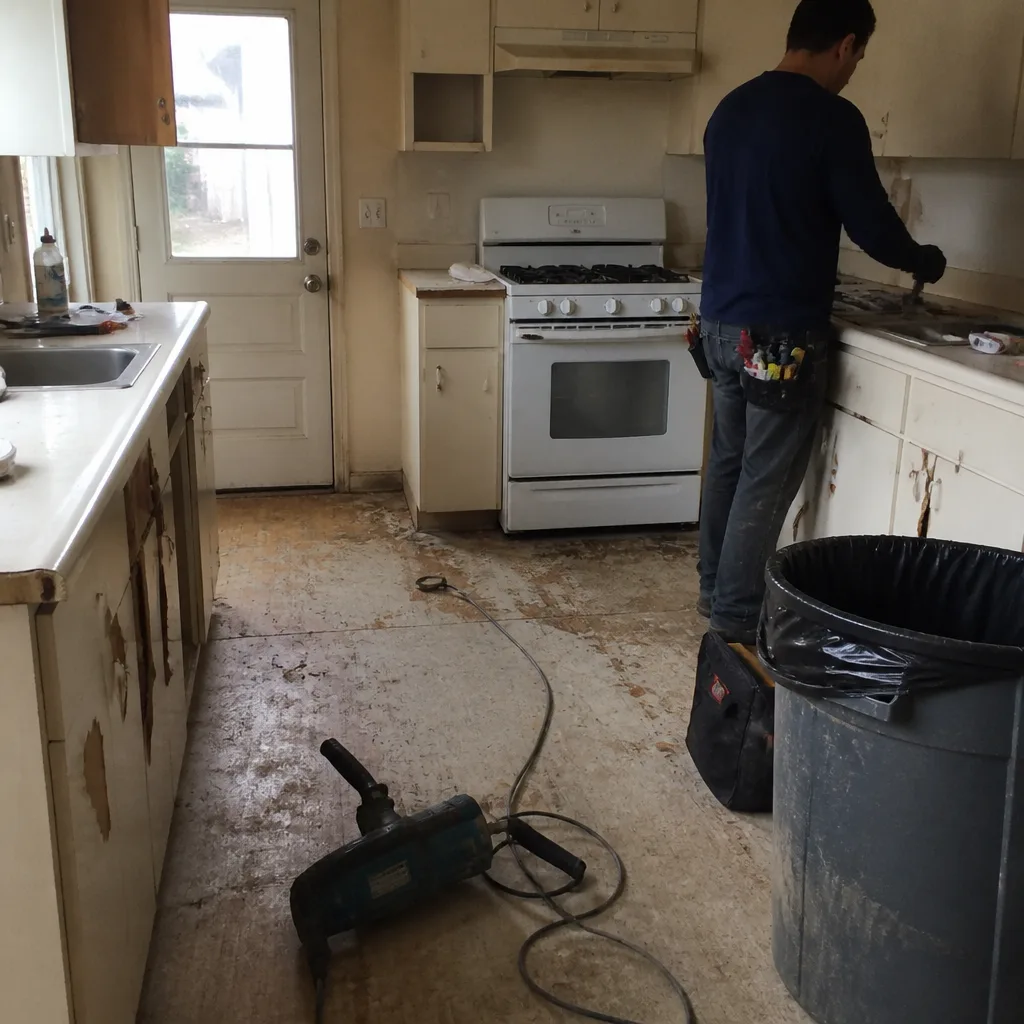 Before
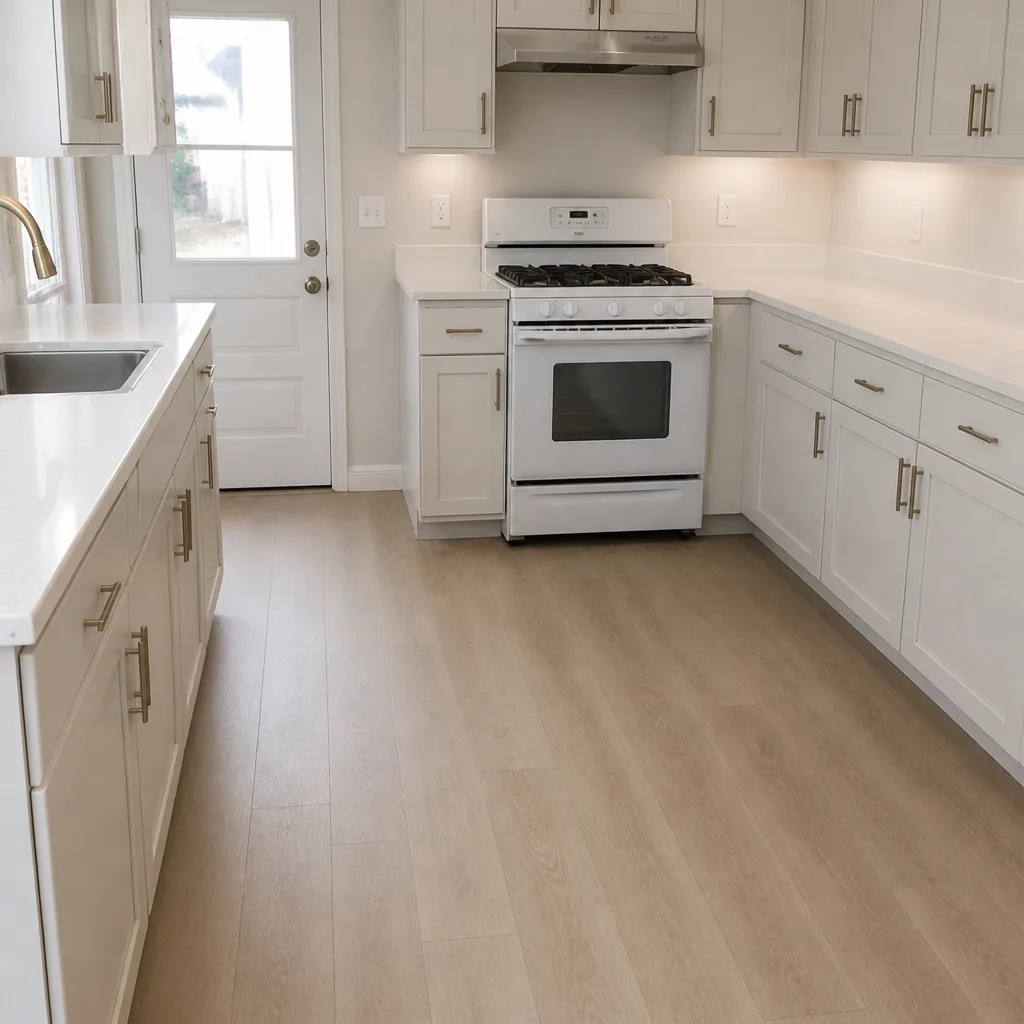 After
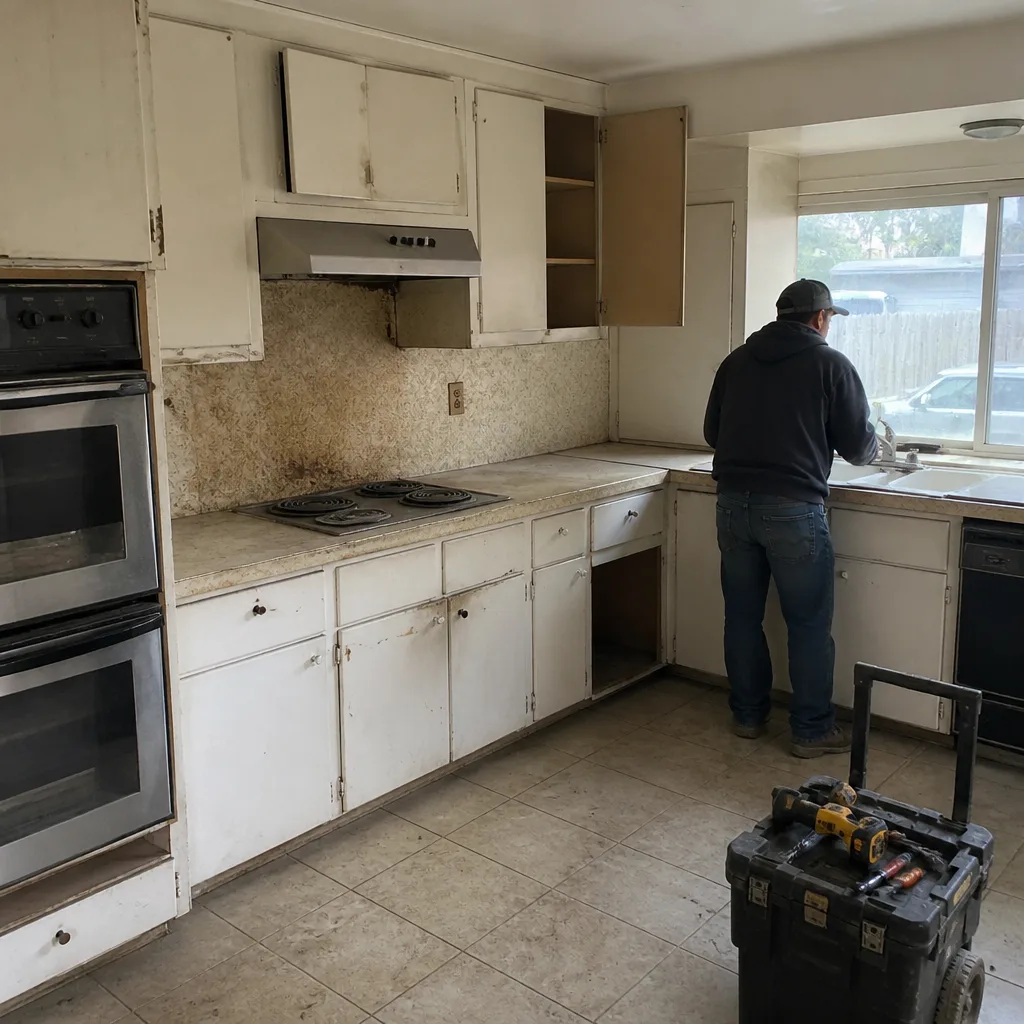 Before
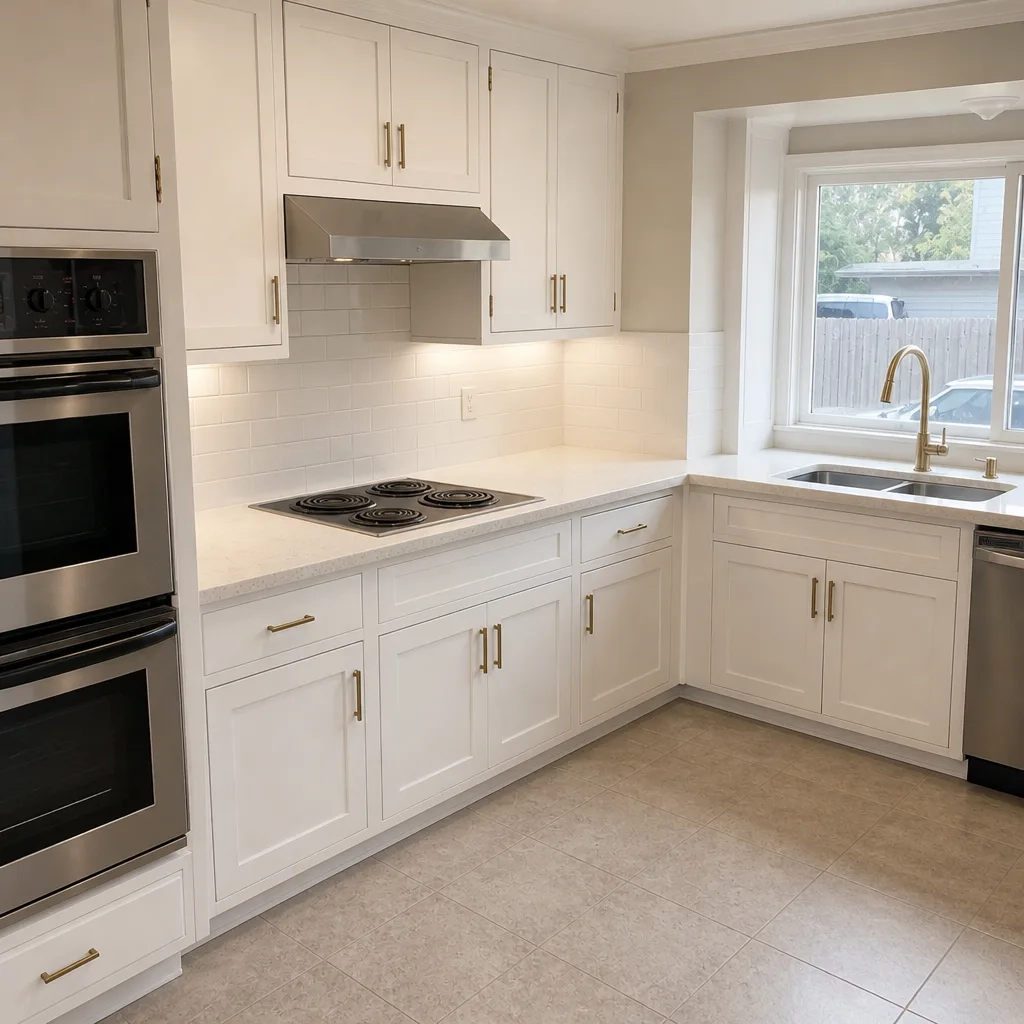 After
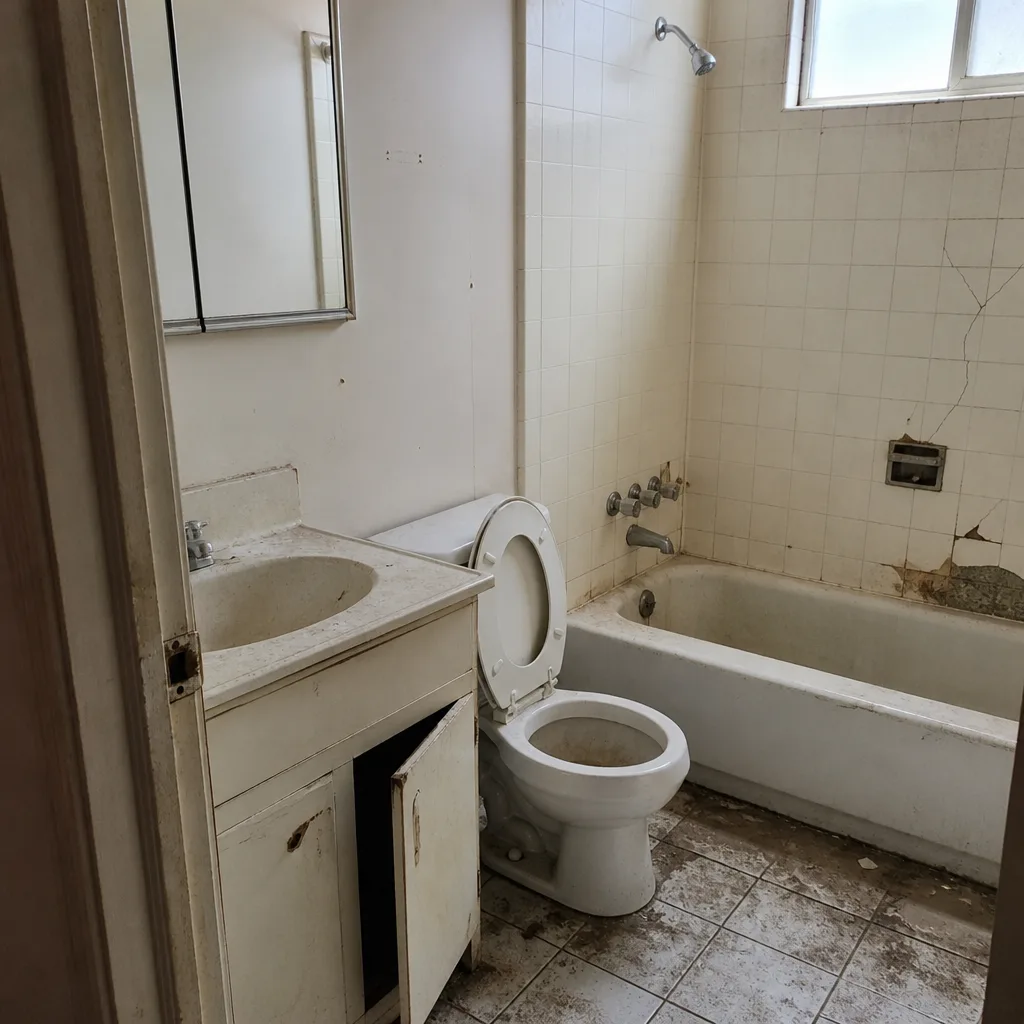 Before
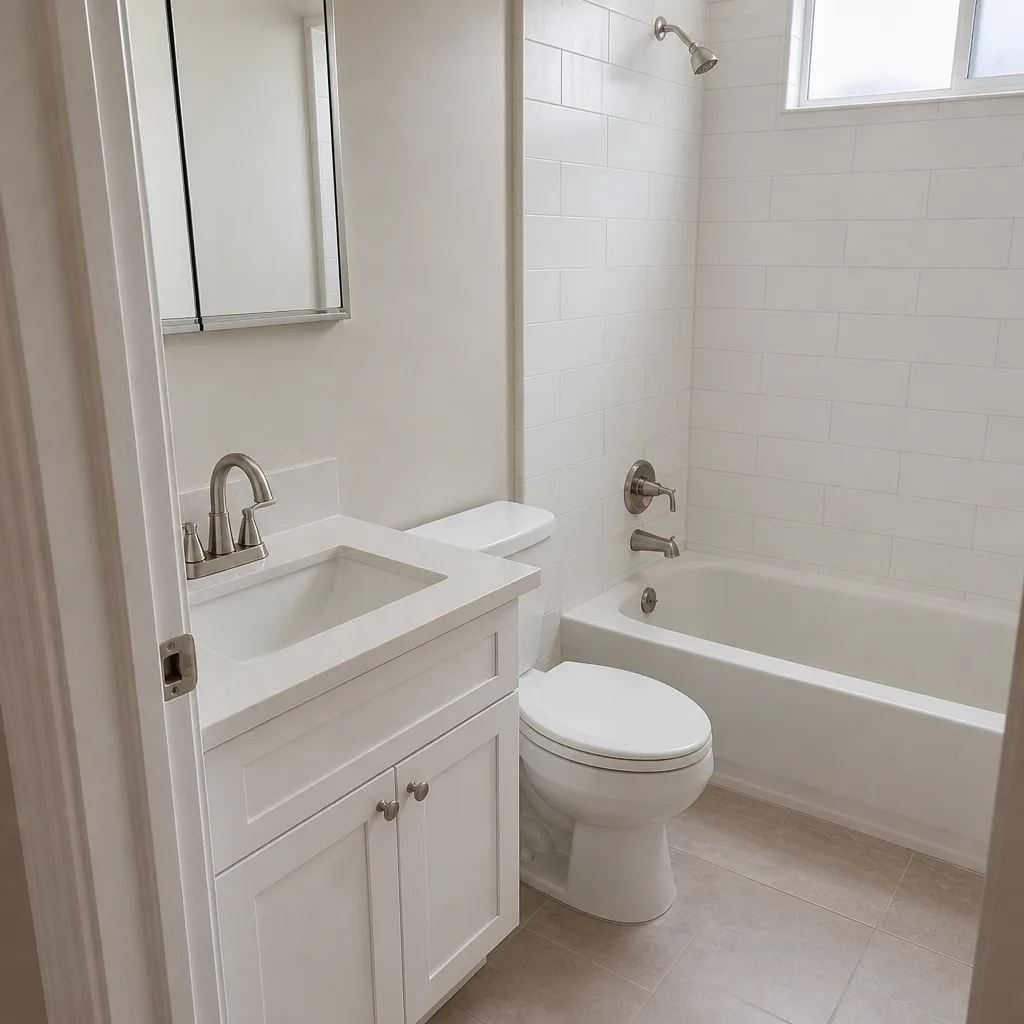 After
The Bottom Line
San Jose windows and doors aren’t a cold-climate purchase, and the guides written for Minnesota will point you the wrong way. Choose glass for heat gain and glare, tune it to your microclimate – Almaden Valley, Willow Glen, and the East Foothills each ask for something different – match the configuration to your home’s era, get the Title 24 path right for your address, and pull the permit. Do those four things and you’ll have a quieter, cooler, more efficient house that holds its value. Get them wrong and you’ll pay twice. We bring the local experience, the right brand partners, and the 730-Day Done Right Promise to back the work. From foundation to finish line, we’re built to last and backed in writing.
Related Guides
- Fence Installation in San Jose – exterior work that pairs with your envelope upgrades.
- Driveway & Pavers in San Jose – curb appeal that ties the whole property together.
Ready to price your window and door project? Call Groundwork Construction Co. of San Jose at (833) 988-3521 to schedule your free estimate. Our team answers calls with a live person, 24/7, no voicemail black holes. Background-checked, uniformed technicians, no-hassle upfront pricing, and the 730-Day Done Right Promise on every job – if it’s not done right, we make it right. We’ll take $1,000 off projects over $10,000, and 0% financing for 18 months makes a whole-house envelope upgrade easier to fit into your budget. Call today and get a written, line-item quote for your San Jose home.
Written by the team at Groundwork Construction Co. of San Jose.