Last updated November 18, 2026





Free written scope consultation - allowances, timeline, and change-order rules on paper before a single trade is scheduled
Construction Emergency Preparedness Guide for San Jose Homes
Most San Jose homeowners picture “construction emergency” as a seismic event, and while earthquakes are real here, the failures that actually tear apart properties on a Tuesday afternoon are quieter: a retaining wall that starts leaning two inches over a weekend, a hillside drain that backs up during the first big storm, concrete flatwork that heaves because the soil under it was never graded right. The 48-hour window after you notice sudden lean or fresh cracking is often the difference between a repair and a catastrophic slope failure. This guide gives you a response protocol for the emergencies San Jose homes actually face, built around the neighborhoods and the soil in them.
Quick Answer
A construction emergency in San Jose is any fast-moving structural or water-related failure, including retaining wall instability, hillside drainage collapse, foundation movement, and concrete flatwork heave, that threatens your home within days if not addressed. The right response is to document everything before you touch anything, place temporary protection, and call a licensed professional for an inspection the same week. Homeowners working with Groundwork Construction Co. of San Jose also have the 730-Day Done Right Promise standing behind prior work, which changes who is responsible when something fails.
Styles & brands we work with
- Kitchen remodeling
- Bathroom remodeling
- Home additions & ADU
- Roofing
- Windows & doors
- Driveway & pavers
- Fence
Table of Contents
- The Construction Emergencies San Jose Homes Actually Face
- The 48-Hour Retaining Wall Protocol
- Hillside Drainage Failures and What to Do First
- Concrete Flatwork Heave and Seismic Joint Separation
- How to Document Structural Damage to Protect Your Claim
- San Jose Building Division Emergency Inspection Protocols
- The Pre-Emergency Audit: Five Highest-Risk Elements on a San Jose Lot
- How a 730-Day Warranty Changes the Emergency Response
The Construction Emergencies San Jose Homes Actually Face
The emergencies we see in San Jose rarely arrive with a news truck outside. They arrive as a hairline crack that widens over three weeks, a gate that stops closing because the fence line settled, or a puddle in the side yard that never dries after the rainy season. The three failure classes below account for most of the urgent calls we get around here.
Hillside drainage failures. The East Foothills above Alum Rock and the slopes in Almaden Valley and Evergreen sit on clay-heavy soils that swell through the wet months. When a French drain clogs or a downspout disconnects, water ponds against the uphill face of a retaining wall or the footing of a house and starts doing damage quietly.
Concrete flatwork heave. Driveways, walkways, and patios poured over poorly compacted fill will lift and tilt during a dry summer followed by a wet winter. The heave is not cosmetic. Tilted flatwork redirects water toward your foundation, and a 1-inch tilt can move thousands of gallons toward the house over a season.
Seismic joint separation. San Jose sits on ground that transmits energy from faults across the region. Joints between the house and an attached garage, or between a house and a hardscape slab, open and close over time. When a joint opens more than a quarter inch, you’re looking at a repair before the next wet season.
When you need to replace damaged flatwork, the team behind Driveway & Pavers in San Jose builds the base right the first time so heave stops repeating. For boundary failures, Fence Installation in San Jose handles the reconstruction side once the ground has been stabilized.
The 48-Hour Retaining Wall Protocol
The 48-hour window after a retaining wall shows sudden lean or fresh cracking is when a repair is still possible. After 48 hours of active movement, the repair becomes a slope stabilization project, and the cost can triple or more. Here is the protocol we walk homeowners through.
- Photograph and measure. Take reference photos from a fixed point, note the date, and measure the distance from the top course of the wall to a plumb line. Repeat every 12 hours. Any change of a quarter inch in 24 hours means active movement.
- Mark the crack. Place a piece of tape or a chalk mark across the widest crack and photograph it. If the tape tears within hours, the wall is moving.
- Keep weight off the top of the wall. No parking, no storage, no material piles on the uphill side, and no decorative weight on the downhill face.
- Redirect water. Temporarily route downspouts and pool drainage away from both faces. Standing water behind a wall is the most common driver of sudden failure in San Jose during the January and February storms.
- Barricade. Block the downhill area with cones or tape so kids and pets stay off the slope.
- Call a licensed professional within the 48-hour window for an on-site assessment and a written scope. This is not a DIY diagnosis, and it is not something to defer to next week.
Retaining walls taller than 4 feet, and any wall that resists soil pressure on the uphill side, are structural elements that can fail under the load of wet soil. If a wall is leaning, cracking, or bulging, do not attempt to shore it up yourself. Call a licensed professional, and if the wall sits on a property boundary, call us even if we did not build it. A wall failure on a boundary wall can affect your neighbor’s house too.
Hillside Drainage Failures and What to Do First
The first sign of a hillside drainage failure is often a puddle that stays put after the storm passes, or water that appears in a garage or crawlspace that never had water before. By the time you see water inside, the drain has probably been failing for a while.
Here is the sequence we recommend.
- Stop the source. Cap, divert, or disconnect the downspout or irrigation line feeding the failure area. If a hillside footing drain is overflowing at a cleanout, do not open the cleanout. Pressure relief through a cleanout is often what causes the hillside to fail.
- Document, don’t dig. Do not dig out a hillside drain yourself to “see what’s going on.” Undercutting a slope in San Jose’s clay soils is a real way to trigger a slide.
- Protect the downhill face. Place sandbags or temporary berms along the base of the slope, but do not block drainage channels. Moving water you can see is safer than damming water you can’t.
- Call for a camera inspection. A licensed professional can run a camera through the drainage line and identify the clog or break without digging.
If the drainage handled water off a home addition or accessory unit, Home Additions & ADU in San Jose handles the design and repair side of those systems. For grading and site work related to a driveway or patio that’s contributing to the runoff, the paver team behind our Driveway & Pavers work can rebuild the slope so the water leaves the property the way it’s supposed to.
Concrete Flatwork Heave and Seismic Joint Separation
We get more calls about heaving driveways and separating joints than almost any other category, and homeowners are often surprised to learn the fix isn’t just pouring new concrete over the old. Heave usually means the base under the slab is the problem.
The signs homeowners should watch for:
- A trip hazard appearing at a joint that was flat last season.
- Water pooling on the driveway instead of running to the street.
- A widening gap between the house stem wall and the driveway or patio slab.
- New cracks that run parallel to the house, or cracks that form a “stair-step” pattern.
- A gate or garage door that suddenly binds because the driveway settled unevenly.
What to do first. Photograph the heave with a level or straightedge in the frame so the size of the lift is documented. Do not lift the slab with a pry bar or jack; that’s how pieces crack off and edges break. Do not fill cracks with caulk and call it done; caulk hides the failure without addressing the base. Place a temporary ramp or mat over trip hazards so nobody falls, and schedule a professional assessment within the week.
Seismic joint separation. Where a house meets an attached garage, or where an addition meets the original structure, the joint is designed to move. A joint that opens wider than a quarter-inch, or that shows a fresh crack in the finish on one side of it, needs an inspection. If the separation lets water behind the exterior wall, you’re looking at rot risk in the next rainy season. Call a licensed professional, and document the crack width with a ruler in the frame.
How to Document Structural Damage to Protect Your Claim
The photos you take in the first two hours after you notice damage are often worth more than the photos you take a week later after a contractor has already moved things around. Document first. Repair second.
Follow this sequence.
- Photograph wide, then close. Five wide shots of the property showing context, then close-ups of each crack, tilt, or water mark, then a shot with a tape measure or coin in the frame for scale.
- Include a timestamp. Most phones date-stamp automatically, but write the date and time on a piece of paper and include it in the wide shots. It’s the single strongest document control habit we can teach a homeowner.
- Video walkthrough. A 60-second narrated video that moves from the street to the failure point creates context that still photos miss and is hard to dispute later.
- Don’t discard the debris. Keep broken pieces, cracked tile, and failed retaining wall caps in a labeled bin. Contractors and insurance adjusters will want to see the actual failure, not just pictures of it.
- Keep the weather record. Note in a log book when it last rained, how much, and whether the failure appeared before, during, or after. San Jose’s rain patterns are strongly seasonal and the timing matters for the cause of loss.
- Write a timeline. A single page listing when you noticed each issue, who you spoke with, and what was said. Email yourself a copy so it has a timestamp you can’t fake.
If the damage is on a structure that Groundwork Construction Co. of San Jose built or repaired, your documentation is a starting point for a 730-Day Done Right Promise review, and we want it. More on that below.
San Jose Building Division Emergency Inspection Protocols
San Jose has an emergency building inspection process for situations that threaten life, safety, or property, and it’s separate from the regular permit-inspection queue. Knowing when to trigger it saves you a day or more.
Trigger an emergency inspection when:
- A structural element has failed or is actively moving (a leaning retaining wall over 4 feet, a foundation crack wider than an eighth inch that appeared in the last 30 days).
- Water is entering a habitable space through a failed roof or wall assembly and the damage is growing.
- A gas line, electrical service, or other utility connection is exposed or compromised. (Call the utility first, then the Building Division.)
- A fire, vehicle impact, or tree strike has damaged a load-bearing element or a permitted structure.
When to call a private licensed engineer instead. If the issue is a design question (why is the wall failing, what should replace it), a slope stability question, or a question about how to repair something to code, a private engineer is faster and better positioned than the public inspection queue. The Building Division inspects permitted work in progress; a private engineer diagnoses what’s wrong and signs off on the repair plan. In practice, most San Jose homeowners need both, and the private engineer often comes first.
If your permitted work failed because it was built wrong, the first call is to the contractor’s warranty line. Groundwork Construction Co. of San Jose pulls the permits and passes inspections as part of every project, and the 730-Day Done Right Promise means a failure of that work is our problem, not yours.
The Pre-Emergency Audit: Five Highest-Risk Elements on a San Jose Lot
The best emergency response is the one you never have to run. Spend one Saturday walking your lot with a notepad. Here are the five highest-risk construction elements on a typical San Jose property.
- Retaining walls. Note the height, the material (concrete, timber, masonry, or segmental block), and whether any wall leans more than 1 inch out of plumb over its height. Any wall holding back a slope taller than 4 feet goes at the top of the list.
- Downspouts and drainage. Trace every downspout to its discharge point. If any one dumps against a slope or a wall, fix it before the rainy season. If your property has a French drain cleanout, mark it and note the last time you saw water flow.
- Flatwork joints. Walk the driveway and patio with a level. Any joint that will hold a dime on edge is worth a photo and a note. Any crack wider than a nickel warrants a professional look.
- Roof and flashing. Look for lifted or missing shingles along the ridge and valleys, and flashing that has pulled away at the chimney or skylight. Our roofers work with GAF and CertainTeed, but the audit is the same on any roof.
- Trees near the house or slope. Roots can lift flatwork and destabilize slopes. Eucalyptus, Monterey pine, and other large-rooted species within 15 feet of a wall or foundation deserve attention, and any tree on a slope above a retaining wall gets flagged immediately.
Photograph each element and write down the date. Repeat the audit every spring so you’re comparing against a real baseline, not your memory. If you find something on the audit that needs replacing, the crew behind Fence Installation in San Jose can address boundary issues while the crew from our Home Additions & ADU team handles anything permitted.
How a 730-Day Warranty Changes the Emergency Response
The difference between a homeowner with a real workmanship warranty and one without shows up roughly 24 hours after a failure. Without a warranty, you’re calling around for a contractor on a Saturday while the water is running. With the 730-Day Done Right Promise, you’re calling the company that built the work and speaking to a live person, 24/7, who already knows what’s on your property.
Homeowners without a warranty face a real constraint. A contractor who built a failed retaining wall nine months ago has no contractual obligation to come back. You can’t force a diagnose-then-repair relationship onto someone who doesn’t want one. So you start over: getting estimates, wading through vague bids, and moving into the wet season with a hole in the slope.
Two things change when the warranty is real. First, the initial emergency response is faster because the firm already has drawings, material specs, and photos from the original job, which is often what a diagnosis needs. Second, the financial exposure is lower because the warranty covers the repair, not just the materials, and the promise is in writing. “If it’s not done right, we make it right” isn’t marketing copy when the clock is running on a failed wall.
Our technicians have up to 12 years of experience, and the 730-Day Done Right Promise applies to every project we complete. That’s a longer workmanship window than most of the residential construction space offers, and it’s the single most important thing to check on any bid before you sign.
Common Mistakes to Avoid
- Calling a contractor before you photograph. By the time a crew arrives, the scene has changed. Photograph every face of the failure from multiple angles before anyone touches it, or you may lose your claim’s clearest evidence.
- Assuming an earthquake caused the damage. In our experience, most “quake damage” reported in San Jose around Willow Glen and the Rose Garden turns out to be drainage-related movement. Misdiagnosis sends the claim to the wrong department and slows everything down.
- Doing emergency shoring yourself. Shore up a leaning retaining wall with timber and you can accelerate the failure. Barricade, don’t brace.
- Ignoring a wall under 4 feet. Retaining walls under 4 feet don’t always require a permit, but they can still fail and damage property. A 3-foot wall holding back a slope under a neighbor’s fence can take a fence down in an hour.
- Skipping the permit because “the last contractor said it wasn’t needed.” Unpermitted emergency repairs can void insurance coverage later. Every structural repair we complete is permitted and inspected, and the paper trail matters if you sell.
- Waiting until the first storm. San Jose’s rainy season concentrates into a small window, and every contractor in town gets busy in the same week. The cheapest possible time to address a drainage issue is the dry month before it fails.
- Signing a bid with no written scope for the repair. Ask for a line-item scope, a start and finish date, and a warranty in writing. Vague bids almost always produce change orders, which is exactly the situation an emergency can’t afford.
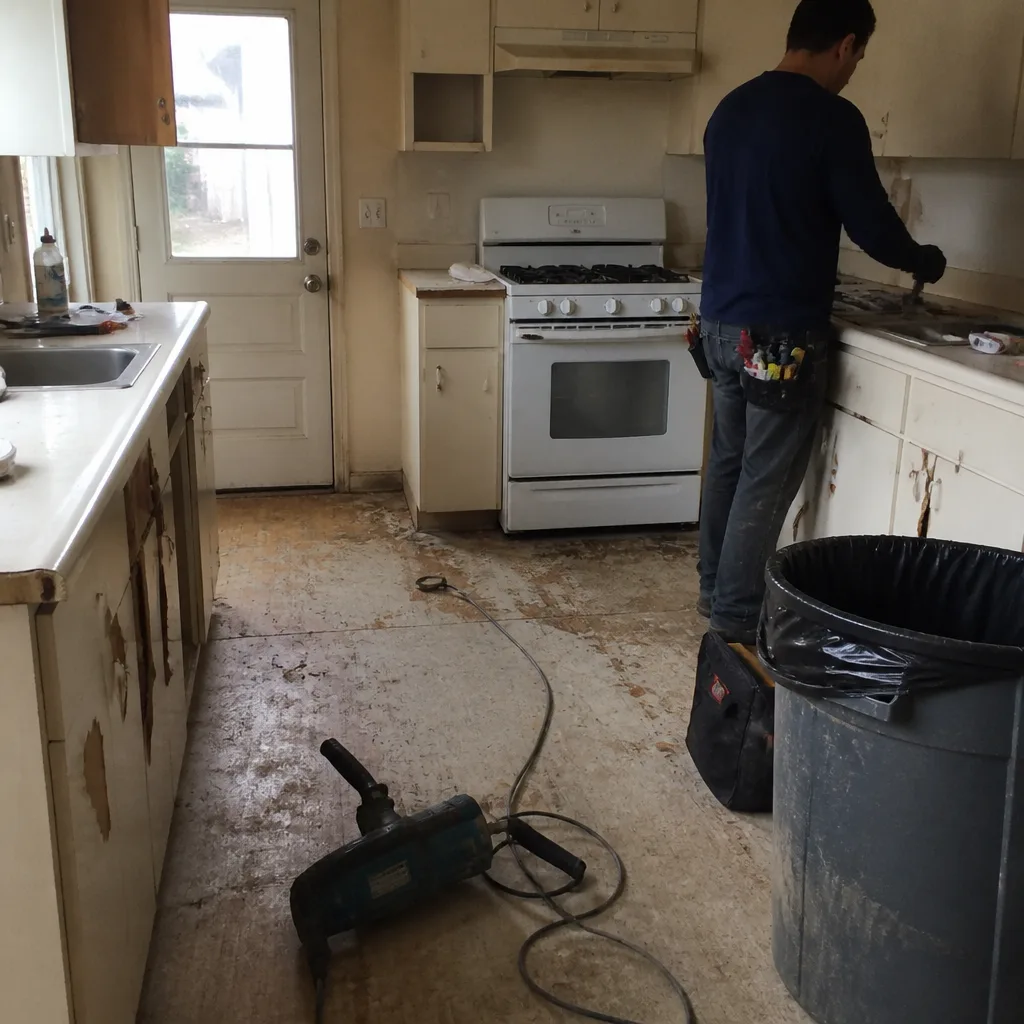
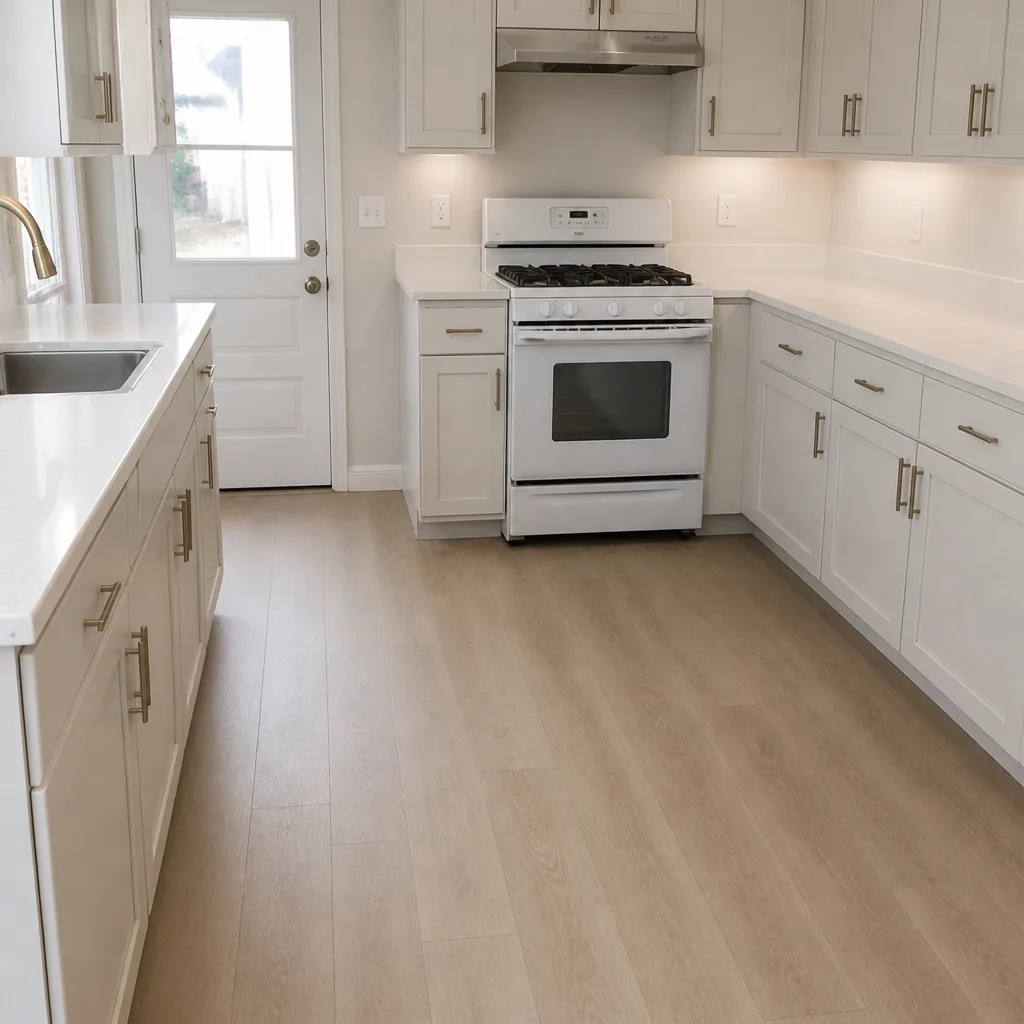
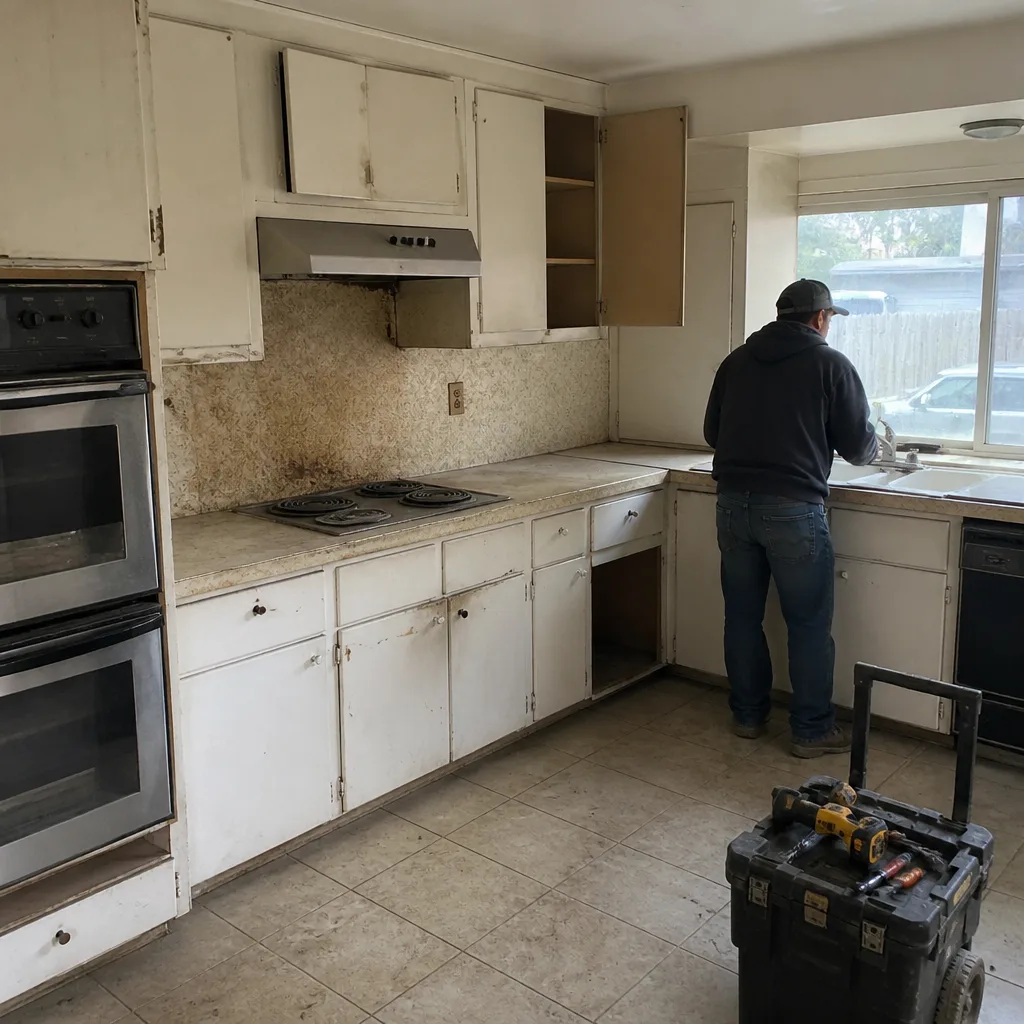
See the difference
 Before
 After
 Before
 After
 Before
 After
When to Call a Professional
Call a licensed professional the same day if you see any of these: a retaining wall that has moved in the last 24 hours, water entering a garage or crawlspace from outside, a crack in a foundation or slab wider than an eighth inch that appeared recently, gas or electrical infrastructure exposed by structural failure, or a roof leak worsening during a storm. For those situations, do not spend the weekend trying to diagnose it. Move to a licensed contractor’s phone line.
For slower-moving issues (a hairline crack, a puddle that drains within a day, a slight trip hazard), a professional assessment within the week is the right response, not a same-day emergency. That said, if the issue involves water against a slope or a load-bearing element, do not wait.
Groundwork Construction Co. of San Jose offers free estimates in San Jose, with upfront pricing that shows you the number before work starts. Call (833) 988-3521. The phone is answered by a live person, 24/7, and every technician who shows up on your property is background-checked and arrives in uniform. When you need to start from the top, the Groundwork Construction Co. of San Jose home page has the full picture on the seven service lines and brand partners like Wellborn, Cambria, and Silestone.
Frequently Asked Questions

Hillside drainage failure is the most common, especially in the East Foothills, Almaden Valley, and the sloped lots around Evergreen. Water ponds against a retaining wall or the house footing, the wall starts to lean, and homeowners often discover the problem the morning after the first heavy rain of the season. Call (833) 988-3521 for a free estimate if you’re dealing with this now.
Call a contractor, not 911, unless someone is hurt or a utility line is exposed. If a wall is leaning over a sidewalk or into a neighbor’s property and there’s an active hazard to people, call the utility and your local public works line first, then a contractor for the repair. Groundwork Construction Co. of San Jose answers its main line around the clock for exactly this reason.
Sometimes, but it depends on the cause of loss, not the type of structure. Sudden event damage (a tree strike, an earthquake, a burst pipe) is usually covered. Long-term neglect or poor workmanship is usually not. That’s why documentation in the first hours matters so much, and it’s why the 730-Day Done Right Promise, not insurance, is what covers a workmanship failure.
You have about 48 hours of real response time before a repair escalates into a slope stabilization project. Photograph, measure, barricade, redirect water, and call a licensed professional the same week, ideally within the first day. If the wall is moving a quarter inch or more per day, call the same day. Call (833) 988-3521 to schedule a free estimate.
Yes, in almost every case that involves a structural element or permitted structure. San Jose has an emergency inspection path, and a licensed contractor should be pulling the permit and scheduling the inspection as part of the repair. Every repair Groundwork Construction Co. of San Jose completes is permitted and inspected.
A real warranty is in writing, names the coverage period, and specifies what “done right” means in measurable terms. Ask for the warranty document before work starts, not after. The 730-Day Done Right Promise is part of every project we take on, and we hand it to homeowners from day one, which is one of the longest workmanship windows available.
The Bottom Line
San Jose construction emergencies are dominated by slow-onset failures (drainage collapse, retaining wall movement, flatwork heave) that become fast-moving crises if you don’t act in the first 48 hours. Document before you repair, redirect water, barricade, and call a licensed professional for the diagnosis. Run a pre-emergency audit every spring on the five highest-risk elements. And choose a contractor who puts their warranty in writing for 730 days, because that warranty is the difference between having someone to call and starting over on the worst day of the year. Groundwork Construction Co. of San Jose is reachable by a live person 24/7 at (833) 988-3521, and estimates are free.
Written by the team at Groundwork Construction Co. of San Jose.