Last updated November 18, 2026
Free written scope consultation - allowances, timeline, and change-order rules on paper before a single trade is scheduled
Construction Cost Breakdown: The San Jose Homeowner’s Reference for 2026
Here’s a pattern we’ve watched play out across San Jose more times than we’d like: a homeowner collects five bids on a kitchen remodel, picks the lowest one, and eighteen months later has paid more than the highest bid they turned down. The low bid was never the price of the project. It was the price of getting the job. Change orders, allowances that were set artificially low, permits excluded from the contract, and finishes that “weren’t in scope” all arrive later, and by then the walls are open and you’re not switching contractors. Knowing how a San Jose bid is actually built – labor, permits, materials, contingency – is the only real protection you have. This guide gives you those numbers for 2026, by trade and by project type, so you can read a contract like someone who’s done this before.
Quick Answer
A full kitchen remodel in San Jose runs roughly $85,000 to $160,000 in 2026, a bathroom remodel $28,000 to $65,000, an asphalt shingle roof replacement $18,000 to $32,000 for a typical 1,800 sq ft home, and a permitted ADU $250,000 to $420,000 depending on size and site work. Labor, permit fees, and delivery logistics in Santa Clara County run 25% to 40% above national averages, so any cost guide quoting the U.S. median is already wrong for San Jose before you read the second line.
Styles & brands we work with
- Kitchen remodeling
- Bathroom remodeling
- Home additions & ADU
- Roofing
- Windows & doors
- Driveway & pavers
- Fence
Table of Contents
- What General Contractors and Specialty Crews Actually Charge in Santa Clara County
- How San Jose Calculates Permit Fees – and Why It Changes Your Budget
- Why Material Costs in San Jose Run Above National Benchmarks
- The Contingency Line: Why Anything Under 10% Is Fiction
- Line-Item Cost Ranges by Project Type for 2026
- How to Compare Bids That Look Identical on the Bottom Line
- Common Mistakes to Avoid
- Frequently Asked Questions
What General Contractors and Specialty Crews Actually Charge in Santa Clara County
Labor is the single biggest variable in any San Jose construction budget, and it’s the line most homeowners understand least. A general contractor in Santa Clara County bills somewhere between $135 and $225 per hour in 2026 for oversight and management, but you rarely see the hourly rate. GCs typically price the project as a whole: cost of trades plus a markup for coordination, scheduling, supervision, and liability, usually 18% to 28% on a residential remodel. That markup isn’t padding. It’s the cost of someone being responsible when the plumber and the electrician are standing in the same wall cavity on the same morning.
Specialty trades price differently:
- Concrete crews: $95 to $150 per hour, or $14 to $22 per square foot flat for standard driveways and slabs. Decorative finishes and stamped concrete push past $28 per square foot.
- Framing carpenters: $85 to $130 per hour. In San Jose’s older neighborhoods – Willow Glen, Rose Garden, the streets around Naglee Park – this runs toward the top of the range because mid-century homes almost always hide surprises inside the walls.
- Finished plumbing and electrical: $120 to $190 per hour for licensed trades. Rough-in work is often bid per fixture instead: $250 to $450 for an electrical outlet or switch, $350 to $600 for a plumbing rough-in per fixture.
- Tile, drywall, and finish carpentry: $70 to $115 per hour, quoted more often per square foot.
What we tell homeowners in San Jose is simple: ask for the labor line broken out by trade, even if the GC prices it as one bundled number. A bid that says “kitchen remodel: $98,000” tells you nothing. A bid that shows framing at $9,200, plumbing at $11,400, electrical at $8,900, and finish carpentry at $14,600 lets you hold each line accountable. Groundwork Construction Co. builds estimates that way – line by line, with the number you see being the number you pay – because the alternative is a homeowner discovering halfway through a Willow Glen kitchen that “miscellaneous labor” was a blank check. From foundation to finish line, every trade has a price on paper before a single permit is pulled.
How San Jose Calculates Permit Fees – and Why It Changes Your Budget
San Jose permit fees are calculated primarily on construction valuation, not on square footage, which means your permit cost scales with what you’re building, not how much space it takes up. The city uses a valuation table and fee schedule that sets a baseline value per square foot for different work types, then applies a fee multiplier on top. For a 2026 residential remodel, the effective permit cost typically lands between 1.5% and 3.5% of the project valuation. On a $120,000 kitchen remodel, that’s roughly $1,800 to $4,200 in permit fees depending on whether you’re pulling structural, plumbing, electrical, or all three.
A few San Jose-specific realities that catch people off guard:
- Valuation is assigned, not negotiated. The building department has its own value per square foot for common work. If you list a low contract price on the permit application, expect a correction notice and a revised fee. Under-declaring is one of the fastest ways to stall a project.
- Plan check takes time. A simple kitchen or bathroom permit might move through review in a few weeks. Additions and ADUs run weeks to a few months depending on the current queue and the completeness of the submittal. That timeline should be reflected in the contractor’s schedule, not discovered later.
- Separate permits, separate fees. Electrical, plumbing, and mechanical permits often carry their own fees on top of the building permit. A bid that lumps “permits” into one line without saying which permits is a bid that will come back for more money.
- ADUs have a different path. San Jose has made real progress on accessory dwelling units. State law limits what the city can require, but site-specific issues – slope, drainage, utility connections – still drive cost. We cover those details on our Home Additions & ADU in San Jose page.
One thing to know: our local pro pulls the permits in their own name and the project passes inspection, and that should be a contract condition, not a handshake. If the contractor asks you to pull the permit yourself as the homeowner, understand what that means: you become the responsible party for the work. That’s not a small thing in a San Jose remodel where an unpermitted electrical change can complicate a future sale.
Why Material Costs in San Jose Run Above National Benchmarks
Materials delivered to a San Jose job site cost 8% to 20% more than the same materials delivered to a job site in the Central Valley or most of the country. The reasons are logistical, and they’re real:
Bay Area delivery logistics are the first factor. Lumber yards, tile suppliers, and appliance distributors serving San Jose contend with highway congestion, limited loading zones on residential streets, and parking permits for staging. A delivery that would cost a Sacramento contractor $150 to schedule runs $300 or more in San Jose. A crew that has to wait two hours for a delivery window is a crew you’re paying to wait.
Second is warehouse and storage cost. Supplier yards in Santa Clara County carry high property costs, and those costs are baked into the price of every board, every bundle of shingles, every box of tile.
Third is the selection premium. San Jose homeowners overwhelmingly choose mid-to-premium materials: quartz counters rather than laminate, engineered hardwood rather than carpet, tile with a name brand behind it. A kitchen specified with Delta fixtures, a Schluter waterproofing system, and quality cabinetry simply costs more than a builder-grade package, regardless of where it’s installed. When we build a bid, the specifications are part of it: brand, model, and finish – so you’re comparing a real product, not a placeholder. Built to last, backed in writing, means the material line is specific enough to argue about.
Here’s a rough 2026 comparison for a 200 sq ft bathroom:
- Builder-grade package: $8,000 to $12,000 in fixtures, tile, vanity, and finishes
- Mid-range package: $14,000 to $22,000 – quality tile, name-brand plumbing fixtures, a professionally finished shower with proper waterproofing
- Premium package: $25,000 to $40,000 – natural stone, custom cabinetry, high-end fixtures throughout
The same categories apply to roofing (GAF and Owens Corning product lines price differently, and both carry different warranties), windows (Andersen and Pella both offer multiple tiers that vary dramatically in thermal performance), and paving (which we detail on our Driveway & Pavers in San Jose page).
The Contingency Line: Why Anything Under 10% Is Fiction
Every legitimate construction contract in San Jose should carry a contingency line, and that line should be at least 10% of the total project cost. Anything less is a number designed to make the bottom line look lower, and it will not survive contact with a real house. In our experience, the older the home, the higher the contingency needs to be. A 1950s ranch in Cambrian might need 12% to 15% set aside for what’s behind the walls. A newer build in Evergreen might be fine at 10%.
What contingency actually pays for:
- Surprises behind the drywall. Old knob-and-tube wiring, non-code plumbing, previous unpermitted additions, water damage that wasn’t visible during the walkthrough.
- Scope discoveries during demo. A rotted subfloor under a bathroom floor, a foundation crack that needs a structural detail, a header that wasn’t built to carry the load above it.
- Change order additions you initiate. Upgraded countertops, a fixture change, adding a skylight mid-project. Homeowners change their minds. A contingency lets those changes happen without a crisis call.
A bid with 0% contingency, or a token 3%, is telling you something important: the contractor either didn’t look closely enough at your home to anticipate the likely issues, or is planning to come back with change orders. Both outcomes land in the same place. Ask any contractor how they arrived at their contingency number. If the answer is vague, that’s your answer. Upfront pricing, no surprises, means the surprises already have a line in the contract.
Line-Item Cost Ranges by Project Type for 2026
These ranges assume a mid-range material package, standard permit timeline, and a typical San Jose home. They are project totals, not per-square-foot. For context on how these numbers compare to full-scope additions, our Home Additions & ADU in San Jose guide covers the bigger builds.
- Kitchen remodel (full gut): $85,000 to $160,000. Labor (framing, plumbing, electrical, finish carpentry) runs 45% to 55% of total. Cabinetry, counters, and appliances make up most of the rest. Add $15,000 to $30,000 for structural changes like a wall removal in a Willow Glen home.
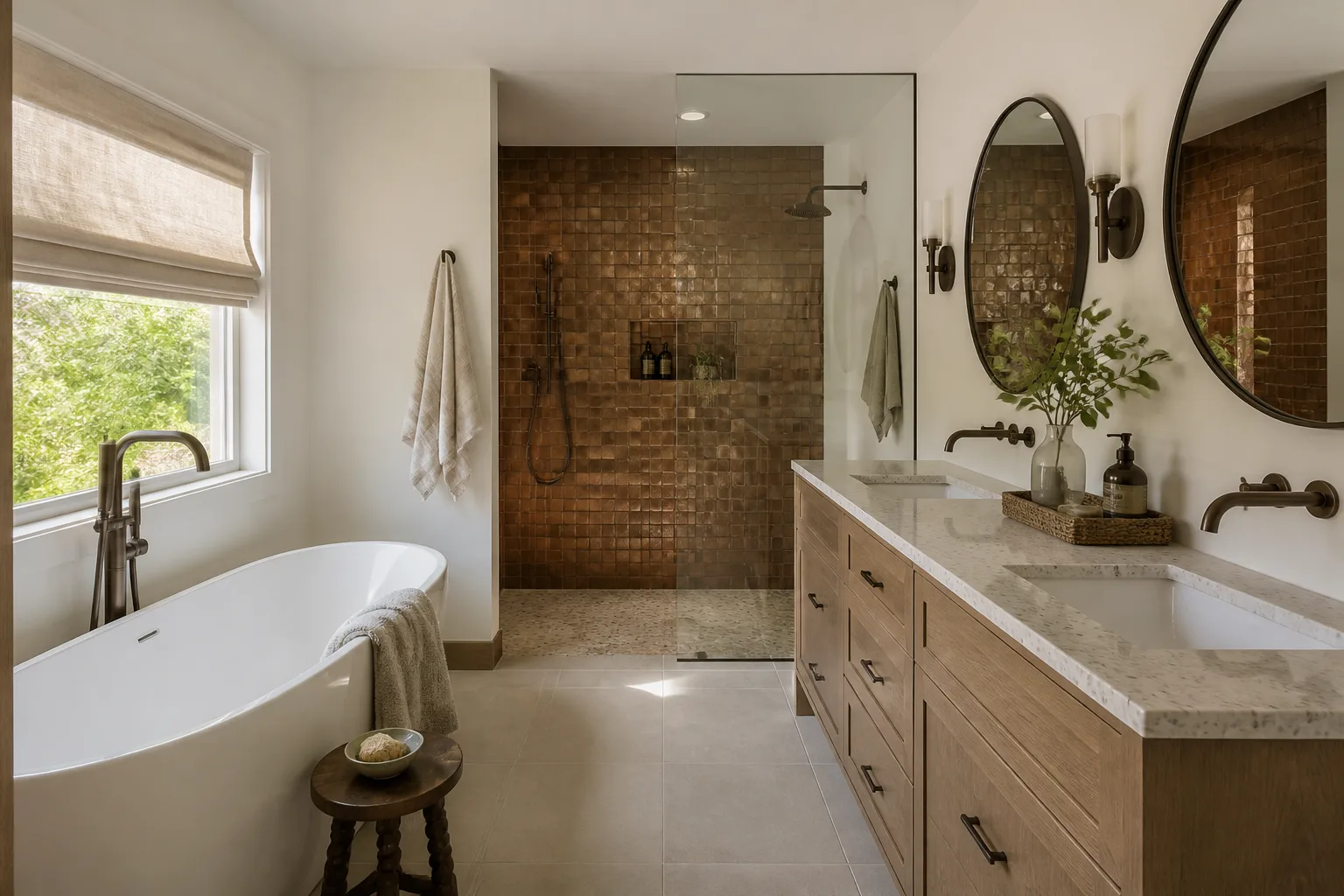
- Bathroom remodel (full): $28,000 to $65,000. The high end typically includes a curbless shower, tile throughout, and moving a toilet or vanity location, which adds plumbing rough-in.
- Roof replacement (asphalt shingle, 1,800 sq ft): $18,000 to $32,000. Tile roofs run $32,000 to $60,000. Add $3,000 to $8,000 for sheathing repair or fascia carpentry.
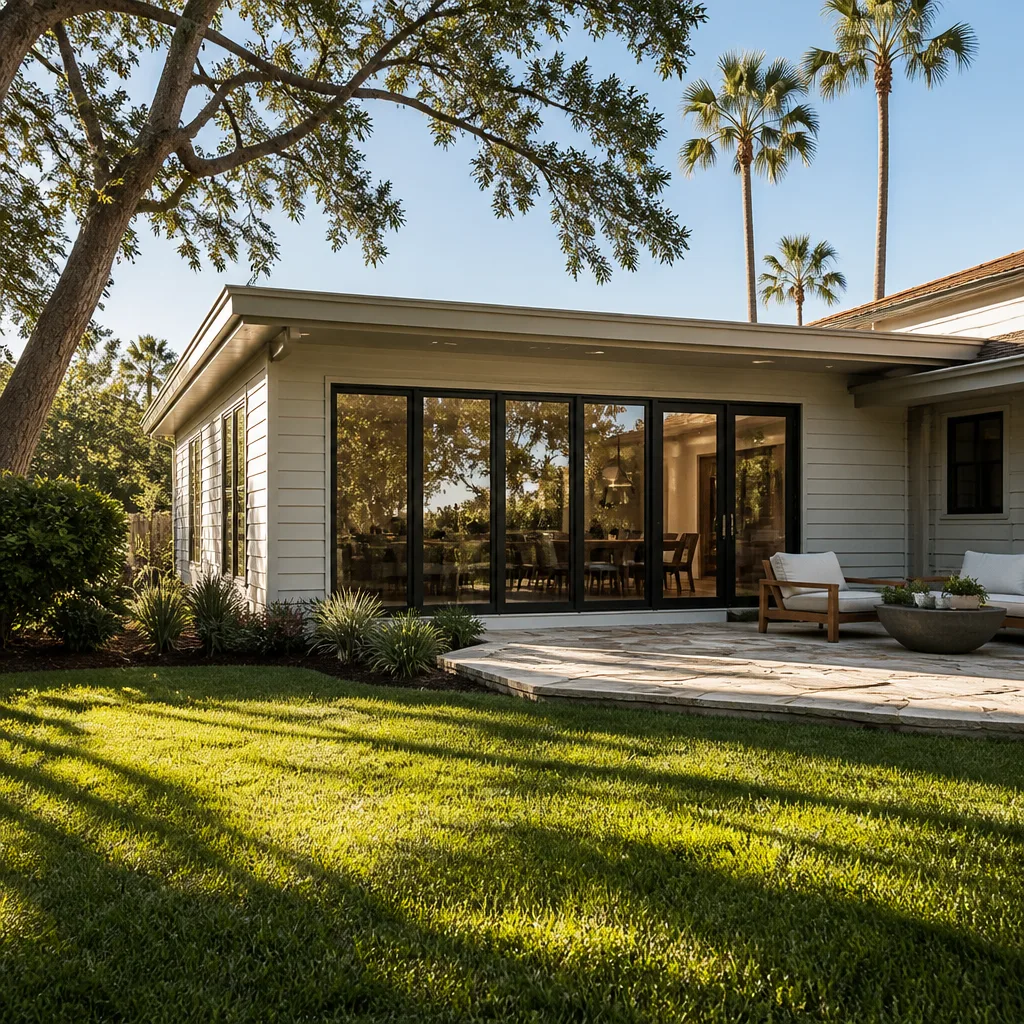
- Window replacement (10 windows): $12,000 to $26,000 depending on frame material and glass package. Specialty shapes and patio doors add cost.
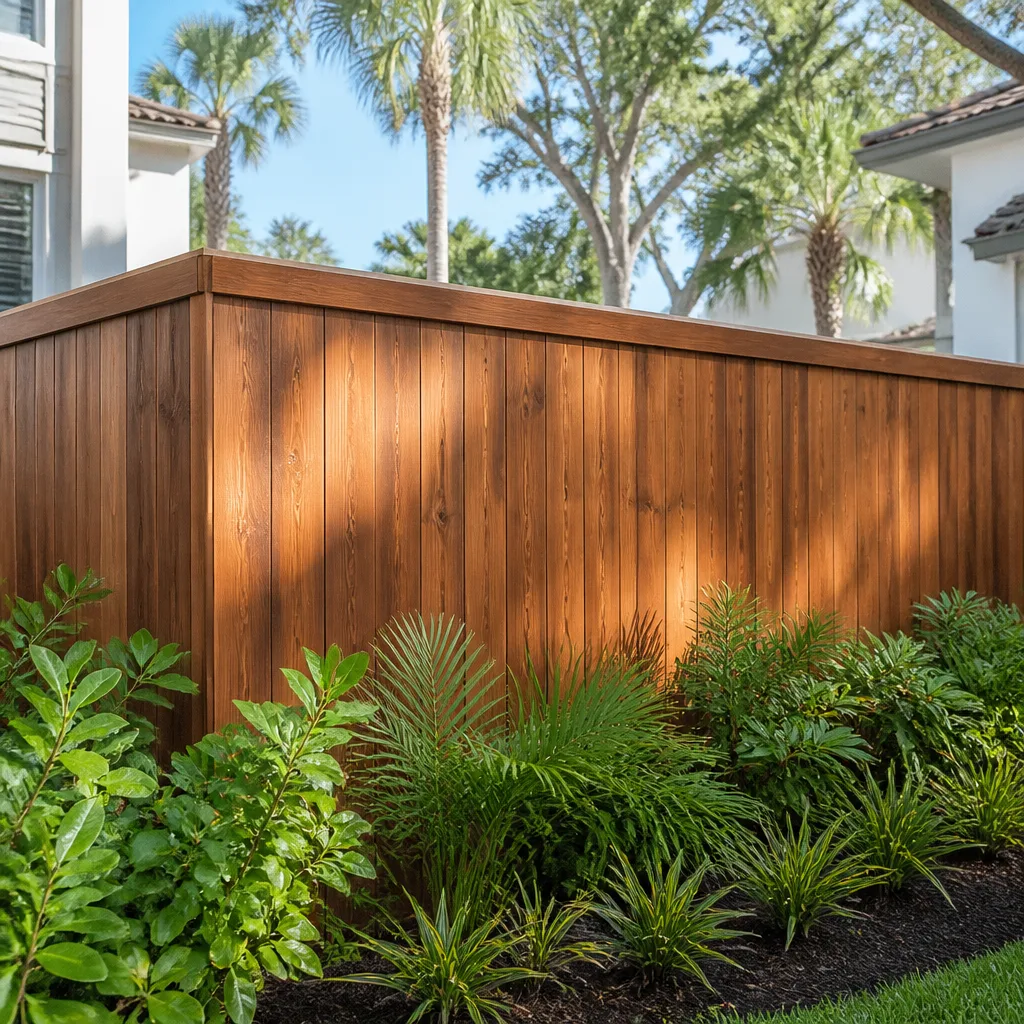
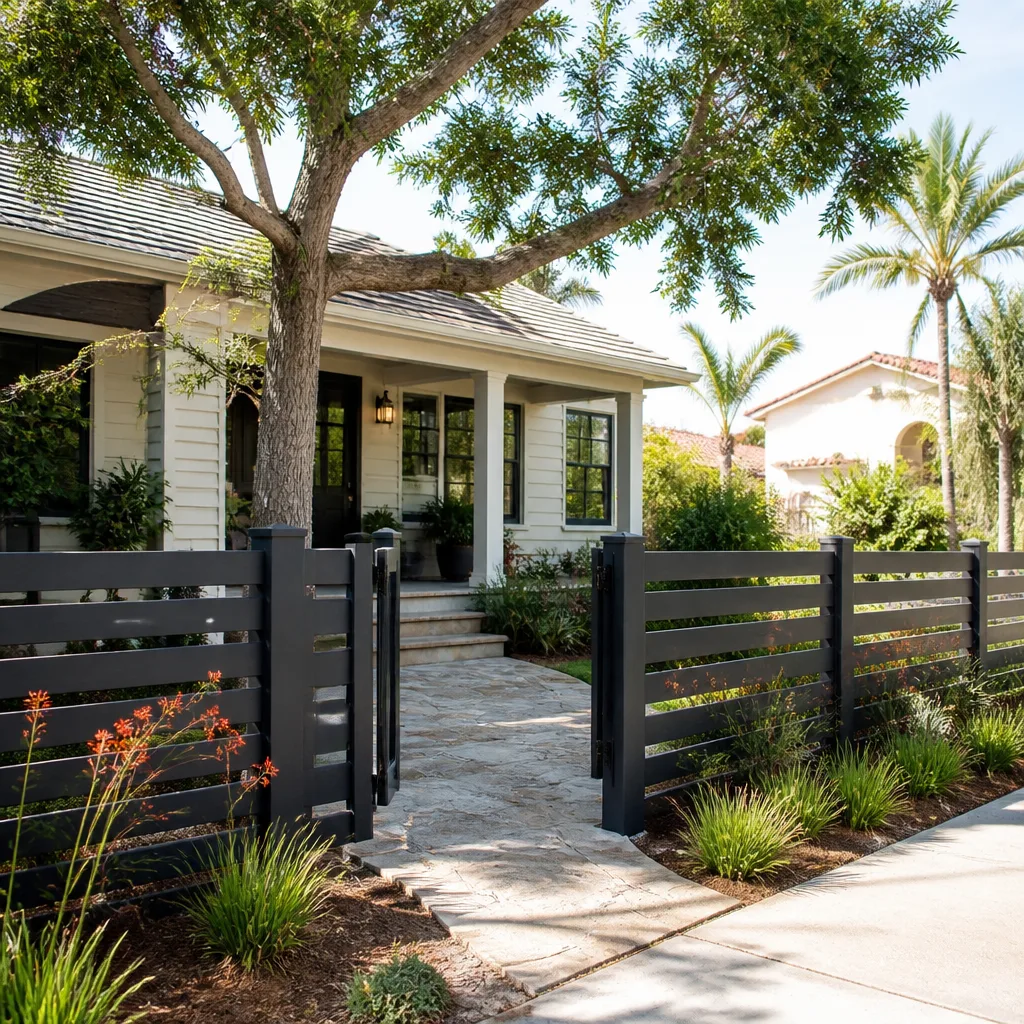
- Fence installation (150 linear feet): $6,000 to $14,000 depending on material. Pressure-treated wood sits at the low end; redwood and metal at the high end. Our Fence Installation in San Jose page covers property-line and setback details.
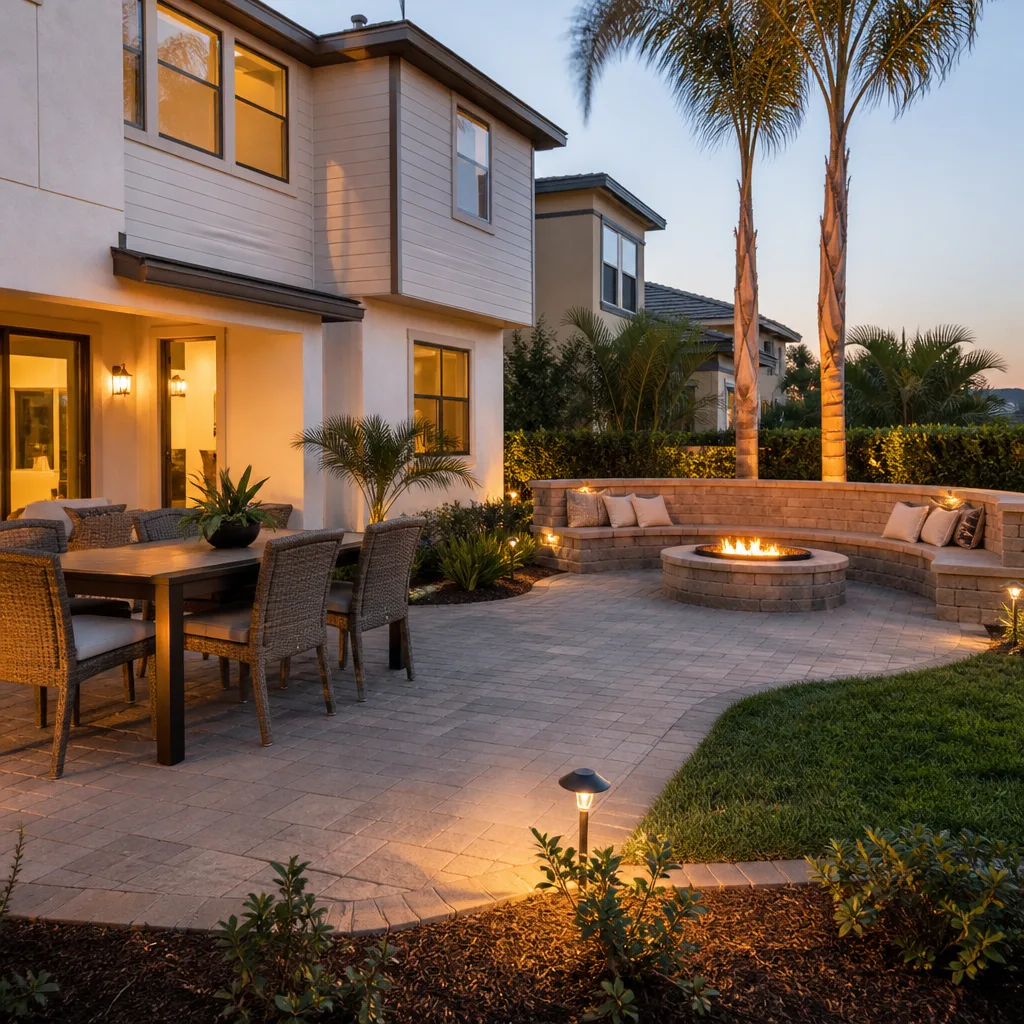
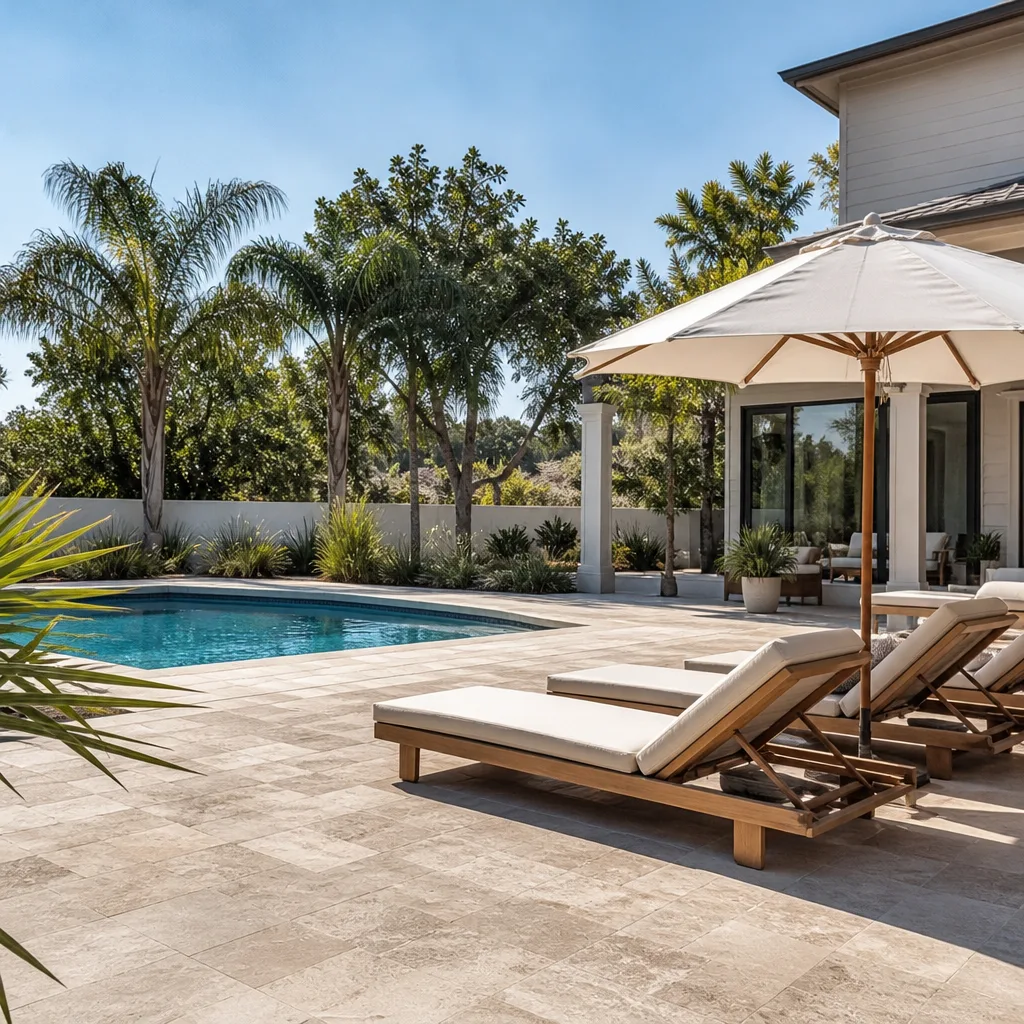
- Driveway (600 sq ft, poured concrete): $9,000 to $16,000. Pavers run $14,000 to $26,000 with a proper base and edge restraint.
Notice the ranges are wide. That’s honest. A San Jose project’s final number depends on the specifics of your house, your material choices, and your site access. We’d rather give you a broad honest range than a narrow number that turns out to be fiction.
How to Compare Bids That Look Identical on the Bottom Line
Two bids can land within $1,500 of each other and be completely different projects. One is a full-scope build with permits, a real contingency, and specific materials. The other is a locked-in price with allowances so low they’ll never cover the real cost of what you assumed you were getting. To tell the difference, run every bid through the same set of questions:
- Is the permit cost included and itemized? Not “permits included,” but the actual fee lines for building, electrical, plumbing, and mechanical. If the permit isn’t on the bid, it’s not in the price.
- Are the material specifications named, or generic? “Tile: $6/sq ft allowance” is not a specification. A named brand and model is. On plumbing fixtures, ask whether the bid covers a specific Delta or American Standard product or a placeholder dollar figure.
- Does the bid show the markup, or hide it? Look for a line labeled something like “general conditions,” “overhead and profit,” or the trade labor rate. A GC who shows the same number as the trades is adding it on top somewhere else.
- Is there a contingency line, and what’s the percentage? Under 10% on an older San Jose home and you’re self-funding the surprises.
- What’s the warranty, and what does it actually cover? A one-year warranty on labor is standard; a longer one is the differentiator. Ask what happens in year two when the tile behind a shower valve starts to show moisture.
The bottom line: read the bid like a contract, not a quote. The lowest number with a thin contingency and generic materials is not the same project as the number $6,000 higher with specificity on every line. Between the two, the higher bid typically wins on final cost. If you want to see what a line-item bid looks like side by side with the checkstubs behind it, that’s a conversation worth having with us. Check out what we do on the Groundwork Construction Co. of San Jose home page first.
Common Mistakes to Avoid
- Accepting a 3% contingency on a 1960s San Jose home. Homes in Willow Glen, Rose Garden, and Cambrian built before 1975 were wired and plumbed to a different code, and pre-1978 homes can contain materials the current code requires you to handle specially. A 3% contingency on a home from that era is an estimate that ignores the house.
- Treating an “allowance” as a firm number. An allowance is a placeholder. If the bid says “countertops: $5,000 allowance” and your package comes to $12,000, the $7,000 difference is on you. Add up every allowance and ask what the real cost is likely to be before signing.
- Assuming a low bid means a hungry contractor. In a competitive San Jose market, the low bid is often a bidder who didn’t walk the property closely enough or who plans to make up the difference later. Neither is a discount.
- Excluding permits from the contract to save money. Unpermitted work creates problems when you sell, and any correction can require opening the same walls again. It is not a savings, it is a deferred cost.
- Ignoring the schedule and the finish dates. A cheap contract that takes four months longer than promised costs more in temp housing and stress than the savings. Get start and completion dates in writing, with penalties if you can.
- Comparing bids without confirming the scope is identical. One bid might include moving a load-bearing wall, another might exclude it. Same total, different project. Make sure each bidder is pricing the same work, then compare.
- Paying too much up front. In San Jose, standard practice is a modest deposit and progress payments tied to milestones, with final payment after inspection passes. A contractor asking for 50% before demolition is asking you to fund their cash flow, not your project.
See the difference
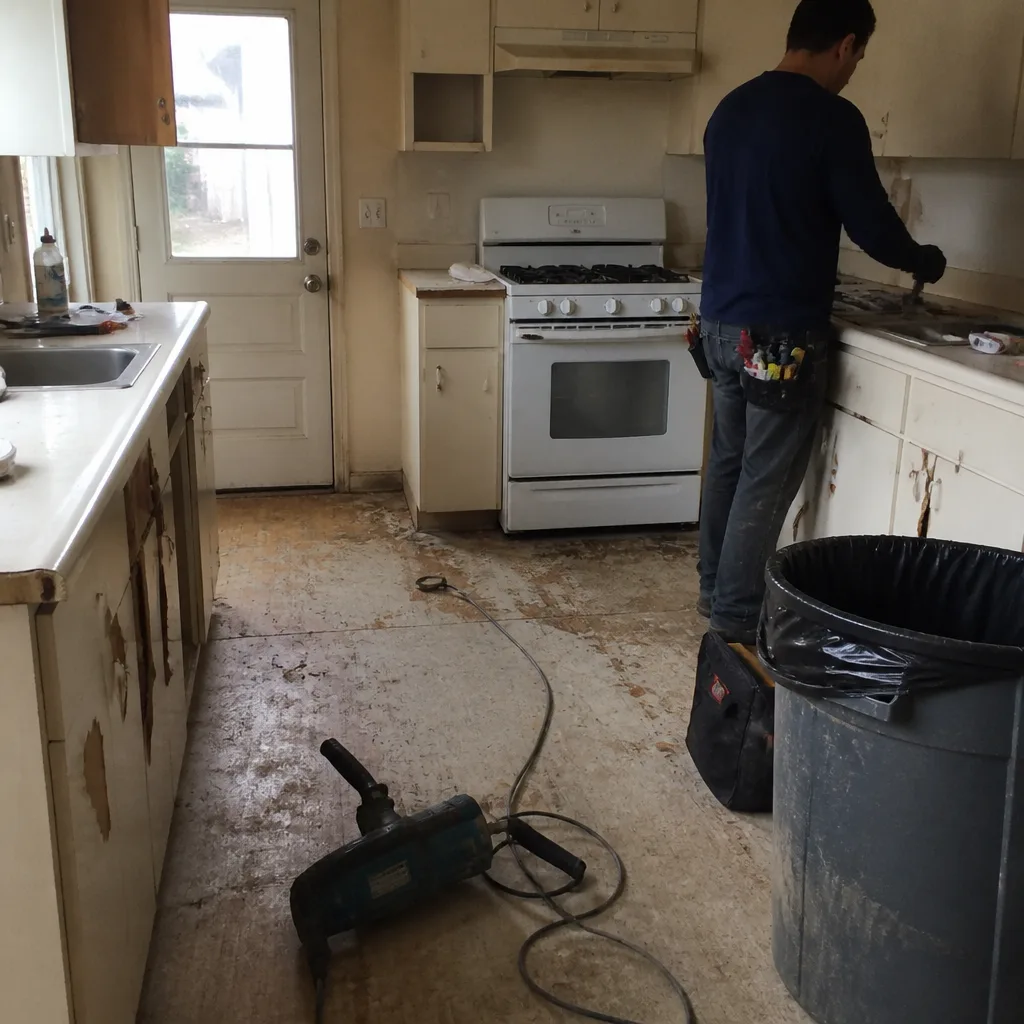 Before
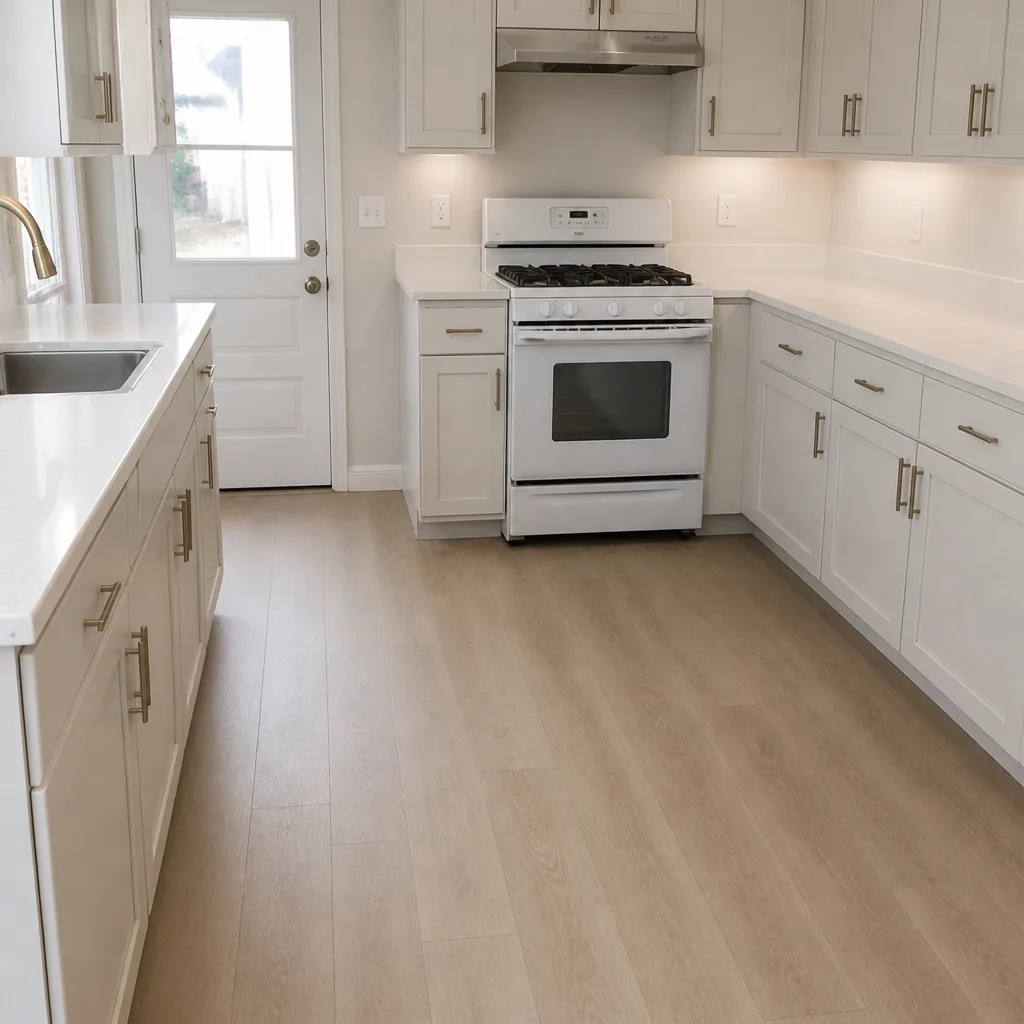 After
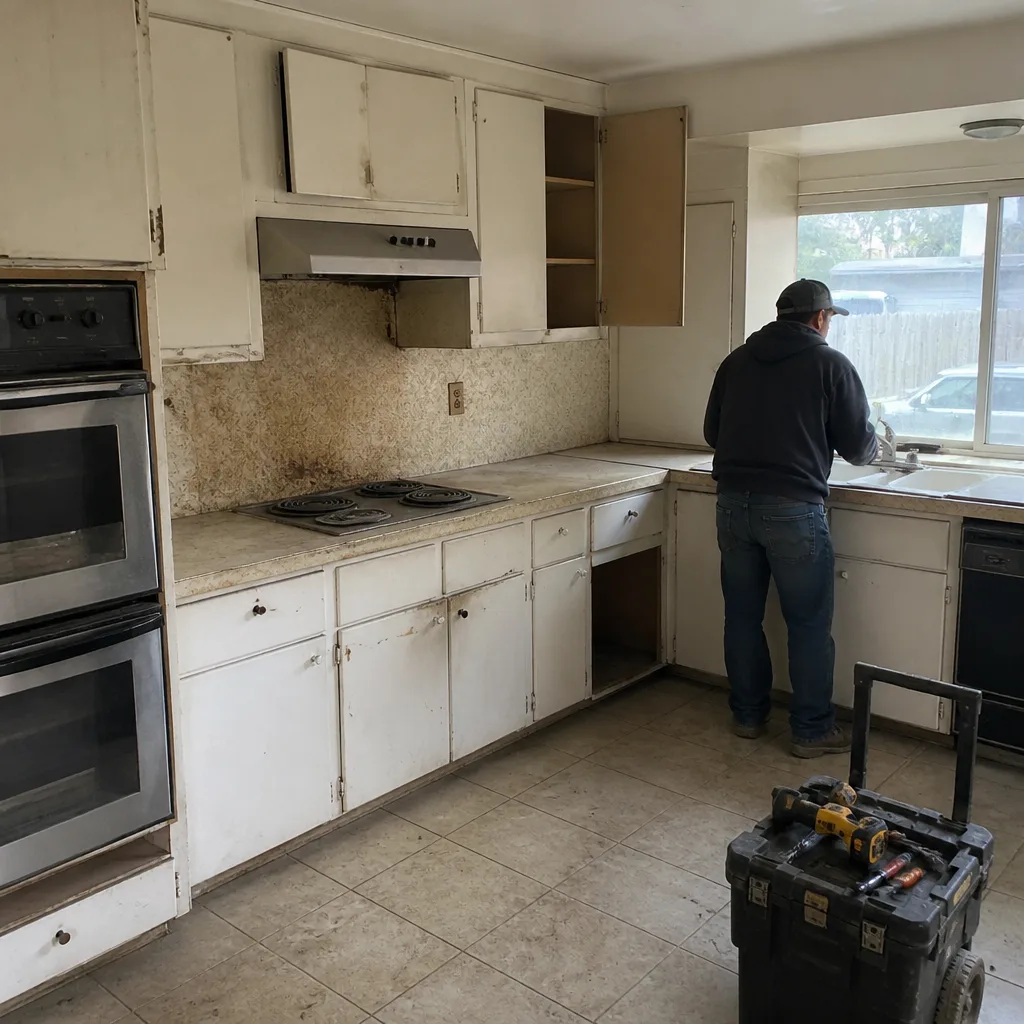 Before
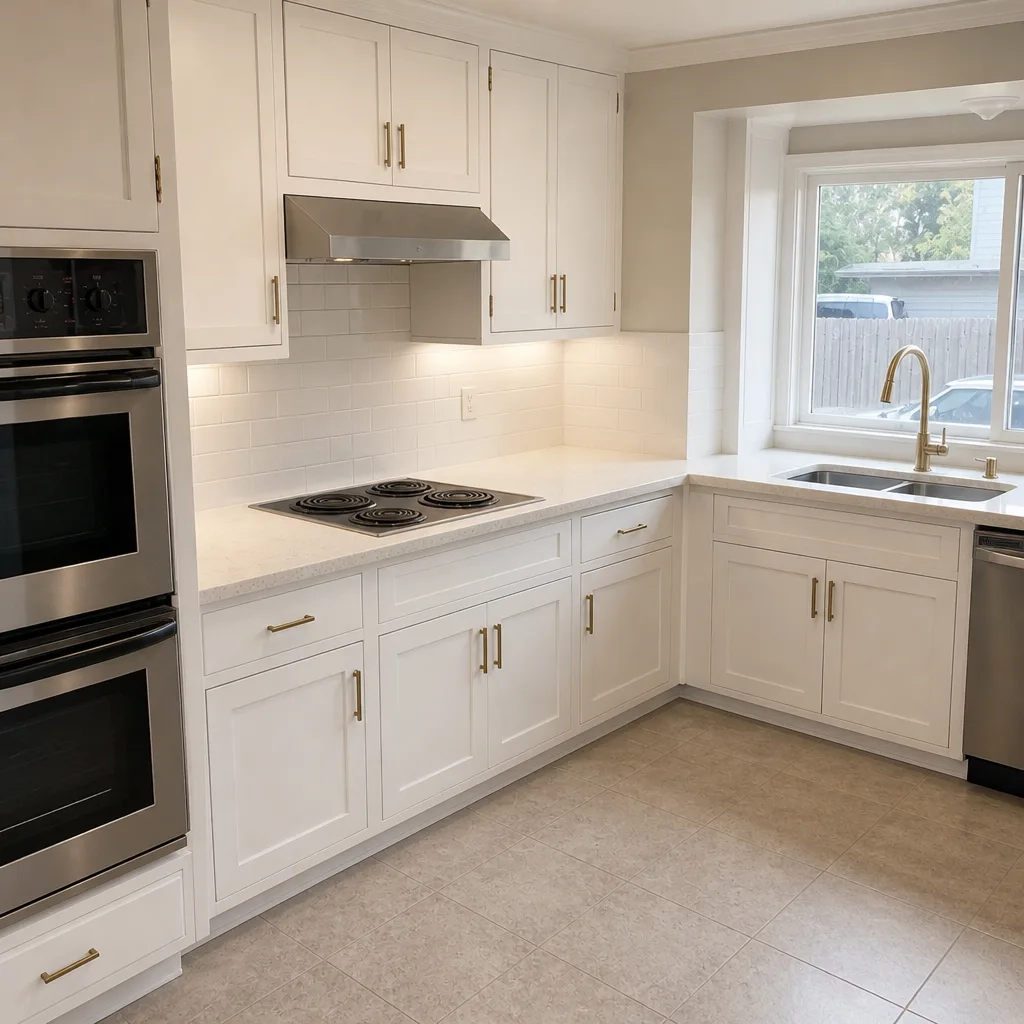 After
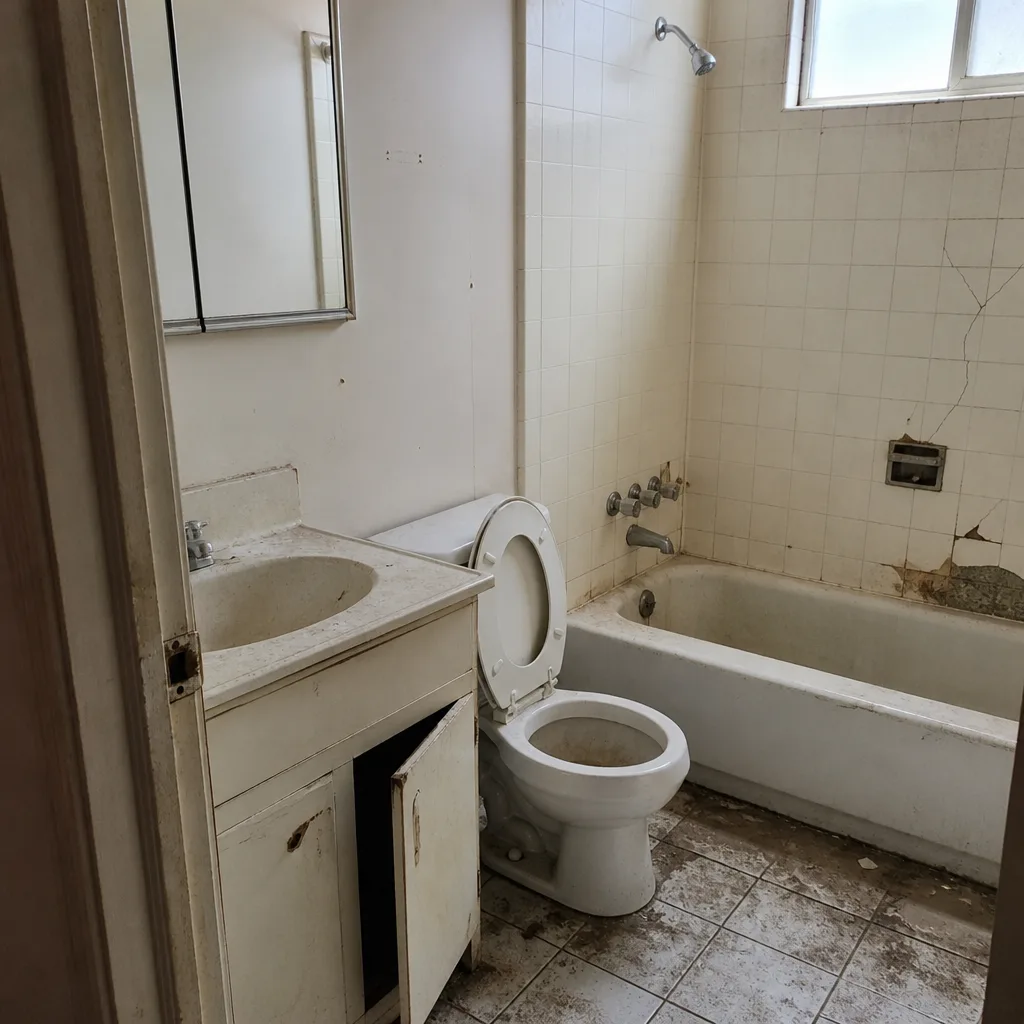 Before
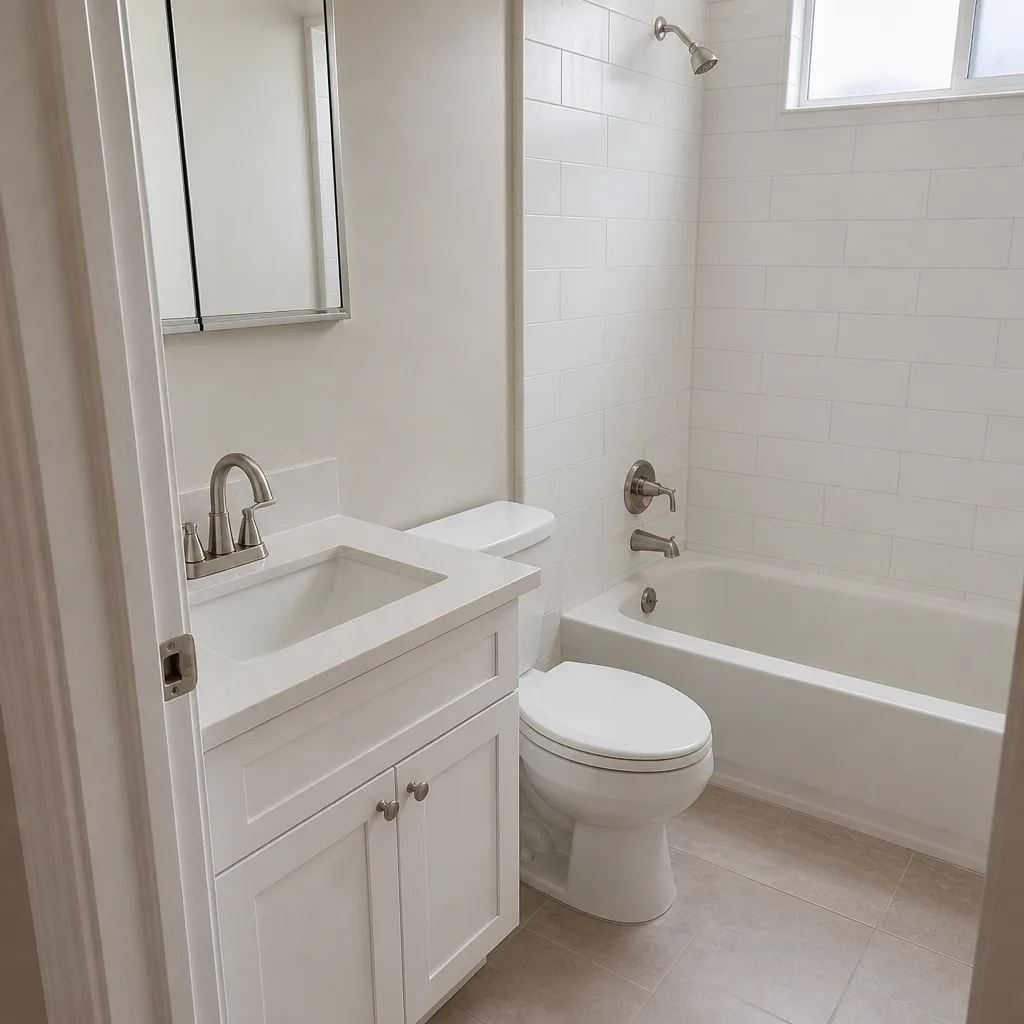 After
When to Call a Professional
Some projects in San Jose are genuinely DIY-able: painting, low-level landscaping, minor tile work. But the moment a project touches structural framing, electrical panel work, gas lines, or anything requiring a permit and inspection, call a trained professional. Those are also the areas where an unpermitted fix can derail a sale later. Similarly, if you’re being asked to sign a bid that hides the labor lines or excludes the permits, get a second read before you commit.
Groundwork Construction Co. of San Jose offers free estimates in San Jose – call (833) 988-3521 to schedule yours. Calls are answered by a live person, 24/7, so you’re not waiting for Monday morning to get a question answered. Estimates come with specific line items, named materials, and a clear contingency so you can compare apples to apples before you sign. If your project turns out to be outside our scope, we’ll tell you that too. You’re better served knowing that than guessing.
Frequently Asked Questions
A full kitchen remodel in San Jose runs $85,000 to $160,000 for a mid-range package, and $160,000+ for a premium build with structural changes. Labor in Santa Clara County runs above national averages, and permit fees add roughly 1.5% to 3.5% of the valuation. Call (833) 988-3521 for a free line-item estimate.
For a newer home, 10% is a reasonable floor. For a pre-1975 home in San Jose, especially one with original wiring or plumbing, set 12% to 15% aside. The contingency is there to cover what demolition reveals, and pre-1975 homes routinely reveal more than homeowners expect.
The contractor should pull the building permit in their own name, with the electrical, plumbing, and mechanical sub-permits included in the contract. If a bidder asks you to pull the permit as the homeowner, that shifts the legal responsibility for the work to you. Insist the pro holds the permit.
Three factors drive the gap: labor rates in Santa Clara County run well above the state median, permit fees are calculated on project valuation and can be substantial on larger projects, and material delivery runs 8% to 20% higher because of Bay Area logistics and warehouse costs. Add those up and a 25% to 40% premium over national averages is common.
With a well-written contract and a named contingency, the price should not change unless the scope changes or demolition reveals something the walkthrough couldn’t reach. Our upfront pricing is built on that principle: the number on the contract is the number you pay, and the contingency is separate and disclosed. Call (833) 988-3521 to see how we build a bid.
A kitchen runs 6 to 10 weeks of construction once permits are issued; a bathroom runs 3 to 6 weeks. Permit review adds weeks to months depending on scope. Plan for the total elapsed time from contract signing, not just construction days, and get the schedule in writing before you sign.
The Bottom Line
Construction costs in San Jose are not a mystery, they’re just not published in a way most homeowners can use. Labor rates in Santa Clara County, permit fees tied to valuation, and Bay Area delivery premiums add up to a 25% to 40% gap over national averages, and any bid that doesn’t show those lines is hiding them. Use this guide as your filter: ask every contractor for a line-item bid, a named material list, an itemized permit scope, and a contingency of at least 10%. Compare those answers, not the bottom line. And when you’re ready to price a project with real numbers, call us. It’s the difference between a bid you can evaluate and a number you can only hope is honest.
Groundwork Construction Co. of San Jose is a full-scope home construction company serving San Jose and the surrounding communities. Every project we do is covered by our 730-Day Done Right Promise, and every estimate is line-item and specific. Call (833) 988-3521 for your free estimate, and if a question can wait until 11pm on a Sunday, we still answer.
Written by the team at Groundwork Construction Co. of San Jose.