Last updated November 18, 2026
Free written scope consultation - allowances, timeline, and change-order rules on paper before a single trade is scheduled
Construction Permits, Codes & Inspections in CA: What You Need to Know
Unpermitted work in California doesn’t just risk a stop-work order. It creates a title encumbrance that can torpedo a home sale years after the project is finished, even when the work was done perfectly. We’ve watched buyers walk away from a San Jose house over a converted garage that passed every practical test except the paper trail, and we’ve seen refinances stall because a patio cover never got its inspection. This guide covers which projects actually need permits, how Santa Clara County inspection scheduling really works, what Title 24 energy compliance demands of additions in this climate zone, how to read permit status on the city portal, and how unpermitted work gets fixed.
Quick Answer
In California, most structural, electrical, plumbing, and mechanical work on a home requires a building permit, including projects many homeowners assume are exempt, like patio covers, retaining walls over 4 feet, and electrical panel upgrades. Permits must be pulled before work begins, the work must pass inspection by the local building department, and unpermitted work can block a sale, refinance, or insurance claim until it’s legalized through the San Jose Building Division. A licensed contractor pulls the permit, builds inspections into the schedule, and hands you a closed-out record when the job is done.
Styles & brands we work with
- Kitchen remodeling
- Bathroom remodeling
- Home additions & ADU
- Roofing
- Windows & doors
- Driveway & pavers
- Fence
Table of Contents
- Why Permits Matter More Than You Think in California
- Which San Jose Projects Need Permits (Including the Ones You’d Assume Don’t)
- How Santa Clara County Inspection Scheduling Actually Works
- Title 24 Energy Compliance for California Climate Zone 4
- How to Read Permit Status on the San Jose City Portal
- What Happens When a Home Has Unpermitted Work
- How to Vet a Contractor’s Permit Process Before You Sign
- How Permits Affect Your Project Timeline and Budget
Why Permits Matter More Than You Think in California
A building permit is a legal record. It says a government inspector looked at the work and confirmed it met the code in force at the time. That record follows the property, not the contractor and not the owner who happened to be living there during construction. When you sell, your buyer’s lender orders a permit history search on the property. Anything that shows up as open, expired, or missing becomes a negotiation, a price reduction, or a dead deal.
Insurers work the same way. If a kitchen fire starts in a circuit that was added without a permit, or wind takes a patio cover that never got inspected, the adjuster will ask for documentation. California insurers have gotten stricter about this since the wildfire years, and a claim denial over undocumented work is a scenario we’ve seen play out in San Jose more than once.
Refinancing is the third trap. Appraisers flag discrepancies between county records and what’s actually on the lot. A converted garage listed as a bedroom with no permitted change of use gets valued as a garage, sometimes discounted further as a liability. The homeowner paid for the conversion twice: once to build it, and again in lost appraisal value.
None of this is about the work being secretly dangerous. It’s about the paper. A permit isn’t red tape around construction; it’s the legal infrastructure that makes the finished project financeable, insurable, and sellable. Treat it as part of the project scope, not an obstacle to work around.
Which San Jose Projects Need Permits (Including the Ones You’d Assume Don’t)
Every homeowner we talk to knows a kitchen remodel needs permits. The projects that surprise people are the smaller ones. San Jose’s Building Division, like most California jurisdictions, follows the state’s building standards code, and the exemptions are narrow. Here’s a working list of what does and doesn’t need a permit for a typical single-family home:
Projects that need a permit in San Jose
- Patio covers and pergolas over a certain footprint. A freestanding shade sail is fine. A covered structure attached to the house, or one that exceeds the exemption size, is a permitted structure with foundations and roof framing.
- Retaining walls over 4 feet. Walls holding back soil at 4 feet or less, and not supporting a surcharge, are typically exempt. Anything taller, or any wall carrying a driveway or structure above it, needs engineered plans and a permit.
- Electrical panel upgrades and replacements. Swapping a 100-amp panel for a 200-amp panel requires a permit and inspection, and the panel has to be brought up to current code, which often means grounding and bonding work beyond the panel itself.
- New circuits, subpanels, and rewiring. Adding a circuit for a hot tub, EV charger, or new appliance is permitted electrical work.
- Water heater replacement. A like-for-like swap still needs a permit, in part because of seismic strapping and expansion tank requirements.
- Gas line work of any kind. Adding a line for a range or outdoor kitchen, moving a meter, or rerouting supply lines is permitted gas work.
- Fence height exceptions. Standard fences are usually exempt, but a retaining wall supporting a fence becomes a permitted structure. Fence installation in San Jose still has to respect property line and height rules even when it doesn’t need a permit.
- Accessory dwelling units. Every ADU, attached or detached, needs permits for the structure, the utilities, and the site work. See our guide to home additions & ADU in San Jose for what the process looks like.
Projects that usually don’t need a permit
- Interior paint, flooring, and finish carpentry
- Cabinet swaps that keep the same layout and don’t move plumbing or electrical
- Faucet and fixture replacement (though gas and electrical connections still trigger permits)
- Standard fence replacement at existing height and location
- Minor landscaping and non-structural hardscaping
When in doubt, call the Building Division’s permit counter before you build. A two-minute phone call is cheaper than a remediation.
How Santa Clara County Inspection Scheduling Actually Works
Permits aren’t the delay. Inspections are. A typical kitchen or addition in San Jose passes through six to twelve inspection stages depending on scope: foundation, framing, rough electrical, rough plumbing, rough mechanical, insulation, drywall, final, and separate specialty sign-offs for energy and any new structural elements. Each one requires scheduling, and each one requires the work to be ready before the inspector arrives.
Here’s what experienced contractors understand: the backlog isn’t the problem, it’s the schedule. Silicon Valley construction volume is enormous, and inspection availability tightens every spring as the permit calendar fills. The builders who lose two weeks on every inspection are the ones calling to schedule after the work is done. The ones who finish on time are:
- Scheduling inspections in advance. Most jurisdictions publish a scheduling window. We book the framing inspection the same week we start the rough framing, not the day after we’ve got the last nail in.
- Sequencing trades around inspection hold points. Drywall can’t go up until rough electrical, plumbing, and mechanical all pass. Getting those three trades inspected the same day, back-to-back, is a scheduling win that ripples through the rest of the job.
- Planning correction re-inspections as a normal cost. Every experienced contractor builds one re-inspection per 10 to 15 inspections into the schedule. It’s not pessimism, it’s how the calendar actually behaves.
- Tracking submittal dates alongside the build. Some inspections need documentation filed first, like Title 24 compliance forms or engineering letters for retaining walls. If the paperwork is late, the inspection slips.
We’ve seen San Jose remodels sit open for weeks not because the inspector couldn’t come out, but because the contractor called for the wrong inspection stage and had to reschedule. Reading the permit correctly, as covered in the next section on the city portal, is the first step.
Title 24 Energy Compliance for California Climate Zone 4
Title 24 is California’s energy code, and it applies to new construction, additions, and any significant alteration of conditioned space. San Jose sits in climate zone 4, the coastal-adjacent mild zone, which shapes what the code actually asks of you. It’s not the same as zone 12 out in the Central Valley or zone 16 up in the mountains. Getting this right matters because Title 24 compliance documents are required for the permit and checked at inspection.
For a typical San Jose addition, Title 24 requirements usually include:
- Wall and roof insulation values matched to zone 4. These are specific R-values, not the highest R-value you can buy. Overshooting on insulation can force a change in window performance requirements elsewhere to balance the compliance calculation.
- Window U-factor and SHGC limits. San Jose’s mild summers and cool winters mean the trade-offs between window performance and wall assembly are different from hotter or colder zones. That’s why window selection for a San Jose addition requires the compliance calculation, not just a brand name.
- Duct sealing and HVAC sizing. Any new or altered HVAC system must meet the duct insulation and leakage requirements for the zone.
- High-efficacy lighting requirements. New fixtures must meet the code’s efficacy thresholds, with allowances for exhaust fans, some decorative fixtures, and other listed exceptions.
- Solar-ready requirements for new construction. New single-family homes generally need solar-ready documentation and, depending on rules in force at permit time, a solar array. Additions are treated differently, and the specifics depend on scope.
Our practice on the full-scope builds where we’re handling a whole-home renovation or addition is to bring in a Title 24 energy consultant during design, so the calc is done before the plans are submitted. Retrofitting energy compliance to plans that were drawn without it costs weeks and sometimes forces a window or window package change after framing is already started. Since we partner with Andersen and Pella for windows, we can usually swap specifications without delay, but starting with compliance in hand is always faster.
Title 24 also governs indoor air quality and ventilation, which matters for kitchen and bathroom remodels even in existing square footage. A hood that meets the code’s minimum capture rate for a new kitchen isn’t optional. That’s part of why our kitchen partners for appliances and finishes run toward brands like Kohler and Moen that spec cleanly against California requirements.
How to Read Permit Status on the San Jose City Portal
San Jose runs its permits through an online portal. Every permit on a property, whether it’s yours or one an owner filed back in 2009, is searchable by address. Knowing how to read the status field saves you from the phone-call guessing game and gives you a realistic view of where a project actually sits. The exact labels have varied slightly as the city has updated the portal, but the milestones are universal across California jurisdictions:
- Application received / intake. The permit has been filed but hasn’t been reviewed. This is where a project sits for the first four to eight weeks on a typical remodel, longer on complex structural work. Plans are being triaged, not reviewed.
- Under plan review. A plans examiner is looking at the drawings and the Title 24 documents. This stage often generates correction letters, each of which restarts review on the corrected submittal.
- Approved / issued. The permit is ready and fees are due. Work can legally begin. Not until this status hits.
- Open / inspections in progress. Work has started and inspections are being scheduled. This is the longest stage on a typical job.
- Correction pending / failed inspection. An inspector flagged something. The contractor has to fix it and schedule re-inspection. A normal correction is a day or two of work. A serious one (failed framing, wrong footing depth) can halt the job for a week or more.
- Finaled / closed. Every inspection has passed and the permit is complete. This is the record your buyer’s lender will look for. A permit stuck at “open” from three years ago is a red flag no matter who did the work.
- Expired. Most permits expire if no inspection activity happens within a set window, often 180 days. An expired permit means the work was never finaled and may need to be re-permitted or legalized through the current building department.
Reading the portal isn’t just for buyers and sellers. As an active contractor working in San Jose, we check every permit’s status before scheduling an inspection, because a permit sitting in “correction pending” on a plan submittal won’t allow an inspection at all. Our weekly schedule is built around those statuses, which is one reason our clients get a real answer when they ask where the job stands.
What Happens When a Home Has Unpermitted Work
Unpermitted work isn’t a death sentence for a property, but it’s not something to ignore. The remediation path in San Jose runs through the Building Division’s permit process, and it’s more systematic than most homeowners expect. The steps generally work like this:
- Discovery and disclosure. Whether you found it during your own ownership or flagged it in a buyer’s inspection, the first move is to identify exactly what was done and when. County assessor records and historical satellite imagery often help.
- Pre-application consultation. Contact the San Jose Building Division for a pre-application meeting or ask the permit counter how the work should be legalized. Some work can be permitted retroactively through a “as-built” permit; some requires opening walls to verify construction.
- Plans or verification. Safe-to-assume conditions don’t exist in the code. If the work is structural, the building department will want engineered drawings or verification that the framing, foundations, and connections meet the code that was in force when it was built (or current code if it can’t be confirmed).
- Permit issuance and inspection. The permit is issued as a legalization permit, and the building department inspects the existing construction. If it doesn’t meet code, the owner either fixes it or, in some cases, the permit requires removal.
- Finaled record. Once the legalization permit is finaled, the work becomes insurable and financeable like any other permitted improvement. The property record is updated.
The cost of remediation depends entirely on what was done. A legalized patio cover is often a quick permit and inspection. A garage converted into a bedroom with new plumbing and electrical can require opening walls, pulling the plumbing into compliance, and licensing the change of use with the county assessor. We’ve handled both ends of that spectrum in San Jose, and the single most important factor in keeping the cost down is discovering the problem early, before any inspector or appraiser forces the issue.
How to Vet a Contractor’s Permit Process Before You Sign
Every licensed contractor in California is required to pull permits for permitted work. The difference between a contractor who does this well and one who cuts corners shows up in five questions you can ask during the estimate:
- “Will you pull the permit, or will I?” On any permitted job, the contractor of record should pull the permit, not the homeowner. When the homeowner pulls the permit, the liability and insurance exposure shifts onto them. A contractor who asks you to file your own permit on a kitchen remodel is asking you to carry their risk.
- “What’s your inspection schedule plan?” A contractor who can tell you the typical inspection hold points and how they sequence trades is one who does this regularly. Vague answers are a warning sign.
- “Who handles the Title 24 energy calc?” On any addition or significant alteration, the answer should be a named process, not “we’ll figure it out.”
- “How do you handle plan review corrections?” Every meaningful project gets at least one correction letter. The contractor should include plan review time in the timeline. A quote that assumes zero plan review delay is either inexperienced or padding the schedule later.
- “Do you carry a workmanship warranty?” The permit closes out one layer of accountability. The warranty is a separate one, and on major work it should be measured in years, not months. Our 730-Day Done Right Promise exists to answer this question directly: if it’s not done right, we make it right, for two years after substantial completion.
For larger projects like a home addition or ADU or a full driveway & pavers build, ask to see a couple of recent permit records the contractor has closed out in San Jose. If they can pull up their own finaled permits on the city portal and walk you through them, that’s the clearest proof of process you can get before work starts. It’s the same approach we take on every signed project at Groundwork Construction Co. of San Jose, and it’s why our clients get a straight answer when a buyer’s agent calls five years later.
How Permits Affect Your Project Timeline and Budget
Permits don’t add a tax; they add a known line item. Across the San Jose projects we handle, the permit and related soft costs usually run between 3% and 8% of total project cost, higher on small jobs (fixed fees hit harder as a percentage) and lower on big ones. Here’s how the piece breaks out:
| Line item | Typical range |
|---|---|
| Plan review and permit fees (kitchen or bath) | $500 – $2,500 |
| Plan review and permit fees (addition or ADU) | $3,000 – $15,000 |
| Title 24 energy consultant | $250 – $800 |
| Structural engineering (if required) | $800 – $3,500 |
| Plan review time before work starts | 4 – 10 weeks |
| Inspection window on active job | 1 – 3 weeks per hold point |
Those numbers are San Jose market ranges as we’ve seen them on actual projects, not a published schedule of fees, which changes as the city updates its fee code. What matters for planning is that none of this is unknown at the estimate stage. Any contractor giving you a real quote should break out the permit and Title 24 costs on the same page as the framing and the finish schedule. Our quotes always do, at the outset and in writing, so there aren’t surprise fees three months in when the plan examiner asks for a revision.
The other piece of the budget is the part nobody puts on the invoice: the cost of doing it unpermitted and correcting it later. Legalizing ten thousand dollars of finish work can cost as much as building it again, because the code demands what it demands. Avoiding the permit to save eight hundred dollars is a false economy that companies and homeowners both regret.
Common Mistakes to Avoid
- Assuming small projects are exempt. Patio covers, electrical panel upgrades, and 5-foot retaining walls are the three projects homeowners ask us about most often because they’re surprised by the permit requirement. All three need permits in San Jose. Skipping them is what creates title issues later.
- Starting work before the permit is issued. A “we’ll pull the permit after we start” contractor is gambling with your property. Any inspection or correction that happens before permits issue invites a stop-work order, and a stop-work order is much more expensive than a week of waiting for the paper.
- Treating inspection scheduling as the contractor’s problem alone. Yes, the contractor schedules, but you need to know where the job sits on the permit record. Log in to the San Jose city portal occasionally and check. A status stuck at “correction pending” for two weeks is a conversation to have.
- Using a handyman for permitted work. Unlicensed contractors can’t legally pull permits on work they aren’t licensed to perform, and they can’t carry the insurance and warranty exposure that comes with a real project. It’s not a small saving; it’s a full exposure shift.
- Ignoring Title 24 until after framing. Energy compliance isn’t a checkbox. If the calc comes back with a window specification you can’t meet, you’re changing windows or walls mid-build. Bring it into design.
- Assuming unpermitted work is always a deal-killer. It’s not. It’s a disclosure and a remediation path. Homes with unpermitted work sell all the time, usually at a discount that roughly equals the legalization cost plus a haircut for risk. Knowing the remediation path turns a scary problem into a negotiation.
- Trusting a permit history alone. A finaled permit on a kitchen remodel doesn’t guarantee the work matches the drawings. Pull the permit record, look at the structural and MEP scope, and then verify. The paperwork, the built product, and the disclosure should all say the same thing.
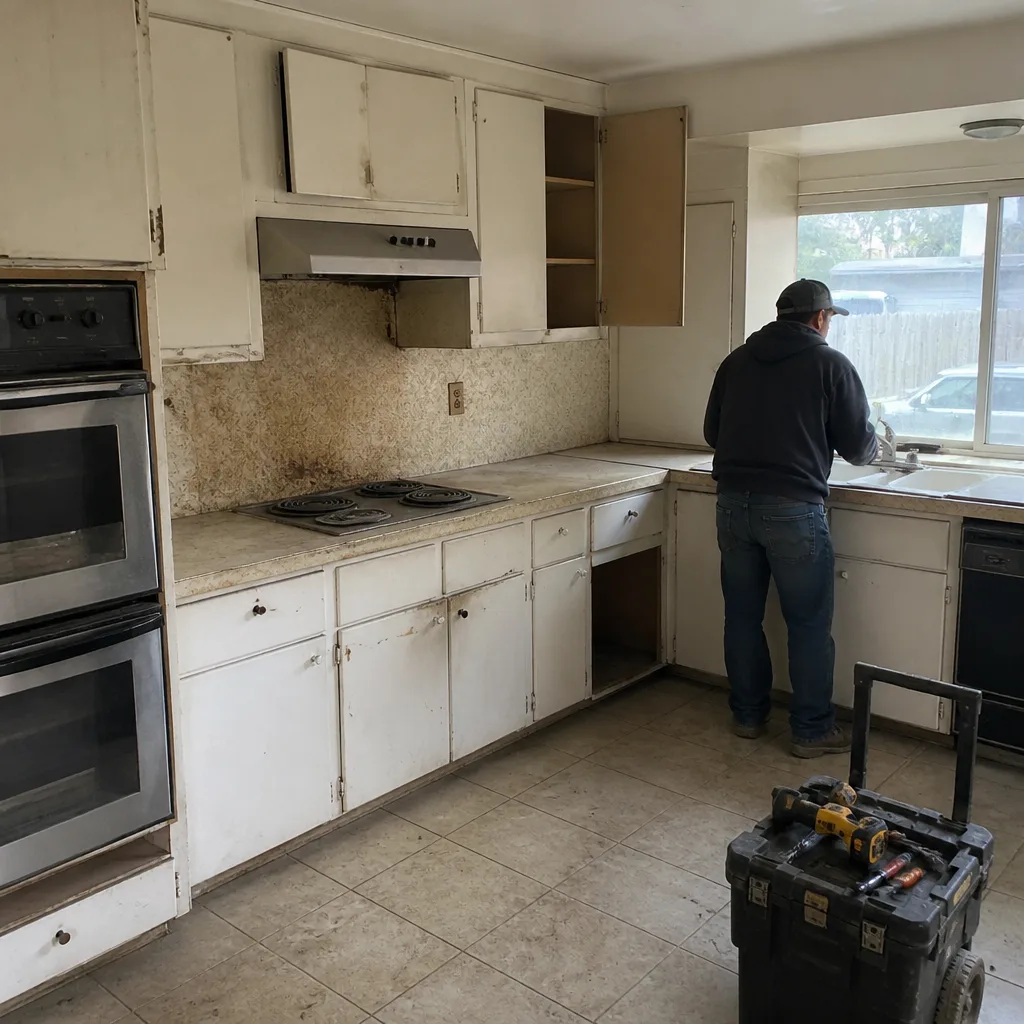
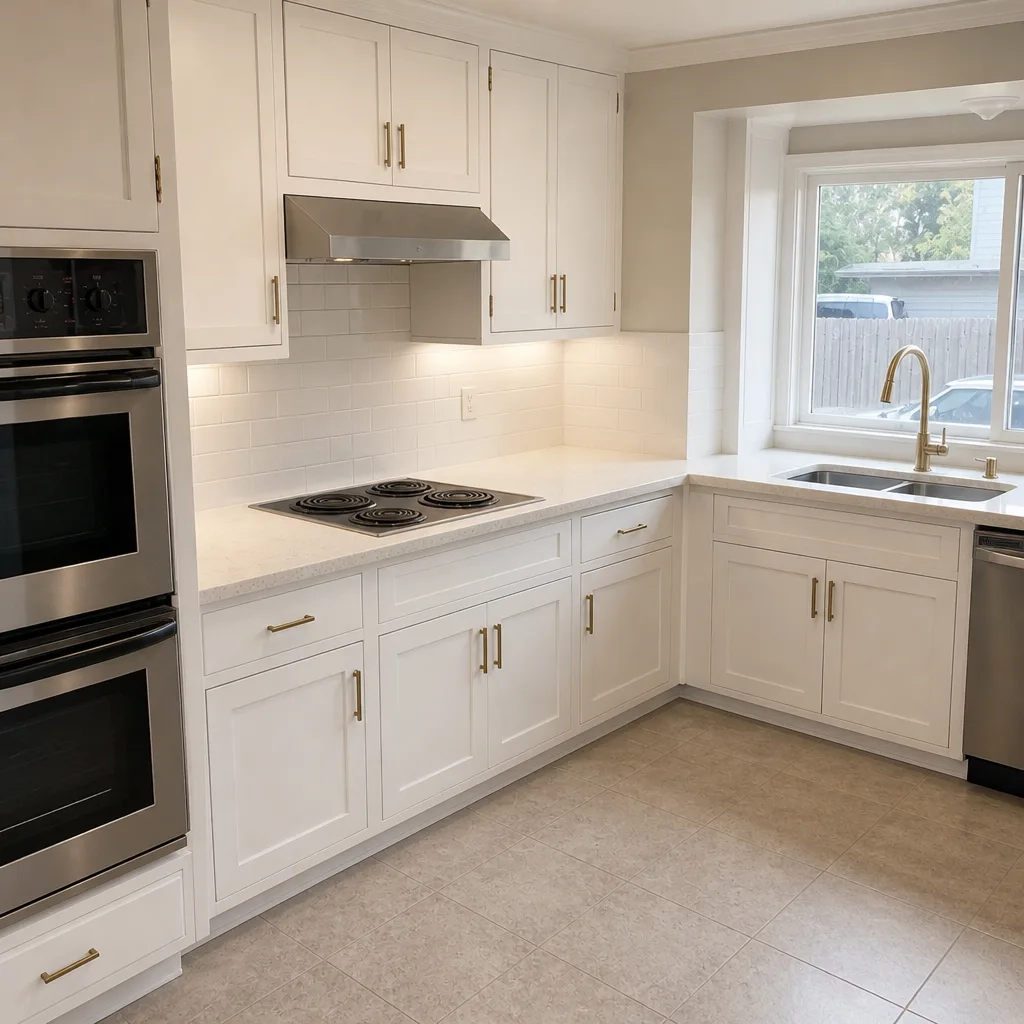
See the difference
 Before
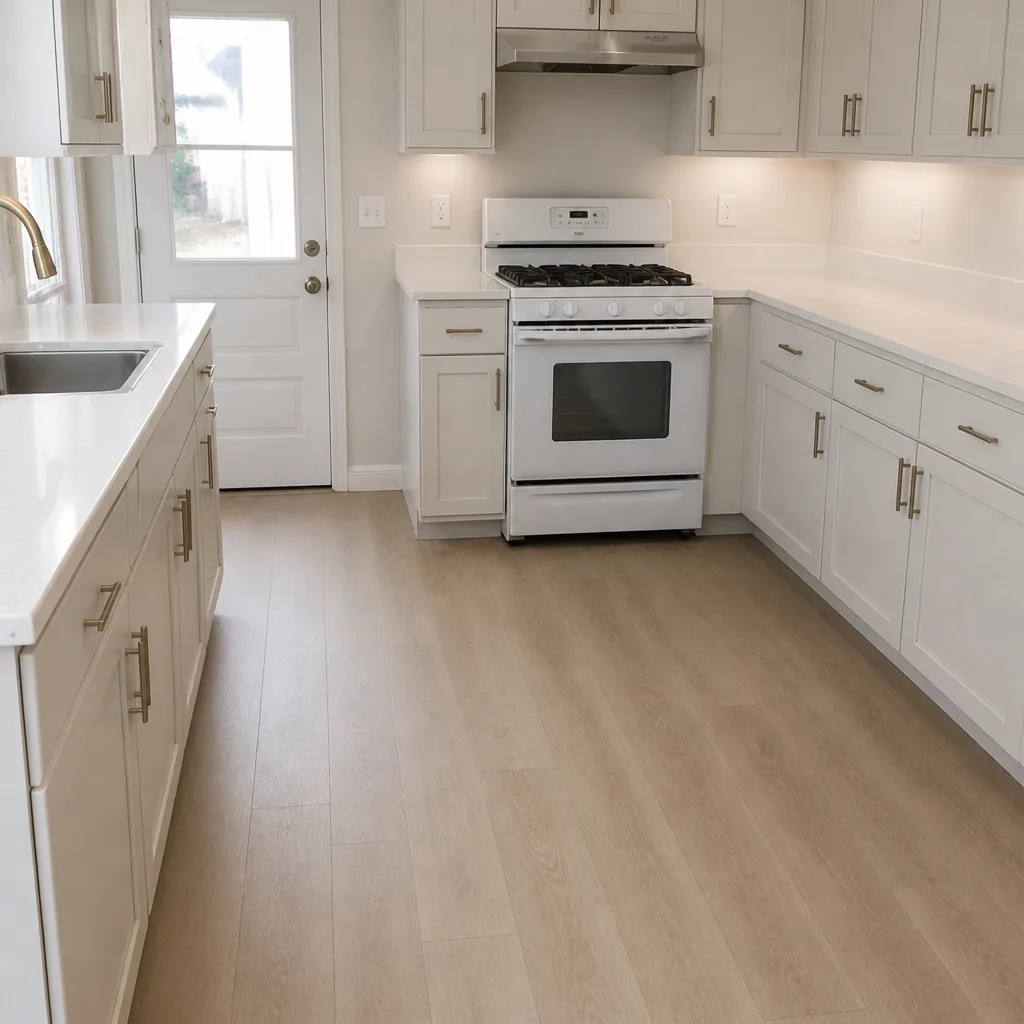 After
 Before
 After
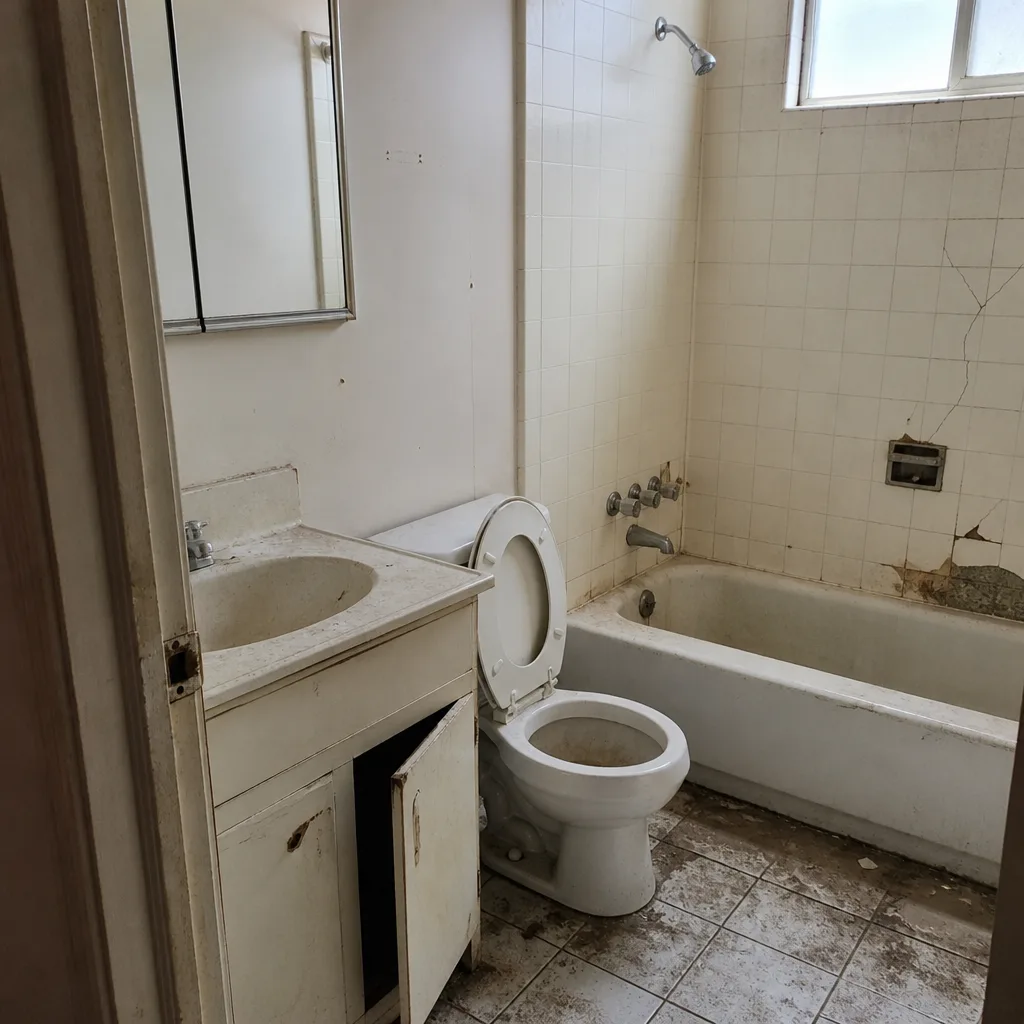 Before
 After
When to Call a Professional
The right time to loop in a professional is before the permit application, not after. Any project that touches structure, gas, electrical, plumbing, or conditioned space belongs in this conversation, and so does any project you think might not. We’ve talked with San Jose homeowners on both sides of the permit line: the ones who filed, got their inspections, and closed out clean, and the ones who bought a house with an open permit they inherited from a seller. The first group spends less money and less time every single time.
If your project needs a structural permit, a Title 24 calc, or a legalization plan, Groundwork Construction Co. of San Jose offers free estimates in San Jose. Our technicians have up to 12 years of experience, and every project we take on is backed by our 730-Day Done Right Promise and our commitment to pull, permit, and close out the legal record correctly. Call (833) 988-3521 to schedule your free estimate at Groundwork Construction Co. of San Jose home.
Frequently Asked Questions
Yes. An electrical panel upgrade or replacement requires a permit and inspection in San Jose, and the panel and its grounding and bonding have to meet current code, which often goes beyond the panel swap itself. Once the work is permitted and inspected, the upgrade becomes an insurable improvement that supports future additions like an EV charger or a heat pump installation. Call (833) 988-3521 for a free estimate if you’re considering a panel upgrade.
A typical kitchen or bathroom remodel takes 4 to 8 weeks for plan review; an addition or ADU can take 8 to 12 weeks depending on scope and whether structural and Title 24 submittals are complete at filing. Plan review time isn’t a fixed cost but it is a predictable one, and it should appear in your project schedule before work starts. Call us for a free estimate that breaks it out properly.
Yes, but the unpermitted work has to be disclosed to the buyer, and it will likely show up in the appraisal and inspection process. California sellers must disclose known unpermitted work, and buyers frequently price the legalization cost into their offer or walk away from the transaction. Legalizing the work before listing, or providing a remediation estimate from a licensed contractor, keeps your sale on the rails. Call (833) 988-3521 if you’re facing this situation in a San Jose property.
Any patio cover that’s structurally attached to the house, or that exceeds the code’s exemption size, needs a permit in San Jose. It’s one of the projects homeowners most often assume is exempt, and it’s one of the ones that most often ends up as a title encumbrance on resale. Pull the permit and know it’s done. Call us for a free estimate if you’re planning a covered outdoor space.
Title 24 is California’s energy code, and for new construction, additions, and major alterations in San Jose’s climate zone 4, it specifies insulation values, window performance, HVAC ducting, and lighting efficacy numbers that must be documented at permit and checked at inspection. It’s not optional, and it’s not a checkbox to fill in after the plans are drawn. Failing to address it causes genuine project delays.
An expired permit means the work was never finaled and typically requires re-permitting or legalizing through the current building department. Expiration usually happens when no inspection activity has occurred for 180 days, which is why scheduling inspections actively on the San Jose city portal is essential on long jobs. It’s the owner’s job to know where the job stands. Call (833) 988-3521 and we’ll walk you through a project that entered this situation and what remediation actually looked like.
The Bottom Line
California’s permit system isn’t red tape, it’s the legal layer under everything else you own. Every permitted, inspected, closed-out project adds an insurable, sellable improvement to the record. Every shortcut leaves an encumbrance that surfaces at the worst possible time: the sale, the refinance, or the insurance claim. The homework pays for itself in weeks not lost to plan review gaps, dollars not lost to remediation, and a title record that supports your home’s value instead of undermining it. If you’re planning a project in San Jose and not sure which permits apply, the call is free.
Contact us
Groundwork Construction Co. of San Jose pulls the permits, builds inspections into the schedule, and closes out the legal record on every project we take on. Our 730-Day Done Right Promise covers the work, our technicians are background-checked and arrive in uniform, and every project starts with a no-hassle, upfront, free estimate. If you’re weighing any of the seven services we handle, from Driveway & Pavers in San Jose to Fence Installation in San Jose to a Home Additions & ADU in San Jose, call (833) 988-3521 to schedule your free estimate. Calls are answered by a live person 24/7, and our $1,000 off projects over $10,000 promotion plus 0% financing for 18 months make larger builds easier to plan for. It’s the difference between a project you hope turns out and one that’s built to last, backed in writing.
Written by the team at Groundwork Construction Co. of San Jose.